

Ramadan is a time of spiritual reflection, discipline, and community across Dubai and the wider UAE. While fasting brings meaningful personal and spiritual benefits, the change in eating schedules, hydration patterns, sleep routines, and activity levels can also influence how the body feels — particularly for individuals managing joint pain or musculoskeletal conditions.
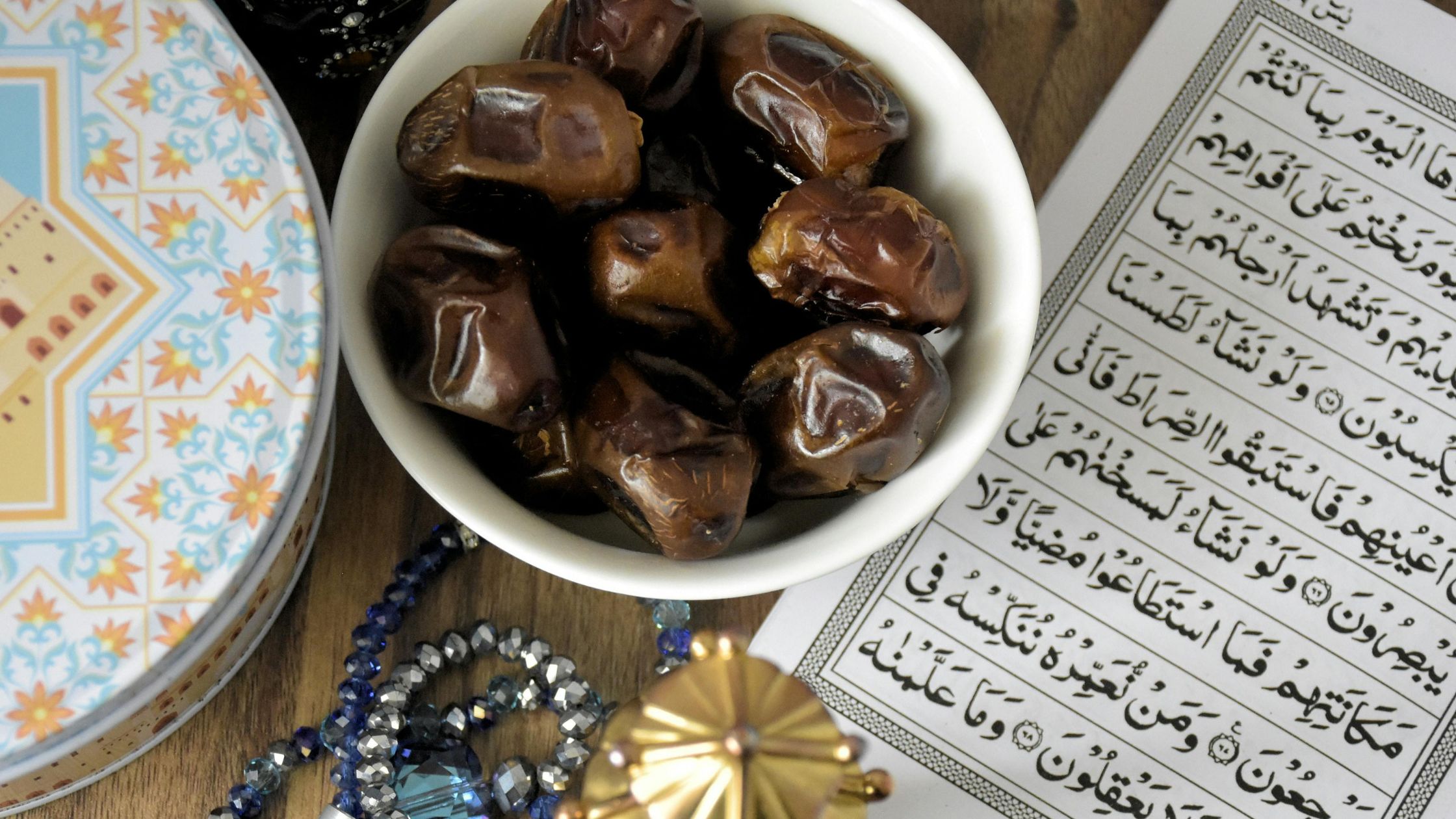
For people living with arthritis, back pain, knee discomfort, or past injuries, fasting may sometimes bring increased stiffness, fatigue, or muscle tightness. The good news is that with the right approach to hydration, nutrition, movement, and rest, it is entirely possible to maintain joint comfort and mobility throughout the holy month.
Understanding how Ramadan affects the body allows you to care for your bones and joints while continuing your spiritual practices with confidence.
Why Joint Pain May Feel Different During Ramadan
Fasting naturally changes the body’s daily rhythm. When hydration, nutrition, and sleep patterns shift, muscles and joints may respond differently than usual.
Several factors may contribute to increased stiffness or fatigue during Ramadan:
- Reduced fluid intake during daylight hours
- Altered sleep cycles due to late-night prayers and early Suhoor meals
- Changes in physical activity levels
- Nutritional imbalance between meals
- Increased evening movement after long hours of rest
When joints are not well hydrated or muscles become fatigued, discomfort can become more noticeable. Being mindful of these changes allows you to prevent unnecessary strain.
Hydration: The Key to Joint Comfort During Fasting
Hydration plays a critical role in maintaining joint health. Cartilage — the tissue that cushions joints — relies on fluid to maintain its flexibility and shock-absorbing ability.
During Ramadan, it becomes essential to maximize hydration between Iftar and Suhoor.
Helpful hydration strategies include:
- Drink Water Gradually: Aim for consistent hydration throughout the evening rather than large amounts at once.
- Limit Caffeine: Coffee and tea may increase dehydration if consumed excessively.
- Include Hydrating Foods: Fruits such as watermelon, oranges, and cucumbers support fluid intake.
- Balance Electrolytes: Soups and light broths help replenish essential minerals.
- Avoid Excess Salt: High-sodium foods increase thirst and fluid imbalance.
Proper hydration helps reduce stiffness and supports joint lubrication.
Nutrition That Supports Bone and Joint Health
The body relies on nutrients to repair tissues and maintain muscle strength. During Ramadan, balanced meals become even more important because eating windows are shorter.
Focus on foods that support musculoskeletal health:
- Protein: Supports muscle repair and joint stability.
- Calcium-Rich Foods: Essential for bone strength.
- Vitamin D: Helps the body absorb calcium effectively.
- Healthy Fats: Reduce inflammation in joints.
- Complex Carbohydrates: Provide sustained energy for muscles.
A balanced Suhoor meal can help maintain energy levels throughout the fasting day and reduce muscle fatigue.
Maintaining Safe Movement During Ramadan
Many people assume exercise should stop during fasting, but gentle movement is beneficial for joint health. Remaining active helps maintain flexibility and prevents stiffness.
Consider these safe activity habits:
- Light Walking: Ideal after Iftar to improve circulation and joint mobility.
- Gentle Stretching: Helps loosen tight muscles before sleep.
- Low-Impact Exercises: Activities such as yoga or mobility training reduce joint stress.
- Avoid Intense Midday Workouts: Energy and hydration levels are lower during fasting hours.
- Listen to Your Body: Fatigue is a signal to slow down.
Maintaining consistent, moderate activity helps joints remain flexible and comfortable.
Managing Existing Orthopedic Conditions During Ramadan
Individuals living with conditions such as arthritis, tendon injuries, or chronic back pain may notice temporary changes in symptoms during fasting.
Common orthopedic concerns during Ramadan include:
- Increased knee or hip stiffness
- Back discomfort from long sitting periods
- Fatigue in joints during evening prayers
- Muscle tightness due to reduced hydration
Early guidance helps ensure these symptoms remain manageable.
You can explore comprehensive support through our page on joint pain and arthritis management.
How Physiotherapy Supports Comfort During Ramadan
Physiotherapy can play an important role in maintaining joint health during periods of lifestyle adjustment. Guided exercises help strengthen muscles that protect joints while improving flexibility and posture.
Benefits of physiotherapy include:
- Improved muscle strength
- Reduced joint stiffness
- Better posture and spinal alignment
- Increased mobility and flexibility
- Reduced risk of injury
Our services for rehabilitation and physiotherapy for orthopedic conditions provide personalized strategies for maintaining movement safely.
Consistent guidance supports long-term comfort.

Recognizing When Pain Should Be Evaluated
Mild stiffness may be normal during fasting, but persistent or worsening pain should not be ignored.
Consider seeking evaluation if you experience:
- Joint pain that lasts more than two weeks
- Swelling or warmth around joints
- Difficulty walking or climbing stairs
- Limited range of motion
- Pain interfering with sleep or daily activity
Early orthopedic evaluation often prevents more serious complications.
Our specialists provide detailed assessment and treatment options through the main Orthopedics Service page.
A Balanced Approach for Ramadan in Dubai
Ramadan is a time for reflection and balance. Caring for your body is part of maintaining that balance. By prioritizing hydration, nutrition, and mindful movement, you can reduce joint discomfort and stay physically comfortable during fasting.
At Westminster Orthopedics in Dubai Healthcare City, our specialists understand the lifestyle changes that come with Ramadan and offer supportive, personalized care to help patients remain active and comfortable throughout the holy month.
Healthy joints allow you to focus on what matters most.
Your Partner in Joint Health During Ramadan
Joint discomfort should not distract from the spiritual focus of Ramadan. With the right preparation and guidance, most individuals can fast safely while maintaining mobility and comfort.
Small adjustments in daily habits can protect your bones, muscles, and joints throughout the month.
Need Guidance for Managing Joint Pain During Ramadan?
If joint discomfort, stiffness, or fatigue is affecting your daily routine during fasting, our orthopedic specialists in Dubai are here to help. Book your consultation through our Contact page and receive personalized guidance for comfortable, confident movement this Ramadan.