
Joint pain can slowly change the way you live. What begins as mild stiffness in the knee, shoulder, or hip can gradually affect how you walk, exercise, sleep, or even enjoy simple daily activities. In Dubai’s active community, many people want relief — but without immediately turning to surgery or long recovery periods.
This is where regenerative medicine, particularly PRP (Platelet-Rich Plasma) therapy, offers a promising alternative. PRP injections focus on stimulating your body’s own natural healing response. Instead of masking pain, this treatment works with your biology to support tissue repair and improve joint function. For many individuals, it represents a minimally invasive path toward restoring mobility and comfort.
What Is PRP and How Does It Work?
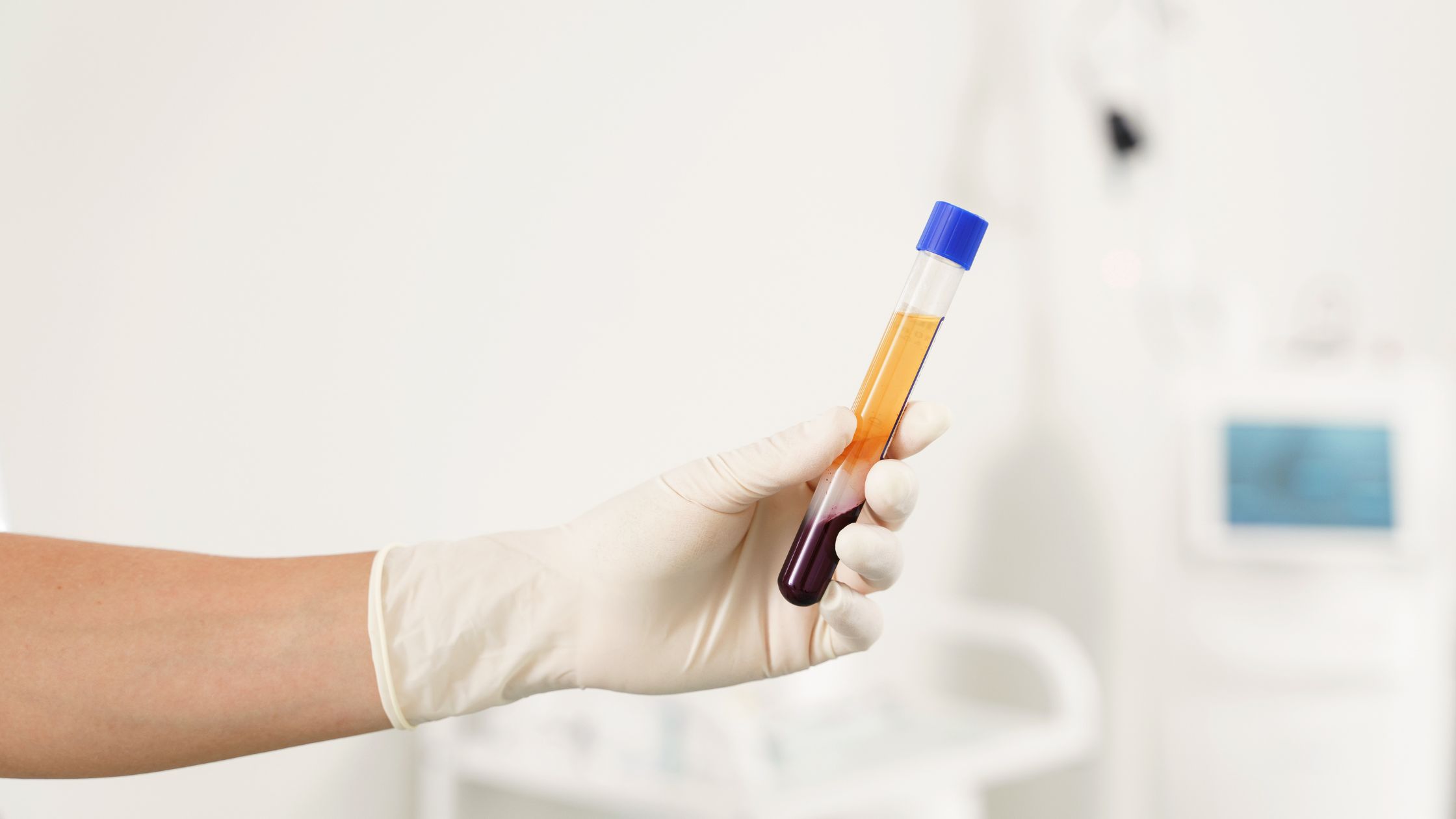
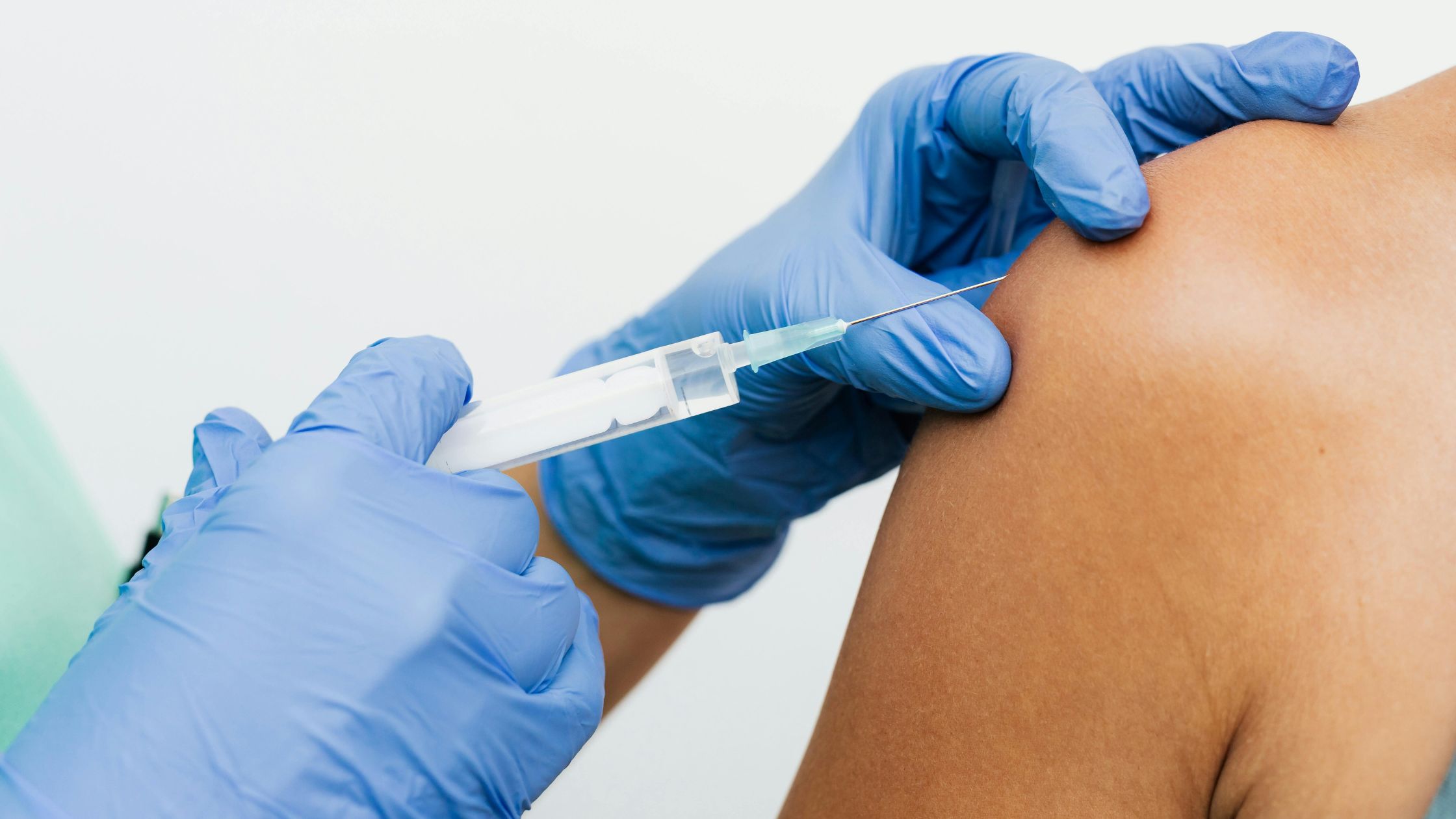
PRP stands for Platelet-Rich Plasma — a concentrated component of your own blood that contains growth factors essential for tissue repair. During the procedure, a small sample of your blood is drawn, processed to concentrate the platelets, and then carefully injected into the affected joint or soft tissue area.
Platelets play a key role in healing. When concentrated and delivered directly to an injured or inflamed area, they help:
- Stimulate tissue repair
- Reduce inflammation
- Improve circulation in the treated area
- Support regeneration of tendons and ligaments
- Encourage long-term healing rather than temporary relief
Because PRP uses your body’s own cells, the risk of allergic reaction or rejection is extremely low.
Who Can Benefit from PRP Therapy?
PRP is often recommended for individuals experiencing mild to moderate joint pain, tendon irritation, or early degenerative changes — especially when conservative treatments have not provided sufficient relief.
Common conditions that may benefit include:
- Knee osteoarthritis
- Shoulder tendonitis
- Tennis elbow
- Ankle ligament irritation
- Hip discomfort
- Early cartilage wear
- Chronic soft tissue injuries
You can explore more about targeted regenerative options on our page for PRP injections for joint pain.
Early intervention often yields the best results.
Why Many Patients Prefer Minimally Invasive Solutions
Surgery is sometimes necessary, but many patients prefer exploring less invasive options first. PRP therapy appeals to individuals who want to:
- Avoid surgical downtime
- Reduce reliance on long-term medication
- Continue daily activities with minimal interruption
- Address the root cause of inflammation
- Support natural healing processes
The procedure itself is typically completed within a short outpatient visit, allowing patients to return home the same day.
Minimally invasive care often aligns better with busy lifestyles in Dubai.
What to Expect During the Procedure
Understanding the process helps reduce uncertainty and builds confidence in treatment decisions.
A typical PRP session involves:
- Blood draw from the patient
- Processing in a centrifuge to concentrate platelets
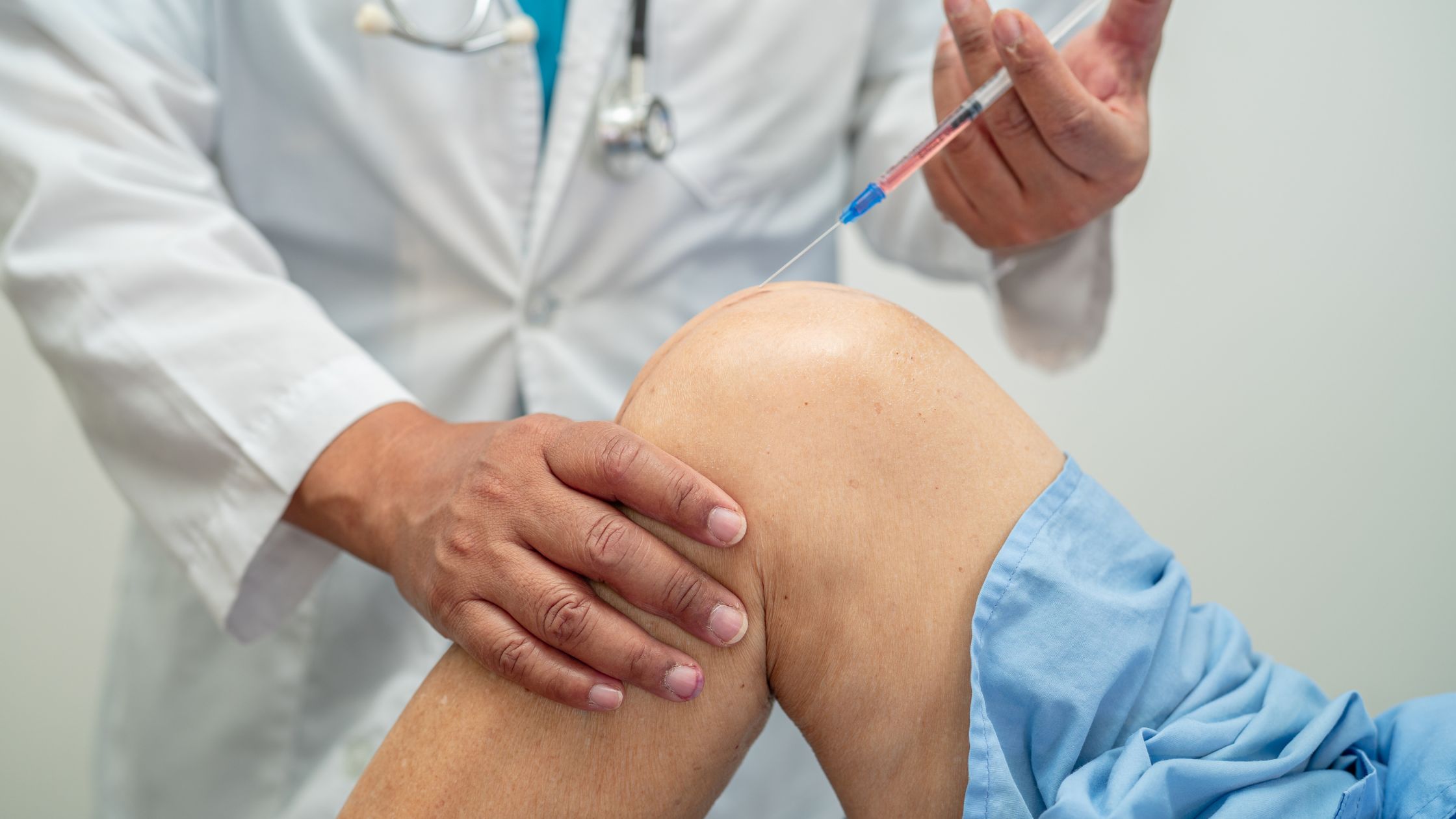
- Precise injection into the targeted joint using imaging guidance
- Brief recovery observation
Most patients experience mild soreness at the injection site for a short period. Gradual improvement is typically noticed over weeks as healing progresses.
For additional precision-based therapies, you may also explore orthopedic injections and image-guided therapies.
PRP vs. Traditional Pain Relief Approaches
Traditional joint pain management often includes anti-inflammatory medications, corticosteroid injections, or temporary rest. While these approaches may provide short-term relief, they may not always stimulate long-term tissue repair.
PRP differs because it aims to:
- Enhance biological healing
- Support tissue regeneration
- Improve joint environment over time
- Reduce inflammation naturally
- Promote sustainable improvement
It focuses on restoration rather than temporary suppression.
When PRP May Not Be Enough
While PRP can be highly effective for early or moderate conditions, advanced joint degeneration or severe structural damage may require alternative approaches.
If joint damage progresses significantly, other treatment options — including surgical intervention — may be discussed. Our specialists provide comprehensive evaluation through the main Orthopedics Service page to determine the most appropriate plan for your condition.
Choosing the right treatment always begins with an accurate diagnosis.
Supporting PRP with Rehabilitation
PRP works best when combined with structured rehabilitation. Strengthening surrounding muscles, improving flexibility, and correcting movement patterns enhance treatment outcomes.
Post-PRP recovery may include:
- Guided physiotherapy
- Gentle strengthening exercises
- Mobility training
- Gradual return to activity
- Posture correction strategies
Our services for rehabilitation and physiotherapy for orthopedic conditions support long-term joint health after regenerative treatments.
Healing is strongest when supported by movement.
Is PRP Right for You?
PRP is most effective for individuals seeking early intervention, proactive care, and minimally invasive options. It is particularly helpful for active adults who wish to maintain performance while addressing persistent joint discomfort.
You may consider discussing PRP if you:
- Experience ongoing joint pain despite rest
- Prefer non-surgical solutions
- Have mild to moderate osteoarthritis
- Want to return to sports safely
- Seek long-term mobility improvement
Personalized consultation helps determine whether PRP aligns with your goals.
A Modern Approach for Dubai’s Active Lifestyle
Dubai’s residents value mobility, performance, and active living. Long work hours, travel, and fitness activities can place strain on joints over time. Minimally invasive regenerative therapies like PRP offer solutions that fit into modern schedules without lengthy recovery.
At Westminster Orthopedics in Dubai Healthcare City, our specialists use advanced imaging guidance and evidence-based protocols to deliver precise, patient-centered care. The goal is not simply to relieve pain — but to restore function and confidence in movement.
Regenerative healing represents a shift toward smarter, biology-driven care.
Your Partner in Natural, Long-Term Joint Health
Joint pain should not limit your lifestyle or long-term goals. With innovative, minimally invasive treatments and supportive rehabilitation, many patients regain mobility without surgery.
PRP therapy offers a pathway that works with your body — not against it.
Ready to Explore Regenerative Healing Options?
If joint pain is affecting your daily life and you’re interested in minimally invasive treatment options, our orthopedic specialists in Dubai are here to guide you.
Book your consultation through our Contact page and take a confident step toward stronger, more comfortable movement.