

Ramadan is a special time of reflection, discipline, and spiritual focus for many residents across Dubai and the UAE. While fasting brings numerous personal and spiritual benefits, changes in daily routines can sometimes affect the body in unexpected ways. Altered sleep schedules, reduced hydration, and long hours of sitting during work or prayer can place additional strain on muscles and joints.
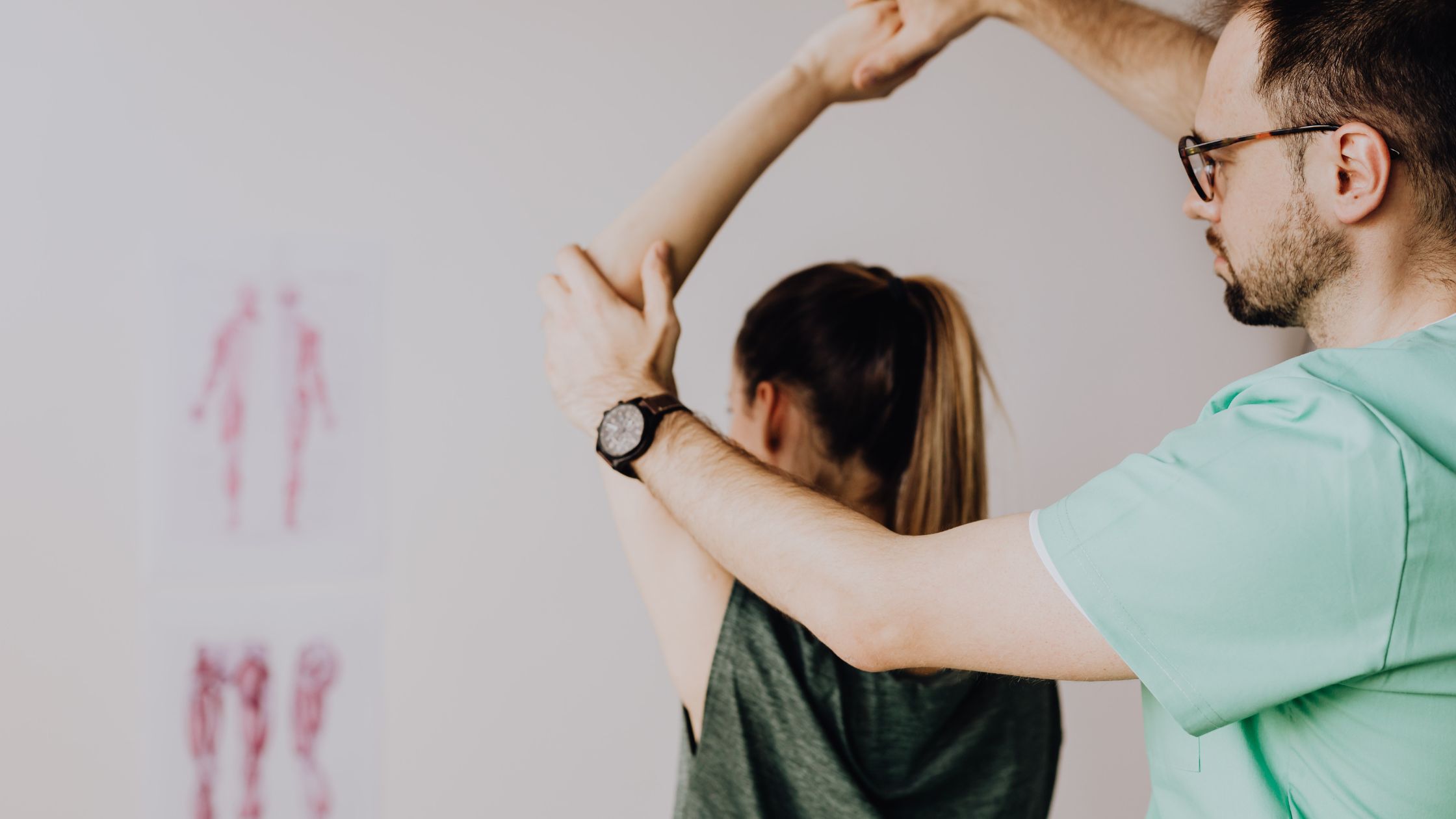 For many people, these lifestyle adjustments during Ramadan can lead to increased back pain, neck stiffness, or muscle tension. Office professionals, drivers, and individuals working long desk hours may especially notice discomfort building up as the month progresses.
Understanding why these issues occur and how physiotherapy can help manage them is important for maintaining comfort, mobility, and overall well-being throughout Ramadan.
Why Musculoskeletal Pain Can Increase During Ramadan
During Ramadan, daily routines shift significantly. Sleep schedules often change due to late evening meals and early Suhoor preparations, while hydration patterns are limited to non-fasting hours. These changes can influence muscle recovery and posture habits.
When the body receives less water throughout the day, muscles may become slightly more prone to stiffness or fatigue. Hydration plays an important role in supporting muscle elasticity and joint lubrication. When hydration is reduced for extended hours, the body may experience increased tightness in the neck, shoulders, and lower back.
In addition, fatigue can affect posture. Many people unknowingly begin slouching or leaning forward while working at their desks or using digital devices. Over time, this posture strain places pressure on spinal structures and surrounding muscles.
When these factors combine, individuals may begin to experience:
- Persistent neck tension after long workdays
- Lower back discomfort during sitting or standing
- Shoulder stiffness when using phones or laptops
- Reduced flexibility when bending or turning
Physiotherapy focuses on addressing these musculoskeletal stresses early, helping restore movement and reduce discomfort before symptoms become more persistent.
The Impact of Long Sitting Hours on Back and Neck Health
Dubai’s fast-paced work culture often involves long hours at desks, in meetings, or commuting. During Ramadan, many people also spend extended periods sitting during evening gatherings or while resting due to fasting fatigue.
Prolonged sitting places continuous pressure on the spine, particularly the lower back and neck. When posture is not properly supported, muscles surrounding the spine must work harder to stabilize the body.
Common posture habits that contribute to pain include:
- Leaning forward while working on laptops
- Looking down at phones for extended periods
- Sitting without lumbar support
- Remaining in the same position for long stretches
Over time, these patterns can lead to muscle imbalance and strain. Individuals may begin experiencing symptoms such as stiffness when standing up, discomfort between the shoulder blades, or tension headaches originating from the neck.
Our physiotherapists in Dubai frequently address these concerns through targeted posture assessments and movement correction strategies. Treatments such as manual therapy and guided rehabilitation exercises can help relieve tension and restore healthier movement patterns.
Patients experiencing ongoing discomfort may benefit from structured care through back pain physiotherapy, which focuses on reducing spinal strain and strengthening the muscles that support the back.

How Reduced Hydration Can Affect Muscles and Joints
Hydration is an important component of musculoskeletal health. While fasting is an essential part of Ramadan, the body adapts to periods without fluid intake during daylight hours.
However, mild dehydration may contribute to muscle fatigue and increased stiffness. Muscles rely on adequate hydration to maintain elasticity and perform efficiently during daily activities.
When hydration levels drop during the day, individuals may notice:
- Tightness in the lower back or neck
- Reduced flexibility during movement
- Increased muscle fatigue while walking or standing
- Minor cramps or discomfort after prolonged activity
This does not mean that pain is unavoidable during Ramadan. Instead, simple strategies can help support muscle health.
Some helpful habits include:
- Prioritising water intake between Iftar and Suhoor
- Incorporating light stretching in the evening
- Avoiding sudden intense physical activity while fasting
- Maintaining supportive sitting posture during work hours
Physiotherapy complements these habits by guiding individuals through safe mobility exercises and muscle relaxation techniques that reduce stiffness and support better movement.
The Role of Sleep Changes in Neck and Shoulder Tension
Another common factor during Ramadan is altered sleep patterns. Many people sleep later due to evening meals and social gatherings, then wake early for Suhoor before beginning the fasting day.
Irregular sleep cycles can lead to muscle fatigue and increased tension in the neck and shoulders. In some cases, individuals may sleep in positions that place strain on the cervical spine.
When this occurs consistently, symptoms such as morning stiffness, neck tightness, or headaches may develop.
Targeted treatment through neck pain physiotherapy helps address these issues by focusing on:
- Gentle mobility exercises for the cervical spine
- Muscle relaxation techniques
- Posture correction strategies
- Strengthening exercises that support the neck and shoulders
Our experienced physiotherapy team also guides patients on improving sleep positioning and pillow support to reduce strain during rest.
When to Consider Physiotherapy for Ramadan-Related Pain
Temporary discomfort can sometimes resolve with rest and gentle movement. However, persistent pain should not be ignored.
Seeking physiotherapy support may be beneficial if you experience:
- Back or neck pain lasting longer than a few days
- Stiffness that worsens after sitting or standing
- Reduced mobility when turning or bending
- Pain interfering with sleep or daily activities
Early physiotherapy intervention helps identify the underlying cause of discomfort and prevents symptoms from becoming chronic.
A physiotherapy assessment may include posture analysis, movement evaluation, and personalised treatment planning. Depending on the cause of the pain, therapy may involve manual techniques, guided stretching, strengthening exercises, or posture correction strategies.
Patients experiencing ongoing discomfort may also benefit from chronic pain physiotherapy, which focuses on long-term pain management and improving functional movement.
Supporting Your Body Throughout Ramadan
Ramadan encourages mindfulness and balance, and this philosophy can also apply to physical health. Taking small steps to support the body during fasting can make a meaningful difference in comfort and mobility.
Maintaining good posture, staying active with light stretching, and ensuring adequate hydration after fasting hours can help prevent excessive muscle strain. Paying attention to early signs of stiffness or discomfort allows individuals to address issues before they progress.
Physiotherapy offers a safe and supportive approach for managing musculoskeletal health during Ramadan. By focusing on restoring natural movement and strengthening supportive muscles, physiotherapy helps individuals maintain comfort while continuing their daily activities.
When to Seek Physiotherapy Support in Dubai
If back or neck pain begins to affect your daily routine during Ramadan, professional physiotherapy care can help restore comfort and mobility.
At Westminster Clinic in Dubai Healthcare City, our experienced physiotherapy team provides personalised treatment plans designed to address posture-related pain, muscle stiffness, and spinal discomfort.
Patients can explore our Physiotherapy Services to learn more about the treatments available for musculoskeletal conditions.
If you are experiencing persistent pain or mobility limitations, you may also contact our clinic to schedule a physiotherapy consultation.
Many patients visit Westminster Clinic from across Dubai, and we also welcome individuals travelling from Abu Dhabi and Al Ain who are seeking specialised physiotherapy care.
With the right support, it is possible to maintain movement, reduce discomfort, and stay physically balanced throughout Ramadan and beyond.