
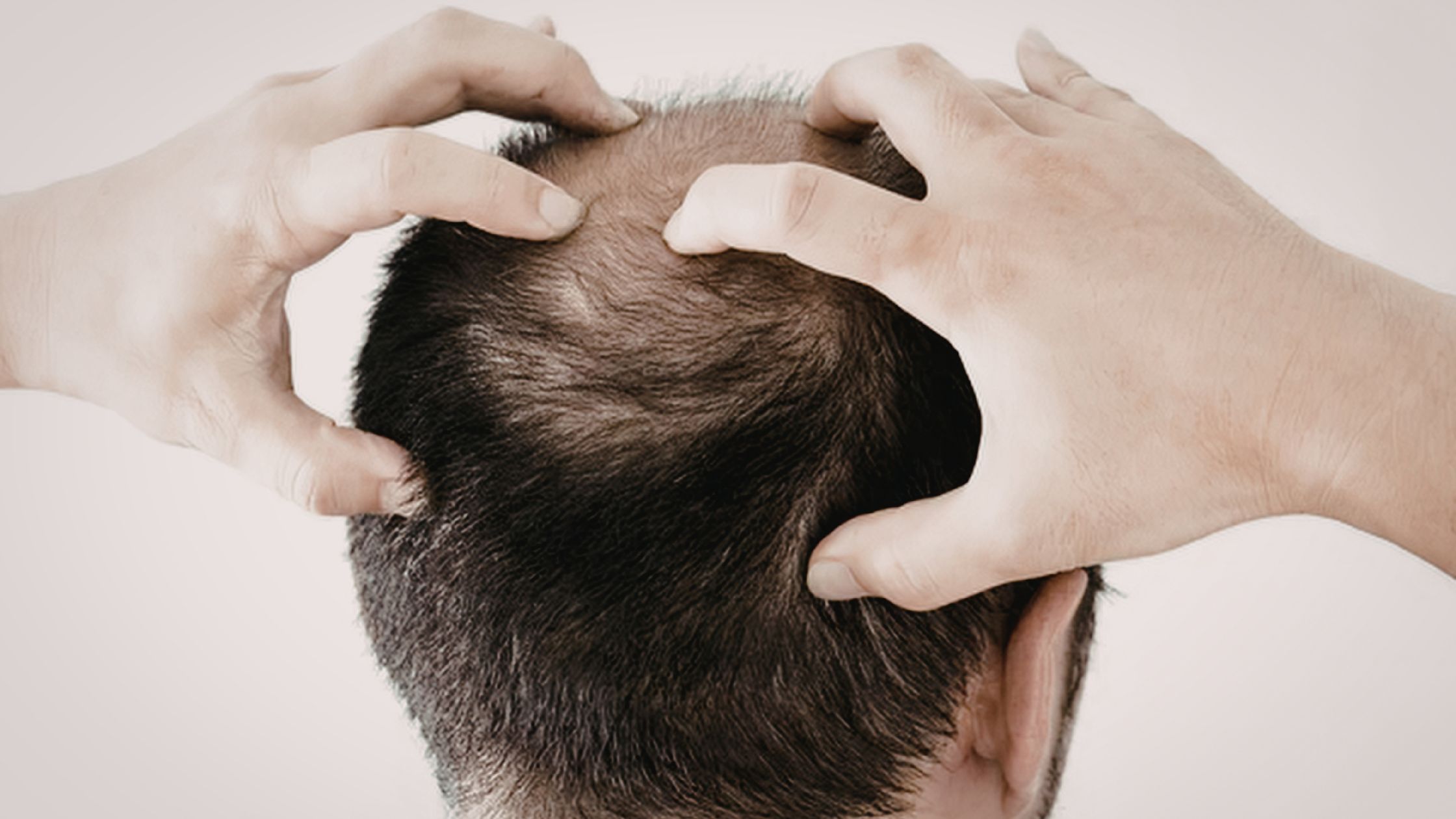
Hair loss has become an increasingly common concern among both men and women, affecting confidence, self-image, and overall well-being. While many individuals turn to shampoos, supplements, or cosmetic procedures, these solutions often provide temporary or minimal improvement. This is because hair loss is not always a surface-level issue—it can be a sign of deeper internal imbalance.
An emerging and evidence-based approach looks at hair loss through the lens of immunology. The immune system plays a critical role in regulating inflammation, nutrient absorption, and tissue repair, all of which directly influence hair follicle health. At Westminster Multi Speciality Clinic, located in Dubai Healthcare City, hair loss is evaluated not just as a cosmetic concern but as a medical condition that may reflect immune dysfunction, chronic inflammation, or allergic triggers.

Understanding Hair Loss: Beyond Genetics & Hormones
Hair loss is often attributed to genetics or hormonal changes, but these are only part of the picture. Patients may experience diffuse thinning, patchy hair loss, or excessive shedding without a clear hereditary cause. In many such cases, external treatments fail because they do not address what is happening internally.
Cosmetic and topical treatments primarily act on the scalp surface and hair shaft. While they may improve texture or appearance temporarily, they do not correct underlying immune stress, inflammation, or systemic triggers. When hair loss persists despite conventional care, it often signals an internal imbalance that requires medical evaluation rather than purely aesthetic solutions.
The Role of the Immune System in Hair Health
The immune system plays a vital role in maintaining healthy hair follicles. Under normal conditions, it protects follicles and supports their growth cycle. However, when immune regulation is disrupted, inflammation can interfere with follicle function and prematurely push hair into the shedding phase.
Autoimmune responses and chronic low-grade inflammation are increasingly recognized contributors to hair loss. Conditions such as alopecia areata are clear examples where the immune system mistakenly targets hair follicles. Even in less obvious cases, ongoing inflammation can weaken follicles over time, reducing hair density and regrowth potential.
Hair Loss Linked to Allergies & Chronic Inflammation
Hidden allergies and food sensitivities can place continuous stress on the immune system, diverting resources away from non-essential functions like hair growth. Inflammatory responses triggered by allergens may not always present as classic allergy symptoms, yet they can still impact the scalp and follicles.
The gut–immune–hair connection is another key factor. Poor gut health or immune reactions to certain foods can impair nutrient absorption and promote systemic inflammation. Over time, this inflammatory environment affects scalp circulation and follicle strength, contributing to persistent hair thinning and shedding.
Immunology-Led Diagnosis: Identifying the Root Cause
Effective hair loss management begins with understanding why the hair is falling. A thorough medical evaluation is essential before initiating any treatment. This includes assessing immune function, inflammatory markers, and potential allergic triggers that may be contributing to hair loss.
Allergy testing and immune profiling allow for a targeted approach rather than trial-and-error treatments. Under the guidance of Dr. Shahid Abbas, Consultant in Allergy & Immunology, patients receive individualized assessments designed to uncover hidden contributors to hair loss. This personalized diagnostic process ensures that treatment plans are tailored to the patient’s unique immune profile, rather than relying on generic solutions.
Modern Treatment Approaches from an Immunology Perspective
From an immunology standpoint, successful hair restoration focuses on calming inflammation and restoring immune balance instead of merely masking symptoms. Managing allergic triggers, reducing chronic inflammation, and supporting immune regulation can create an environment where hair follicles are able to recover and function normally.
By addressing internal health factors, the body’s natural hair regrowth mechanisms are supported more effectively. This medical, root-cause-focused approach—offered at Westminster Multi Speciality Clinic, Dubai Healthcare City—provides patients with sustainable results and long-term improvement rather than short-lived cosmetic fixes.
Multidisciplinary Care at Westminster Multi-Speciality Clinic
Hair loss rarely exists in isolation. It is often influenced by a combination of immune function, skin health, nutrition, and overall wellness. A multidisciplinary approach allows these interconnected factors to be addressed together rather than in fragments.
At Westminster Multi-Speciality Clinic, located in Dubai Healthcare City, collaboration between Allergy & Immunology, Dermatology, and Wellness services ensures that patients receive coordinated, evidence-based care. Each treatment plan is developed based on individual medical findings, not assumptions, allowing for targeted interventions that address both symptoms and underlying causes.
Being treated in DHCC also provides access to a regulated medical ecosystem known for advanced diagnostics, international clinical standards, and patient-centred care—an important advantage for conditions requiring precise evaluation and follow-up.
When Should You See an Immunology Specialist for Hair Loss?
Hair loss may warrant an immunology consultation when it shows patterns that do not respond to routine treatments. Warning signs include sudden or patchy hair loss, excessive shedding without a clear trigger, or hair thinning that persists despite dermatological or cosmetic care.
Patients should also consider immune evaluation when hair loss is accompanied by other symptoms such as chronic fatigue, frequent allergies, recurring skin issues, digestive discomfort, or unexplained inflammation. These signs may indicate immune dysregulation rather than a purely local scalp problem. In such cases, assessment by an Allergy & Immunology specialist can help uncover hidden contributors and guide more effective treatment.
Why Choose Westminster Multi-Speciality Clinic – Dubai
Choosing the right medical facility is essential when addressing complex conditions like immune-related hair loss. A clinic that integrates multiple specialties under one roof allows for deeper insight and better continuity of care.
Patients benefit from Western-qualified, accredited consultants, advanced diagnostic facilities, and treatment strategies grounded in current medical evidence. Most importantly, care is focused on identifying root causes—whether immune, inflammatory, allergic, or systemic—rather than relying on short-term cosmetic solutions.
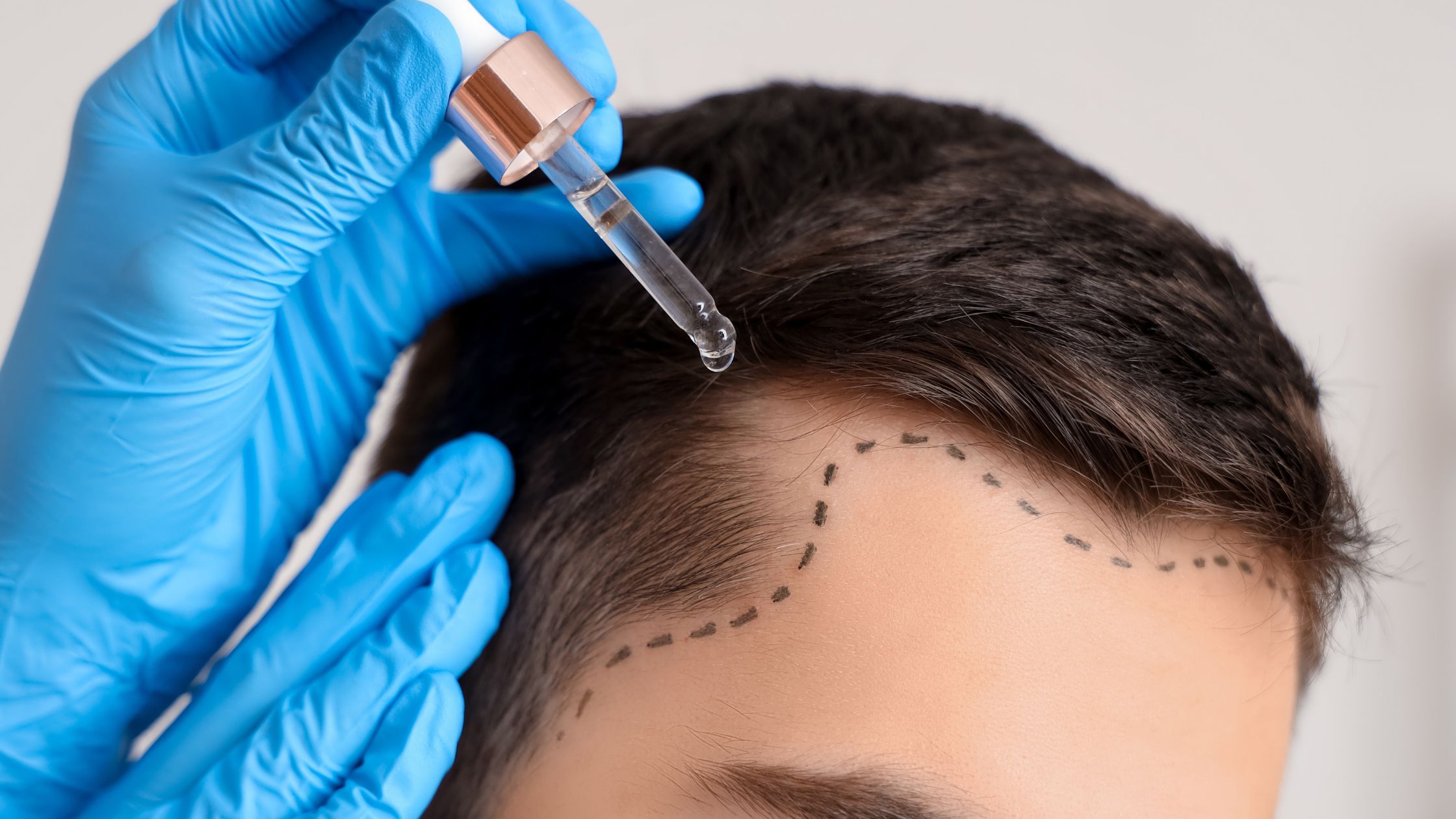
This holistic, medically guided approach ensures that treatment decisions are aligned with long-term health as well as visible results.
Hair health is often a reflection of internal balance. When the immune system is under stress or chronic inflammation is left unaddressed, hair follicles are among the first to be affected. Sustainable improvement therefore requires looking beyond surface-level treatments.
By addressing immune function and internal health, patients can achieve more meaningful and lasting results. Rather than self-treating or relying on trial-and-error solutions, seeking expert medical guidance allows hair loss to be managed with clarity, precision, and confidence.
“Struggling with unexplained hair loss? It may be more than a cosmetic issue. Book a consultation at Westminster Multi-Speciality Clinic – Dubai Healthcare City to explore an immunology-based approach to hair loss treatment.”