

Pain that does not go away changes a person. Not dramatically, not all at once, but in the slow and specific way that water changes stone. The person who has lived with chronic pain for two years is not the same person they were before it arrived. They have reorganised their life around something they did not choose and cannot fully explain to people who have not experienced it.
This is the part that rarely gets discussed in medical settings.
Chronic pain is treated, appropriately, as a physical problem. Investigations are run. Medications are adjusted. Referrals are made. But the emotional weight that accumulates alongside the physical experience, the grief, the frustration, the particular loneliness of a condition that is invisible to everyone else, often goes unaddressed for months or years.
What chronic pain does to the mind
The relationship between persistent physical pain and emotional health is direct and well-documented. People living with chronic pain conditions, whether spinal, neurological, rheumatic, or otherwise, show significantly higher rates of depression and anxiety than the general population. This is not coincidence and it is not weakness. It is the predictable consequence of a nervous system under sustained stress.
But the causality runs in both directions. Emotional distress, particularly untreated depression and anxiety, amplifies the experience of pain. The brain’s processing of pain signals is shaped by mood, by sleep, by the presence or absence of hope. A person who is also depressed will, on a neurological level, experience the same pain as more severe than they would if the depression were treated.
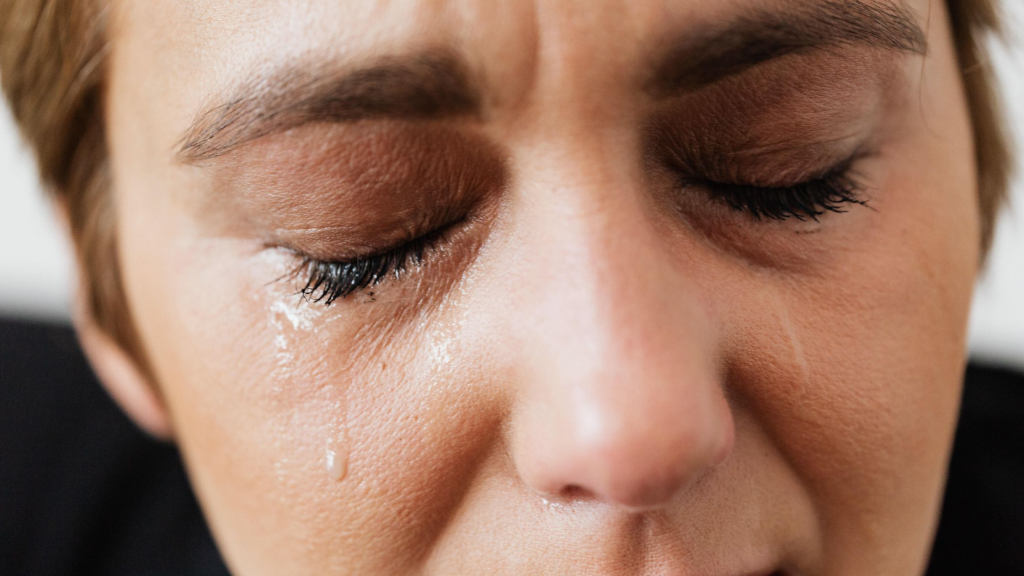
This bidirectional relationship means that treating the pain alone, without attending to the emotional life of the person in pain, is almost always incomplete.
The grief that nobody names
There is a particular kind of loss that comes with chronic pain that does not have a clear social script. People know how to respond to bereavement. They know less about how to respond to someone who has lost, gradually, the body they used to have.
The runner who can no longer run. The parent who cannot lift their child without consequence. The professional who manages a full day at the office and then spends the weekend flat, recovering. These are losses. They carry grief. And they tend to go unacknowledged because the person is still here, still functional, still managing.
Managing is not the same as being well.
The grief of chronic pain also tends to be complicated by guilt. People feel they should be more grateful that nothing worse is wrong. They feel they are failing at their own recovery when a difficult week sets them back. They apologise for the limitations the pain imposes on the people around them. The emotional labour of living with a condition that others cannot see, and cannot fully understand, is considerable.
Identity, and what pain takes from it
One of the less-discussed costs of long-term pain is what it does to a person’s sense of who they are. Identity, more than people tend to acknowledge, is tied to what the body can do. To the activities that express something about who a person is, the work they do, the physical habits that structure their days, the way they show up for the people they love.
When pain limits or removes those things, the question of who a person is without them can be genuinely destabilising. Some people respond by narrowing their lives to what is safe, avoiding anything that might provoke a flare, which means their world gets smaller and smaller while the pain remains constant. Others push past their limits repeatedly, driven by a refusal to accept the new reality, and pay for it each time.
Neither approach is wrong, exactly. Both are understandable. But both tend to generate emotional consequences that go unaddressed alongside the physical ones.
What happens in Dubai specifically
In a city built around performance and productivity, chronic pain carries an additional social weight. The culture here asks a great deal of its residents. Long hours are normal. Physical fitness is visible and valued. The expectation that one is managing, coping, functioning at a high level, is ambient and largely unspoken.
For people with chronic pain living in this environment, the gap between what the city expects and what the body allows can be a source of significant private shame. They present well at work. They attend the social obligations. They keep up, to the degree they can. And they carry the cost of that effort quietly, because the alternative, admitting the degree to which pain is shaping their life, feels like an admission of failure rather than a statement of fact.
This silence is costly. Emotionally and, over time, physically.
Where somatic care and psychiatry meet
The connection between physical symptoms and emotional health is one that psychiatric practice takes seriously. When physical pain is persistent, when it resists or only partially responds to physical treatment, the emotional layer is worth exploring properly.
This is not the same as suggesting the pain is imaginary or psychological in origin. It is recognising that the mind and body are not separate systems, and that someone who has been in pain for a long time has also been carrying an emotional experience that deserves its own care.

Some of what psychiatric support offers in these situations:
- Assessment and treatment of depression or anxiety that has developed alongside the chronic pain
- Help with sleep, which is almost universally disrupted by persistent pain and which, when improved, reliably reduces pain intensity
- Psychological approaches that change the relationship a person has with their pain, not eliminating it but reducing the degree to which it dominates their experience
- Support in grieving what has been lost and building a sense of identity that is not entirely defined by limitation
These are not small interventions. For people who have been managing for years, they can be significant.
The conversation that most people delay too long
People living with chronic pain tend to seek psychiatric or psychological support late. They wait until the depression is severe, until the anxiety is disabling, until a relationship has broken under the strain or a professional life has become untenable. The earlier that support is sought, the more options there are and the less there is to undo.
Our psychiatry specialists at Westminster Multispecialty Clinic, at Dubai Healthcare City, work with people navigating the emotional dimensions of long-term physical conditions. This is careful, unhurried work, and it begins with understanding the full picture of what someone is actually living with, not just the diagnosis on the referral letter.
If you or someone you care about has been living with chronic pain and the emotional weight of it has never been properly addressed, that conversation is worth having. You can reach our team through our contact page or directly on WhatsApp.