

A patient sits down for a knee consultation, describes months of pain climbing stairs, and hears the same two words she’s heard from three doctors before this one: lose weight. No plan, no explanation of why it matters mechanically, just an instruction that lands like a dismissal rather than actual medical advice.
This conversation deserves better than a one-line prescription. The relationship between body weight and joint health is real, measurable, and worth understanding properly, and it’s also more complicated than “lose weight and the pain goes away.”
The Basic Physics of a Knee
Every step you take sends force through your knee joint well beyond your standing body weight, because of how muscles, momentum, and joint mechanics interact during walking. Research tracking gait in adults with knee osteoarthritis found that each pound of weight lost produces roughly a four-pound reduction in the compressive force moving through the knee with every step. Multiply that across the several thousand steps a person takes in an average day, and the cumulative difference becomes significant.
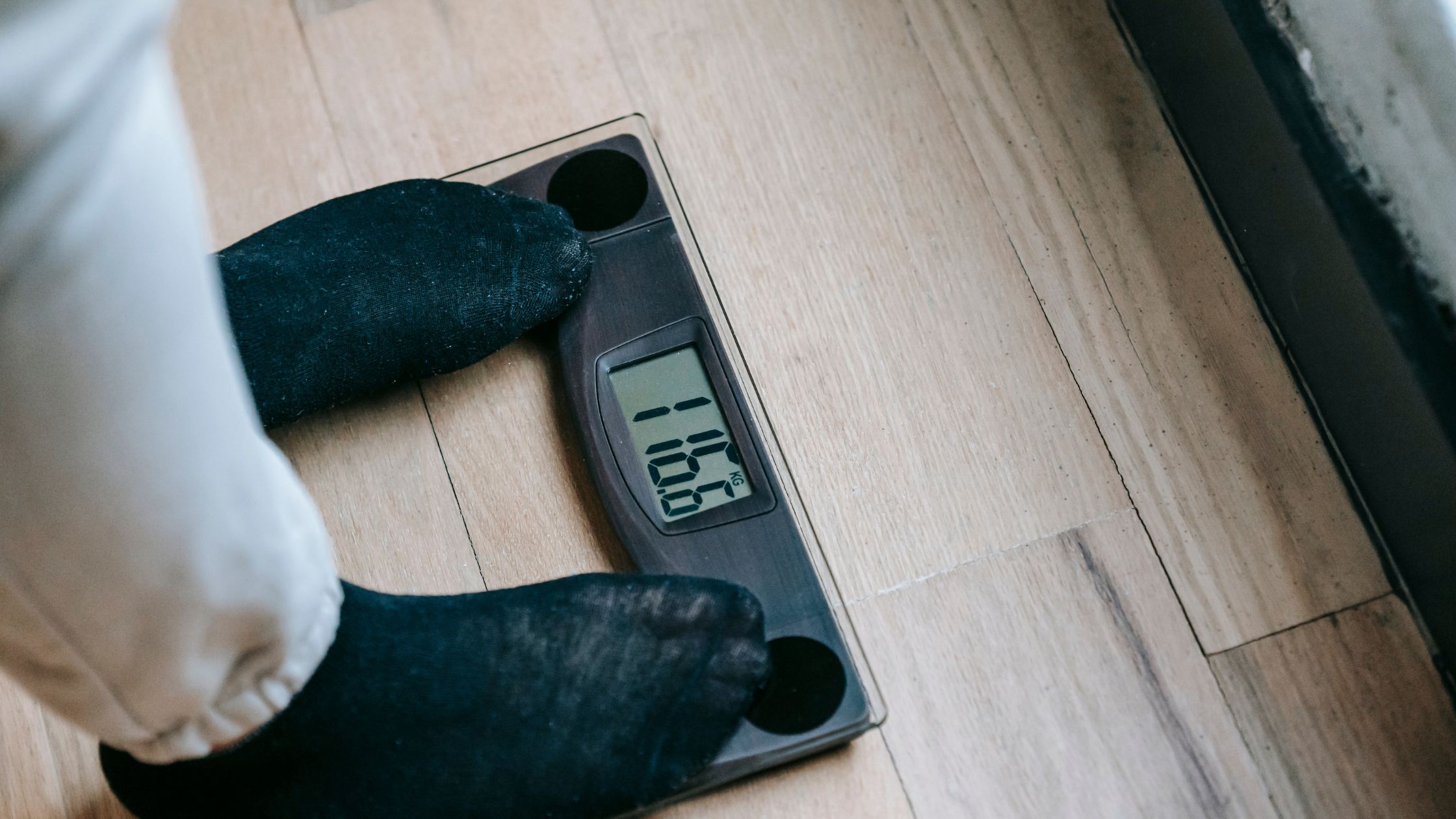
A separate line of research puts a number on the downstream risk. Adults with a BMI above 30 have been found to be nearly seven times more likely to develop knee osteoarthritis than adults at a healthy weight, making excess weight the single largest modifiable risk factor identified for the condition. Modifiable is the operative word. Unlike age or genetics, this is a factor where change, even partial change, moves the number.
Why “Just Lose Weight” Isn’t Useful Advice on Its Own
Here’s the part that gets skipped in most of these conversations. Joint pain makes movement harder. Harder movement makes weight management harder. And that cycle isn’t a failure of willpower, it’s a mechanical trap that tightens on itself.
Someone with painful knees genuinely struggles to do the cardiovascular activity that would typically support weight loss, because the activity itself hurts. Telling that person to “just” lose weight, without addressing the pain limiting their ability to move, is asking them to solve the problem using the exact thing the problem prevents.
It’s Not Only About Weight
Body mass is one variable among several. A study following knee osteoarthritis progression over 30 months found that higher BMI significantly worsened outcomes only in knees that already had some degree of malalignment, meaning the mechanical axis of the leg wasn’t tracking straight through the joint. In well-aligned knees, the same weight difference showed a smaller effect.
Genetics, previous injury history, occupation involving repetitive kneeling or heavy lifting, and joint alignment all shape how much a given amount of body weight actually translates into joint stress. Two people at the same weight can have very different knees, and treating weight as the single explanation misses everything else going on in that joint.
It’s Not Just the Knees
Hips and lower backs carry their own version of this story, though the mechanics differ slightly from the knee. Hip joints absorb load differently during walking, and excess weight tends to accelerate wear at the hip socket over years rather than through the same per-step multiplication effect seen at the knee. The spine takes a more indirect hit, carrying additional load through the lower vertebrae and discs, and often compensating with posture changes that create their own secondary strain.
None of this is a reason for guilt. It’s simply how load-bearing anatomy responds to load, the same way any structure responds to the forces placed on it over time.
What Helps Regardless of Where You’re Starting
The good news is that meaningful joint care doesn’t have to wait for weight change to happen first, and effective weight management doesn’t require joints that already hurt to hurt more in the process.
- Low-impact movement: Swimming and cycling let people build fitness and mobility without the repetitive impact load walking and running place on painful knees.
- Targeted physiotherapy: Strengthening the muscles supporting the knee reduces joint stress independent of any change in body weight.
- Bracing and gait support: Simple mechanical adjustments can redistribute load away from the most affected part of the joint.
- Joint injections: For pain significant enough to limit movement, treatments that reduce inflammation can restore enough function to make activity possible again.
None of these approaches ask a person to fix their weight before addressing their pain. They work alongside each other, not in sequence.
A gradual approach tends to outlast a dramatic one anyway. Small, sustained changes in activity level, paired with pain that’s actually being managed rather than pushed through, tend to compound over months in a way that a short, intense effort rarely does.
Dubai’s climate makes some of this easier than people expect. Air-conditioned pools across the city keep swimming accessible year-round, and cycling along Al Qudra offers a genuinely low-impact way to build fitness without the joint stress of pavement running. For anyone whose knee pain has made movement feel impossible, our physiotherapy team builds programs around what a joint can currently tolerate, not around an assumption of where someone should already be.

For persistent joint pain that hasn’t responded to movement and lifestyle changes alone, our joint pain and arthritis specialists assess what’s actually driving the discomfort, whether that’s alignment, cartilage wear, or inflammation, rather than defaulting to weight as the only explanation. Where inflammation is the primary driver, targeted injection therapies can reduce pain enough to make the rest of the process considerably more manageable.
Weight and joint health are connected, and pretending otherwise wouldn’t be honest. But the connection runs in more directions than most people are told, and pain deserves treatment on its own terms, not as a reward for solving something else first. If your joints have been holding you back, book a consultation at Westminster Multispecialty Clinic in Dubai Healthcare City and start with what’s actually happening in the joint.