

The car is quiet on the way to school, and the eight-year-old in the back seat has noticed that it has been quiet for weeks. She has stopped narrating her day. She watches the mirror to see which kind of face is driving.
Nobody in the house has said anything. Dinner still happens. Homework still gets checked, mostly. The helper still sets the table, and the Friday lunch with grandparents on a video call goes ahead with everyone smiling at the right moments. But a household is a small climate, and children read it the way sailors read the sky.
How a Home Learns the Weather
A parent living with depression, anxiety, or the slow grind of exhaustion has not stopped loving their children. The love is intact. What changes is the supply. Patience runs out by six in the evening, attention drifts mid-sentence, and the playful parent the children remember becomes harder to find.
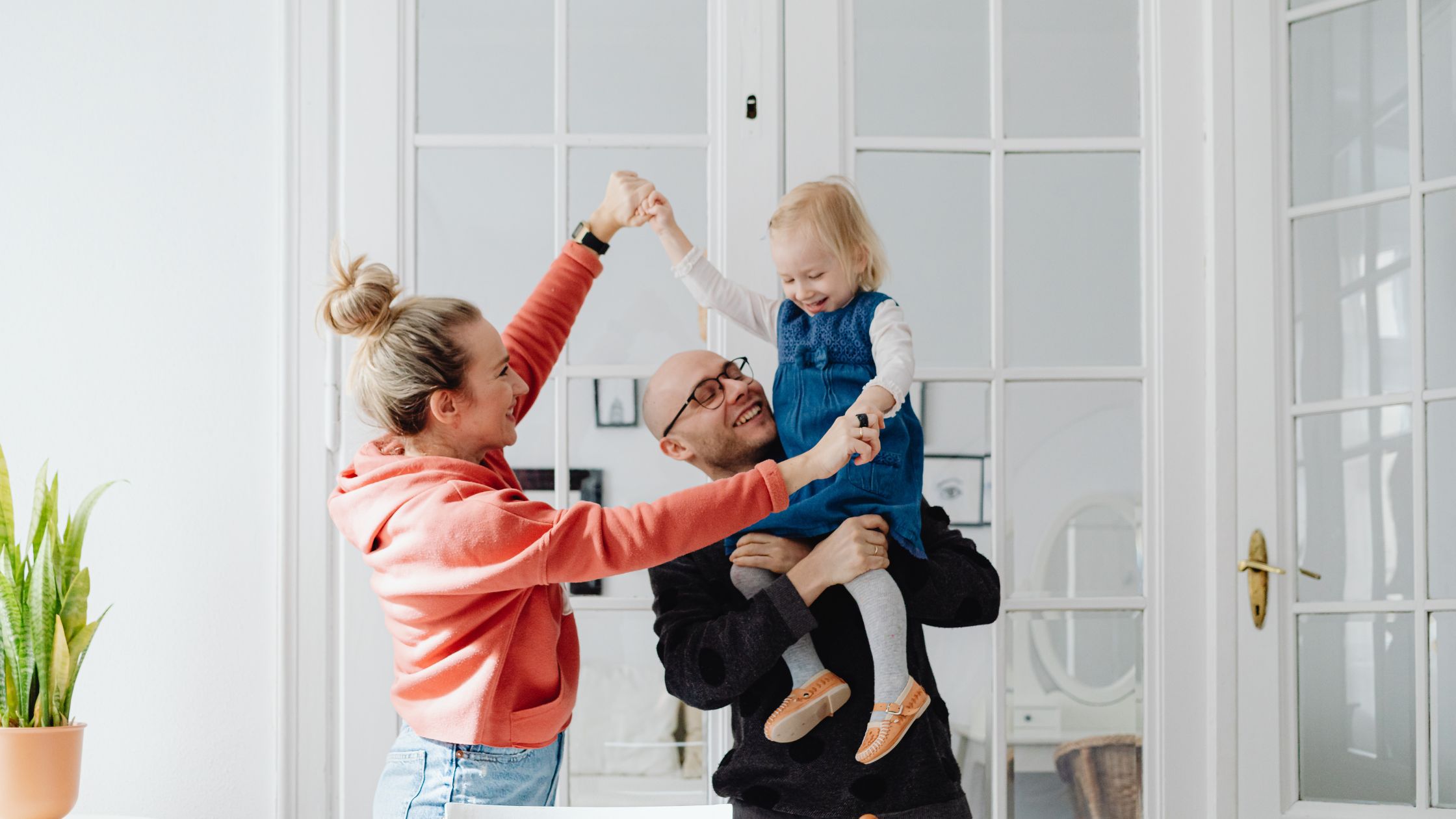
Children do not conclude that a parent is unwell. They conclude something about themselves. If Mama is sad, maybe I was too loud. If Baba snaps, maybe my marks are the reason. This is the quiet arithmetic behind a great deal of childhood worry, and it runs without any adult noticing.
In Dubai the effect has its own shape. Many families here live without grandparents, aunts, or the neighbor who would once have taken the children for an afternoon. A parent in distress has fewer places to set the load down. The towers are full of people holding it together at home so that nobody abroad has to worry.
The helper sees it too. Anyone who spends the school week in a family’s kitchen knows which parent is low long before the family admits it, and some quietly take on extra care without being asked, because a child’s face told them to.
The Other Parent in the Room
Beside every struggling parent is usually another adult covering the gap. The partner who now does bedtime alone, makes the excuses to family, and keeps the mood of the house level by sheer effort. That person is tired in a way nobody asks about. They cannot say how worn they are without sounding unkind to someone who is already suffering, so they say nothing, and two adults end up carrying one illness in separate silences.
Siblings carry their own version. The elder one learns to read the mood first and warn the younger ones. A seven-year-old who whispers “Mama is tired today, so play quietly” is not being considerate. She is working.
Composite Moments From the Consulting Room
These are composites assembled from patterns, with every identifying detail changed.
A father in his forties, new to a senior role at a firm in DIFC, has started leaving the house before the children wake. He tells himself it is the traffic. It is the dread of being seen at the breakfast table, flat and unreachable. Weekend lunches in Jumeirah, once a pleasure, now require a performance he cannot afford.
A mother who moved to Dubai for her husband’s posting has not told anyone at school that she cries in the car after drop-off. She sits on every parent committee. By every outside measure she is thriving.
A sixteen-year-old has become the family’s translator, calendar, and referee, because the adults in the house have no room left. She sounds forty.
Each of them was waiting for the moment when things would be bad enough to justify asking for help. Each was already past it.
What Children Show When They Cannot Say It
Children rarely say, “I think you are unwell.” The signal arrives sideways, and it changes with age.
- Younger children develop stomachaches before school, cling at drop-off, or slide back into night wakings and accidents they had outgrown.
- School-age children turn unusually helpful or unusually angry, and their marks may drift for reasons teachers cannot find.
- Teenagers withdraw, or do the opposite and take over adult jobs such as cooking and minding younger siblings.
- Children of any age may stop asking for things. A child who no longer asks for anything has decided that asking costs too much.
Why Parents Wait
Struggling parents wait longer than they would ever let a child wait. The reasons are specific. Putting children first is taught as a virtue, and it slides into the idea that a parent’s own needs come last. In many families, faith and reputation make mental health a private matter, handled with prayer, patience, or silence. Some residents carry a quiet fear that a diagnosis might follow them to an employer. Dubai’s professional circles are small, and gossip travels.
None of these concerns is foolish, and they deserve a straight answer. Seeking care respects faith and family rather than betraying either. A consultation is a private medical conversation between a patient and a clinician.
There is also this: treating a parent is one of the most direct things a family can do for a child. A father who sleeps again, a mother who laughs without effort, give children something no tutor or school can.
Words That Help a Child Understand
Children cope better with a simple truth than with a silence they have to interpret. Parents in treatment find that a few plain sentences are enough.
- “I have been feeling very low lately, and I am seeing a doctor who helps with that.”
- “It is not because of anything you did or said.”
- “Some days I may be quieter than usual. That is not about you, and I still love you.”
- “You are not in charge of fixing it. The adults are.”
The last sentence matters most. Children in unwell households start to parent the parent, and they need to hear that the job is not theirs.
What Care Looks Like
An assessment with our psychiatry specialists, who hold UK and US training, begins with listening. They ask about mood, sleep, appetite, stress, and the history behind them, then work out whether the picture is depression, an anxiety condition, a stress reaction, or something that calls for a different kind of care, such as postpartum depression. Treatment can combine talking therapy with medication where it is needed, and it moves at a pace the person can manage.
A first visit is quieter than most people expect. There is no test to pass and no script to follow. The clinician asks, the patient talks at whatever speed they can, and a plan is drawn up together, including how often to meet and what to tell the family. Some people cry in the first ten minutes. Others say very little and return the following week with more.
When a child is struggling too, support is available through child psychiatric care. When the strain has reached the marriage, couples therapy gives two people a place to repair things with a third person in the room. The full range of adult care is described under our psychiatry services. The clinic is in Dubai Healthcare City, and visits are scheduled with privacy in mind.
An Open Door, With No Conditions
If any of this reads like your house, the next step is smaller than it feels. One call, one message, one hour in a quiet room with someone whose only job is to listen. Contact our team by phone or WhatsApp, and we will find a time that fits around school pickups and work.
The eight-year-old in the back seat will not know what changed. She will only notice that the car got louder.