
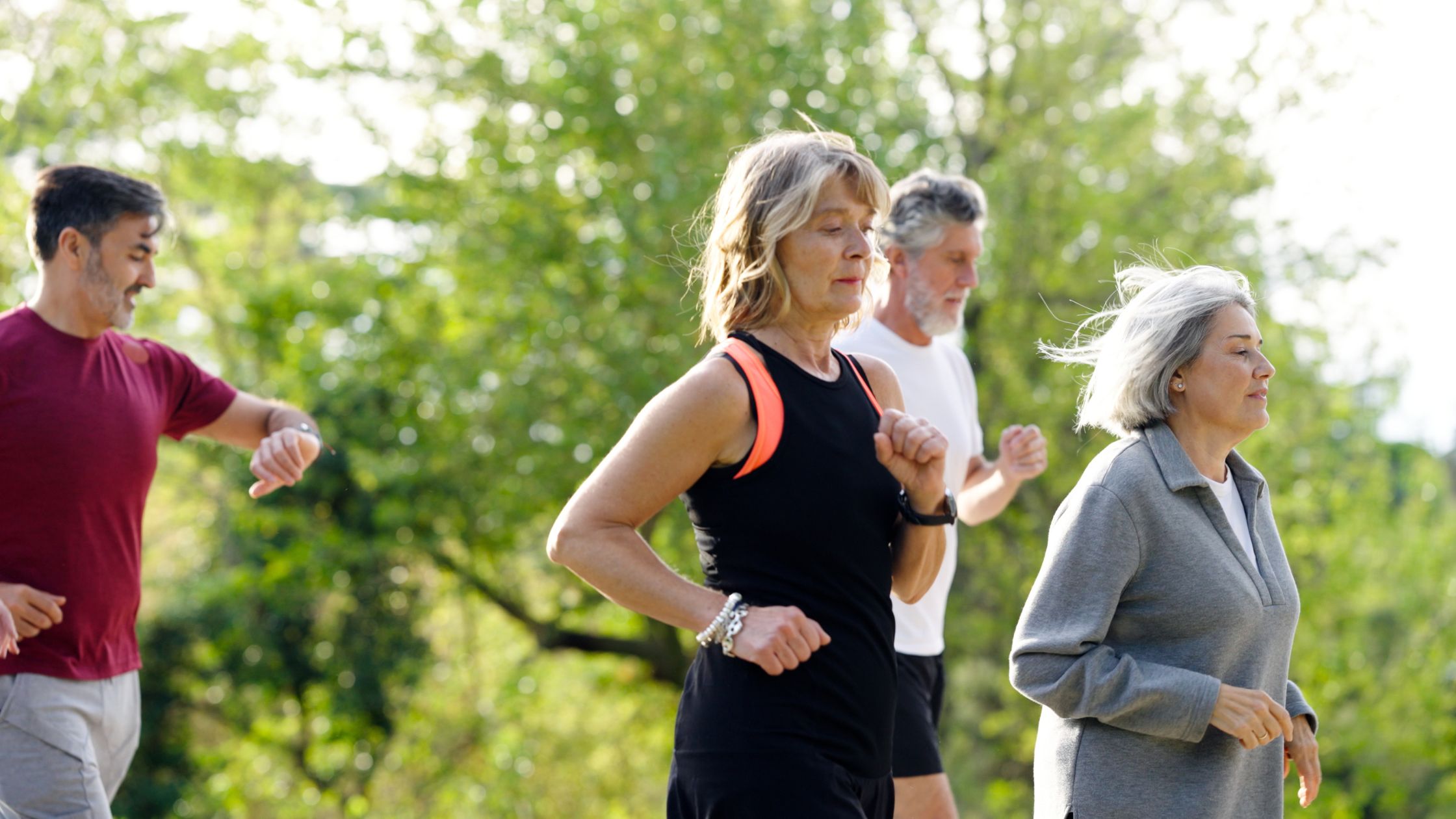
Picture this. You are at a family gathering somewhere in Dubai, the kind where three generations fill the room and someone eventually suggests a walk along the creek or a stroll through a nearby park. You want to join. Part of you is already reaching for your shoes. But your knees have been stiff since morning, your hip gave you trouble on the stairs last week, and somewhere in the back of your mind you have started to wonder whether this is just what getting older feels like. It does not have to be.
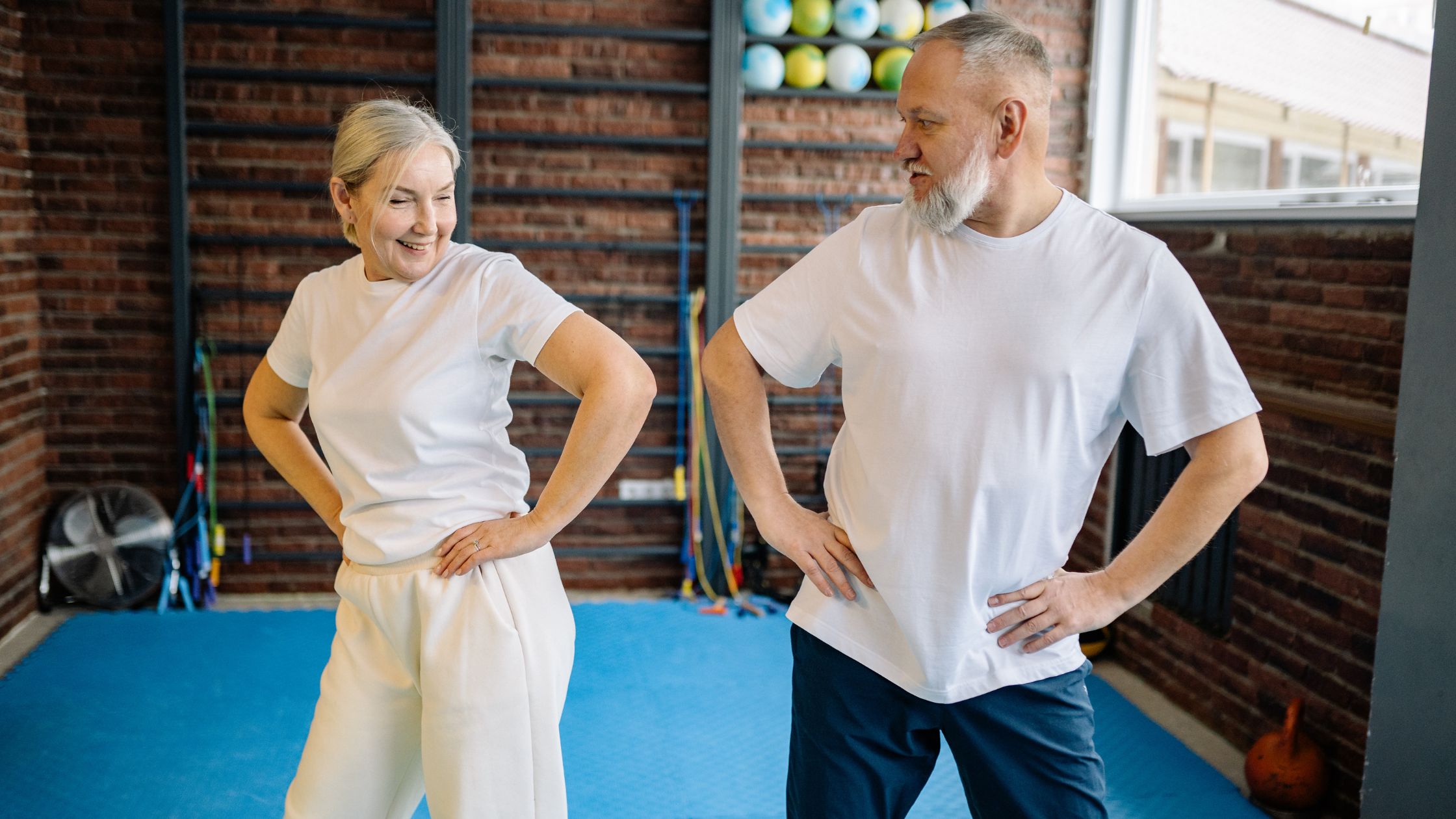
Stiffness, aching joints, and reduced mobility are common in your sixties and beyond, but they are not inevitable facts of life that must simply be accepted. With the right understanding and the right support, many people in Dubai are moving more comfortably, more confidently, and more independently in their sixties and seventies than they did in the decade before, simply because they started paying attention to what their bodies were asking for.
What Actually Changes in the Body After 60
The body does not suddenly break down the moment you cross a certain birthday. Change happens gradually, over years, and the good news is that much of it can be slowed, managed, and in some cases partially reversed with the right approach.
After 60, a few things tend to happen that affect mobility and joint health:
- Cartilage thins gradually: The cushioning between joints wears over time, which is why knees, hips, and ankles can feel less forgiving than they once did. This is often the beginning of what becomes joint pain or arthritis, and catching it early makes a meaningful difference to how it progresses.
- Muscle mass reduces: From around the age of 50 onwards, the body loses muscle more easily and rebuilds it more slowly. Less muscle around a joint means less support for that joint, which places more load directly on the bones and cartilage.
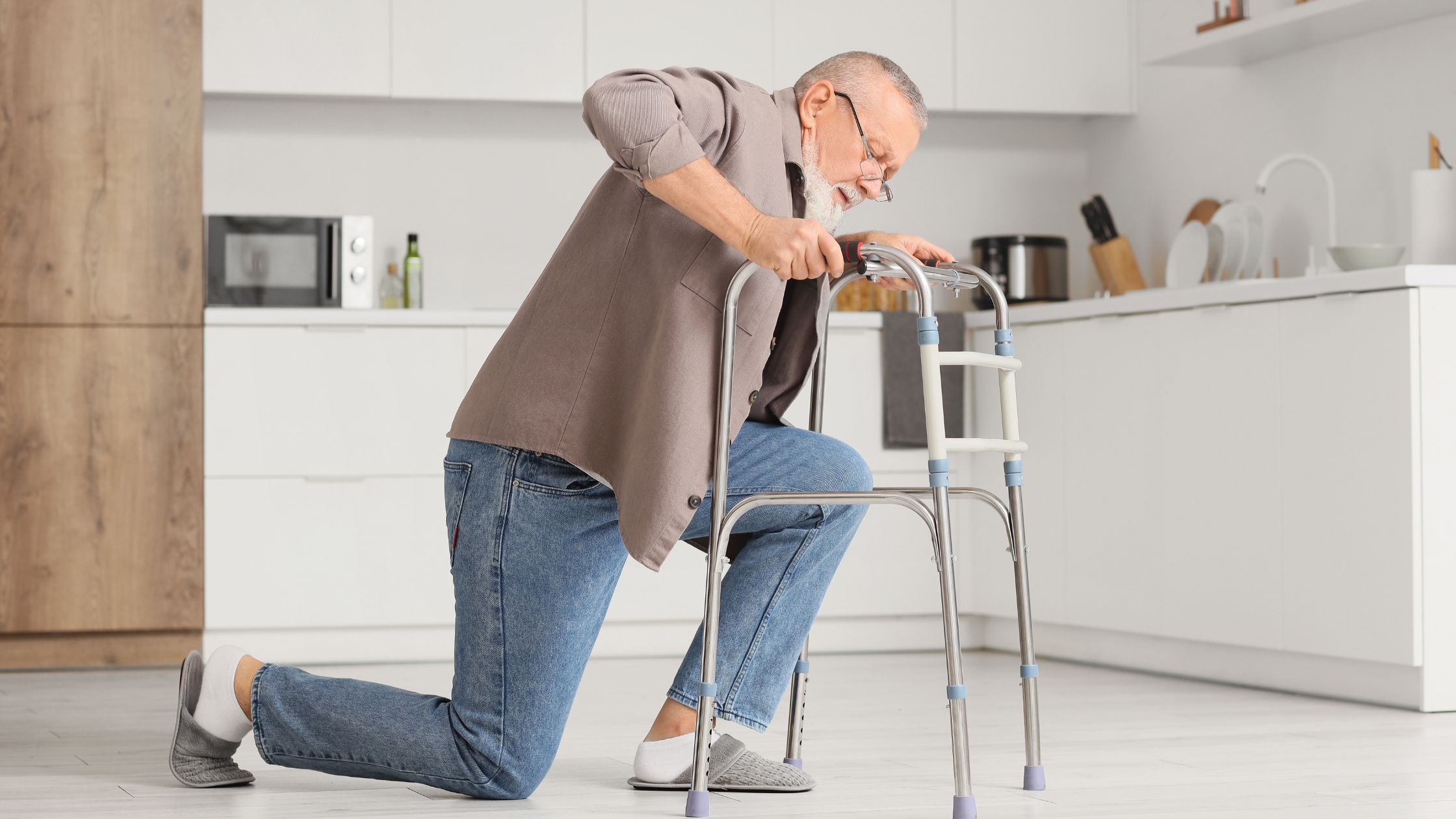
- Bone density decreases: This is especially relevant for women after menopause, but it affects men too. Lower bone density increases the risk of fractures, even from relatively minor falls. Osteoporosis management and fall prevention is one of the most important areas of orthopedic care for older adults, and one that is often overlooked until something goes wrong.
- Balance becomes less reliable: The body’s balance system depends on muscle strength, joint feedback, and neurological signals that all become slightly less sharp with age. This is why falls become more common, and why working on balance proactively is so worthwhile.
- The spine stiffens: Years of sitting, driving, and daily posture habits accumulate. Many people over 60 in Dubai carry a significant amount of tension in the lower back and neck without realising how much it is affecting their overall movement. Back and spine pain treatment can address much of this when it is approached early and carefully.
Understanding these changes is not about accepting decline. It is about knowing what you are working with so you can work with it well.
Movement Is the Medicine
This is perhaps the most important thing our orthopedic specialists in Dubai want older patients to hear: staying still is rarely the answer.
It is a very natural instinct. When joints ache, movement feels like the problem. Rest feels like the solution. But for most age-related stiffness and joint discomfort, inactivity makes things worse over time. Muscles weaken further, joints stiffen more, and what was manageable becomes harder to reverse.
The kind of movement that helps is not intense or complicated. It is regular, gentle, and purposeful.
- Walking: Even thirty minutes a day on a flat surface, something Dubai’s corniche paths and mall walkways make entirely accessible year-round, improves joint lubrication, maintains muscle tone, and supports bone density.
- Resistance exercises: Light strength work, whether with small weights, resistance bands, or bodyweight, is one of the most powerful tools for protecting joints and maintaining independence as you age.
- Swimming or water-based movement: The buoyancy of water reduces load on joints while still providing meaningful resistance. Many older residents in Dubai find this to be one of the most comfortable and sustainable forms of exercise.
- Stretching and flexibility work: Gentle yoga, tai chi, or guided stretching keeps the connective tissue around joints supple and helps maintain range of motion in ways that make daily life noticeably easier.
- Balance training: Simple exercises like standing on one foot, heel-to-toe walking, or guided balance work can significantly reduce fall risk over time, which matters enormously for long-term independence.
None of this requires a personal trainer or an expensive gym. It requires consistency and a willingness to treat movement as part of daily life rather than a separate event.
The Role of Nutrition and Bone Health
Movement alone is not the whole picture. What you eat plays a direct role in how your joints and bones hold up over time.
Calcium and vitamin D are the two most commonly discussed nutrients for bone health, and for good reason. Vitamin D in particular is worth paying attention to in the UAE, where many people spend most of their time in air-conditioned environments and get less sun exposure than you might expect despite the climate. Low vitamin D levels are surprisingly common in Dubai and can contribute to both bone weakness and muscle fatigue.
Omega-3 fatty acids, found in oily fish, walnuts, and flaxseed, have a meaningful anti-inflammatory effect on joints. Staying well hydrated keeps cartilage in better condition. And maintaining a healthy weight reduces the load on every joint in the lower body with every step you take.
If there is any concern about bone strength, a bone density scan is a simple, non-invasive test that can give a clear picture of where things stand and whether any intervention is needed.
When to Seek Specialist Support
There is no single right time to see an orthopedic consultant, but there are signals worth acting on. Pain that is changing how you walk, climb stairs, or get up from a chair deserves attention. Stiffness that takes more than an hour to ease in the morning is often a sign of something that responds well to treatment. A fall, even one that did not result in an obvious injury, can sometimes cause damage that benefits from professional assessment, particularly if fracture management is relevant.
Our experienced orthopedic consultants take a thorough, unhurried approach with older patients. Treatment is always personalised, and the goal is always the same: to help you move with less pain and more confidence in your daily life. For many patients, rehabilitation and physiotherapy becomes a cornerstone of that process, building strength and mobility in a way that feels safe and achievable at every stage.
Where surgical options such as hip replacement are genuinely the right path forward, our consultants bring Western-trained surgical expertise and a compassionate, clear approach to helping patients understand their options. And for those who want to weigh their choices carefully, a second opinion is always available and always welcomed.
You can explore the full range of orthopedic services at Westminster Clinic to understand what kind of care might be right for you.
Your Sixties Can Be Some of Your Most Active Years
The patients who do best in later life are not the ones who had perfect joints to begin with. They are the ones who paid attention, asked for help when they needed it, and refused to accept unnecessary limitation as inevitable.
If something has been bothering you, if you have been putting off a conversation about your hips or knees or back because you assumed it was just your age, this is your gentle nudge to stop waiting. Talk to our team today and let our orthopedic specialists in Dubai Healthcare City help you understand exactly what is going on and what can be done. Because moving well at 60, 70, and beyond is not luck. It is something you can work towards, and we would like to help you get there.