
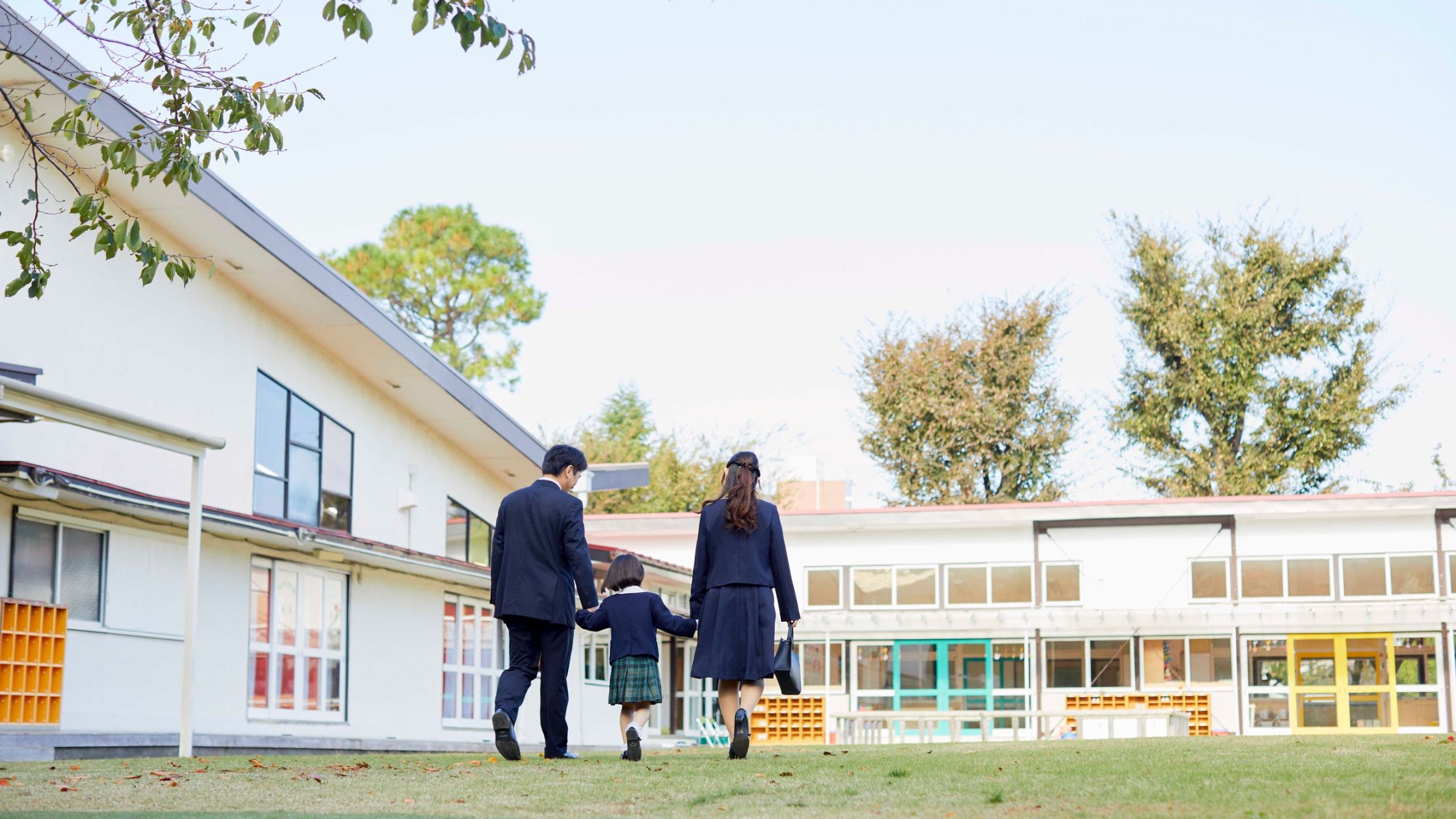
The school uniform is ironed and hanging on the door three nights before term starts. The backpack has been packed and unpacked twice. And somewhere in Dubai tonight, a parent is lying awake running through a mental checklist that has nothing to do with stationery lists at all.
Back-to-school season gets talked about as a logistics problem. New shoes, new schedules, a scramble to find the right tutor before September. What gets missed, almost every year, is the emotional weight sitting underneath all of it, carried by children and parents in equal measure.
What children actually go through
For a child, the return to school after a long break means re-entering a social world that reset itself the moment summer began. Friend groups shift. Classroom seating changes. A teacher who felt familiar in June is replaced by someone entirely unknown. School transition anxiety shows up differently depending on age. Younger children might cling, cry at drop-off, or develop sudden stomach aches with no medical cause. Older children go quieter. They stop mentioning school at dinner. They start staying up later, not because they’re excited, but because bedtime means tomorrow arrives faster.

Dubai’s school calendar compresses this transition into a short window. Families often return from travel just days before term begins, which means there’s little runway to rebuild sleep schedules, reset screen habits, or simply let a child mentally arrive back in Dubai before being expected to perform in a classroom the following Monday.
What nobody tells parents
Here’s the part that rarely gets said out loud. Parents carry their own version of this anxiety, and it doesn’t get a name the way a child’s does.
There’s the guilt of not knowing whether the summer was enough, whether enough memories were made, whether the trip home to see grandparents was worth the disruption to routine. There’s the low hum of comparison that starts the moment school WhatsApp groups go active again, other parents posting about tutors booked, uniforms ordered, holiday homework already finished. There’s the quieter fear specific to life in Dubai: that raising children away from extended family, in a system that changes schools and curricula more often than families back home ever would, is somehow doing something to them that won’t be visible for years.
None of this is spoken about at school gates. It gets absorbed instead, one September at a time.
Myth and reality
A few beliefs about back-to-school anxiety are worth examining directly, because most parents in Dubai have absorbed at least one of them without questioning it.
The myth: anxiety before school means a child is being difficult, or that a parent is overindulging them by taking the worry seriously. The reality: anticipatory anxiety is a normal nervous system response to uncertainty, and dismissing it usually intensifies it rather than resolving it.
The myth: if a child seemed fine last year, they’ll be fine again this year. The reality: each academic year brings a new teacher, new classmates, and often a physically different building or floor, and a child’s emotional response to transition can shift meaningfully year to year, even without anything obviously wrong.
The myth: only young children get school anxiety, and teenagers who seem withdrawn are simply being teenagers. The reality: older children are frequently the ones masking distress most effectively, precisely because they’ve learned that withdrawal draws less attention than visible upset.
Signs worth paying attention to
- Sleep resistance that appears suddenly in the two weeks before term starts
- Physical complaints, stomach aches or headaches, that cluster around Sunday evenings once school resumes
- A child who talks constantly about a friend group from last year and avoids mentioning this year’s class
- Increased irritability or tearfulness that seems disproportionate to small requests
- A teenager who goes quiet at exactly the moments they used to talk most
None of these signs mean something is seriously wrong. They mean attention is warranted, and usually a conversation, not a diagnosis.
What actually helps, according to people who study this
Adjusting bedtimes and morning routines gradually in the final week before term, rather than switching abruptly on day one, gives a child’s body time to recalibrate rather than shocking it into a new schedule overnight. Naming the transition out loud, telling a child directly that new teachers and new classmates can feel strange at first, does more to ease anxiety than reassuring them that everything will be fine. Children tend to trust acknowledgment more than blanket optimism.
For families noticing this pattern intensify year after year, particularly where a child shows signs consistent with social anxiety around new peer groups, professional support through child and adolescent care can help identify whether what’s happening is ordinary transition stress or something that would benefit from more structured intervention. Where the anxiety centers specifically on social situations or unfamiliar peer groups, a closer look at social anxiety patterns can clarify what’s actually driving the avoidance.
Where parents fit into this
Parents in Dubai are frequently managing their own adjustment stress at exactly the moment their children need steadiness. A parent who has just returned from a long trip home, still catching up on jet lag and missing family, is being asked to project calm during a week that is genuinely difficult for them too. That’s a lot to hold at once.

It helps to say this clearly: a parent struggling with their own back-to-school stress isn’t failing their child by feeling it. Naming that struggle to a partner, a friend, or a professional doesn’t undermine the support a child receives. It usually strengthens it, because a regulated parent is a more effective support system than an exhausted one performing calm they don’t feel.
If the anxiety in your home this September, whether it belongs to your child or to you, feels heavier than it should, that’s worth taking seriously rather than waiting out. Small, early support tends to prevent a difficult September from becoming a difficult year. Westminster Multispecialty Clinic in Dubai Healthcare City works with families across Dubai navigating exactly this kind of transition, and a conversation with our psychiatry specialists can help you figure out what your family actually needs this term. Reach the team through the contact page or message directly on WhatsApp.