

Ramadan brings meaningful spiritual focus and changes in daily routines for many people across Dubai and the UAE. While fasting is an important and rewarding part of the month, the adjustments in eating patterns, sleep schedules, and hydration can sometimes affect physical energy levels.
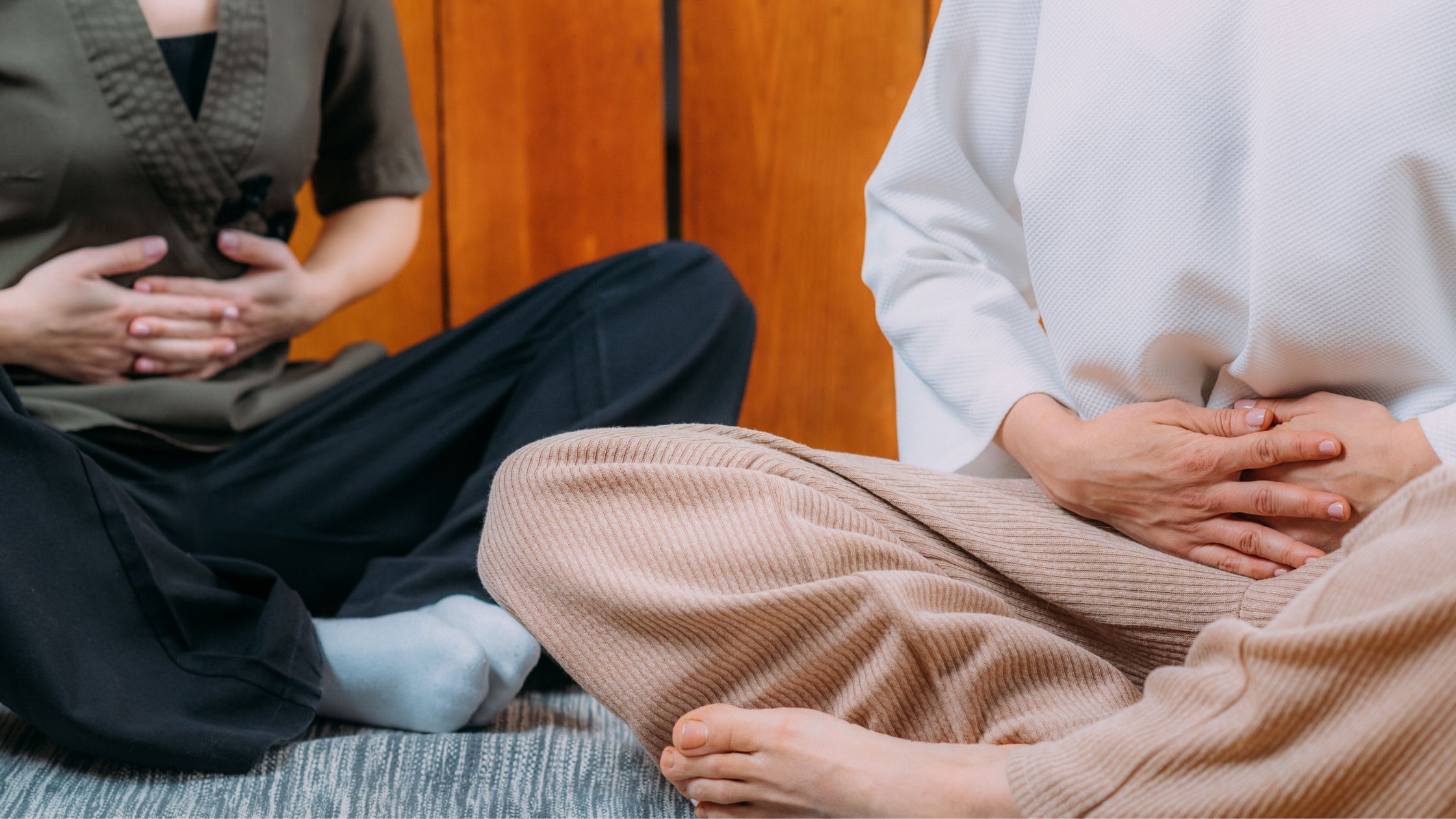
Many individuals notice increased muscle fatigue, general body aches, or stiffness during Ramadan, particularly toward the end of long fasting days. These sensations may be more noticeable for people who continue working long hours, commuting, or maintaining an active lifestyle while fasting.
Although these symptoms are common, they do not have to interfere with daily comfort or mobility. Physiotherapy offers supportive techniques that help the body recover from fatigue, reduce muscle tension, and maintain healthy movement during the fasting month.
Why Muscle Fatigue Can Increase During Ramadan
Muscles rely on hydration, balanced nutrition, and sufficient rest to function efficiently. During Ramadan, temporary changes in these factors can influence how muscles perform and recover.
When the body fasts for many hours, energy levels may fluctuate throughout the day. Reduced hydration can also contribute to muscle tightness or a feeling of heaviness in the body, especially after long workdays.
Some individuals may begin to experience:
- General muscle soreness at the end of the day
- Fatigue in the shoulders, neck, or lower back
- Tightness in the legs after walking or standing
- Reduced physical endurance during normal activities
These symptoms are usually related to muscle fatigue rather than injury. However, when muscles remain tight or overworked for extended periods, discomfort can gradually increase.
Physiotherapy helps address these concerns by improving circulation, releasing muscle tension, and guiding the body toward more balanced movement patterns.
The Impact of Sleep Changes on Muscle Recovery
Sleep schedules often shift during Ramadan due to evening meals, social gatherings, and early Suhoor preparations. While these routines are part of the Ramadan experience, irregular sleep cycles can sometimes affect how well muscles recover overnight.
When sleep becomes fragmented or shorter than usual, the body may not fully recover from daily physical activity. This can lead to lingering fatigue in the muscles, especially in areas already affected by posture strain such as the neck, shoulders, and lower back.
Over time, individuals may notice persistent muscle tension or a feeling of stiffness when waking up in the morning.
Physiotherapy supports recovery by helping muscles relax and restoring natural movement patterns. Techniques such as hands-on treatment and guided stretching exercises can relieve accumulated tension and encourage more efficient muscle function.
Reduced Hydration and Muscle Tightness
Hydration plays a significant role in maintaining muscle flexibility and reducing fatigue. During Ramadan, fluid intake is naturally limited to the hours between Iftar and Suhoor, which can temporarily influence how muscles respond to daily activity.
When muscles do not receive sufficient hydration during the day, they may become more prone to tightness or mild cramping. This is particularly noticeable in the calves, thighs, and lower back.
Fortunately, small lifestyle adjustments can help minimise these effects. Some helpful strategies include:
- Drinking sufficient water between Iftar and Suhoor
- Performing gentle stretching in the evening
- Avoiding sudden intense physical activity while fasting
- Maintaining regular light movement during the day
If muscle tightness continues despite these adjustments, physiotherapy treatment can help restore flexibility and reduce discomfort through targeted mobility exercises and recovery techniques.
How Physiotherapy Helps Relieve Muscle Fatigue
Physiotherapy provides several effective approaches for relieving muscle fatigue and body aches during Ramadan. Treatment focuses on reducing tension in overworked muscles while encouraging healthy circulation and mobility.

One commonly used approach is hands-on treatment, which helps release tight muscles and improve blood flow to affected areas. Techniques used in manual therapy can gently reduce muscle tension and improve joint movement.
These techniques are particularly helpful for individuals experiencing stiffness in the back, shoulders, or legs after long workdays or extended sitting.
Physiotherapists may also recommend structured rehabilitation through muscle tear and strain rehabilitation. While this service is often used for injury recovery, it also supports muscle conditioning and helps prevent minor strains caused by fatigue.
Through guided treatment sessions, physiotherapy helps muscles relax, recover, and regain their natural strength.
Therapeutic Exercises for Restoring Energy and Mobility
In addition to hands-on treatment, therapeutic exercises play an important role in reducing muscle fatigue. These exercises are carefully selected to improve flexibility, strengthen supporting muscles, and restore normal movement patterns.
Therapeutic exercises may include:
- Gentle stretching routines for tight muscle groups
- Light strengthening exercises for posture support
- Mobility exercises for the spine and joints
- Controlled movements that improve circulation
These exercises are usually low-impact and designed to match the individual’s energy levels during Ramadan. When performed regularly, they help the body maintain strength and reduce the likelihood of persistent aches.
Individuals experiencing recurring muscle tightness related to posture or daily activity may also benefit from structured care through general musculoskeletal physiotherapy, which focuses on restoring healthy movement patterns throughout the body.
Preventing Body Aches During the Fasting Month
While some fatigue during Ramadan is natural, several simple habits can help reduce the likelihood of ongoing body aches.
Helpful preventive strategies include:
- Maintaining gentle physical activity during the week
- Taking short movement breaks during long sitting periods
- Stretching muscles after evening walks or light exercise
- Supporting good posture during desk work
- Prioritising rest when the body feels fatigued
These habits help muscles stay flexible and reduce unnecessary strain throughout the day.
Physiotherapy also supports prevention by identifying muscle imbalances, posture issues, or movement patterns that may contribute to recurring fatigue. Addressing these factors early allows individuals to maintain comfort and mobility even during demanding routines.
Supporting Muscle Recovery During Ramadan
Muscle fatigue and body aches during Ramadan are often temporary and related to lifestyle changes rather than serious medical problems. With proper recovery, hydration, and movement, most people can maintain comfortable mobility throughout the month.
At Westminster Clinic in Dubai Healthcare City, our experienced physiotherapy team provides personalised treatment plans designed to support muscle recovery, reduce tension, and improve physical comfort.
Patients can explore our Physiotherapy Services to learn more about treatment options available for musculoskeletal concerns. If persistent muscle fatigue or body aches are affecting your daily routine, you may also contact our clinic to schedule a physiotherapy consultation.
While many of our patients visit Westminster Clinic from across Dubai, our clinic also welcomes individuals travelling from Abu Dhabi and Al Ain who are seeking specialised physiotherapy care.
With the right physiotherapy support, it is possible to restore energy, reduce muscle fatigue, and maintain comfortable movement throughout Ramadan.