

Ramadan brings meaningful changes to daily routines. In Dubai, evenings become busier with iftar gatherings, taraweeh prayers, and family time, while mornings begin earlier for suhoor. These shifts can make it harder to schedule traditional clinic visits, especially for individuals balancing work, fasting, and family responsibilities.

At the same time, health concerns do not pause during Ramadan. Questions about fatigue, medication timing, hydration, or fasting-related symptoms may arise throughout the month. This is where telehealth plays an important role.
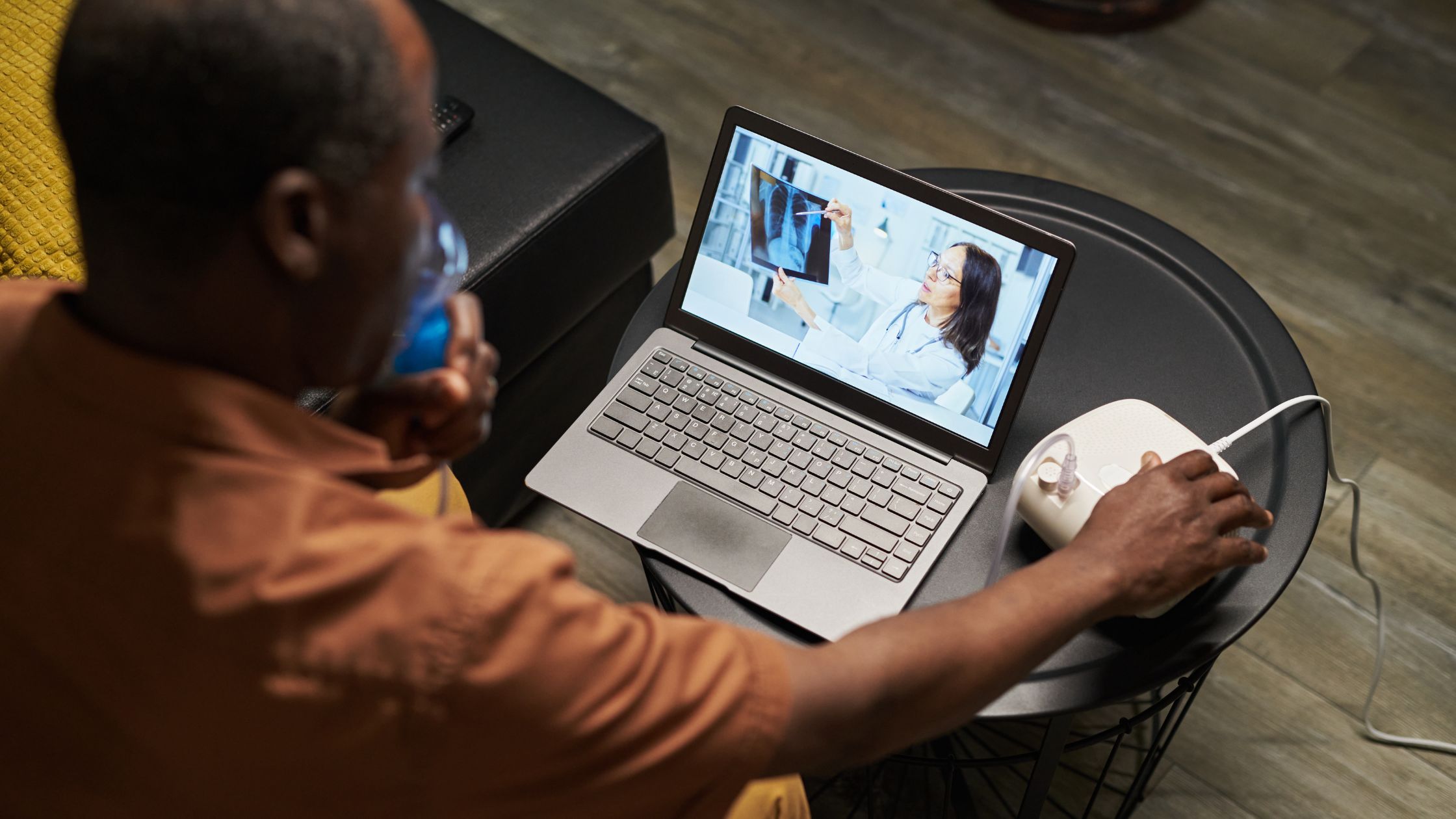
Family medicine increasingly uses virtual consultations to ensure patients can receive timely medical guidance without disrupting their Ramadan routines. Telehealth allows individuals to access care conveniently while maintaining continuity and safety.
Why healthcare access matters during Ramadan
Although Ramadan is a spiritually uplifting time, the lifestyle adjustments can sometimes bring new health questions. Individuals may experience fatigue, digestive discomfort, headaches, sleep changes, or medication concerns during fasting.
In many cases, these issues do not require emergency care but still benefit from professional advice. Telehealth allows patients to speak with a family doctor quickly, helping them address concerns early before they worsen.
Convenient access to care means patients do not have to delay medical guidance until after Ramadan.
What telehealth consultations can help with
Virtual medical consultations are designed to address a wide range of everyday health concerns. During Ramadan, telehealth can be especially useful for discussing:
- Fatigue or dizziness during fasting
- Medication timing and adjustments
- Digestive discomfort after iftar
- Hydration concerns
- Sleep disturbances
- Minor illnesses or symptoms
These consultations provide reassurance and guidance without requiring travel to the clinic.
Through Telehealth & Online Consultation Services, patients can connect with their family doctor from the comfort of home.
Supporting chronic conditions during fasting
Many patients living with long-term conditions such as diabetes, hypertension, or thyroid disorders benefit from regular monitoring during Ramadan. Telehealth makes it easier to check in with a doctor without interrupting work or fasting schedules.
A virtual consultation may include:
- Reviewing blood sugar or blood pressure readings
- Discussing symptoms experienced during fasting
- Adjusting medication timing if necessary
- Providing guidance on nutrition and hydration
This ongoing communication helps patients maintain stability throughout the month.
Reducing the need for unnecessary clinic visits
Ramadan evenings are often busy, and traveling to a clinic after iftar may feel inconvenient. Telehealth reduces this challenge by allowing patients to receive medical advice quickly through secure video or phone consultations.
Many concerns can be addressed remotely, saving time while still ensuring professional medical support.
If a physical examination or further testing is required, your family doctor can advise whether an in-person visit is necessary.
Telehealth for families
Telehealth is particularly helpful for families managing multiple responsibilities during Ramadan. Parents can consult a doctor about children’s symptoms, older adults can receive guidance about fatigue or medication concerns, and busy professionals can ask health questions without disrupting their schedule.
Family medicine supports care across all life stages, and telehealth makes that care more accessible when routines are changing.
Addressing sleep and fatigue concerns
Sleep patterns often shift during Ramadan due to late-night prayers and early suhoor. Some individuals experience persistent fatigue, headaches, or difficulty concentrating during the day.
Through telehealth consultations, family doctors can assess sleep patterns, hydration habits, and lifestyle factors that may be contributing to fatigue. Practical guidance can often improve energy levels without requiring medication.
Continuity of care throughout Ramadan
One of the core strengths of family medicine is continuity. Whether care happens in person or virtually, your doctor understands your health history, lifestyle, and medical needs.
Through comprehensive Family Medicine Services, patients receive coordinated support that adapts to life’s seasonal changes — including Ramadan.
At Westminster Clinic in Dubai Healthcare City, our experienced family physicians provide both in-person and virtual consultations to ensure patients receive timely, compassionate care throughout the fasting month.
Convenient care when you need it
Ramadan is a time for reflection and balance. Accessing medical advice should not add stress or inconvenience to your routine. Telehealth allows patients to receive trusted guidance while maintaining their daily rhythm.
If you are living in Dubai and would like convenient medical support during Ramadan, our family medicine doctors are here to help. Patients from Abu Dhabi and Al Ain also use our virtual consultations for continuity-focused care.
You may explore our Telehealth & Online Consultation Services or get in touch through our Contact Us page to schedule your consultation and receive personalised care during Ramadan.