
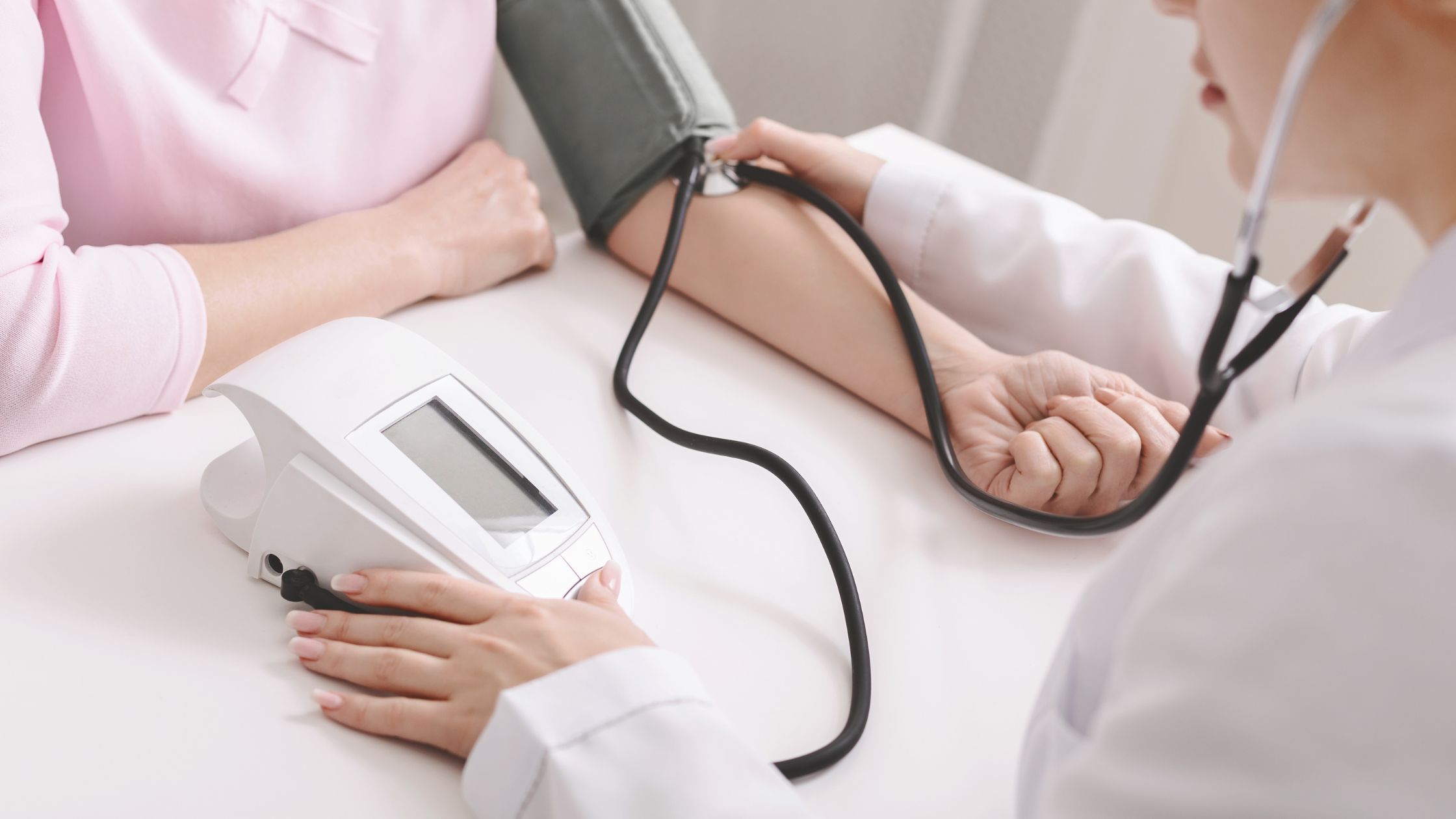
As Ramadan approaches in Dubai, many individuals living with diabetes or high blood pressure begin asking an important question: Can I fast safely?
Fasting is spiritually meaningful and deeply valued. However, changes in meal timing, hydration, medication schedules, and sleep patterns can significantly affect blood sugar and blood pressure control. Preparing in advance is essential.
Family medicine focuses on prevention and stability. With proper planning and medical guidance, many patients can fast safely. The key is structured preparation before Ramadan begins.

Why early planning matters
Fasting changes the body’s daily rhythm. Instead of regular meals and fluids throughout the day, food and hydration are limited to iftar and suhoor. For individuals with diabetes or hypertension, this can influence:
- Blood sugar fluctuations
- Blood pressure control
- Medication effectiveness
- Risk of dehydration
- Energy levels and concentration
Without preparation, patients may experience dizziness, fatigue, very high or very low blood sugar, or unstable blood pressure readings. Early medical review reduces these risks significantly.
Understanding the risks for diabetes
For individuals with diabetes, fasting may increase the risk of:
- Hypoglycemia (low blood sugar)
- Hyperglycemia (high blood sugar)
- Dehydration
- Headaches and weakness
Skipping meals or changing medication timing without medical guidance can lead to sudden drops or spikes in glucose levels. Even patients who feel “stable” should not assume their usual routine will remain safe during fasting.
Through structured Chronic Disease Management, family physicians assess individual risk levels and create a personalised Ramadan plan.
Blood pressure considerations during fasting
Hypertension may appear stable during regular routines, but dehydration and sleep disruption can cause fluctuations during Ramadan.
Possible concerns include:
- Dizziness when standing
- Headaches
- Fatigue
- Unstable blood pressure readings
Medication timing becomes especially important. Some blood pressure medicines may need adjustment to ensure steady coverage between suhoor and iftar.
A family doctor evaluates these factors carefully before fasting begins.
Medication adjustments: never self-modify
One of the most common mistakes patients make before Ramadan is independently adjusting or skipping medications. This can lead to serious complications.
Before fasting, your family doctor may:
- Adjust insulin or oral diabetes medication timing
- Modify blood pressure medication schedules
- Review dosage safety during long fasting hours
- Ensure adequate medication supply for the month
These changes must always be medically supervised. Safe fasting depends on structured, personalised adjustments.
Monitoring during Ramadan
Preparation does not end once Ramadan begins. Ongoing monitoring remains essential.
For patients with diabetes, this may include:
- Regular blood glucose checks
- Recognising symptoms of low or high sugar
- Knowing when to break the fast for safety
For patients with hypertension, monitoring may involve:
- Home blood pressure readings
- Tracking dizziness or unusual fatigue
- Adjusting fluid intake appropriately
Family medicine encourages proactive communication. If readings become unstable, early consultation prevents complications.

Nutrition and hydration planning
Balanced nutrition plays a crucial role in maintaining stable blood sugar and blood pressure.
During pre-Ramadan consultations, patients are often advised to:
- Avoid excessive sugary foods at iftar
- Limit salty foods that may increase thirst
- Prioritise protein and fibre for steady energy
- Hydrate consistently between iftar and suhoor
These practical adjustments help reduce metabolic stress during fasting.
When fasting may not be medically advised
In some cases, fasting may not be safe. Individuals with poorly controlled diabetes, frequent hypoglycemia, advanced kidney disease, or unstable blood pressure may be advised against fasting.
This guidance is always given with compassion and respect. Protecting health is a priority, and religious exemptions exist for medical reasons. A family doctor helps patients make informed, balanced decisions without guilt.
The importance of continuity of care
Managing chronic illness is not seasonal. Ramadan is one part of the year, but overall stability remains the long-term goal.
Through comprehensive Family Medicine Services, patients receive coordinated care that integrates medication management, lifestyle guidance, monitoring, and preventive support.
At Westminster Clinic in Dubai Healthcare City, our experienced family physicians work closely with patients before, during, and after Ramadan to maintain steady control.
Preparing with confidence
Fasting with diabetes or hypertension requires preparation, not fear. With the right medical plan, many patients can observe Ramadan safely while protecting their long-term health.
If you are based in Dubai and managing diabetes or high blood pressure, our family medicine doctors are here to guide you. Patients from Abu Dhabi and Al Ain also visit us for continuity-focused chronic care.
You may explore our Chronic Disease Management services or get in touch through our Contact Us page to schedule your pre-Ramadan consultation and prepare safely for fasting.