
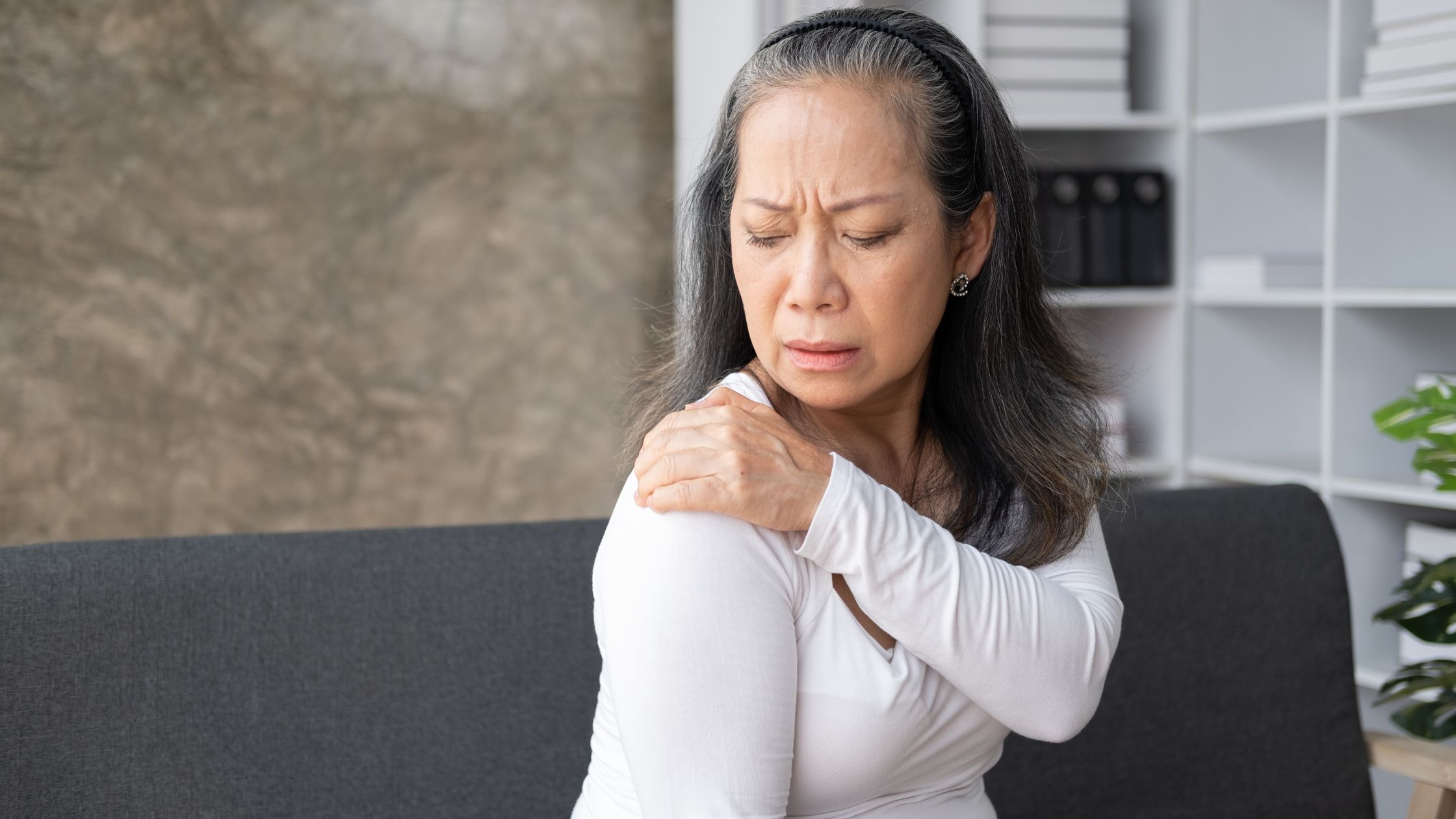
Osteoporosis is often thought of as a condition that affects only elderly women — something to worry about much later in life. In reality, bone loss can begin quietly much earlier, affecting both men and women, often without obvious symptoms. By the time discomfort or fractures appear, significant bone weakness may already be present.
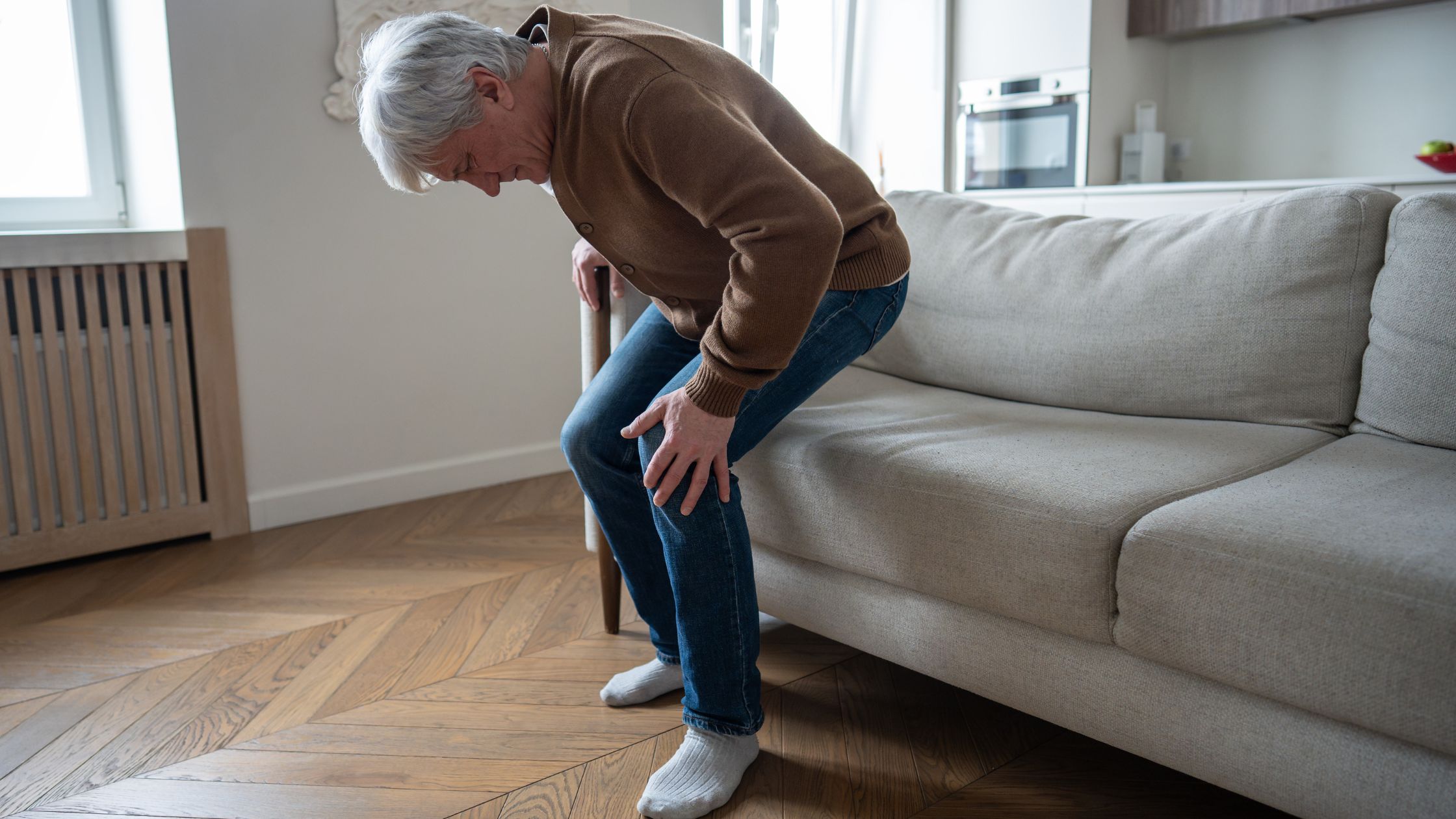
In Dubai, where many adults lead busy, indoor-focused lifestyles, bone health can be unintentionally overlooked. Long work hours, limited sun exposure, and inconsistent exercise routines can all contribute to reduced bone strength over time. The good news is that osteoporosis is not only preventable — it is manageable when identified early. Understanding the condition and taking proactive steps can protect your mobility and independence for years to come.
What Osteoporosis Really Is — and What It Isn’t
Osteoporosis is a condition where bones gradually lose density, becoming weaker and more fragile. Unlike sudden injuries, this process happens slowly and silently, which is why it’s often called a “silent disease.”
One of the biggest myths is that osteoporosis only affects older women. In truth, men are also at risk, especially as they age, experience hormonal changes, or live with certain lifestyle factors. Younger adults can also develop early bone loss due to inactivity, nutritional deficiencies, or medical conditions.
Understanding that osteoporosis is not age-exclusive is the first step toward prevention.
Why Bone Loss Often Goes Unnoticed
Bones do not ache as they weaken. Many people feel perfectly fine until a minor fall or sudden movement leads to a fracture that seems out of proportion to the injury.
Bone loss often goes unnoticed because:
- There are no early warning symptoms
- Strength and mobility may feel normal initially
- Fractures may be the first visible sign
- People assume weakness is “normal aging”
This is why awareness and screening are so important — especially before problems arise.
Who Is at Risk for Osteoporosis?
Osteoporosis can affect a wide range of individuals. While age plays a role, many other factors contribute to bone health.
Common risk factors include:
- Family history of osteoporosis or fractures
- Low calcium or vitamin D intake
- Sedentary lifestyle
- Smoking or excessive alcohol consumption
- Hormonal changes in men and women
- Long-term use of certain medications
- Early menopause or low testosterone levels
Living an active life in Dubai doesn’t automatically protect bones — intentional habits do.
Why Early Screening Makes a Difference
Early screening helps identify bone density loss before fractures occur. It allows you to take preventive steps while bones can still respond well to lifestyle changes and treatment.
Screening may be recommended if you:
- Have a family history of osteoporosis
- Experience frequent back pain or height loss
- Have had a low-impact fracture
- Are over 50 with additional risk factors
- Have conditions affecting bone metabolism
Identifying bone loss early can significantly reduce fracture risk later in life.
You can learn more about proactive bone care through our services for osteoporosis management and fall prevention.

Lifestyle Habits That Strengthen Bones
The strength of your bones is influenced daily by how you move, eat, and care for your body. Simple, consistent habits make a meaningful difference.
Key bone-strengthening habits include:
- Weight-Bearing Exercise: Walking, stair climbing, and resistance training stimulate bone growth.
- Strength Training: Builds muscle that protects and supports bones.
- Balanced Nutrition: Adequate calcium, protein, and vitamin D are essential.
- Sunlight Exposure: Supports natural vitamin D production when done safely.
- Avoid Smoking: Smoking accelerates bone loss.
These habits support bone density and overall joint health.
Bone Health Is About More Than Calcium
While calcium is essential, bone health depends on a combination of nutrients and physical activity. Protein supports muscle strength, magnesium and vitamin K support bone structure, and hydration helps maintain tissue health.
Equally important is movement. Bones respond to stress — healthy stress from walking, lifting, and controlled exercise. Without it, bones weaken faster.
A holistic approach ensures bones stay resilient and responsive.
The Connection Between Bone Health and Fall Risk
Weaker bones increase the risk of fractures, but falls are often the trigger. Improving balance, strength, and coordination is just as important as improving bone density.
Preventive strategies include:
- Balance and stability exercises
- Strengthening the legs and core
- Improving posture and gait
- Making the home environment safer
Our specialists often integrate bone care with mobility support through rehabilitation and physiotherapy for orthopedic conditions.
Reducing fall risk protects both bones and confidence.
Osteoporosis in Men: An Overlooked Reality
Men are less likely to be screened for osteoporosis, yet they often experience more severe complications when fractures occur. Bone loss in men may be linked to hormonal changes, reduced activity, or medical conditions.
Encouraging awareness and screening in men is essential — strong bones are not gender-specific.
Early evaluation helps men maintain independence, mobility, and long-term strength.
A Proactive Approach for Life in Dubai
Dubai’s lifestyle offers many opportunities for healthy movement — from outdoor walks to fitness communities and active social routines. However, long work hours, travel, and indoor living can quietly affect bone health.
At Westminster Orthopedics in Dubai Healthcare City, our specialists take a preventive, personalized approach. We help patients understand their bone health, assess risk early, and build sustainable strategies for strength and stability.
Bone health is not about fear — it’s about empowerment.
Your Partner in Stronger Bones at Every Age
Osteoporosis does not define your future. With awareness, early screening, and the right lifestyle choices, you can protect your bones and maintain an active, confident life.
Strong bones support everything you love to do — from daily routines to long-term goals.
Ready to Take Charge of Your Bone Health?
If you’re concerned about bone strength, fracture risk, or want to explore preventive screening, our orthopedic specialists in Dubai are here to help.
Book your consultation through our Contact page and take a confident step toward lifelong bone health.