July 17, 2022

“Gut health” describes the function and balance of bacteria in the many parts of the gastrointestinal tract. Ideally, organs such as the esophagus, stomach, and intestines all work together to allow us to eat and digest food without discomfort.

Why gut health is important?

All food is ultimately broken down in the gut to a simple form that can enter the bloodstream and be delivered as nutrients throughout our bodies. This is only possible with a healthy digestive system. A healthy gut contains healthy bacteria and immune cells that ward off infectious agents like bacteria, viruses, and fungi. A healthy gut also communicates with the brain through nerves and hormones, which helps maintain general health and well-being.

How does IV Immunonutrition therapy promote GUT health?

Every individual has unique nutritional needs and deficiencies. IV therapy targets these deficiencies and fills your body with vitamins, minerals, and other essential nutrients you’re lacking.

Sometimes, when good bacteria make it into your body (like when you eat yogurt), your digestive tract destroys them before the beneficial material reaches your bloodstream. 

This means that even if you’re doing all the right things like eating a balanced diet or using supplements, your gut health may still lack critical nutrients.

IV immunonutrition therapy ensures that the required amount of the appropriate bacteria directly enters your bloodstream. Some of the beneficial nutrients include:

  • B vitamins
  • Vitamin C
  • Magnesium
  • Calcium

The benefits of IV Immunonutrition Therapy are: 

  • Protects intestinal lining
  • Detoxifies unhealthy bacteria 
  • Rebuilds new gastrointestinal cells
  • Promotes and strengthens the immune system. 
  • Faster Absorption – IV therapy administers vitamins, minerals, and amino acids directly into your bloodstream, therefore bypassing the digestive system. Your body doesn’t have to break down the nutrients, but instead, it distributes them immediately to the places where they are most needed, for immediate bioavailability.

How long does the IV immunonutrtion therapy last?

Each IV therapy session lasts less than one hour. You can take a nap, read a book or watch your favorite series while the Clinical team improves your gut health.

Our Consultant Dr. Abbas suggests that you begin with one or two IV therapy sessions per week for the first few weeks. It’s important that your nutritional deficiencies are resolved as fast as possible to live your best life. 

You will quickly feel the improvements in your GUT, and eventually, you can visit the clinic monthly as part of your overall preventive health care plan.

June 12, 2022

An arthroscopy is a type of keyhole surgery used to diagnose and treat problems with joints. It’s most commonly used on the knees, ankles, shoulders, elbows, wrists and hips. Arthroscopy uses arthroscope which allows the surgeon to see inside of the joint without making a large incision. Surgeons can even repair some types of joint damage during arthroscopy, with pencil-thin surgical instruments inserted through additional small incisions.

Advantages

  • less pain after the operation
  • faster healing time
  • lower risk of infection
  • Patient can often go home the same day
  • Able to return to normal activities more quickly

Difference between Arthroscopic and open surgeries

      Arthroscopic Surgery Open Surgery
  • Smaller incision and scar
  • Less loss of blood
  • Generally faster recovery
  • Less risk of infection
  • Minimizes pain/need for pain medications
  • About to be performed in outpatient settings
  • More room to perform surgically
  • Easier access to large or complex joint injuries
  • Better suited for small, delicate, or complex joints
  • Generally better suited for joint prosthetic placement
  • Higher recovery rates for major tears and injuries

How an arthroscopy is carried out

Preparing for surgery

  • To decide whether arthroscopic surgery is appropriate and/or to map out a surgical plan, orthopedists will perform a number of preoperative tests including:
  • Xray: which uses ionizing radiation to create plain film images of bones and joints
  • Computed tomography(CT): which composites multiple X-ray images on a computer to create three-dimensional “slices” of a joint or joint space
  • Ultrasound: which uses high-frequency sound waves to generate images of soft tissues that may be missed on an X-ray.
  • Magnetic resonance imaging(MRI): which uses powerful magnetic and radio waves to generate high-definition images, particularly of soft tissues.
  • C-reactive protein (CRP), Erythrocyte sedimentation rate(ESR): both of which are biomarkers for generalized inflammation
  • White blood cell(WBC)count: elevations of which are suggestive of an infection.
  • Rheumatoid factor(RF): used to detect antibodies produced in response to autoimmune diseases like rheumatoid arthritis and gout.
  • Before having arthroscopy or any other procedure, be sure to tell the doctor about any medications or vitamins that you are taking
  • Leave all jewelry, watches, and other valuables at home. Wear comfortable clothing that is easy to put on and take off.
  • The night before arthroscopy, do not drink or eat anything unless doctor advised. 
  • The health care provider will scrub the surgical site with some soapy sponges or antiseptic solution  before  going for the procedure.

During the procedure

An arthroscopy is usually carried out under general anesthetic although sometimes a spinal or local anesthetic is used.

In  local anesthetic, the joint will be numbed and not feel any pain patient  may feel some sensations during the procedure, such as a slight tugging, as the surgeon works on the joint.

Antibacterial fluid is used to clean the skin over the affected joint and a small cut, a few millimeters long, is made in the skin next to the joint so that an arthroscope (a thin, metal tube with a light and camera at one end) can be inserted.

The joint is sometimes filled with a sterile fluid to expand it and make it easier for the surgeon to view. The arthroscope sends images to a video screen or eyepiece, allowing the surgeon to see inside of the joint.

Surgeon will be able to remove any unwanted tissue or repair damaged areas using tiny surgical instruments inserted through the additional incisions.

After the procedure, the arthroscope and any attachments are removed, along with excess fluid from the joint. The incisions are usually closed using special tape or stitches and covered with a sterile dressing.

An arthroscopy usually takes 30 minutes to 2 hours, depending on the type of procedure carried out

 be able to go home on the same day as the surgery or the following morning

After Surgery

If general or regional anesthesia was used, patient may take to a recovery room and monitored until they are fully awake. This can take anywhere from 10 to 45 minutes. When steady enough to change into own clothes, patient can be shifted . Pain medication may be provided along with detailed wound care instructions.

People who have undergone in-office arthroscopy under local anesthesia can usually leave immediately after the procedure. Even so, arthroscopy is still considered surgery, and precautions may need to be taken. These may include joint immobilization, pain medications, and the use of crutches or other mobility devices.

Recovery

Arthroscopic surgery usually results in less joint pain and stiffness than open surgery. Recovery also generally takes less time.

The patient may have  small puncture wounds where the arthroscopic tools went into the body. The day after surgery, he will  be able to remove the surgical bandages and replace them with small strips to cover the incisions. The doctor will remove non dissolvable stitches after 1 or 2 weeks.

Recovery from arthroscopic surgery can vary by the type of procedure used. Typically, pain and inflammation are treated with R.I.C.E (rest, ice application, compression, and elevation of the joint).

Less extensive surgeries may only require over-the-counter acetaminophen to alleviate pain. More extensive procedures or those involving larger joints may require a short course of prescription opioid pain killer (usually for no more than three to five days).

In addition to pain management, consistent wound care is needed to avoid infection and wound dehiscence (an opening of the incision). This requires the daily change of dressing during which patient should check for signs of infection. While the wounds heal, patient have to keep the site as dry as possible. This means covering them with a plastic bag when taking shower.

When to Call a Healthcare Provider

Call the health care provider if there is 

  • Uncontrolled bleeding
  • Increasing pain, redness, swelling, and heat at the surgical site
  • High fever (over 100.5 degrees F) and chills
  • A greenish-yellow discharge from the wound
  • Broken sutures with a visibly open wound after arthroscopic surgery 

Returning to normal activities

The health care provider  will tell  what kind of activities to avoid at home. 

Patient will be able to resume desk work and light activity in a few days. and likely be able to drive again in one to three weeks, and engage in more strenuous activity a few weeks after that

Full joint recovery typically takes several weeks. It may take several months to get back to normal.

Rehabilitation or specific exercises can help to speed up the recovery. The doctor will tell once it is  safe to do normal activities.

However, not everyone’s recovery is the same. Your situation might dictate a longer recovery period and rehabilitation.

The surgeon will review the findings of the arthroscopy  and may send a written report. And he  will continue to monitor the progress in follow-up visits and address problems

References

https://www.mayoclinic.org/        myoclinic

https://www.nhs.uk/                    NHS

https://www.webmd.com/             web MD

https://orthoinfo.aaos.org/             Ortho info 

 https://www.verywellhealth.com/   verywellhealth 

June 12, 2022

Pelvic pain is a common problem among women. Its nature and intensity may fluctuate, and its cause is often unclear. Pelvic pain can be a sign that there might be a problem with one of the reproductive organs in a woman’s pelvic area. The type of pain varies, and it may be sudden and severe (acute pelvic pain) or last 6 months or longer (chronic pelvic pain).  Pelvic pain may originate in genital or other organs in and around the pelvis, or it may be psychological

Causes

  • inflammation or direct irritation of nerves caused by injury, fibrosis, pressure, or intraperitoneal inflammation
  • Contractions or cramps of  smooth muscles
  • Musculoskeletal problems such as fibromyalgia, pelvic floor muscle tension, inflammation of the pubic joint (pubic symphysis) or hernia 
  • Pelvic congestion syndrome,  enlarged, varicose-type veins around uterus and ovaries may result in pelvic pain
  • Some of the more common sources of acute pelvic pain, or pain that happens very suddenly, may include:
  • Ectopic pregnancy (a pregnancy that happens outside the uterus)
  • Pelvic inflammatory disease (also called PID, an infection of the reproductive organs)
  • Twisted or ruptured ovarian cyst
  • Miscarriage or threatened miscarriage
  • Urinary tract infection
  • Appendicitis
  • Ruptured fallopian tube

 Some of the conditions that can lead to chronic pelvic pain may include:

  • Menstrual cramps
  • Endometriosis
  • Uterine fibroids (abnormal growths on or in the uterine wall)
  • Scar tissue between the internal organs in the pelvic cavity
  • Endometrial polyps
  • Cancers of the reproductive tract
  • Psychological factors  Depression, chronic stress or a history of sexual or physical abuse may increase your risk of chronic pelvic pain.
  • Other causes may be related to problems in the digestive, urinary, or nervous systems.

Symptoms of pelvic pain

Pelvic pain varies. It may affect a small area around the pelvis or the whole area.

Types of pelvic pain include:

  • a sharp, stabbing or burning pain that happens suddenly
  • a pain that comes on slowly but does not go away
  • a dull or heavy ache, or feeling of pressure
  • a twisted or knotted feeling
  • a cramping or throbbing pain, which may come and go

Pain only when you’re doing something, like exercising, having sex, or peeing

  • Menstrual cramps
  • Menstrual pain
  • Vaginal bleeding, spotting, or discharge
  • Bloating or gas
  • Blood seen with a bowel movement
  • Constipation, diarrhea
  • Fever or chills
  • Pain in the hip area
  • Pain in the groin area

When to consult a doctor

  • pelvic pain does not go away
  • you have been feeling bloated for a while (about 3 weeks)
  • you’re losing weight without trying to
  • there’s blood in your pee or poo, or an unusual discharge or bleeding from your vagina
  • you have constipation or diarrhea that does not go away

Diagnosis

Pelvic exam: This can reveal signs of infection, abnormal growths or tense pelvic floor muscles.  Doctor checks for areas of tenderness.

Blood tests:  doctor may order labs to check for infections, such as chlamydia or gonorrhea. Doctor may also order bloodwork to check blood cell counts. 

Urinalysis: To check for a urinary tract infection.

Ultrasound: This test uses high-frequency sound waves to produce precise images of structures within the body. This procedure is especially useful for detecting masses or cysts in the ovaries, uterus or fallopian tubes.

Computed tomography (CT scan):  A CT scan shows details of the bones, muscles, fat, and organs, and any abnormalities that may not show up on an ordinary X-ray.

Magnetic resonance imaging (MRI): A noninvasive procedure that produces a two-dimensional view of an internal organ or structure.

Colonoscopy: In this test, the healthcare provider can view the entire length of the large intestine, and can often help identify abnormal growths, inflamed tissue, ulcers, and bleeding

Sigmoidoscopy: A diagnostic procedure that allows the healthcare provider to examine the inside of a portion of the large intestine. It is helpful in identifying the causes of diarrhea, abdominal pain, constipation, abnormal growths, and bleeding

Laparoscopy: A minor surgical procedure in which a laparoscope is using to see inside of the pelvic area, the healthcare provider can determine the locations, extent, and size of any endometrial growths.

Treatment

Medications

    • Pain relievers  Over-the-counter pain remedies, such as aspirin, ibuprofen (Advil, Motrin IB, others) or acetaminophen (Tylenol, others), may provide partial relief from the pelvic pain.
    • Hormone treatments – Some women find that the days when they have pelvic pain may coincide with a particular phase of their menstrual cycle and the hormonal changes that control ovulation and menstruation. When this is the case, birth control pills or other hormonal medications may help relieve pelvic pain.
  • Antibiotics – If an infection is the source of  pain, doctor may prescribe antibiotics.
  • Antidepressants – Some types of antidepressants can be helpful for chronic pain. Tricyclic antidepressants, such as amitriptyline, nortriptyline (Pamelor) and others, seem to have pain-relieving as well as antidepressant effects. They may help improve chronic pelvic pain even in women who don’t have depression.

Other therapies

    • Physical therapy: Some types of pain, such as muscle and connective tissue pain, respond well to physical therapy. This type of therapy might involve massage, stretching, strengthening, or learning to relax or control pelvic muscles.
    • Neurostimulation (spinal cord stimulation): This treatment involves implanting a device that blocks nerve pathways so that the pain signal can’t reach the brain. It may be helpful, depending on the cause of the pelvic pain.
    • Trigger point injections: If the doctor finds specific points where you feel pain, you may benefit from having a numbing medicine injected into those painful spots
    • Psychotherapy: If the pain could be intertwined with depression, sexual abuse, a personality disorder, a troubled marriage or a family crisis, then it will be helpful to talk with a psychologist or psychiatrist. There are different types of psychotherapy, such as cognitive behavioral therapy and biofeedback. 
  • Lifestyle changes: Some women’s pain is helped by changes in diet, improved posture, and regular physical activity.

Surgery

  • laparoscopic surgery. If you have endometriosis, doctors can remove the adhesions or endometrial tissue using laparoscopic surgery
  • Hysterectomy. In rare complicated cases, your doctors may recommend removal of your uterus (hysterectomy), fallopian tubes (salpingectomy) or ovaries (oophorectomy).

References

https://www.mayoclinic.org/                  (MYOCLINIC)

https://www.hopkinsmedicine.org/     (JOHN HOPKINS MEDICINE)

https://www.nhs.uk/     (NHS)

https://www.nichd.nih.gov/                     (NIH)

June 12, 2022

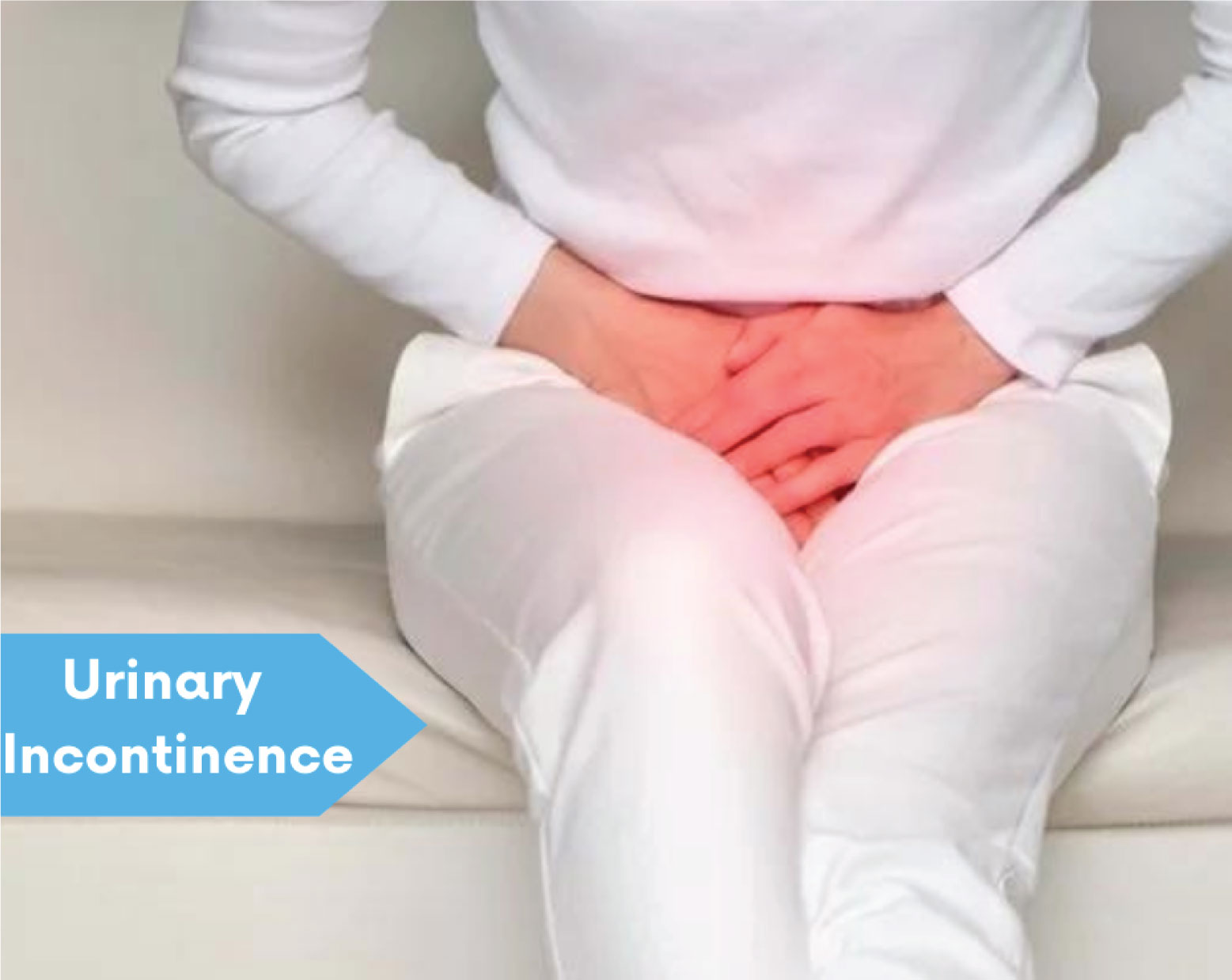
Urinary incontinence is the loss of bladder control. A person leaks urine by accident. While it can happen to anyone, urinary incontinence, also known as overactive bladder, is more common in older people, especially women 

Types of urinary incontinence

Stress incontinence – when urine leaks out at times when bladder is under pressure; for example, when cough or laugh

Urge incontinence – when urine leaks as someone feel a sudden, intense urge to pee, or soon afterwards

Overflow incontinence (chronic urinary retention) – when  unable to fully empty the bladder, which causes frequent leaking

Functional incontinence- A physical or mental impairment keeps someone from making it to the toilet in time. For example, if the patient have severe arthritis, they may not be able to unbutton the pants quickly enough.

Mixed incontinence-  most often this refers to a combination of stress incontinence and urge incontinence.

Causes

Incontinence can happen for many reasons, including urinary tract infection vaginal infection or irritation, or constipation. Some medications can cause bladder control problems that last a short time. When incontinence lasts longer, it may be due to:

  • Weak bladder or pelvic floor muscles
  • Overactive bladder muscles
  • Damage to nerves that control the bladder from diseases such as multiple sclerosis, diabetes or Parkinson’s disease 
  • Diseases such as arthritis that may make it difficult to get to the bathroom in time
  • Pelvic organ prolapse, which is when pelvic organs (such as the bladder, rectum, or uterus) shift out of their normal place into the vagina or anus. 

Most incontinence in men is related to the prostate gland. Male incontinence may be caused by:

  • Prostatitis, a painful inflammation of the prostate gland
  • Injury or damage to nerves or muscles from surgery
  • An enlarged prostate gland, which can lead to benign prostrate  hyperplasia.

When to see a doctor

Consult a doctor if you have urinary incontinence or any signs of a bladder problem, such as:

  • Needing to urinate more frequently or suddenly
  • Cloudy urine
  • Blood in the urine
  • Pain while urinating
  • Urinating eight or more times in one day
  • Passing only small amounts of urine after strong urges to urinate
  • Trouble starting or having a weak stream while urinating.

Diagnosis

Medical history and physical exam :The doctor will take a detailed  medical history and also, he  will look at the genital area carefully for other health problems.

Urinalysis: A sample of  urine is checked for signs of infection, traces of blood or other abnormalities.

Bladder diary: For several days patient record how much water he drink, when urinated, the amount of urine  produced, whether he had an urge to urinate and the number of incontinence episodes.

Postvoid residual measurement: The patient asked to urinate (void) into a container that measures urine output. Then the doctor checks the amount of leftover urine in the bladder using a catheter or ultrasound test

Treatment

Bladder control training

Pelvic muscle exercises: (also known as Kegel exercises) strengthen the muscles that support the bladder, which can help to hold urine in the bladder and avoid leaks.

Double voiding:  help to learn to empty the bladder more completely to avoid overflow incontinence. Double voiding means urinating, then waiting a few minutes and trying again.

Scheduled toilet trips: to urinate every two to four hours rather than waiting for the need to go.

Fluid and diet management: to regain control of the bladder. Patient may need to cut back on or avoid alcohol, caffeine or acidic foods. Reducing liquid consumption, losing weight or increasing physical activity also can ease the problem.

Pelvic floor muscle exercises

Pelvic floor muscle exercises helps to strengthen the muscles that help control urination. Also known as Kegel exercises, these techniques are especially effective for stress incontinence but may also help urge incontinence.

To do pelvic floor muscle exercises, imagine that you’re trying to stop urine flow. Then:

  • Tighten (contract) the muscles you would use to stop urinating and hold for five seconds, and then relax for five seconds. (If this is too difficult, start by holding for two seconds and relaxing for three seconds.)
  • Work up to holding the contractions for 10 seconds at a time.
  • Aim for at least three sets of 10 repetitions each day.

Medications

  • Medications that comes in a pill, liquid, or patch may be prescribed to help with bladder control problems. The drugs like Anticholinergics, Mirabegron, Alpha blockers are usually used.
  • Vaginal estrogen cream may help relieve urge or stress incontinence. A low dose of estrogen cream is applied directly to the vaginal walls and urethral tissue.

Medical devices

  • Urethral insert: a small, tampon-like disposable device inserted into the urethra before a specific activity, such as tennis, that can trigger incontinence. The insert acts as a plug to prevent leakage and is removed before urination.
  • Pessary: a flexible silicone ring that insert into the vagina and wear all day. The device is also used in women with vaginal prolapse. The pessary helps support the urethra, to prevent urine leakage.

Interventional therapies

  • Bulking material injections: A synthetic material is injected into tissue surrounding the urethra. The bulking material helps keep the urethra closed and reduce urine leakage. It may need to be repeated more than once.
  • Botox: Injections of Botox into the bladder muscle may benefit people who have an overactive bladder and urge incontinence.
  • Nerve stimulators: These are the  devices that use painless electrical pulses to stimulate the nerves involved in bladder control (sacral nerves). Either implanted under the skin in the buttock and connected to wires on the lower back or uses removable plug that is inserted into the vagina. Stimulating the sacral nerves can control overactive bladder and urge incontinence if other therapies haven’t worked.

Surgery

  • Sling procedures: Synthetic material (mesh) or strips of body tissue are used to create a pelvic sling. The sling helps to keep the urethra closed, especially when coughing or sneezing. This procedure is used to treat stress incontinence.
  • Bladder neck suspension: This procedure is designed to provide support to the urethra and bladder neck. It involves an abdominal incision, so it’s done during general or spinal anesthesia.
  • Prolapse surgery: In women who have pelvic organ prolapse and mixed incontinence, surgery may include a combination of a sling procedure and prolapse surgery.
  • Artificial urinary sphincter: A small, fluid-filled ring is implanted around the bladder neck to keep the urinary sphincter shut until there’s a need to urinate. To urinate,  press a valve implanted under the skin that causes the ring to deflate and allows urine from the bladder to flow.

Absorbent pads and catheters

If medical treatments can’t eliminate the incontinence, can try products that help ease the discomfort and inconvenience of leaking urine:

  • Pads and protective garments: Most products are no more bulky than normal underwear and can be easily worn under everyday clothing. Men who have problems with dribbles of urine can use a drip collector — a small pocket of absorbent padding that’s worn over the penis and held in place by close-fitting underwear.
  • Catheter: If the incontinence is due to incomplete emptying of bladder, the doctor may recommend inserting a soft tube (catheter) into urethra several times a day to drain the bladder. The patient will be  instructed on how to clean these catheters for safe reuse.

Preventing urinary incontinence

It’s not always possible to prevent urinary incontinence, but there are some steps that may help to reduce the chance of it happening. These include:

  • Maintaining a healthy weight
  • Avoiding or cutting down on alcohol
  • Staying active – in particular, ensuring that your pelvic floor muscles are strong
  • Eat foods with fiber to help prevent constipation and avoid lifting heavy objects 

References

https://www.mayoclinic.org/          (Myoclinic)

https://www.urologyhealth.org/      (Urology care foundation)

https://www.nhs.uk/                       (NHS UK)

https://www.nia.nih.gov/                 (NIH)

June 12, 2022

Nocturia is a condition characterized by the need to awaken more than one times per night to void. Although it is a multifactorial condition that can coexist with other lower urinary tract symptoms, the most common causal factor is nighttime overproduction of urine. Trips to the bathroom can cause fragmented sleep, excessive daytime sleepiness, and an elevated risk of dangerous falls. Nocturia has numerous potential causes and can be connected to a range of serious health issues.

Causes

Drinking too much fluid during the evening can cause you to urinate more often during the night. Caffeine and alcohol after dinner can also lead to this problem.

Other common causes of urination at night include:

  • Infection of the bladder or urinary tract
  • Drinking a lot of alcohol, caffeine, or other fluids before bedtime
  • Enlarged prostate gland (benign prostatic hyperplasia)
  • Pregnancy

Other conditions that can lead to the problem include:

  • Chronic kidney failure
  • Diabetes
  • Drinking excessive amount of water 
  • Heart failure
  • High blood calcium level
  • Certain medicines, including water pills (diuretics)
  • Diabetes insipidus 
  • Swelling of the legs

Waking often during the night to urinate can also be linked to obstructive sleep apnea and other sleeping disorders. Nocturia may go away when the sleeping problem is under control. Stress and restlessness can also cause wake up at night.

When to Contact a Medical Professional?

Contact the care provider if:

  • Waking to urinate more often continues over several days.
  • You are bothered by the number of times you must urinate during the night.
  • Have a burning sensation when urinating.

Diagnosis

Health history: Doctor will ask about the symptoms and health history. 

Bladder diary: It is used in order to help with a diagnosis. This diary is used to keep track of things like the kind and amount of liquids drink, trips to bathroom, etc. to track trends over a period of time which can lead to useful treatments.

Urine culture and urinalysis: check for infection, unwanted blood, and other elements in your urine.

Blood test: checks the kidney and thyroid, cholesterol levels and the presence of anemia, diabetes or other problems.

Bladder scan: shows how much urine is still in the bladder after you go to the bathroom.

Cystoscopy: checks for a tumor or other causes of your symptoms by having the doctor insert a narrow tube with a tiny lens inside the bladder.

Urodynamic testing: checks to see how well your lower urinary tract stores and releases urine.

Treatment

Behavioral modifications

Restriction of Fluid Intake – Naturally, limiting the intake of fluids in the evening results in a decreased amount of urine produced at night.

Afternoon Naps – This can help reduce fluid buildup by allowing liquid to be absorbed in the bloodstream. When awakening from a nap, you can use the bathroom and eliminate excess urine.

Elevation of Legs – Like naps, elevating the legs helps to redistribute fluids so it can be reabsorbed into the blood stream.

Compression Stockings – Creating an effect similar to elevating legs, these elastic stockings exert pressure against the leg while decreasing pressure on the veins. This allows fluids to be redistributed and reabsorbed into the bloodstream.

Management

Mattress Covers – A variety of products exist to protect the bed including vinyl, waterproof, and absorbing mattress covers, or even sheet protectors, which can make cleanup easier.

Absorbent Briefs- These products are a form of modified underwear designed to absorb liquid, therefore preventing leakage. Both reusable and disposable products are available.

Skincare products- Many products exist to protect the skin from irritation and soreness that occur when a person experiences nocturnal enuresis. A range of soaps, lotions, and cleansing cloths exist for various skin types.

Pharmaceutical treatment

Different medicinal options exist to alleviate and even treat nocturia. These may be used alone or combined with some of the behavioral modifications.

  • Medicines to help the kidneys produce less urine. For example, Desmopressin
  • Anticholinergic medicines to treat bladder muscle problems. They relax the bladder if its spasms. These are used to correct overactive bladder. For example, Darifenacin, Oxybutynin, Tolterodine, or Trospium Chloride 
  • Diuretic medicines to regulate urine production and high blood pressure. For example, Bumetanide ,Furosemide(Lasix).

References

https://www.urologyhealth.org/       (UROLOGY CARE FOUNDATION)

https://www.ncbi.nlm.nih.gov/        (NATIONAL LIBRARY OF MEDICINE

https://medlineplus.gov/                  (MEDLINEPLUS)

https://www.nafc.org/nocturia          (NATIONAL ASSOCIATION FOR INCONTINENCE) 

May 9, 2022

If you’ve ever attended a professional game or race, you must’ve seen strips of colored tape stretched in patterns across shoulders, knees, backs, and abs. This tape is called Kinesiology tape which is a therapeutic tape that is carefully placed on the body to give support, relieve discomfort, and increase performance.

The tape’s medical-grade adhesive is also water-resistant and strong enough to stay on for three to five days, even while you work out or take showers. It’s created with a proprietary blend of cotton and nylon and designed to mimic the skin’s elasticity so you can use your full range of motion.

The tape recoils slightly when it is placed on your body, softly raising your skin. This is thought to be effective in the creation of a microscopic gap between your skin and the tissues beneath it.

All of the tissues in our body have receptors that contribute to proprioception which is the brain’s sense of where the body is and what it’s doing. 

Kinesiology taping creates a lift that unloads the underlying tissues. Decompressing those tissues can change the signals going to the brain. When the brain receives a different signal, it’s going to respond differently.

Benefits of kinesiology tape include:

1-Decreased Pain: By gently applying pressure, kinesiology tape helps to disrupt and dissipate pain.

2-Increased Circulation and Decreased Inflammation: The tape can help remove congestion while allowing efficient circulation of oxygenated blood and lymphatic fluids. Circulation flushes out irritants, thereby reducing inflammation and chemical buildup and fostering a speedy recovery.

3-Improved Posture and Muscle Support: Taping areas that veer away from correct posture can help gently support proper posture. Proper taping also enables weak muscles to function efficiently, reduces pain and fatigue, and protects against cramping, over-extension, and over-contraction.

4-Improved Athletic Performance: By supporting unstable joints and delivering slight pressure to “sleeping” muscles, taping can prompt higher performance. Unlike other assistive devices that can lead to dependence on them for stability and support, kinesiology tape trains the body to become independent and efficient.

5-Supported endogenous analgesic system: The tape enables the body’s healing mechanisms to work in the recovery process. (“Endogenous” means “internal,” and “analgesic” means “relieving pain.”)

Areas of the body where kinesiology tape is applied:

  1. Back
  2. Calves
  3. Elbows
  4. Hamstrings
  5. Knees
  6. Shins
  7. Shoulders
  8. Wrists

Conditions treated by kinesiology tape:

  1. Pain and swelling in cervical, shoulder, elbow, wrist, lumbar, hip or groin, knee, and ankle.
  2. Shoulder instability
  3. Shoulder injuries
  4. Tennis elbow
  5. Hamstring and quadriceps strain
  6. Plantar fasciitis
  7. Ankle instability
  8. Turf toe
  9. Tibialis posterior dysfunction
  10. Bunions
  11. Patellofemoral Stress Syndrome
  12. IT Band Friction Syndrome
  13. Achilles Tendonitis

Kinesiology taping should be avoided in certain conditions as it might cause harm to the patient.

  1. Tumors
  2. Infection, cellulitis
  3. Open Wound
  4. DVT
  5. Allergic
  6. Skin problems
  7. Diabetes
  8. Congestive Heart Failure
  9. Fracture

Disclaimer: All contents on this site are for general information and in no circumstances, information be substituted for professional advice from the relevant healthcare professional, Writer does not take responsibility for any damage done by the misuse or use of the information.

References: 

  1. https://www.healthline.com/health/kinesiology-tape#takeaway
  2. https://kinesiotaping.com/about/what-is-the-kinesio-taping-method/
  3. https://cbphysiotherapy.in/therapies-offered/kinesio-taping-taping-therapy#:~:text=Conditions%20treated%20by%20Kinesiology%20Tapping.&text=There%20are%20a%20wide%20variety,of%20them%20are%20mentioned%20below%3A&text=Pain%20and%20Swelling%20in%20cervical,or%20groin%2C%20knee%20and%20ankle
May 9, 2022

Functional training is a rehabilitation strategy when performed by a physical therapist to train patients to be able to carry out the physical movements and duties in their daily life. 

The main purpose is to recover the musculoskeletal system and regain strength and function to perform active daily living tasks such as personal care activities, like showering or dressing, to housekeeping or home maintenance activities, like cleaning, putting dishes away, or doing yard work, to activities you need to do for work independently and pain-free. 

Most of us have our routines so different activities will be performed from person to person so the functional Training plan will be formed by the Physical Therapist to fit the patient’s needs by considering the overall health, present injuries, and performed activities and it must include a variety of exercises that are essential for optimal posture, mobility, and strength.

Functional training can help with things like:

  • Lifting and carrying heavy weights by strengthening your back and legs.
  • Picking up something from the floor or getting up and down from a chair by doing squats.
  • Keep you balanced and protect you from falls in the workplace by stability and balance exercises.
  • Improve your posture while sitting at your desk or behind the wheel of a car or truck by strengthening your core and upper body.
  • Improving your grip objects and tools you need to use for work by working on strengthening your hand muscles.
  • Reaching objects from overhead cabinets or shelves by doing the overhead lifting.

Disclaimer: All contents on this site are for general information and in no circumstances, information be substituted for professional advice from the relevant healthcare professional, Writer does not take responsibility for any damage done by the misuse or use of the information.

References:

https://www.beaumont.org/services/rehabilitation/functional-training

https://www.melbournesportsphysiotherapy.com.au/blog/2017/functional-training

May 9, 2022

Whiplash is a neck injury caused by a violent, quick back-and-forth movement of the neck.

Rear-end car accidents are the most prevalent cause of whiplash. Sports accidents, physical abuse, and other sorts of traumas, such as a fall, can all cause whiplash. Whiplash is commonly known as a neck sprain or strain; however, these terminologies cover a wide range of neck ailments.

Following a treatment regimen that includes pain medication and exercise, most persons with whiplash recover in a few weeks. However, some people suffer from persistent neck discomfort and other long-term consequences.

Common symptoms of whiplash:

  • Neck pain
  • Neck stiffness
  • Shoulder pain
  • Low back pain
  • Dizziness
  • Pain in your arm or hand
  • Numbness in your arm or hand
  • Ringing in your ears
  • Blurred vision
  • Concentration or memory problems
  • Irritability
  • Sleeplessness
  • Tiredness

Along with a complete medical history and physical exam, tests for whiplash may include the following:

  • X-ray. Electromagnetic energy beams produce images of internal tissues, bones, and organs onto film.
  • Magnetic resonance imaging (MRI). Large magnets and a computer make detailed images of organs and soft tissue structures in your body.
  • Computed tomography (CT) scan. X-rays and computer technology make horizontal, or axial, images (often called slices) of your body. A CT scan shows detailed images of any part of your body, including your bones, muscles, fat, and organs. CT scans are more detailed than general X-rays.

Medical treatment

  • prescription pain relievers for more severe injuries
  • muscle relaxants to reduce muscle spasms
  • applying ice or heat to the injured area
  • neck collar

Physical therapy can help by:

  • giving exercises to build strength and flexibility in your neck
  • teaching how to practice good posture
  • teaching relaxation techniques to keep the neck muscles from straining and to help with recovery

Disclaimer: All contents on this site are for general information and in no circumstances, information be substituted for professional advice from the relevant healthcare professional, Writer does not take responsibility for any damage done by the misuse or use of the information.

References :

https://www.mayoclinic.org/diseases-conditions/whiplash/symptoms-causes/syc-20378921#:~:text=Overview,traumas%2C%20such%20as%20a%20fall.

https://www.webmd.com/back-pain/neck-strain-whiplash

https://www.hopkinsmedicine.org/health/conditions-and-diseases/whiplash-injury

May 9, 2022

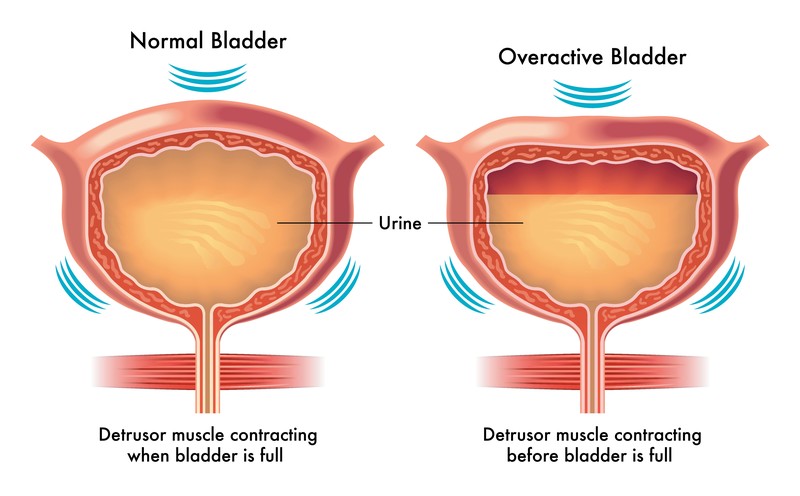
Overactive bladder (OAB) is the name for a group of urinary symptoms. It is not a disease. The most common symptom is a sudden, uncontrolled need or urge to urinate. Some people will leak urine when they feel this urge. Another symptom is the need to pass urine many times during the day and night. 

What causes overactive bladder?

Several conditions may contribute to signs and symptoms of overactive bladder, including:

  • Neurological disorders, such as stroke and multiple sclerosis
  • Diabetes
  • Urinary tract infections that can cause symptoms similar to those of an overactive bladder
  • Hormonal changes during menopause in women
  • Conditions affecting the bladder, such as tumors or bladder stones
  • Factors that get in the way of urine leaving the bladder, such as enlarged prostate, constipation or previous surgery to treat incontinence

Overactive bladder symptoms may also be associated with:

  • Medications that cause your body to make a lot of urine or require that you take them with lots of fluids
  • Drinking too much caffeine or alcohol
  • Declining cognitive function due to aging, which may make it more difficult for your bladder to understand the signals it receives from your brain
  • Difficulty walking, which can lead to bladder urgency if you’re unable to get to the bathroom quickly
  • Incomplete bladder emptying, which may lead to symptoms of overactive bladder, as you have little urine storage space left

Symptoms

If you have an overactive bladder, you may:

  • Feel a sudden urge to urinate that’s difficult to control
  • Experience unintentional loss of urine immediately after an urgent need to urinate (urgency incontinence)
  • Urinate frequently, usually eight or more times in 24 hours
  • Wake up more than two times in the night to urinate (nocturia)

Diagnosis

Medical History: The doctor will take a detailed  medical history about the symptoms present how long, and how they’re changing the life. A medical history will include questions about the past and current health problems. Also, about the diet and how much and what kinds of liquids drink during the day and night.

Physical Exam: Doctor will examine to look for something that may be causing the  symptoms. Doctors will often feel the abdomen, the organs in the pelvis, and the rectum.

Bladder Diary: patient may be asked to keep a Bladder Diary for a few weeks. With this, he will note how often he go to the bathroom and any time leak urine. This will help the health care provider learn more about  day-to-day symptoms. 

Having a Bladder Diary during first visit can be helpful because it describes the daily habits, urinary symptoms, and shows how they affect the patient’s life. 

Other Tests

Urine test: to test for infection or blood.

Bladder scan: This type of ultrasound shows how much urine is still in the bladder after going to the bathroom.

cystoscopy or urodynamic testing: Usually not needed but may be used if the doctor  thinks something else is going on.

Treatment

Behavioral therapies

Pelvic floor muscle exercises: Kegel exercises strengthen the pelvic floor muscles and urinary sphincter.

Biofeedback: During biofeedback, patient connected to electrical sensors that help to  measure and receive information about the body. The biofeedback sensors teach the patient how to make subtle changes in the body, such as strengthening pelvic muscles so that when patient have feelings of urgency, they are better able to suppress them

Healthy weight: If you’re overweight, losing weight may ease symptoms.

Scheduled toilet trips: Setting a schedule for toileting — for example, every two to four hours — gets patient on track to urinate at the same times every day rather than waiting until they feel the urge to urinate.

Intermittent catheterization. If patient is not able to empty the bladder well, using a catheter periodically to empty  bladder completely helps the bladder do what it can’t do by itself.

Absorbent pads. Wearing absorbent pads or undergarments can protect the clothing and help to avoid embarrassing incidents.

Bladder training. Bladder training involves training self to delay voiding when feel an urge to urinate. 

Medications

After menopause, vaginal estrogen therapy can help strengthen the muscles and tissues in the urethra and vaginal area. Vaginal estrogen comes in the form of cream, suppository, tablet, or ring, and can significantly improve symptoms of overactive bladder. Medications that relax the bladder can be helpful for relieving symptoms of overactive bladder and reducing episodes of urge incontinence.(Example: Tolterodine (Detrol),Oxybutynin).

Bladder injections

Botox is a protein from the bacteria that cause botulism illness. Used in small doses directly injected into bladder tissues, this protein relaxes the muscles

Nerve stimulation

Regulating the nerve impulses to the bladder can improve overactive bladder symptoms.

Percutaneous tibial nerve stimulation (PTNS)

This procedure uses a thin needle that is placed through the skin near your ankle to send electrical stimulation from a nerve in your leg (tibial nerve) to your spine, where it connects with the nerves that control the bladder

Surgery

Surgery to increase bladder capacity: This procedure uses pieces of bowel to replace a portion of bladder. This surgery is used only in cases of severe urge incontinence that doesn’t respond to any other.

Bladder removal. This procedure is used as a last resort and involves removing the bladder and surgically constructing a replacement bladder (neobladder) or an opening in the body (stoma) to attach a bag on the skin to collect urine

Lifestyle and home remedies

These lifestyle strategies may reduce overactive bladder symptoms:

  • Maintain a healthy weight : If you’re overweight, losing weight may ease your symptoms. Heavier people are also at greater risk of stress urinary incontinence, which may improve with weight loss.
  • Drink adequate amounts of fluid : Ask your doctor how much fluid you need daily. Drinking too much fluid can worsen your symptoms, but not drinking enough can make your urine become concentrated and can irritate the lining of your bladder. This increases the urge to urinate.
  • Limit foods and drinks that might irritate your bladder : Some foods and drinks that may irritate the bladder include caffeine, alcohol, tea, carbonated drinks, citrus juice and fruit, chocolate, spicy foods, and tomatoes. If any of these worsen your symptoms, it might be wise to avoid them.

Disclaimer: All contents on this site are for general information and in no circumstances, information be substituted for professional advice from the relevant healthcare professional, Writer does not take responsibility for any damage done by the misuse or use of the information.

References:

https://www.bsuh.nhs.uk/   (Brighton and Sussex University Hospitals NHS trust)

https://www.mayoclinic.org/(Myoclinic)

https://www.urologyhealth.org/ (Urology care foundation)

May 7, 2022

Introduction

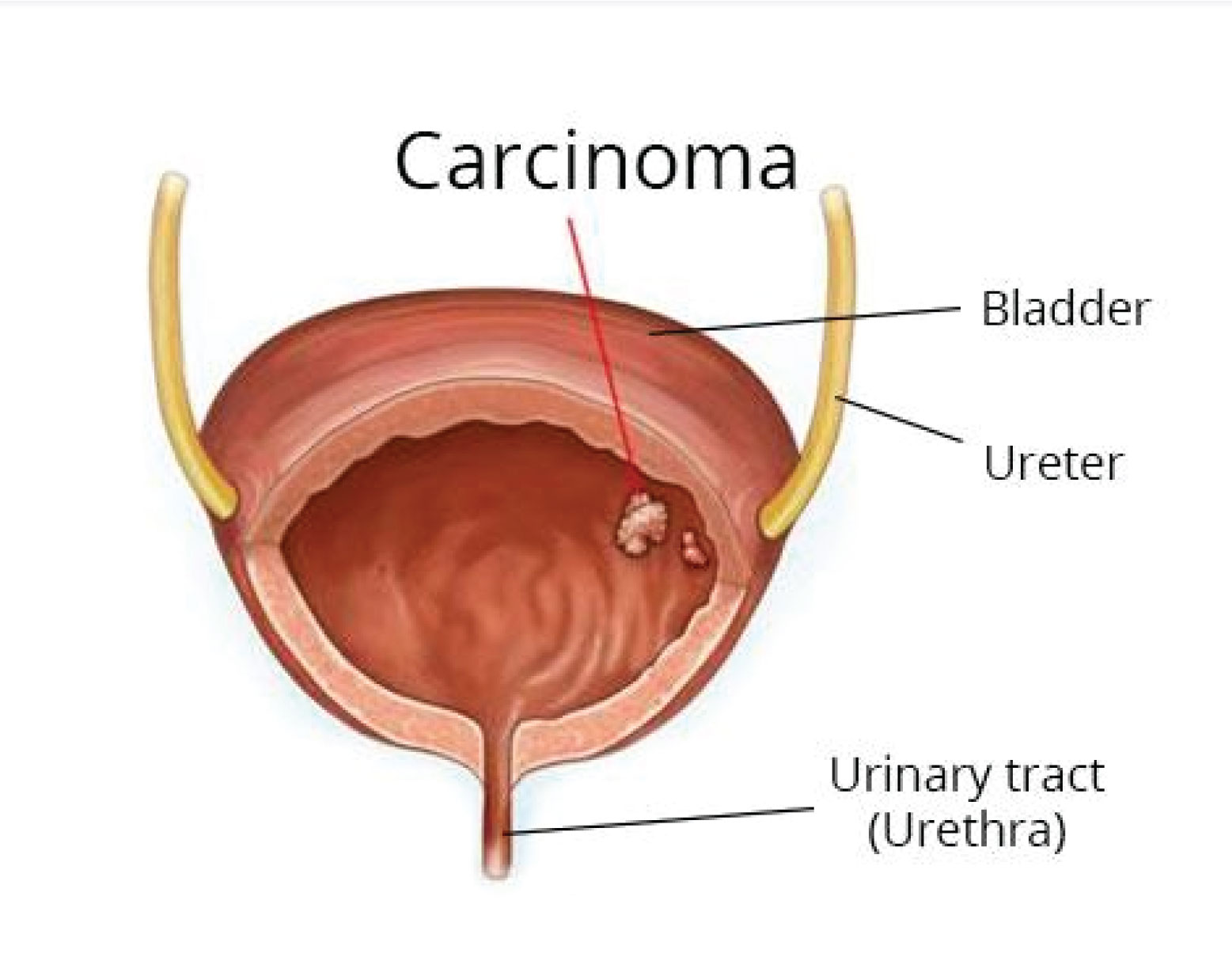
The bladder is a hollow organ in the pelvis that stores urine before it leaves the body during urination. The urinary tract is also made up of the kidneys, ureters, and urethra. The renal pelvis is a funnel-like part of the kidney that collects urine and sends it into the ureter. The ureter is a tube that runs from each kidney into the bladder. The urethra is the tube that carries urine out of the body.

Bladder cancer begins when healthy cells in the bladder lining change and grow out of control, forming a mass called a tumor. A tumor can be malignant or benign. Signs and symptoms of bladder cancer include blood in the urine and pain during urination. Tests that examine the urine and bladder are used to diagnose bladder cancer

Risk factors

  • Using tobacco, especially smoking cigarettes.
  • Having a family history of bladder cancer.
  • Having certain changes in the genes that are linked to bladder cancer.
  • Being exposed to paints, dyes, metals, or petroleum products in the workplace.
  • Past treatment with radiation therapy to the pelvis or with certain anticancer drugs, such as cyclophosphamide or ifosfamide.
  • Taking Aristolochia fangchi, a Chinese herb.
  • Drinking water from a well that has high levels of arsenic.
  • Drinking water that has been treated with chlorine.
  • Having a history of bladder infections, including bladder
  • infections caused by Schistosoma haematobium.
  • Using urinary catheters for a long time.
  • Older age is a risk factor for most cancers. The chance of getting cancer increases as you get older.

Types of bladder cancer

Stages of Bladder Cancer

After bladder cancer has been diagnosed, tests are done to find out if cancer cells have spread within the bladder or to other parts of the body.

The following stages are used for bladder cancer:

  • Stage 0 (Noninvasive Papillary Carcinoma and Carcinoma in Situ):

 Abnormal cells are found in tissue lining the inside of the bladder. These abnormal cells may become cancer and spread into nearby normal tissue.

  • Stage I:

Cancer has formed and spread to the layer of connective tissue next to the inner lining of the bladder .                                                                                                                     

  • Stage II: 

             cancer has spread to the layers of muscle tissue of the bladder.

  • Stage III: Stage III is divided into stages IIIA and IIIB.


  •  Stage IIIA:

cancer has spread from the bladder to the layer of fat surrounding the bladder and may have spread to the reproductive organs (prostateseminal vesiclesuterus, or vagina

  • Stage IIIB:

cancer has spread from the bladder to more than one lymph node in the pelvis 

  • Stage IV:

   Stage IV is divided into stages IVA and IVB.

  • Stage IVA:

 Cancer has spread from the bladder to the wall of the abdomen or pelvis or one lymph node.

  • Stage IVB,

cancer has spread to other parts of the body, such as the lung, bone,  liver.       

  • Bladder cancer can recur (come back) after it has been treated.

Signs and Symptoms 

  • Blood or blood clots in the urine.
  • Pain or burning sensation during urination.
  • Frequent urination.
  • Feeling the need to urinate many times throughout the night.
  • Feeling the need to urinate, but not being able to pass urine.
  • Lower back pain on 1 side of the body.

Diagnosis

  • Urine tests:
  • Urinalysis: This is a simple lab test to check for blood and other substances in a sample of urine
  • Urine culture: this test may be done to see if an infection is the cause
  • Urine cytology: A laboratory test in which a sample of urine is checked for abnormal cells.
  • Cystoscopy: 

A specialist will examine the inside of your bladder by passing a thin tube with a camera and light at the end (cystoscope) through your urethra Before having a cystoscopy, a local anesthetic gel is applied to your urethra so you don’t feel any pain

  • Biopsy/Transurethral resection of bladder tumor (TURBT):

A biopsy is the removal of a small amount of tissue for examination under a microscope. This surgical procedure is called a transurethral bladder tumor resection or TURBT.

  • Computed tomography (CT or CAT) scan:  

CT scan can be used to measure the tumor’s size and to identify enlarged lymph nodes, which may indicate that cancer has spread. 

  • Magnetic resonance imaging (MRI):

An MRI uses magnetic fields,  to produce detailed images of the body. MRI can be used to measure the tumor’s size and to identify enlarged lymph nodes, which may indicate that cancer has spread.

  • Positron emission tomography (PET) or PET-CT scan.

A PET scan is a way to create pictures of organs and tissues inside the body.

  • Ultrasound:

An ultrasound helps  to find out if the kidneys or ureters are blocked.

Treatment

Treatment options for bladder cancer depend on type of cancer, grade of the cancer and stage of the cancer,

  • Surgeryto remove the cancer cells. The types of surgery can be Transurethral resection (TUR) with fulguration, Radical cystectomy, Partial cystectomy Urinary diversion( Surgery to make a new way for the body to store and pass urine)
  • Chemotherapy in the bladder (intravesical chemotherapy : Chemotherapy is a cancer treatment that uses drugs to stop the growth of cancer cells, either by killing the cells or by stopping them from dividing. For bladder cancer, regional chemotherapy may be intravesical (put into the bladder through a tube inserted into the urethra).
  • Chemotherapy for the whole body (systemic chemotherapy): to increase the chance for a cure in a person having surgery to remove the bladder, or as a primary treatment when surgery isn’t an option
  • Radiation therapy: to destroy cancer cells, often as a primary treatment when surgery isn’t an option or isn’t desired
  • Immunotherapy: to trigger the body’s immune system to fight cancer cells, either in the bladder or throughout the body
  • Targeted therapy: to treat advanced cancer when other treatments haven’t helped

After bladder cancer treatment

Bladder cancer may recur, even after successful treatment. Because of this, people with bladder cancer need follow-up testing for years after successful treatment. What tests you’ll have and how often depends on your type of bladder cancer and how it was treated, among other factors.

In general, doctors recommend a test to examine the inside of your urethra and bladder (cystoscopy) every three to six months for the first few years after bladder cancer treatment. After a few years of surveillance without detecting cancer recurrence, you may need a cystoscopy exam only once a year. Your doctor may recommend other tests at regular intervals as well.

Disclaimer: All contents on this site are for general information and in no circumstances, information be substituted for professional advice from the relevant healthcare professional, Writer does not take responsibility for any damage done by the misuse or use of the information.

REFFERANCES

https://www.mayoclinic.org/ Myoclinic

https://www.cancer.net/ Cancer net ASCO

https://www.cancer.gov/ NIH

https://www.nhs.uk/ NHS

Call Now Button