December 13, 2025

Winter in Dubai brings a welcome change to the city’s rhythm. As the temperatures drop, parks become livelier, walkways fill with runners, and early mornings feel refreshing instead of intense. It’s the perfect season to recommit to exercise — yet for many people, cold weather can also bring joint stiffness, making certain workouts feel harder than expected.

The good news is that staying active doesn’t have to strain your joints. With the right joint-friendly exercises, you can enjoy winter fitness in Dubai while keeping your knees, hips, shoulders, and spine healthy. These movements are gentle, effective, and adaptable to all fitness levels, helping you stay strong and mobile through the cooler months.

Why Winter Is the Best Time to Reset Your Fitness Routine

Dubai’s winter offers ideal outdoor conditions — moderate temperatures, low humidity, and energizing fresh air. These conditions naturally encourage more movement, but they can also create challenges for individuals with arthritis, past injuries, or joint stiffness.

Cold weather slightly reduces circulation to joint tissues, making them feel tight or less flexible. Beginning your workout with gentle movements and choosing exercises that support joint health can make all the difference.

Understanding your body’s needs during the season helps you stay active with confidence.

Warm-Up Essentials for Joint Protection

A proper warm-up is essential during the winter months because joints and muscles need a little extra time to “wake up.” Preparing the body gently reduces stiffness and prevents early strain.

  • Start With Light Walking: A 5–10 minute walk warms your muscles and prepares your spine and hips for activity.
  • Mobilize Your Joints: Small circular movements of the shoulders, ankles, wrists, and hips improve lubrication.
  • Dynamic Stretches: Leg swings, arm circles, and gentle twists activate your core and support better movement.
  • Warm Your Hands and Knees if Needed: A bit of warmth around your joints can ease stiffness before exercise.
  • Hydrate Before You Begin: Winter reduces thirst cues, but joints still rely on hydration.

A good warm-up ensures your joints move more comfortably and safely during exercise.

Low-Impact Cardio for Healthy Joints

Low-impact cardio keeps your heart healthy without placing unnecessary pressure on your knees or spine. Dubai’s pleasant winter mornings and evenings make these activities easy to enjoy outdoors.

  • Walking at a Steady Pace: Gentle on the joints and easy to modify for all fitness levels.
  • Cycling on Flat Terrain: Smooth, fluid movement supports knee strength with minimal impact.
  • Elliptical Training: Ideal for indoor exercise with excellent joint support.
  • Swimming or Aqua Jogging: Water’s buoyancy reduces joint stress while boosting mobility.
  • Light Jogging (When Comfortable): Soft surfaces like tracks or turf reduce knee strain.

Choosing low-impact cardio helps you stay active without overwhelming your joints.

Strength Training That Supports Your Joints

Strong muscles act like shock absorbers, easing pressure on your joints and improving overall stability. Strength training doesn’t require heavy weights — controlled, joint-friendly movements are often more beneficial.

  • Bodyweight Squats: Strengthen the legs and hips while keeping movements natural and controlled.
  • Glute Bridges: Support lower back health and hip stability.
  • Wall Sits: Excellent for knee support without deep bending.
  • Resistance Band Exercises: Gentle strengthening for shoulders, hips, and knees.
  • Core Workouts: Strengthening the abdomen and back stabilizes your entire body.

You can explore more strengthening guidance through our pages on Rehabilitation & Physiotherapy and Joint Pain & Arthritis Management.

Building strength protects your joints and improves long-term mobility.

Flexibility Exercises to Reduce Stiffness

Flexibility training keeps joints supple and reduces tension caused by colder weather. Winter is the perfect time to incorporate gentle stretching into your daily routine.

  • Hamstring Stretch: Reduces strain on the lower back and hips.
  • Calf Stretch: Supports ankle mobility and balance.
  • Hip Flexor Stretch: Counteracts long hours of sitting.
  • Chest Stretch: Eases shoulder tightness and improves posture.
  • Spinal Rotation: Gently reduces back stiffness.

Consistent stretching enhances comfort and supports healthier movement throughout the day.

Balanced Workouts for Knee, Hip, and Spine Health

Exercises that promote balance and stability help reduce the risk of falls and improve joint alignment — especially important for knees, hips, and the spine.

  • Single-Leg Stands: Improve ankle and knee stability.
  • Heel-to-Toe Walking: Enhances coordination and balance.
  • Side Leg Raises: Strengthen hip stabilizers and reduce knee strain.
  • Bird Dog Exercise: Great for spinal control and core stability.
  • Modified Lunges: Strengthen legs with careful technique and support.

Creating balance in your workouts supports healthier, more confident movement.

Low-Impact Strength for Shoulder and Upper Body Joints

The winter months often encourage more outdoor sports, including tennis, paddle sports, and swimming. Keeping your shoulders strong and mobile reduces the risk of strain.

  • Resistance Band Rows: Strengthen upper back muscles and improve posture.
  • Wall Angels: Improve shoulder mobility and alignment.
  • Modified Push-Ups: Build strength without overloading the shoulders.
  • External Rotation Exercises: Protect rotator cuff stability.
  • Light Dumbbell Work: Supports joint-friendly strengthening.

You can explore more about shoulder care on our page for Shoulder Pain & Rotator Cuff Repair.

Targeted upper-body exercises protect your shoulders during winter activities.

When Exercise Discomfort Needs Professional Attention

Mild stiffness during winter workouts is normal, but persistent pain may be a sign of underlying issues. Sometimes winter reveals early signs of arthritis, cartilage wear, or joint instability that deserve early evaluation.

You should consider seeing a specialist if you experience:

  • Sharp or persistent joint pain
  • Swelling after exercise
  • Knee instability or buckling
  • Limited movement that doesn’t improve
  • Back pain affecting daily activity
  • Pain returning each time you exercise

Our orthopedic team can diagnose the cause and design a plan that supports joint-friendly fitness for your lifestyle. Visit our pages on Sports Injuries & Arthroscopic Surgery or Foot & Ankle Surgery for more information.

Early care helps you stay active all season long.

A Personalized Approach to Winter Fitness in Dubai

Dubai’s winter encourages movement — from beach walks to outdoor gym sessions and park workouts. But everyone’s body responds differently to exercise, especially if you have past injuries or joint sensitivities. At Westminster Orthopedics in Dubai Healthcare City, we create personalized, joint-friendly plans tailored to your fitness level and long-term goals.

Our specialists help ensure you can enjoy winter activity comfortably, safely, and confidently.

Your Partner in Joint-Healthy, Active Living

Winter fitness should feel energizing, not overwhelming. With the right exercise choices and a mindful approach to movement, you can enjoy Dubai’s outdoor season while keeping your joints protected and strong.

Our orthopedic specialists combine Western training, advanced diagnostic tools, and compassionate guidance to help you stay active throughout the year — no matter your age or fitness level.

Ready to Protect Your Joints This Winter?

If you’d like personalized guidance for joint-friendly exercise or need help managing pain during activity, our orthopedic specialists in Dubai are here to support you.
Start your journey toward safer, more comfortable fitness today through our Contact page and enjoy every step of Dubai’s winter season.

December 13, 2025

Dubai’s winter brings refreshing temperatures, busier outdoor spaces, and a welcome break from intense summer heat. But with cooler air also comes humidity, occasional rain, and damp surfaces that can quickly become slippery. For seniors, children, and anyone with balance or mobility challenges, these conditions increase the risk of slips and falls — one of the most common causes of winter-related injuries.

While Dubai’s winter is mild, even a light drizzle or humid morning can make tiles, stairs, walkways, and outdoor areas unexpectedly slick. The good news is that with awareness and a few simple precautions, families can stay safe and active throughout the season.

Why Slips and Falls Increase During Cooler Months

Humidity and moisture create a thin, almost invisible layer on surfaces like marble, tile, and outdoor stone — all common in Dubai homes, parks, and public areas. When combined with cooler temperatures, the ground can feel deceptively slippery, particularly in shaded spaces or early mornings.

For older adults, age-related changes such as slower reflexes, weaker muscles, or reduced balance can increase risk. Younger children may slip when running on wet surfaces without realizing the danger.

Understanding these seasonal factors helps you stay prepared.

How to Make Your Home Safer During Winter

Homes in Dubai often have smooth flooring, which becomes especially slippery when humid or wet. Small adjustments significantly reduce the risk of accidental falls, especially for seniors.

  • Use Non-Slip Mats: Place them near sinks, bathrooms, entryways, and balconies to absorb moisture.
  • Keep Floors Dry: Wipe spills immediately to prevent slick spots from forming.
  • Improve Indoor Lighting: Good lighting helps seniors navigate safely, especially at night.
  • Install Handrails Where Needed: Particularly near stairs, bathrooms, and long hallways.
  • Avoid Clutter: Remove toys, loose rugs, and electrical cords from walkways.

A safer environment reduces the most common household fall risks.

Outdoor Safety Tips for Walks and Errands

Cooler months encourage more outdoor walks, market visits, and park activities. However, early-morning humidity or post-rain moisture can make pavements slippery.

Staying mindful outdoors prevents most winter-related falls.

  • Walk Slowly on Damp Surfaces: Especially around parks, tiled areas, and building entrances.
  • Choose Supportive Footwear: Shoes with grip and cushioning offer better stability.
  • Use Walking Aids When Needed: Canes or walkers provide added balance for seniors.
  • Avoid Running on Wet Surfaces: A common cause of falls among children and adults.
  • Hold Onto Railings: Particularly on stairs or near public walkways after rain.

Small adjustments outdoors help families stay confident and secure during the season.

Protecting Seniors: Extra Precautions for Balance and Mobility

Seniors experience more slips and falls during winter due to age-related changes in strength, vision, and balance. Supporting them with the right guidance can prevent injuries and improve comfort.

  • Encourage Slow Movements: Quick turns or sudden steps can affect balance.
  • Use Assistive Devices Confidently: Walking aids improve safety when used consistently.
  • Strengthen Leg and Core Muscles: Simple exercises help maintain stability.
  • Schedule Eye Check-Ups: Clear vision plays a key role in navigating safely.
  • Ensure Proper Footwear: Supportive shoes reduce joint strain and slipping.

Helping seniors adopt these habits keeps them active and secure throughout the cooler months.

Recognizing When a Fall Needs Medical Attention

Even minor slips can cause injuries that worsen over time if ignored. Early evaluation ensures proper healing and prevents long-term complications.

Seek orthopedic care if you notice:

  • Persistent swelling or bruising
  • Difficulty bearing weight
  • Joint instability or giving-way
  • Pain that worsens with movement
  • Limited range of motion
  • A cracking or popping sensation during the fall

Our team supports patients through detailed assessments and advanced imaging. For fracture care, learn more through our page on Fracture Management & Trauma Surgery. For lingering pain or improper healing, explore support via Post-Traumatic Non-Union & Malunion Correction.

Prompt evaluation after a fall ensures safe, steady recovery.

Exercises That Improve Balance and Prevent Falls

Strengthening the body — especially the legs, core, and hips — reduces the risk of slips by enhancing stability. These simple exercises are safe for most adults and seniors, especially during winter months.

  • Heel-to-Toe Walking: Improves balance and foot coordination.
  • Single-Leg Stands: Strengthens ankles and enhances stability.
  • Gentle Squats: Builds leg muscles that support daily movement.
  • Core Tightening Exercises: Support posture and spinal control.
  • Hip Strengthening Movements: Reduce strain on knees and improve alignment.

More detailed, personalized routines are available through our Rehabilitation & Physiotherapy services.

Regular practice keeps your body resilient and steady on varying surfaces.

How to Support Children During Damp or Rainy Days

Children are naturally energetic, and wet surfaces can be particularly hazardous when running or playing outdoors — or even in tiled indoor areas.

These small adjustments help keep them safe:

  • Teach Slow Movement on Wet Floors: Helps them recognize risk early.
  • Ensure Good Footwear Grip: Shoes with traction prevent slipping.
  • Supervise Near Pools or Fountains: These areas become slick quickly.
  • Encourage Drying Shoes Promptly: Damp soles cause reduced stability.
  • Create Safe Indoor Play Areas: Prevents running on smooth tiles during humid days.

Supporting children with mindful habits reduces preventable slips during winter play.

When to Seek Preventive Orthopedic Guidance

If a family member — especially a senior — frequently feels unsteady, loses balance, or fears falling, early orthopedic evaluation can uncover treatable causes such as muscle weakness, joint instability, nerve issues, or early osteoarthritis.

Guidance may include:

  • Physiotherapy programs
  • Strengthening exercises
  • Fall-prevention strategies
  • Assessment of gait or balance
  • Supportive footwear or braces

You can learn more about long-term joint protection through our page on Osteoporosis Management & Fall Prevention.

Early intervention is key to maintaining safety and independence.

Your Partner in Winter Safety and Mobility

Slips and falls may be common during Dubai’s cooler months, but they are highly preventable with the right habits and awareness. At Westminster Orthopedics in Dubai Healthcare City, our specialists support patients and families with personalized advice, balance training, fall-prevention programs, and expert treatment when injuries occur.

Staying safe shouldn’t mean staying indoors — it simply means moving with awareness and confidence.

Ready to Stay Safe and Active This Winter?

If you or a family member needs guidance in improving balance, preventing falls, or recovering after an injury, our orthopedic specialists in Dubai are here to help.
Book your consultation through our Contact page and enjoy the season with comfort and peace of mind.

November 26, 2025

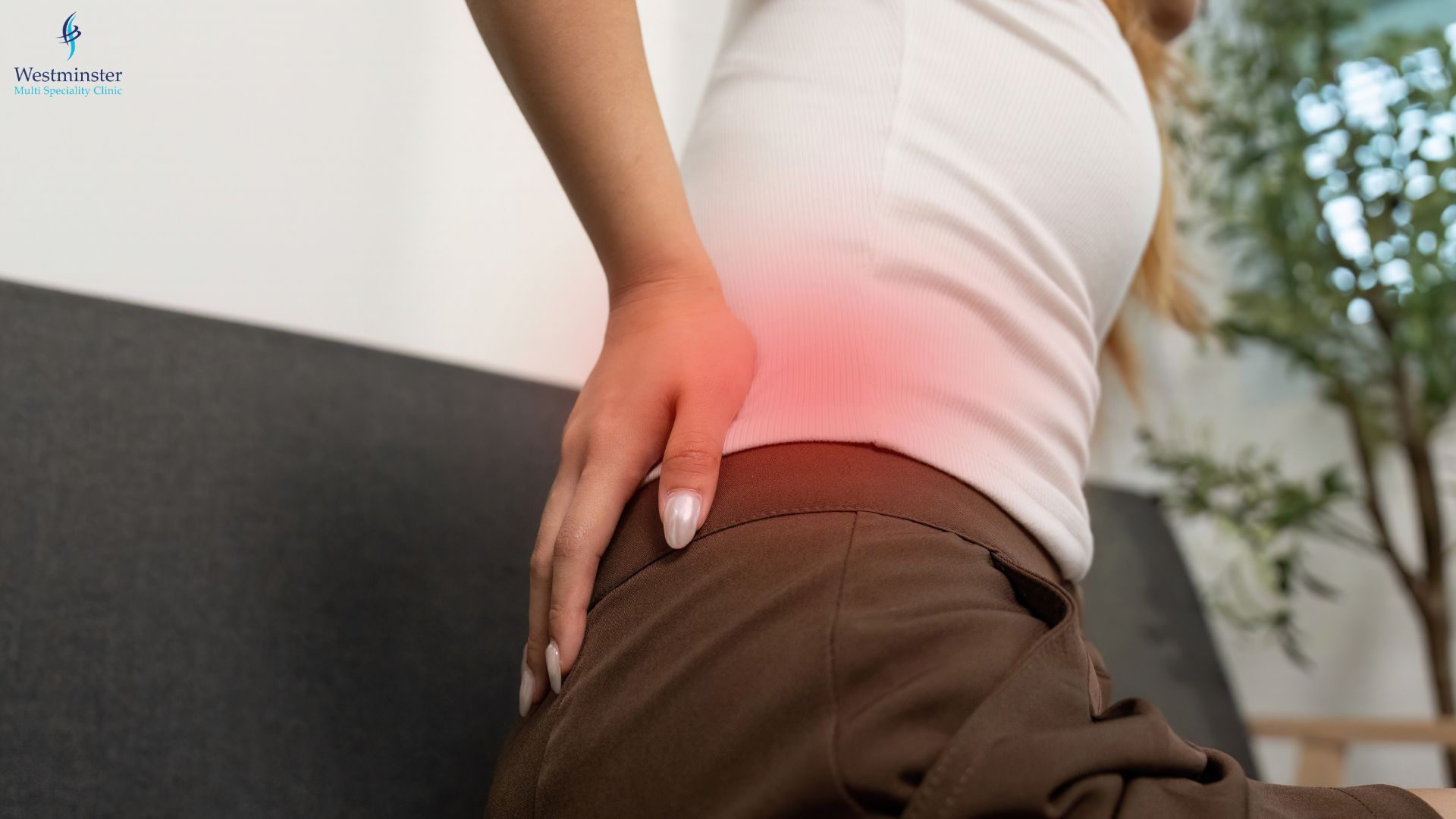
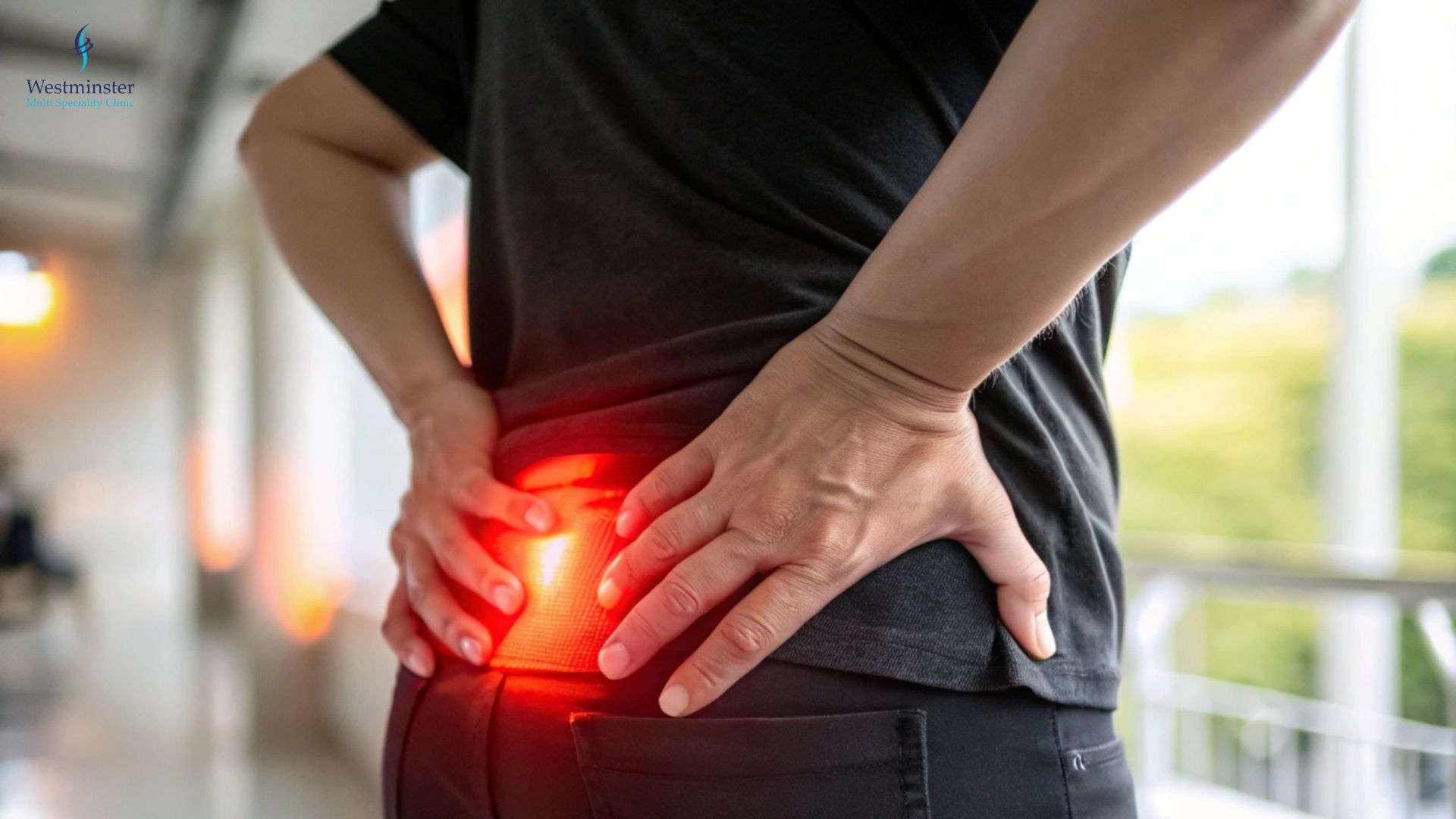
Back pain is one of the most common orthopedic concerns in Dubai, affecting people of all ages — from office professionals spending long hours at a desk to active individuals who enjoy outdoor workouts during the cooler months. For many, the discomfort appears slowly, starting as a mild ache after sitting or driving. For others, it may strike suddenly, turning simple movements into difficult tasks. Despite how widespread back pain is, it remains surrounded by misconceptions, and these myths often prevent people from seeking the right care at the right time.

Understanding what truly causes back pain — and the modern treatments available — can make a significant difference. With proper guidance, early support, and personalized treatment, you can regain comfort, mobility, and confidence in your daily life.

The Most Common Myths About Back Pain

Back pain is commonly misunderstood, and these misunderstandings can cause unnecessary worry. Recognizing what’s true — and what isn’t — is the first step toward effective relief.

Myth 1: “Back pain always means something serious.”

Many people assume that any back pain signals a major issue. In reality, most back pain comes from muscle strain, poor posture, prolonged sitting, or mild inflammation — especially common in Dubai where long commutes and desk work are part of daily life.

Myth 2: “Rest is the best solution.”

While rest is important during the first day or two of severe pain, long-term rest often slows recovery. Gentle movement, stretching, and guided exercises help your spine recover faster by improving blood flow and reducing stiffness.

Myth 3: “Back pain gets worse with age — nothing can be done.”

Age-related changes in the spine are normal, but they don’t have to mean constant pain. With proper treatment, most adults — even seniors — regain strength and mobility.

Myth 4: “If the pain comes and goes, it’s not serious.”

Intermittent pain can still indicate underlying issues such as disc irritation, muscle imbalance, or nerve compression. Addressing the cause early prevents worsening symptoms.

Back pain may feel overwhelming, but once you understand the myths, the path forward becomes much clearer.

What Really Causes Back Pain

Back pain often develops from a combination of lifestyle, posture, and everyday habits. In Dubai, the most common causes include long hours sitting in offices, extended driving, heavy lifting during workouts, and poor ergonomic setups at home.

Your spine is supported by muscles, ligaments, and discs — and when any of these structures are strained, discomfort can follow. Conditions such as muscle tension, spinal misalignment, disc irritation, and nerve compression can all contribute.

To explore these issues in detail, our page on Back & Spine Pain Treatment provides a comprehensive overview of symptoms and solutions.

Understanding the source of your pain is essential before choosing any treatment.

How Modern Orthopedic Care Treats Back Pain Today

Modern treatments for back pain are far more advanced than most people realize. Gone are the days when painkillers and rest were the only options. Today, orthopedic specialists use a combination of targeted therapies, gentle interventions, and supportive treatments to restore comfort and mobility.

At Westminster Orthopedics, we design treatments that fit your lifestyle, mobility goals, and daily routine. The goal is not only to relieve pain but to address the underlying cause.

Here’s how modern care can support you:

Personalized Assessment and Imaging

Back pain is rarely identical between two people. A proper diagnosis helps identify whether the pain originates from muscles, discs, nerves, or posture. With precise imaging and a detailed orthopedic evaluation, you’re able to understand your condition clearly.

Targeted Physiotherapy and Strength Building

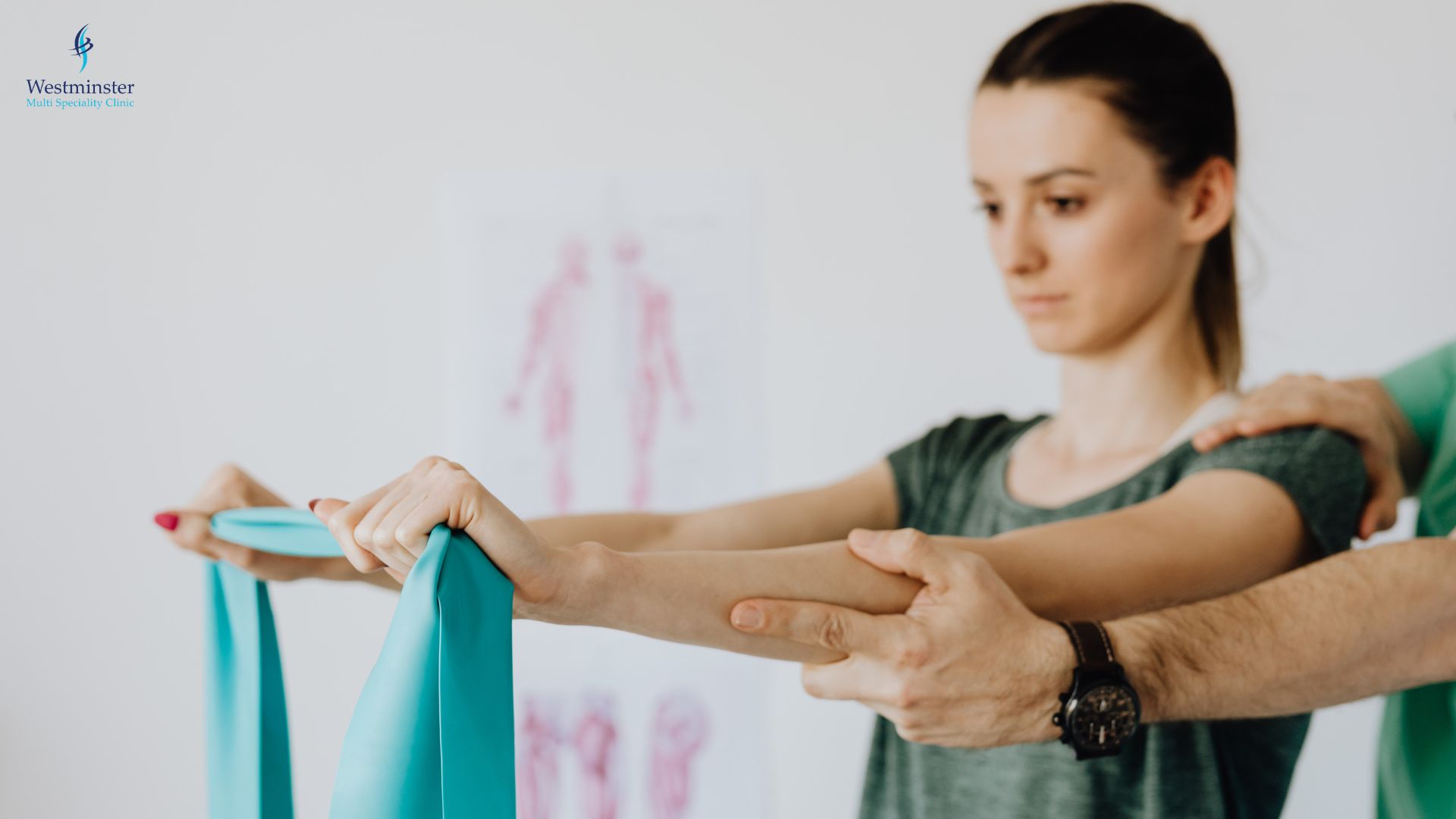
The right physiotherapy program can dramatically reduce back pain. By strengthening the core, improving posture, and stretching tight muscles, physiotherapy teaches your spine to move and align naturally. You can explore more on our Rehabilitation & Physiotherapy page.

Minimally Invasive Treatments

When pain persists, treatments such as image-guided injections can reduce inflammation with precision. These techniques offer relief without the need for major procedures. Learn more on our page for Orthopedic Injections & Image-Guided Therapies.

Lifestyle and Ergonomic Adjustments

Small adjustments — improving desk posture, changing bedding, modifying workouts — often make a significant difference in back comfort. This holistic approach supports long-term improvement.

With these advanced options, patients in Dubai often recover faster and more comfortably than expected.

Recognizing When Back Pain Needs Attention

Some back pain goes away within a few days, but persistent or worsening discomfort shouldn’t be ignored. Early evaluation ensures you receive the right treatment before the problem develops further.

Here’s when to seek professional help:

  • Pain lasting longer than two weeks
  • Numbness or tingling in the legs
  • Pain triggered by specific movements or positions
  • Difficulty standing, walking, or bending
  • Pain that returns frequently
  • Discomfort affecting sleep or work

Ignoring persistent symptoms may prolong healing, but early treatment often leads to quicker, more lasting relief.

Addressing the concern early protects your spine from long-term stress.

Simple Back Care Habits for Daily Life

Healthy habits can prevent or reduce back pain, especially for people who work long hours or follow active routines in Dubai. These small changes can support your spine throughout the day.

  • Maintain Good Posture: Keep your back aligned when sitting and avoid slouching.
  • Move Regularly: Stand up and stretch every 45–60 minutes to prevent muscle stiffness.
  • Strengthen the Core: Strong abdominal and back muscles support the spine.
  • Lift Safely: Bend your knees, not your back.
  • Stay Active: Low-impact activities like walking and swimming help maintain flexibility.

Even small habits can make a big difference when practiced consistently.

A Personalized Approach to Back Pain in Dubai

Back pain affects more than movement — it impacts mood, energy, and daily routines. That’s why our specialists take a holistic, patient-first approach. At Westminster Orthopedics, located in Dubai Healthcare City, we combine Western-trained expertise with personalized care, ensuring that treatment plans fit your lifestyle.

Our goal is to help you understand your body, feel confident again, and regain your natural movement without fear or hesitation.

Your Partner in Lasting Comfort and Relief

Back pain can feel discouraging, but you don’t have to navigate it alone. With the right diagnosis, modern treatments, and supportive guidance, healing becomes not only possible — but achievable.

Our team is committed to helping you move freely, sleep comfortably, and return to the activities you love with confidence.

Ready to Find Relief from Back Pain?

If back discomfort is affecting your daily life, our orthopedic specialists in Dubai are here to guide you toward long-term comfort. Take the first step today through our Contact page and begin your journey toward a healthier, pain-free back.


November 26, 2025

The days after orthopedic surgery often bring a mix of hope and uncertainty. You know the procedure was necessary — whether it was a ligament repair, a joint reconstruction, or surgery for a fracture — but now you’re left wondering how soon you’ll feel like yourself again.

Many patients in Dubai describe this period as a “pause,” a moment where life slows down just enough to remind them how much they rely on their body for every routine task. And yet, recovery is not simply about resting or waiting. The real healing begins when you start moving again, and physiotherapy is what guides that movement safely and confidently.

At Westminster Orthopedics, we often remind our patients that surgery repairs the structure — but physiotherapy restores the spirit of movement. It helps you rebuild strength, relearn patterns, and return to daily life with assurance. In a city like Dubai, where work, travel, and active routines put constant demands on your joints and muscles, structured rehabilitation becomes the cornerstone of a successful recovery.

Why Recovery Truly Begins After Surgery

Many people assume that the hardest part is over once surgery is complete. But in reality, this is the starting point of a carefully guided journey. After surgery, your body goes into protection mode — swelling increases, muscles weaken, and joints lose their usual flexibility. While these reactions are normal, they can slow down healing if not properly addressed.

Physiotherapy steps in to reverse these temporary setbacks. Through gentle movements, targeted exercises, and skilled guidance, your physiotherapist helps your body restore balance and mobility one step at a time.

  • Muscles regain strength: Surgery and immobilization can weaken supporting muscles.
  • Joints recover flexibility: Gentle movement prevents stiffness from becoming chronic.
  • Circulation improves: Blood flow helps reduce inflammation and support tissue repair.
  • Scar tissue is controlled: Without guided movement, scar tissue can restrict mobility.
  • Movement patterns are restored: You relearn how to walk, lift, and move confidently.

A well-structured rehabilitation plan ensures that your body not only heals but heals well — safely, steadily, and with confidence.

A Story Many Patients in Dubai Will Recognize

One of our patients, a young professional who underwent knee ligament surgery after a sports injury, expected recovery to be straightforward. But after a few weeks of rest, he noticed his knee felt tight and unstable, and simple movements felt unfamiliar.

Once he began guided physiotherapy, everything changed. He saw progress every week — improved range of motion, better balance, reduced pain, and renewed trust in his joint. Stories like his are common. Surgery fixes the problem, but physiotherapy brings you back to life.

Did You Know?

Studies show that patients who begin physiotherapy early — often within days of surgery — recover up to 30% faster. They regain mobility sooner, experience less long-term stiffness, and return to normal activities with greater ease.

This is why our orthopedic consultants in Dubai emphasize the importance of early, guided rehabilitation. You can learn more about how surgery and therapy work together through our comprehensive Orthopedics Services.

What a Personalized Recovery Plan Looks Like

Every surgery, every body, and every recovery timeline is different. That’s why physiotherapy must be personalized — tailored to your procedure, your needs, and your daily life in the UAE.

At Westminster Orthopedics, our Western-trained specialists create a structured plan designed to support you at each stage.

  • Early-Stage Rehabilitation: Gentle mobility movements to reduce swelling, ease tension, and protect the surgical area.
  • Strength & Muscle Activation: Re-engaging weakened muscles so they can properly support the healing joint.
  • Balance & Coordination Training: Essential for knee, hip, and ankle surgeries to help you regain confidence and prevent falls.
  • Manual Therapy: Skilled hands-on techniques that improve circulation, reduce stiffness, and enhance comfort.
  • Home Exercise Routine: Simple daily exercises that ensure your progress continues between sessions.

Patients recovering from knee ligament surgery or cartilage injuries can learn more through our specialized pages for ACL & Meniscus Tear Treatment and Ligament Injuries of the Knee.

These components work together to ensure your recovery is smooth, safe, and progressive.

Your Role in Supporting Your Recovery

While physiotherapy provides the roadmap, your dedication helps you reach the destination. Small daily habits play a big role in maintaining your progress.

  • Stay Consistent: Each session builds momentum and prevents stiffness from returning.
  • Follow Your Home Program: Short exercises performed daily enhance your in-clinic gains.
  • Communicate Honestly: Share any pain, discomfort, or fear with your physiotherapist so your plan can adjust.
  • Eat Well & Stay Hydrated: Your body heals best when nourished with protein and essential nutrients.
  • Rest When Needed: Powerful healing happens during sleep and controlled rest periods.

Together, these habits ensure that your recovery remains steady and uninterrupted.

How Physiotherapy Protects Your Long-Term Mobility

Successful rehabilitation doesn’t only help you bounce back now — it protects you for years to come. Completing your physiotherapy plan helps reduce the risk of:

  • Re-injury
  • Chronic stiffness
  • Joint imbalance
  • Weakness in surrounding muscles
  • Difficulty returning to exercise or work

Physiotherapy teaches your body to move with strength and alignment. You can explore how rehabilitation supports long-term comfort on our dedicated page for Rehabilitation & Physiotherapy for Orthopedic Conditions.

With this foundation, many patients find they return to daily life — whether that means caring for family, driving, traveling, or exercising — with renewed confidence.

Why Recovery in Dubai Needs a Tailored Approach

Life in Dubai moves quickly. Long commutes, busy workdays, and active weekends mean your body needs to adapt to many environments. That’s why rehabilitation must be designed with your lifestyle in mind.

At Westminster Orthopedics in Dubai Healthcare City, we work closely with patients to ensure that every exercise, every movement, and every milestone fits naturally into their routine — not the other way around.

This collaborative approach helps you build strength and confidence without feeling overwhelmed.

Your Partner in Healing, Strength, and Movement

Physiotherapy is more than a medical treatment — it’s a journey of rediscovering what your body can do. Each week brings moments of progress: a deeper bend, a smoother step, a more stable stride. And each of these small victories brings you closer to the life you want to return to.

Our specialists at Westminster Orthopedics guide you through this journey with compassion, expertise, and a personalized plan that adapts as you grow stronger.

Ready to Begin Your Recovery Journey?

If you’ve recently undergone orthopedic surgery — or are preparing for one — our team is ready to help you heal fully and confidently. Start your personalized rehabilitation plan today through our Contact page and take the next step toward a stronger, more comfortable future.


November 26, 2025

As soon as Dubai’s weather cools, the entire city seems to move outdoors. Jogging tracks fill up at sunrise, cycling paths become lively again, beaches welcome weekend athletes, and families spend more time walking, playing, and exercising. It’s the season where energy feels lighter, workouts feel easier, and motivation returns naturally. Yet this sudden shift into activity also brings a familiar challenge — a rise in sports injuries.

From ankle sprains and knee strains to shoulder pain and muscle overload, many of these injuries happen simply because the body moves from months of indoor inactivity to intense outdoor exercise. The good news is that most sports injuries are preventable with the right approach. With a bit of preparation, mindful training, and the right orthopedic support, you can enjoy Dubai’s outdoor season safely and confidently.

Why Injuries Increase When the Weather Improves

Dubai’s cooler months create the perfect environment for outdoor exercise — but they also encourage sudden changes in activity levels. People who were exercising lightly during the summer often jump straight into longer runs, faster training sessions, or more demanding sports as soon as the weather turns pleasant.

These sudden increases in intensity, combined with hard surfaces, uneven terrain, or fatigued muscles, can put stress on joints, tendons, and ligaments.

The body needs time to adapt, even when motivation is high. Understanding this helps prevent unnecessary setbacks.

Most Common Outdoor Sports Injuries in Dubai

Many sports injuries seen during Dubai’s winter season are linked to overuse, poor conditioning, or improper technique. These injuries tend to appear gradually but can worsen quickly if ignored.

Ankle Sprains and Instability

One misstep on an uneven running path or during a fast-paced game can twist the ankle, overstretching ligaments and causing swelling or pain. Your ankle may feel weak or unstable afterward.

Knee Strains and Ligament Injuries

Sudden stops, quick turns, heavy squatting, or increased running distances can strain the knee ligaments. Common injuries include ligament sprains or meniscus irritation.

Shoulder Pain and Overuse Injuries

Activities like tennis, swimming, or gym workouts can overload shoulder tendons, especially the rotator cuff, leading to pain, weakness, or reduced mobility.

Shin Splints and Foot Pain

Rapid increases in running intensity can irritate the tissues around the shin bone, and improper footwear can add additional stress to the feet.

Understanding these common injuries helps you take preventive steps before they interrupt your exercise routine.

How to Prepare Your Body for Outdoor Exercise

Preparation is the foundation of injury prevention. As you ease into Dubai’s outdoor season, taking a few minutes to warm up and prepare your body makes a significant difference.

A simple pre-exercise routine can protect your muscles, joints, and overall movement patterns.

  • Start Slowly: Gradually increase your distance, pace, or intensity. Avoid jumping straight into long runs or high-powered workouts.
  • Warm Up Gently: Begin with light walking or dynamic stretches to warm your muscles and increase blood flow.
  • Strengthen Supporting Muscles: Your core, hips, and legs play key roles in stabilizing your joints.
  • Use Proper Footwear: Shoes with adequate support and cushioning reduce stress on the knees and ankles.
  • Stay Hydrated: Even in cooler months, dehydration affects muscle function and performance.

Giving your body this foundation helps reduce unnecessary strain on your joints and soft tissues.

Recognizing Early Signs of Injury

Most sports injuries start small — a slight pull, a mild ache, or stiffness that lingers longer than usual. Many people overlook these early signs, hoping they’ll disappear, but pushing through pain can lead to more serious injuries.

Pay careful attention if you notice:

  • Persistent soreness after activity
  • Pain that appears during specific movements
  • Swelling or warmth around a joint
  • Sudden weakness or instability
  • Difficulty putting weight on a limb
  • Reduced range of motion

Listening to these early signals protects you from long-term injury.

When symptoms persist, our orthopedic consultants can provide a detailed assessment through our specialized pages for Sports Injuries & Arthroscopic Surgery and Ankle Sprain & Instability Treatment.

Addressing issues early often leads to quicker and easier recovery.

Building Strength to Protect Your Joints

Strengthening the muscles around your joints acts like adding support beams to a structure. Strong muscles absorb shock, stabilize movement, and reduce the load placed on ligaments and tendons — especially during running, sports, and repetitive activities.

A well-rounded strength routine may include:

  • Core Stability: Strong abdominal and lower back muscles support posture and balance.
  • Hip Strength: The hips guide movement in the knees and ankles, protecting them from strain.
  • Leg Conditioning: Quadriceps, hamstrings, and calves all play crucial roles in stabilizing your stride.
  • Upper Body Strength: Shoulders and arms help maintain posture during running and power during sports.

Strength building improves performance while reducing injury risk during Dubai’s active season.

When a Specialist’s Guidance Becomes Important

Sometimes, despite careful preparation, pain still appears. When discomfort doesn’t improve or worsens over time, it may be a sign that deeper issues need attention.

Our orthopedic specialists can diagnose injuries early using detailed assessments and advanced imaging. Depending on the condition, treatment options may include:

  • Physiotherapy and targeted exercise programs
  • Joint support braces or taping
  • Image-guided injections for inflammation
  • Minimally invasive procedures for persistent injuries

You can explore these options through our main Orthopedics Service page and our specialty pages such as Foot & Ankle Surgery or Shoulder Pain & Rotator Cuff Repair.

Early treatment allows athletes and active adults to return to outdoor exercise safely and confidently.

A Personalized Approach for Dubai’s Active Lifestyle

Exercise in Dubai is unique. With a warm climate, active outdoor culture, and growing fitness community, residents of the UAE participate in a wide range of activities — from running and cycling to paddle tennis, beach sports, and desert hikes.

That’s why injury prevention must be tailored to individual needs. At Westminster Orthopedics, located in Dubai Healthcare City, our experts create personalized plans aligned with activity level, fitness goals, and recovery requirements.

Every athlete — whether casual or competitive — deserves to move comfortably and confidently.

Your Partner in Safe and Active Living

Sports injuries can be discouraging, especially when they interrupt a routine or delay progress. But with the right guidance, most injuries can be prevented or managed early. Our specialists combine Western training, advanced diagnostics, and personalized care to ensure every patient receives the support they need.

Whether you’re preparing for marathon season, returning to outdoor training, or simply aiming to stay active during Dubai’s cooler months, we’re here to help you move with strength and assurance.

Ready to Enjoy the Outdoor Season Without Injuries?

If you’re experiencing pain, weakness, or recurring discomfort during exercise, our orthopedic specialists in Dubai can help you stay active safely. Book your consultation today through our Contact page and make this outdoor season your healthiest one yet.


November 25, 2025

When Dubai’s long summer finally softens, the city seems to exhale. Early mornings feel peaceful again, parks fill with walkers, and cooler breezes make everyday routines more pleasant. Yet just as the weather becomes more comfortable, many people notice something far less enjoyable — stiff knees, aching hands, or hips that feel heavier with every step. If you’ve felt this shift yourself, you’re not imagining it. Cooler weather can genuinely make joint pain more noticeable.

What’s important to know is that you’re not alone, and this seasonal discomfort doesn’t mean your joints are “wearing out faster.” It simply means your body is responding to environmental changes. And once you understand why this happens, you can take simple steps to stay comfortable throughout the winter months.

Why Cooler Weather Changes the Way Your Joints Feel

Your joints are sensitive to temperature, pressure, and movement. When the weather cools, even slightly, the tissues surrounding your joints can tighten. The lubrication inside your joints becomes a little thicker, and your muscles may take longer to warm up. This combination creates the stiffness many people notice first thing in the morning or after sitting for long periods.

For people with arthritis — whether osteoarthritis or rheumatoid arthritis — this change can feel even more pronounced. Inflammation becomes more noticeable, and the subtle pressure changes common during Dubai’s winter can heighten nerve sensitivity.

Even though Dubai’s winters are mild, the shift from hot to cool is enough to trigger symptoms. Sudden air-conditioning, early-morning breezes, and temperature contrasts between indoor and outdoor spaces all play a role.

How Dubai’s Climate Influences Joint Sensitivity

Dubai’s winter weather pattern includes cooler mornings, occasional humidity, and a natural reduction in daily movement as people spend more time indoors. These factors can combine to create a noticeable increase in joint discomfort. And because many residents spend long hours at desks or driving, stiffness can build gradually throughout the day.

It’s often this mix of climate and lifestyle that makes winter joint sensitivity more noticeable in the UAE compared to other regions.

When It’s More Than Seasonal Stiffness

While cooler weather can aggravate joint discomfort, it can also uncover underlying issues you may not realize you have. Persistent or severe pain may indicate:

  • Osteoarthritis
  • Rheumatoid arthritis
  • Bursitis or tendonitis
  • Lingering effects of old injuries
  • Reduced muscle strength supporting the joint

These concerns are very common among adults in Dubai, especially those with busy work schedules, fitness routines, or previous injuries.

Our orthopedic consultants often help patients understand whether their symptoms are seasonal or related to deeper joint changes. You can explore these concerns further through our dedicated page on joint pain and arthritis management, which explains both causes and long-term solutions.

A Story Many Patients in Dubai Recognize

One of our patients, a teacher in her late fifties, shared how she dreaded the start of winter each year. Her knees felt tight during morning prayers, and even gentle walks became uncomfortable. She assumed it was age catching up with her. But after a detailed evaluation, we discovered mild osteoarthritis that became more sensitive during cooler weather.

With a simple mix of physiotherapy, strengthening exercises, and a warm-up routine, she began moving comfortably again within weeks. She later joked that she could finally “enjoy winter without limping through it.”

Her story reflects what many people experience — not declining health, but joints responding naturally to temperature changes.

Did You Know?

Even a small drop of 3–5°C can affect the fluid inside your joints. The cooler it gets, the thicker the synovial fluid becomes, making movement feel less smooth. It’s similar to how oil thickens on a cold day. Once your joints warm up, the fluid becomes more active and movement becomes easier again.

How Our Orthopedic Specialists Approach Winter Joint Pain

At Westminster Clinic, our orthopedic team focuses on a detailed, compassionate approach. We look at joint mechanics, inflammation levels, movement patterns, and lifestyle factors unique to living in the UAE. Our goal is always to understand the full picture, not just the symptoms.

Treatment options may include:

  • Targeted physiotherapy to improve strength and flexibility
  • Image-guided injections to control inflammation — learn more on our page for orthopedic injections and image-guided therapies
  • PRP and regenerative treatments to support natural joint healing
  • Gentle stretching routines tailored to cooler weather
  • Supportive guidance for posture, footwear, and daily movement habits

For more complex concerns, our broader services on the Orthopedics Service page provide an overview of how we support joint health at every stage of life.

Simple Ways to Protect Your Joints This Winter

  • Gentle Morning Warm-Ups – A few minutes of slow stretching helps your joints wake up gently. Circular wrist and ankle motions, light hamstring stretches, and shoulder mobility exercises are a great start.
  • Staying Warm When Temperatures Drop – Even light layering around the knees, hands, or lower back can improve comfort during early mornings or cool evenings.
  • Regular Indoor Movement – If you sit often at work, stand and move every hour. Small actions like leg extensions or shoulder rolls help reduce stiffness.
  • Hydration Matters More Than You Think – Many people drink less water in winter, but joints need proper hydration to maintain their natural lubrication.
  • Listening to Your Body – If pain feels sharp, persistent, or begins affecting your sleep or mobility, early evaluation prevents long-term complications.

Why Early Care Matters

Some people ignore joint stiffness until it affects their daily life. Early care helps prevent mild inflammation from progressing into chronic pain or mobility limitations. Our minimally invasive treatments, customized physiotherapy programs, and arthritis-focused therapies ensure your joints stay supported throughout the season.

The Emotional Side of Winter Joint Pain

Pain influences more than movement — it shapes confidence, mood, and even family activities. Many patients tell us they limit walks or exercise out of fear the discomfort will worsen. Restoring comfort means restoring freedom, and with the right care plan, that freedom returns faster than most people expect.

Your Partner in Movement and Long-Term Comfort

At Westminster Orthopedics, located in Dubai Healthcare City, we combine Western-trained expertise with a warm, patient-focused approach. Whether you’re noticing early signs of arthritis or dealing with long-standing stiffness, our specialists are here to help you regain comfort and mobility.

Winter in Dubai should be a season of renewed energy — outdoor walks, cooler evenings, family gatherings, and peaceful routines. If seasonal joint pain is holding you back, the right support can make all the difference.

Ready to Move Comfortably Again?

Our experienced orthopedic consultants in Dubai are here to guide you every step of the way. Book your appointment through our Contact page and take the first step toward lasting comfort this winter.


November 12, 2025

Big toe deformities, such as bunions or hallux rigidus, can significantly impact foot health and overall mobility, making everyday activities like walking and standing uncomfortable. Understanding the causes, symptoms, and treatment options is essential to address these issues early and maintain a better quality of life.

At Westminster Ortho Med Clinic , located in Dubai Healthcare City, we specialize in diagnosing and treating foot and ankle conditions. Our team of expert orthopedic consultants, including Dr. Ishrat Azam Khan and Dr. Khaled Mohamed Diab, provide comprehensive care for various musculoskeletal issues, ensuring patients receive personalized and effective treatments.

What is a Big Toe Deformity?

A big toe deformity refers to structural and functional abnormalities in the big toe joint. Common types include:

  • Bunion (Hallux Valgus): A bony bump forming at the base of the big toe, causing it to tilt toward the smaller toes.
  • Hallux Rigidus (Stiff Big Toe): Arthritis of the big toe joint leading to stiffness and restricted movement.
  • Hammertoe: Abnormal bending of the toe joint, often affecting balance and foot alignment.

These deformities can alter the foot’s natural biomechanics, leading to pain and difficulty in daily tasks. They are prevalent among individuals with specific genetic, lifestyle, or medical risk factors.

Causes of Big Toe Deformities

Several factors contribute to the development of big toe deformities:

  • Genetics: A family history of foot problems increases susceptibility.
  • Lifestyle Factors: Wearing tight or high-heeled shoes for extended periods.
  • Medical Conditions: Arthritis, diabetes, and injuries can exacerbate deformities.

Patients at Westminster Ortho Med Clinic – Dubai Healthcare City benefit from targeted evaluations to identify these underlying causes, ensuring a precise and effective treatment plan.

Symptoms and When to Seek Medical Attention

Early Symptoms:

  • Pain and swelling around the toe joint.
  • Difficulty in wearing regular footwear.
  • Stiffness or limited mobility in the big toe.

Advanced Symptoms:

  • Noticeable deformity or bony protrusion.
  • Difficulty walking or maintaining balance.

Prompt medical attention can prevent complications such as chronic pain or joint degeneration. Our orthopedic specialists at Westminster Ortho Med Clinic – Dubai, emphasize early diagnosis for optimal outcomes.

Diagnosis and Treatment Options

Diagnosis:

Our specialists, like Dr. Khaled Mohamed Diab, use comprehensive diagnostic techniques, including physical exams and imaging tests like X-rays, to assess the severity and underlying causes of the deformity.

Treatment Options:

Non-Surgical Approaches:

  • Lifestyle adjustments and proper footwear recommendations.
  • Custom orthotics for foot alignment and support.
  • Pain management through medications and therapy.
  • Physiotherapy exercises to improve joint flexibility and reduce discomfort.

Surgical Treatments:

  • Bunionectomy: Removal of the bunion to restore alignment.
  • Arthrodesis: Joint fusion for severe arthritis.
  • Tendon and Ligament Realignment: Correcting structural imbalances.

Our experienced team at Westminster Ortho Med Clinic – Dubai, tailors treatment plans to suit individual patient needs, helping restore mobility and reduce pain.

Prevention Tips for Maintaining Foot Health

Preventing big toe deformities and maintaining optimal foot health requires consistent care and attention to lifestyle choices. Here are some practical tips:

  • Choose the Right Footwear:
    Opt for shoes that are supportive, spacious, and comfortable. Avoid tight, high-heeled shoes that may exacerbate pressure on the toes and alter foot alignment.
  • Maintain a Healthy Weight:
    Excess weight places additional strain on the feet and joints, increasing the risk of deformities. Regular physical activity and a balanced diet can help manage weight effectively.
  • Practice Regular Foot Exercises:
    Simple exercises, such as toe stretches and foot rotations, can strengthen muscles, improve flexibility, and prevent stiffness in the big toe joint.
  • Schedule Periodic Check-ups:
    Regular visits to an orthopedic specialist are essential, particularly for individuals with conditions like diabetes or arthritis, as these can contribute to foot complications. At Westminster Ortho Med Clinic, located in Dubai Healthcare City, our experts provide thorough evaluations to help you stay ahead of potential issues.

Why Choose Westminster Ortho Med Clinic for Foot and Ankle Care?

Westminster Ortho Med Clinic in Dubai Healthcare City stands out for its exceptional orthopedic care and patient-centered approach. Here’s why you should trust us for managing big toe deformities:

  • Expertise of Our Orthopedic Consultants:
    Our team includes renowned specialists such as Dr. Ishrat Azam Khan and Dr. Khaled Mohamed Diab, who bring years of experience in treating foot and ankle conditions.
  • Comprehensive Diagnostic and Treatment Services:
    From precise diagnostic techniques to tailored treatment plans, we ensure each patient receives the best care for their unique needs.
  • Focus on Patient Education and Preventative Care:
    Beyond treatments, we emphasize educating patients about lifestyle changes and preventative measures to maintain long-term foot health.

Big toe deformities, while common, can be effectively managed and even prevented with timely intervention and proper care. By addressing these issues early, you can ensure long-term foot health, enhanced mobility, and a better quality of life.

At Westminster Ortho Med Clinic – Dubai Healthcare City, our specialists are committed to providing expert care for all your orthopedic needs. Take the first step toward healthier feet by consulting with our experienced team.

📍 Westminster Ortho Med Clinic – Dubai Healthcare City, Dubai
📞 +971 55 267 7405 🌐 www.westminsterclinic.ae

Reach out today to schedule your consultation and regain your mobility and confidence!

October 5, 2025

Healthcare is about growth, innovation, and the ability to meet the evolving needs of patients. At the heart of Dubai Healthcare City (DHCC), our clinic has always been committed to providing excellence in medical care. Today, we are proud to announce a new chapter in our journey: Westminster Ortho Med Clinic is now Westminster Multi-Speciality Clinic.

This change represents not just a new name, but a new identity—one that reflects the wide range of services and specialities we now offer.

Why the Name Change?

When we began as Westminster Ortho Med Clinic, our name highlighted our strength in Orthopedics and musculoskeletal care. However, over the years, we have grown into a truly multi-speciality medical center with doctors from diverse fields working together under one roof.

The previous name created the impression that we were focused solely on Orthopedic treatments. In reality, our services now extend far beyond bones and joints. By adopting the name Westminster Multi-Speciality Clinic, we aim to represent our entire spectrum of specialties, while staying true to our mission of delivering patient-centered healthcare

Our Multi-Speciality Approach

At Westminster Multi-Speciality Clinic, patients benefit from a collaborative model of care where experts from different departments come together to provide holistic solutions. Our team consists of Western-qualified, accredited doctors who bring international experience and advanced medical knowledge to Dubai.

Here are the departments that now form the foundation of our clinic:

Orthopedics & Sports Medicine

Still one of our strongest pillars, our Orthopedic specialists provide advanced treatment for fractures, arthritis, joint pain, spine conditions, and sports-related injuries. With surgical and non-surgical expertise, we help patients regain mobility and return to an active lifestyle.

Ayurveda & Holistic Health

Led by our Ayurvedic practitioner, this department focuses on natural healing, lifestyle management, and holistic therapies. Patients seeking a balance between modern medicine and ancient wellness traditions find personalized care here.

Psychiatry & Mental Health

Mental health is as important as physical health. Our psychiatrists offer compassionate care for conditions such as depression, anxiety, ADHD, insomnia, schizophrenia, autism, and intellectual disability. With patient-focused treatment, we help individuals and families find healing and stability.

Allergy & Immunology

Specialized in diagnosing and treating asthma, allergic rhinitis, food allergies, skin allergies, and immune-related conditions. Our Allergy & Immunology department provides both preventive and advanced treatment plans for long-term relief.

Pain Management & Anesthesiology

Chronic pain can affect every aspect of life. Our pain management consultant offers modern approaches, including PRP therapy, interventional pain procedures, and tailored treatment strategies to improve quality of life.

Physiotherapy & Rehabilitation

Recovery after injury or surgery requires expert guidance. Our physiotherapists offer personalized rehabilitation programs for spinal cord injury, frozen shoulder, back pain, neurological conditions, pelvic floor therapy, and sports rehabilitation.

Dermatology & Skin Care

Healthy skin is more than just appearance; it’s a reflection of overall health. Our Aesthetic Specialist provides treatments for acne, scars, pigmentation, anti-aging, and advanced cosmetic procedures to help patients look and feel their best.

General & Bariatric Surgery

With an experienced surgeon specializing in General, Bariatric, and Laparoscopic Surgery, this department offers solutions for gastrointestinal issues, weight-loss surgery, and minimally invasive surgical care.

What This Means for Our Patients

  • Expanded Services: Patients no longer need to visit multiple clinics—we provide multi-speciality care under one roof.
  • Continuity of Care: All ongoing treatments, records, and insurance agreements remain unchanged.
  • Trusted Expertise: Every department is led by Western-qualified doctors with international experience.
  • Convenience & Accessibility: Located in the heart of Dubai Healthcare City, we remain easily accessible to patients across Dubai and the UAE.

Our Commitment

Though our name has changed, our commitment to patient care remains exactly the same. We continue to uphold the highest standards of professionalism, compassion, and medical excellence.

Westminster Multi-Speciality Clinic represents our growth and our promise to provide comprehensive, innovative, and trusted healthcare solutions that support every aspect of your well-being.

📍 Visit us at: Westminster Multi-Speciality Clinic, Dubai Healthcare City, Dubai
📞 Contact us: +971 55 267 7405


September 15, 2025

A Step-by-Step Guide from Dr. Shahid’s Allergy & Asthma Centre

Getting an allergy test is a crucial step toward understanding your health and finding relief from allergic symptoms. To ensure the most accurate results, proper preparation is key. Here is a step-by-step guide on how to prepare for your upcoming skin allergy test, as recommended by Dr. Shahid Abbas‘s Allergy & Asthma Center.

Prefer Watching Instead of Reading?

Here’s a quick video guide in English that explains the entire preparation process.

A step-by-step explanation in English on pausing medications, avoiding scents, and getting ready for your allergy test.

  1. Pause Certain Medications

For a skin allergy test to be effective, your skin needs to be able to react to allergens without interference from certain medications. Therefore, it’s essential to pause specific medicines for a few days before your appointment.

  • Antihistamines: Stop taking Benadryl 2 days before your test. Other common antihistamines, such as Zyrtec, Claritin, and Atarax, should be paused 5 to 7 days before your appointment.
  • Acid Reflux Medications: Medications for acid reflux, like Omeprazole, should be stopped 2 days before your test.
  • Other Medications: The video also advises stopping Singulair (Montelukast) and Valium-type medications 5 to 7 days before the test.

Important: Never stop a prescribed medication without first consulting with your doctor. Your safety comes first, and they can provide personalized advice based on your medical history.

Here’s a quick video guide in arabic that explains the entire preparation process.

فيديو قصير باللغة العربية يوضح خطوات التوقف عن الأدوية، تجنب الروائح، وكيفية التحضير لاختبار الحساسية.

  1. On the Day of the Test, Avoid Scents

To prevent false reactions and ensure a comfortable environment for all patients, it’s recommended to avoid certain products on the day of your test.

  • Perfumes, Colognes, or Scented Lotions: Please do not wear any of these on the day of your appointment. These products can sometimes initiate allergic symptoms in people with sensitivities, even in the waiting area, and could potentially interfere with the test results.

Here’s a quick video guide in Hindi that explains the entire preparation process.

यह हिंदी वीडियो बताता है कि एलर्जी टेस्ट से पहले दवाइयाँ कैसे रोकें और किन चीज़ों से बचें।

  1. Book Your Appointment

Now that you know how to prepare, you can book your appointment at one of Dr. Shahid’s Allergy & Asthma Center locations.

Relief is within reach. We look forward to seeing you.

Here’s a quick video guide in Urdu that explains the entire preparation process.

یہ ویڈیو اردو میں وضاحت کرتا ہے کہ الرجی ٹیسٹ کی تیاری کیسے کریں اور کن چیزوں سے پرہیز کریں۔


September 3, 2025

Hair loss affects millions of individuals worldwide, crossing age and gender boundaries. While genetics and hormonal changes are often blamed, many cases go unresolved despite standard treatment leading patients to frustration and confusion. What if the root of the problem lies deeper, within your immune system?

At Westminster Multi Speciality Clinic in Dubai Healthcare City, a growing number of patients are discovering that addressing immune imbalances can make a significant difference in hair health. Dr. Shahid Abbas, a leading Consultant in Allergy & Immunology, sheds light on the often-overlooked connection between the immune system and persistent hair loss.

Understanding the Immune System’s Role in Hair Health

The immune system is the body’s internal defense mechanism, built to fight infections and maintain balance. But when it becomes overactive or misdirected, it can attack healthy tissues—including hair follicles.

Immune dysregulation can result in chronic inflammation, tissue damage, and even trigger autoimmune disorders like Alopecia Areata, where the body mistakenly attacks hair roots. In such cases, the hair follicle enters a premature resting phase, resulting in patchy or widespread hair loss. Inflammation, often fueled by allergens or immune hypersensitivity, can silently disrupt the scalp environment, weakening follicles and stalling growth.

Types of Hair Loss Related to Immune Function

Some specific types of hair loss have strong links to immune function:

  • Alopecia Areata: An autoimmune condition where T-cells attack hair follicles, leading to sudden bald patches.
  • Telogen Effluvium: Triggered by physical or immune-related stress, it causes large numbers of hairs to enter the resting phase simultaneously.
  • Lupus-related Hair Loss: Systemic inflammation and immune dysfunction in lupus can directly affect hair growth.
  • Allergy-Related Thinning: Chronic allergies and low-grade immune activation can compromise nutrient absorption and hormonal balance, leading to gradual hair thinning.

Understanding these connections is crucial in creating a treatment plan that addresses the root cause—not just the symptoms.

How Immunology Helps Diagnose Hair Loss

Traditional dermatological treatments often overlook the immune system’s role in persistent hair loss. However, Allergy & Immunology testing, led by experts like Dr. Shahid Abbas, can identify hidden immune triggers such as food sensitivities, autoimmune activity, or chronic inflammation.

At Westminster Multi Speciality Clinic – Dubai, patients undergo personalized evaluations to detect factors that may be quietly impacting hair growth. These include intolerances to certain foods, long-standing environmental allergies, or underlying immune responses that disrupt scalp health.

Treatment Approaches at Westminster Multi-Speciality Clinic – Dubai

Rather than offering a one-size-fits-all solution, Dr. Shahid Abbas takes a holistic, immune-based approach to managing hair loss. Treatments often begin with calming the immune system, reducing inflammation, and eliminating allergens that may be contributing to the issue.

Plans may include:

  • Immune system modulation through safe, targeted therapies
  • Nutritional and lifestyle adjustments to support natural hair regrowth
  • Use of allergy desensitization therapies, micronutrient supplements, and integrative techniques
  • Stress management strategies to reduce immunological stress triggers

By addressing the immune root of the issue, patients often see not only improvement in hair density but overall wellness as well.

Real Success Stories

Many patients who previously struggled with unexplained or resistant hair loss have seen transformative results after addressing their immune health. At Westminster Multi Speciality Clinic – Dubai, case after case reveals the power of a root-cause approach.

One patient, a young professional dealing with patchy hair loss for over a year, experienced visible regrowth within months after starting immune-modulating therapy and dietary adjustments guided by Dr. Shahid Abbas. Another, who had tried various hair products with no improvement, discovered that chronic allergies were the hidden cause—once treated, hair thickness and texture improved significantly.

These anonymized success stories reflect a recurring pattern: when the immune system is properly balanced, hair has a better chance to heal, grow, and thrive.

Why Choose Westminster Multi-Speciality Clinic – Dubai

When it comes to treating hair loss from an immunological perspective, Westminster Multi Speciality Clinic, located in Dubai Healthcare City, offers a unique advantage. The clinic brings together a multispecialty team, allowing for seamless collaboration between specialists and a truly integrative approach to care.

With state-of-the-art diagnostic capabilities, patients can expect thorough evaluations and targeted testing. Dr. Shahid Abbas, with his Western qualifications and decades of expertise in Allergy & Immunology, leads this approach with precision and compassion.

Conveniently located in the heart of Dubai’s premier medical hub, the clinic is both accessible and trusted by residents and international patients alike.

To Summarise, Hair loss is more than a cosmetic issue—it can signal deeper imbalances in the immune system. By looking beyond the surface, Immunology opens new doors to understanding and treating persistent hair loss.

If you’ve tried conventional treatments without success, it may be time to consider a new perspective. Booking a consultation with Dr. Shahid Abbas at Westminster Multi Speciality Clinic – Dubai could be the step you need toward reclaiming both your hair health and overall well-being.

Call Now Button