
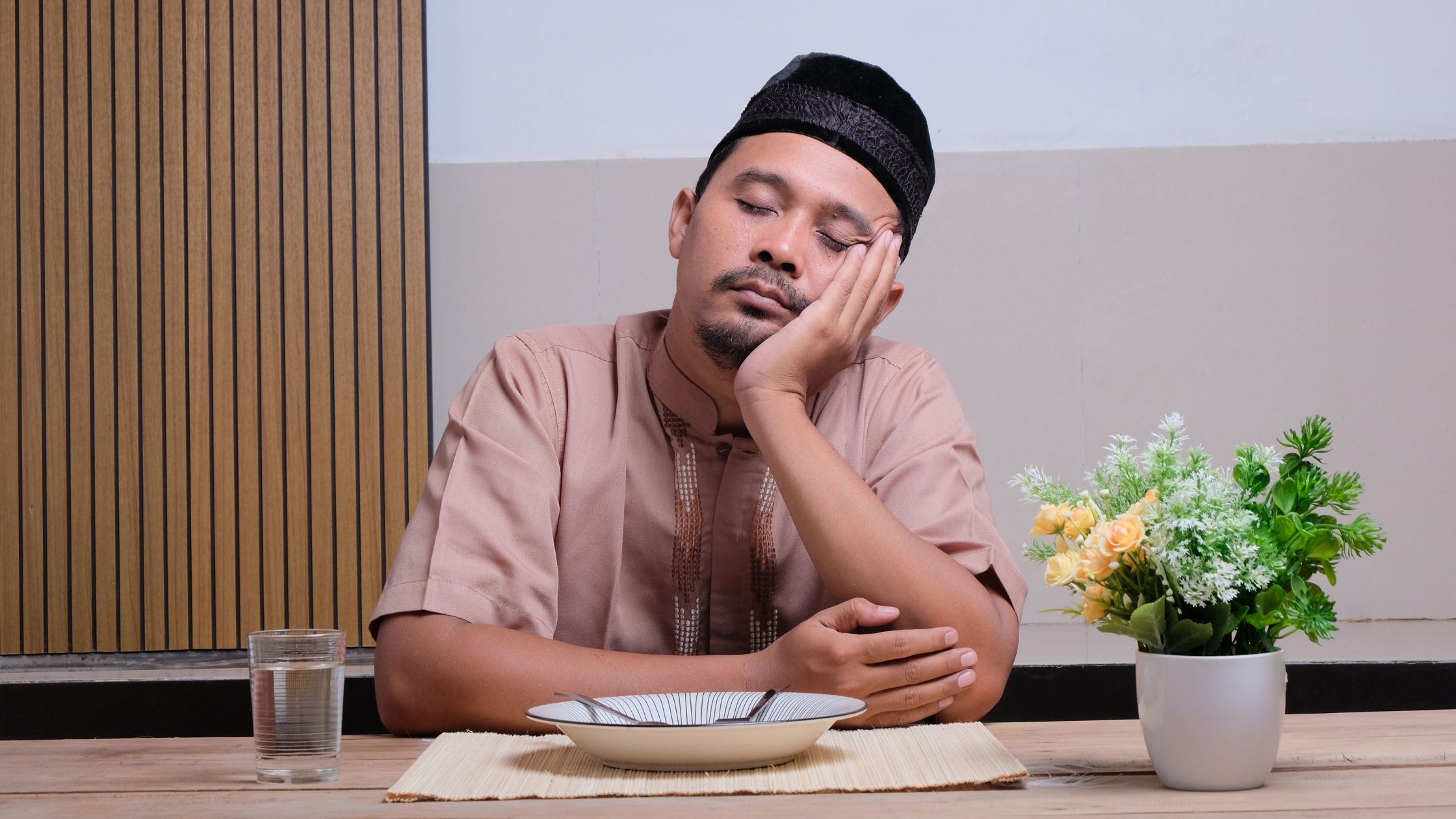
During Ramadan, daily routines naturally shift. Nights become more active with suhoor, taraweeh prayers, and family gatherings, while fasting hours reshape daytime schedules. In Dubai, where work and family responsibilities continue throughout the month, many people find their sleep patterns changing significantly.

While these changes are expected, they can sometimes lead to fatigue, headaches, reduced concentration, or mood fluctuations. Understanding how sleep affects health during Ramadan helps individuals adapt their routines while protecting their wellbeing.
Family medicine focuses on helping patients maintain balance during lifestyle changes such as fasting, ensuring that sleep disruption does not affect long-term health.
Why sleep patterns change during Ramadan
Ramadan alters the body’s natural circadian rhythm. Instead of a single long sleep period at night, many people divide their sleep into shorter intervals around late-night activities and early morning suhoor.
Common Ramadan sleep changes include:
- Sleeping later after evening prayers or social gatherings
- Waking earlier for suhoor
- Taking daytime naps to compensate for shorter night sleep
- Irregular sleep schedules across the month
These adjustments are often manageable, but inconsistent sleep patterns may still affect energy, mood, and physical health.
How disrupted sleep affects the body
Sleep plays an essential role in regulating many biological processes. When sleep becomes fragmented or insufficient, several systems in the body may be affected.
Short-term sleep disruption during Ramadan may lead to:
- Daytime fatigue and reduced productivity
- Difficulty concentrating or memory lapses
- Irritability or mood changes
- Increased cravings for sugary foods
Over time, persistent sleep deprivation can influence metabolism, immunity, and cardiovascular health. Even temporary changes during Ramadan can feel more intense if rest is consistently limited.
The connection between sleep and energy during fasting
Fasting already places additional demands on the body, particularly during long daylight hours. When sleep is reduced, the body has fewer opportunities to recover and regulate hormones that control appetite, stress, and energy.
Poor sleep may make fasting feel more difficult by:
- Increasing afternoon fatigue
- Reducing mental clarity at work or school
- Triggering stronger hunger signals
- Affecting mood and emotional resilience
Balancing sleep and fasting routines helps maintain stable energy throughout the day.

Healthy sleep strategies during Ramadan
Maintaining perfect sleep routines during Ramadan is rarely realistic. However, a few adjustments can support better rest and energy.
Helpful strategies include:
- Prioritising consistent sleep times whenever possible
- Limiting heavy meals right before sleeping
- Creating a calm sleep environment after evening activities
- Using short daytime naps to recover lost sleep
Even small improvements in sleep quality can make fasting days feel significantly easier.
When sleep problems become more serious
While occasional fatigue is normal during Ramadan, ongoing sleep disturbances should not be ignored. Persistent insomnia, extreme daytime sleepiness, or frequent headaches may indicate underlying sleep issues.
Certain individuals are more sensitive to sleep disruption, including those managing chronic conditions, stress, or existing sleep disorders. In these cases, professional guidance can help restore healthier sleep patterns.
Through Sleep Disturbance & Lifestyle Counseling, family physicians evaluate sleep habits, lifestyle factors, and medical influences that may be affecting rest during Ramadan.
Stress, sleep, and Ramadan routines
Changes in routine, late-night schedules, and balancing work with fasting can sometimes increase stress levels. Stress itself may interfere with falling asleep or staying asleep, creating a cycle of fatigue and reduced resilience.
Family medicine takes a holistic view of sleep health. Addressing stress, daily structure, and lifestyle patterns alongside medical considerations allows patients to improve sleep quality without unnecessary medication.
Supporting sleep across all life stages
Sleep needs and challenges vary across different age groups. Young professionals may struggle with long workdays followed by late-night social commitments. Parents may balance family schedules and children’s routines. Older adults may experience more sensitive sleep cycles.
Family doctors help patients adjust sleep strategies according to their lifestyle, health history, and Ramadan routines.
At Westminster Clinic in Dubai Healthcare City, our experienced family physicians support individuals and families with practical guidance that fits the rhythm of Ramadan life.
Maintaining health throughout Ramadan
Sleep is just as important as nutrition and hydration when fasting. Protecting rest helps maintain energy, emotional balance, and physical wellbeing throughout the month.
Through comprehensive Family Medicine Services, patients receive coordinated care that addresses lifestyle changes such as fasting while supporting long-term health.
When to seek support for sleep concerns
If fatigue becomes overwhelming, sleep remains disrupted for weeks, or daytime functioning is affected, medical advice can provide clarity and reassurance.
If you are living in Dubai and experiencing sleep difficulties during Ramadan, our family medicine doctors are here to help. Patients from Abu Dhabi and Al Ain also visit us for continuity-focused care.
You may explore our Sleep Disturbance & Lifestyle Counseling services or get in touch through our Contact Us page to receive personalised guidance for healthier sleep during Ramadan.