

The phone gets picked up during a red light. Then again while waiting for coffee. Then once more in bed at midnight, scrolling past a colleague’s holiday in the Maldives, a friend’s engagement announcement, and a stranger’s perfectly organized kitchen, all before the eyes actually close for sleep.
Nobody in Dubai needs to be told they use social media too much. Most adults already know this about themselves. What gets missed is what that constant intake is quietly doing to how a person feels about their own life, long after the phone has been put down.
A city built for the feed
Dubai photographs beautifully, and that’s not incidental. The skyline, the beaches, the brunches, the constant stream of new openings and events, all of it exists in a place uniquely suited to being documented. According to a Khaleej Times report citing the Telecommunications and Digital Government Regulatory Authority, UAE residents spend more than eight and a half hours online daily, nearly two hours above the global average. That’s not a criticism of the place. It’s simply the water everyone here is swimming in.

The problem isn’t the scrolling itself. It’s what scrolling does to a person’s internal measuring stick. Self-esteem develops partly through comparison, always has, but social media compresses that comparison into a constant, curated, highlight-reel loop that has no equivalent in earlier generations. A person doesn’t just compare themselves to their actual neighbours or actual colleagues anymore. They compare themselves to the best five seconds of thousands of strangers’ lives, repeated dozens of times a day.
What comparison actually does to adults
Adolescents get most of the attention in conversations about social media and self-worth, and reasonably so. But adults are not immune, and in some ways the effect is quieter and harder to name precisely because adults are supposed to have this figured out by now.
A thirty-eight-year-old professional scrolling through a former classmate’s second home purchase doesn’t consciously think “I am failing.” The feeling arrives sideways instead, as a low mood that shows up an hour later with no obvious trigger, as irritability at a partner over something unrelated, as a vague dissatisfaction with a life that, by most objective measures, is going fine. This is social comparison working exactly as it’s designed to work, except the comparison set used to be a few dozen people and is now, effectively, infinite.
Dubai’s expat population adds a specific layer to this. Many residents are already managing distance from family, friends back home, and a sense of life happening elsewhere. Social media becomes the primary window into all of that simultaneously, watching a sibling’s baby grow up in photos, watching old friends build lives without you in them, watching a hometown continue on as though nothing changed. The comparison isn’t only about wealth or beauty. It’s about presence, about who gets to be there and who doesn’t.
The cultural layer nobody names
There’s a particular tension in Dubai’s social fabric worth naming directly. This is a city where success is visible by design, where luxury and achievement are woven into daily life in a way few other places replicate. For residents from cultures where modesty around personal success is deeply valued, the pressure to project a curated version of thriving on social media can create a genuine internal conflict. Post too much and it feels immodest. Post too little and the feed becomes a reminder of everyone else’s apparent momentum.
Multicultural households navigate this differently depending on background. Some families discourage public displays of achievement entirely. Others have absorbed the platform’s logic so completely that not posting a milestone can feel like the milestone didn’t happen. Neither approach is wrong. Both carry their own emotional cost.
When it becomes something more than mood
Occasional comparison and mild envy are ordinary. A different pattern is worth paying closer attention to: persistent low self-worth that tracks closely with time spent on specific platforms, a compulsive need to check how a post performed within minutes of sharing it, or body image concerns that intensify noticeably after scrolling through image-heavy accounts. That last pattern, when it becomes preoccupying, deserves professional attention rather than self-management, and support through eating and body image care can help separate ordinary self-consciousness from something that has become clinically significant.
Comparison that curdles into ongoing low mood, withdrawal, or a persistent sense of falling behind can also shade into something closer to depression, particularly when it compounds existing stress from work or family life. And for people already prone to worry, the constant intake of curated success stories can feed directly into anxiety, sharpening a fear of being left behind that has little to do with anything actually happening in their own life.
What tends to help
None of this requires deleting every app or swearing off photos entirely. It’s closer to noticing where the damage is actually happening and adjusting there specifically.
- Noticing which specific accounts or types of content reliably worsen mood, and muting or unfollowing them without guilt
- Setting a boundary around when phones come out, particularly first thing in the morning and last thing before sleep
- Naming comparison out loud to a partner or friend the moment it happens, rather than letting it sit privately and compound
- Remembering that a feed is not a representative sample, it’s a curated highlight reel built by people who are also only showing their best five seconds
- Treating persistent low mood tied to social media use as a signal worth discussing with a professional, not a personal failing to push through alone
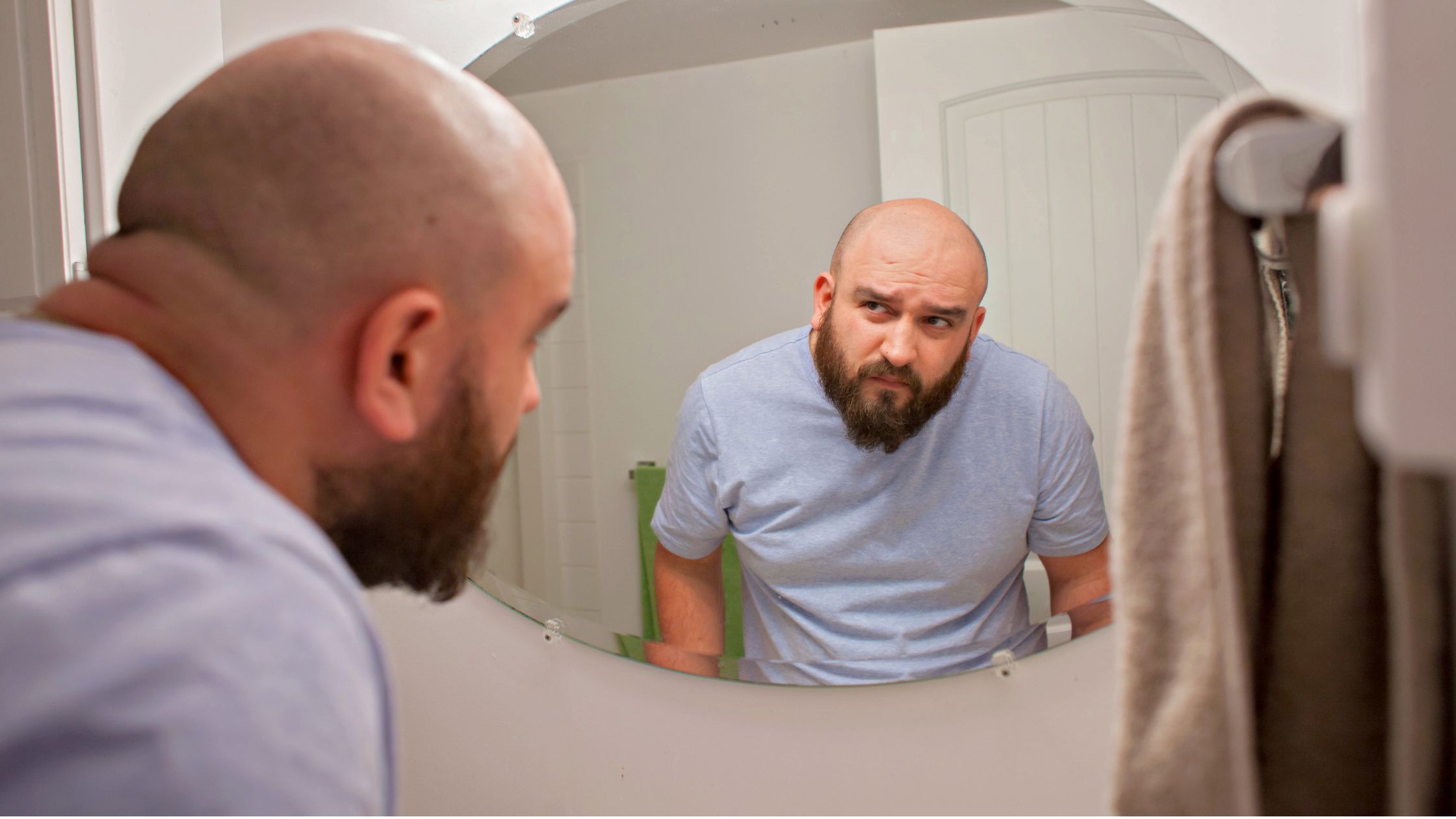
None of these steps require willpower so much as attention. Most people already know which accounts leave them feeling worse. The harder part is acting on that knowledge instead of scrolling past it again tomorrow.
A different kind of measuring stick
Self-esteem that depends on outperforming a feed of strangers is self-esteem built on a foundation that keeps moving. There will always be someone with more followers, a nicer view, a faster promotion. The measuring stick that actually holds steady is internal, built slowly through real relationships and real accomplishment, not through algorithmic comparison with people whose actual lives remain entirely unknown.
If the scrolling has started to leave you feeling smaller rather than more connected, that pattern is worth examining with support rather than waiting for it to resolve on its own. Our psychiatry specialists at Westminster Multispecialty Clinic in Dubai Healthcare City work with adults across the city untangling exactly this kind of quiet erosion of self-worth. Reach the team through the contact page or on WhatsApp.