
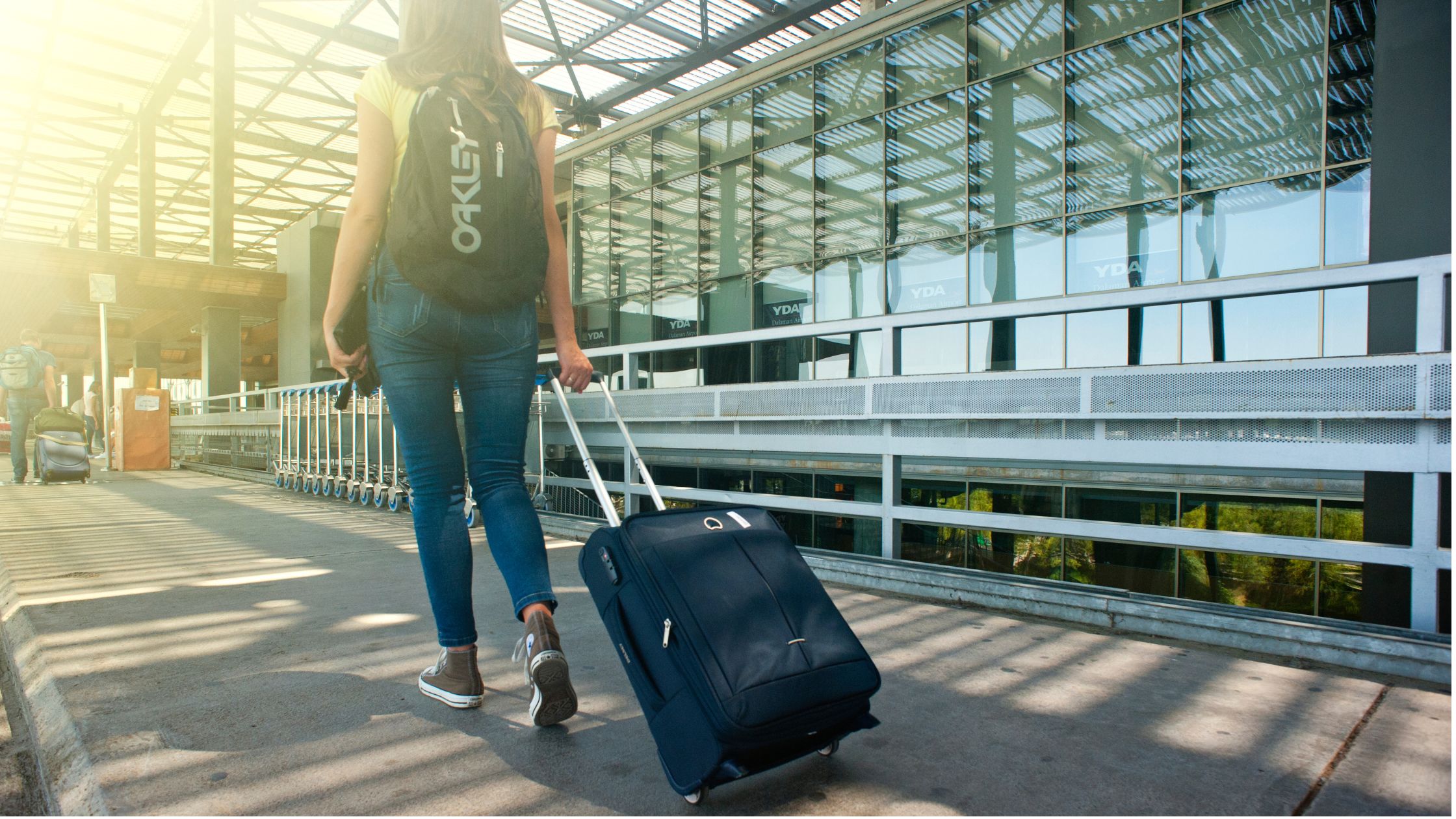
Dubai is one of the great departure points on earth. Fly out of DXB on any given morning and you are surrounded by people heading to London, Mumbai, Sydney, New York, Nairobi. The city is built around movement, and for millions of residents here, long-haul travel is simply part of life. Two or three times a year, sometimes more.
Most people treat the post-flight ache in their lower back as an inconvenience to stretch out and forget. After a few days, it mostly goes away. So they file it under “travel fatigue” and move on. What they do not always realize is that the discs in your spine do not fully forget.
What a Cabin Seat Actually Does to Your Lumbar Spine
The lower back is not designed to sit unsupported for seven, ten, or fourteen hours. In that position, the natural inward curve of the lumbar spine flattens. The muscles that usually support it gradually switch off. The discs, which act as cushions between each vertebra, absorb more pressure than they would in almost any other position you place yourself in throughout the day.

Research by orthopedic scientist Alf Nachemson, whose measurements remain a foundational reference in spinal biomechanics, showed that unsupported sitting places 20 to 40 percent more load on the lumbar discs than standing. On a flight, you are doing that for hours at a stretch, in a seat designed for cabin width rather than spinal geometry, with almost no opportunity to truly decompress.
The discs themselves are living tissue. They absorb fluid and nutrients when you move, and they squeeze it out when compressed. Prolonged immobility disrupts that cycle. Over a single flight, this is manageable. Over years of repeated long-haul travel, without good habits, it adds up.
The Hip Flexors Are Part of This Too
The spine does not operate in isolation. The hip flexors, which run from the lower spine through the pelvis to the top of the thigh, are held in a shortened position throughout any long flight. When they stay there for hours repeatedly, they begin to pull the pelvis forward, which tilts the base of the spine and increases the curve in the lower back beyond its normal range.
People notice this as stiffness after landing. A tightness around the hip that takes a few days to ease. Occasionally a nagging lower back ache that was not quite there before the trip. For anyone already dealing with a disc issue, it can tip discomfort into something sharper.
This matters because the hip flexors are easy to ignore when nothing hurts dramatically. By the time they have contributed to a real problem, the person is usually focused on the back, not on what caused the back to load unevenly in the first place.
What Frequent Flyers Get Wrong About Recovery
Most people land, sleep it off, and consider the episode closed. The body is resilient and the ache does disappear. But resilience does not mean the discs have fully recovered. If you travel long-haul several times a year and do nothing specific to decompress and restrengthen the spine between trips, each flight starts from a slightly more compressed baseline than the last.
This is especially true for people who also sit for long hours at a desk in Dubai’s offices. The Sheikh Zayed Road commute, the desk job, the flight — they are all variations of the same mechanical insult, layered on top of each other. Any existing back or spine condition is likely to be more affected by this accumulation than a spine with no history.
There is also a secondary problem people miss: the muscles around the spine that normally protect it weaken during prolonged inactivity. Sitting in a cabin seat does not challenge them. Walking to the gate barely warms them up. Arrive home, sit in the car, sit at the desk the next morning, and those stabilizing muscles do not get much of a chance to reengage before the cycle continues.
On the Plane: What Actually Helps
The instinct to move is correct. The problem is that most people either do not get up often enough, or they spend five minutes in the aisle, return to the same slumped position, and consider the job done. A few adjustments change the picture considerably:
- Lumbar support: A rolled blanket or travel pillow placed against the lower back restores some of the natural curve that a seat base typically flattens. Even a partial correction reduces disc load.
- Foot position: Keeping feet flat on the floor or resting on your carry-on bag brings the knees to a slightly lower angle than the hips, which reduces the strain on the hip flexors. A small shift with a measurable effect.
- Standing and walking: Every 90 minutes is a reasonable interval. Not just standing at the galley, but a few minutes of light movement. This encourages the discs to re-absorb fluid and gives the postural muscles a chance to fire.
- Lean back: A reclined seat position, even a few degrees, reduces intradiscal pressure significantly compared to sitting upright. Use the recline when possible, particularly on overnight legs.
None of this is complicated. The issue is that people rarely do any of it consistently because nothing hurts enough in the moment to prompt them.
After Landing: The Window That Matters
The 24 to 48 hours after a long-haul flight are a meaningful window. The spine is still in a slightly compressed and irritated state, the hip flexors are tight, and the stabilizing muscles are underactivated. This is exactly the wrong time to go straight from the airport to a gym session or a padel match, and exactly the right time for deliberate movement instead.
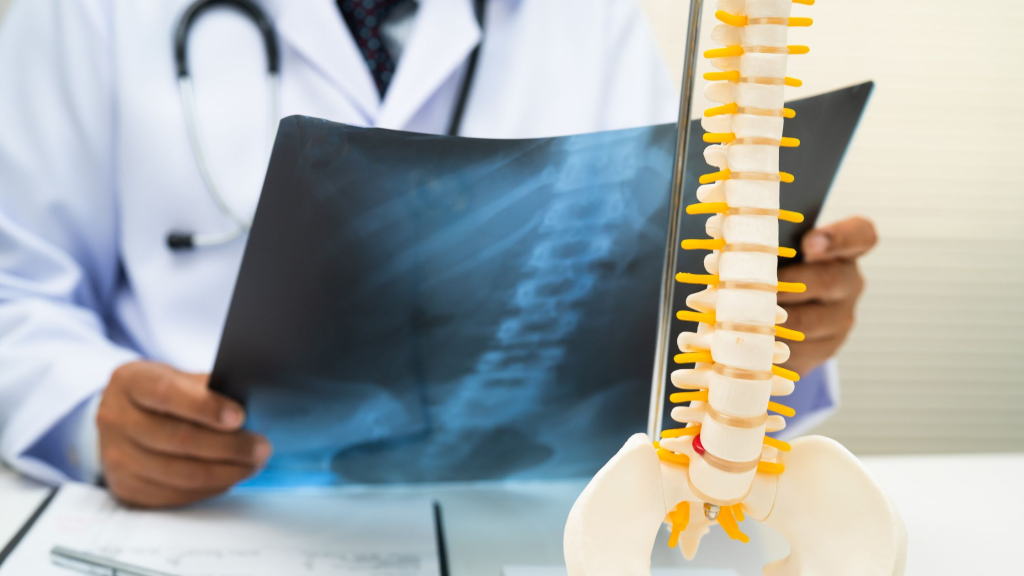
A short walk. Gentle hip flexor stretches. Some time lying flat to allow the discs to rehydrate. Physiotherapy-guided rehabilitation is worth considering for anyone with existing spinal issues, since a post-travel assessment can catch whether anything has been aggravated before it has a chance to become something more established.
When the Ache Stays Longer Than It Should
Most post-flight discomfort clears within a few days. When it does not, or when it returns faster after each subsequent trip, that pattern deserves attention. A spine that is taking longer to recover each time is probably not just “tired.” It may have an underlying issue that travel is steadily worsening.
Back and spine conditions respond far better to early intervention than to years of managing around them. Disc problems caught before they progress rarely need surgery. Left alone long enough, the options narrow.
Our orthopedic specialists at Westminster Multispecialty Clinic, based at Dubai Healthcare City, work regularly with patients whose spinal symptoms have a clear travel component. The assessment is straightforward, and the advice is practical. If long-haul travel is part of your year and your back is part of the conversation, book a consultation before your next departure.