
Looking Beyond Surface-Level Symptoms
Hair loss, persistent skin rashes, eczema, acne, and chronic itching are among the most common concerns seen in clinical practice today. While these issues often appear on the surface, treating them with creams, shampoos, or cosmetic procedures alone frequently results in only temporary relief. Many patients experience recurring symptoms because the underlying cause remains unaddressed.

At Westminster Multi Speciality Clinic, Dubai Healthcare City, a deeper medical perspective is followed—one that looks beyond visible symptoms and focuses on internal health. Dr. Shahid Abbas, Consultant in Allergy & Immunology, emphasizes that skin and hair conditions are often reflections of immune imbalance rather than isolated dermatological problems.
The immune system plays a critical role in regulating inflammation, healing, and cellular renewal. When immunity is disrupted, it can silently affect the skin barrier and hair follicles, leading to chronic or treatment-resistant conditions. Understanding this connection is key to achieving lasting improvement rather than short-term symptom control.
Understanding the Immune System’s Role in the Body
The immune system is the body’s defense mechanism, designed to protect against infections, allergens, and internal threats while maintaining balance. In a healthy state, immune responses are controlled and resolve once a trigger is eliminated. However, when immune regulation is disrupted, problems begin to surface.
Immune imbalance can develop due to chronic allergies, ongoing inflammation, environmental exposures, food sensitivities, stress, or underlying autoimmune tendencies. Instead of responding appropriately, the immune system may become overactive or hypersensitive, leading to persistent inflammation.
A key distinction exists between a normal immune response—which is protective and temporary—and chronic immune activation, which remains active even without a clear threat. This prolonged inflammatory state can affect multiple organs simultaneously, particularly the skin and hair, where immune cells are highly active and responsive to internal changes.
The Skin as an Immune Organ
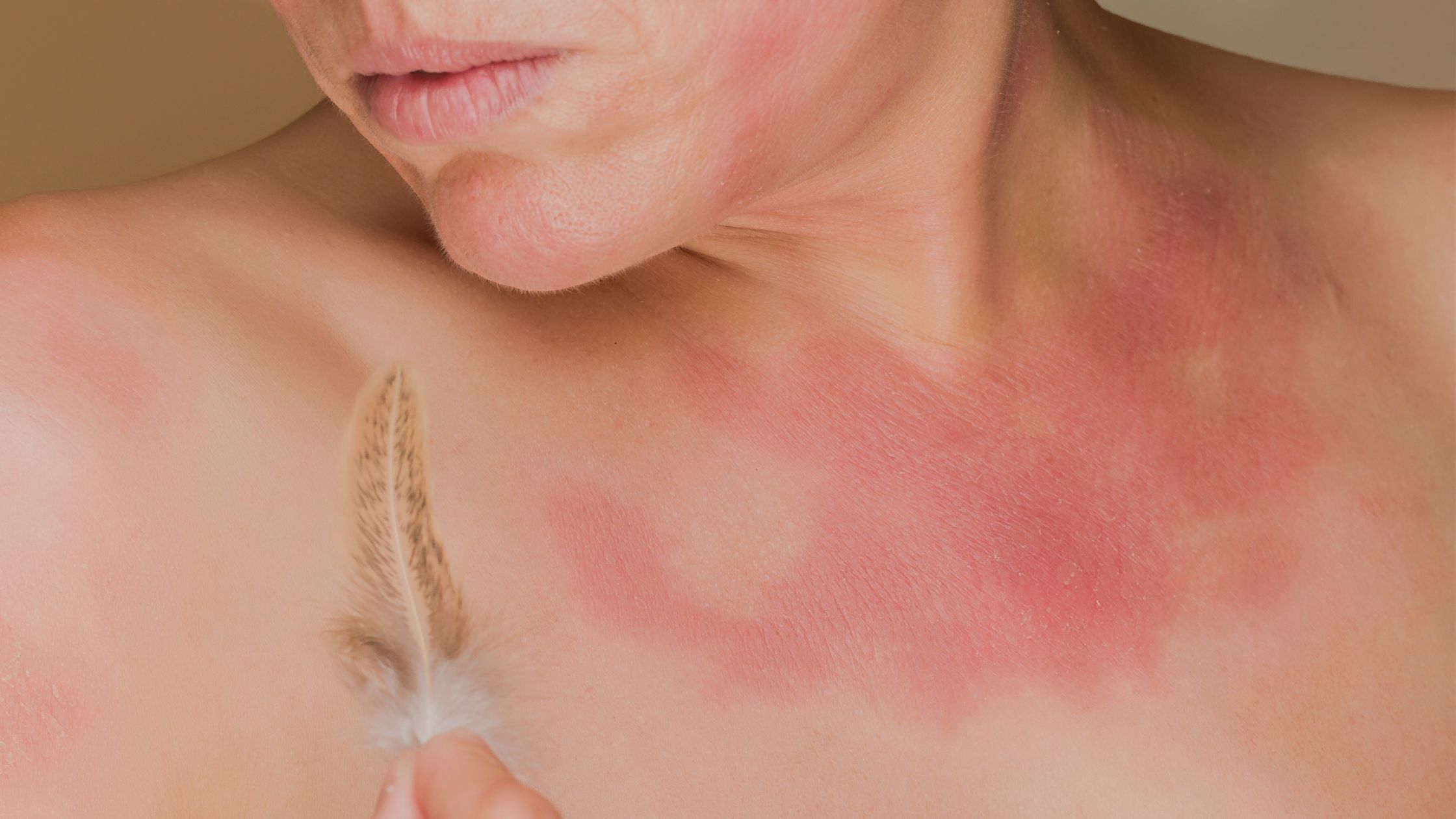
The skin is not just a protective covering; it is one of the body’s most active immune organs. It contains specialized immune cells that identify allergens, pathogens, and irritants while maintaining the skin barrier. When immune balance is disturbed, the skin is often the first organ to show visible signs.
Immune-driven skin conditions may include eczema, chronic urticaria (hives), psoriasis, and recurrent fungal or allergic rashes. These conditions are frequently associated with internal inflammation or allergic sensitization rather than external triggers alone.
At Westminster Multi Speciality Clinic, Dubai Healthcare City, immune-based evaluation helps identify why the skin remains reactive, inflamed, or slow to heal. Addressing immune triggers allows for better control of symptoms and reduces the cycle of flare-ups that many patients experience despite repeated topical treatments.
Hair Loss: An Internal Immune Signal, Not Just a Cosmetic Issue
Hair loss is often approached as a cosmetic concern, but medically, it can be an important internal signal. Inflammation around hair follicles disrupts the normal growth cycle, leading to excessive shedding, thinning, or patchy hair loss.
Immune-related hair conditions such as alopecia areata, chronic diffuse hair fall, and inflammatory scalp disorders are commonly linked to immune dysregulation. In these cases, hair follicles are not damaged permanently but are suppressed by ongoing inflammation.
This explains why topical products and cosmetic solutions alone may fail to deliver lasting results. Without addressing the immune and inflammatory environment affecting the scalp, hair growth remains compromised. An immune-focused assessment helps identify hidden triggers contributing to persistent hair loss.
The Common Link: Chronic Inflammation & Immune Dysregulation
Skin conditions and hair disorders often share a common root cause: chronic inflammation driven by immune dysregulation. Allergies, food sensitivities, gut-related immune responses, and environmental triggers can overlap, creating a continuous inflammatory burden in the body.
Shared inflammatory pathways affect both the skin barrier and hair follicles simultaneously. Patients may notice a combination of symptoms such as allergies, digestive discomfort, fatigue, skin flare-ups, and hair fall occurring together rather than in isolation.
There is also a strong connection between immune imbalance and autoimmune tendencies, as well as nutritional and metabolic stress. Identifying and managing these internal factors allows for a more effective and sustainable approach to skin and hair health—one that focuses on restoring immune balance rather than repeatedly suppressing symptoms.
Clinical Philosophy: Treating the Root Cause, Not Just Symptoms
At Westminster Multi Speciality Clinic, Dubai Healthcare City, the Allergy & Immunology approach is centered on identifying why skin and hair conditions develop rather than repeatedly treating visible symptoms. Many chronic concerns persist because the underlying immune trigger remains active and unrecognized.
Dr. Shahid Abbas strongly emphasizes the importance of a detailed medical and allergy history. Factors such as long-standing allergies, food sensitivities, environmental exposure, recurrent infections, stress, and family history can all influence immune behavior.
Each patient’s immune system responds differently to triggers. By identifying immune patterns unique to the individual, treatment becomes more precise and effective. This individualized care model is especially important in immune-based conditions, where standardized or cosmetic-only treatments often fail to provide lasting relief.
Integrated Diagnostic Approach at Westminster Multi Speciality Clinic
Accurate diagnosis is the foundation of successful immune-based treatment. At Westminster Multi Speciality Clinic, Dubai Healthcare City, a structured and integrated diagnostic approach is used to evaluate both skin and hair conditions together rather than in isolation.
This may include allergy testing for aeroallergens and food sensitivities, along with immune and inflammatory marker assessments when clinically indicated. These investigations help uncover internal triggers that may be silently driving inflammation affecting both the skin barrier and hair follicles.
By coordinating evaluation across immune pathways, the clinic avoids fragmented care and repeated trial-and-error treatments. This holistic diagnostic process allows for clearer understanding and more targeted management of complex, recurring conditions.
Personalized Treatment Strategies
Once immune triggers are identified, treatment plans are carefully tailored to each patient’s needs. Management focuses on immune modulation and allergy control to reduce ongoing inflammation rather than simply suppressing symptoms.
Nutritional guidance and lifestyle recommendations play a key role in supporting immune balance and skin-hair recovery. Addressing factors such as diet, environmental exposure, sleep quality, and stress helps strengthen long-term results.
Treatment is not static. Patients are monitored over time, and plans are adjusted based on response and progress. This long-term management approach supports sustainable improvement instead of short-lived symptom control.

Why Choose Westminster Multi Speciality Clinic – Dubai
Located in the heart of Dubai Healthcare City (DHCC), Westminster Multi Speciality Clinic offers a multispecialty environment that supports collaborative, patient-centered care.
Patients benefit from:
- A strategic location within a leading medical hub
- Multispecialty collaboration under one roof
- Western-qualified, accredited consultants
- Evidence-based immune care focused on root causes
This integrated setting allows patients with complex skin, hair, and immune concerns to receive coordinated evaluation and treatment without fragmented referrals.
Who Can Benefit from an Immune-Based Approach?
An immune-focused strategy may be especially beneficial for:
- Patients with chronic or recurring skin conditions
- Individuals experiencing unexplained or persistent hair loss
- Those who have not responded well to conventional dermatological treatments
- Patients with overlapping allergies, digestive issues, or immune-related symptoms
When multiple symptoms coexist, addressing immunity often provides clarity and long-term improvement.
Final Thoughts: Healing Skin and Hair from Within
Skin and hair health are closely linked to internal immune balance. When immunity is supported and inflammatory triggers are controlled, visible improvements become more sustainable and meaningful.
Rather than masking symptoms, addressing immune health allows the body to restore balance naturally. Seeking expert medical evaluation is an important step for patients looking for long-term solutions rather than repeated temporary fixes.
“Struggling with recurring skin or hair concerns? Your immune system may be the missing link. Book a consultation at Westminster Multi Speciality Clinic – Dubai Healthcare City to explore an immune-based approach to lasting skin and hair health.”