
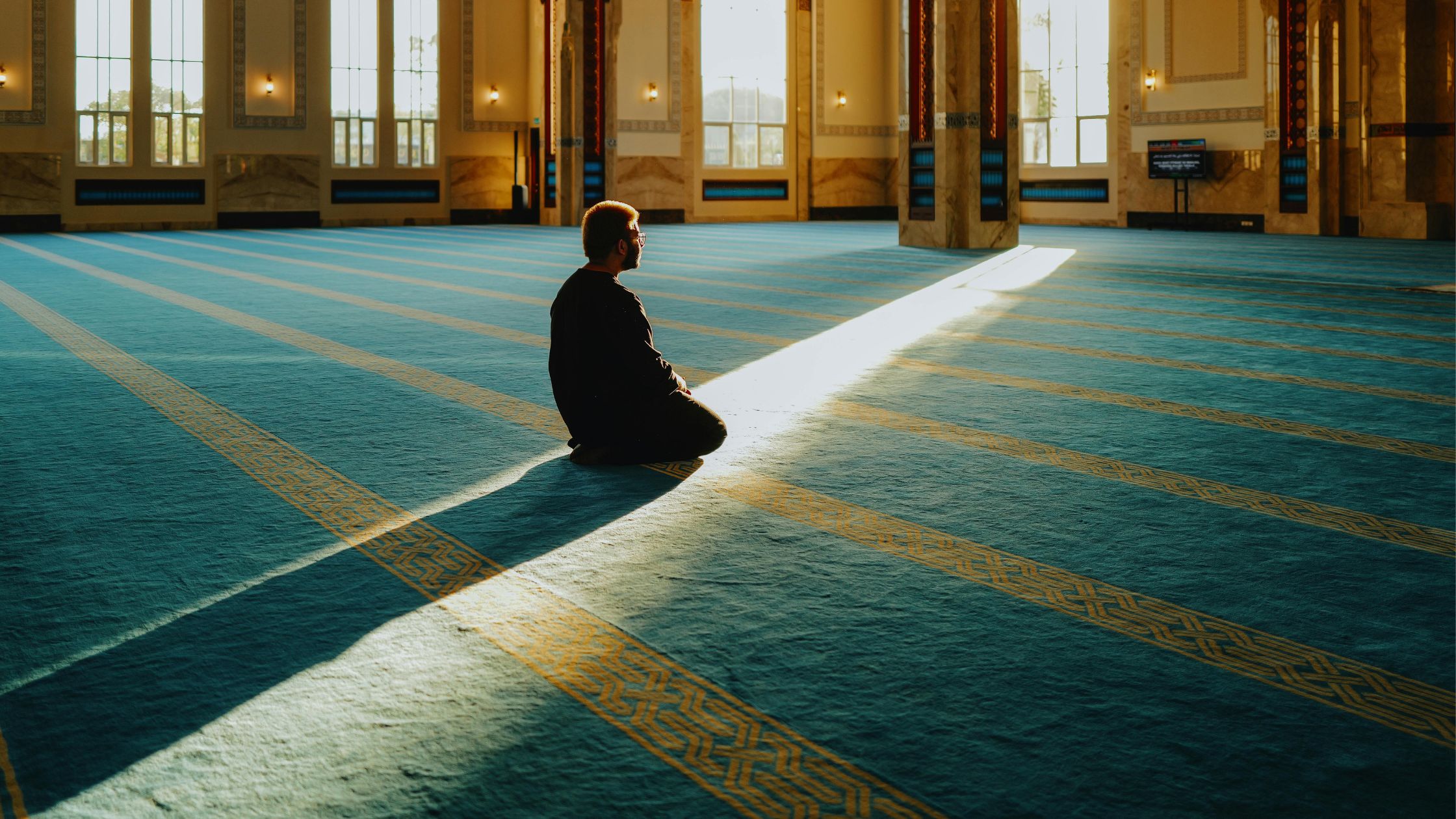
During Ramadan, daily routines often change in ways that affect how the body moves throughout the day. Many people spend longer periods sitting during work hours, commuting, or resting due to fasting fatigue. In addition, extended prayer periods during the evening can involve repeated movements and prolonged sitting or kneeling positions.
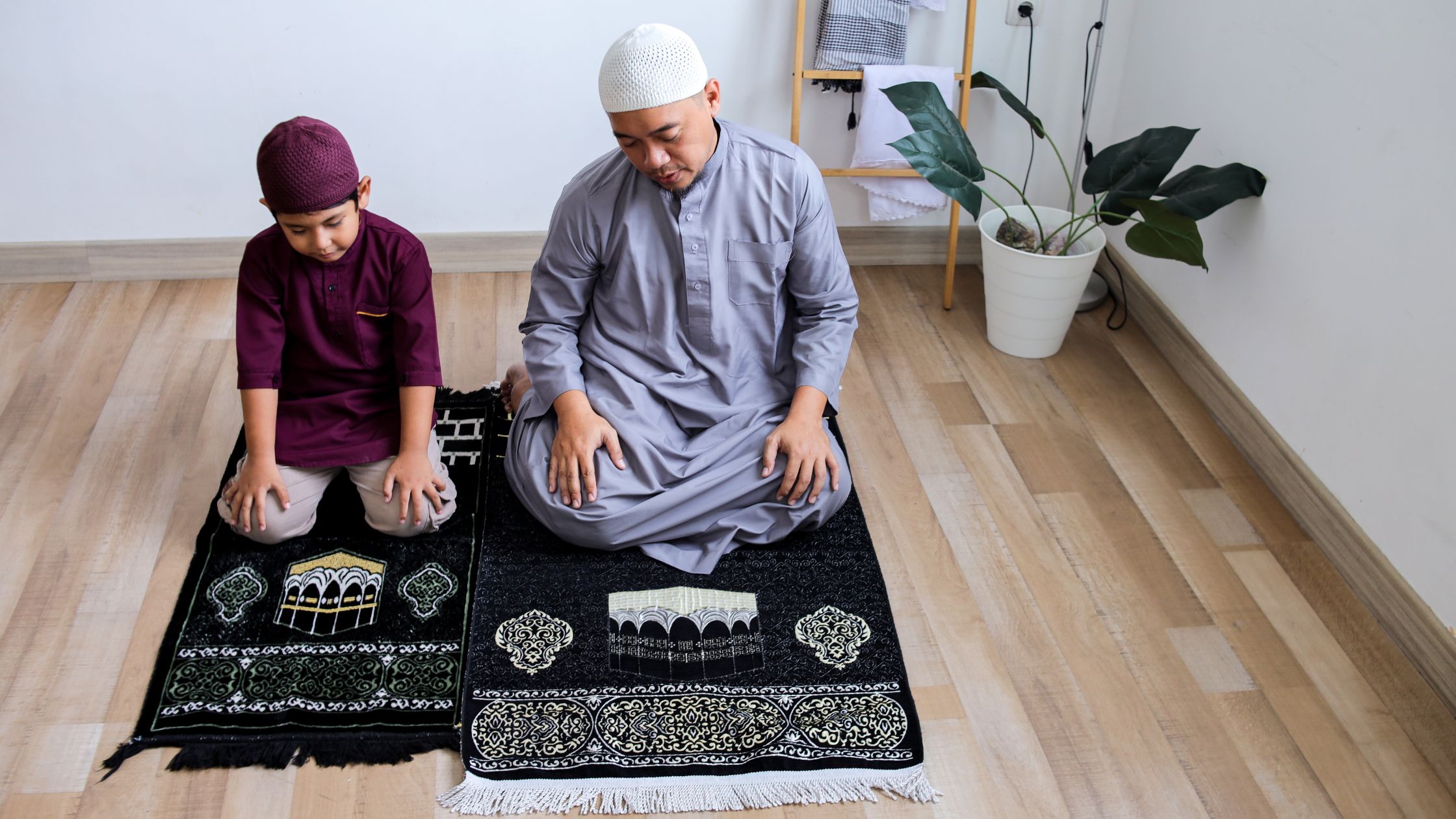
While these activities are a meaningful and important part of the day, they can sometimes lead to joint stiffness, particularly in the knees, hips, and ankles. For individuals who already spend long hours sitting at desks or driving in Dubai’s busy traffic, these additional periods of stillness can increase discomfort in the lower body joints.
Understanding why stiffness develops and how physiotherapy can support healthy joint movement can help individuals stay comfortable and mobile throughout Ramadan.
Why Prolonged Sitting Can Lead to Joint Stiffness
The human body is designed for regular movement. When joints remain in the same position for extended periods, the surrounding muscles and connective tissues may become tight. Reduced movement also limits circulation to the joints, which can contribute to the sensation of stiffness when standing or walking.
During Ramadan, it is common for individuals to spend more time seated during work hours or while resting before Iftar. Over time, this reduced mobility can affect the hips, knees, and ankles.
People may begin to notice:
- Knee stiffness when standing up after sitting
- Tightness in the hips after long workdays
- Ankle discomfort when walking after extended sitting
- Reduced flexibility during bending or kneeling
These symptoms are usually not caused by serious injury but rather by limited joint movement. Physiotherapy helps address these issues by improving mobility, strengthening supportive muscles, and restoring natural joint movement patterns.
Individuals experiencing recurring stiffness may benefit from structured treatment through arthritis and joint stiffness rehabilitation, which focuses on restoring joint flexibility and improving functional movement.
The Effect of Prayer Positions on Knees and Ankles
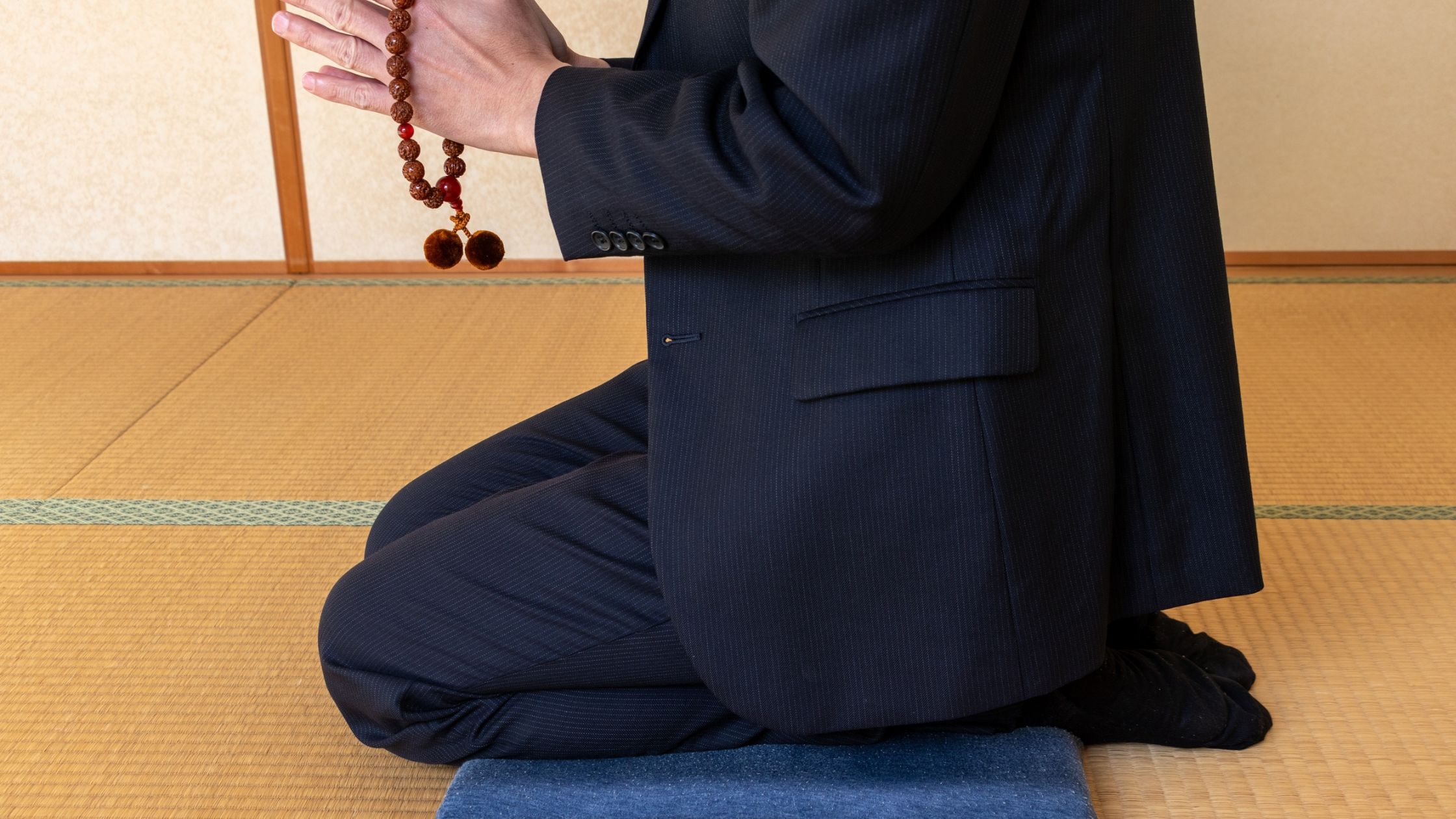
Prayer involves a sequence of movements that include standing, bowing, kneeling, and sitting. These movements are gentle and beneficial for flexibility, but extended periods in certain positions may place additional pressure on the knees and ankles.
For individuals with existing joint sensitivity or limited flexibility, repeated kneeling positions may cause temporary discomfort.
Common symptoms may include:
- Pressure in the front of the knee during kneeling
- Tightness in the ankle joints when standing after prayer
- Mild discomfort when transitioning between sitting and standing
Physiotherapy focuses on improving joint mobility so that these natural movements remain comfortable. Through guided exercises and movement therapy techniques, individuals can improve flexibility in the hips, knees, and ankles, allowing the body to adapt more easily to prayer positions.
Our physiotherapists in Dubai often incorporate targeted stretching and strengthening programs designed to support joint stability and reduce pressure on sensitive joints.
How Office Work and Long Driving Hours Contribute to Stiffness
Dubai’s modern lifestyle often includes extended periods of sitting, whether at office desks or behind the wheel during daily commutes. When sitting becomes prolonged and movement breaks are limited, the muscles surrounding the hips and knees may become tight.
Over time, this muscle tightness can alter how joints move and place additional strain on surrounding tissues.
Some common contributing factors include:
- Sitting with limited leg movement for long periods
- Poor ergonomic support at workstations
- Reduced stretching or physical activity during the day
- Fatigue caused by altered Ramadan sleep schedules
These factors can gradually increase joint stiffness, particularly in the lower body.
Physiotherapy helps address these lifestyle-related issues by assessing posture, movement habits, and joint function. Through personalised treatment plans, physiotherapists guide patients in restoring balanced movement and preventing recurring stiffness.
Patients experiencing knee discomfort related to movement or sitting positions may benefit from targeted treatment through knee pain physiotherapy, which focuses on strengthening the muscles that support knee stability.
Simple Ways to Reduce Joint Stiffness During Ramadan
Even small changes in daily habits can help keep joints mobile during Ramadan. Gentle movement throughout the day encourages circulation and prevents muscles from becoming excessively tight.
Some helpful strategies include:
- Taking short walking breaks during long work hours
- Performing gentle stretching before and after prayer
- Moving the ankles and knees regularly while seated
- Maintaining supportive posture during desk work
- Engaging in light evening walks after Iftar
These habits encourage the joints to move through their natural range of motion, reducing stiffness and supporting long-term joint health.
When stiffness persists despite these adjustments, physiotherapy treatment can help restore mobility through targeted exercises and hands-on treatment techniques such as manual therapy.
The Role of Physiotherapy in Improving Joint Mobility
Physiotherapy focuses on restoring natural movement and reducing stiffness in joints affected by prolonged sitting or repetitive movement patterns. Treatment plans are tailored to each individual’s mobility level, daily routine, and physical activity.
A physiotherapy program for joint stiffness may include:
- Guided mobility exercises for hips, knees, and ankles
- Strengthening exercises to support joint stability
- Posture and movement correction
- Hands-on techniques to release muscle tension
By improving flexibility and strengthening surrounding muscles, physiotherapy helps reduce joint stress and allows individuals to move more comfortably throughout the day.
For many people, these improvements lead to easier movement during daily activities, including sitting, walking, and transitioning between prayer positions.
Supporting Comfortable Movement Throughout Ramadan
Joint stiffness during Ramadan is often temporary and related to changes in routine, sitting habits, and activity levels. With the right balance of movement, stretching, and supportive care, most people can maintain healthy joint mobility throughout the fasting month.
At Westminster Clinic in Dubai Healthcare City, our experienced physiotherapy team provides personalised care designed to improve joint mobility and reduce musculoskeletal discomfort.
Patients can explore our Physiotherapy Services to learn more about the treatments available for mobility concerns. If joint stiffness or knee discomfort continues to affect your daily routine, you may also contact our clinic to schedule a physiotherapy consultation.
While many patients visit Westminster Clinic from across Dubai, our clinic also welcomes individuals travelling from Abu Dhabi and Al Ain who are seeking specialised physiotherapy support.
With the right physiotherapy guidance, it is possible to maintain comfortable movement, reduce joint stiffness, and support overall mobility during Ramadan.
Comments
hello world
Comments are closed.