
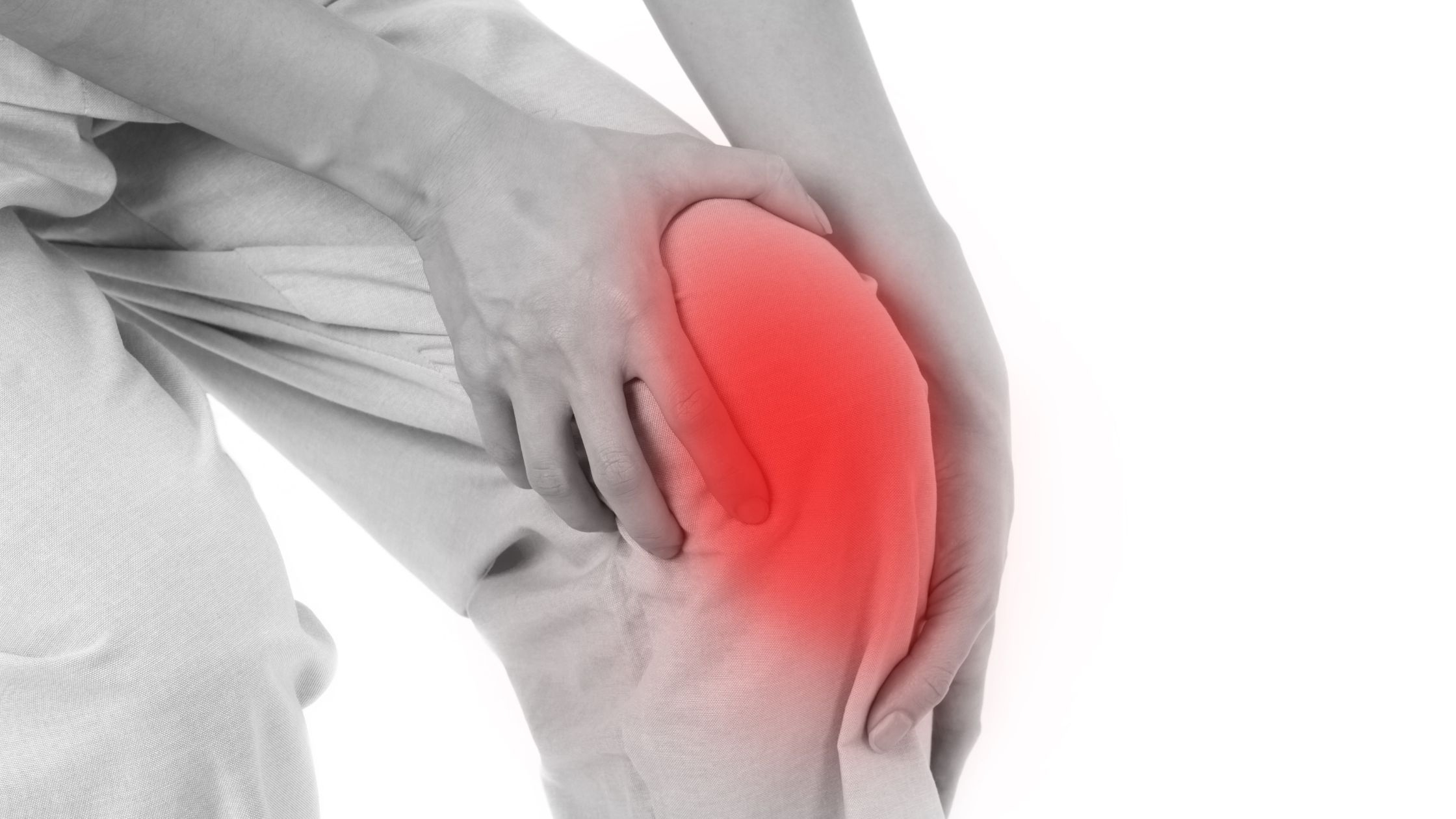
There is a moment most people recognize but rarely take seriously. You stand up from your desk after a long meeting and your knees make a sound. Or you step off a curb near Dubai Mall and feel a brief, sharp twinge that disappears almost as quickly as it came. You file it away. You keep moving. Life in Dubai is busy, and a little knee discomfort feels like a reasonable price to pay for staying active.

But here is the thing about knees: they are not subtle when something is off. The ache after a padel session, the stiffness after a long drive down Sheikh Zayed Road, the swelling that shows up after a weekend run along Jumeirah Beach Road. None of these are random. They are signals, and learning to read them early is one of the most valuable things you can do for your long-term mobility.
What Your Knees Are Actually Doing All Day
Most people do not think about their knees until something goes wrong. That is completely understandable. When they are working well, they are almost invisible. But the knee is one of the most complex and load-bearing joints in the body. It absorbs force with every step, stabilizes your body during movement, and carries the full weight of everything above it.
Walking puts roughly one and a half times your body weight through each knee. Climbing stairs doubles that. A sport like padel, with its quick lateral cuts, sudden stops, and repeated jumping, pushes that load even higher.
Over time, if the surrounding muscles are weak, the alignment is off, or an old injury has never fully healed, the knee starts speaking up. And in a city where fitness is woven into everyday life, where people are out for early morning runs at Safa Park, hitting the gym at lunch, or cycling Al Qudra on weekends, the temptation to push through discomfort is real.
But there is a meaningful difference between muscle fatigue and joint distress, and knowing that difference matters more than most people realize.
The Signals Worth Paying Attention To
Mild soreness after an unusually active day is normal. What deserves more attention is discomfort that follows a pattern, comes on without an obvious reason, or starts changing the way you move.
Some of the more telling signs include:
- Swelling that lingers: Puffiness around the knee that does not go away within a day or two after activity often points to inflammation or fluid buildup that should be properly assessed.
- Pain that changes your gait: If you find yourself favoring one leg or quietly avoiding certain movements, your body is compensating. And compensation has a way of creating new problems somewhere else.
- Locking or catching: A sensation that the knee is sticking or refusing to straighten fully can sometimes point to a meniscus issue that responds much better with early treatment.
- Pain at rest: Discomfort that wakes you at night or stays with you even when you are sitting still is a different kind of symptom entirely, and it warrants prompt evaluation.
- Instability: A feeling that the knee might give way, especially on stairs or uneven ground, is often tied to ligament involvement and should not be brushed off.
None of these automatically mean something serious is going on. But they are the knee’s way of asking for a real conversation, not just a painkiller and a few days off.
Common Reasons Knees Start Complaining
For active residents in Dubai, sports injuries are a frequent starting point. A misstep on the padel court, an awkward landing at the gym, a gradual overuse injury from training without enough recovery time. These are often very manageable when caught early, but they have a way of becoming more complicated when ignored.
For people who spend most of their day at a desk, the issue is different but just as real. Prolonged sitting shortens the hip flexors and weakens the quadriceps, both of which play a direct role in how the knee tracks and loads during movement. When someone with those weaknesses then heads out for a weekend run or a CrossFit class, the knee ends up absorbing forces it was not prepared for.
Joint pain and early arthritis also show up in people younger than most would expect. Cartilage wear does not make a dramatic entrance. It builds quietly over years of suboptimal movement, old injuries, and repetitive strain.
Conditions involving the ACL and meniscus are also worth understanding. These are the knee’s internal support structures, and when they are compromised, whether through one sudden event or slow-building stress, the whole joint feels the consequences.
What Good Knee Care Actually Looks Like
Most knee problems respond well to thoughtful, targeted care. The approach depends entirely on what is driving the symptoms, which is why a proper clinical assessment is always the right starting point.
For many people, rehabilitation and physiotherapy form the foundation of treatment. Strengthening the muscles around the knee, particularly the quadriceps, hamstrings, and glutes, reduces the load the joint itself has to carry. It is not passive rest. It is structured, progressive work that often resolves pain that has been lingering for months.
For others, guided injections or PRP therapy offer a more targeted way to reduce inflammation and support healing, especially for those who want to stay active while the underlying condition is being treated.
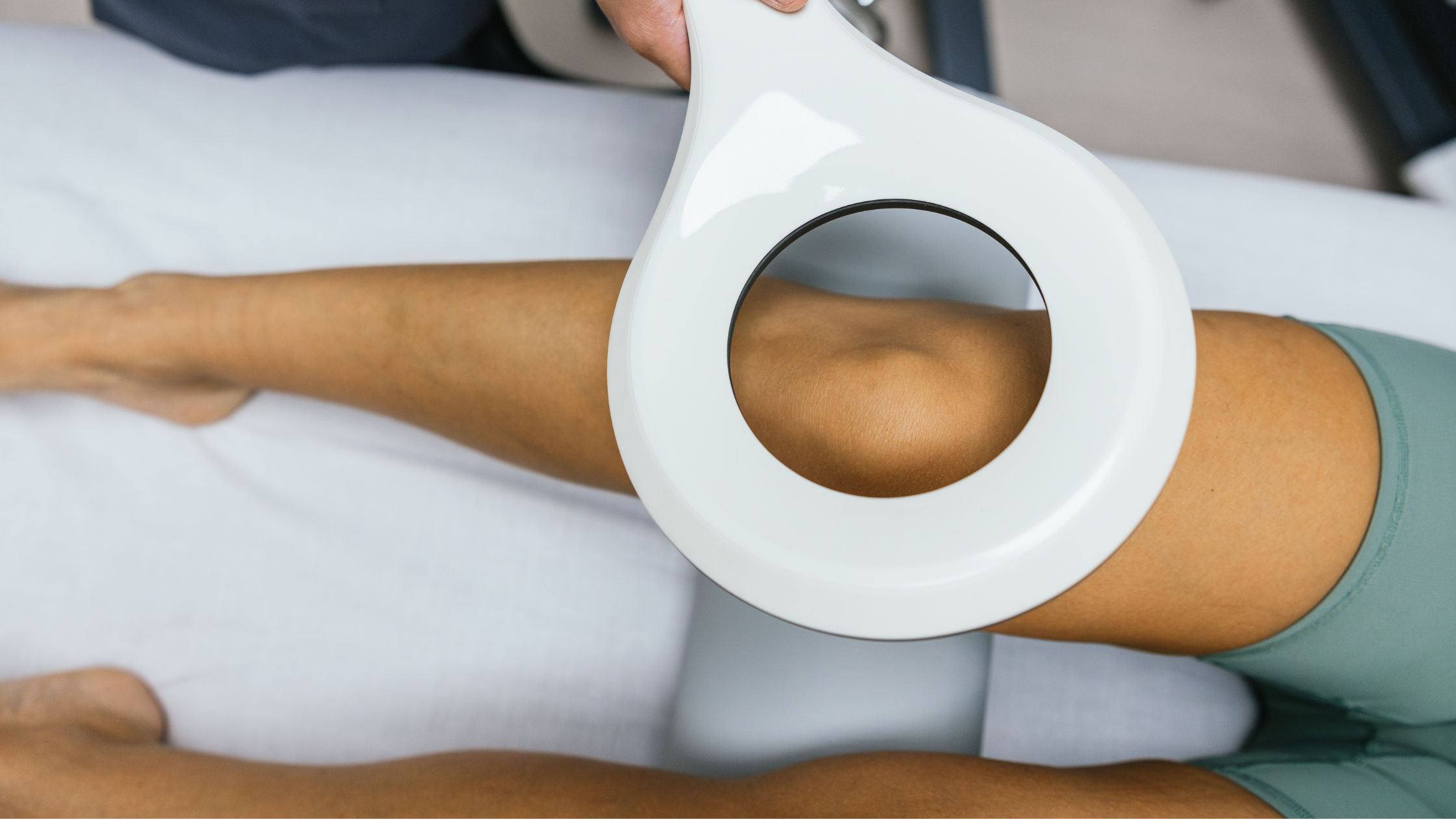
When there is structural damage, surgical options including arthroscopic procedures may be the most effective path. Our orthopedic specialists in Dubai are experienced across the full range of knee care, from conservative management to complex reconstruction, and they always start with the least invasive option that makes clinical sense.
The Cost of Waiting
A lot of people apply the same logic to knee pain: if it is not bad enough to stop me, it is not bad enough to deal with. It is an easy position to hold, especially when you are busy.
The problem is that the knee does not exist on its own. A painful or unstable knee changes the way you walk, which puts extra stress on the hip above and the ankle below. Secondary issues develop. Recovery timelines stretch. What could have been a simple fix becomes something more involved and more disruptive.
Our orthopedic services at Westminster Multispecialty Clinic are built to help people before they reach that point, while the window for straightforward, effective treatment is still wide open.
Your Knees Have Been Patient. Now It Is Your Turn.
If you have been carrying knee discomfort around and telling yourself you will look into it eventually, consider this your nudge. Getting assessed is straightforward, and in most cases, just understanding what is happening goes a long way toward easing the worry that tends to build around unexplained pain.
Come see our team at Westminster Multispecialty Clinic in Dubai Healthcare City. We will take the time to actually listen. Reach out and book your consultation today.