
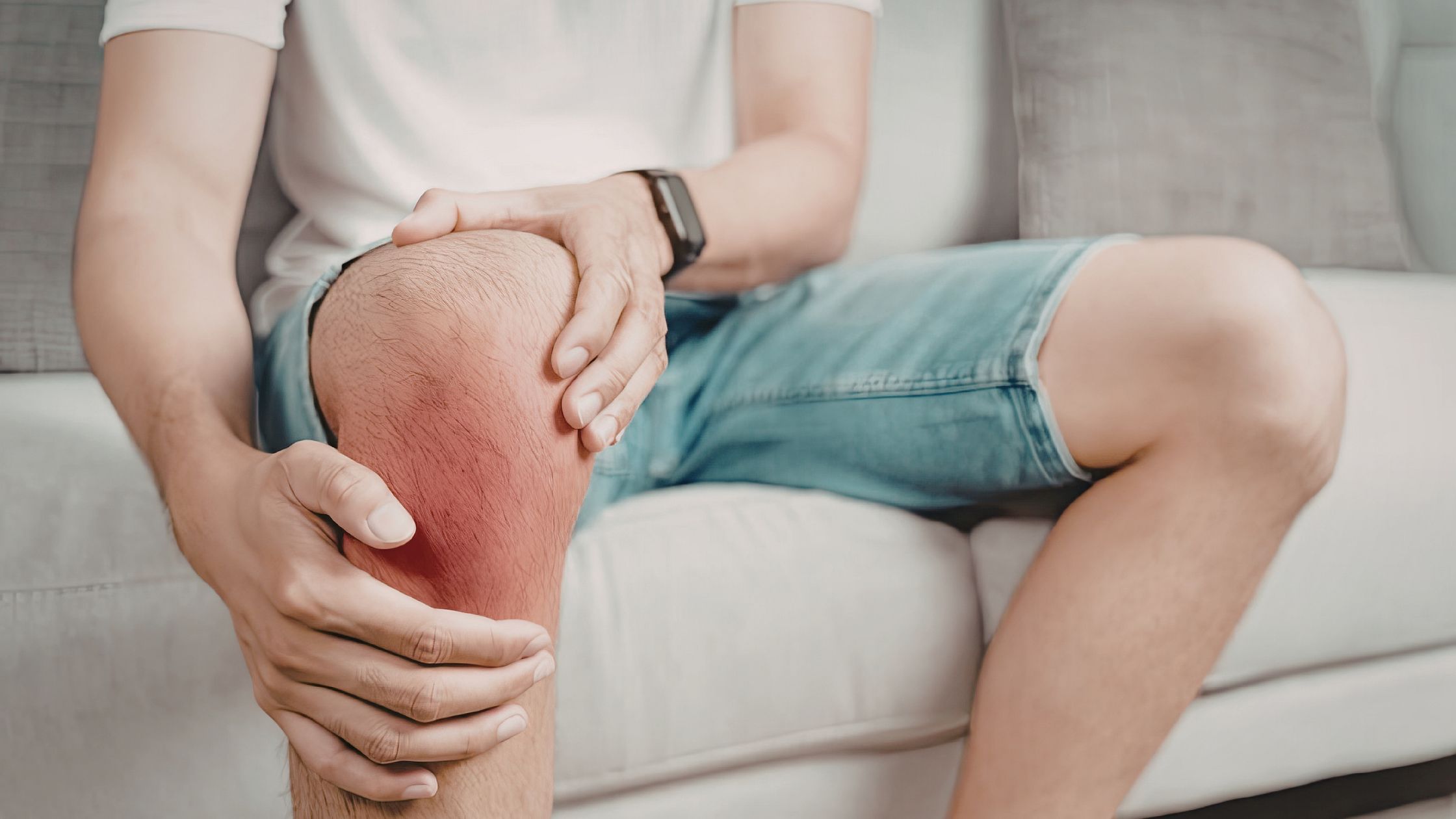
Many people spend long periods sitting or standing during daily routines. Whether working at a desk, traveling, commuting, or participating in extended prayer sessions, remaining in the same position for too long can place strain on the knees, lower back, and surrounding muscles.
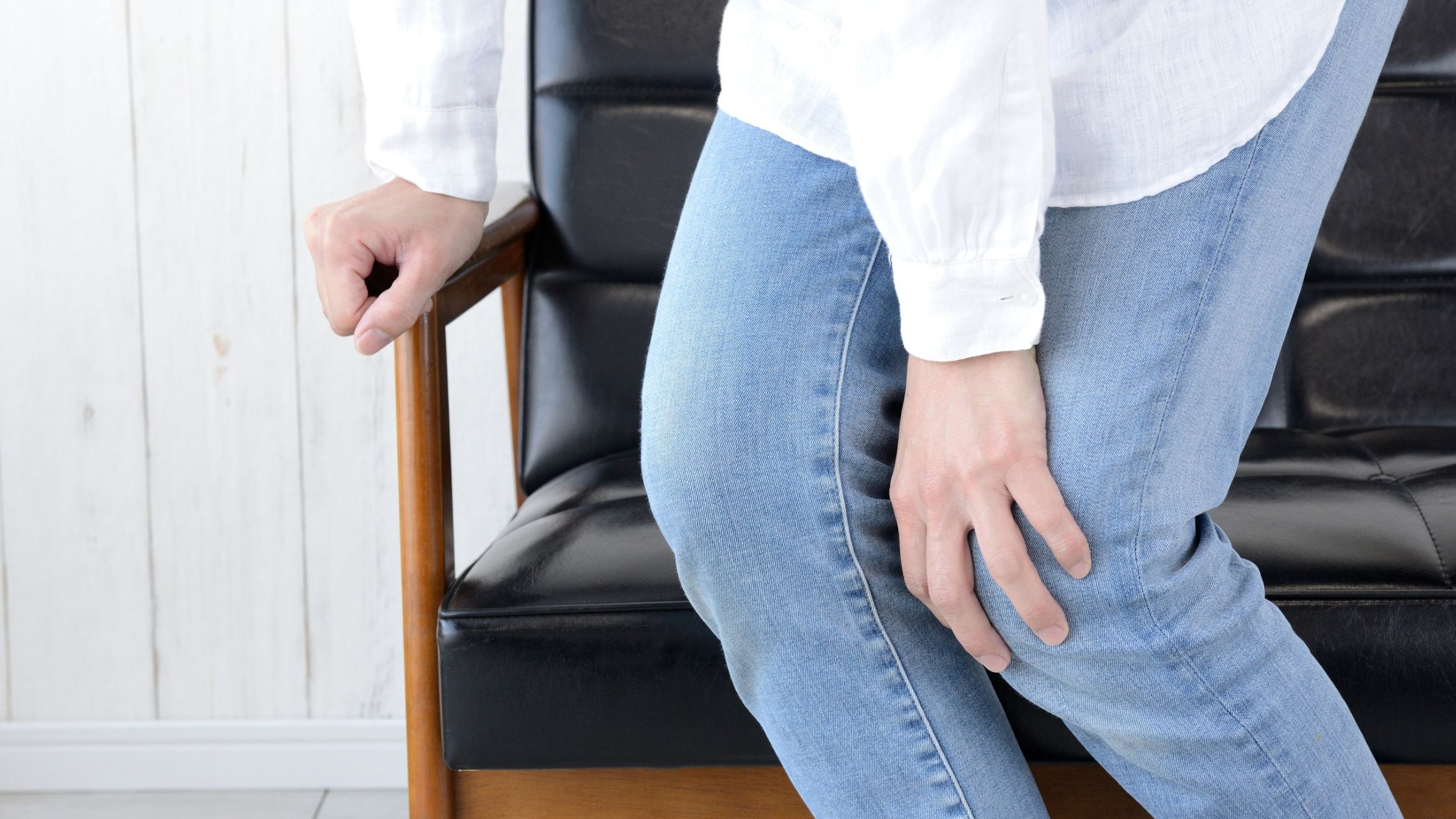
In Dubai’s busy lifestyle, it is common to move between long office hours, commuting, and moments of stillness during prayer or rest. While these activities are part of daily life, they can sometimes lead to stiffness, joint discomfort, or fatigue if the body is not supported properly.
The good news is that with small adjustments in posture, movement, and muscle care, it is possible to reduce strain and protect the joints. Understanding how the body responds to prolonged sitting or standing helps maintain comfort and mobility throughout the day.
Why Long Periods of Sitting or Standing Affect the Joints
The human body is designed for movement. When we remain in one position for extended periods, muscles become tight and joints experience uneven pressure.
Common effects of prolonged sitting or standing include:
- Tight hip flexor muscles
- Reduced circulation to the legs
- Increased pressure on the lower spine
- Stiffness in the knees and ankles
- Muscle fatigue in the back and shoulders
Over time, these stresses can lead to discomfort in the lower back or knees, especially if posture is not well supported.
Maintaining gentle movement and good alignment helps reduce this strain.
Supporting Your Back During Long Sitting Periods
Many individuals experience back discomfort when sitting for extended hours, whether at work, during travel, or while resting.
Simple adjustments can significantly reduce pressure on the spine:
- Maintain Upright Posture: Keep shoulders relaxed and avoid slouching forward.
- Support the Lower Back: A small cushion or lumbar support helps maintain natural spinal curves.
- Keep Feet Flat on the Floor: This helps distribute body weight evenly.
- Position Screens at Eye Level: Reduces neck and upper back strain.
- Take Short Movement Breaks: Standing or stretching every 45–60 minutes relieves pressure.
These small habits protect the spine from long-term stress.
You can explore professional support for spinal discomfort through our page on back and spine pain treatment.
Protecting Your Knees During Standing or Prayer
Standing for extended periods can place pressure on the knees, especially when muscles surrounding the joint become fatigued.
To reduce knee strain:
- Distribute Weight Evenly: Avoid leaning heavily on one leg.
- Wear Supportive Footwear: Proper cushioning helps absorb pressure.
- Engage Core Muscles: Strong abdominal muscles support posture and joint alignment.
- Avoid Locking the Knees: Slightly bending the knees prevents joint stress.
- Shift Positions Occasionally: Gentle weight shifts help circulation.
These adjustments help maintain joint comfort during longer periods of standing or prayer.
Gentle Movements That Reduce Stiffness
When sitting or standing for long periods cannot be avoided, short movement breaks can restore circulation and reduce stiffness.
Helpful mobility exercises include:
- Hamstring Stretch: Helps reduce lower back strain.
- Calf Raises: Improve circulation in the legs.
- Shoulder Rolls: Relieve tension from prolonged sitting.
- Knee Bends: Maintain joint flexibility.
- Spinal Twists: Restore gentle mobility in the lower back.
Regular movement keeps joints lubricated and muscles flexible.
Guided rehabilitation programs available through rehabilitation and physiotherapy for orthopedic conditions can provide personalized exercises for individuals experiencing recurring discomfort.

How Muscle Strength Protects the Spine and Knees
Strong muscles act as stabilizers for joints. When muscles around the core, hips, and legs are weak, the spine and knees absorb more pressure.
Key strengthening areas include:
- Core Muscles: Support spinal stability and posture.
- Glute Muscles: Reduce strain on the lower back.
- Quadriceps: Help stabilize the knees during standing.
- Hamstrings: Improve flexibility and joint balance.
- Hip Stabilizers: Maintain proper alignment of the legs and pelvis.
Strengthening these muscle groups helps protect joints during both movement and stillness.
Recognizing When Pain Should Be Evaluated
Occasional stiffness after long periods of sitting or standing can be normal. However, persistent or worsening pain may indicate underlying joint or muscle problems.
Consider seeking professional evaluation if you experience:
- Ongoing knee or back pain
- Swelling around joints
- Pain that worsens with movement
- Difficulty standing or walking comfortably
- Limited range of motion
Early evaluation allows many conditions to be treated with conservative approaches before they progress.
Our specialists offer comprehensive assessment through the main Orthopedics service page.
Adapting Movement for Everyday Life in Dubai
Dubai’s residents often balance work responsibilities, commuting, travel, and daily routines that involve both movement and stillness. Protecting joint health does not require major lifestyle changes — it simply requires awareness and small adjustments throughout the day.
At Westminster Orthopedics in Dubai Healthcare City, our specialists provide guidance that fits naturally into everyday life, helping individuals remain comfortable whether sitting at work, traveling, or participating in extended periods of standing or prayer.
Supporting mobility means supporting overall well-being.
Keeping Your Spine and Knees Comfortable Throughout the Day
Long periods of sitting or standing are often unavoidable, but the discomfort they bring does not have to be. By improving posture, maintaining gentle movement, and strengthening supportive muscles, most individuals can significantly reduce strain on the knees and back.
Small daily habits can make a meaningful difference in maintaining comfort and long-term joint health.
Need Personalized Advice for Knee or Back Discomfort?
If you frequently experience stiffness or pain after long periods of sitting or standing, a professional evaluation can help identify the cause and guide effective treatment.
You can connect with our orthopedic specialists through our Contact page to discuss your symptoms and explore personalized care options designed to support comfortable movement and long-term joint health.