
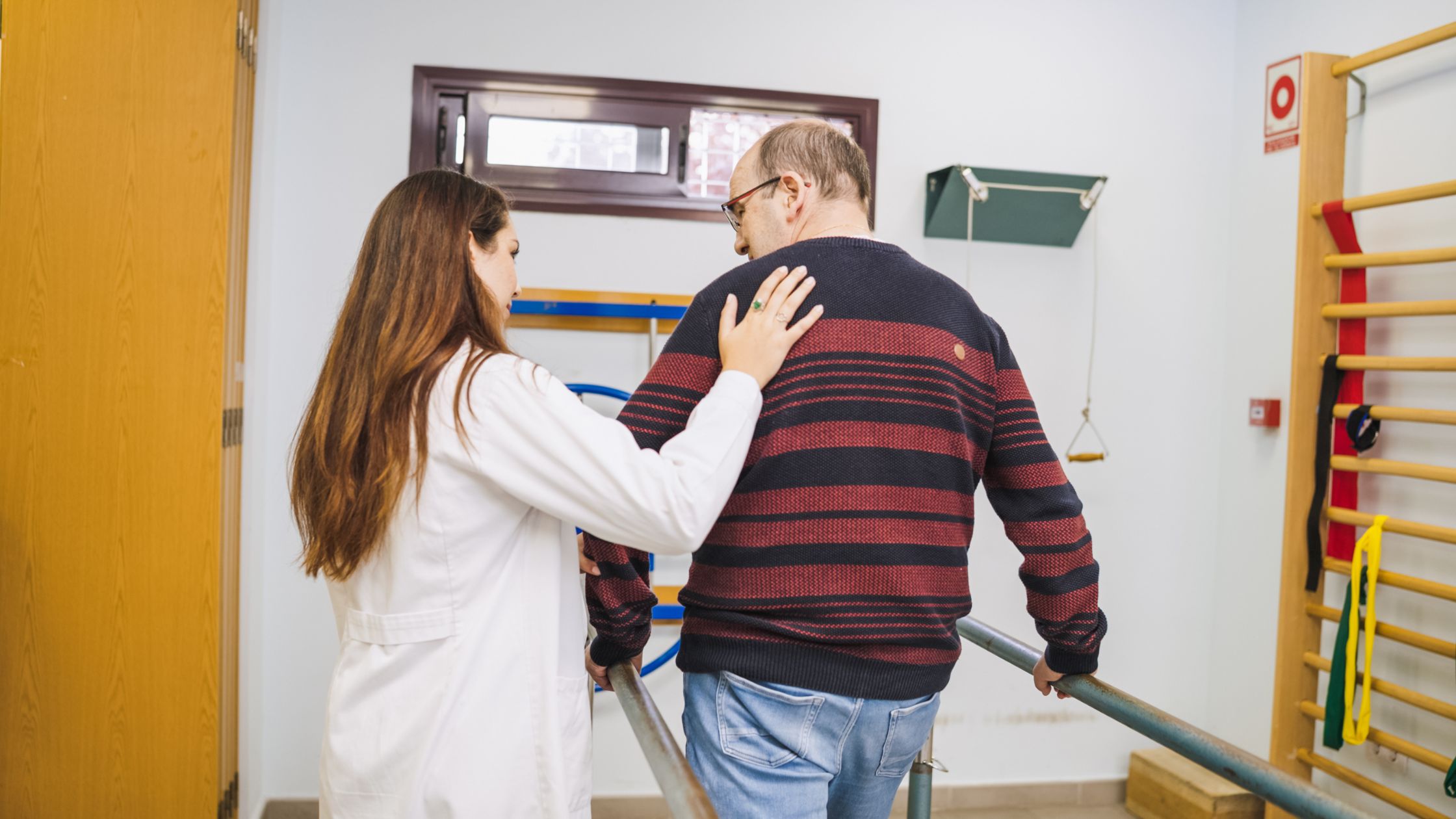
Periods of lifestyle change — whether due to travel, fasting, illness, or simply a break from regular routines — can sometimes leave the body feeling weaker, stiffer, or less flexible than usual. Many people notice this after Ramadan, holidays, or other busy periods when exercise habits temporarily slow down.
Returning to normal activity levels too quickly can place strain on muscles and joints. The body needs time to rebuild strength, restore flexibility, and regain endurance. Rehabilitation and guided movement play an important role in helping individuals transition safely back into regular physical activity.
With a gradual, structured approach, it is possible to rebuild strength while protecting the spine, joints, and muscles from unnecessary stress.
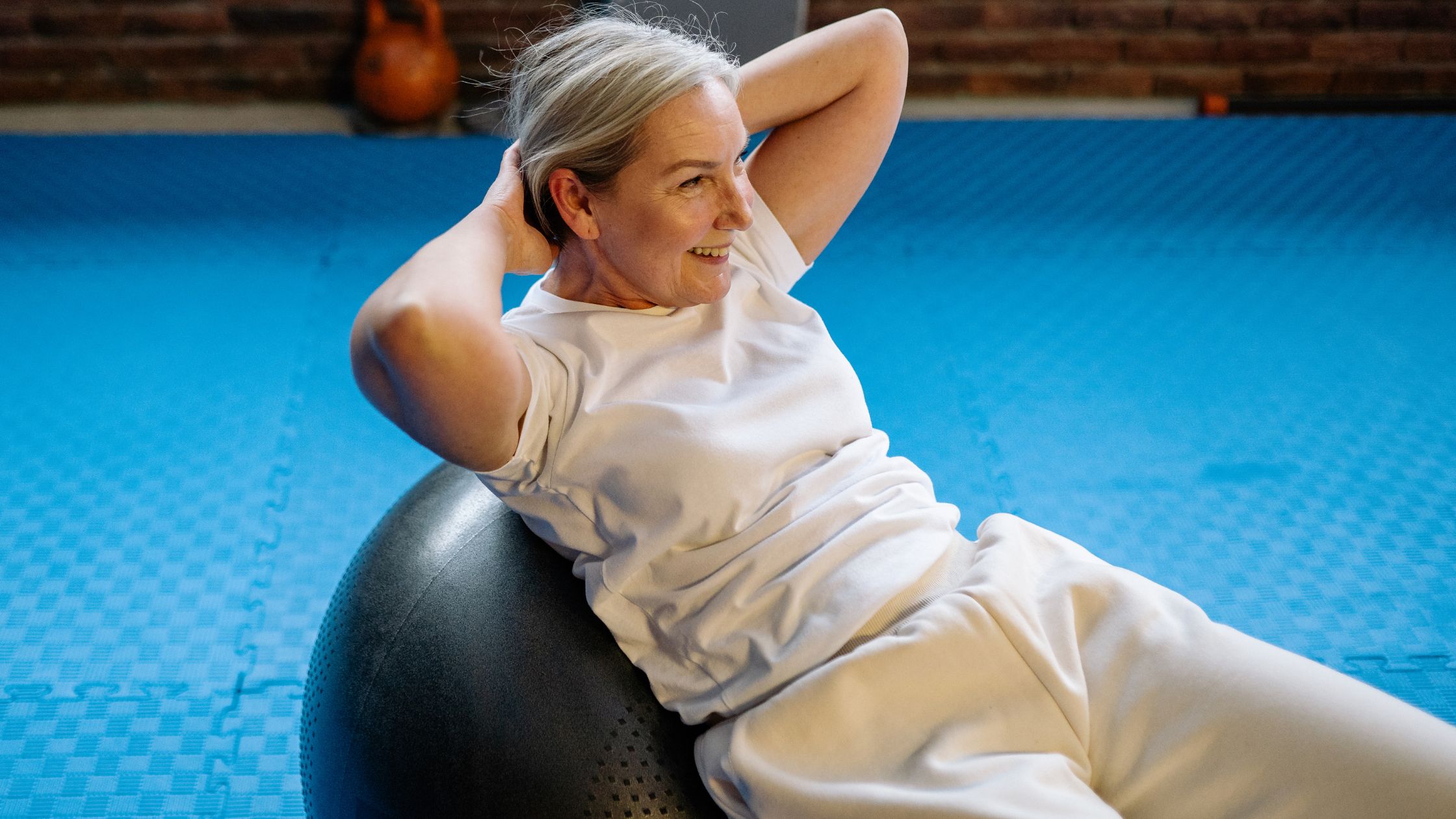
Why Gradual Reconditioning Matters
When activity levels decrease for several weeks, the body naturally undergoes small changes. Muscles may lose some strength, joints may feel stiffer, and endurance may decline slightly.
These changes are normal and reversible. However, returning immediately to high-intensity workouts can increase the risk of strain or injury.
Gradual reconditioning allows the body to adapt safely by:
- Rebuilding muscle strength step by step
- Improving joint mobility
- Restoring balance and coordination
- Preventing sudden stress on ligaments and tendons
- Supporting long-term fitness progress
A slower return to activity often leads to more sustainable results.
Common Areas Affected by Reduced Activity
When physical routines pause, certain parts of the body are more likely to feel the effects.
People often experience:
- Lower Back Stiffness: Caused by prolonged sitting or reduced core strength
- Tight Hamstrings and Hips: Due to decreased movement and stretching
- Weakened Core Muscles: Affecting posture and spinal support
- Reduced Knee Stability: From reduced leg strength
- General Fatigue During Exercise: As endurance gradually rebuilds
Recognizing these changes helps guide a safer return to activity.
Starting With Gentle Movement
The first step in rebuilding strength is reintroducing gentle, controlled movement into your routine.
Helpful starting activities include:
- Light Walking: Encourages circulation and joint mobility
- Gentle Stretching: Restores flexibility in tight muscles
- Mobility Exercises: Improve joint range of motion
- Low-Impact Cardio: Activities such as cycling or swimming support endurance
- Breathing and Core Activation: Reconnect the body’s stabilizing muscles
These movements help the body transition smoothly back into more active routines.
Strengthening Muscles That Protect Your Joints
As activity levels increase, strengthening key muscle groups becomes essential. Strong muscles act as natural support systems for the spine and joints.
Important areas to focus on include:
- Core Muscles: Stabilize the spine and improve posture
- Glute Muscles: Reduce pressure on the lower back and knees
- Quadriceps: Support knee stability during movement
- Hip Stabilizers: Maintain balance and proper alignment
- Upper Back Muscles: Help prevent neck and shoulder strain
Gradual strengthening protects joints and improves overall movement efficiency.
Improving Flexibility to Reduce Stiffness
Flexibility training helps muscles and joints regain their full range of motion after periods of inactivity.
Effective flexibility habits include:
- Daily Stretching: Focus on the hamstrings, hips, shoulders, and back
- Yoga or Mobility Work: Encourages gentle, controlled flexibility
- Post-Exercise Stretching: Helps muscles recover after activity
- Proper Warm-Ups: Prepare muscles before strengthening exercises
- Hydration: Supports muscle elasticity and joint lubrication
Improving flexibility reduces the risk of muscle strains as activity levels increase.
How Physiotherapy Supports Safe Recovery
Physiotherapy plays an important role in guiding individuals through safe reconditioning. Personalized programs help identify areas of weakness or imbalance and address them through targeted exercises.
Benefits of physiotherapy include:
- Improved muscle strength and stability
- Reduced joint stiffness and pain
- Better posture and movement mechanics
- Faster recovery from minor injuries
- Guidance on safe exercise progression
You can explore professional rehabilitation support through our page on rehabilitation and physiotherapy for orthopedic conditions.
Expert guidance ensures recovery remains safe and effective.
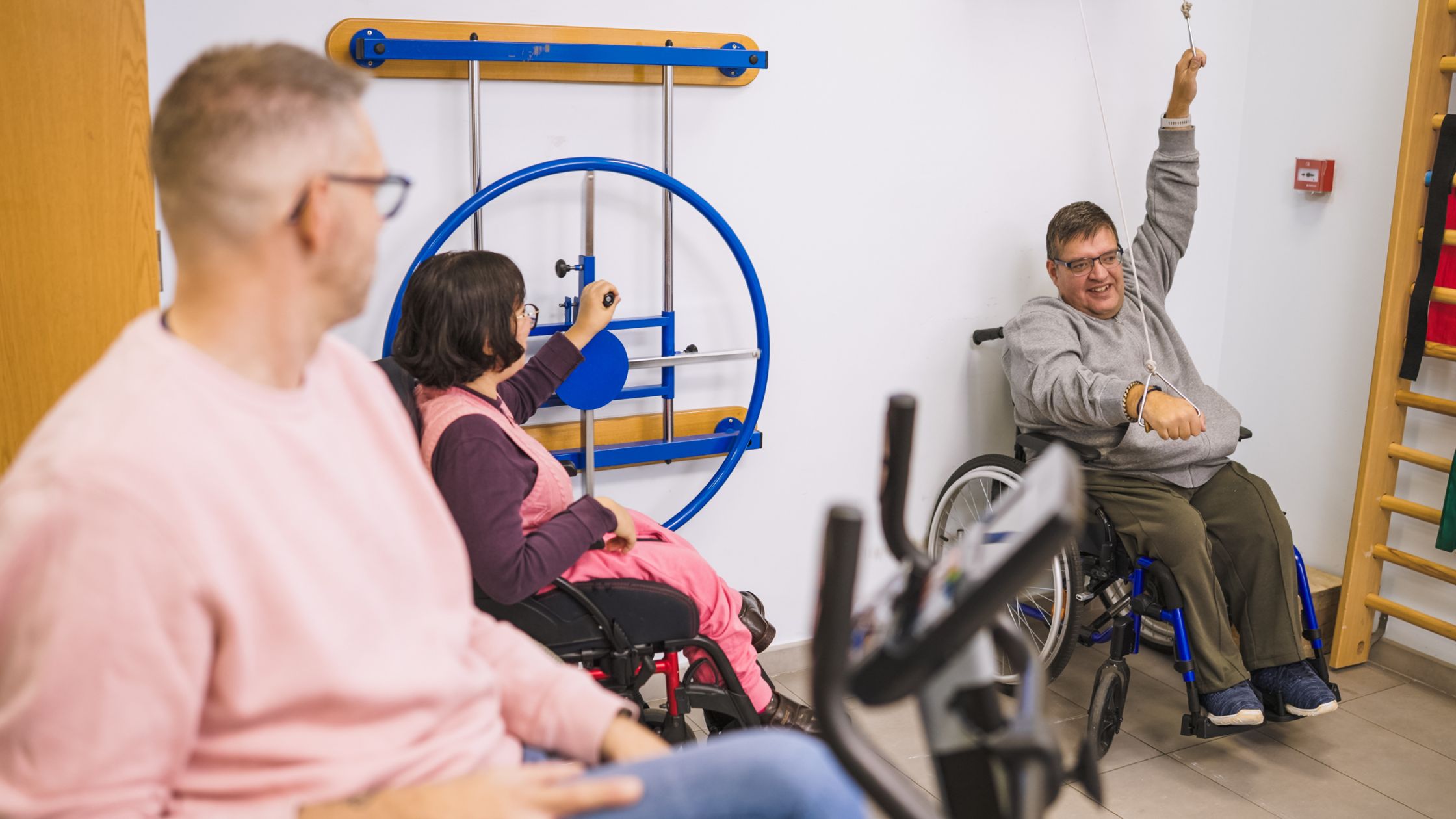
Preventing Injury When Returning to Exercise
A common mistake after a break from physical activity is trying to return immediately to previous fitness levels. Instead, gradual progression helps the body adapt safely.
Helpful injury-prevention habits include:
- Increase Activity Slowly: Allow the body time to rebuild strength.
- Prioritize Warm-Ups: Prepare muscles before intense movement.
- Schedule Rest Days: Recovery supports muscle repair.
- Use Proper Technique: Good form reduces stress on joints.
- Listen to Early Warning Signs: Pain or fatigue signals the need for rest.
Taking a patient approach helps ensure long-term success.
When Persistent Pain Needs Evaluation
While mild stiffness during recovery is normal, ongoing pain should not be ignored.
Consider seeking orthopedic advice if you notice:
- Pain lasting longer than two weeks
- Swelling around joints
- Reduced range of motion
- Pain during everyday movement
- Recurrent injuries when exercising
Our specialists provide comprehensive evaluation through the main Orthopedics service page, helping individuals identify the cause of discomfort and develop effective treatment plans.
Early guidance prevents small issues from becoming larger problems.
A Practical Wellness Approach for Life in Dubai
Dubai’s residents lead dynamic lives that combine work, travel, fitness, and family commitments. Periods of reduced activity are natural, but returning to movement safely is key to maintaining long-term health.
At Westminster Orthopedics in Dubai Healthcare City, our specialists support patients through structured rehabilitation, preventive care, and personalized recovery strategies designed to fit modern lifestyles.
Building strength gradually ensures your body stays ready for everyday demands.
Moving Forward With Strength and Flexibility
Recovery and reconditioning are not about rushing back to previous routines — they are about rebuilding strength in a sustainable way. By combining gentle movement, strengthening exercises, and professional guidance when needed, most individuals can restore mobility and confidence in their bodies.
Consistency, patience, and mindful movement form the foundation of long-term musculoskeletal health.
Looking to Rebuild Strength Safely?
If you’re returning to exercise after a break or experiencing stiffness and weakness that limit your activity, our orthopedic specialists can help guide your recovery.
You can connect with our team through our Contact page to discuss your goals and receive personalized guidance on rebuilding strength, flexibility, and long-term mobility.