
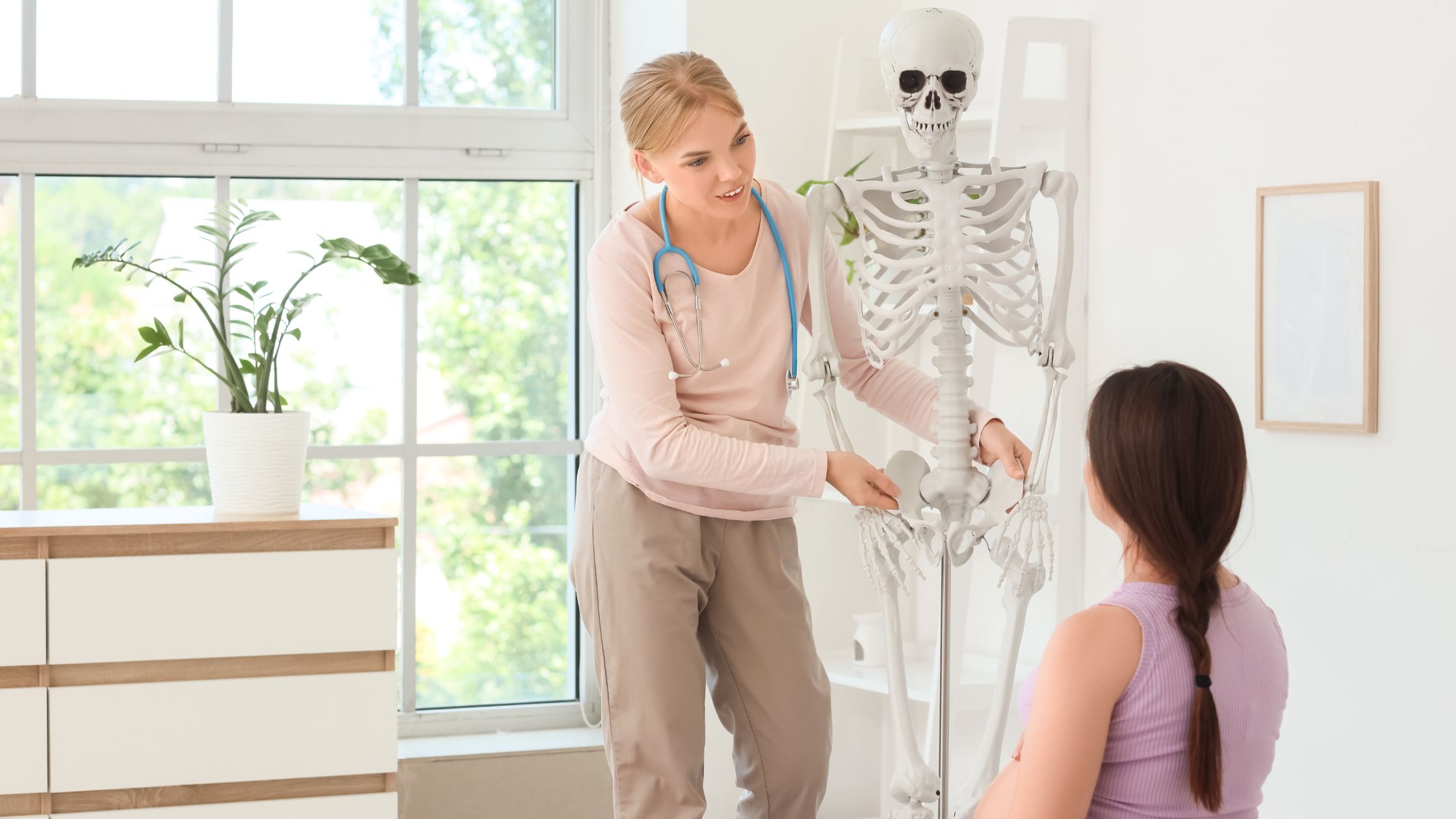
As Ramadan approaches in Dubai, many women begin preparing spiritually, mentally, and physically for the holy month. Fasting brings reflection, discipline, and meaningful routine changes — but it can also influence the body in subtle ways. For women, hormonal fluctuations, nutrition shifts, and changes in daily activity may affect bone and joint health more than expected.
Women’s bones and joints are closely connected to hormonal balance, especially estrogen levels. From early adulthood through menopause and beyond, these hormonal changes influence bone density, joint flexibility, and muscle strength. Understanding this connection allows women to protect their mobility — especially during periods like Ramadan, when eating patterns and hydration habits temporarily change.
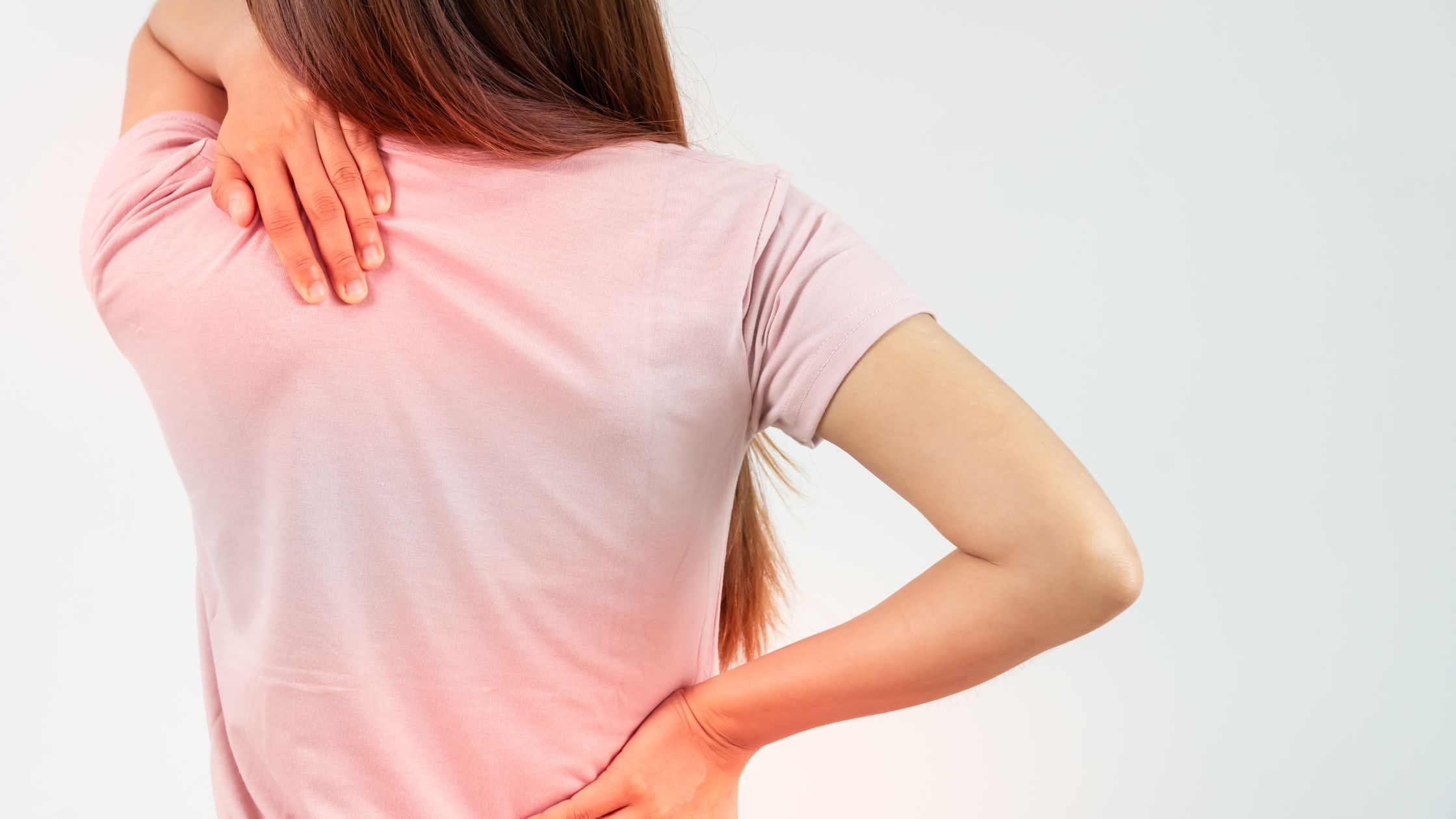
Why Hormones Matter for Bone and Joint Health
Hormones play a powerful role in maintaining bone strength. Estrogen, in particular, supports bone density by helping regulate the balance between bone breakdown and bone formation. When estrogen levels fluctuate — during menstrual cycles, pregnancy, postpartum periods, or menopause — bone turnover can change as well.
Lower estrogen levels may lead to:
- Reduced bone density over time
- Increased joint stiffness
- Greater inflammation around joints
- Higher risk of stress injuries
These changes often happen gradually and without obvious symptoms. That’s why awareness is essential at every stage of life.
How Ramadan Fasting Can Influence Bone and Joint Comfort
Ramadan fasting changes meal timing, hydration patterns, and sleep routines. While fasting is safe for many healthy adults, certain habits during this period can influence joint comfort and bone health if not managed carefully.
Common factors include:
- Reduced hydration during daylight hours
- Shortened sleep cycles
- Decreased daytime movement
- Nutritional imbalance between Iftar and Suhoor
- Reduced sunlight exposure
When hydration or nutrient intake drops, joints may feel stiffer and muscles may fatigue more easily. For women already managing hormonal changes, this may feel more noticeable.
Being mindful of these changes helps prevent discomfort during the holy month.
Key Nutrients Women Should Prioritize Before and During Ramadan
Nutrition plays a vital role in supporting bone density and joint strength — especially when meal timing shifts.
Women preparing for Ramadan should focus on:
- Calcium-Rich Foods: Dairy, leafy greens, fortified products
- Vitamin D: Safe sunlight exposure and appropriate dietary sources
- Protein: Essential for muscle strength and joint stability
- Magnesium and Vitamin K: Support overall bone structure
- Adequate Hydration: Crucial for joint lubrication
Balanced Suhoor and Iftar meals that include these nutrients help maintain bone resilience and reduce joint fatigue.
Hormonal Stages That Require Extra Attention
Different phases of a woman’s life bring different bone health considerations.
Adolescence and Early Adulthood
Peak bone mass develops during these years. Inadequate nutrition or excessive dieting can limit bone development.
Postpartum Period
Hormonal shifts and sleep deprivation may temporarily affect bone strength and joint comfort.
Perimenopause and Menopause
Declining estrogen levels accelerate bone density loss, increasing the risk of osteoporosis and joint stiffness.
Women in perimenopause and beyond may benefit from early screening through services such as osteoporosis management and fall prevention.
Early attention supports long-term mobility and independence.
Maintaining Joint Comfort During Ramadan
Ramadan doesn’t mean stopping movement — it simply means adapting wisely. Gentle, consistent activity helps maintain joint flexibility and muscle strength.
Consider incorporating:
- Light Walking After Iftar: Supports circulation and joint lubrication
- Gentle Stretching Before Bed: Reduces stiffness
- Low-Impact Strength Exercises: Protect bones and joints
- Posture Awareness During Prayer: Helps reduce back and knee strain
- Adequate Rest: Supports muscle recovery
These small adjustments allow women to stay active without overloading their bodies.
When Joint Pain or Bone Weakness Should Be Evaluated
While mild stiffness can be normal, persistent discomfort should not be ignored — especially if it worsens during fasting periods.
Consider seeking evaluation if you notice:
- Ongoing joint pain
- Height loss or frequent back pain
- Increased fatigue in the knees or hips
- History of low-impact fractures
- Stiffness that limits daily movement
Early evaluation often leads to simple, effective strategies rather than complex treatments later.
Our specialists provide personalized assessments through the main Orthopedics Service page and supportive rehabilitation programs via rehabilitation and physiotherapy for orthopedic conditions.
Preventive care empowers long-term strength.
Breaking the Myth: Bone Health Is Not Just for Later Life
Many women assume bone health becomes important only after menopause. In reality, bone strength is built and maintained throughout life. Habits in your 20s, 30s, and 40s influence bone density in later decades.
Ramadan can serve as a reminder to pause, reflect, and prioritise holistic health — including bone care.
Simple, consistent habits matter more than dramatic changes.

A Supportive Approach for Women in Dubai
Dubai’s dynamic lifestyle often means balancing work, family, travel, and spiritual commitments — especially during Ramadan. Bone and joint care must be realistic, sustainable, and aligned with daily life.
At Westminster Orthopedics in Dubai Healthcare City, our specialists support women at every life stage with personalized, culturally sensitive care. Whether you are preparing for Ramadan, navigating hormonal transitions, or simply aiming to stay strong and active, our approach focuses on prevention, education, and long-term mobility.
Strong bones support every role you play.
Your Partner in Lifelong Bone Strength
Women’s bone health deserves attention before discomfort appears. By understanding hormonal influences and making mindful adjustments during Ramadan, you can protect your joints, strengthen your bones, and maintain confident movement throughout the year.
Small, intentional steps today create stronger foundations tomorrow.
Ready to Prioritize Your Bone Health Before Ramadan?
If you have concerns about bone density, joint stiffness, or hormonal changes affecting mobility, our orthopedic specialists in Dubai are here to guide you.
Book your consultation through our Contact page and step into Ramadan feeling strong, supported, and prepared.