
You know that feeling when you finally decide enough is enough. The trainers have been sitting by the door for weeks. Life got busy, work ran long, travel took over, or your body simply needed a rest. And now you are ready. Motivated, determined, and honestly a little impatient to feel like yourself again.
So you go for it. A long run, a heavy session at the gym, a full-court game of padel with friends in one of Dubai’s busy sports clubs. And within a day or two, something hurts. Not the satisfying kind of tired that tells you the workout counted. The kind that makes you wince on the stairs or reaches for your lower back every time you stand up from your desk.

This story is more common than most people realise, and it is entirely avoidable.
What Happens to Your Body During Time Off
The body is remarkably good at adapting. When you train regularly, your muscles, tendons, ligaments, and bones respond to the load you place on them. They grow stronger, more resilient, more capable. But that process works in both directions.
When activity stops, even for three to four weeks, the body begins to quietly de-condition. Muscle fibres lose some of their tone. The connective tissue around joints becomes slightly less responsive. Cardiovascular fitness drops faster than most people expect. And the small stabilising muscles that protect your knees, hips, and spine, the ones you never really notice until they are not doing their job, begin to weaken without the regular stimulus they are used to.
None of this means you are broken or starting from zero. It means your body has adjusted to a lower demand, and it needs time to readjust upward. The problem is that your mind, your memory of fitness, and your motivation have not de-conditioned at all. You still feel like the person who could run five kilometres without thinking about it. Your tissues, however, are working with a slightly different brief.
This gap between perceived fitness and physical readiness is where most re-entry injuries happen.
The Injuries That Happen Most Often
Our orthopedic specialists in Dubai see a recognisable pattern among people returning to exercise after a break. The injuries are rarely dramatic. They tend to be the kind that build quietly over a few sessions before announcing themselves.
- Knee pain: The knee is a joint that depends heavily on the muscles above and below it for protection. When the quadriceps and hamstrings are underprepared, the knee absorbs load it is not equipped to handle. This can lead to anything from general soreness to more specific issues like ACL or meniscus strain that develop gradually through repeated overloading.
- Lower back strain: The core muscles that support the spine are often the first to weaken during inactivity and the last to be consciously warmed up before exercise. Returning to running, lifting, or even cycling without adequate core engagement puts significant pressure on the lumbar spine. Back and spine pain after a return to exercise is one of the most frequent complaints we hear.
- Shoulder irritation: For swimmers, padel players, and those returning to resistance training, the shoulder is often the first to complain. The rotator cuff, a group of small muscles that stabilise the shoulder joint, loses conditioning quickly. Pushing into overhead movements or racket sports too soon can lead to rotator cuff strain and shoulder pain that takes weeks to settle.
- Ankle and foot problems: Returning to running on hard surfaces, particularly in new or worn footwear, places sudden and repetitive load on structures that have had a rest. Ankle instability and sprain as well as foot and ankle issues are common early casualties of an enthusiastic but rushed return.
- Ligament stress around the knee: Beyond the ACL, the broader network of knee ligaments can be stressed when lateral movements, pivoting, or sudden changes of direction are reintroduced before the supporting muscles are ready.
Recognising these patterns is not about becoming fearful of exercise. It is about understanding where to be careful so that you can keep going.
A Smarter Way to Return
The good news is that coming back from time off does not need to be complicated. It needs to be patient. Here is what tends to work, both from a physiological standpoint and from the experience of our orthopedic consultants who work with active adults in Dubai every day.
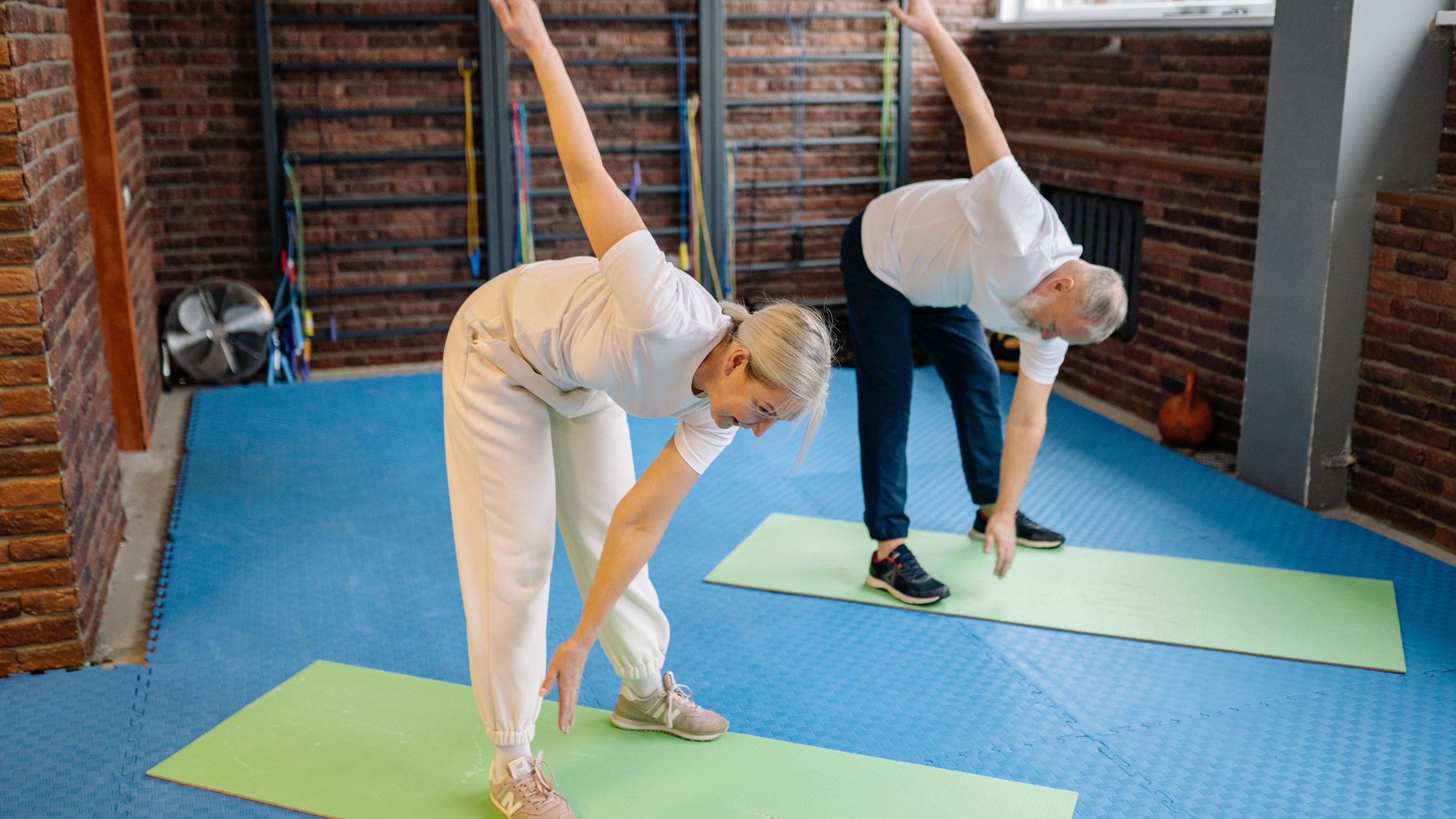
- Start with movement, not performance: Your first week back is not a fitness week. It is a preparation week. Walking, gentle cycling, bodyweight exercises, and light stretching remind your tissues that demand is returning without shocking them into reaction.
- Follow the ten percent rule: Do not increase your total training volume by more than ten percent from one week to the next. This applies to running distance, weights lifted, and hours spent training. It is a simple rule that prevents the most common overuse injuries.
- Warm up with intention: A five-minute jog and a few arm circles is not a warm-up for someone returning after a month off. Dynamic stretching, joint rotations, and activation exercises for the specific muscles you are about to use make a genuine difference to how your body handles the session.
- Prioritise sleep and recovery: Tissue repair happens during rest, not during exercise. If you are training again but sleeping poorly, the adaptation you are working towards is being undermined every night.
- Listen carefully to joint-level signals: Muscle fatigue and mild soreness are expected and healthy. Pain that lives inside a joint, that sharpens rather than eases during movement, or that is still present two days later is worth paying attention to rather than training through.
Patience in the first two weeks will return you to full fitness faster than pushing hard and then spending three weeks managing an injury.
When Professional Guidance Makes the Difference
For many active people, returning to exercise after a significant break, particularly after an injury, surgery, or a long period of illness, is not just a matter of going slowly. It requires a structured approach that rebuilds the body in the right sequence, with the right exercises and the right load progression.
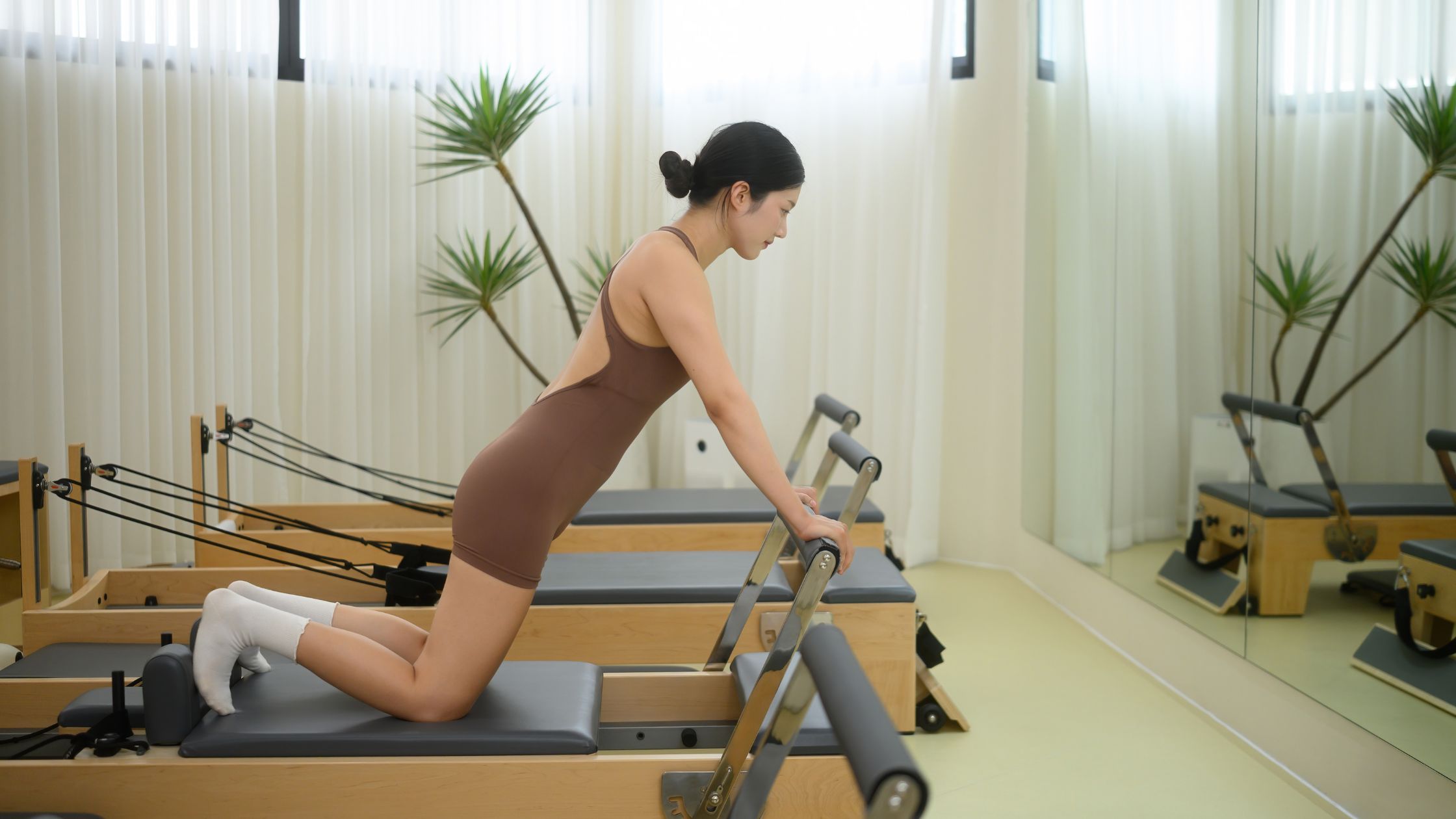
This is where rehabilitation and physiotherapy for orthopedic conditions becomes genuinely valuable. A physiotherapist who understands the orthopedic picture, not just the fitness goals, can design a return-to-sport programme that addresses your specific weaknesses and protects the areas most at risk for you personally.
For those dealing with persistent joint discomfort that is holding back their return, options like PRP injections or image-guided orthopedic therapies can help calm inflammation and support tissue healing in a way that gets you back to movement sooner and more safely.
If you have had a previous sports injury that never quite resolved, or if you are returning to exercise after any kind of orthopedic procedure, a check-in with our experienced orthopedic consultants before you ramp up your training is always worthwhile. A single assessment can tell you a great deal about where your body is ready and where it still needs support.
The full range of orthopedic care at Westminster Clinic is designed around exactly these kinds of transitions, helping active people in Dubai move from recovery or rest back to the activity they love, with confidence and without unnecessary setbacks.
The Goal Is Longevity, Not Just the Next Workout
The most resilient athletes and active adults are not the ones who never take breaks. They are the ones who know how to come back from them well. Every return from rest is an opportunity to rebuild with better awareness, better habits, and a deeper understanding of what your body needs.
If you are navigating a return to exercise and something does not feel right, or if you simply want guidance on how to do this well, our team is here for exactly that conversation. Get in touch with us and let our orthopedic specialists in Dubai Healthcare City help you build a return-to-activity plan that keeps you moving for the long term. Because the best workout is the one you can still do next month, next year, and a decade from now.