
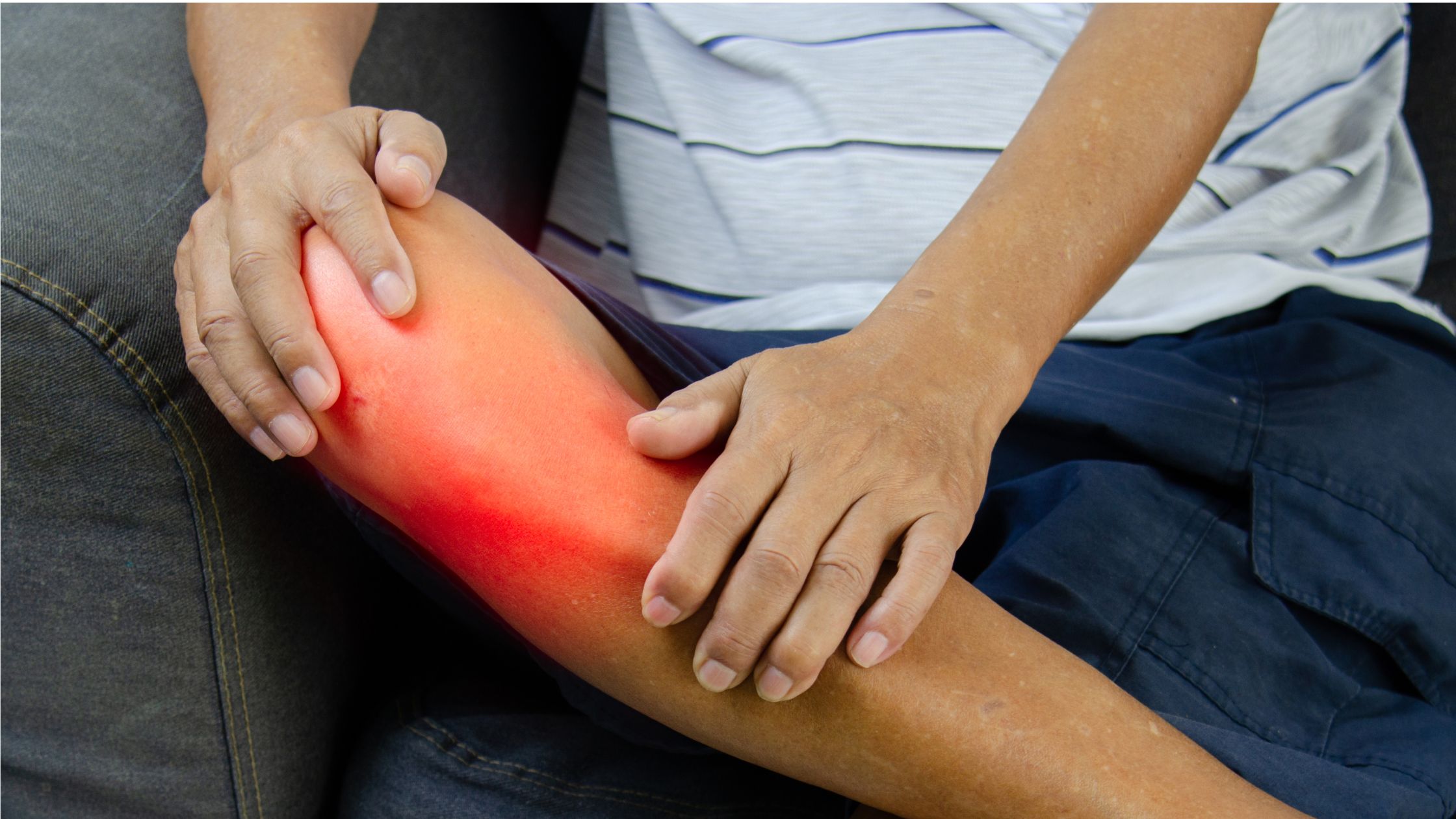
A padel player in Dubai Sports City feels a familiar twinge in his elbow after a weekend tournament, rests it for two weeks the way he would a pulled muscle, and goes back expecting it to be fine. It isn’t. Three months later he is still icing it after every match, still assuming that a little more rest will eventually do what a little rest hasn’t done yet.
This is the most common misunderstanding in tendon injuries, and it isn’t about discipline or patience. It’s about a basic mismatch between how muscles heal and how tendons heal, and most people never learn the difference until they’re several frustrating months into it.
Why Tendons Don’t Heal Like Muscles Do
Muscle tissue has a rich blood supply, which is why a strained hamstring or a sore quad typically settles within a couple of weeks. Tendons are a different kind of tissue entirely. They are dense, fibrous, and far less vascular, meaning the blood flow that carries repair cells and nutrients to the site of damage arrives slowly and in smaller volumes. Where a muscle strain might resolve in 10 to 14 days, a genuine tendon injury, what clinicians call tendinopathy, often takes 8 to 12 weeks at minimum to show real structural change, and some cases run considerably longer.
This is not a reason to panic. It is a reason to stop measuring tendon recovery against muscle recovery, because the two are not comparable and never were.
The Padel and CrossFit Tendons We See Most
Dubai’s active lifestyle produces a fairly predictable pattern of tendon injuries, and the sport usually points to the tendon. Padel and tennis players load the tendons around the elbow repeatedly through the same swinging motion, which is why tennis elbow shows up so often among the city’s growing padel community. Runners training along Al Qudra or Kite Beach tend to develop Achilles tendinopathy as weekly mileage climbs faster than the tendon can adapt. CrossFit and heavy gym training put repeated strain on the patellar tendon just below the kneecap, and rotator cuff tendons take the brunt of overhead lifting and swimming.
None of these are injuries that happen from one bad rep or one hard match. They build slowly, from cumulative load the tendon hasn’t had time to adjust to, which is exactly why the pain often shows up weeks or months after the training pattern that actually caused it.
Rest Is Not the Fix Most People Think It Is
Complete rest feels like the obvious response to tendon pain, and it is often the least effective one. Tendons respond to controlled load. Removing that load entirely does not give the tendon a chance to rebuild; it simply pauses the process without addressing the underlying stiffness or weakness that caused the pain in the first place. When someone returns to their sport after weeks of total rest, the tendon is frequently in worse condition than before they stopped, because deconditioning has set in without any corresponding repair.
The research on this is fairly consistent. Eccentric loading, a specific form of controlled, slow-lengthening exercise, has shown success rates between 60 and 80 percent for chronic Achilles tendinopathy, well ahead of stretching or rest alone. The mechanism makes sense once you understand it: loading the tendon under controlled conditions stimulates collagen production and encourages the fibers to realign along the direction of the strain, which is the opposite of what happens when a tendon simply sits idle.
- Heel drops for Achilles issues: Slow, controlled lowering builds tendon capacity progressively rather than all at once.
- Step-downs for patellar tendon pain: Targets the same loading principle around the knee.
- Progressive wrist and forearm loading: Addresses tennis elbow more effectively than rest or bracing alone.
- Gradual return to sport: Volume increases should track the tendon’s tolerance, not the calendar.
None of these programs work overnight, and none of them work without consistency.
What Actually Rebuilds a Tendon
The frustrating part of tendon recovery is that improvement often feels slower than the effort being put in, and that gap is exactly where people quit too early or push back into full training too soon. A structured physiotherapy program that builds load gradually, guided by a clinician who can track actual tendon capacity rather than just pain levels, tends to produce far more reliable outcomes than a self-directed rest-and-hope approach.
For Dubai’s padel players, runners, and gym regulars dealing with a tendon that hasn’t responded to a few weeks of rest, our sports injury specialists can confirm what’s actually happening in the tendon and build a loading program specific to the sport causing it. Persistent shoulder cases sometimes point beyond the tendon itself toward the rotator cuff structures nearby, which our shoulder specialists assess separately when the pattern calls for it.
Tendon pain that hasn’t improved after a few weeks of rest is not a sign to rest longer. It’s usually a sign to load it properly instead, and Westminster Multispecialty Clinic in Dubai Healthcare City can help identify exactly how to do that safely. Book an assessment before another season passes with the same nagging pain.