
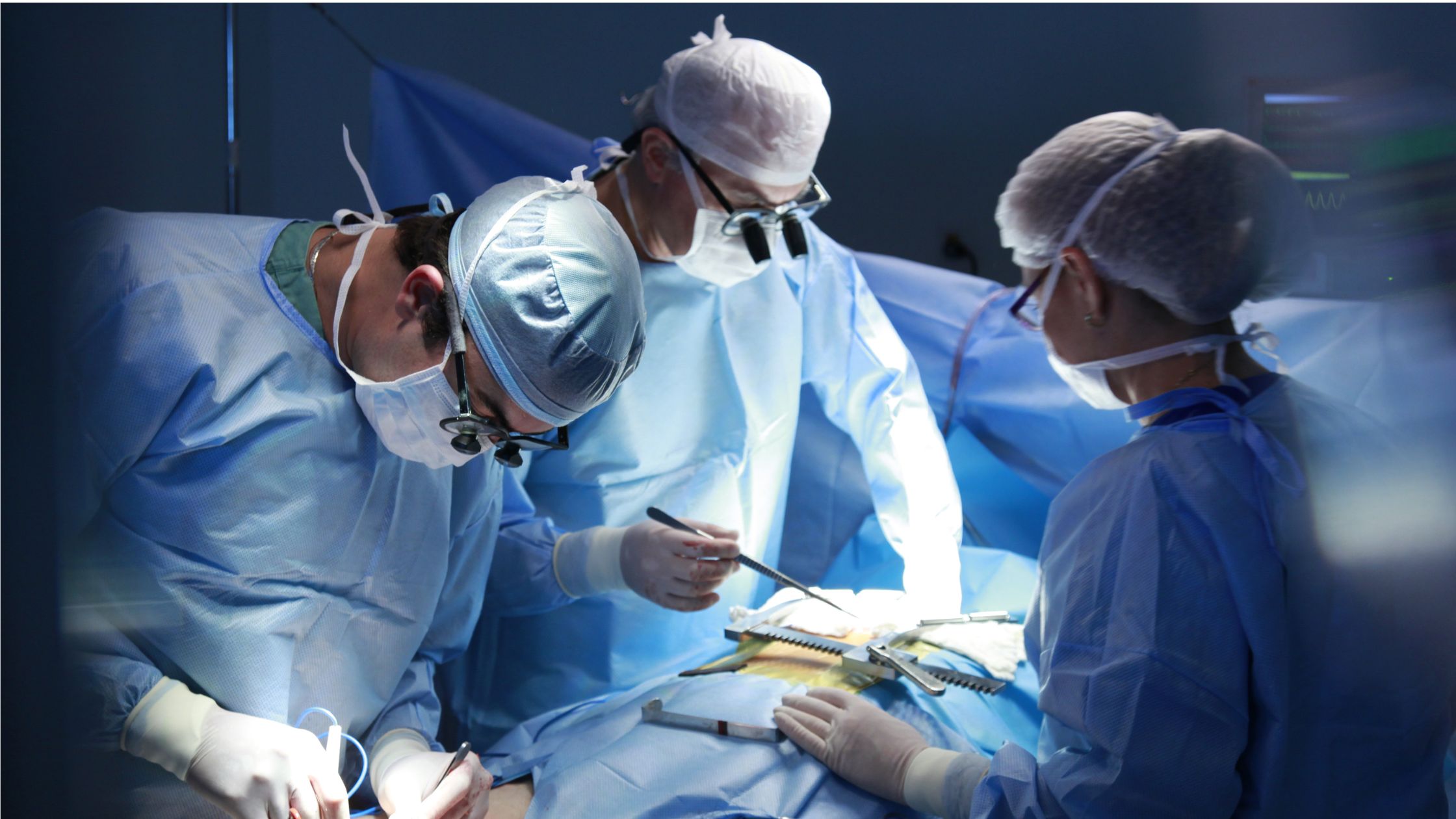
The word “surgery” does more to a patient’s nerves than the actual procedure usually does. Someone hears their consultant recommend arthroscopic surgery for a torn meniscus or a damaged rotator cuff, and their mind jumps straight to open incisions, weeks in a hospital bed, months on crutches. For most arthroscopic procedures, that picture is wrong on nearly every count.
Arthroscopic surgery is one of the most common orthopedic procedures performed across Dubai’s clinics, and it is also one of the least understood by the patients who need it. Clearing up what it actually involves tends to remove most of the anxiety before the operation even happens.
What “Minimally Invasive” Actually Means
Arthroscopy uses a thin camera, called an arthroscope, inserted through a small incision, usually less than a centimeter, along with one or two additional small incisions for surgical instruments. The surgeon views the joint on a monitor in real time rather than opening it up directly. This is the entire distinction between arthroscopic and open surgery: the joint gets treated through keyhole-sized access points instead of a large incision that has to cut through muscle and connective tissue to expose the area.
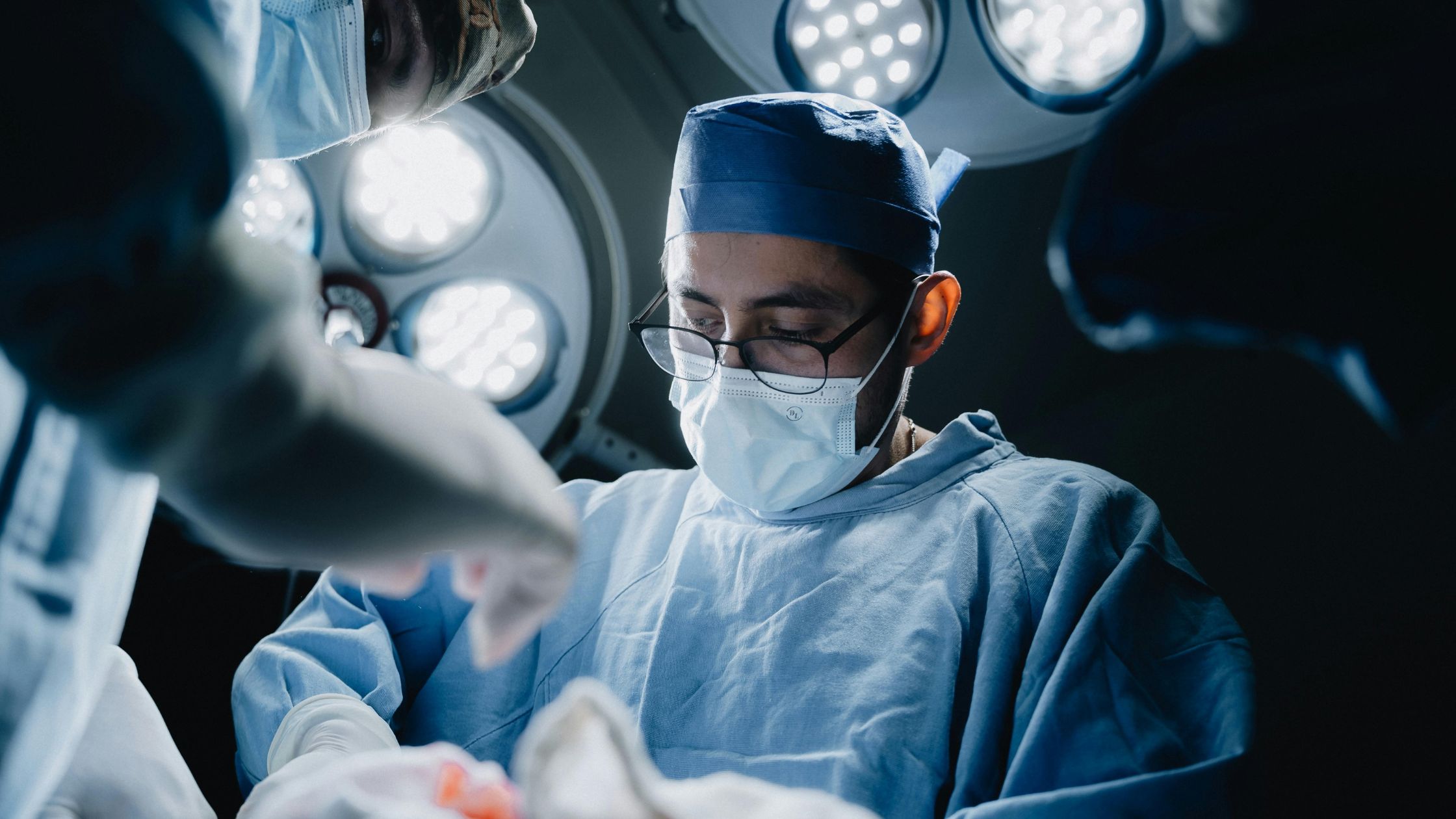
The practical result is less tissue disruption, which generally means less pain after surgery, a lower infection risk, and a faster path back to normal movement compared with open procedures treating the same condition. It does not mean the surgery itself is minor. A rotator cuff repair or an ACL reconstruction performed arthroscopically is still a real surgical procedure with real recovery demands. It is the access route that is minimally invasive, not necessarily the work being done inside the joint.
What Arthroscopy Actually Treats
The range of conditions treated arthroscopically covers most of the joint problems we see regularly in Dubai’s active population.
- Meniscus tears: Common in football, padel, and running injuries, often repaired or trimmed depending on the tear pattern.
- Rotator cuff tears: Frequent among swimmers, padel players, and anyone doing repetitive overhead movement.
- ACL reconstruction: Standard treatment for a torn anterior cruciate ligament in athletes wanting to return to pivoting sports.
- Loose bodies and cartilage damage: Bone or cartilage fragments removed from the joint space to reduce locking and pain.
- Ankle instability: Repair of stretched or torn ligaments following repeated sprains.
Recovery from these procedures varies considerably by condition. A simple meniscus trim might have someone walking without crutches within days, while an ACL reconstruction or a rotator cuff repair generally involves a structured rehabilitation program spanning several months before a full return to sport.
The Honest Part Most Explainers Skip
Not every torn meniscus needs surgery, and this is worth saying plainly rather than glossing over. Research on meniscus tears in older patients with underlying joint degeneration has shown that arthroscopic trimming does not always outperform physiotherapy alone in that specific population, since the tear itself may not be the primary source of pain. Where arthroscopy shows its strongest, most consistent results is in younger, more active patients with traumatic tears, where success rates for meniscal procedures generally run in the 80 to 90 percent range, and rotator cuff repairs perform similarly well for appropriately selected patients.
This distinction matters because it changes the conversation from “does surgery work” to “does surgery work for this specific tear, in this specific knee.” A proper diagnostic workup, including imaging and a clinical assessment through our sports injury and arthroscopic surgery service, is what determines which category a patient actually falls into, rather than assuming every tear automatically needs the same answer.
What the Day Itself Looks Like
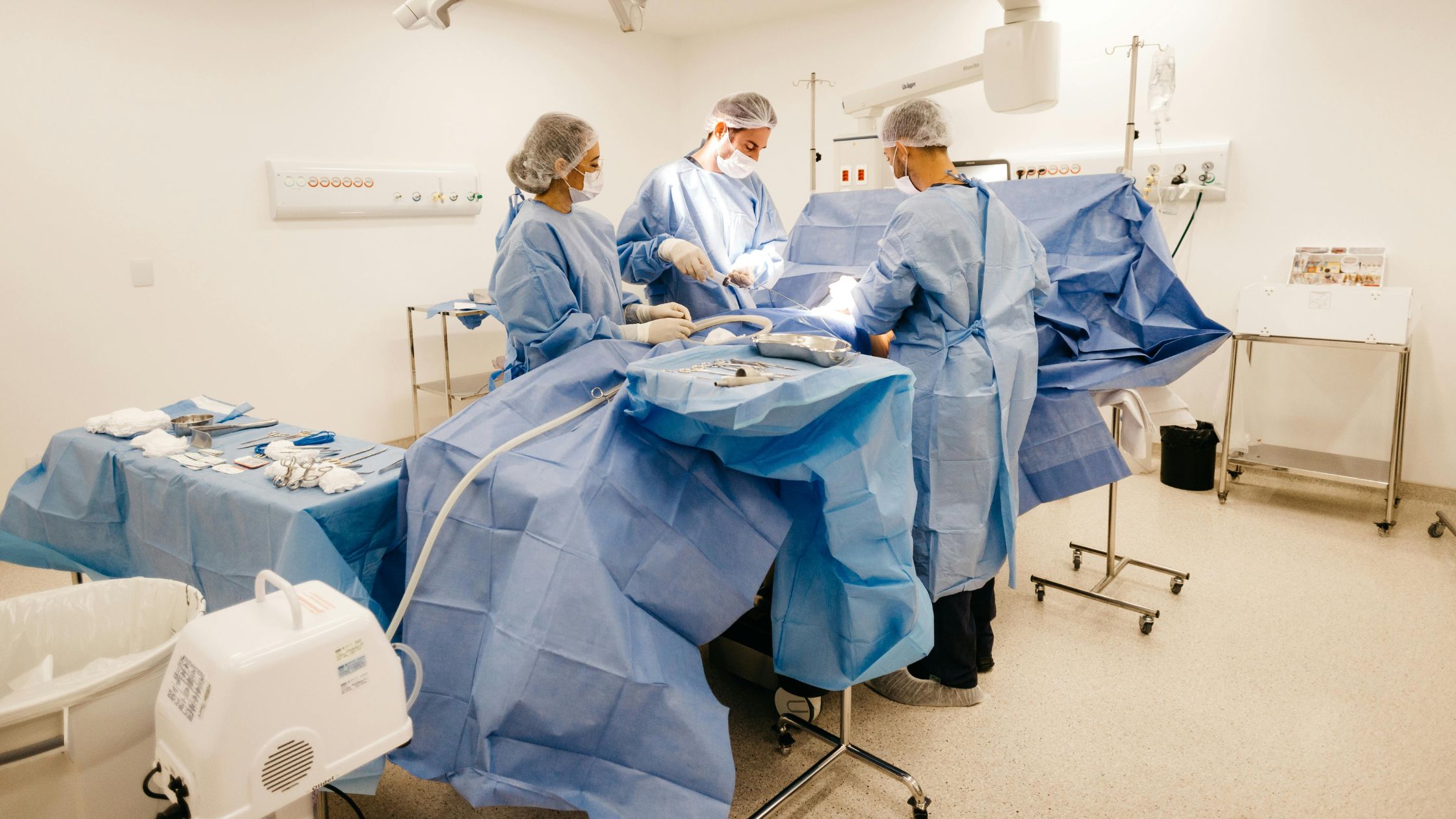
Most arthroscopic procedures are done under general or regional anesthesia and completed within an hour or two, often as a day case that does not require an overnight hospital stay. Patients typically go home the same day with the joint wrapped, some swelling expected, and clear instructions on weight-bearing and movement for the first week. The small incision sites heal quickly, usually within one to two weeks, well before the deeper structural repair inside the joint has finished remodeling.
This gap between how a patient feels on the outside and what is actually happening inside the joint is where a lot of setbacks happen. Someone whose incisions look healed and who feels little pain often assumes they are ready for full activity, when the ligament or tendon repair underneath is still weeks or months from full strength. This is exactly where a guided physiotherapy program earns its place, pacing the return to sport against the tissue’s actual healing timeline rather than how the knee or shoulder happens to feel on a given day.
Who Benefits Most
Arthroscopy tends to help most clearly when there is a specific, identifiable structural problem, a torn ligament, a displaced piece of cartilage, a rotator cuff tear in an otherwise active shoulder, that physiotherapy alone cannot resolve. It helps less predictably in cases of general joint wear where the pain source is diffuse rather than a single fixable structure. Our team, including specialists in ACL and meniscus tear treatment, walks patients through exactly which category their case falls into before recommending a surgical date.
For anyone in Dubai who has been told they may need arthroscopic surgery and still isn’t sure what that actually means for their daily life, Westminster Multispecialty Clinic at Dubai Healthcare City offers a clear, unhurried consultation to answer that question properly. Book a consultation and get a straight answer about your specific joint, rather than a general one about surgery in the abstract.