
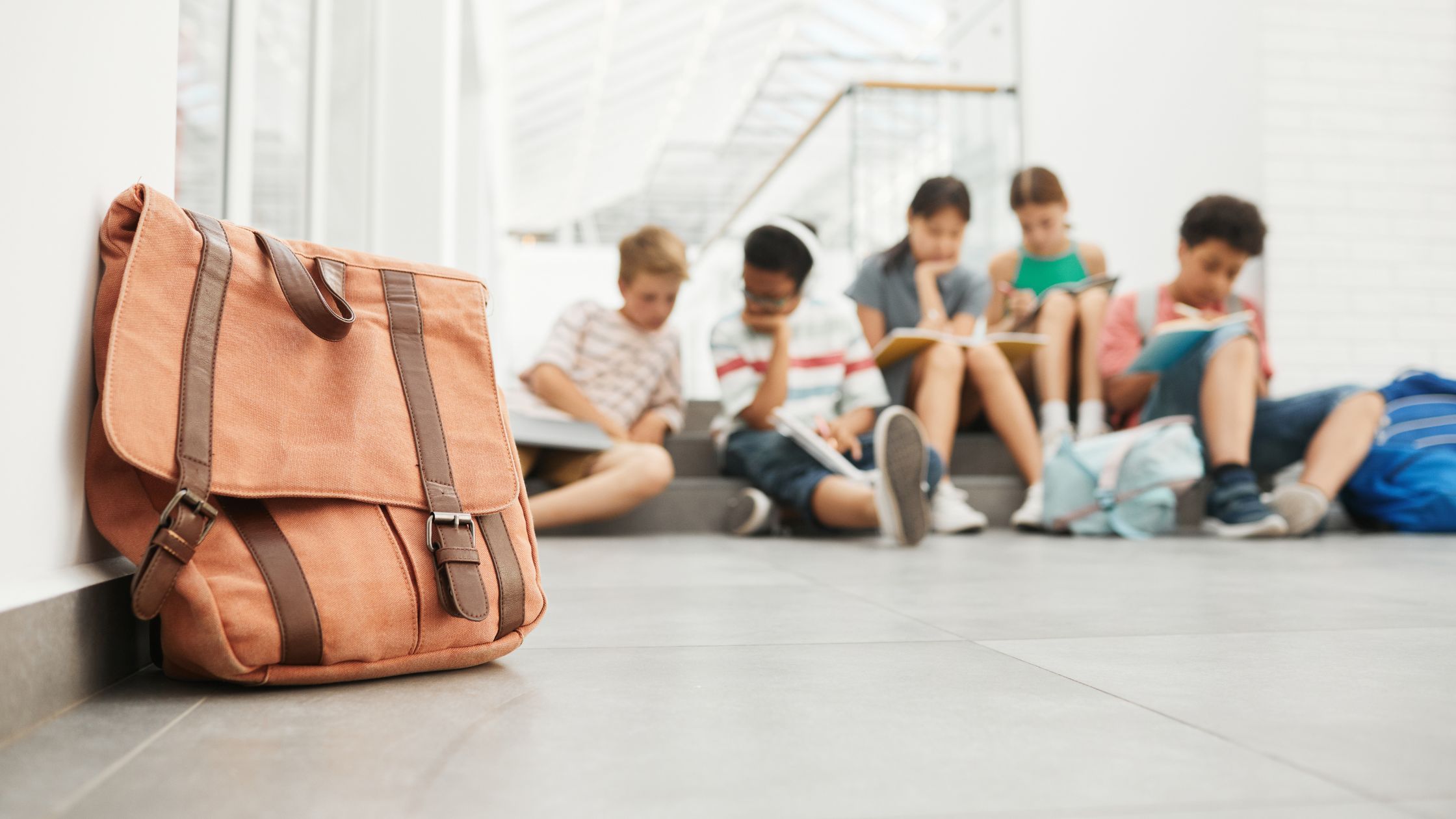
The backpack is usually not the actual problem. It gets blamed because it is the easiest thing to point at, a few kilos of textbooks slung over two small shoulders, but the posture changes physiotherapists in Dubai see in school-age children usually trace back to how a child sits, moves, and rests for the other twenty-two hours of the day, not the one hour spent commuting with a heavy bag.
That does not mean the bag is irrelevant. It means it is one factor among several, and treating it as the only factor leads parents to fix the wrong thing.
Where the load actually adds up
A typical school day in Dubai involves several hours sitting at a desk, often followed by homework at a dining table or a bed, then screen time in the evening. Add a car ride to and from school, and a child’s spine spends most of its day either seated or slightly flexed forward.
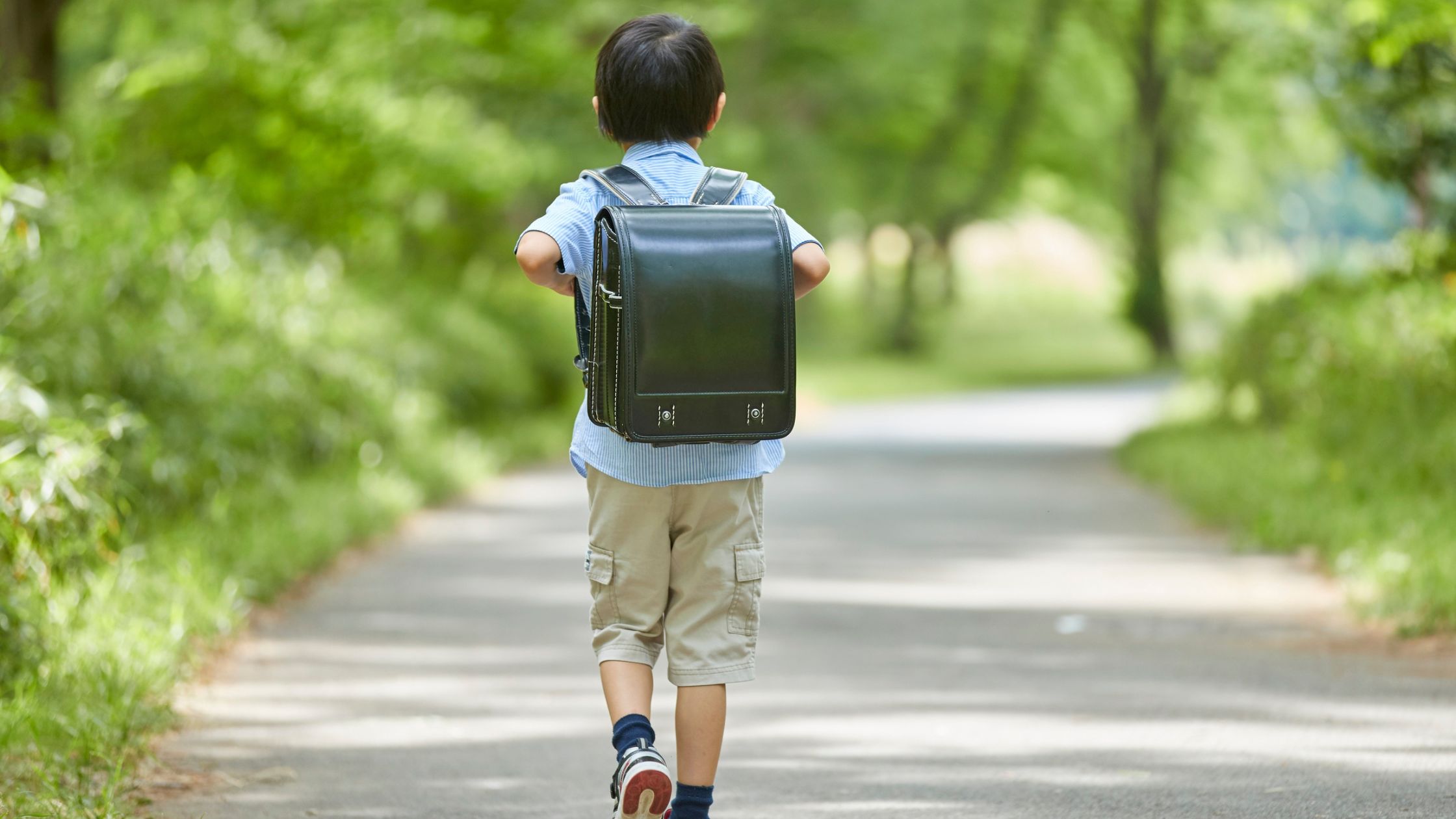
General musculoskeletal physiotherapy assessments of children with posture complaints usually find tight hip flexors and weak postural muscles in the upper back long before the backpack becomes a factor in the conversation. The bag adds a final, visible layer on top of a pattern that was already building.
The other weight children carry
Many schools across Dubai now issue a laptop or tablet alongside physical textbooks, which means the backpack has grown heavier over the past several years even as some subjects moved to digital formats. The device gets added to the bag, but the screen time it enables adds its own postural cost separately.
A child hunched over a tablet on the sofa after school is holding a forward head position for far longer than the walk from the car to the classroom door. That posture, repeated daily for months, does more to shape a growing spine than the backpack ever will on its own.
How much weight is actually too much
Weight still matters, and the guidance is fairly specific. Dr Sherif Mohamed Mosaad Kamel, a paediatrician at Zulekha Hospital Dubai, has recommended that younger students carry no more than 1.5 to 2.5 kilograms, roughly 10 percent of body weight, while students in grades 7 to 9 can generally manage 5 to 7 kilograms, or up to 15 percent, according to reporting in Khaleej Times.
How the bag is carried matters almost as much as how heavy it is. A bag slung over one shoulder concentrates the load unevenly and pulls the spine into a slight lateral curve every time it is worn that way, while a bag worn correctly on both shoulders and sitting close to the back distributes weight far more evenly across the shoulders and hips.
Signs worth paying attention to
Most posture changes in children develop slowly enough that parents only notice once a pattern is already established. A few signs are worth checking for directly rather than waiting for a complaint.
- One shoulder sitting visibly higher than the other when the child is standing relaxed
- A forward head position that becomes more pronounced by the end of the school day
- Complaints of a headache or neck ache after homework rather than after physical activity
- A tendency to lean forward or arch the lower back while carrying the bag
- Red marks or grooves left on the shoulders after the bag is removed
None of these on their own is alarming. Several appearing together, or persisting for weeks, is worth a proper look.
Teachers sometimes notice these patterns before parents do, simply because they see the child seated for long stretches throughout the school day. It is worth asking at a parent-teacher meeting whether anything has been noticed, particularly for children who are naturally quiet about physical discomfort.
What is happening to a developing spine
A child’s spine is still forming, and the growth plates at the edges of the vertebrae are more responsive to sustained loading than an adult’s fully developed spine. Repeated postural stress during these growing years does not always cause pain immediately. It can instead shape how the spine settles into its adult curvature.
This is different from how posture problems develop in adults, where the structures are already fully formed and tend to compensate rather than adapt. In a child, the same forward-leaning posture held for years can influence the position of the shoulder blades, the curve of the upper back, and the resting length of the muscles running along the spine.
None of this is permanent, and children generally respond to correction far faster than adults do. A growing body that is still forming its habits is also a body that adapts quickly once the load and the posture behind it actually change.
What parents can do this term
A few changes make a real difference without requiring a full intervention.
- Weigh the packed bag once a month and compare it against the child’s body weight rather than guessing
- Insist on both shoulder straps, adjusted so the bag sits close to the back rather than hanging low
- Set up a proper desk and chair at home sized for the child, rather than a dining chair used for homework
- Build in short movement breaks during long homework or screen sessions
- Encourage at least an hour of physical activity daily, which does more for posture over time than any single ergonomic fix
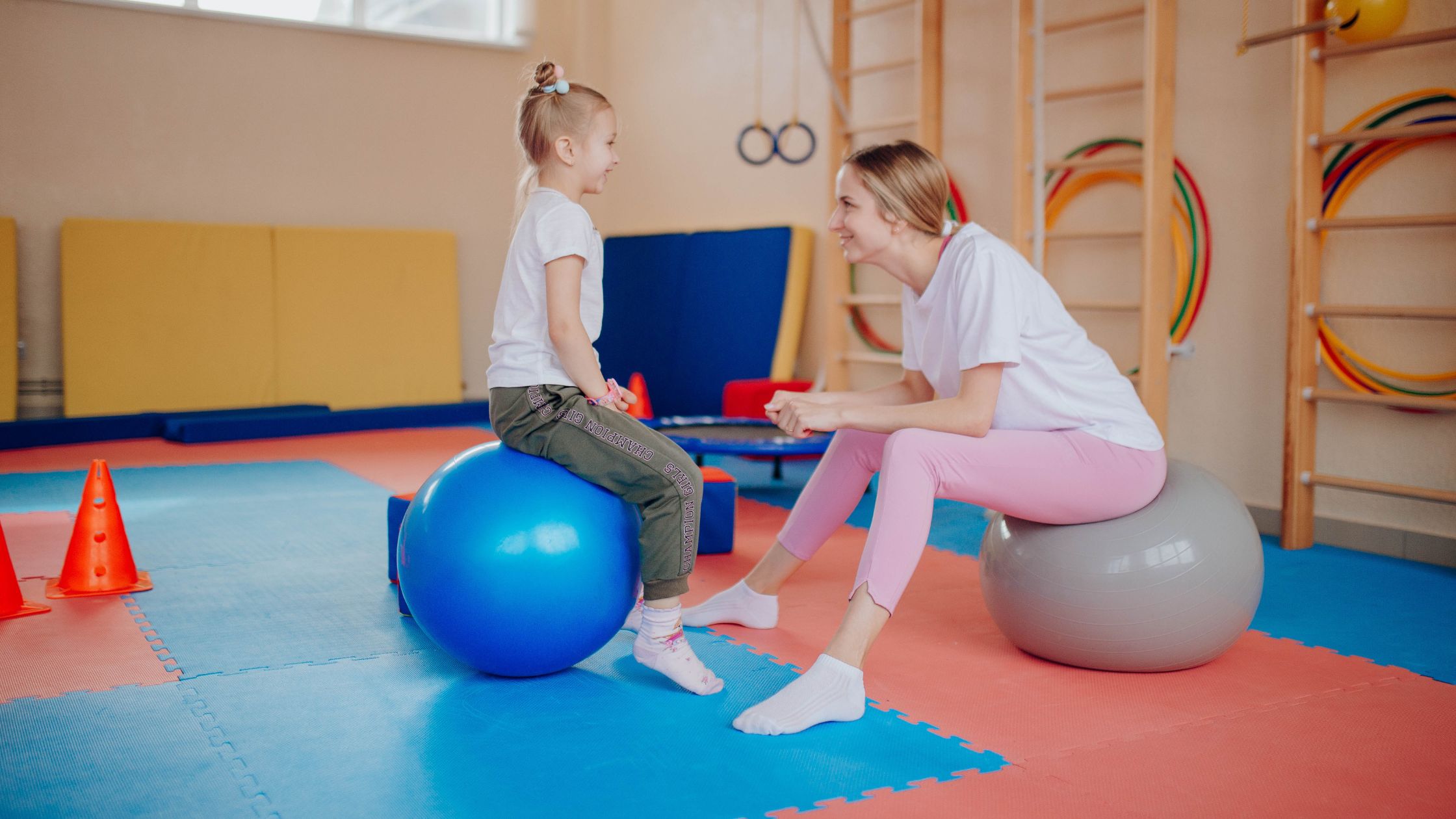
If shoulder unevenness, recurring headaches, or posture changes persist despite these adjustments, a physiotherapy assessment can identify exactly which muscles are tight, which are weak, and what a child-specific correction plan should target. Manual therapy techniques adapted for children can ease the tightness driving the visible asymmetry, paired with simple strengthening exercises a child can actually stick with.
Catching it while the spine is still forming
Posture habits formed during school years tend to carry into adulthood, which is exactly why catching an early pattern matters more than treating a stubborn one later. Our physiotherapists in Dubai Healthcare City work with children and parents together, because a correction plan a child will not follow through on at home rarely holds up past the first week.
Parents who notice any of the signs above, or simply want a baseline check before the school year gets busier, can reach our team through our contact page to arrange an assessment.