
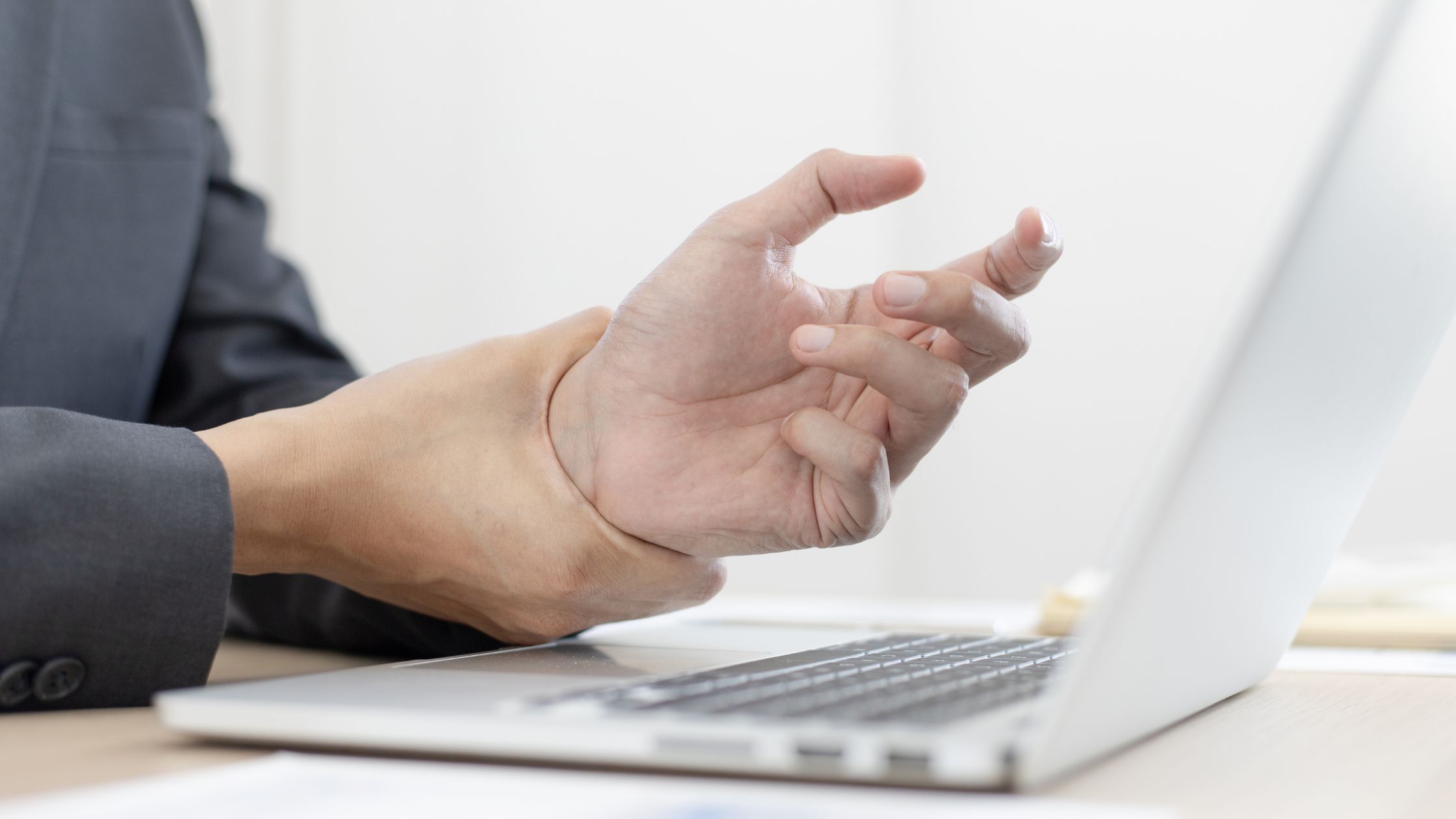
The most common new complaint walking into orthopedic clinics from patients under 35 this year has almost nothing to do with sport. It is a dull ache at the base of the thumb, a stiffness across the wrist by early afternoon, sometimes a tingling that creeps into the fingers overnight. None of these patients remember an injury. Most of them work at a desk and spend the rest of the day on a phone.
A Body Built for Grip, Not Tapping
The hand and wrist evolved for a small number of repeated motions: gripping, pulling, lifting, throwing. What they were never built for is thousands of micro-taps a day performed with the same finger, held in the same bent position, hour after hour. A 2024 study published in BMC Musculoskeletal Disorders found that more than a quarter of university students reported pain in the thumb, palm, and wrist of their dominant hand, directly linked to how long they spent holding a smartphone. These were young, otherwise healthy people with no history of hand injury.
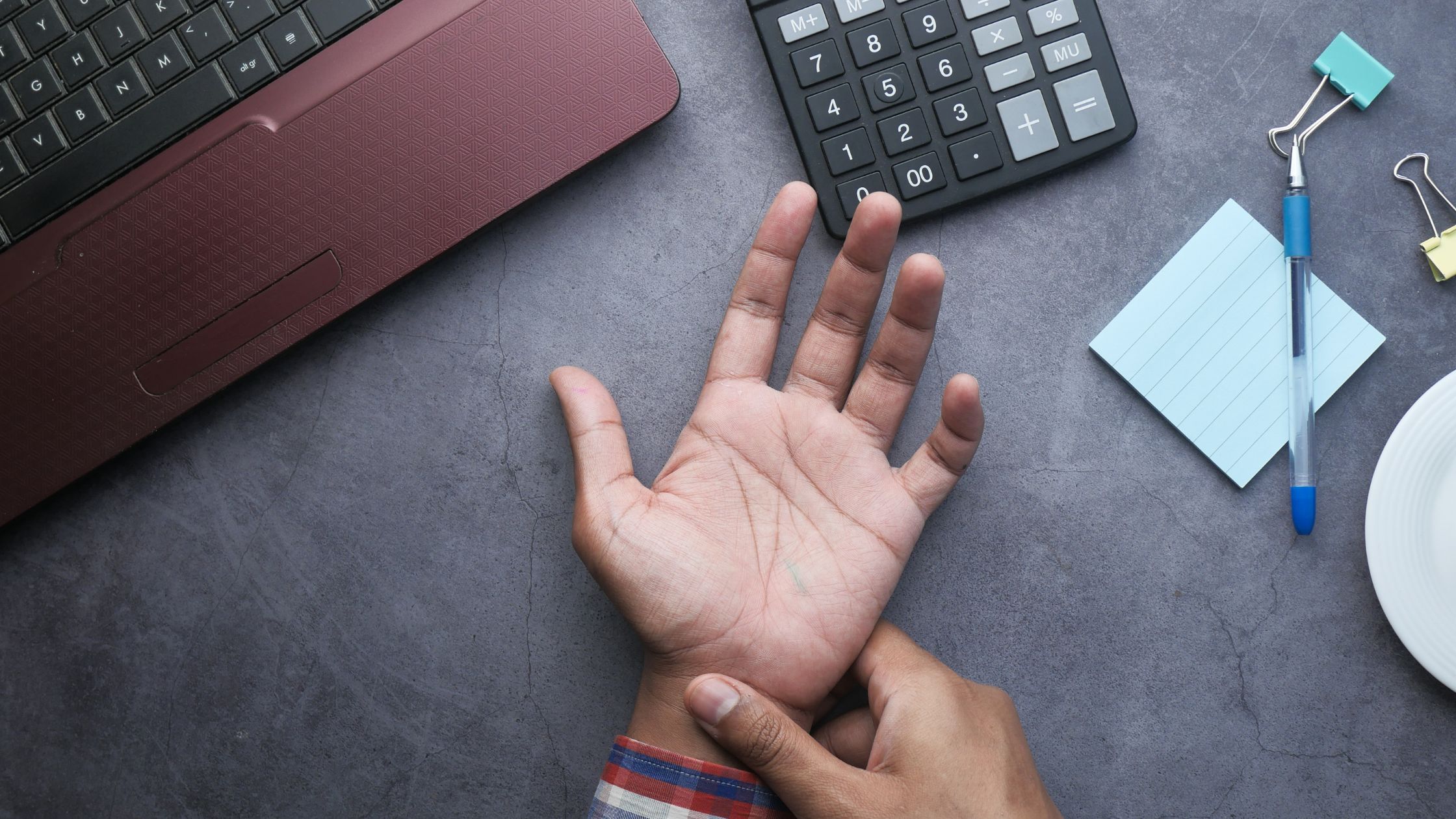
Scale that pattern up to an adult in Dubai answering emails on a phone during a commute along Sheikh Zayed Road, typing through a full workday, then scrolling before sleep, and the daily load on a handful of small tendons and one narrow nerve pathway becomes considerable.
The Two Conditions Doing Most of the Damage
Two specific problems account for the bulk of what shows up in clinic.
De Quervain’s tenosynovitis is inflammation of the tendons running along the thumb side of the wrist, the exact tendons used every time a thumb swipes, scrolls, or types on a small keyboard. It produces sharp pain right at the base of the thumb, often worse when gripping something or turning a doorknob.
Carpal tunnel syndrome involves compression of the median nerve as it passes through a narrow tunnel in the wrist. Prolonged wrist flexion, exactly the posture most people hold while texting or using a laptop on their knees, narrows that tunnel further. The result is numbness or tingling in the thumb, index, and middle fingers, frequently worse at night.
Both conditions used to be associated mainly with manual labor or repetitive factory work. That association no longer holds.
Why Office Life in Dubai Makes This Worse
Most Dubai offices run on open floor plans with laptops rather than desktops, which means fewer people use an external keyboard and mouse at proper height. A laptop screen at eye level forces the wrists into an awkward downward angle for typing, for an entire workday. Add a commute spent thumb-typing messages and a lunch break spent scrolling, and the wrist rarely gets a genuine rest period between one repetitive task and the next.
This is not a problem unique to any one industry. It shows up in marketing teams in Business Bay, in finance professionals in DIFC, and increasingly in students preparing for exams on tablets rather than paper. The common thread is hours of small, repeated hand motion with almost no variation in grip or posture.
What Early Warning Signs Actually Look Like
Most people wait far longer than they should before addressing hand and wrist pain, largely because none of the early signs feel dramatic.
- Morning stiffness that eases within an hour: Often dismissed as normal, but a repeated pattern is worth noting.
- Thumb pain when pinching or gripping: A classic early sign of De Quervain’s, frequently mistaken for a strain.
- Nighttime tingling in the thumb and first two fingers: A hallmark of early carpal tunnel compression, often ignored because it resolves after shaking out the hand.
- Reduced grip strength for routine tasks: Struggling to open a jar or twist a key that used to be effortless.
Caught at this stage, most of these conditions respond well to rest, splinting, and adjusted habits. Left alone for months, they tend to need more.
Treatment Rarely Means Surgery First
For most patients, the first line of treatment is conservative: activity modification, a wrist splint worn during sleep or repetitive tasks, and targeted exercises. Physiotherapy focused on tendon gliding and nerve mobility can resolve a meaningful share of early cases without further intervention.
When pain persists despite these steps, image-guided treatment becomes the next reasonable option. Corticosteroid or targeted injections delivered precisely to the inflamed tendon sheath or around the compressed nerve can reduce inflammation directly at the source, often avoiding the need for surgical release altogether. Surgery remains an option for the smaller number of cases where nerve compression has progressed or where conservative treatment has genuinely been exhausted, and it is addressed specifically within hand and wrist condition care rather than as a first response.
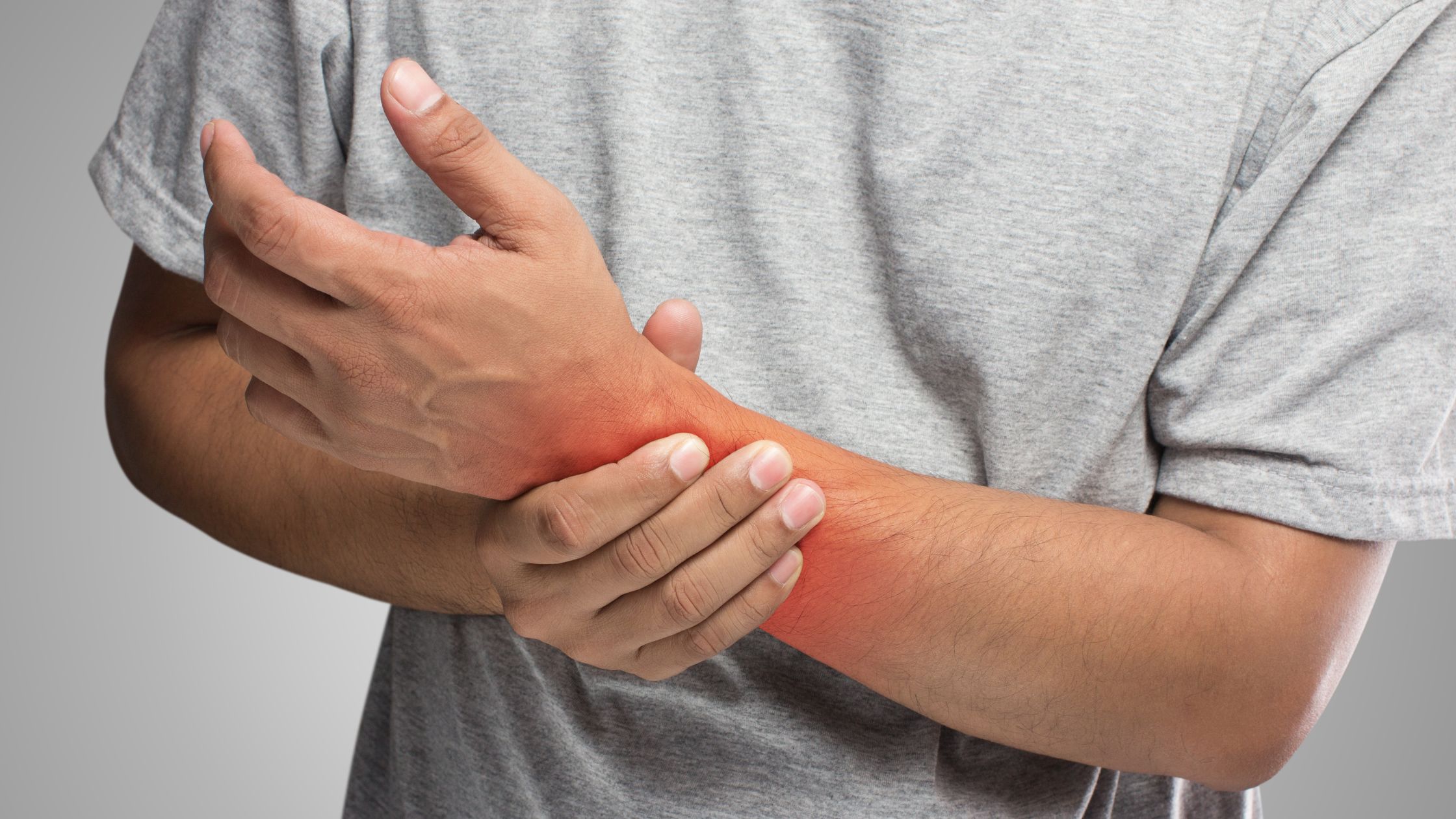
Small Changes That Actually Reduce the Load
Ergonomic fixes matter here more than in most orthopedic conditions, because the underlying cause is repeated behavior rather than a single event.
- Raise the laptop, use an external keyboard: Keeps wrists in a neutral position instead of angled downward.
- Switch scrolling hands periodically: Distributes repetitive load instead of concentrating it in one thumb.
- Take a 30-second wrist stretch break every hour: Interrupts the sustained flexion that both conditions depend on.
- Use voice-to-text for long messages: Removes the repetitive tapping motion entirely for extended typing.
None of these require special equipment, and all of them reduce cumulative strain without asking anyone to give up their phone.
Where This Is Heading
Hand and wrist complaints tied to device use are trending younger every year, and nothing about current screen habits suggests that trend reverses on its own. The patients who do best are the ones who treat early tingling or thumb pain as a signal worth acting on, rather than something to push through until it becomes constant.
Our orthopedic specialists in Dubai see this pattern often enough to have a clear, low-drama treatment pathway ready for it. If the ache at the base of the thumb or the nighttime tingling has been building for weeks, get in touch before the hand starts dictating which everyday tasks feel manageable.