
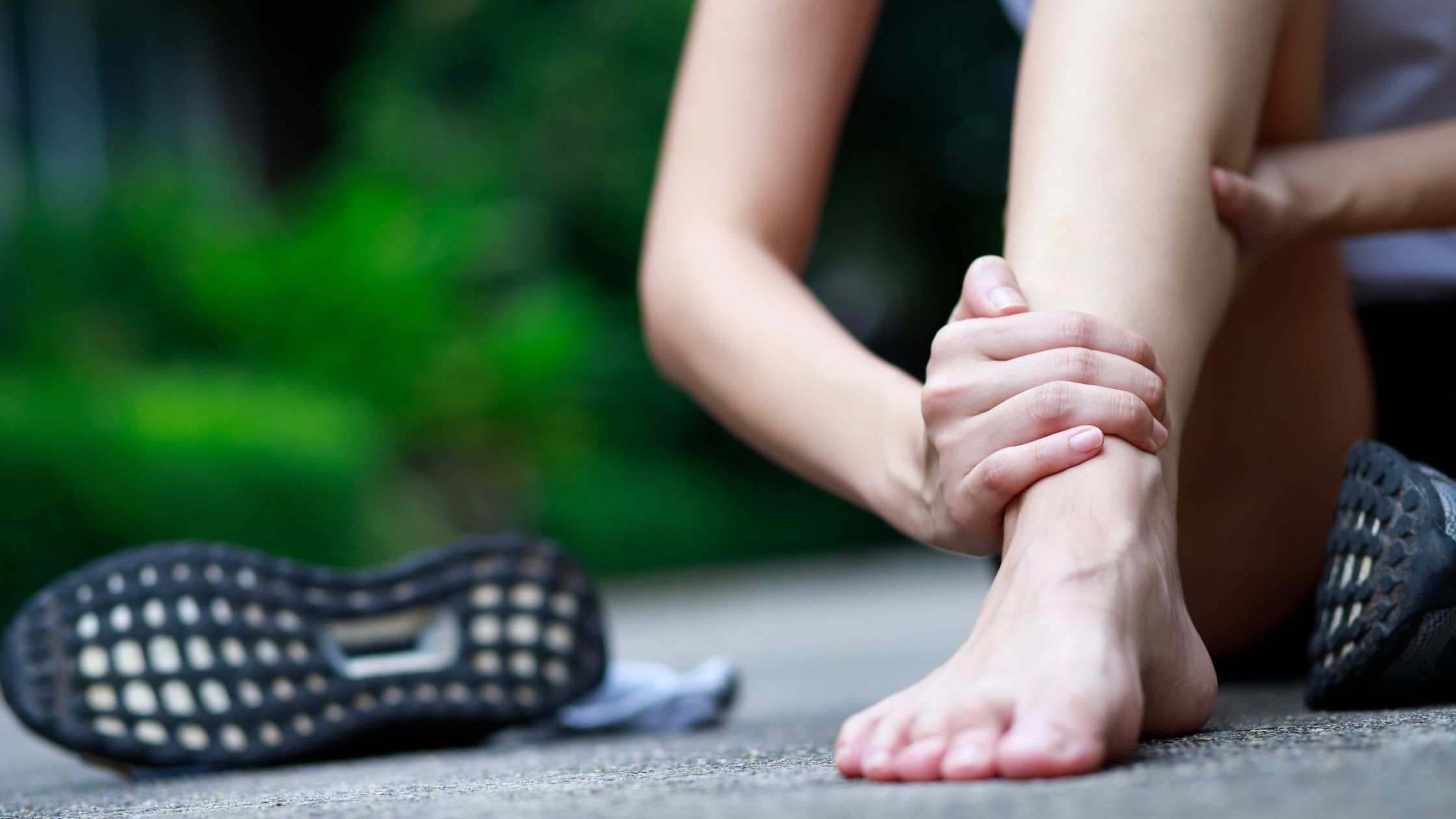
Walk through Dubai Mall on any given evening and count the mismatches: joggers in worn-out trainers heading to a treadmill session, office workers in flat leather shoes standing through eight-hour shifts, teenagers in flip-flops that offer roughly the structural support of a piece of cardboard. Almost nobody in this city is wearing shoes that match what their feet are actually being asked to do that day.
Footwear is one of the few orthopedic variables a person controls completely, and it is treated like an afterthought.
The Foot Absorbs What the Shoe Does Not
Every step sends a shock wave up through the heel, ankle, knee, and hip. A shoe’s job is to interrupt part of that wave before it reaches the joints above. When the sole is too thin, too stiff, or simply worn past its usable life, the joints do the absorbing instead. Over months, this shows up as heel pain, arch discomfort, or a knee that aches after a normal day of walking rather than after anything unusual.
Research published in the Journal of Ultrasound estimates that roughly one in ten people will experience plantar fasciitis, inflammation of the thick band of tissue running along the bottom of the foot, at some point in their life. Footwear choice is one of the few modifiable factors behind it. Hard-soled shoes, flat sandals, and shoes with no arch support all appear repeatedly in the research as contributing causes, not incidental details.
Dubai’s Specific Footwear Problem
The city creates a footwear mismatch that few other places do. Marble and polished tile floors, common in malls, office lobbies, and many residential buildings, are unforgiving surfaces that offer none of the give that grass or packed earth provides. Add extended hours of walking or standing on this kind of flooring, and the cumulative load on the feet climbs quickly, regardless of how fit or active a person otherwise is.
Then there is the seasonal switch. Cooler months bring residents out to Al Qudra for cycling and to the creek and marina walkways for evening runs, often in shoes bought months or years earlier that have long since lost their cushioning. The foam midsole in a running shoe compresses permanently after roughly 500 to 800 kilometers of use, whether or not the outside of the shoe still looks fine.
What to Actually Look For, By Situation
Not every pair of shoes needs to solve every problem. What matters is matching the shoe to what it will be doing.
- Walking or standing shifts: Look for a firm heel counter and moderate arch support. Cushioning alone is not enough if the shoe twists easily in the middle.
- Running or high-impact sport: Replace shoes at the distance threshold, not by appearance. A shoe that looks new can already have lost most of its shock absorption.
- Office or all-day wear: Avoid completely flat soles and anything with zero drop between heel and toe unless the foot has been specifically conditioned for it. Sudden changes in heel height stress the Achilles tendon and calf.
- Padel, tennis, and court sports: Court-specific shoes with lateral support matter more here than in most sports, since these games demand constant side-to-side cutting that running shoes are not built to stabilize.
- Sandals and flip-flops: Fine for short distances around the house or pool. Not appropriate for a full day of errands, and genuinely risky for anyone with existing foot pain.
A shoe that fits the activity does more preventive work than almost any stretch or exercise routine layered on top of the wrong shoe.
The Age Groups That Get Overlooked
Two groups consistently show up in the clinic with footwear-related problems that were entirely preventable.
Children’s feet are still developing well into the teenage years, and school shoes bought for durability rather than fit can quietly shape how a child’s arch forms. Parents who size shoes with room to grow, a reasonable instinct for the family budget, sometimes leave a full size of extra space, which lets the foot slide and changes how a child walks without anyone noticing until a limp or complaint of pain shows up.
Older adults face the opposite problem. Foot shape changes with age, arches flatten, and shoes that fit comfortably for decades stop fitting correctly without the person ever buying a new pair. This is also the group most affected by balance and fall risk, and unsupportive or loose-fitting shoes are a documented contributor to falls, which makes footwear a genuine part of osteoporosis and fall prevention strategy rather than a cosmetic concern.
When the Shoe Was Never the Real Problem
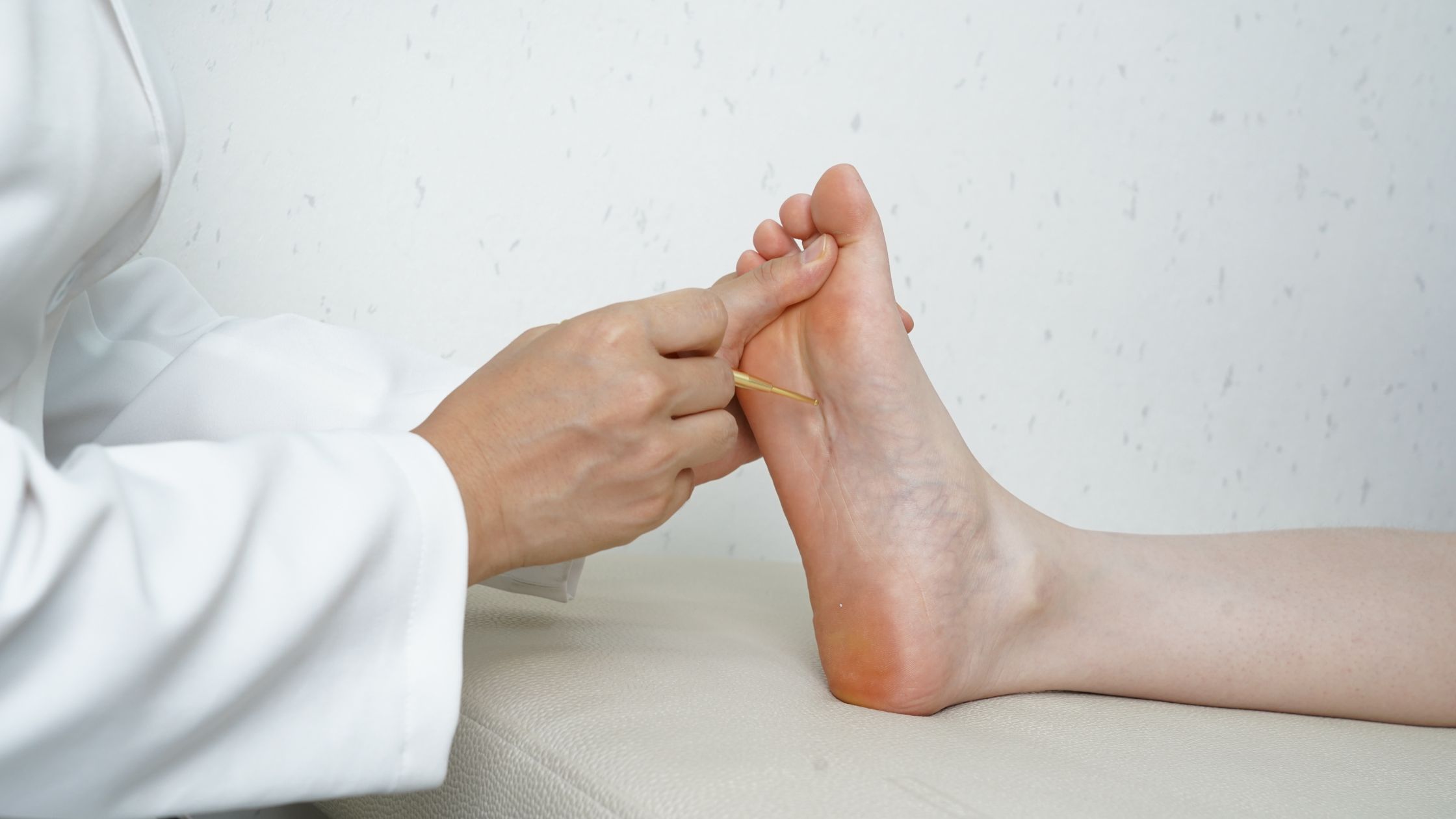
Sometimes the right shoe does not resolve the pain, and that is a useful diagnostic clue rather than a failure. Persistent heel pain that does not improve with better footwear and basic stretching may point toward a condition that needs direct treatment rather than better cushioning. Ongoing ankle instability after old sprains often falls into this category too, where no shoe can substitute for the ligament support the joint has lost, and proper ankle sprain and instability treatment becomes the more useful next step. Structural foot problems, from bunions to flat feet that have progressed over years, sometimes require the kind of direct evaluation covered under foot and ankle surgery rather than another shoe swap.
A Simple Test Worth Running Today
Take the shoes worn most often this week and press a thumb firmly into the heel cushion. If it barely dents, or if it dents and stays dented, the shock absorption that shoe was built with is largely gone. That single check tells most people more about their footwear than a store display ever will.
Our orthopedic specialists in Dubai at Westminster Multispecialty Clinic in Dubai Healthcare City see the downstream effects of footwear decisions every week, in knees, hips, and backs as often as in feet. If heel, arch, or joint pain has been building gradually and a shoe swap has not resolved it, schedule a visit and let someone look at the actual mechanics, not just the shoe box.