
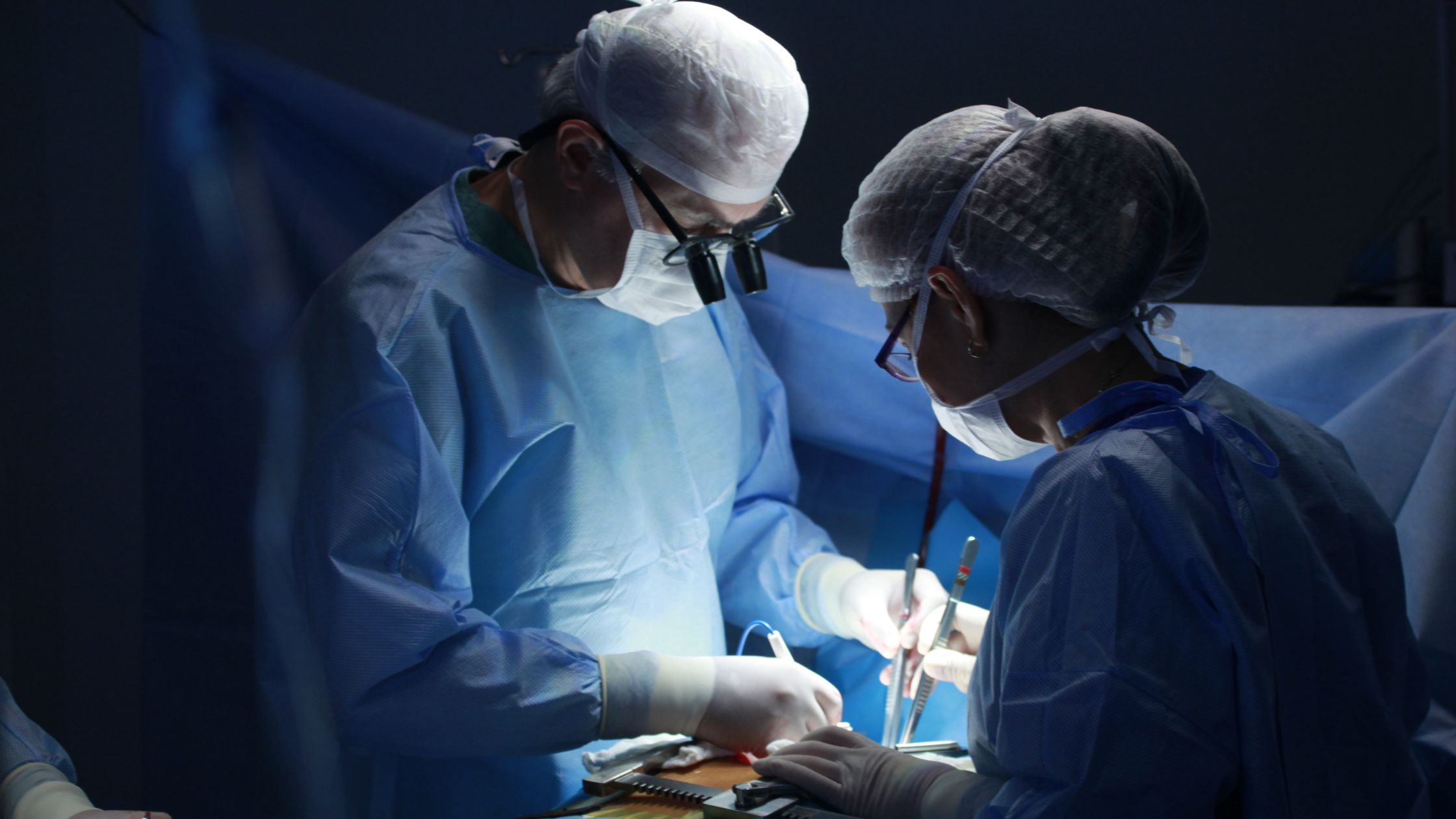
A knee replacement patient in her sixties calls the clinic on day nine, worried that the ache has gotten worse instead of better. A young padel player three weeks past ACL reconstruction feels a sharp twinge on the inside of his knee and wonders if something has torn again. Both are asking the same question in different words: is this part of healing, or is something wrong?
The honest answer is that pain after orthopedic surgery follows a rough shape, and most of it fits inside that shape. Understanding where the edges are matters more than memorizing a symptom list.
The First 72 Hours Are Supposed to Hurt
Tissue has been cut, repositioned, or replaced. The body responds with inflammation, swelling, and pain that peaks in the first two to three days and is usually managed with a combination of medication, ice, and elevation.
- Sharp pain at the incision site: Expected in the first few days as nerves and tissue register the surgical trauma.
- Swelling that worsens before it improves: Fluid buildup typically peaks around day two or three, not immediately after surgery.
- Stiffness on waking: Joints that have been immobile overnight often feel tighter for the first hour of movement.
None of this points to a complication on its own.
Where Normal Pain Ends
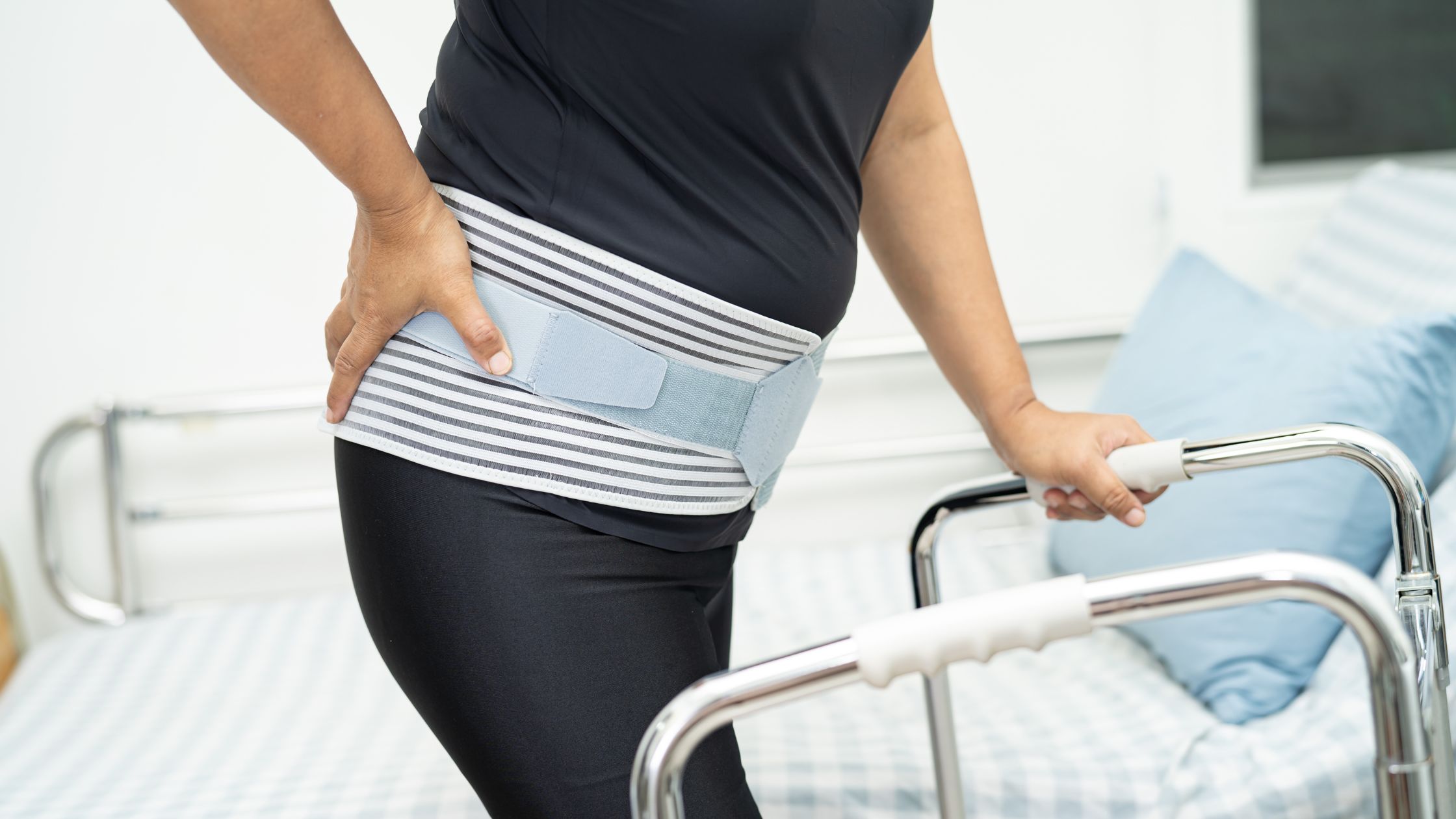
Pain that plateaus and then declines week over week is doing what it should. A study published in the Journal of Anesthesia followed 297 patients aged 55 and older after hip, knee, and spinal orthopedic surgery and found that 34.6 percent still reported persistent pain a full year later, with lower pre-surgical pain tolerance and higher inflammation markers as the strongest predictors. That figure is worth sitting with. Persistent pain after orthopedic surgery is common enough that patients should not feel alarmed by a slow recovery, but common does not mean invisible, and a full year of unresolved pain is not the same as pain that lingers for a normal healing window.
The distinction most surgeons use is trajectory, not intensity. Pain that is worse on day fourteen than it was on day seven has broken the expected pattern, regardless of how mild it feels.
Signs Worth a Same-Day Call
Some symptoms move a patient from watchful recovery into the category that needs a same-day assessment.
- Fever above 38 degrees Celsius: A possible sign of infection, particularly when paired with redness spreading from the incision.
- Pain that wakes the patient from sleep: Post-surgical discomfort usually responds to positioning; pain that overrides rest does not follow that pattern.
- A joint that feels hot, tight, and increasingly swollen after the first week: Suggests fluid buildup or infection rather than ordinary inflammation.
- Numbness or a cold, pale limb below the surgical site: Can indicate a circulation or nerve issue that needs urgent evaluation.
- A new, distinct pop or giving-way sensation: Different from soreness. This is the kind of symptom that follows a fresh injury, not a healing one.
Any one of these is reason enough to contact the surgical team rather than waiting for the next scheduled follow-up.
Why the Line Gets Blurry in Dubai’s Recovery Culture
Patients in Dubai often return to activity faster than their bodies are ready for, partly because the city rewards momentum. Someone recovering from a shoulder repair might be back at a desk in Business Bay within a week, answering calls with one arm still in a sling, pushing through discomfort because deadlines do not pause for surgery. Someone recovering from knee arthroscopy might attempt a light walk along Jumeirah Beach Road two weeks early because the weather is finally good enough to be outside. Neither instinct is unreasonable. Both can quietly extend a recovery timeline or convert manageable pain into something that needs correcting.
The clinic sees this pattern often enough at Dubai Healthcare City that surgeons now build activity checkpoints directly into aftercare instructions, rather than leaving return-to-activity decisions to how a patient feels on a given morning.
What Actually Speeds Up the Right Kind of Healing
Rehabilitation timing matters as much as the surgery itself. Patients who start structured physiotherapy on the schedule their surgeon sets, rather than a self-directed pace, tend to report lower persistent pain scores at the six-month mark. This is not about pushing through discomfort. It is about controlled, supervised loading that tells damaged tissue how to rebuild correctly instead of guessing.
For patients recovering from ligament work, especially after ACL or meniscus repair, the temptation to test the knee early is strong, particularly for anyone eager to get back onto a five-a-side pitch or a padel court. Testing early is exactly how a slow, unremarkable recovery turns into a second surgery.
When the Pain Does Not Match the Timeline
Occasionally a patient reaches week six or eight and the pain simply has not moved. It is not worsening dramatically, but it is not fading either. This is where a second look matters more than reassurance. Scar tissue can restrict motion. Hardware can shift slightly. A nerve can become irritated during healing in a way that was never visible on the original imaging. Patients in this position sometimes benefit from an orthopedic second opinion, not because the original surgery was done incorrectly, but because a stalled recovery deserves fresh eyes rather than another round of the same advice.

For anyone recovering from a fracture repair specifically, delayed healing carries its own separate set of warning signs, and that recovery path is worth reading in more detail through the clinic’s fracture and trauma guidance.
Trust the Trajectory, Not the Day
Recovery is not a straight line, and a single bad day two weeks out does not mean the surgery failed. What matters is the direction pain moves over time and whether new symptoms appear that were not part of the original picture. Patients who track this, rather than measuring every twinge against yesterday’s twinge, tend to make calmer, more accurate decisions about when to call for help.
Our orthopedic specialists in Dubai review post-surgical patients on a schedule built around exactly this kind of pattern recognition, catching the recoveries that have quietly drifted off course before they become harder to correct. If a recovery feels off, whether three days in or three months in, get in touch and describe what has changed. That single conversation is often what separates a normal healing curve from a problem left too long.