

Ask someone to describe a bad hip and they describe an older relative, a walking stick, a slow push up out of a chair. The picture is so fixed that a 32-year-old with a deep ache in the groin explains it away as a gym thing, a sleeping thing, a getting-older thing, and carries on training.
The assumptions that keep younger adults from getting a hip examined are worth taking one at a time, because each has a weak spot.
The Over-Sixty Assumption
Arthritis does dominate hip trouble later in life, and that is where the reputation comes from. But the hip is a ball in a socket, and the fit between the two can be slightly off from the teenage years onward. When the ball or the rim of the socket carries an extra ridge of bone, the two meet before the leg has finished its normal range of motion. That is femoroacetabular impingement, a recognized cause of hip pain in young adults, seen most in people who are active.
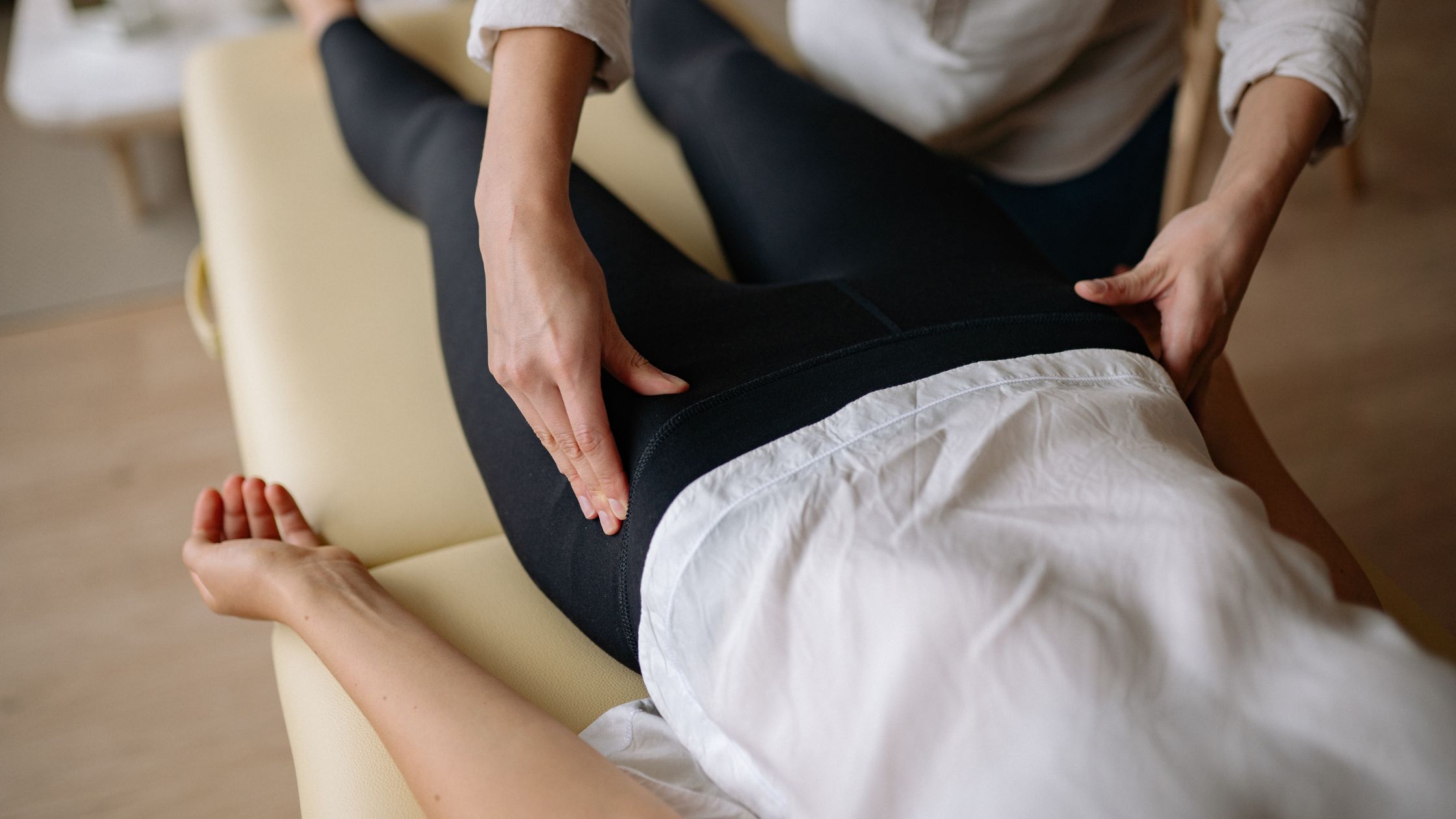
Repeat the collision enough times and the cartilage rim of the socket, called the labrum, starts to fray, along with the surface cartilage next to it. Beside impingement sit labral tears from injury and hip dysplasia, where the socket is shallower than it should be. None of them waits for a milestone birthday.
Dubai hands people plenty of ways to load a hip. Padel ends every lunge in a deep rotation. The running clubs on Jumeirah Beach Road start early to beat the heat and log their miles on hard pavement.
No Fall, No Injury, No Explanation
The second assumption says real problems have a moment: a slip, a tackle, a bad landing. Impingement usually offers none. The pain builds slowly, most often in the groin, and it arrives with ordinary activity instead of dramatic activity.
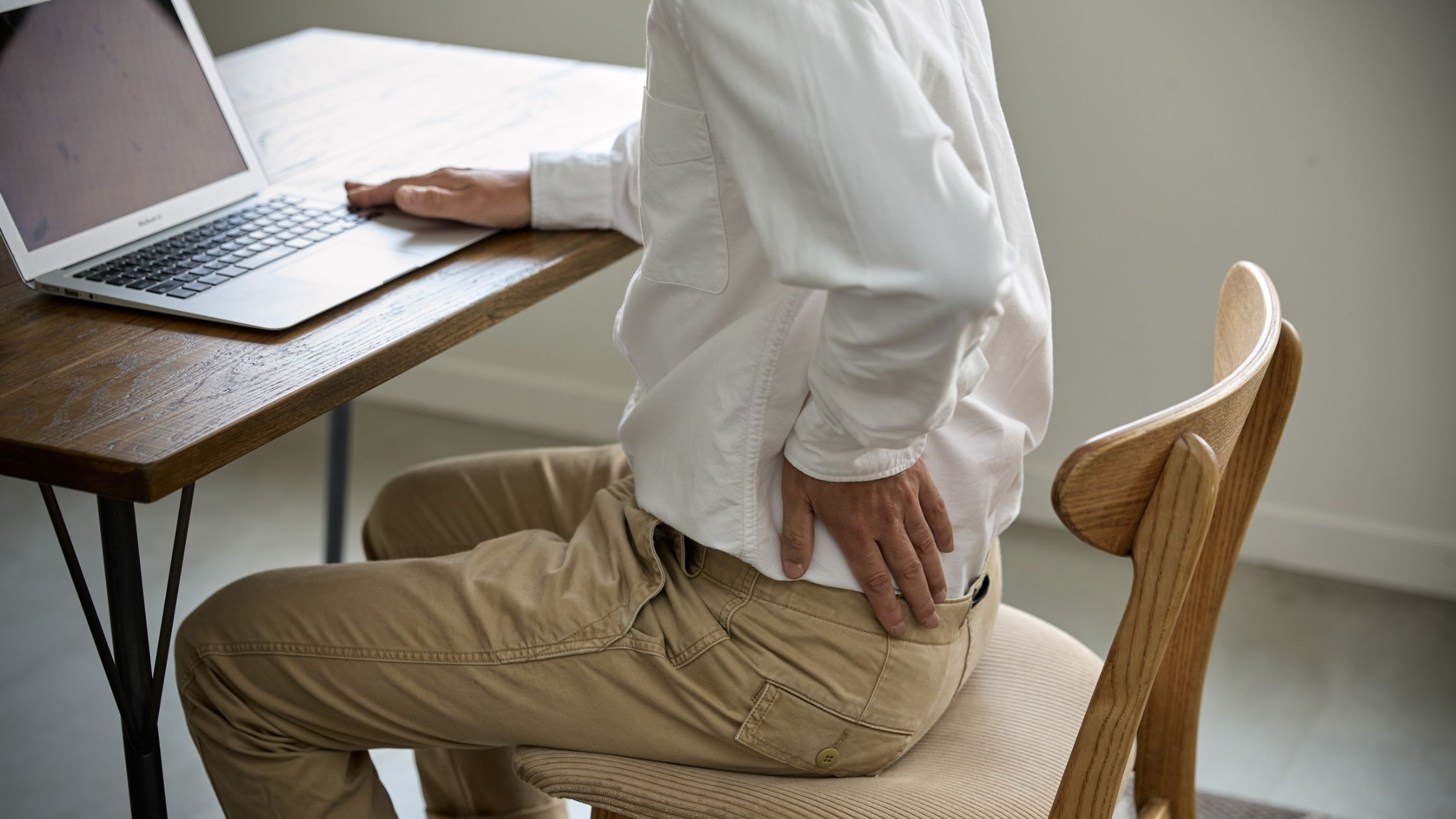
Patients describe it in small, specific ways. A deep ache after an hour at the wheel on Sheikh Zayed Road. A catch when swinging a leg out of the car. Pain pulling a knee toward the chest, or bending to tie a shoe. Clicking that was not there last year. Asked to point to the spot, many people cup a hand around the side of the hip, thumb behind and fingers toward the groin. A full day at a desk in Business Bay can bring the ache back by evening, because a hip held bent for hours sits right at the edge of where the collision happens.
Hip pain is also not always the hip. Pain on the outer side often comes from tendons, and the lower back can send pain into the buttock and groin. Locating the true source is half the work of a proper assessment.
Why Rest Quiets Hip Pain Without Fixing It
The third assumption is that rest will settle it. Rest settles the symptoms. A hip taken out of padel for two weeks hurts less because the load is gone, but the shape of the joint has not changed, and the first hard session back finds the same collision. In a city where indoor courts and gyms run all summer, the rest rarely lasts past the first free evening.
Treatment usually starts without surgery: supervised rehabilitation that strengthens the muscles around the joint and changes how it is loaded, adjustments to training, pain relief, and in some cases an image-guided injection that calms the joint and helps confirm the pain really comes from inside it. A structured program gets a fair trial, measured in weeks to months rather than days.
When that is not enough, hip arthroscopy through small incisions can reshape the bone and repair the labrum. The evidence favors it most in people who have not yet developed arthritis in the joint, which is one more reason early assessment matters.
Where Hip Replacement Actually Fits
The fourth assumption jumps to the end of the story: a bad hip means a new hip. Hip replacement is a procedure for joints whose cartilage has largely worn away, and it sits at the late end of the road. A 30-year-old with early impingement is at the other end, where the aim is to protect the joint already there for as long as possible. Replacement does come up for younger adults in advanced cases, but treating it as the default destination gets the sequence backward.
A Scan Can Look Worse Than the Hip Feels
The last assumption runs in the opposite direction. Someone gets an X-ray, reads the word impingement or sees a ridge of bone described in the report, and decides surgery is coming. A systematic review in Arthroscopy pooled 26 studies covering 2,114 hips in people with no symptoms, average age about 25, and found cam-shaped deformities in 37 percent of them, rising to 54.8 percent among athletes.
A ridge on a scan describes shape. Whether that shape explains the pain is a separate question, and only an examination answers it: where the pain sits, which movements reproduce it, and whether the images agree. The reverse also happens. A clean-looking X-ray can sit alongside a labral tear that only an MRI shows. When a report and a hip tell different stories, an orthopedic second opinion is a reasonable next step, and a good one starts with the person, not the picture.
Before any appointment, write down where the pain sits, what sets it off, and how long it has been around. Those notes shorten a first visit more than people expect.
Our orthopedic specialists examine hips at Westminster Multispecialty Clinic in Dubai Healthcare City, and a first visit starts from exactly those notes. A hip that has ached for months does not need a milestone birthday to be worth asking about, so send a message and bring them along.