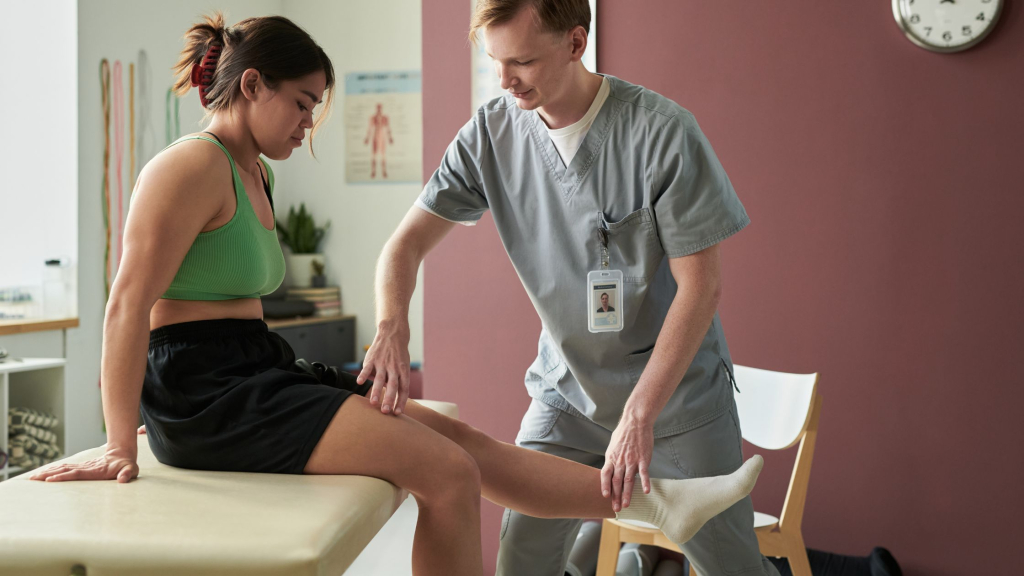
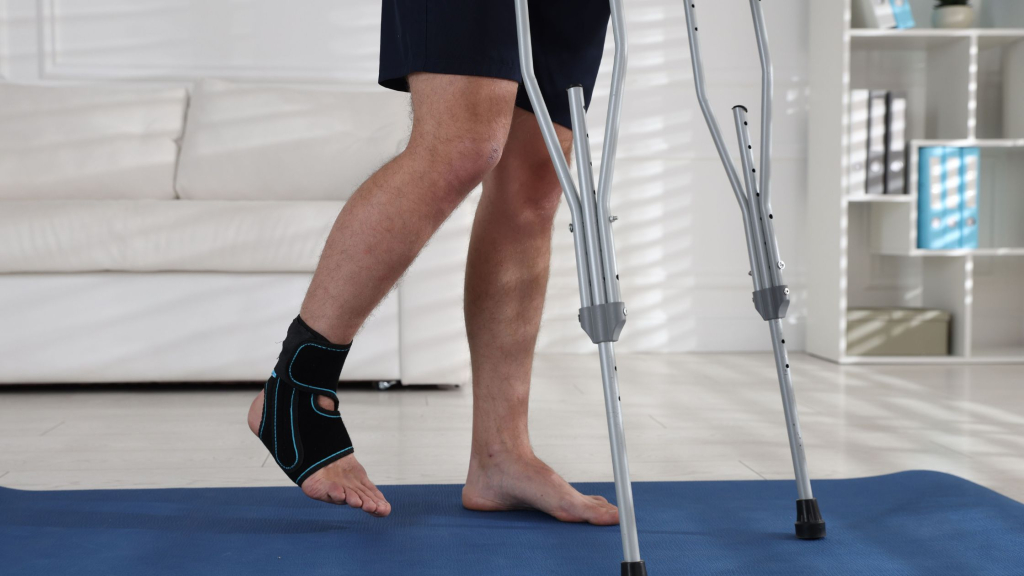
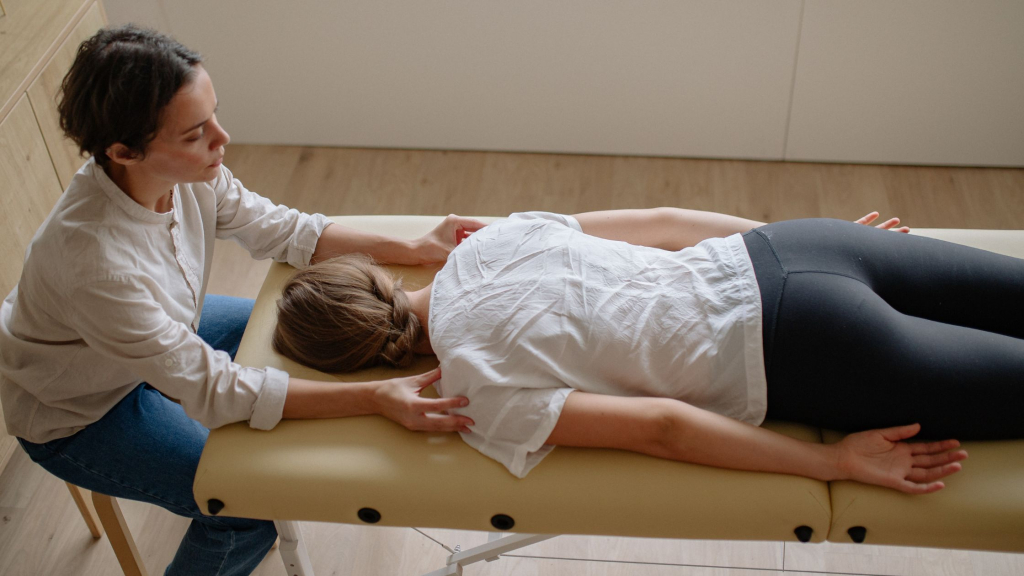
Ramadan is a meaningful time for reflection, spiritual growth, and community across Dubai and the UAE. However, fasting also changes daily routines, including eating patterns, sleep schedules, and energy levels. For individuals who normally exercise or maintain an active lifestyle, these changes can raise an important question: how can you stay active safely while fasting?
Exercise during Ramadan can still be beneficial for maintaining mobility,...
Ramadan is a special time of reflection, discipline, and spiritual focus for many residents across Dubai and the UAE. While fasting brings numerous personal and spiritual benefits, changes in daily routines can sometimes affect the body in unexpected ways. Altered sleep schedules, reduced hydration, and long hours of sitting during work or prayer can place additional strain on muscles and joints.
For many people, these lifestyle adjustments during...
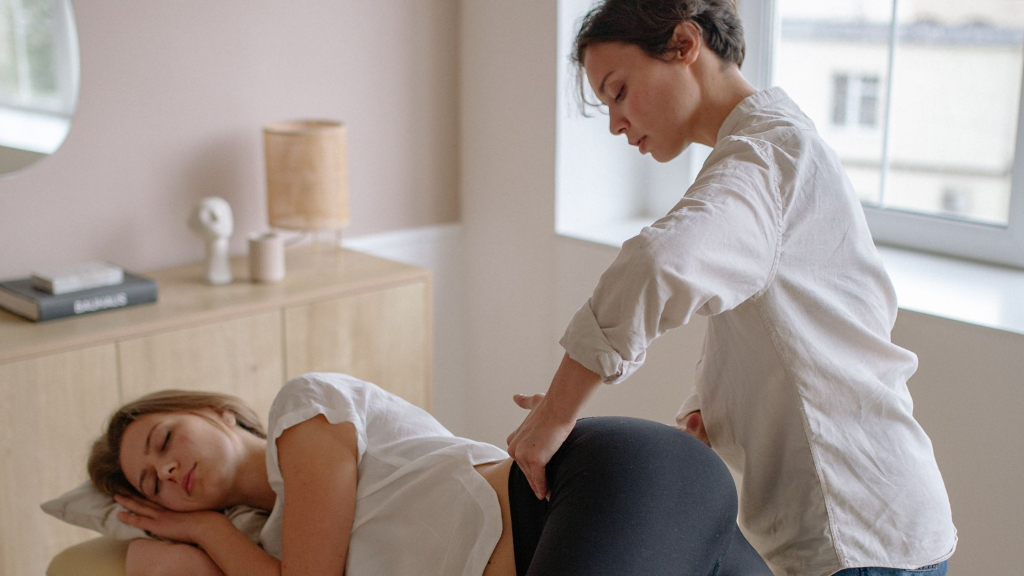
At Westminster Multi Specialty Clinic in Dubai Healthcare City, our Physiotherapy Department provides focused rehabilitation for individuals experiencing acute or persistent back pain. Back pain is one of the most common musculoskeletal conditions and can arise from poor posture, muscle imbalance, disc-related issues, or prolonged inactivity.
Our physiotherapy-led approach aims to relieve pain, restore spinal mobility, and rebuild strength through structured, evidence-based rehabilitation. Learn more about our full Physiotherapy Services.
Understanding Back Pain
Back pain may develop suddenly after strain or injury, or gradually due to lifestyle factors such as prolonged sitting, repetitive movements, or poor ergonomics. In some cases, pain may be localized, while in others it can radiate into the hips or legs.
If not addressed appropriately, back pain can lead to stiffness, reduced movement confidence, and recurring flare-ups. Physiotherapy focuses on identifying contributing factors and restoring healthy movement patterns to support long-term recovery.
When to Seek Physiotherapy for Back Pain
You may benefit from back pain physiotherapy if you experience:
Pain lasting more than a few days or recurring frequently
Stiffness that limits bending, standing, or walking
Pain worsened by sitting, lifting, or prolonged activity
Reduced flexibility or strength in the lower back
Difficulty performing work or daily tasks comfortably
Fear of movement due to pain or previous injury
Early physiotherapy intervention can reduce recovery time and prevent chronic issues.
How Back Pain Is Managed Through Physiotherapy
Our physiotherapists use a targeted, individualized approach to address back pain safely and effectively:
Detailed spinal and movement assessment to identify mobility restrictions and muscle imbalances
Therapeutic exercise programs to improve core strength and spinal stability
Manual therapy techniques to reduce stiffness and improve joint and soft tissue mobility
Postural and ergonomic guidance to reduce strain during daily activities and work
Movement re-education to restore efficient and pain-free movement patterns
Progressive activity planning to support return to normal routines and exercise
Treatment plans are adapted based on pain levels, functional goals, and lifestyle demands.
Why Choose Westminster for Back Pain Physiotherapy?
Physiotherapists licensed by the Dubai Health Authority (DHA) with experience in spinal rehabilitation
One-on-one sessions focused on functional recovery and movement confidence
Evidence-based physiotherapy tailored to individual back pain presentations
Integrated care with orthopedic and medical specialists when required
Convenient location in Dubai Healthcare City, supporting continuity of care and follow-up
Move Better, Live Without Limitation
Back pain can affect every aspect of daily life, but effective rehabilitation can restore comfort and mobility. At Westminster Multi Specialty Clinic, our physiotherapy team helps patients recover safely, reduce recurrence, and regain confidence in movement. Contact us to book your back pain physiotherapy consultation.
FAQ's
Can physiotherapy help back pain without medication?
Yes. Physiotherapy focuses on movement, strength, and posture to relieve pain without relying solely on medication.
How long does it take to recover from back pain?
Recovery varies, but many patients notice improvement within a few sessions with consistent treatment and exercises.
Should I rest completely if I have back pain?
No. Guided movement is usually beneficial, while prolonged rest may delay recovery.
Is physiotherapy safe if my back pain is severe?
Yes. Treatment is tailored to pain levels and progressed gradually to ensure safety and comfort.
Can physiotherapy prevent back pain from returning?
Absolutely. Strengthening, posture correction, and movement education help reduce future flare-ups.
At Westminster Multi Specialty Clinic in Dubai Healthcare City, our Physiotherapy Department provides comprehensive care for individuals experiencing musculoskeletal pain, stiffness, or movement limitations. General musculoskeletal physiotherapy focuses on restoring normal movement, reducing discomfort, and improving physical function through evidence-based rehabilitation.
Whether symptoms develop gradually due to posture, repetitive strain, or aging — or follow an injury or period of inactivity — our physiotherapists create personalized treatment plans that support long-term recovery and everyday mobility. Learn more about our full Physiotherapy Services.
Understanding Musculoskeletal Conditions
Musculoskeletal conditions affect muscles, joints, ligaments, tendons, and surrounding soft tissues. These issues are common and may interfere with daily activities, work performance, and overall quality of life if left untreated.
Common concerns addressed through general musculoskeletal physiotherapy include:
Persistent muscle aches or joint pain
Reduced flexibility or stiffness
Poor posture or movement imbalance
Overuse or repetitive strain injuries
Pain related to prolonged sitting or physical work
Recovery from minor injuries or flare-ups
Early physiotherapy intervention can help prevent progression and support faster, safer recovery.
When to Seek Musculoskeletal Physiotherapy
You may benefit from physiotherapy if you experience:
Ongoing pain lasting more than a few weeks
Joint stiffness that limits daily movement
Muscle tightness affecting posture or balance
Difficulty performing work or household tasks
Recurring pain episodes despite rest or medication
Reduced strength, flexibility, or mobility
Seeking care early often leads to better outcomes and helps avoid long-term complications.
How Westminster Supports Musculoskeletal Recovery
Our physiotherapists take a structured, individualized approach to rehabilitation:
Comprehensive assessment to identify movement limitations, muscle imbalance, and contributing factors
Personalized exercise programs to restore strength, flexibility, and coordination
Manual therapy techniques to improve joint mobility and reduce soft tissue restriction
Postural and movement correction to address daily habits contributing to pain
Pain management strategies integrated with active rehabilitation
Progress monitoring and adjustment to ensure safe and effective recovery
Treatment plans are tailored to each patient’s goals, activity level, and lifestyle.
Why Choose Westminster for Musculoskeletal Physiotherapy?
Physiotherapists licensed by the Dubai Health Authority (DHA)
Integration with orthopedic and medical specialists when needed
Convenient location in Dubai Healthcare City
Restore Movement, Improve Function
Musculoskeletal pain does not have to limit your daily life. At Westminster Multi Specialty Clinic, our physiotherapy team helps patients move better, feel stronger, and return to activity with confidence. Contact us today to schedule your physiotherapy consultation.
FAQ's
What conditions are treated with general musculoskeletal physiotherapy?
It treats muscle pain, joint stiffness, postural issues, overuse injuries, and movement limitations affecting daily function.
How soon can I expect improvement?
Many patients notice improvement within a few sessions, though recovery time depends on the condition and consistency with exercises.
Do I need imaging before starting physiotherapy?
Not always. A clinical assessment is often sufficient, and imaging is only recommended if medically necessary.
Is physiotherapy suitable for long-standing pain?
Yes. Structured physiotherapy can improve movement and reduce pain even in chronic musculoskeletal conditions.
Will I need to do exercises at home?
Yes. Home exercises are a key part of recovery and help maintain progress between sessions.
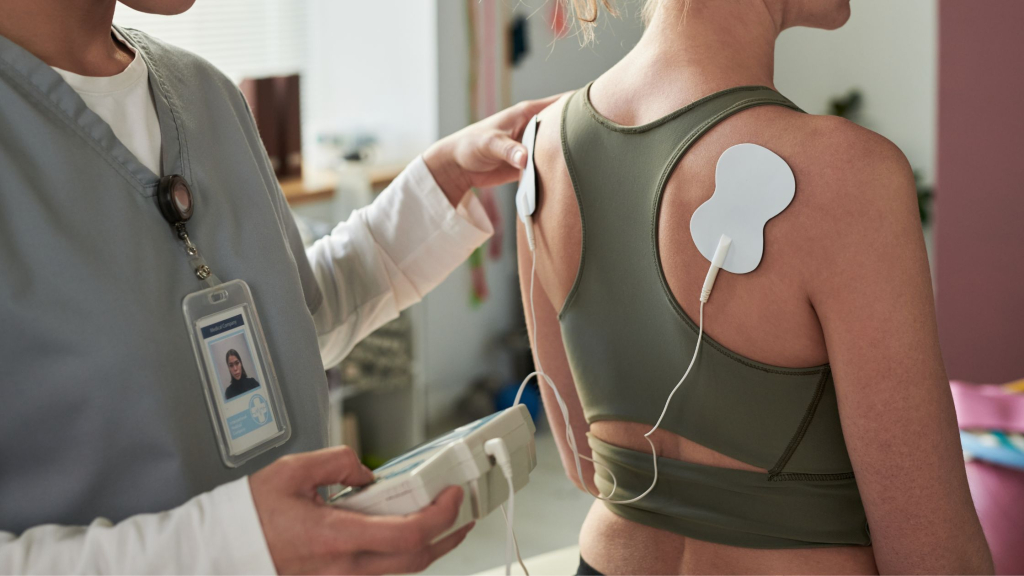
At Westminster Multi Specialty Clinic in Dubai Healthcare City, our Physiotherapy Department uses electrotherapy as a supportive treatment to help manage pain, reduce muscle spasm, and improve comfort during rehabilitation. Modalities such as TENS (Transcutaneous Electrical Nerve Stimulation) and IFC (Interferential Therapy) are commonly used to complement active physiotherapy and support recovery.
Electrotherapy is carefully selected based on individual symptoms and is integrated into broader treatment plans to enhance pain control and improve tolerance to movement and exercise. Learn more about our full Physiotherapy Services.
Understanding Electrotherapy
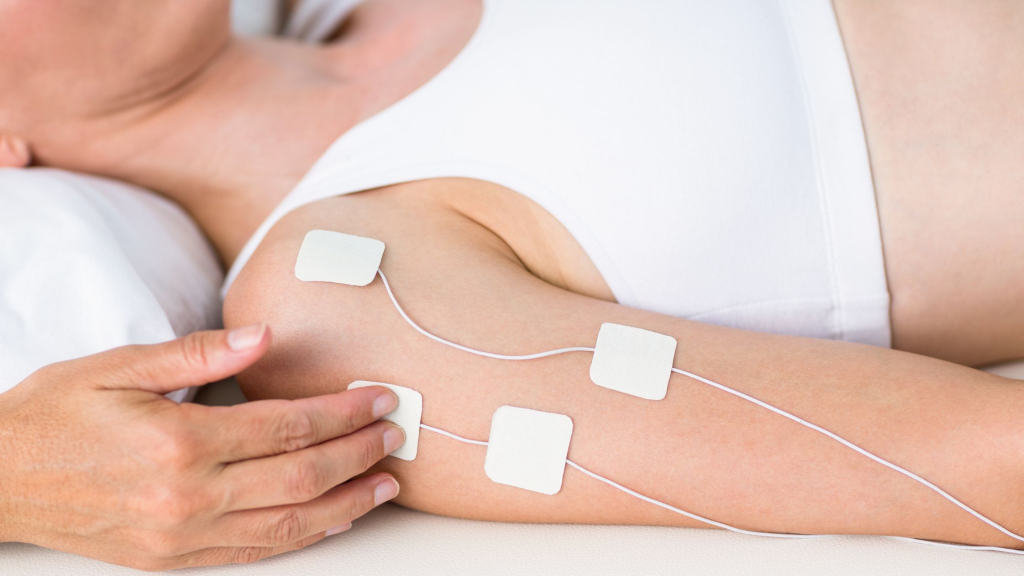
Electrotherapy involves the use of controlled electrical currents applied through surface electrodes placed on the skin. These currents interact with nerves and muscles to reduce pain signals, promote muscle relaxation, and improve local circulation.
TENS is primarily used for pain modulation by reducing the transmission of pain signals to the brain.
IFC uses deeper-penetrating currents and is often applied for more widespread pain, muscle spasm, or joint discomfort.
Both modalities are non-invasive and commonly used alongside exercise-based rehabilitation.
When Electrotherapy May Be Recommended
Electrotherapy may be helpful if you experience:
Musculoskeletal pain limiting movement or exercise
Muscle spasm or tightness
Joint pain associated with injury or overuse
Pain during early stages of rehabilitation
Difficulty tolerating active movement due to discomfort
Flare-ups of pain during recovery
Electrotherapy is not a standalone treatment but can significantly improve comfort when used appropriately.
How Electrotherapy Is Used in Physiotherapy
Our physiotherapists apply electrotherapy based on clinical assessment and rehabilitation goals:
Symptom-specific modality selection (TENS or IFC) based on pain presentation
Precise electrode placement to target affected areas
Integration with exercise therapy to support movement progression
Muscle relaxation support to reduce protective guarding
Monitoring of response and comfort levels throughout treatment
Adjustment of parameters based on symptom changes and recovery stage
Electrotherapy is always combined with active rehabilitation to promote lasting improvement.
Why Patients Choose Westminster for Electrotherapy
Electrotherapy applied by DHA-licensed physiotherapists with clinical expertise
Careful integration of modalities into individualized rehabilitation plans
Focus on improving comfort to support active recovery, not passive dependence
Use of evidence-based protocols aligned with physiotherapy best practices
Convenient access to physiotherapy services in Dubai Healthcare City, supporting consistent care
Support Recovery, Reduce Pain
Pain should not be a barrier to movement and recovery. At Westminster Multi Specialty Clinic, electrotherapy is used thoughtfully to reduce discomfort, support rehabilitation progress, and improve overall treatment outcomes. Contact us to book an electrotherapy session as part of your physiotherapy care.
FAQ's
Is electrotherapy safe?
Yes. When applied by trained physiotherapists, electrotherapy is a safe and controlled treatment.
Will I feel pain during electrotherapy?
No. You may feel a mild tingling or pulsing sensation, which should remain comfortable at all times.
Can electrotherapy be used for chronic pain?
Yes. TENS and IFC are commonly used to help manage both acute and chronic musculoskeletal pain.
How many electrotherapy sessions are needed?
This varies by condition and is usually determined as part of a broader physiotherapy plan.
Is electrotherapy effective on its own?
Electrotherapy works best when combined with exercise and movement-based rehabilitation.
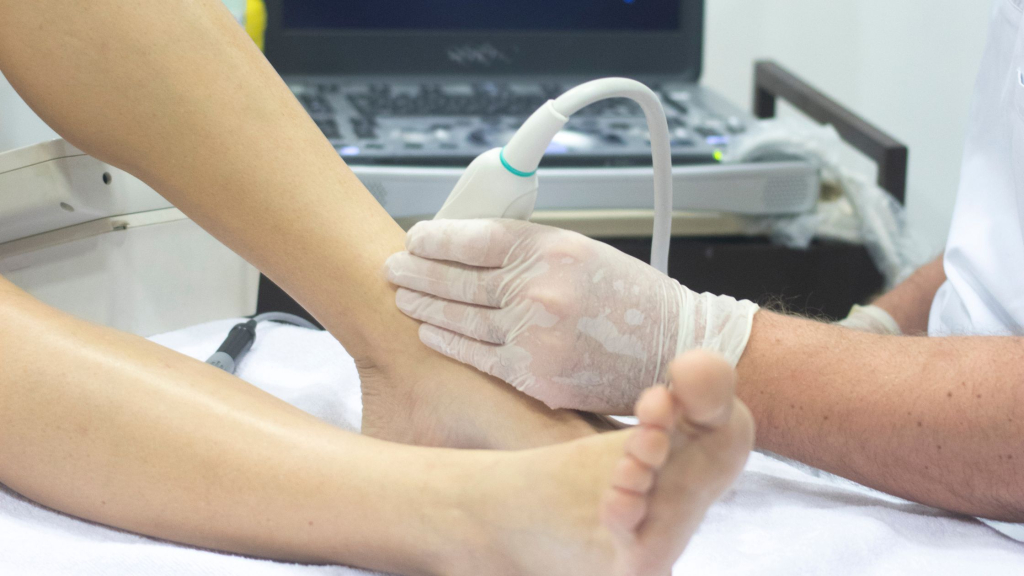
At Westminster Multi Specialty Clinic in Dubai Healthcare City, our Physiotherapy Department offers ultrasound therapy as a supportive treatment for soft tissue injuries, inflammation, and movement-related pain. Ultrasound therapy is commonly used to assist tissue healing, reduce discomfort, and improve flexibility as part of a structured rehabilitation program.
This modality is carefully integrated with active physiotherapy to support recovery and improve tolerance to movement and exercise. Learn more about our full Physiotherapy Services.
Understanding Ultrasound Therapy
Ultrasound therapy uses high-frequency sound waves delivered through a handheld device applied to the skin. These sound waves penetrate soft tissues, producing gentle thermal and non-thermal effects that support circulation, tissue healing, and flexibility.
Ultrasound therapy is frequently used for muscle strains, tendon injuries, ligament sprains, and scar tissue, particularly when pain or stiffness limits movement during rehabilitation.
When Ultrasound Therapy May Be Recommended
Ultrasound therapy may be beneficial if you experience:
Soft tissue pain or inflammation
Muscle or tendon injuries affecting movement
Joint stiffness related to surrounding soft tissue restriction
Scar tissue limiting flexibility
Pain that restricts exercise participation
Delayed healing following injury
Ultrasound is used selectively and is most effective when combined with active rehabilitation.
How Ultrasound Therapy Is Used in Physiotherapy
Our physiotherapists apply ultrasound therapy based on clinical findings and treatment goals:
Targeted application to affected soft tissue areas
Adjustment of treatment parameters based on injury type and healing stage
Integration with stretching and mobility exercises to enhance flexibility
Support for tissue healing during early or sensitive phases of rehabilitation
Combination with strengthening programs as pain and stiffness improve
Ongoing reassessment to ensure effectiveness and appropriate progression
Ultrasound therapy is always part of a broader physiotherapy plan rather than a standalone treatment.
Why Patients Choose Westminster for Ultrasound Therapy
Ultrasound therapy delivered by DHA-licensed physiotherapists with clinical expertise
Careful selection of ultrasound use based on individual assessment
Integration with exercise-based rehabilitation for lasting results
Focus on supporting tissue recovery without over-reliance on passive treatments
Convenient access to physiotherapy care in Dubai Healthcare City, supporting continuity and follow-up
Support Healing, Improve Movement
Soft tissue injuries and stiffness can slow recovery, but the right supportive therapy can make a difference. At Westminster Multi Specialty Clinic, ultrasound therapy is used thoughtfully to assist healing, reduce discomfort, and support effective physiotherapy outcomes. Contact us to book an ultrasound therapy session as part of your rehabilitation care.
FAQ's
How many ultrasound therapy sessions are needed?
This depends on the condition and is determined as part of a comprehensive physiotherapy plan.
Is ultrasound therapy painful?
No. Ultrasound therapy is painless, and most patients feel little to no sensation during treatment.
Can ultrasound therapy speed up healing?
It can support tissue healing and flexibility when used alongside active rehabilitation.
Is ultrasound therapy safe?
Yes. When applied by trained physiotherapists, ultrasound therapy is safe and well controlled.
Can ultrasound therapy be used for chronic conditions?
Yes. It may be used selectively to address soft tissue stiffness or discomfort in chronic cases.
At Westminster Multi Specialty Clinic in Dubai Healthcare City, our Physiotherapy Department provides specialized rehabilitation for individuals experiencing disc bulge or slip disc–related pain. These spinal conditions can cause significant discomfort, stiffness, and nerve-related symptoms that interfere with daily activities, work, and mobility.
Our physiotherapy-led approach focuses on reducing disc-related stress, relieving symptoms, and restoring safe, confident movement through structured, evidence-based rehabilitation. Learn more about our full Physiotherapy Services.
Understanding Disc Bulge and Slip Disc Conditions
A disc bulge or slip disc occurs when the soft disc between spinal bones protrudes or shifts from its normal position. This can irritate nearby nerves, leading to localized back or neck pain, or radiating symptoms such as tingling, numbness, or weakness in the arms or legs.
Disc-related pain may worsen with prolonged sitting, bending, lifting, or sudden movements. While symptoms can be distressing, many disc conditions respond well to conservative physiotherapy when managed appropriately.
When to Seek Physiotherapy for Disc-Related Pain
You may benefit from physiotherapy if you experience:
Persistent back or neck pain linked to disc issues
Pain radiating into the arms, legs, or buttocks
Tingling, numbness, or weakness in the limbs
Pain worsened by sitting, bending, or lifting
Stiffness and reduced spinal mobility
Difficulty performing daily or work-related activities
Early physiotherapy can help control symptoms and reduce the risk of long-term complications.
How Disc Bulge and Slip Disc Are Managed Through Physiotherapy
Our physiotherapists use a careful, progressive approach tailored to disc-related conditions:
Detailed spinal and movement assessment to identify disc stress patterns and nerve involvement
Pain-relieving positions and exercises to reduce pressure on affected discs
Core and spinal stabilization exercises to support the spine and improve load control
Movement retraining to promote safe bending, lifting, and posture
Manual therapy techniques to improve mobility and reduce protective muscle tension
Gradual activity progression to restore confidence and functional capacity
Rehabilitation is paced according to symptom response, ensuring safety while encouraging steady improvement.
Why Choose Westminster for Disc Physiotherapy?
Physiotherapists licensed by the Dubai Health Authority (DHA) with experience in spinal rehabilitation
One-on-one physiotherapy sessions focused on disc-safe recovery
Evidence-based rehabilitation designed to avoid unnecessary strain
Close collaboration with orthopedic and medical specialists when required
Convenient location in Dubai Healthcare City, supporting consistent follow-up and continuity of care
Support Your Spine, Restore Movement
Disc-related pain can feel limiting, but structured physiotherapy can support recovery and restore function. At Westminster Multi Specialty Clinic, our physiotherapy team helps patients manage disc conditions safely, reduce symptoms, and return to daily activities with confidence. Contact us to book your disc bulge or slip disc physiotherapy consultation.
FAQ's
Can physiotherapy help a disc bulge without surgery?
Yes. Many disc bulges respond well to conservative physiotherapy focused on stabilization and movement correction.
Is movement safe if I have a slip disc?
Guided movement is often essential for recovery and is carefully tailored to avoid symptom aggravation.
How long does recovery from a slip disc take?
Recovery varies, but many patients notice improvement within weeks with consistent physiotherapy.
Should I avoid sitting if I have disc pain?
Prolonged sitting can worsen symptoms; physiotherapy helps improve posture and sitting tolerance safely.
Can physiotherapy prevent disc problems from recurring?
Yes. Strengthening, posture training, and movement education significantly reduce recurrence risk.
At Westminster Multi Specialty Clinic in Dubai Healthcare City, our Physiotherapy Department provides structured rehabilitation for ligament injuries affecting knee stability and movement. Injuries to ligaments such as the ACL, MCL, or meniscus can disrupt joint control, confidence, and physical performance, whether caused by sports, sudden trauma, or twisting injuries.
Our rehabilitation programs are designed to restore joint stability, rebuild strength, and support a safe return to daily activities or sports through evidence-based physiotherapy. Learn more about our full Physiotherapy Services.
Understanding Ligament Injuries
Ligaments play a critical role in stabilizing joints and controlling movement. Injuries may occur during sudden changes in direction, impact, or overloading of the knee, often leading to pain, swelling, instability, or a feeling of the knee “giving way.”
Meniscal injuries may occur alongside ligament damage, affecting shock absorption and joint mechanics. Without proper rehabilitation, these injuries can increase the risk of long-term joint problems or recurrent injury.
When to Seek Physiotherapy for a Ligament Injury
Physiotherapy is recommended if you experience:
Knee instability or giving-way sensations
Swelling or pain following twisting or impact injuries
Difficulty running, jumping, or changing direction
Reduced confidence during physical activity
Limited knee movement or strength after injury
Recovery following ligament or meniscus surgery
Early rehabilitation is essential to restore control and prevent further joint damage.
How Ligament Injuries Are Rehabilitated Through Physiotherapy
Our physiotherapists follow a progressive, phase-based rehabilitation approach:
Comprehensive knee stability assessment to evaluate ligament integrity, strength, and movement control
Swelling and movement management in the early stages of recovery
Targeted strengthening programs for quadriceps, hamstrings, and hip muscles
Neuromuscular and balance training to restore joint awareness and control
Sport- and activity-specific drills for safe return to higher-level movement
Post-surgical rehabilitation pathways when ligament reconstruction has been performed
Rehabilitation progression is guided by functional milestones rather than time alone.
Why Patients Choose Westminster for Ligament Rehabilitation
Physiotherapy programs designed around return-to-activity and joint stability, not just pain relief
One-on-one rehabilitation focusing on movement quality and injury prevention
Close coordination with orthopedic consultants for conservative and post-surgical cases
Evidence-based protocols aligned with international sports rehabilitation standards
Convenient access to follow-up care in Dubai Healthcare City, supporting consistent recovery progression
Restore Stability, Return With Confidence
Ligament injuries can feel limiting, but structured rehabilitation is key to long-term knee health. At Westminster Multi Specialty Clinic, our physiotherapy team supports safe recovery, improved stability, and confident return to movement and sport. Contact us to book your ligament injury rehabilitation consultation.
FAQ's
Can ligament injuries heal without surgery?
Some ligament injuries respond well to physiotherapy, depending on severity, activity level, and stability needs.
Is physiotherapy required after ACL or meniscus surgery?
Yes. Post-surgical rehabilitation is essential for restoring strength, movement, and joint control.
How long does ligament rehabilitation take?
Recovery timelines vary, but structured rehabilitation often spans several months for optimal outcomes.
When can I return to sports after a ligament injury?
Return-to-sport is guided by strength, stability, and functional testing—not just time.
Can physiotherapy prevent re-injury?
Yes. Strengthening, balance training, and movement education significantly reduce reinjury risk.
At Westminster Multi Specialty Clinic in Dubai Healthcare City, our Physiotherapy Department provides focused rehabilitation for muscle tears and strains caused by sports activity, sudden overload, repetitive use, or inadequate warm-up and recovery. Muscle injuries can range from mild strains to partial tears and may significantly affect movement, strength, and performance if not managed properly.
Our physiotherapy programs are designed to support safe tissue healing, restore strength and flexibility, and guide a gradual return to activity through evidence-based rehabilitation. Learn more about our full Physiotherapy Services.
Understanding Muscle Tears and Strains
Muscle strains occur when muscle fibers are overstretched or overloaded, while tears involve partial disruption of muscle tissue. These injuries commonly affect the hamstrings, quadriceps, calves, shoulders, and lower back, particularly during sports or sudden movements.
Symptoms may include localized pain, swelling, weakness, bruising, or reduced range of motion. Without structured rehabilitation, muscle injuries can heal improperly, increasing the risk of recurrence.
When to Seek Physiotherapy for Muscle Injuries
Physiotherapy is recommended if you experience:
Sudden pain during activity or exercise
Muscle weakness or difficulty contracting the affected area
Swelling, bruising, or tenderness in the muscle
Pain that persists beyond a few days
Limited movement or flexibility
Recurrent muscle injuries
Early physiotherapy helps support proper healing and reduces the risk of long-term issues.
How Muscle Tears and Strains Are Rehabilitated Through Physiotherapy
Our physiotherapists follow a staged and individualized rehabilitation approach:
Injury assessment and grading to determine severity and appropriate progression
Pain and swelling management during the early healing phase
Controlled mobility exercises to prevent stiffness and support tissue recovery
Progressive strengthening programs to restore muscle power and endurance
Flexibility and movement retraining to correct contributing movement patterns
Return-to-activity guidance to reduce reinjury risk during sports or work demands
Rehabilitation progression is based on healing response and functional milestones rather than fixed timelines.
Why Patients Choose Westminster for Muscle Injury Rehabilitation
Rehabilitation programs structured around safe tissue healing and performance recovery
One-on-one physiotherapy focused on movement quality and strength restoration
Experience managing both athletic and non-sport-related muscle injuries
Integrated care pathways for patients returning to sport, work, or daily activity
Accessible follow-up care in Dubai Healthcare City, supporting consistent rehabilitation progression
Heal Stronger, Return With Confidence
Muscle injuries heal best with the right balance of protection, movement, and strengthening. At Westminster Multi Specialty Clinic, our physiotherapy team helps patients recover safely, rebuild strength, and return to activity with confidence. Contact us to book your muscle tear or strain rehabilitation consultation.
FAQ's
How long does it take for a muscle tear to heal?
Recovery depends on severity, but mild strains may heal within weeks, while more significant tears require longer rehabilitation.
Should I rest completely after a muscle strain?
Complete rest is usually not recommended. Guided movement supports proper healing and prevents stiffness.
Can I return to sports too early after a muscle injury?
Yes. Returning too soon increases the risk of reinjury, which is why structured rehabilitation is essential.
How long does chronic pain physiotherapy take?
Progress varies, but most patients benefit from a structured program over several weeks with gradual improvement.
Do muscle injuries always require imaging?
Not always. Clinical assessment often guides treatment, with imaging used when severity is unclear.
At Westminster Multi Specialty Clinic in Dubai Healthcare City, our Physiotherapy Department provides focused rehabilitation for individuals experiencing sciatica and nerve-related pain. Nerve pain can be sharp, burning, or radiating in nature and often interferes with walking, sitting, sleep, and overall quality of life.
Our physiotherapy-led approach aims to reduce nerve irritation, restore movement, and improve functional tolerance through structured, evidence-based rehabilitation. Learn more about our full Physiotherapy Services.
Understanding Sciatica and Nerve Pain
Sciatica occurs when the sciatic nerve becomes irritated or compressed, often due to spinal disc issues, muscle tightness, or altered movement patterns. Nerve pain may travel from the lower back into the hip, leg, or foot and can be accompanied by tingling, numbness, or weakness.
Nerve-related pain can also affect other areas of the body depending on the source and requires careful assessment to address both symptoms and underlying contributors.
When to Seek Physiotherapy for Nerve Pain
You may benefit from physiotherapy if you experience:
Pain radiating from the lower back into the leg
Sharp, burning, or electric-like pain sensations
Tingling, numbness, or weakness in the leg or foot
Pain worsened by sitting, bending, or prolonged positions
Difficulty walking or standing comfortably
Recurring nerve pain despite rest or medication
Early physiotherapy intervention can help reduce nerve sensitivity and prevent persistent symptoms.
How Sciatica and Nerve Pain Are Managed Through Physiotherapy
Our physiotherapists use a targeted and progressive approach to nerve pain rehabilitation:
Detailed assessment of spinal and nerve mobility to identify sources of irritation
Nerve mobilization techniques to reduce sensitivity and improve nerve movement
Therapeutic exercises to improve spinal stability and support affected areas
Movement and posture correction to reduce ongoing nerve compression
Manual therapy techniques to address muscle tension and joint restriction
Graduated activity progression to restore tolerance for daily activities and movement
Treatment is carefully paced to avoid symptom flare-ups while promoting recovery.
Why Choose Westminster for Sciatica & Nerve Pain Therapy?
Physiotherapists licensed by the Dubai Health Authority (DHA) with experience in nerve-related conditions
Individualized, one-on-one physiotherapy sessions
Evidence-based rehabilitation focused on symptom relief and functional recovery
Collaborative care with orthopedic and medical specialists when required
Convenient location in Dubai Healthcare City, supporting continuity of care and follow-up
Restore Comfort, Regain Mobility
Nerve pain can be distressing, but effective physiotherapy can significantly reduce symptoms and restore function. At Westminster Multi Specialty Clinic, our physiotherapy team helps patients move with confidence, reduce pain, and return to daily life safely. Contact us to book your sciatica and nerve pain therapy consultation.
FAQ's
Is sciatica the same as general back pain?
No. Sciatica involves nerve irritation and often causes pain that radiates into the leg, unlike localized back pain.
Can physiotherapy help nerve pain without surgery?
Yes. Many cases of nerve pain respond well to structured physiotherapy and do not require surgery.
Will exercises worsen my nerve pain?
Exercises are carefully selected and progressed to reduce symptoms, not aggravate them.
How long does recovery from sciatica take?
Recovery time varies, but many patients see improvement within a few weeks of consistent treatment.
Should I avoid movement if I have nerve pain?
No. Guided movement is often essential for recovery and helps prevent stiffness and deconditioning.