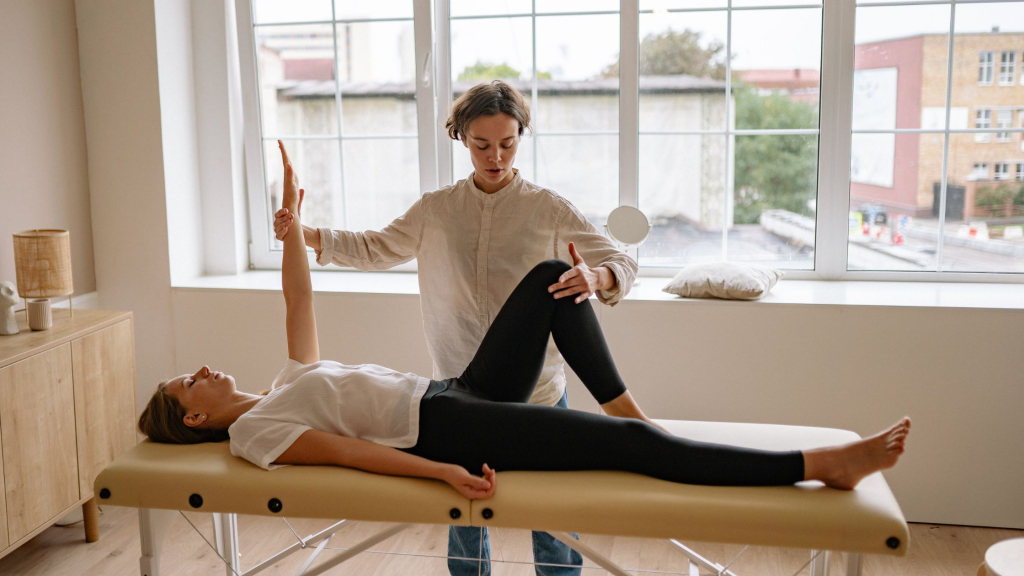
At Westminster Multi Specialty Clinic in Dubai Healthcare City, our Physiotherapy Department provides targeted rehabilitation for individuals experiencing arthritis-related pain, joint stiffness, and reduced mobility. Arthritis can gradually limit movement and independence, making early and structured physiotherapy essential for maintaining joint health and quality of life.
Our rehabilitation programs focus on reducing stiffness, improving joint function, and helping patients remain active through safe, evidence-based physiotherapy. Learn more about our full Physiotherapy Services.
Understanding Arthritis and Joint Stiffness
Arthritis refers to inflammation and degeneration of the joints, commonly affecting the knees, hips, spine, shoulders, and hands. Over time, it can lead to stiffness, pain, swelling, and difficulty with everyday movements such as walking, bending, or gripping objects.
Joint stiffness may be worse in the morning or after periods of inactivity and can progress if movement is avoided. While arthritis cannot always be reversed, physiotherapy plays a critical role in slowing progression and preserving function.

When to Seek Arthritis Rehabilitation
Physiotherapy may be beneficial if you experience:
Persistent joint stiffness or reduced range of motion
Pain during walking, standing, or climbing stairs
Difficulty getting up from sitting or bed
Swelling or discomfort after activity
Reduced strength around affected joints
Fear of movement due to pain or instability
Early intervention can help maintain independence and prevent further functional decline.
How Arthritis Is Managed Through Physiotherapy
Our physiotherapists develop individualized rehabilitation programs focused on joint protection and functional improvement:
Joint and movement assessment to identify stiffness, weakness, and movement limitations
Targeted strengthening exercises to support and stabilize affected joints
Mobility and flexibility training to improve range of motion and reduce stiffness
Low-impact functional exercises to support walking, balance, and daily activities
Pain-relieving techniques integrated into active rehabilitation
Education on joint care to support long-term management and confidence in movement
Treatment plans are adapted to the type of arthritis, severity of symptoms, and individual lifestyle needs.
Why Choose Westminster for Arthritis Rehabilitation?
Physiotherapists licensed by the Dubai Health Authority (DHA) with experience in managing degenerative joint conditions
Individualized, one-on-one physiotherapy sessions
Evidence-based rehabilitation focused on long-term mobility and independence
Collaborative care with orthopedic and medical specialists when required
Convenient location in Dubai Healthcare City, supporting regular follow-up and continuity of care
Maintain Mobility, Preserve Independence
Arthritis does not have to define how you move or live. At Westminster Multi Specialty Clinic, our physiotherapy team helps patients manage joint stiffness, improve mobility, and stay active with confidence. Contact us to book your arthritis rehabilitation consultation.
FAQ's
Can physiotherapy help arthritis even if it is age-related?
Yes. Physiotherapy helps strengthen supporting muscles, reduce stiffness, and improve movement regardless of age.
Will exercise worsen my joint pain?
When guided correctly, exercise helps reduce pain and stiffness rather than worsen symptoms.
How often should I attend physiotherapy for arthritis?
This varies by condition, but most patients benefit from regular sessions combined with home exercises.
Is physiotherapy suitable for severe arthritis?
Yes. Programs are adapted to pain levels and mobility, focusing on comfort, safety, and function.
Can physiotherapy delay the need for surgery?
In many cases, structured rehabilitation can improve function and delay or reduce the need for surgical intervention.
At Westminster Multi Specialty Clinic in Dubai Healthcare City, our Physiotherapy Department provides specialized rehabilitation for individuals with rotator cuff injuries affecting shoulder strength, stability, and movement. Rotator cuff injuries commonly cause pain during lifting, reaching, or overhead activities and may interfere with work, exercise, and daily tasks.
Our physiotherapy-led programs focus on restoring shoulder control, reducing pain, and improving functional movement through structured, evidence-based rehabilitation. Learn more about our full Physiotherapy Services.
Understanding Rotator Cuff Injuries
The rotator cuff is a group of muscles and tendons that stabilize the shoulder joint and allow controlled arm movement. Injury can occur due to repetitive overhead activity, sudden strain, age-related tendon degeneration, or trauma.
Rotator cuff problems may range from mild tendon irritation to partial or complete tears, often presenting with weakness, pain when lifting the arm, or difficulty performing overhead movements. Without appropriate rehabilitation, symptoms may worsen or lead to compensatory movement patterns.
When to Seek Physiotherapy for a Rotator Cuff Injury
You may benefit from physiotherapy if you experience:
Shoulder pain during lifting or reaching
Weakness when raising or rotating the arm
Pain when sleeping on the affected shoulder
Reduced shoulder stability or control
Difficulty performing work, sports, or daily activities
Persistent symptoms despite rest or medication
Early physiotherapy can help restore function and prevent progression of the injury.
How Rotator Cuff Injuries Are Managed Through Physiotherapy
Our physiotherapists use a targeted, progressive approach to rotator cuff rehabilitation:
Detailed shoulder assessment to evaluate tendon involvement, strength, and movement control
Specific strengthening exercises to restore rotator cuff and scapular stability
Mobility training to maintain or improve shoulder range of motion
Manual therapy techniques to reduce stiffness and soft tissue restriction
Movement correction to reduce strain during daily and occupational tasks
Gradual return-to-activity planning for work, exercise, and sports participation
Rehabilitation is tailored to the severity of the injury and whether the condition is managed conservatively or following surgical repair.
Why Choose Westminster for Rotator Cuff Rehabilitation?
Physiotherapists licensed by the Dubai Health Authority (DHA) with experience in shoulder and tendon rehabilitation
One-on-one physiotherapy sessions focused on restoring strength and control
Evidence-based treatment plans adapted to injury severity and recovery goals
Close collaboration with orthopedic specialists when surgical input is required
Convenient location in Dubai Healthcare City, supporting structured follow-up and continuity of care
Restore Strength, Regain Shoulder Function
Rotator cuff injuries can limit independence and confidence in movement, but effective rehabilitation can restore shoulder stability and function. At Westminster Multi Specialty Clinic, our physiotherapy team supports safe recovery, reduced pain, and a confident return to activity. Contact us to book your rotator cuff injury rehabilitation consultation.
FAQ's
Can rotator cuff injuries heal without surgery?
Many rotator cuff injuries respond well to structured physiotherapy, especially when addressed early.
Is physiotherapy effective after rotator cuff surgery?
Yes. Post-surgical rehabilitation is essential for restoring strength, mobility, and shoulder control.
How long does rotator cuff rehabilitation take?
Recovery varies, but most patients require several weeks of structured physiotherapy for optimal outcomes.
How long does chronic pain physiotherapy take?
Progress varies, but most patients benefit from a structured program over several weeks with gradual improvement.
Can physiotherapy prevent future rotator cuff injuries?
Yes. Strengthening and movement education help reduce strain and lower the risk of recurrence.
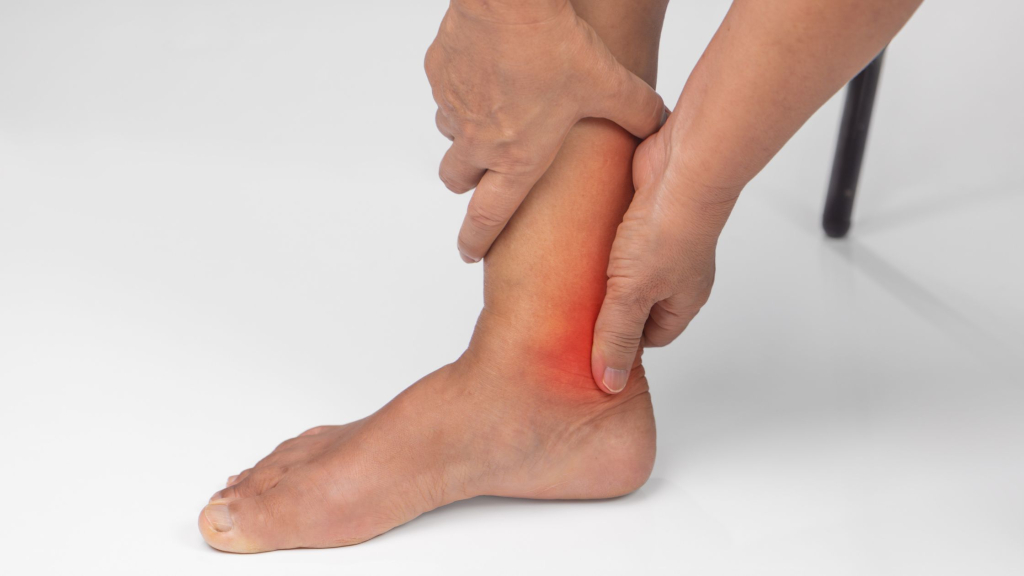
At Westminster Multi Specialty Clinic in Dubai Healthcare City, our Physiotherapy Department provides focused rehabilitation for individuals recovering from ankle sprains and foot injuries. These injuries are common during sports, daily activities, or accidental missteps and can significantly affect balance, walking mechanics, and confidence in movement if not properly treated.
Our physiotherapy-led programs aim to restore stability, strength, and mobility while reducing the risk of recurrent injury through structured, evidence-based rehabilitation. Learn more about our full Physiotherapy Services.
Understanding Ankle Sprains and Foot Injuries
Ankle sprains occur when the ligaments supporting the ankle are overstretched or torn, often due to sudden twisting or rolling of the foot. Foot injuries may involve muscles, tendons, ligaments, or joints and can alter normal walking patterns if left untreated.
Even mild ankle or foot injuries can lead to long-term instability, stiffness, or repeated sprains when rehabilitation is delayed or incomplete. Physiotherapy focuses on restoring proper movement and joint control to support full recovery.
When to Seek Physiotherapy for Ankle or Foot Injuries
Physiotherapy may be beneficial if you experience:
Pain or swelling around the ankle or foot after injury
Difficulty walking or bearing weight comfortably
Recurrent ankle sprains or instability
Reduced range of motion or stiffness
Weakness affecting balance or coordination
Ongoing discomfort despite rest or basic care
Early rehabilitation helps promote healing and reduces the risk of chronic instability.
How Ankle and Foot Injuries Are Managed Through Physiotherapy
Our physiotherapists follow a progressive, function-focused rehabilitation approach:
Detailed ankle and foot assessment to evaluate ligament stability, mobility, and gait
Swelling and pain management strategies during early recovery
Mobility exercises to restore joint range of motion
Strengthening programs targeting the ankle, foot, and lower limb muscles
Balance and proprioception training to improve joint awareness and stability
Functional retraining to support return to walking, work, and sports activities
Rehabilitation is adapted to injury severity and individual activity demands.
Why Patients Choose Westminster for Ankle & Foot Rehabilitation
Rehabilitation programs focused on restoring balance, stability, and functional movement
One-on-one physiotherapy sessions with close progression monitoring
Experience managing both acute ankle sprains and complex foot injuries
Integrated care with orthopedic specialists when further evaluation is required
Convenient access to follow-up care in Dubai Healthcare City, supporting consistent rehabilitation
Regain Stability, Walk With Confidence
Ankle and foot injuries can affect every step you take, but structured physiotherapy supports safe and complete recovery. At Westminster Multi Specialty Clinic, our physiotherapy team helps patients restore stability, reduce pain, and return to daily activities with confidence. Contact us to book your ankle or foot injury rehabilitation consultation.
FAQ's
Do ankle sprains always need physiotherapy?
Yes. Even mild sprains benefit from physiotherapy to prevent stiffness, weakness, and repeat injuries.
How long does ankle rehabilitation usually take?
Recovery varies, but many patients improve within a few weeks with structured rehabilitation.
Can I walk on a sprained ankle?
Guided weight-bearing is often encouraged, depending on severity, and is managed safely through physiotherapy.
Why do ankle sprains keep recurring?
Incomplete rehabilitation can lead to poor balance and joint control, increasing reinjury risk.
Can physiotherapy help foot pain caused by overuse?
Yes. Physiotherapy addresses movement patterns, strength deficits, and loading issues contributing to foot pain.
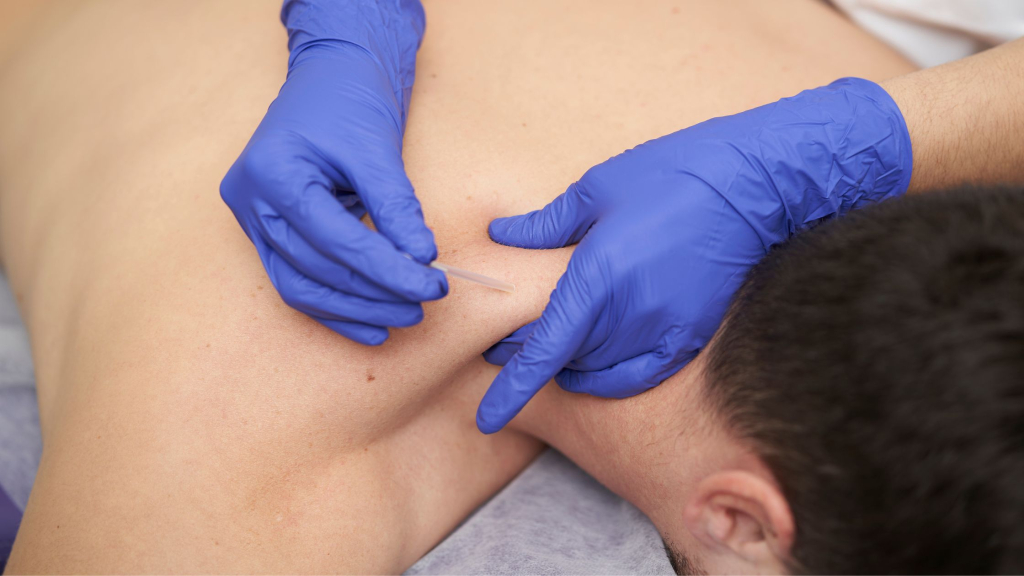
At Westminster Multi Specialty Clinic in Dubai Healthcare City, our Physiotherapy Department offers dry needling therapy as a targeted treatment for muscle pain, tightness, and movement restriction. Dry needling is a specialized technique used to address myofascial trigger points—commonly known as muscle knots—that contribute to pain and reduced mobility.
This therapy is often integrated into a broader physiotherapy program to improve muscle function, reduce pain, and support faster, more effective rehabilitation. Learn more about our full Physiotherapy Services.
Understanding Dry Needling
Dry needling involves the insertion of fine, sterile needles into specific muscle trigger points to release tension and improve muscle activation. Unlike acupuncture, dry needling is based on modern musculoskeletal and neurophysiological principles and is used specifically for pain and movement dysfunction.
Trigger points can develop due to overuse, poor posture, injury, stress, or prolonged inactivity and may cause local pain or referred discomfort to other areas of the body.
When Dry Needling May Be Recommended
Dry needling therapy may be beneficial if you experience:
Persistent muscle tightness or knots
Localized or referred muscle pain
Restricted range of motion due to muscle tension
Pain that does not fully respond to exercise alone
Muscle-related headaches or neck tension
Ongoing discomfort affecting movement or posture
Dry needling is most effective when used as part of a comprehensive physiotherapy plan.
How Dry Needling Is Used in Physiotherapy
Our physiotherapists apply dry needling selectively and safely based on clinical assessment:
Identification of trigger points contributing to pain or movement restriction
Precise needle placement to release muscle tension and normalize activation
Integration with movement and exercise therapy to reinforce functional improvement
Manual techniques and stretching to enhance post-needling mobility
Education and aftercare guidance to support recovery and reduce soreness
Progress monitoring to ensure effectiveness and safety
Treatment is tailored to each patient’s condition, tolerance, and rehabilitation goals.
Why Patients Choose Westminster for Dry Needling Therapy
Dry needling performed by DHA-licensed physiotherapists trained in advanced techniques
Careful integration of dry needling into broader rehabilitation plans
Focus on improving movement quality, not just temporary symptom relief
Clear clinical reasoning for when and how dry needling is used
Convenient access to physiotherapy services in Dubai Healthcare City, supporting continuity of care
Release Tension, Restore Movement
Muscle tension and trigger points can significantly limit comfort and mobility, but targeted therapy can help. At Westminster Multi Specialty Clinic, dry needling is used thoughtfully to reduce pain, improve muscle function, and support effective rehabilitation. Contact us to book a dry needling therapy consultation.
FAQ's
Is dry needling the same as acupuncture?
No. Dry needling is based on musculoskeletal science and targets muscle trigger points rather than traditional acupuncture pathways.
Does dry needling hurt?
You may feel brief discomfort or muscle twitching, but most patients tolerate the treatment well.
How many dry needling sessions are needed?
This varies by condition. Some patients notice improvement after one session, while others benefit from multiple treatments.
Is dry needling safe?
Yes. When performed by trained physiotherapists, dry needling is a safe and controlled technique.
Will I be sore after dry needling?
Mild soreness can occur for a short time, similar to post-exercise soreness, and usually resolves within 24–48 hours.
At Westminster Multi Specialty Clinic in Dubai Healthcare City, our Physiotherapy Department provides specialized rehabilitation for individuals experiencing frozen shoulder, a condition marked by progressive stiffness, pain, and restricted shoulder movement. Frozen shoulder can significantly interfere with daily activities such as dressing, grooming, reaching, and sleeping comfortably.
Our physiotherapy programs are designed to reduce pain, gradually restore shoulder mobility, and support safe functional recovery through structured, evidence-based rehabilitation. Learn more about our full Physiotherapy Services.
Understanding Frozen Shoulder
Frozen shoulder, also known as adhesive capsulitis, occurs when the shoulder joint capsule becomes inflamed and stiff, leading to a gradual loss of movement. The condition typically progresses through stages, beginning with pain, followed by increasing stiffness, and eventually a slow recovery phase.
Frozen shoulder may develop without a clear cause or following injury, surgery, prolonged immobilization, or certain medical conditions. Without appropriate rehabilitation, stiffness and movement restriction can persist for months or longer.
When to Seek Physiotherapy for Frozen Shoulder
You may benefit from physiotherapy if you experience:
Progressive shoulder stiffness with reduced range of motion
Pain when lifting the arm or reaching behind the back
Difficulty with daily tasks such as dressing or personal care
Night pain or discomfort affecting sleep
Gradual loss of shoulder movement over time
Limited improvement despite rest or medication
Early and guided physiotherapy can help manage symptoms and support recovery through each stage of the condition.
How Frozen Shoulder Is Managed Through Physiotherapy
Our physiotherapists use a stage-appropriate and individualized approach to frozen shoulder rehabilitation:
Comprehensive shoulder assessment to determine the stage and severity of restriction
Gentle mobility exercises tailored to pain tolerance and recovery phase
Manual therapy techniques to improve joint and soft tissue flexibility
Progressive stretching programs to gradually restore range of motion
Strengthening exercises introduced as mobility improves
Education and activity guidance to support safe movement and prevent flare-ups
Treatment is carefully paced to balance symptom relief with steady functional improvement.
Why Choose Westminster for Frozen Shoulder Rehabilitation?
Physiotherapists licensed by the Dubai Health Authority (DHA) with experience in managing adhesive capsulitis
One-on-one physiotherapy sessions focused on gradual, safe recovery
Evidence-based rehabilitation tailored to each stage of frozen shoulder
Collaboration with orthopedic specialists when medical or interventional input is required
Convenient location in Dubai Healthcare City, supporting regular follow-up and continuity of care
Restore Movement, Regain Independence
Frozen shoulder can be frustrating and limiting, but structured physiotherapy plays a key role in recovery. At Westminster Multi Specialty Clinic, our physiotherapy team supports patients through every stage of frozen shoulder, helping restore movement, reduce pain, and regain independence. Contact us to book your frozen shoulder rehabilitation consultation.
FAQ's
How long does frozen shoulder take to recover?
Recovery varies, but with consistent physiotherapy, many patients see gradual improvement over several months.
Is frozen shoulder the same as a rotator cuff injury?
No. Frozen shoulder involves joint capsule stiffness, while rotator cuff injuries affect tendons and muscles.
Should I stop moving my shoulder if it hurts?
No. Guided, gentle movement is essential for recovery and preventing further stiffness.
Can frozen shoulder improve without physiotherapy?
Some improvement may occur over time, but physiotherapy helps speed recovery and restore function more effectively.
Is physiotherapy painful for frozen shoulder?
Some discomfort can occur, but treatment is carefully adjusted to stay within safe and tolerable limits.
At Westminster Multi Specialty Clinic in Dubai Healthcare City, our Physiotherapy Department provides targeted rehabilitation for individuals experiencing neck pain, stiffness, and restricted movement. Neck pain is increasingly common due to prolonged desk work, poor posture, stress, and cervical spine strain, and can significantly affect daily comfort and productivity.
Our physiotherapy programs focus on relieving neck pain, restoring mobility, and improving postural control through evidence-based rehabilitation. Learn more about our full Physiotherapy Services.
Understanding Neck Pain
Neck pain may develop gradually from sustained postures, such as prolonged computer or mobile phone use, or suddenly following strain, poor sleep positioning, or injury. In some cases, pain may be accompanied by stiffness, headaches, or discomfort radiating into the shoulders or upper back.
If not managed appropriately, neck pain can lead to reduced mobility, muscle tension, and recurring flare-ups. Physiotherapy aims to address both the symptoms and the underlying mechanical and postural contributors.
When to Seek Physiotherapy for Neck Pain
You may benefit from neck pain physiotherapy if you experience:
Persistent neck stiffness or reduced range of motion
Pain worsened by desk work, driving, or screen use
Headaches associated with neck tension
Pain spreading to the shoulders or upper back
Difficulty turning or holding the head comfortably
Recurring neck pain despite rest or medication
Early physiotherapy care can prevent progression and support faster recovery.
How Neck Pain Is Managed Through Physiotherapy
Our physiotherapists use a focused and individualized approach to neck rehabilitation:
Cervical spine and posture assessment to identify movement restrictions and muscular imbalance
Targeted strengthening exercises to support the neck and upper back
Manual therapy techniques to reduce stiffness and muscle tension
Postural correction strategies for desk work, device use, and daily activities
Movement re-education to restore smooth and controlled neck motion
Progressive rehabilitation planning to support return to normal activity without recurrence
Treatment plans are adapted to pain severity, lifestyle demands, and functional goals.
Why Choose Westminster for Neck Pain Physiotherapy?
Physiotherapists licensed by the Dubai Health Authority (DHA) with experience in cervical spine rehabilitation
One-on-one physiotherapy sessions focused on movement quality and pain reduction
Evidence-based care tailored to individual neck pain presentations
Collaboration with orthopedic and medical specialists when required
Convenient location in Dubai Healthcare City, supporting ongoing care and follow-up
Improve Comfort, Restore Mobility
Neck pain can interfere with work, sleep, and concentration, but effective physiotherapy can restore comfort and movement. At Westminster Multi Specialty Clinic, our physiotherapy team helps patients reduce pain, improve posture, and move with confidence again. Contact us to book your neck pain physiotherapy consultation.
FAQ's
Can physiotherapy help neck pain caused by desk work?
Yes. Physiotherapy addresses posture, muscle imbalance, and movement habits commonly linked to desk-related neck pain.
Is neck pain always related to the spine?
Not always. Muscle tension, posture, and joint stiffness can all contribute to neck discomfort.
Can neck pain cause headaches?
Yes. Tension and stiffness in the neck can trigger cervicogenic headaches.
Is it safe to exercise with neck pain?
When guided by a physiotherapist, gentle and targeted exercises are safe and beneficial.
How soon can I expect improvement?
Many patients notice improvement within a few sessions, depending on the cause and severity of symptoms.
At Westminster Multi Specialty Clinic in Dubai Healthcare City, our Physiotherapy Department provides focused rehabilitation for individuals experiencing shoulder pain, stiffness, or reduced arm mobility. Shoulder pain can develop due to overuse, poor posture, injury, or degenerative changes, and may interfere with everyday tasks such as lifting, reaching, dressing, or sleeping comfortably.
Our physiotherapy-led approach aims to relieve pain, restore shoulder movement, and improve joint stability through structured, evidence-based rehabilitation. Learn more about our full Physiotherapy Services.
Understanding Shoulder Pain
The shoulder is a highly mobile joint supported by muscles, tendons, and ligaments that work together to allow smooth arm movement. Shoulder pain may arise from muscle imbalance, tendon irritation, joint stiffness, or altered movement patterns, even without a clear injury.
If not managed early, shoulder pain can lead to reduced range of motion, weakness, and compensatory movement that affects the neck or upper back. Physiotherapy focuses on restoring balanced shoulder mechanics and functional use of the arm.
When to Seek Physiotherapy for Shoulder Pain
You may benefit from shoulder physiotherapy if you experience:
Pain when lifting or reaching overhead
Stiffness or restricted shoulder movement
Discomfort when sleeping on the affected side
Weakness or fatigue in the shoulder or arm
Pain during work, exercise, or daily activities
Persistent symptoms despite rest or medication
Early physiotherapy intervention can help prevent progression and long-term limitation.
How Shoulder Pain Is Managed Through Physiotherapy
Our physiotherapists use a targeted and individualized approach to shoulder rehabilitation:
Detailed shoulder and movement assessment to identify joint restriction, muscle weakness, or movement imbalance
Targeted strengthening exercises to improve shoulder stability and control
Mobility and flexibility training to restore range of motion safely
Manual therapy techniques to reduce stiffness and soft tissue restriction
Postural and movement correction to reduce strain during daily activities
Progressive rehabilitation planning to support return to work, sport, and routine tasks
Treatment is adapted based on pain severity, functional goals, and activity demands.
Why Choose Westminster for Shoulder Pain Physiotherapy?
Physiotherapists licensed by the Dubai Health Authority (DHA) with experience in shoulder rehabilitation
One-on-one physiotherapy sessions focused on functional recovery
Evidence-based treatment plans tailored to individual shoulder conditions
Integrated care with orthopedic and medical specialists when required
Convenient location in Dubai Healthcare City, supporting continuity of care and follow-up
Restore Shoulder Function, Regain Confidence
Shoulder pain can limit independence and quality of life, but effective physiotherapy can restore strength and movement. At Westminster Multi Specialty Clinic, our physiotherapy team helps patients recover safely, reduce pain, and return to daily activities with confidence. Contact us to book your shoulder pain physiotherapy consultation.
FAQ's
Can physiotherapy help shoulder pain without surgery?
Yes. Many shoulder conditions improve with structured physiotherapy focused on strength, mobility, and movement control.
Is shoulder pain always caused by an injury?
No. Shoulder pain can develop from posture, overuse, or muscle imbalance without a specific injury.
Will exercises worsen my shoulder pain?
Exercises are carefully selected and progressed to improve function without aggravating symptoms.
How long does shoulder rehabilitation take?
Recovery varies, but many patients notice improvement within a few weeks of consistent treatment.
Can physiotherapy prevent shoulder pain from returning?
Yes. Strengthening and movement education help reduce recurrence and improve long-term shoulder health.
At Westminster Multi Specialty Clinic in Dubai Healthcare City, our Physiotherapy Department offers manual therapy as a hands-on treatment approach to reduce pain, improve joint and soft tissue mobility, and restore normal movement. Manual therapy is commonly used for musculoskeletal conditions involving stiffness, restricted movement, or mechanical pain.
This technique is integrated into personalized rehabilitation programs to support recovery, enhance movement quality, and improve functional outcomes. Learn more about our full Physiotherapy Services.
Understanding Manual Therapy
Manual therapy involves skilled, hands-on techniques applied to joints, muscles, and soft tissues to improve mobility and reduce pain. These techniques may include joint mobilization, soft tissue release, and guided movement to address mechanical restrictions affecting function.
Manual therapy is not a standalone treatment. It is most effective when combined with active rehabilitation, exercise therapy, and movement retraining to ensure lasting improvement.
When Manual Therapy May Be Recommended
Manual therapy may be beneficial if you experience:
Joint stiffness or restricted range of motion
Muscle tightness limiting normal movement
Mechanical pain aggravated by specific movements
Reduced mobility following injury or prolonged inactivity
Pain associated with poor joint movement or posture
Difficulty progressing with exercise due to stiffness or discomfort
A physiotherapy assessment helps determine whether manual therapy is appropriate for your condition.
How Manual Therapy Is Used in Physiotherapy
Our physiotherapists apply manual therapy techniques based on individual assessment findings:
Joint mobilization techniques to improve movement and reduce stiffness
Soft tissue techniques to release muscle tension and improve flexibility
Guided movement techniques to restore normal joint mechanics
Integration with therapeutic exercises to maintain improvements gained through hands-on care
Postural and movement correction to reduce recurring mechanical stress
Ongoing reassessment to adjust treatment based on response and progress
Manual therapy is applied with precision and care, always within safe and comfortable limits.
Why Patients Choose Westminster for Manual Therapy
Manual therapy delivered by DHA-licensed physiotherapists with advanced hands-on training
Treatment guided by clinical reasoning, not routine techniques
Integration of manual therapy within structured rehabilitation plans
Focus on restoring movement quality and long-term function
Convenient access to physiotherapy care in Dubai Healthcare City, supporting continuity and follow-up
Improve Mobility, Move With Ease
Restricted movement and stiffness can affect comfort and confidence, but targeted hands-on care can help restore function. At Westminster Multi Specialty Clinic, manual therapy is used thoughtfully to reduce pain, improve mobility, and support effective rehabilitation. Contact us to book a manual therapy consultation.
FAQ's
Is manual therapy the same as massage?
No. Manual therapy involves specific joint and soft tissue techniques aimed at improving movement and function, not relaxation alone.
Is manual therapy painful?
Treatment should not be painful. Techniques are applied within safe and tolerable limits.
How many manual therapy sessions will I need?
This depends on your condition and response to treatment. Manual therapy is usually combined with exercise for best results.
Can manual therapy help chronic stiffness?
Yes. Manual therapy can improve joint and tissue mobility when used alongside active rehabilitation.
Will manual therapy fix the problem permanently?
Manual therapy helps restore movement, but long-term improvement depends on exercise and movement retraining.
At Westminster Multi Specialty Clinic in Dubai Healthcare City, our Physiotherapy Department provides targeted rehabilitation for individuals experiencing knee pain that affects walking, standing, exercise, or daily activities. Knee pain may develop due to overuse, muscle imbalance, joint stress, previous injury, or age-related changes, and can significantly impact mobility and confidence in movement.
Our physiotherapy-led approach focuses on reducing pain, improving knee stability, and restoring functional movement through structured, evidence-based rehabilitation. Learn more about our full Physiotherapy Services.
Understanding Knee Pain
The knee is a weight-bearing joint that relies on surrounding muscles, ligaments, and movement coordination for stability. Knee pain may arise from cartilage wear, muscle weakness, altered walking patterns, or repetitive strain, even in the absence of a major injury.
If left unaddressed, knee pain can lead to compensatory movement, reduced activity levels, and increased stress on other joints such as the hips or lower back. Physiotherapy focuses on correcting these contributing factors to support long-term knee health.
When to Seek Physiotherapy for Knee Pain
You may benefit from knee pain physiotherapy if you experience:
Pain during walking, climbing stairs, or standing from sitting
Stiffness or swelling around the knee joint
Knee pain during exercise or physical activity
Weakness or instability in the knee
Difficulty squatting, kneeling, or bending
Persistent symptoms despite rest or medication
Early physiotherapy intervention can help prevent progression and support faster recovery.
How Knee Pain Is Managed Through Physiotherapy
Our physiotherapists use a focused and individualized approach to knee rehabilitation:
Comprehensive knee and movement assessment to identify strength deficits, mobility restrictions, and alignment issues
Targeted strengthening exercises for the quadriceps, hamstrings, and hip muscles to improve joint support
Mobility and flexibility training to reduce stiffness and improve knee movement
Manual therapy techniques to address soft tissue and joint restriction
Gait and movement retraining to improve walking and functional activities
Progressive loading programs to safely return to exercise and daily tasks
Rehabilitation is tailored to pain levels, functional goals, and lifestyle demands.
Why Choose Westminster for Knee Pain Physiotherapy?
Physiotherapists licensed by the Dubai Health Authority (DHA) with experience in knee rehabilitation
One-on-one physiotherapy sessions focused on restoring strength and mobility
Evidence-based treatment plans adapted to individual knee pain presentations
Integrated care with orthopedic and medical specialists when required
Convenient location in Dubai Healthcare City, supporting continuity of care and follow-up
Regain Stability, Move With Confidence
Knee pain can limit independence and daily activity, but effective physiotherapy can restore strength and movement. At Westminster Multi Specialty Clinic, our physiotherapy team helps patients reduce pain, improve function, and return to an active lifestyle with confidence. Contact us to book your knee pain physiotherapy consultation.
FAQ's
Can physiotherapy help knee pain without surgery?
Yes. Many knee conditions respond well to physiotherapy focused on strengthening, movement correction, and load management.
Is exercise safe if my knee hurts?
When guided by a physiotherapist, exercise is safe and essential for knee recovery.
How long does knee physiotherapy take?
Recovery varies, but many patients notice improvement within a few weeks of consistent treatment.
Should I avoid walking with knee pain?
Not necessarily. Physiotherapy helps modify activity safely rather than stopping movement completely.
Can physiotherapy prevent knee pain from returning?
Yes. Strengthening and movement education significantly reduce the risk of recurrence.
At Westminster Multi Specialty Clinic in Dubai Healthcare City, our Physiotherapy Department provides specialized rehabilitation for individuals experiencing tendonitis and tendon-related injuries. Tendon pain often develops gradually due to overuse, repetitive strain, or improper loading and can significantly affect strength, movement efficiency, and daily function.
Our physiotherapy-led approach focuses on reducing tendon pain, restoring load tolerance, and supporting long-term tendon health through structured, evidence-based rehabilitation. Learn more about our full Physiotherapy Services.
Understanding Tendonitis and Tendon Injuries
Tendons connect muscles to bones and play a critical role in movement and force transfer. Tendonitis and tendon injuries commonly affect areas such as the shoulder, elbow, knee, Achilles tendon, and wrist, particularly in physically active individuals or those with repetitive work demands.
Symptoms may include localized pain, stiffness, tenderness, or reduced strength, often worsening with activity. Without appropriate rehabilitation, tendon injuries can become persistent and more difficult to manage.
When to Seek Physiotherapy for Tendon Pain
Physiotherapy may be beneficial if you experience:
Pain that worsens with repeated movement or activity
Localized tenderness or stiffness around a tendon
Reduced strength or endurance in the affected area
Pain that improves with rest but returns with activity
Difficulty performing work, exercise, or daily tasks
Ongoing tendon pain despite rest or medication
Early intervention helps guide proper tendon loading and prevents chronic tendon degeneration.
How Tendon Injuries Are Managed Through Physiotherapy
Our physiotherapists use a progressive, load-based rehabilitation approach tailored to tendon healing:
Detailed tendon and movement assessment to identify overload patterns and contributing factors
Pain-modulated loading programs to restore tendon strength safely
Progressive strengthening exercises to improve tendon capacity and resilience
Movement and technique correction to reduce repetitive strain
Manual therapy techniques where appropriate to address surrounding tissue restriction
Activity modification guidance to support recovery without unnecessary rest
Rehabilitation focuses on building tolerance gradually rather than complete avoidance of movement.
Why Patients Choose Westminster for Tendon Rehabilitation
Rehabilitation programs designed around tendon-specific loading principles
One-on-one physiotherapy sessions with close progression monitoring
Experience managing both athletic and work-related tendon injuries
Collaborative care for patients with complex or recurring tendon pain
Convenient access to ongoing rehabilitation in Dubai Healthcare City, supporting consistency and recovery continuity
Restore Strength, Build Resilience
Tendon injuries require the right balance of loading, recovery, and progression. At Westminster Multi Specialty Clinic, our physiotherapy team helps patients recover safely, rebuild tendon strength, and return to activity with confidence. Contact us to book your tendonitis or tendon injury therapy consultation.
FAQ's
Is tendonitis caused by inflammation or overuse?
Most tendon problems are related to overload rather than inflammation, which is why exercise-based rehabilitation is essential.
How long does tendon rehabilitation take?
Recovery varies, but tendon rehabilitation often requires several weeks of structured, progressive therapy.
Is chronic pain always caused by an old injury?
Not always. Chronic pain may persist due to movement patterns, muscle weakness, nerve sensitivity, or prolonged inactivity.
Can tendon injuries come back after treatment?
They can if loading is not managed properly. Physiotherapy helps reduce recurrence by improving strength and movement patterns.
Is physiotherapy effective for long-standing tendon pain?
Yes. Even chronic tendon conditions often improve with appropriately guided rehabilitation.