
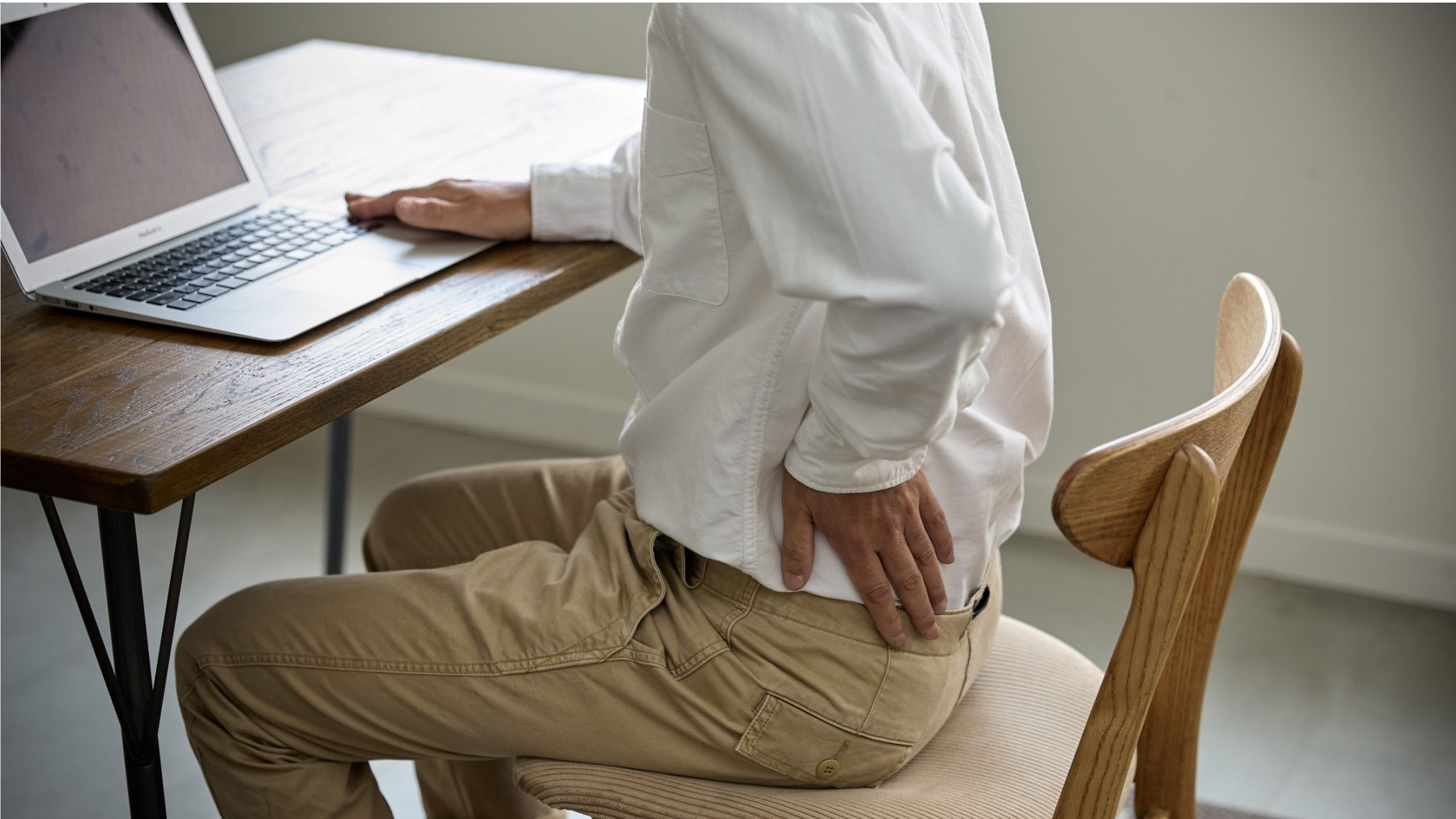
Someone gets up from the sofa after a long evening and the hip catches, a stiff, dull pull that takes a few steps to work itself out. The same thing happens getting out of the car after a long drive on Sheikh Zayed Road, or turning over in bed at three in the morning. None of it is dramatic enough to mention to anyone, until sitting, walking, and sleeping have all quietly become things to manage rather than things to do without thinking.
Hip pain behaves differently from pain in most other joints, largely because the hip does three separate jobs at once. It bears weight while standing and walking, it rotates through a wide range while sitting and turning, and it stays under sustained pressure while lying down, which is why hip pain shows up across such different activities rather than one specific movement.
Where the pain is actually coming from
Hip pain has several distinct sources, and identifying which one is involved changes the entire treatment approach. Hip bursitis involves inflammation of the small fluid-filled sacs that cushion the joint, typically producing pain on the outside of the hip that worsens with lying on that side or climbing stairs. Hip osteoarthritis involves wear of the cartilage within the joint itself, usually producing a deeper, more central ache that is worse first thing in the morning and after long periods of sitting. Muscle strain, often in the hip flexors or glutes, tends to follow a specific activity, a longer than usual walk, an unfamiliar gym session, and produces pain that is more localised and predictable.

A less obvious cause is referred pain from the lower back. The nerves supplying the hip region pass through the lumbar spine, and a compressed nerve or stiff segment there can present as hip pain even when the hip joint itself is completely healthy. This is a common reason people receive hip treatment that does not help, because the joint being treated was never the actual source. Distinguishing between the two usually requires testing the lower back and hip separately, since pressing directly on the hip joint often provokes very little pain when the lumbar spine is the true source, while genuine joint pathology responds differently to the same test.
Why sitting, walking, and sleeping are all affected
Sitting keeps the hip in a flexed position for extended periods, which shortens the hip flexors and increases pressure on the front of the joint, particularly during long commutes or office hours across Dubai’s business districts. Walking loads the joint repeatedly with body weight, exposing any instability or wear that sitting had been masking. Sleeping, especially on one’s side, compresses the hip directly against the mattress for hours, which is why bursitis and joint inflammation often feel worse specifically at night, regardless of how the day itself went.
Signs the pain needs proper attention
- A limp that develops without an obvious injury
- Pain that wakes someone from sleep on a regular basis
- Stiffness that takes longer than fifteen minutes to loosen up in the morning
- Pain that has started affecting how far or how long someone can comfortably walk
- A sensation of the hip catching, locking, or feeling unstable during normal movement
A 2025 University of Sharjah study surveying UAE residents found that awareness of osteoarthritis, one of the leading causes of chronic hip pain, was significantly higher among respondents in Dubai and Abu Dhabi, at 53%, compared to those in Sharjah and the Northern Emirates. Awareness being higher does not mean the condition is being addressed earlier, and a considerable proportion of people in Dubai still delay assessment well past the point where treatment would have been simpler.
What tends to bring hip pain on in Dubai specifically
Long hours behind the wheel are a significant factor, given the driving distances many residents cover daily, combined with car seats that keep the hip in a fixed, flexed position for extended stretches. Office-based roles across Dubai’s business districts add a similar pattern from the seated side. Weight gain places direct additional load on the hip joint, since it is a primary weight-bearing structure, and pregnancy changes hip mechanics through hormonal loosening of the surrounding ligaments. Even regular gym-goers are not immune, since heavy squatting or lunging without adequate hip mobility work can aggravate a joint that has spent most of the day sitting still. None of these factors cause hip pain in isolation, but combined with reduced hip mobility from long periods of sitting, they explain why hip pain has become such a common complaint among Dubai’s working population specifically.
How physiotherapy addresses it properly
Treatment starts with identifying the actual source, since bursitis, osteoarthritis, muscle strain, and referred lumbar pain all require different approaches despite sometimes feeling similar. At Westminster Multispeciality Clinic, Dubai Healthcare City, this assessment typically includes movement testing, palpation of the joint and surrounding structures, and a review of daily habits, sitting patterns, sleep position, driving routine, that may be contributing to the problem. Our arthritis and joint stiffness rehabilitation service addresses cases where cartilage wear is the underlying issue, focusing on maintaining joint mobility and building supporting strength around it rather than simply managing pain as it appears. Where the lower back is the actual source, our back pain physiotherapy service treats the nerve or spinal issue directly, since no amount of hip-focused treatment resolves pain that originates elsewhere.

Manual therapy is commonly used to address stiffness in the joint capsule and surrounding tissue, while targeted strengthening of the glutes and hip stabilisers reduces the load the joint has to manage on its own. Sleep positioning and simple adjustments to how someone sits during long drives or desk hours are often part of the plan too, since these daily patterns are frequently what keeps the pain active in the first place.
Hip pain that disrupts sitting, walking, and sleeping all at once is rarely a single, isolated problem. It usually reflects a joint that has been compensating quietly for months before the compensation stopped being enough. Getting an accurate diagnosis, through our physiotherapy services, is what separates a short course of targeted treatment from months of managing symptoms without addressing what is actually driving them. Anyone noticing this pattern can book an assessment through our Contact Us page.