

You have been waking before dawn for weeks. The rhythm felt purposeful, almost meditative. Then, almost overnight, the structure dissolves. The alarm shifts. Meals move. The body, which had quietly adapted to a new pattern, is left searching for its bearings.
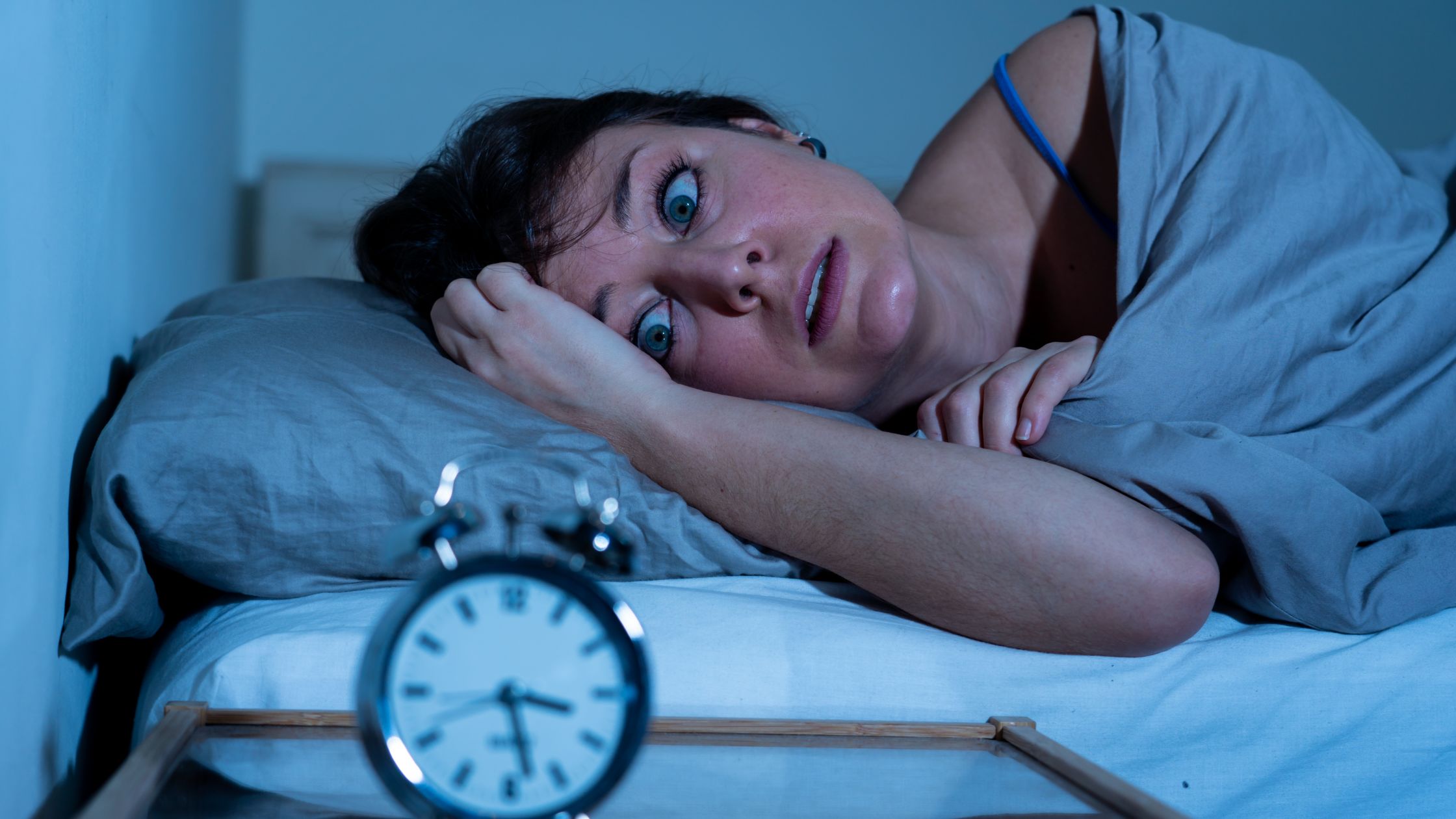
Most people expect to feel physically tired after a major schedule change. What catches many off guard is how emotionally vulnerable they feel too. Irritable over small things. Tearful without obvious reason. Anxious in a low, humming way that is hard to locate or explain.
This is not weakness. It is biology.
What Your Brain Does While You Sleep
Sleep is not simply rest. It is the period during which the brain processes emotion, consolidates memory, regulates stress hormones, and repairs the neural pathways that govern mood and decision-making. When sleep is disrupted or shifted significantly, those processes are interrupted at a level that goes well beyond tiredness.
The amygdala, the part of the brain most responsible for emotional reactivity, becomes significantly more active after poor sleep. At the same time, the prefrontal cortex, which helps regulate and contextualise emotional responses, becomes less effective. The result is a brain that feels more, filters less, and recovers more slowly from everyday stressors.
For residents of Dubai navigating the shift out of Ramadan’s fasting schedule, or anyone returning to routine after an extended break, this neurological reality plays out in very practical ways: sharper irritability at work, reduced patience at home, a creeping sense of flatness that does not seem to match the circumstances.
The Circadian Rhythm and Why It Matters
The body runs on an internal clock called the circadian rhythm. This roughly twenty-four-hour cycle governs not just sleep and waking, but cortisol release, digestion, immune function, and crucially, the regulation of mood-related neurotransmitters like serotonin and dopamine.
When sleep schedules shift abruptly, as they often do after Ramadan, Eid travel, or any extended period of altered routine, the circadian rhythm takes time to catch up. During that window of misalignment, the body is essentially running out of sync with itself. Energy dips appear at the wrong times. Alertness is unreliable. Emotional regulation becomes effortful in a way that feels disproportionate to what life is actually asking of you.
This is why sleep disorders and insomnia are taken seriously not just as physical complaints, but as meaningful contributors to emotional wellbeing. In clinical practice, disrupted sleep is one of the earliest and most consistent indicators of emerging anxiety or depression. The relationship runs in both directions: poor sleep worsens mood, and low mood worsens sleep.
When Schedule Changes Hit Harder
Not everyone experiences post-schedule disruption in the same way. Some people recalibrate within a few days. Others find that the emotional fallout persists for weeks, particularly if other stressors are already present.
Certain circumstances tend to amplify the impact.
- Expat life in Dubai adds a layer of complexity. Many residents return from time abroad after Eid already carrying the emotional weight of re-entry, leaving family, re-engaging with a demanding professional environment, all while their sleep is still adjusting to a new time zone or pattern.
- High-pressure careers leave little room for the natural slowdown that healthy sleep recovery requires. When the expectation is to return to full performance immediately, the gap between how the body feels and what the day demands becomes a quiet source of stress and burnout.
- Pre-existing emotional sensitivity means that people who already experience anxiety, low mood, or mood fluctuations are more vulnerable to the emotional consequences of disrupted sleep. For them, schedule changes are not a minor inconvenience but a genuine trigger.

Practical Steps Toward Restoring Rhythm
The good news is that the circadian rhythm is responsive. With consistent, deliberate cues, it re-anchors more quickly than most people expect.
- Fix your wake time first. Before worrying about when you fall asleep, focus on waking at the same time each morning, even on weekends. The wake time acts as the primary anchor for the entire circadian cycle.
- Use light intentionally. Morning light exposure, even ten to fifteen minutes outdoors shortly after waking, is one of the most effective signals for resetting the internal clock. In Dubai’s climate, early morning is ideal before the heat intensifies.
- Ease the evenings. Bright screens, heavy meals, and stimulating conversations close to bedtime delay the natural onset of sleep. Creating a consistent wind-down period, however brief, sends the brain a reliable signal that rest is approaching.
- Be patient with energy dips. In the early days of re-establishing a rhythm, afternoon fatigue is normal. Resisting the urge to nap for extended periods during the day helps consolidate sleep at night and accelerates the overall reset.
- Watch for emotional signals. If irritability, low mood, or anxiety seem disproportionate to what is happening in your life, and if they coincide with the period of schedule adjustment, take that connection seriously rather than dismissing it.
When Sleep Trouble Goes Deeper
For some people, what begins as a schedule adjustment does not resolve on its own. The inability to sleep despite exhaustion, waking repeatedly through the night, or lying awake for hours with a restless and anxious mind can signal something beyond circadian disruption.
Persistent sleep difficulty is one of the most undertreated conditions in Dubai’s adult population, in part because it is so easily normalised. Busy professionals in particular often wear their sleep deprivation as a badge of productivity, not recognising that they are operating with a significantly compromised emotional system day after day.
Our psychiatry specialists at Westminster Multispecialty Clinic, Dubai Healthcare City, are trained to assess sleep as a clinical priority, not an afterthought. Using evidence-based approaches including Cognitive Behavioural Therapy for Insomnia, they work with patients to identify the specific patterns driving poor sleep and address them at their root, rather than simply managing symptoms.
The Connection Worth Making
There is a version of this conversation that treats sleep as a purely physical matter, separate from emotional life. But the science does not support that separation. How you sleep shapes how you feel, how you respond to difficulty, how much patience you have, how clearly you think, and how resilient you are when life asks something of you.
If you have been struggling emotionally since a period of schedule change, and you have not yet considered sleep as a central part of that picture, it may be the most important question you have not yet asked yourself.
When you are ready to explore it properly, speak with our team at Westminster Multispecialty Clinic. A conversation with one of our mental health experts could be the first night of genuinely better rest you have had in a while.