

The last night of Ramadan carries something quietly sacred. Prayers feel more deliberate. Conversations linger a little longer. There is a softness in the air that the rest of the year rarely offers. Then Eid arrives, families gather, feasts are shared, and life briefly becomes colourful and loud and full.
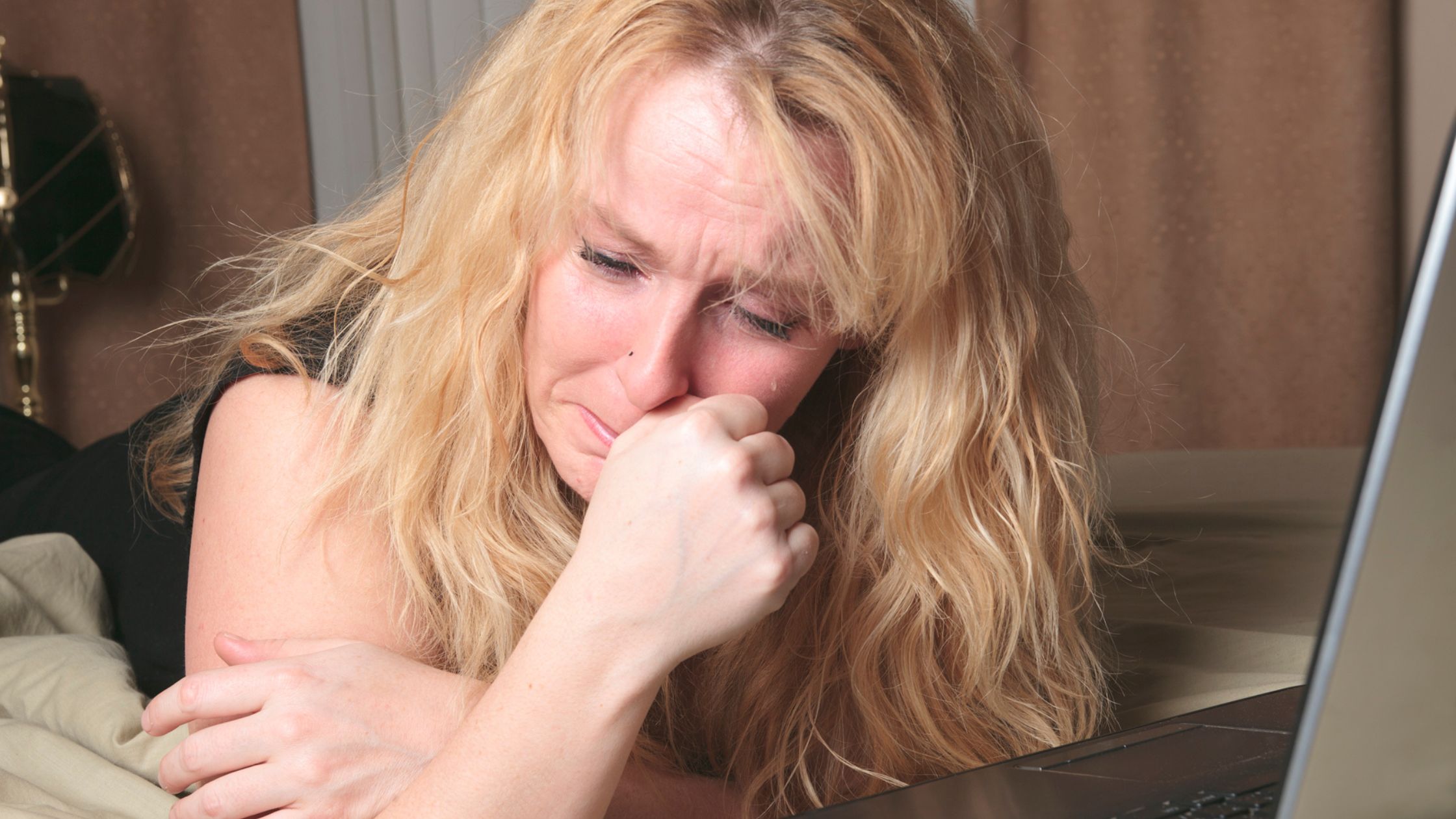
And then, almost without warning, it is over.
The alarm goes off on a Tuesday. The commute resumes. Emails pile up. The gentle discipline of the holy month, the steady rhythm of early mornings, communal iftars, and purposeful evenings, dissolves into the ordinary pace of Dubai life. For many people, the transition back feels surprisingly hard. Not because anything is wrong, but because something meaningful has ended.
If you have been feeling a little flat, restless, or emotionally unsteady in the days after Eid, you are not alone. And you are not overreacting.
Why the Post-Holiday Dip Is Real
During Ramadan, many people experience a regulated lifestyle almost by default: consistent sleep and wake times anchored to Suhoor and Iftar, reduced exposure to digital noise, a stronger sense of community, and a shared moral framework that gives the day shape and meaning.
When that framework lifts, the nervous system notices. Sleep patterns shift. Appetite fluctuates. The social warmth of Eid gatherings fades, often quickly. For expats in Dubai who spent the holiday travelling home, there is the added emotional complexity of re-entry: returning to a city that can feel impersonal after spending time with family abroad.
This is sometimes called post-holiday emotional dissonance. It is not a clinical diagnosis in itself, but it is a genuine psychological experience that, if left unacknowledged, can deepen into something that deserves more attention.
The Expat Layer
Dubai’s population is overwhelmingly international, and the emotional texture of Eid for many residents carries unique weight. Some people celebrate surrounded by colleagues rather than family. Others mark the occasion quietly, watching highlights of gatherings they could not attend. Even those who do return home for Eid often find the transition back to Dubai difficult, grieving the warmth they have just left.
Stress and burnout do not always arrive dramatically. Sometimes they accumulate in the gaps between celebrations, in the moments when the busy-ness of Dubai life resumes and there is no longer a spiritual container to hold the day together. Our mental health experts at Westminster Multispecialty Clinic, trained in the UK and US, see this pattern regularly, and it is worth naming.
What People Get Wrong About Post-Ramadan Mood
There is a quiet but persistent belief that feeling emotionally low after a month of spiritual devotion means the devotion was not enough, or that the person has somehow failed to carry the spirit of Ramadan forward.
This is worth gently challenging.
Feeling emotionally unsettled after any significant period of meaning or structure is not a spiritual failure. It is a human one. The mind and body adapt to routines, and when those routines shift, there is a natural period of recalibration. Acknowledging that this is happening is not weakness. It is awareness.
Many people also assume that anxiety or panic after a holiday must have an identifiable cause. In reality, these feelings can arise from shifts in biology, routine, and social connection simultaneously, without a single trigger. That does not make them less real or less worth addressing.
Small Anchors That Actually Help
There is no single path back to steadiness, but there are approaches that tend to help.
- Protect your sleep rhythm. The disruption that often follows Eid celebrations, late nights, travel, and altered eating patterns can significantly affect mood. Re-anchoring your sleep and wake times, even by thirty minutes each day, can stabilise your emotional baseline relatively quickly. If sleep difficulties persist, they deserve attention on their own terms.
- Carry one practice forward. Many people find that identifying a single element of Ramadan that brought them calm, whether that was morning quiet, reduced phone use, or regular reflection, and continuing it in some form, helps bridge the emotional gap.
- Name what you are missing. Grief over the end of a meaningful season is legitimate. Naming it, even just to yourself, can reduce the diffuse restlessness that comes when an emotion is present but unacknowledged.
- Reconnect deliberately. The communal warmth of Ramadan is one of its defining features. Re-entering a routine that lacks that warmth can feel isolating. Scheduling connection rather than waiting for it to happen organically is not artificial. It is intentional.
When the Feeling Does Not Pass
Most people move through the post-Ramadan adjustment within one to two weeks. The colour slowly returns, the routine re-establishes itself, and life finds its rhythm again.
But sometimes it does not. Sometimes the low mood lingers, sleep does not improve, concentration remains scattered, and motivation to engage with everyday life stays elusive. When these experiences persist beyond a couple of weeks, or when they begin to interfere with work, relationships, or daily functioning, they may be signalling something that warrants professional support.
This does not have to mean crisis. It may simply mean that the mind is carrying more than it can comfortably process alone. Persistent depression following a period of elevated emotional engagement is more common than many people realise, particularly in a city as demanding as Dubai, where the pressure to perform and present well is constant.
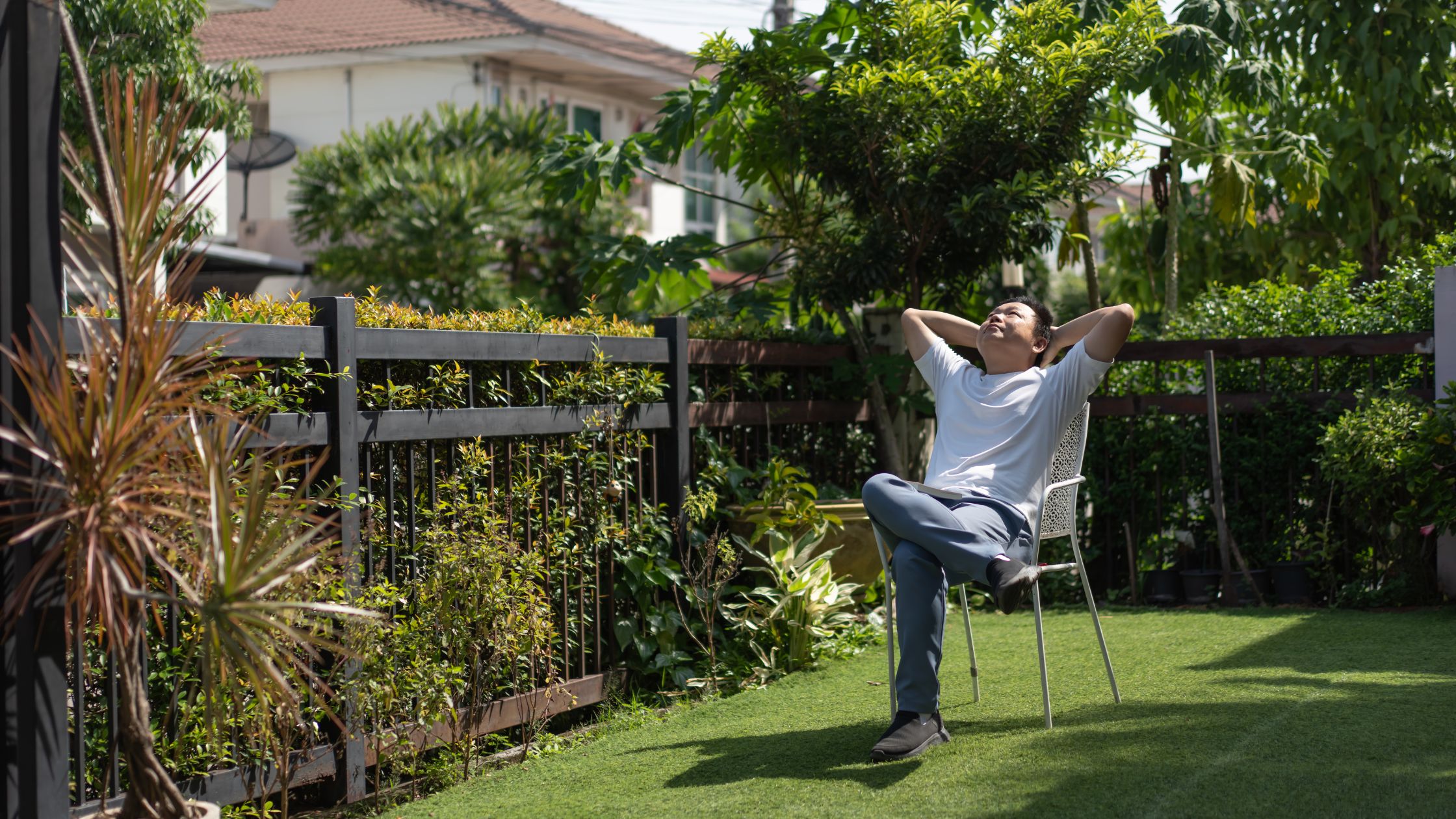
Our psychiatry specialists at Westminster Multispecialty Clinic, based in Dubai Healthcare City, offer a space to explore these feelings with clinical expertise and genuine compassion. Whether you are navigating post-holiday adjustment, longer-standing emotional difficulty, or simply a sense that something is not quite right, support is available in a setting that understands both the medical and the cultural dimensions of what you are experiencing.
Carrying the Attention Forward
Ramadan teaches, among other things, the discipline of paying attention. Paying attention to what you consume, how you spend your time, what you are grateful for. That attentiveness does not have to end with the month.
Paying attention to your emotional state, noticing when you are struggling and choosing to do something about it, is one of the most meaningful things you can carry forward. If what you notice tells you that you need a little support right now, please do not wait for things to worsen before reaching out.
Reach out to us to arrange a confidential appointment with one of our psychiatry specialists. Taking that step is not a departure from the values of the season. In many ways, it is an expression of them.