
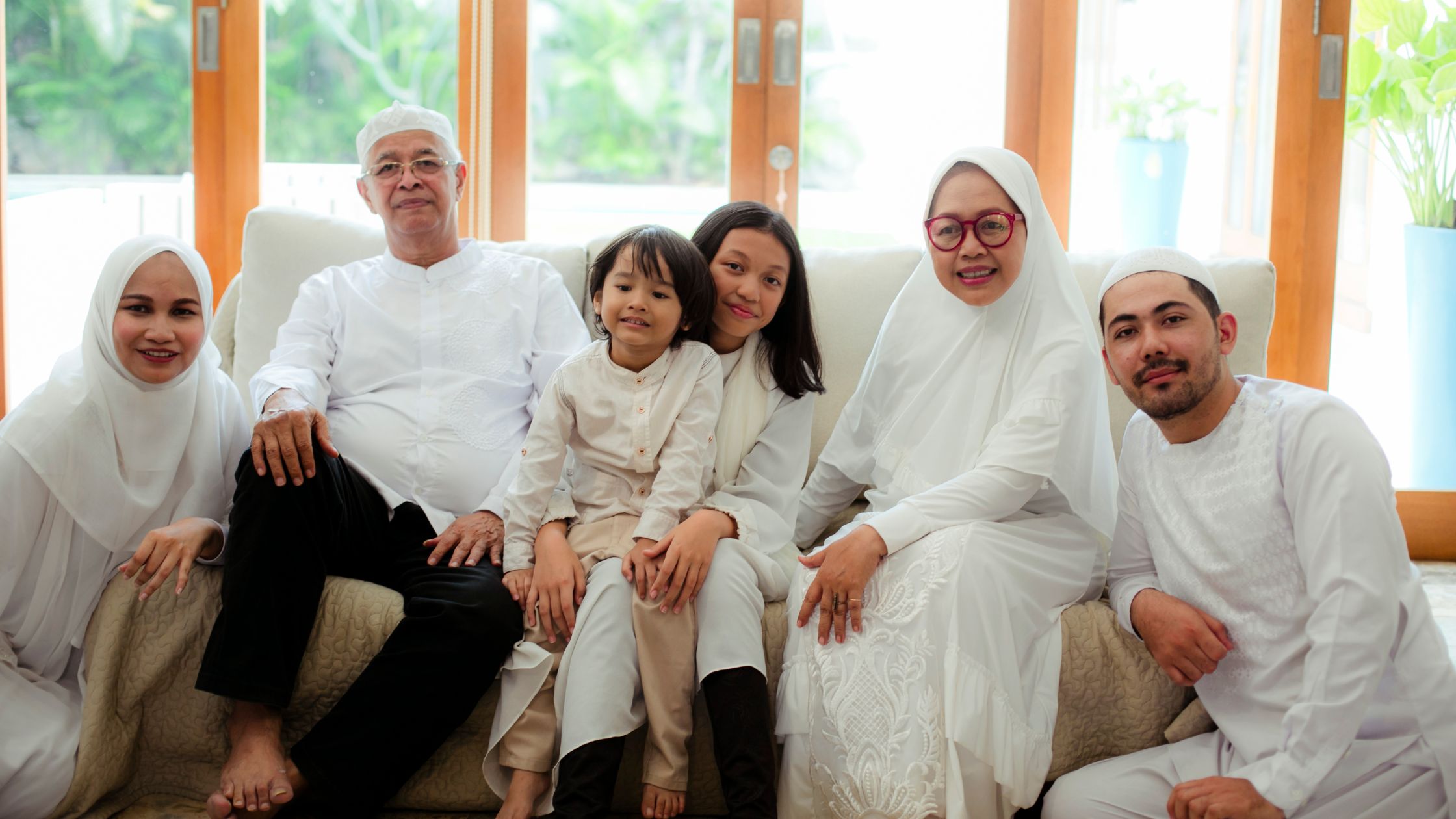
There is a particular kind of exhaustion that arrives not during a celebration, but just after it.
The decorations come down. The guests leave. The inbox refills. And somewhere in the quiet that follows, a feeling settles in that is difficult to name. Not sadness exactly. Not relief either. Something in between, a deflation that feels strangely out of place given how much you were looking forward to this time just weeks ago.
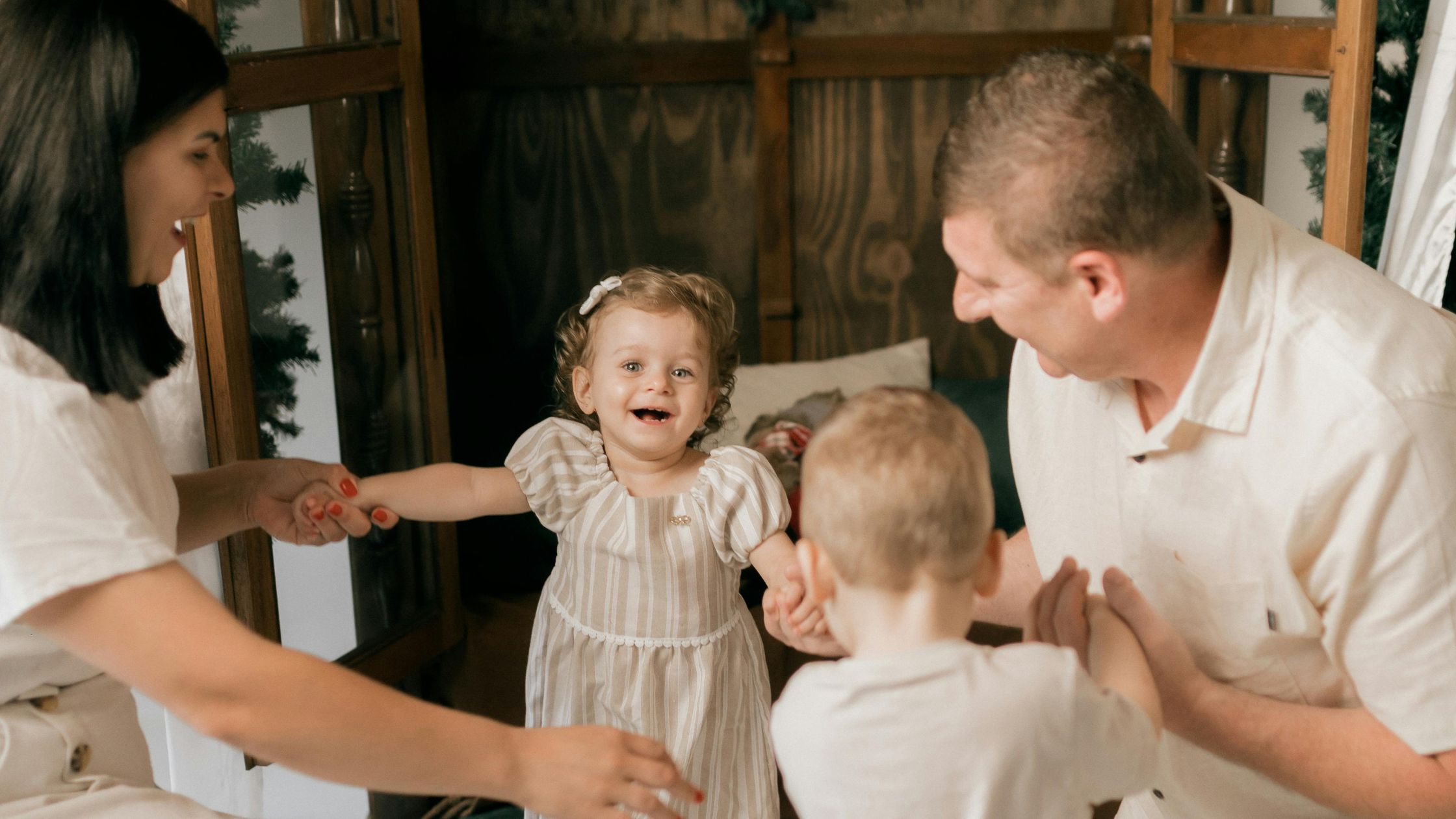
If you recognise that feeling, you are in very good company. Across cultures, faiths, and calendars, the emotional aftermath of festive seasons follows a remarkably consistent pattern. The highs are real. So is what comes after.
Why Celebrations Affect Us More Than We Expect
Festive periods are emotionally concentrated experiences. Whether it is Eid, Christmas, Diwali, or a national holiday, these seasons ask a great deal of us, emotionally, socially, physically, and often financially. We invest heavily in them, in preparation, in presence, in expectation.
The brain responds to this investment. Anticipation itself triggers dopamine release, the neurochemical associated with motivation and pleasure. Social connection elevates oxytocin. Shared rituals and meaning activate the parts of the brain associated with purpose and belonging. For a period of time, life feels more vivid and more connected than usual.
When that period ends, the contrast is felt at a neurological level, not just an emotional one. The brain, accustomed to an elevated baseline of stimulation and meaning, finds the return to ordinary life genuinely difficult to process. This is not ingratitude. It is neuroscience.
The Expectations We Carry Into Celebrations
One of the less discussed dimensions of festive emotional difficulty is the weight of expectation, both the expectations we place on the season itself and those we absorb from the people around us.
Celebrations are culturally framed as times of joy, togetherness, and renewal. For many people, that framing is largely true. But it sits alongside other realities: strained family relationships, financial pressure, grief for people who are no longer present, loneliness that feels sharper against a backdrop of assumed happiness.
In Dubai, this complexity takes on its own character. The city draws people from across the world, many of whom are celebrating significant occasions far from home. A festive season that should feel warm can instead highlight distance, both geographical and emotional. Even those surrounded by community can feel a private sense of disconnection that they find hard to articulate, let alone admit.
The gap between how a season is supposed to feel and how it actually feels is, for many people, a source of quiet shame. That shame tends to go unspoken. And unspoken emotional difficulty rarely resolves on its own.
The Shape of Post-Festive Emotional Shifts
The emotional landscape after a significant celebration varies from person to person, but some patterns appear consistently.
Low-grade flatness is perhaps the most common. Life resumes its normal pace, but colour seems to have drained from it temporarily. Motivation is reduced. Small tasks feel heavier than they should.
Irritability is another frequent companion. The warmth of the festive period gave way to ordinary friction, and the contrast makes everyday frustrations feel disproportionately sharp. Relationships that felt easy during the celebrations now require more effort.
For some people, particularly those already navigating anxiety or depression, the post-festive period can act as a genuine trigger. The disruption to sleep, routine, diet, and social structure during celebrations, followed by the abrupt return to normal demands, creates a set of conditions that can tip a manageable emotional baseline into something more difficult.
Recognising these patterns is important, not to pathologise a normal human experience, but to know when something deserves more attention than simply waiting it out.
A Cultural Lens Worth Holding
Dubai is one of the most culturally layered cities in the world. Within a single workplace, a single apartment building, a single friendship circle, people may be observing entirely different festive calendars, carrying entirely different emotional associations with celebration, and navigating entirely different cultural expectations around expressing how they feel.
For many communities, emotional difficulty during or after a festive season carries stigma. There is pressure to perform happiness, to project gratitude, to keep private struggles genuinely private. Seeking support is sometimes perceived as conflicting with faith, with family loyalty, or with a cultural value of resilience.
Our mental health experts at Westminster Multispecialty Clinic hold deep respect for these dimensions. The psychiatry care available here is not a Western framework imposed on a diverse population. It is an evidence-based, human-centred approach delivered by UK and US trained specialists who understand that emotional wellbeing looks different across cultures, and that effective support begins with that understanding.
What Actually Helps
Navigating the emotional transition out of a festive season is rarely about doing something dramatic. It is usually about returning to the small, consistent things that stabilise mood over time.
- Re-anchor your routine gradually. Attempting to return to full structure overnight rarely works. A phased re-entry, restoring sleep times first, then meals, then exercise, tends to be more sustainable and less emotionally jarring.
- Give the contrast a name. Telling yourself or someone you trust that you are finding the return to normal harder than expected reduces the isolation of the experience. Named emotions are easier to move through than unnamed ones.
- Reduce the pressure to feel a particular way. Post-festive flatness is not ingratitude. It is not failure. It is a natural consequence of emotional investment followed by withdrawal. Allowing it to exist without judgment shortens its duration.
- Watch your sleep and rest. Festive seasons frequently disrupt sleep through late nights, travel, altered eating, and overstimulation. Prioritising rest in the weeks that follow is one of the most effective emotional stabilisers available.
- Notice if it lingers. A week or two of post-festive adjustment is within the range of normal human experience. Persistent low mood, ongoing stress and exhaustion, or emotional difficulty that begins to affect your work or relationships is a signal worth taking seriously.

When the Low Does Not Lift
Most people find their emotional footing again within a couple of weeks of a festive season ending. The routine returns, the nervous system recalibrates, and life regains its texture.
But for some, the dip is deeper or longer than expected. What began as post-holiday flatness begins to feel like something more settled, a heaviness that does not shift with time or effort. Sleep remains disrupted. Concentration is unreliable. The motivation to engage with things that usually bring satisfaction has quietly disappeared.
This is the point at which speaking to someone becomes not just helpful, but important. The psychiatry services at Westminster Multispecialty Clinic, Dubai Healthcare City, are designed for exactly this kind of moment. Not crisis, necessarily, but the quieter, more chronic experience of an emotional system that needs proper support rather than simply more time.
The Season After the Season
Every celebration eventually becomes ordinary time. The question is not whether that transition will happen, but how gently you can move through it.
Paying attention to your emotional state in the weeks following a significant season is not overthinking. It is self-awareness. And if what you notice suggests that you could use some support, that instinct is worth following rather than overriding.
Talk to our team at Westminster Multispecialty Clinic. Our psychiatry specialists are here to help you find steadiness again, whatever season brought you to the door.