April 26, 2023

What is bipolar disorder?

Bipolar disorder is a disorder of mental function in which the person’s mood can swing between two (‘bi’) poles ranging from the elated hyperactivity of mania on the one hand to the flatness of depression on the other. It was previously called manic-depressive illness. 

How common is it and who gets it? 

About 1 in 100 people in the population suffer from bipolar disorder. It tends to run in families, and men and women are equally likely to develop it. The usual age of onset is in the late teens or 20s (especially). It tends to develop in some women after childbirth or during menopause.

What causes bipolar disorder?

The cause is believed to be a combination of factors including genetics, biochemistry, and stress. Studies point to genetic transmission, including the observation that children of parents with it have an increased risk. There is thought to be a chemical imbalance in the brain, which can be corrected with appropriate medication. Stress may be responsible for triggering the problem in some cases. 

What is normal and abnormal? 

A normal person has a fluctuation or swinging of moods varying from moderate liveliness to moderate lethargy, depending on circumstances from day to day or month to month. It is normal to feel flat sometimes and elated at others. However, people with bipolar disorder have extreme moods unrelated to external events. They are prone to exhibit behavior that is uncharacteristic and not usually socially acceptable. 

They may have periods of normal human behavior lasting for a short time or for many months sandwiched in between the two extremes of mania and depression. The degree of bipolar disorder can range from mild to severe. Some people may only experience episodes of mania or hypomania, without sliding into depression. Most sufferers are able to lead relatively normal lives.

What are the symptoms? 

The mania ‘pole’:  This phase is where the mood is mainly elevated, irritable, and argumentative. Close relatives or associates are more likely to recognize the beginning of the manic phase than the sufferer, who may have no insight into their condition. It usually begins with a less severe degree of mania (called hypomania) which may stay at this stage or progress to the manic stage. 

  1. Stage 1: Hypomania 
  • Increasing activity and restlessness; ‘high’ 
  • Reduced sleep, early waking.
  • Leaping out of bed early and vigorously.
  • Talkative; fast speech.
  • Easily distracted. 
  • Decreasing work performance 
  • Enthusiastically starts (rarely finishes) new projects. 
  • Increased sexual drive and activity.

Stage 2: Mania 

  • ‘High as a kite’ 
  • Reckless behavior (e.g. spending sprees, running up debts, sexual promiscuity) 
  • Wild, garrulous speech 
  • Grandiose ideas and plans
  • Impaired judgment/lack of insight 
  • Hasty decisions (e.g. job resignation, marriage) 
  • Paranoia 
  • Racing thoughts; flights of ideas the person may be out of touch with reality, such as having delusions (false beliefs) or hallucinations. Behavior may include singing, dancing or laughing for no reason.

The depression ‘pole’: There are typical depressive symptoms but with a tendency to be more severe with bipolar disorder. The onset is gradual, and sufferers become increasingly withdrawn and lose interest in things that they normally enjoy. There is a slowing down of many basic functions such as energy, appetite, sex drive, speech, and movement. Sleep is affected. Problems multiply with pessimism, guilt feelings and reduced self-esteem and confidence. Some feel unable to face the world and that life is not worth living and may stay shut in their room. Thoughts about death and suicide are common and indicate the need for urgent attention. 

What should be done?

Since the illness is most easily treated in its early stages, it is best to see or speak to a psychiatrist as soon as possible if you suspect that either you or an acquaintance is bipolar. Doctors often rely heavily on information from people other than the patient to make the diagnosis. Sufferers tend to lack insight, fail to realize their problem, and tend to conceal it from their doctors. There are no available diagnostic laboratory tests.

What is the treatment of bipolar disorder?

The good news is that it responds well to modern medications, which aim to correct an apparent chemical imbalance in the nervous system. Antidepressants are used for the depressive phase. The treatment should be carefully supervised so that relapses can be prevented. Supportive psychotherapy is also important. Patients with severe episodes, especially the first one, usually require hospitalization. With appropriate treatment and support, most people with bipolar disorder can lead full and productive lives.

References

  • Murtagh’s patient education, sixth edition © mcgraw-hill
  • Ainslie Meares, Life Without Stress, Penguin Books, Melbourne, 1991. 
  • Norman Vincent Peale, The Power of Positive Living, Vermilion, London, 1996.

Disclaimer: All contents on this site are for general information and in no circumstances, information be substituted for professional advice from the relevant healthcare professional, Writer does not take responsibility for any damage done by the misuse or use of the information.

April 26, 2023

What is anxiety?

Anxiety is an uncomfortable inner feeling of fear or imminent disaster. Most of us experience some temporary degree of anxiety in our lives, sometimes with just cause and at other times without. It can be a common normal human reaction to stress, and being anxious over appropriate things may help to make us more responsible, caring people. Some people, however, are constantly anxious to the extent that it is abnormal and interferes with their lives. Severe cases of anxiety can lead to panic attacks or hyperventilation.

What are the symptoms?

The symptoms can vary enormously from feeling tense and tired to panic attacks. 

Symptoms include: 

  • Tiredness or fatigue
  • Dry mouth, difficulty swallowing.
  • Apprehension: ‘something awful will happen’ 
  • Sleep disturbances and nightmares 
  • Irritability 
  • Muscle tension/headache 
  • Rapid heart rate and breathing 
  • Sweating
  • Trembling 
  • Diarrhea 
  • Flare-up of an illness (e.g. dermatitis, asthma) 
  • Sexual problems

What are the Risk Factors? 

Various physical illnesses—such as high blood pressure, coronary disease, asthma and perhaps cancer—can be related to persistent stress and anxiety. It may aggravate a drug problem such as smoking and drinking excessively. It can cause a breakdown in relationships and work performance. It can lead to the serious disorder of depression. Because an overactive thyroid can mimic an anxiety state, it is important not to overlook it.

What is the treatment?

  • Self-help

 It is best to avoid drugs if possible and to look at factors in your lifestyle that cause you stress and anxiety and modify or remove them (if possible). Be on the lookout for solutions. Examples are changing jobs and keeping away from people or situations that upset you. Sometimes confronting people and talking things over will help. Follow a healthy lifestyle based on good nutrition, exercise, recreational activity and moderation or abstinence from the harmful CATS—caffeine, alcohol, tobacco, and social drugs. 

  • Special advice 

Be less of a perfectionist: do not be a slave to the clock; do not bottle things up; stop feeling guilty; approve of yourself and others; express yourself and your anger. Resolve all personal conflicts. Make friends and be happy. Keep a positive outlook on life and be moderate and less intense in your activities. Seek a balance of activities, such as recreation, meditation, reading, rest, exercise and family/social activities.

  • Relaxation

Learn to relax your mind and body: seek out special relaxation programs such as yoga and meditation. Make a commitment to yourself to spend some time every day practicing relaxation. About 20 minutes twice a day is ideal, but you might want to start with only 10 minutes. 

  1. Sit in a quiet place with your eyes closed but remain alert and awake if you can. Focus your mind on the different muscle groups in your body, starting at the forehead and slowly going down to the toes. Relax the muscles as much as you can.
  2. Pay attention to your breathing: listen to the sound of your breath for the next few minutes. Breathe in and out slowly and deeply. 
  3. Next, begin to repeat the word ‘relax’ silently in your mind at your own pace. When other thoughts distract you, calmly return to the word ‘relax’. 
  4. Just ‘let go’: this is a quiet time for yourself, in which the stresses in body and mind are balanced or reduced.
  • Counselling

 Your doctor will counsel you to help you cope with your fear and stress. This may include behavior therapy, which will help you learn to confront these fears, or cognitive behavioral therapy, which will teach you how to identify, evaluate, control, and modify your negative fearful thoughts and behaviors. 

  • Medication

Our Psychiatrist at Westminster Ortho Med Clinic will recommend tranquilizers only as a last resort or to help you cope with a very stressful temporary period when your anxiety is severe, and you cannot cope without extra help. Tranquilizers can be very effective if used sensibly and for short periods.

References:

  • Richard Carlson, Don’t Sweat the Small Stuff, Hyperion, NewYork, 1997. 
  • MURTAGH’S PATIENT EDUCATION, SIXTH EDITION © MCGRAW-HILL
  • Richard Carlson & Wayne Dyer, You Can be Happy No Matter What, Amazon, New York, 1999. 
  • Ainslie Meares, Life Without Stress, Penguin Books, Melbourne, 1991. 
  • Norman Vincent Peale, The Power of Positive Living, Vermilion, London, 1996.

Disclaimer: All contents on this site are for general information and in no circumstances information be substituted for professional advice from the relevant healthcare professional, Writer does not take responsibility of any damage done by the misuse or use of the information.

April 26, 2023

The extent of the problem:

 Research reveals that 3% of Australians aged between 3 and 16 years have a depressive disorder each year. Major depression affects an estimated 8% of Australian teenagers, with about 60% experiencing suicidal ideas and up to 35% making a suicide attempt. The distressing problem of suicide is the second most common cause of death in this age group. Females attempt suicide about 14 times more than males, but males complete suicide 4 times more often. It is a national concern and needs to be taken very seriously in children. The incidence of depression increases markedly after puberty, especially in females. 

Types of depressive disorders 

There is a whole range of types of depression varying from sadness to feeling blue or down in the dumps to the extreme sadness and hopelessness of major depression. 

The main types of depression are:

  • Depressed mood—feeling sad or blue is a minor, virtually normal, state that we get from time to time, but we still manage to carry on with life. 
  • Dysthymia—a moderate state of depression in which mood is persistently low so that it interferes with a person’s ability to function normally in their life, including study and enjoyment.
  • Major depression—the so-called ‘black dog’ or ‘black hole’; this is a serious illness that leads to a dysfunctional life with a breakdown of the basic drives, namely energy, eating, sleeping, sex, and enjoyment. These people are at risk of suicide.

What are the symptoms and signs of major depression? 

The following are typical characteristics: 

  • Persistent sadness 
  • Severe sleeping problems 
  • Eating disorders and weight changes
  • Apathy towards friends, school, and family
  • Sense of worthlessness 
  • Difficulty concentrating 
  • Deterioration in school performance 
  • Crying and emotional ups and downs 
  • Complaints about physical symptoms such as headache 
  • Persistent boredom and low energy 
  • Acting out and risk-taking behavior
  •  Reoccupation with death and dying 
  • Suicide attempts (called para suicide). 

Risk factors

  • Depression in a close relative 
  • Major life stress 
  • Recurrent stresses 
  • Bullying
  • Broken relationship 
  • Child abuse
  • Family break-up 
  • Substance abuse (e.g., alcohol, drugs) 
  • Social isolation—due to race or sexuality 
  • Sexual maladjustment 
  • School failure 
  • Health problems
  • Unemployment

How to help a depressed teenager:

  • Listen to them and be alert to what they are saying and not saying. 
  • Treat them with respect. 
  • Take their problems and depression seriously. 
  • Offer unconditional love and support.
  • Be available to help when requested. 
  • Be flexible and consistent.
  • Encourage them to express their true feelings.
  • Encourage them to do things that they enjoy. 

Advice for parents, carers, and friends

Follow the above guidelines. Encourage your child to get help without nagging or being judgmental (this includes talking things over with friends and people he or she is close to, respects, and relates to). Ask people close to you for advice and support. Do not cling to your child or show too much concern. Look closely at your own management style and skills and ask yourself whether you could improve or alter your approach. Take any talk about self-harm, including suicide, very seriously, and make sure your child’s environment is safe. 

Professional support

Ask your Psychiatrist and Psychologist for help and, if possible, encourage your child to see that it would be in his or her best interests to get help. The excellent treatments available include counseling and antidepressant medication, if necessary.

References:

  • Richard Carlson, Don’t Sweat the Small Stuff, Hyperion, NewYork, 1997. 
  • Murtagh’s patient education, sixth edition © mcgraw-hill
  • Ainslie Meares, Life Without Stress, Penguin Books, Melbourne, 1991. 
  • Norman Vincent Peale, The Power of Positive Living, Vermilion, London, 1996.

Disclaimer: All contents on this site are for general information and in no circumstances information be substituted for professional advice from the relevant healthcare professional, Writer does not take responsibility of any damage done by the misuse or use of the information.

April 26, 2023

What is personality?

Personality is the distinctive personal characteristic of a person that identifies a unique recognizable individual. It includes one’s mental and behavioral characteristics, which are determined by inherited (genetic) patterns and developed by continuing interaction with outside life influences. This includes family interactions, peer pressure, and influential events plus personal drives.

What is a personality disorder?

 A person can be said to have a personality disorder if his or her behavior pattern does not adapt in an appropriate way to social conventions. This results in impaired social interaction and often leads to unhappiness and occupational failure. One characteristic is a consistent failure to adhere to accepted standards of behavior, upsetting people who come into close contact with them. The disorder comes on in adolescence or early adulthood. 

There are a whole variety of personality disorders, which can be classified as follows:

  • Withdrawn (referred to as odd or eccentric): Subtypes include paranoid and schizoid. Characteristics are suspicious, oversensitive, shy, detached, defensive, emotionally cold, humorless, and argumentative. 
  • Dependent (referred to as anxious, fearful, and inhibited): Subtypes include avoidant, dependent, obsessive-compulsive, and passive aggressive. Features are anxiety, self-consciousness, low self-esteem, passivity, avoidance of responsibility, indecisiveness, pedantry, procrastination, rigidity, fear of rejection and of failure. 
  • Antisocial (often referred to as sociopathic or psychopathic): See subtypes below. The main feature is a defective capacity for affection or feeling for others. Tend to be irresponsible, unable to hold down jobs, and not capable of forming satisfactory relationships.

What are the features and types of antisocial personality disorder? 

A sociopathic person is by nature incapable of conforming to the restraints of the outside world. The antisocial group tends to come to the attention of doctors more frequently because of demanding, manipulative, angry or aggressive behavior. Although some sociopaths adapt and achieve success, most are inadequately adapted people who bumble along unhappily. Sadly, many upset the social norms, as they become disturbed when frustrated and regularly break the rules of society. They become well-known to the police and spend time in prison or under the care of the state. The estimated incidence of antisocial personality disorder is about 5 in 100 people. 

The following are identifiable subtypes: 

  • Antisocial (‘mad dog’): Unable to conform to social norms, impulsive, insensitive, callous, repeated criminal behavior, reckless behavior, liar, low frustration level, repeated physical fights or assaults, lack of remorse, promiscuous, usually starts in teens.
  • Histrionic (hysterical): Self-dramatic, egocentric, immature, vain, dependent, manipulative, easily bored, emotional scenes, inconsiderate, seductive, craves attention and excitement. 
  • Narcissistic (‘prima donna’): Exhibitionist, morbid self-admiration, insensitive, craves and demands attention, exploits others, preoccupied with self-importance and power, lacks empathy and interest in others, bullying, no insight, arrogant and haughty attitudes. 
  • Borderline (‘hell raiser’): Confused self-image, impulsive, ‘all or nothing relationships—unstable and intense, damaging reckless behavior (e.g. driving), drug abuse, full of anger and guilt, lacks self-control, possible uncontrolled gambling or spending or sexual activity. Intense outbursts of anger, anxiety, and depression. This group engages in frantic efforts to avoid abandonment and has a high incidence of suicide and apparent attempted suicide.

What can be done for an antisocial personality disorder? 

People with this unfortunate disorder need help. Because they tend to upset people and alienate friends and many others, they have difficulty finding support and treatment. The best treatment is from a supportive ‘therapeutic’ community and understanding and supportive professionals, particularly their Counsellors and Psychiatrists. Their families and other carers also need support and education. These people may respond well to psychological intervention and behavioral techniques. 

These include:

  • Psychotherapy—especially cognitive behavior therapy, which provides insight and various ways of coping.
  • Psychosocial Rehabilitation—helping to learn acceptable social skills. Medication has limitations but is most useful to treat those individuals who develop an anxiety state, depression, or psychosis.

References:

  • Richard Carlson, Don’t Sweat the Small Stuff, Hyperion, NewYork, 1997. 
  • MURTAGH’S PATIENT EDUCATION, SIXTH EDITION © MCGRAW-HILL
  • Ainslie Meares, Life Without Stress, Penguin Books, Melbourne, 1991. 
  • Norman Vincent Peale, The Power of Positive Living, Vermilion, London, 1996.

Disclaimer: All contents on this site are for general information and in no circumstances information be substituted for professional advice from the relevant healthcare professional, Writer does not take responsibility of any damage done by the misuse or use of the information.

April 26, 2023

What is social phobia? 

Social phobia is an abnormal fear or aversion to social gatherings, where the affected person feels subject to public scrutiny and avoids such anxiety-provoking situations as much as possible. It is sometimes referred to as social phobia disorder and is much more than shyness. It can vary from a predictable fear of a new social experience to an extremely morbid fear that significantly affects a person’s life. The basic fear is that of being regarded unfavorably by others and feeling embarrassed or humiliated by one’s appearance or performance.

 How common is it and who gets it?

It is the most common of all anxiety disorders. Studies indicate that about 1 in 7 people suffer from a social phobia at some time in their lives. Anyone can develop it. It is usual to have an early age of onset, with almost 100% of sufferers having it by the age of 20 and many of these by the age of 10. 

What are the typical situations? 

Although anxiety-provoking situations vary from person to person, the following are common: 

  • Speaking engagements
  • Meeting people, especially for the first time 
  • Dealing with authority figures or professionals 
  • Sitting for examinations
  • Dating 
  • Eating and drinking in public (e.g. in canteens) 
  • Negotiating with others 
  • Staff meetings 
  • Using public toilets
  • Writing while being watched 
  • Receiving visitors 
  • Entering a room where others are seated. A common factor in these situations is that people feel that they are in the ‘limelight’ and are being judged by other people.

What are the causes? 

We often hear the term ‘adrenaline rush’ when people in a stressful or exciting situation describe how they feel the adrenaline pumping around their bodies. It does indicate that the brain and other parts of the central nervous system are responding to stimuli. We call it sympathetic activity because it involves this component of the autonomic nervous system.

In people with social phobia, there is sympathetic overactivity as the responsible chemicals, particularly adrenaline and serotonin, are released in large amounts. The person cannot be blamed because the body goes into ‘automatic’ mode as a conditioned response. There may be a genetic (inherited) predisposition and there is evidence of a bad childhood experience in some people.

What are the symptoms?

Typical symptoms include one or more of the following: 

  • Palpitations 
  • Sweating
  • Tremor or trembling
  • Hot and cold flushes
  • Light-headedness 
  • ‘Butterflies’ in the stomach 
  • Nausea 
  • ‘Lump in the throat’ or difficulty swallowing. 
  • Diarrhoea 
  • Muscle tension or aching 
  • Tension headache 
  • Restlessness.

What is the outcome? 

The symptoms can certainly interfere with a person’s life and make him or her miserable. A panic attack can occur. When a person experiences these symptoms it tends to affect their self-image and may make them feel ‘stupid’ or weak. This response aggravates the problem, so a vicious cycle develops. It can also lead to other phobias such as agoraphobia (fear of open spaces or leaving home). Serious consequences include relationship breakdown, depression, substance abuse, especially of alcohol, and loss of employment opportunities. 

What is the treatment?

Self-help is difficult because the phobia does not usually go away on its own. Some people may be able to cope by avoiding certain stressful situations, but this does not solve the basic problem. Professional help should be sought. This includes counselling techniques and medications, which can be used separately or in combination. 

  1. Counselling: The main psychological technique used is cognitive behavior therapy (CBT). Cognitions are thoughts, beliefs or perceptions and CBT involves the process of knowing or identifying, understanding or having insight into these thought processes. Certain thought processes in social phobia reinforce the belief that people are watching and judging you. The techniques attempt to identify and break these patterns to help you feel more comfortable with other people. The therapy then aims to help you change your behaviour, gradually face up to social situations and find them less threatening. Other techniques may include relaxation techniques and group therapy where other people share their experiences.
  2. Medication: Sometimes your doctor will prescribe medication to treat social phobia, especially if anxiety and depression are involved. For social phobia with performance anxiety, a beta-blocking agent taken 30–60 minutes before a social event or performance can be beneficial. Check with your doctor, but remember they are not permitted in some competitive sporting events.

References:

  • Murtagh’s patient education, sixth edition © mcgraw-hill
  • Ainslie Meares, Life Without Stress, Penguin Books, Melbourne, 1991. 
  • Norman Vincent Peale, The Power of Positive Living, Vermilion, London, 1996.

Disclaimer: All contents on this site are for general information and in no circumstances information be substituted for professional advice from the relevant healthcare professional, Writer does not take responsibility of any damage done by the misuse or use of the information.

November 22, 2022

Platelet-Rich Plasma (PRP) therapy Purpose and Effectiveness in Orthopedic related Conditions.

Platelet-Rich Plasma (PRP)

During the past several years, much has been written about a preparation called platelet-rich plasma (PRP) and its potential effectiveness in the treatment of injuries.

Even though PRP has received extensive publicity, there are still lingering questions about it, such as:

  • What is platelet-rich plasma?
  • How does it work?
  • What conditions are being treated with PRP?
  • Is PRP treatment effective?

What Is Platelet-rich Plasma (PRP)?

Although blood is mainly a liquid (called plasma), it also contains small solid components (red cells, white cells, and platelets.) The platelets contain hundreds of proteins called growth factors, which are very important in the healing of injuries.

PRP is plasma with many more platelets than what is typically found in blood. The concentration of platelets — and, thereby, the concentration of growth factors — can be 5 to 10 times greater (or richer) than usual.

How Does PRP Work?

The laboratory studies have shown that the increased concentration of growth factors in PRP can potentially speed up the healing process.

 PRP can be carefully injected into the injured area. For example, in Achilles tendonitis, a condition commonly seen in runners and tennis players, the heel cord can become swollen, inflamed, and painful. A mixture of PRP and local anesthetic can be injected directly into this inflamed tissue. Afterwards, the pain at the area of injection may actually increase for the first week or two, and it may be several weeks before the patient feels a beneficial effect.

What Conditions are Treated with PRP? Is It Effective?

  • Osteoarthritis (All affected joints e.g., hip, knee, shoulder, elbow, ankle)
  • Tendonitis/ Chronic tendon injuries
  • Ligament/muscle injuries
  • Muscle sprains
  • Joint pain (e.g., hip, knee, shoulder, elbow, ankle)
  • Tendon injuries (Torn Achilles)
  • Tennis elbow
  • Soft tissue sports injuries (muscles, tendons and ligaments)
  • Nerve damage and injury
  • Non-healing wounds
  • Back and spine conditions
  • Arthritis related pain. 

Conclusion

Treatment with platelet-rich plasma holds great promise. Although PRP does appear to be effective in the treatment of chronic tendon injuries. 

Even though the success of PRP therapy is still questionable, the risks associated with it are minimal: There may be increased pain at the injection site, but the incidence of other problems — infection, tissue damage, nerve injuries — appears to be no different from that associated with cortisone injections.

November 22, 2022

Platelet-Rich Plasma (PRP) therapy Reasons Why PRP Therapy Is Used in Medicine

High Profile Therapy

PRP therapy injections got some popular buzz after athletes began using this treatment option to help with their sports-related injuries. 

Convenient Resource

Every patient has a blood supply that can be utilized for this type of therapy treatment. Our blood comprised of proteins that regulate new growth allowing your body to heal, PRP therapy relies on these platelets to speed up the healing process which is conveniently located within our bodies.

Natural Healing

PRP therapy injections are comprised of a high concentration of extracted platelets rich in plasma which promotes an increase in the number of reparative cells that flood the target area. PRP injections make sense in that it aids in giving the body more of its natural resource in a concentrated setting to reduce pain, swelling, stiffness, and promote healing.

Simple Process

Patients only have to donate their blood to consider PRP therapy treatments. This simple process takes only a couple of vials to be processed in a centrifuge to separate the blood into various categories. 

Regenerative Therapy for Joint Pain

There are multiple areas of the body that PRP injections can help. Joint pain caused by arthritis, osteoarthritis, an injury, or the natural process of aging is a prime target for PRP therapy. 

A Precise Treatment

With guided fluoroscopy or ultrasound technology, PRP therapy injections can be precisely given at the site of an injured or damaged joint, bone or soft tissue, tendon, ligament, or disc. 

Quick Procedure

PRP injections typically only take about 30 minutes. This quick and easy procedure allows patients to return to work or other normal daily activities immediately after the treatment. There may be some slight swelling or soreness at the injection site but it will only last a few days.

Low-Risk Factors

One of the great benefits of this type of treatment is that no general anesthesia is required. A local anesthetic will be used to allow for minimal discomfort. Another great aspect of PRP therapy treatment is the low-risk factors

The Results Are In

Studies have shown definitive tissue repair is present after PRP therapy treatments. Complete pain relief and chronic pain can be significantly reduced. Often patients will need multiple injections every 2-3 months to optimize the results.

November 12, 2022

Meniscus Tear

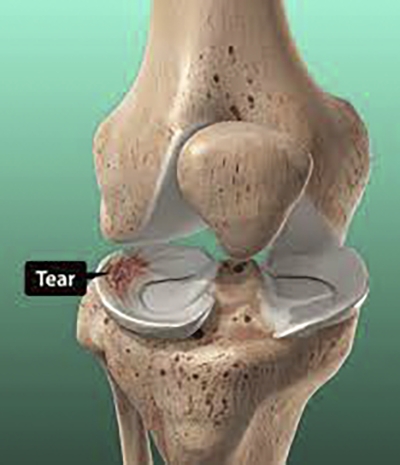
The meniscus is a structure in the knee joint that spans and cushions the space between the femur (thighbone) and the tibia (shinbone). There are two menisci in each knee – one on the inside (the medial meniscus) and one on the outside (the lateral meniscus).

Each is made of strong fibrocartilage and is shaped like a crescent or the letter “C.” These menisci look like suction cups that are carefully moulded to the shape of the joint surfaces of the femur and tibia.       

The menisci with their crescent shape are interpose between the femur (above) and the tibia (below)

They act as a shock absorber and provide a smooth surface for your knee to glide on. A tear in the meniscus prevents your knee from rotating, causing pain and locking. Injuries to the meniscus are common, particularly among athletes.

However, most of the meniscus tissue has no vascular supply and is unable to heal except if the tear is located at the extreme periphery of the crescent. This means that in general, a meniscus tear has a natural evolution towards worsening. Also, with ageing, the meniscus tissue has the tendency to dehydrate and degenerate, becoming weak and exhibiting what is called “degenerative” tears.

What does the meniscus do?

The shape and size of the meniscus allows it to serve several functions. When you stand up, your weight is borne evenly through your legs and down to your knees. The stress this weight places on the knee becomes even higher while walking, kneeling, running, and jumping. The meniscus transmits the load of your weigh evenly across the knee joint. This load-sharing function helps to prevent knee injuries and is extremely important to the good health of the knee.

An injury to the meniscus can affect the knee’s ability to function normally. The most common type of meniscus injury is a meniscal tear.

Different types of meniscus tear

What causes a meniscal tear?

There are two basic types of meniscal tears. 

  • A traumatic meniscal tear often happens when an athlete quickly turns the body, pivoting on the knee while the foot is planted on the ground. 
  • A degenerative meniscal tear is caused by wear over time, and usually affects older people.

Traumatic tears

usually occur during forceful twisting of the knee and are common among players of contact-pivot sports such as soccer, basketball, martial arts, etc. They can also occur during any activity involving knee twisting. Less often, repetitive kneeling or rising from a squatting position while lifting can lead to a tear.

Degenerative (non-traumatic) tears

Degenerative or atraumatic tears usually in older populations and are caused by biology and degeneration and breakdown of the meniscal structure. People with degenerative tears may have twisted their knee and accelerate the tear. The treatment for a degenerative tear may be very different from that of a traumatic tear.

What are the symptoms of a torn meniscus?

The key symptom of a meniscus tear is pain in the knee joint. A locking or catching sensation may also be felt in the knee, and it will often become inflamed (swollen). There may also be a feeling of weakness in the leg and a sense of the knee buckling or “giving way.” This is because displaced, fragmented tissue from a torn meniscus and swelling in the knee can affect the thigh muscles.

Pain is usually felt in the knee above the meniscus while bearing weight on the knee and/or when twisting, turning, or pivoting, such as while getting in and out of a car. Walking up or down stairs may be particularly painful and may also cause increased swelling in the knee.

Following a meniscus tear, simple walking and other activities that do not require twisting, pivoting, rapid change of direction are generally well-tolerated. Tears can progress over time, but the rate of progression is gradual and variable. Pain is the watchdog. If a tear worsens, there will generally be associated symptoms of increased pain. Progressive meniscus loss can increase the risk that a person will develop degenerative knee wear. So, it is important to get a diagnosis and seek treatment early.

How is a torn meniscus diagnosed?

Your doctor will ask about your symptoms and the circumstances of your injury and conduct a physical examination. Radiological imaging studies will be ordered to confirm a diagnosis: X-rays will help rule out bone injuries, and high-resolution magnetic resonance imaging (MRI) studies will help reveal the type and location of the tear.

MRI scan showing a vertical tear (red arrow) going through the medial meniscus that is normally homogeneously black.

What type of doctor treats meniscus tears?

If you suspect your meniscus is torn, it is important to be evaluated by a physiotherapist, a primary care sports medicine physician, or an orthopaedic surgeon who specializes in sports medicine. 

Will a meniscus tear heal on its own?

As stated before, the meniscus has a limited blood supply and, therefore has limited ability to heal on its own. Only the outer one-third of the meniscus contains blood vessels required for healing. This is known as the “red zone.” A lesion located in the red zone is accessible to repair

The inner two-thirds of the meniscus does not have blood supply and is also known as the “white zone.” Most meniscus tears that affect the white zone cannot heal on their own and need to be trimmed.

What is the treatment for a torn meniscus?

Nonsurgical treatments, such as oral anti-inflammatory medications and rehabilitation with a physical therapist may help some people with a torn meniscus. Other patients will need surgery, usually either a trimming or repair of the meniscus. Treatments may also depend on whether the tear is traumatic or degenerative.

Non-surgical options

A non-operative physical therapy treatment program will often focus first on reducing pain and maintaining the full motion of the knee. After the initial injury pain has decreased and the knee motion is restored, treatment may move to muscle strengthening. Plasma-rich platelet (PRP) injections may be beneficial to selected patients.

Degenerative tears without separated meniscal fragments can often be treated without surgery through conservative treatment.

Fragmented degenerative tears and most acute, traumatic tears will need surgery.

Surgical options

If surgery is required, a knee arthroscopy is most common. This is what is called “keyhole” surgery with most of the time two or three minimally invasive incisions. The surgeon visualizes the inside of the knee using an arthroscope, fitted with a fibreoptic camera, and uses specific surgical instruments. These instruments allow careful trimming (removal) of the torn meniscal fragments or, for some cases, a repair of the meniscal tear with sutures.

Since the meniscus has an important role in the long-term health and function of the knee, the surgeon will always attempt to retain the healthy meniscal tissue. If the tear occurs in a part of the meniscus with a good blood supply, in a young patient, then a repair may be performed.

Knee arthroscopic surgery

Knee arthroscopic surgery

Meniscal repair with stitches

How long does it take to recover from meniscus tear surgery?

The time that may be required to achieve a complete recovery after surgery will depend on the injury and the extent of meniscal surgery necessary. If a meniscus tear is repaired, then limited weightbearing with crutches may be required for approximately four to six weeks. On the other hand, if the torn portion of the meniscus is removed, then protected weightbearing may only be required for a few days.

A well-directed rehabilitation plan is important to achieve an excellent result. The early rehabilitation will focus on achieving full knee motion and reducing the swelling from surgery. After this, the focus will be on restoring muscle strength. The treating physician and physical therapist or athletic trainer will carefully guide the rehabilitation after surgery.

November 12, 2022

Tennis Elbow

What is Tennis Elbow?

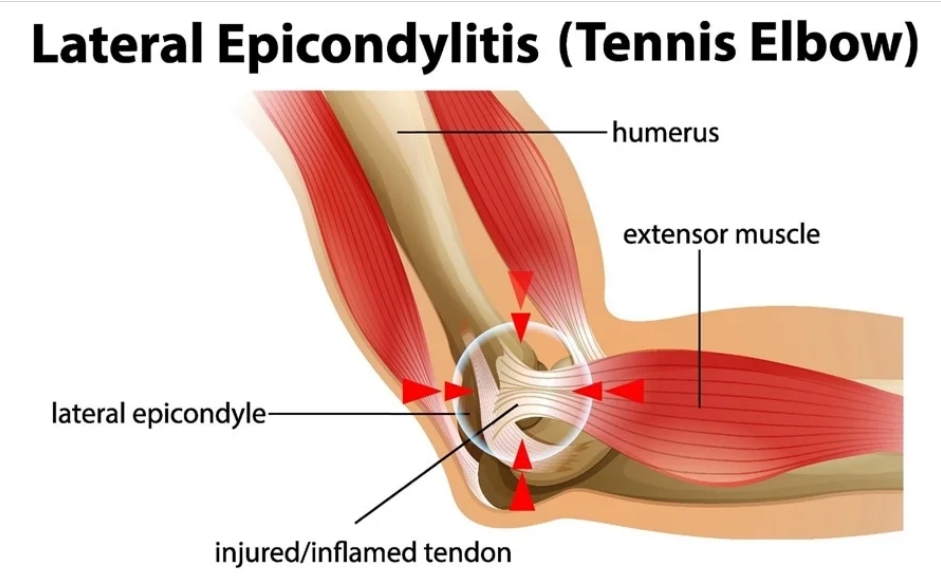
Tennis elbow is a form of tendonitis that causes pain over the bony prominence called the lateral epicondyle on the outside of the elbow. It is often referred to as lateral epi-condylitis. Tendons are non-elastic fibrous bands that connect muscles to bone.

What Causes It?

Tennis elbow is caused by repetitive stress on the muscles and tendons that are attached to the lateral epicondyle. These muscles extend along the top, or dorsal, side of the forearm to the wrist and are responsible for extending or bending back the wrist and fingers. 

If too much stress is placed on these muscles and tendons, micro tears can occur at the site where the tendons attach to the lateral epicondyle. These micro tears cause pain that is usually localized at the lateral epicondyle but the pain can occasionally radiate down the forearm. Aging appears to make these tendons more prone to breakdown. Therefore, lateral epicondylitis is more common once we get in our fourth decade of life and beyond.

The pain increases with activities that require contraction of the affected muscles and tendons: shaking hands, turning doorknobs, picking up objects with the palm down, or hitting a backhand in tennis. 

How Do I Know If I Have Tennis Elbow?

No special tests are needed to make the diagnosis. This diagnosis is made by history and physical examination of the patient. The patient may present symptoms consistent with tennis elbow and has pain when pressure is applied to the outside of the elbow. The patient frequently cannot remember an injury, but will have noticed the pain either at the beginning or end of an activity that requires wrist and elbow movement. 

X-rays are not always required when evaluating a patient with tennis elbow symptoms, but a doctor may wish to order them, just to make certain that the bone structures of the elbow are normal. Ultrasounds and/or MRI may help for diagnosis confirmation and location of the tendon damages.

How Is Tennis Elbow Treated?

Conservative treatment.

Like many overuse injuries of sport, there is no sure-fired treatment. Rest itself does not necessarily cure the problem, but it may decrease the pain and allows healing to progress with re-injury. Decreased activity with the elbow and wrist is generally preferred over absolute rest and complete inactivity. The healing of tennis elbow can take weeks to months.

Some physicians believe that the key to healing this overuse injury lies in increasing the circulation to the area while decreasing the tightness of the muscles. Therefore, stretching and strengthening exercises are frequently helpful. 

The following exercise may help. Support the forearm on a flat surface with the wrist and hand free. Hold a 1kg weight in the hand. Keeping the palm down, slowly extend the wrist. Bring it backward, or up, and then bend it forward, or down. The muscles on the top of the forearm should contract when the wrist is moved upward and stretch when the hand is moved downward. 

To balance the forearm muscles, these exercises should be repeated with the palm facing up. Each exercise should be repeated ten times slowly. 

A loop of rubber tubing, with one end attached to a table leg or held on the floor with a foot, can be used to provide resistance instead of the weight. This will also increase circulation to the area. 

A snug but not tight strap worn around the top of the forearm often decreases the pull of the muscles on the lateral epicondyle and lessens pain. 

Lateral epicondyle brace.

When symptoms are present during everyday activities, the band should be worn during all waking hours. Occasionally, an elbow sleeve with a pad specially designed to put gentle pressure over the forearm muscles can be used. This sleeve has the advantage of not only changing the pull of the muscles, but keeping them warm as well, which increases their flexibility and circulation. 

A physician may also prescribe ultrasound, laser, shockwave therapy or electrical stimulation to increase circulation to the area. 

Laser therapy

 Extra Corporeal Shock Wave therapy

Surgical or other procedures

  • Injections. If treatment with decreased activity, exercises, and medication is not effective, your physician may recommend injecting cortisone, PRP (platelet-rich plasma), Botox or some form of irritant (prolotherapy) into the painful tendon. Dry needling — in which a needle pierces the damaged tendon in many places — can also be helpful.

  • Ultrasonic tenotomy (TENEX procedure). In this procedure, under ultrasound guidance, a doctor inserts a special needle through your skin and into the damaged portion of the tendon. Ultrasonic energy vibrates the needle so swiftly that the damaged tissue liquefies and can be suctioned out.
  • Surgery. If your symptoms have not improved after six to twelve months of extensive non-operative treatment, you may be a candidate for surgery to remove damaged tissue. Rehabilitation exercises are crucial to recovery.

Tips for Preventing Tennis Elbow

  • Always warm up well before play. Muscles and tendons are like Silly Putty and stretch more when they are warm. Make sure to keep the muscles and tendons warm as you play. 
  • Choose appropriate equipment and maintain it properly. A racquet handle that is too big or too small, strung too tightly or loosely, or has a too big or too small head, may increase stress to the elbow and wrist during play. 
  • Condition for the activity by stretching and strengthening all the muscles used in the sport. Also evaluate play techniques to make sure that they are not irritating the condition. 

Nonsteroidal anti-inflammatory medications, like aspirin, ibuprofen, ketoprofen, or various prescription drugs, can treat the symptoms and may decrease the pain and irritation in and around the tendon. However, it appears unlikely that these medications can actually evoke more rapid healing of the condition. 

Icing the joint after activity may also decrease the irritation and relieve the pain. 

November 12, 2022

Shoulder Impingement

What is Shoulder Impingement?

Impingement refers to mechanical compression and/or wear of the rotator cuff tendons. The rotator cuff is actually a series of four muscles connecting the scapula (shoulder blade) to the humeral head (upper part of the shoulder joint.) The rotator cuff is important in maintaining the humeral head within the glenoid (socket) during normal shoulder function and also contributes to shoulder strength during activity. Normally, the rotator cuff glides smoothly in a bony tunnel the ceiling of which is the undersurface of the acromion and the floor, the humeral head. This space is lined with a bursa which insures tendon sliding against the bony walls.

How Does Shoulder Impingement Occur?

Any process which compromises this normal gliding function may lead to mechanical impingement. Common causes include weakening and degeneration within the tendon due to aging, the formation of bone spurs and/or inflammatory tissue within the space above the rotator cuff (subacromial space), and overuse injuries. This results in a narrowing of the bony tunnel mostly from the ceiling. Overuse activities can lead to impingement and are most seen in tennis players, pitchers, and swimmers.

Overhead activity

How is Shoulder Impingement Diagnosed?

The diagnosis of shoulder impingement can usually be made with a careful history and physical exam. Patients with impingement most commonly complain of pain in the shoulder, which is worse with overhead activity and some-times severe enough to cause awakening in the night. Manipulation of the shoulder in a specific way by your doc-tor will usually reproduce the symptoms and confirm the diagnosis. X-rays are also helpful in evaluating the presence of bone spurs and/or the narrowing of the subacromial space. Ultrasounds and/or MRI (magnetic resonance imaging) allow visualization of the rotator cuff and assess its status: inflammation, partial tear, and acromio-clavicular joint bulging. 

How is Shoulder Impingement Treated?

The first step in treating shoulder impingement is eliminating any identifiable cause or contributing factor. This may mean temporarily avoiding activities like tennis, pitching or swimming. A non-steroidal anti-inflammatory medication may also be recommended by your doctor. The mainstay of treatment involves exercises to restore normal flexibility and strength to the shoulder girdle, including strengthening both the rotator cuff muscles and the muscles responsible for normal movement of the shoulder blade. This program of instruction and exercise demonstration may be initiated and carried out either by the doctor, certified athletic trainer, or a skilled physical therapist. Occasionally, an injection of cortisone or PRP may be helpful in treating this condition, followed by rehabilitation. 

Is Surgery Necessary?

Surgery is not necessary in most cases of shoulder impingement. But if symptoms persist despite adequate non-surgical treatment, surgical intervention may be beneficial. Surgery involves debriding, or surgically removing tissue that is irritating the rotator cuff. It is a daycare procedure done under arthroscopic techniques, the “keyhole” surgery. It is followed by rehabilitation sessions. Outcome is favorable in about 90% of the cases. 

Call Now Button