April 12, 2026

Hair loss has become an increasingly common concern among both men and women, affecting not only appearance but also confidence and emotional well-being. While many people turn to cosmetic products or salon-based solutions, hair loss often reflects deeper internal imbalances that require medical attention. Treating hair fall without understanding its underlying cause can lead to temporary or ineffective results.

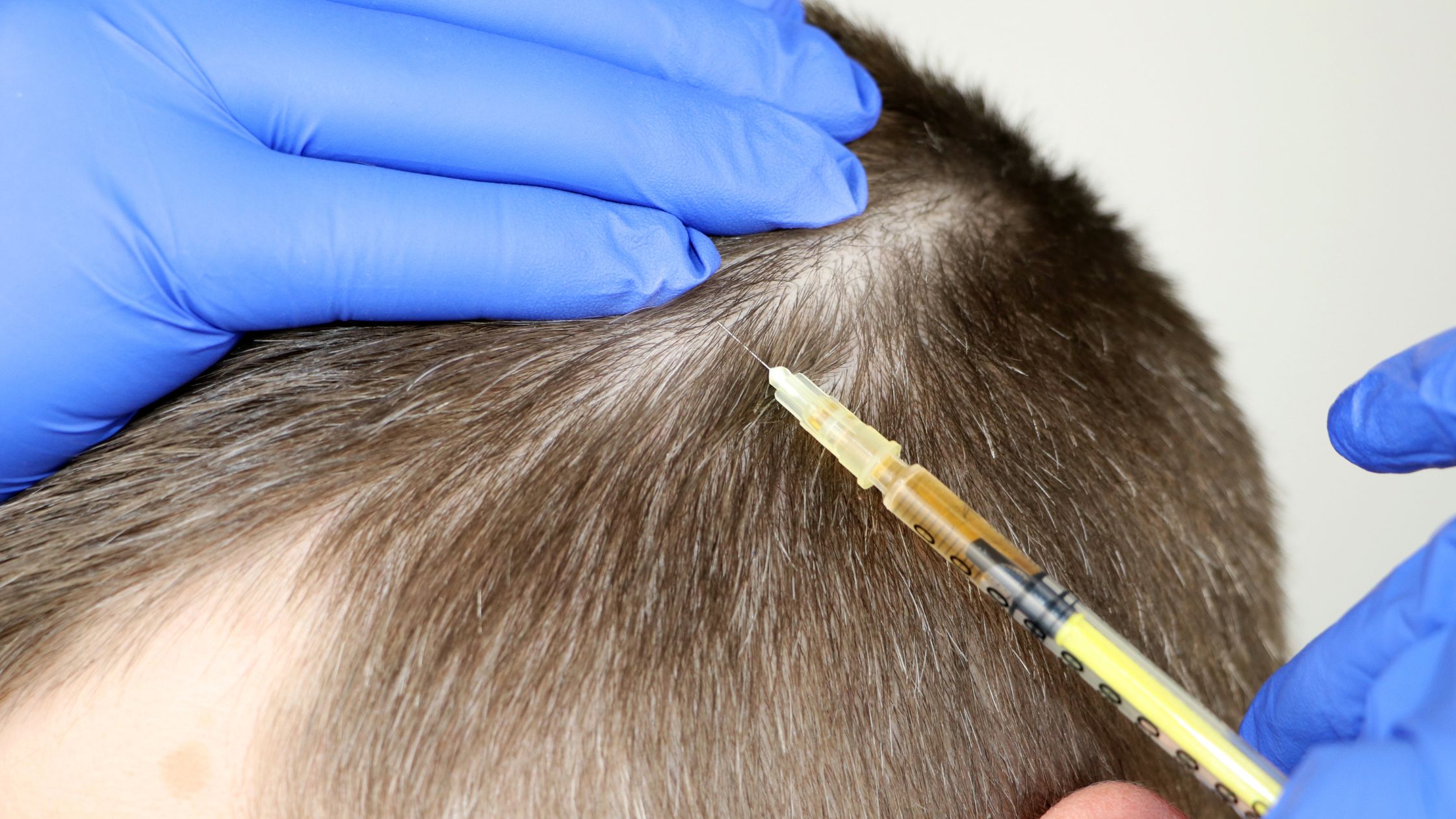
At Westminster Multi-Speciality Clinic, Dubai Health Care City, hair loss is approached as a medical condition rather than a purely cosmetic issue. Revival MD is an advanced, medically guided hair regrowth program designed to address internal triggers such as immune dysfunction, inflammation, and allergies. Under the guidance of Dr. Shahid Abbas, a Consultant in Allergy & Immunology, this approach focuses on restoring internal balance to support long-term, healthy hair regrowth.

Understanding Hair Loss: More Than Just Genetics

Although genetics play a role in hair thinning, they are far from the only cause. Many patients experience hair loss due to a combination of internal and environmental factors, including:

  • Hormonal imbalances that disrupt the hair growth cycle
  • Immune system dysregulation leading to follicle inflammation
  • Chronic inflammation affecting scalp health
  • Allergic reactions and scalp sensitivities
  • Nutritional deficiencies essential for hair strength and growth

Unlike routine hair thinning, immune-mediated hair loss often presents with excessive shedding, scalp discomfort, or poor response to conventional treatments. This is why identifying the root cause before starting any therapy is essential. A medical evaluation helps distinguish surface-level hair fall from conditions driven by internal immune or inflammatory processes.

The Immune System–Hair Connection

Healthy hair growth depends on a stable and well-regulated immune system. Hair follicles are highly sensitive to inflammation, immune attacks, and allergic reactions. When immune balance is disturbed, the normal hair growth cycle can be interrupted, leading to premature shedding or poor regrowth.

Immune-related conditions affecting hair include:

  • Autoimmune-related hair fall, where the body mistakenly targets hair follicles
  • Inflammatory scalp disorders that weaken follicle function
  • Allergic triggers and sensitivities that cause persistent scalp irritation

An Allergy & Immunology specialist plays a critical role in identifying these triggers. By addressing immune responses rather than masking symptoms, medical hair regrowth treatments can achieve more sustainable outcomes.

What Is Revival MD?

Revival MD is a medical, immune-focused hair regrowth approach that targets internal imbalances contributing to hair loss. Unlike over-the-counter products that work only on the scalp surface, Revival MD is designed to correct underlying immune and inflammatory factors.

This program differs from:

  • Over-the-counter hair products, which often provide temporary cosmetic improvement
  • Generic PRP or salon-based treatments, which may not address internal causes

Revival MD is suitable for both men and women experiencing persistent or unexplained hair loss, especially those who have not responded well to conventional or cosmetic solutions.

Dr. Shahid Abbas’ Approach to Revival MD

The Revival MD program begins with a comprehensive medical evaluation to ensure safe and effective treatment. Each patient undergoes a personalized assessment that may include:

  • A detailed medical and allergy history
  • Evaluation of immune and inflammatory markers
  • Identification of internal triggers affecting hair follicle health

Based on this assessment, a personalized Revival MD treatment plan is developed, focusing on immune regulation, inflammation control, and internal health optimization. This structured, evidence-based approach ensures that hair regrowth is supported from within rather than relying on short-term cosmetic fixes.

Dr. Shahid Abbas’ Approach to Revival MD

A successful hair regrowth journey begins with a thorough medical evaluation, rather than a one-size-fits-all solution. Dr. Shahid Abbas follows a structured and personalized approach to ensure that Revival MD is tailored to each patient’s underlying condition.

The diagnostic process may include a detailed review of medical and allergy history, assessment of immune and inflammatory markers, and careful identification of internal triggers that may be disrupting hair follicle health. Factors such as chronic allergies, immune imbalance, or ongoing inflammation are evaluated before treatment begins.

Based on these findings, a personalized Revival MD treatment plan is developed. This individualized strategy focuses on correcting internal imbalances, supporting follicle recovery, and creating the right internal environment for sustainable hair regrowth.

Key Components of the Revival MD Hair Regrowth Program

Revival MD is built on a multi-layered medical approach that addresses hair loss from the inside out. Key components of the program include:

  • Immune modulation and inflammation control to protect hair follicles
  • Targeted medical therapies designed to support follicle recovery and strength
  • Nutritional and metabolic optimization to address deficiencies affecting hair growth
  • Scalp health restoration alongside internal balance correction
  • Safe integration with other dermatological or regenerative treatments, when clinically appropriate

This structured combination ensures that both internal health and scalp conditions are addressed simultaneously, leading to more reliable and lasting outcomes.

Expected Outcomes and Timeline

Patients undergoing Revival MD are guided with realistic expectations and clear milestones. Hair regrowth is a gradual process, and improvement occurs in phases rather than overnight.

Typical phases of progress may include:

  • Noticeable reduction in hair fall
  • Improvement in scalp comfort and health
  • Gradual regrowth and increased hair thickness over time

Consistency with treatment and regular medical follow-up are essential to achieve optimal results. Ongoing monitoring allows adjustments to the treatment plan as the body responds and recovers.

Who Can Benefit Most from Revival MD?

Revival MD is particularly beneficial for individuals experiencing hair loss that does not respond to routine treatments. This includes patients with unexplained or chronic hair fall and those who suspect internal health factors may be involved.

It is especially suitable for individuals with:

  • Allergies or immune-related conditions
  • Poor response to conventional hair treatments
  • Sensitive scalp or inflammatory scalp issues

For patients seeking a medical, evidence-based solution rather than cosmetic camouflage, Revival MD offers a structured and clinically guided pathway.
Why Choose Westminster Multi-Speciality Clinic – Dubai

Choosing the right medical setting is essential for effective hair loss treatment. Westminster Multi-Speciality Clinic, Dubai Health Care City, offers a trusted environment where advanced diagnostics and multidisciplinary care work together seamlessly.

Patients benefit from:

  • A prime location within Dubai Healthcare City (DHCC)
  • Multispecialty collaboration for holistic care
  • Western-qualified, accredited consultants
  • A personalized, evidence-based treatment philosophy
  • Ethical medical practice supported by advanced diagnostic facilities

This integrated approach ensures that hair regrowth treatment is safe, thorough, and medically sound.

Frequently Asked Questions

Is Revival MD suitable for both men and women?
Yes, the program is designed for both men and women and is customized based on individual medical findings.

Is the treatment painful?
Revival MD focuses on medical and immune-based therapies and is generally well tolerated.

How long does the treatment program last?
The duration varies depending on the underlying cause and individual response, which is assessed during consultation.

Can Revival MD be combined with other treatments?
Yes, when medically appropriate, it can be safely integrated with other dermatological or regenerative therapies.

Hair loss should never be dismissed as a purely cosmetic concern. In many cases, it reflects deeper immune or inflammatory imbalances that require medical evaluation. Healthy hair growth is closely linked to internal balance, immune regulation, and overall well-being.

Seeking expert guidance allows patients to move away from trial-and-error solutions and toward structured, evidence-based care that addresses the true cause of hair loss.

“Struggling with hair loss that doesn’t improve? Your immune system may be playing a role. Book a consultation at Westminster Multi-Speciality Clinic – Dubai Healthcare City to explore Revival MD and personalized hair loss treatment.”


April 12, 2026

Hair loss is a common concern affecting both men and women at different stages of life. While many people initially turn to cosmetic products or salon-based solutions, these approaches often address only the surface of the problem. In reality, persistent or progressive hair loss may indicate deeper medical, immune, or inflammatory factors that require professional evaluation.

At Westminster Multi Speciality Clinic, located in Dubai Health Care City, hair loss is approached as a medical condition rather than a cosmetic issue. Revival MD represents an advanced, doctor-led program designed to identify and treat the underlying causes of hair loss, offering a structured and evidence-based path to hair restoration under specialist care.

Understanding Hair Loss: Why It Happens

Hair loss rarely occurs without a reason. In many cases, it is the result of internal imbalances or ongoing triggers that gradually weaken hair follicles over time. Some of the most common contributing factors include hormonal changes, immune-related conditions, nutritional deficiencies, and prolonged physical or emotional stress. Lifestyle factors such as poor sleep, dietary gaps, and environmental exposure may also play a role.

Additionally, allergic reactions and inflammatory scalp conditions can interfere with the normal hair growth cycle. When hair fall becomes repetitive or resistant to routine treatments, it may signal an underlying medical issue rather than temporary shedding. This is why a structured medical evaluation is essential before starting any targeted treatment.

What Is Revival MD?

Revival MD is a medical hair restoration program designed to go beyond conventional hair oils, supplements, and cosmetic therapies. Instead of masking symptoms, it focuses on identifying why hair loss is occurring and addressing those root causes through a personalized medical approach.

Unlike salon-based treatments, Revival MD is guided by clinical assessment and specialist oversight. The program emphasizes internal health, immune balance, and scalp condition, recognizing that healthy hair growth depends on the overall environment in which hair follicles function.

How Revival MD Works

The Revival MD process begins with a detailed medical consultation and assessment. This includes a thorough review of medical history, lifestyle factors, and potential triggers such as allergies or immune-related concerns. Where required, further diagnostic evaluation helps clarify contributing factors that may not be immediately visible.

Based on this assessment, a personalized treatment plan is developed. The approach may include medical therapies, immune-based interventions, and supportive lifestyle or nutritional guidance when necessary. Each plan is tailored to the individual, ensuring that treatment is targeted, safe, and aligned with long-term hair health goals.

Who Is a Good Candidate for Revival MD?

Revival MD is suitable for individuals experiencing chronic or unexplained hair loss, particularly when conventional treatments have not produced lasting results. It is also beneficial for patients whose hair loss may be linked to allergies, immune responses, or inflammatory conditions.

Men and women seeking non-surgical, medically supervised solutions often benefit most from this approach. Those looking for a structured program that prioritizes diagnosis, monitoring, and long-term improvement rather than quick cosmetic fixes are ideal candidates for Revival MD.

Role of Allergy & Immunology in Hair Loss Treatment

The immune system plays a critical role in maintaining healthy hair follicles. Allergic reactions, chronic inflammation, or immune dysregulation can disrupt the hair growth cycle and contribute to ongoing hair loss. Addressing these factors is essential for achieving sustainable results.

At Westminster Multi Speciality Clinic, hair loss management benefits from a specialist-led Allergy & Immunology approach. Under the expertise of Dr. Shahid Abbas, immune and allergy-related contributors to hair loss are carefully evaluated, allowing treatment to target inflammation and triggers that may otherwise go unnoticed.

Expected Results and Treatment Timeline

Hair restoration through Revival MD is a gradual process. Patients should expect progressive improvement rather than instant results, as hair follicles require time to recover and re-enter healthy growth phases. Consistency with the treatment plan and regular follow-up play a key role in achieving optimal outcomes.

The focus of Revival MD is long-term hair health rather than short-term cosmetic improvement. By addressing underlying medical and immune factors, the program aims to support stronger, healthier hair growth over time while reducing the likelihood of recurring hair loss.

Why Choose Westminster Multi-Speciality Clinic – Dubai

Choosing the right medical facility plays a crucial role in achieving successful and sustainable hair loss outcomes. Westminster Multi Speciality Clinic, located in Dubai Health Care City (DHCC), offers a strong foundation for advanced and ethical medical care.

Being part of a multispecialty setup allows for collaboration across departments when required, ensuring that hair loss is assessed not in isolation but as part of overall health. Patients benefit from access to Western-qualified, accredited consultants who follow international medical standards. Each treatment plan is personalized and evidence-based, focusing on long-term results rather than temporary cosmetic improvement.

Frequently Asked Questions

Is Revival MD suitable for both men and women?
Yes. Revival MD is designed for both men and women experiencing hair loss, especially when the cause is medical, immune-related, or persistent despite cosmetic treatments.

Is the treatment painful?
Revival MD focuses on medically guided therapies and supportive interventions. Discomfort, if any, is minimal and depends on the individual treatment plan discussed during consultation.

How long does the treatment program last?
Treatment duration varies from patient to patient. Hair restoration is a gradual process, and timelines depend on the underlying cause, severity of hair loss, and individual response to treatment.

Can Revival MD be combined with other treatments?
Yes. Depending on medical evaluation, Revival MD may be combined with other supportive or adjunct therapies when appropriate, under specialist supervision.

Hair loss should never be viewed as a purely cosmetic concern, especially when it is ongoing or worsening. A proper medical evaluation is essential to uncover hidden triggers such as immune imbalance, inflammation, or internal deficiencies. Healthy hair is often a reflection of internal balance, and restoring that balance is key to lasting improvement.

Rather than relying on trial-and-error products or self-treatment, seeking expert guidance ensures that care is safe, targeted, and effective. A structured medical approach allows patients to move forward with clarity and confidence.

“Struggling with hair loss that doesn’t improve? Your immune system may be playing a role. Book a consultation at Westminster Multi-Speciality Clinic – Dubai Healthcare City to explore Revival MD and personalized hair loss treatment.”

April 8, 2026

Pain has a way of being negotiated with. Most people in Dubai who experience persistent discomfort will, at some point, try to manage it themselves before seeking professional help. They adjust their posture, take over-the-counter pain relief, reduce certain activities, or simply push through and hope that things improve with time. Sometimes they do. More often, however, persistent pain that is left unaddressed continues to develop quietly beneath the surface until it becomes significantly more difficult to treat.

Knowing when to seek physiotherapy is one of the most valuable pieces of health knowledge a person can have. It is not about being overly cautious or seeking treatment for every minor ache. It is about recognising the signs that your body is communicating something important and responding before a manageable problem becomes a complex one. Our Physiotherapy Services at Westminster Clinic, Dubai Healthcare City, are here to help you make that assessment and take the right steps at the right time.

Why People Wait Longer Than They Should

There are several reasons why people delay seeking physiotherapy, and most of them are understandable. Busy professional and family lives in Dubai leave little room for appointments. Some people are uncertain whether their pain is serious enough to warrant a visit. Others have tried treatment in the past without lasting results and are reluctant to invest time and energy again. A common thread running through all of these is the assumption that the pain will eventually resolve on its own.

For some minor musculoskeletal issues, rest and time are genuinely sufficient. For many others, however, the underlying cause of the pain, whether it is a movement imbalance, a postural habit, a structural issue, or a combination of factors, remains present regardless of how long the person waits. The pain may fluctuate, ease during periods of lower activity, and then return when demands on the body increase. This cycle can continue for months or years, gradually affecting quality of life in ways that become harder to separate from simply feeling normal.

Clear Signs That Physiotherapy Is Needed

While every individual is different, there are certain signs that consistently indicate it is time to seek a professional physiotherapy assessment rather than continuing to self-manage. These include:

  • Pain that has persisted for more than two to three weeks without meaningful improvement
  • Discomfort that regularly interrupts sleep or is present first thing in the morning
  • Pain that limits your ability to perform everyday tasks such as sitting, standing, walking, or lifting
  • Recurring pain that keeps returning to the same area, even after periods of apparent recovery
  • Numbness, tingling, or a sensation of weakness in the arms or legs
  • Stiffness in a joint that has progressively worsened over weeks or months
  • Pain that has developed following an injury that was never properly assessed or treated

Any one of these signs warrants a physiotherapy consultation. Together, they represent a clear signal that the body needs more than rest alone to recover properly.

The Risk of Leaving Pain Unaddressed

When persistent pain is ignored or inadequately managed, a number of secondary problems can develop over time. The body is remarkably adaptive, but not all of its adaptations are helpful. When one area is painful, the body instinctively begins to load other structures to compensate. A person with chronic knee pain, for example, may subtly shift their weight through the opposite leg, eventually creating hip or lower back strain on that side. A person with persistent neck pain may brace the surrounding muscles so habitually that shoulder mobility begins to deteriorate.

These compensation patterns are often invisible to the person experiencing them. They develop gradually and feel normal by the time they are well established. A physiotherapist is trained to identify these patterns and address them before they generate additional layers of pain and dysfunction.

Our Chronic Pain Physiotherapy service is specifically designed for patients whose pain has persisted beyond the expected recovery period, providing a thorough assessment and a targeted programme to address both the symptoms and the underlying drivers of long-term pain.

What to Expect From a Physiotherapy Assessment

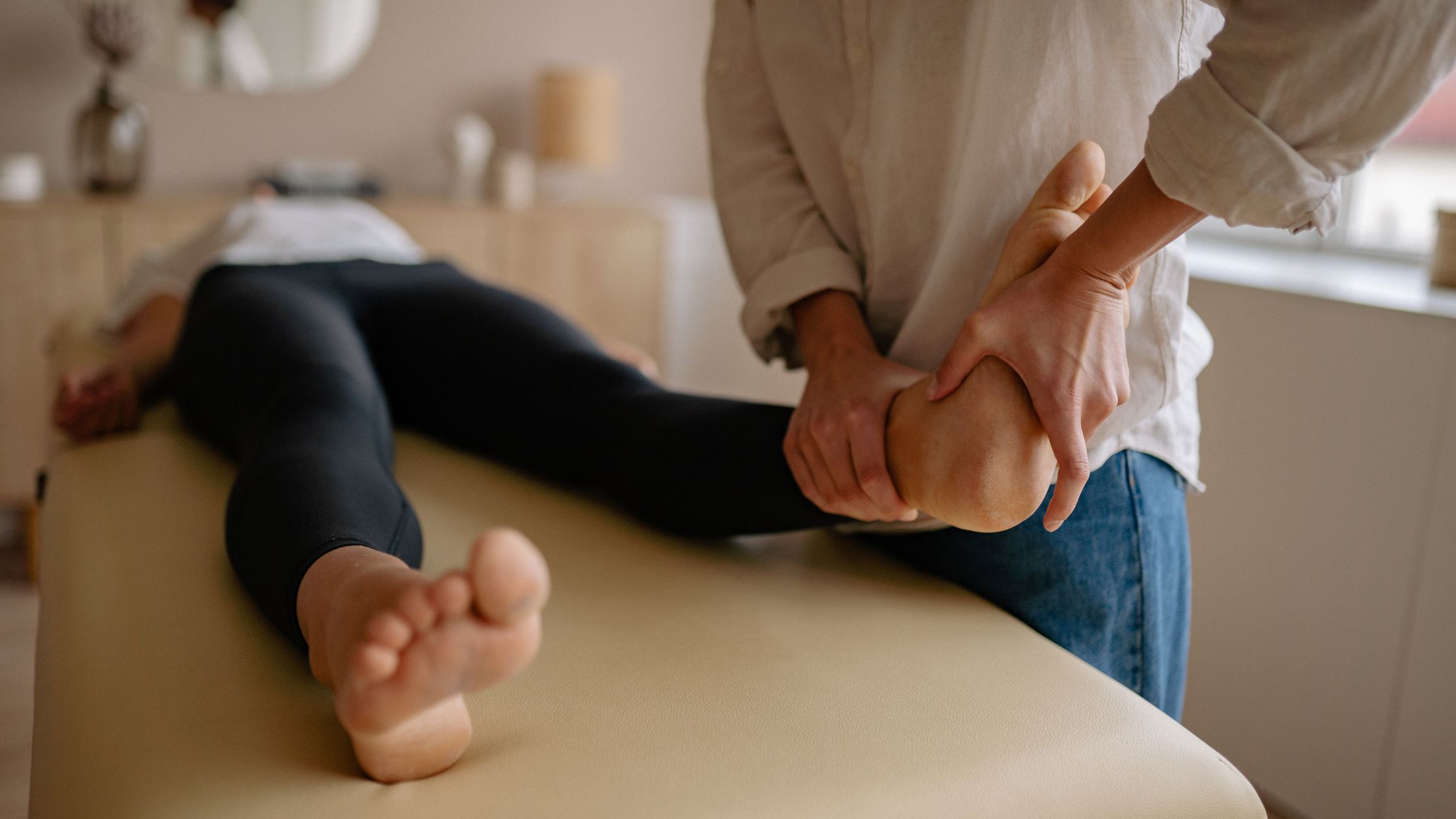
Many people are unsure what a physiotherapy appointment actually involves, and this uncertainty can itself be a barrier to seeking help. In practice, an initial physiotherapy assessment is a thorough but straightforward process. Our physiotherapy specialists in Dubai will take a detailed history of your pain, asking about when it started, what aggravates or eases it, how it affects your daily life, and what treatment, if any, you have already tried.

This is followed by a physical examination that assesses your posture, joint mobility, muscle strength, and movement patterns. The goal is to build a precise picture of what is happening and why, so that the treatment plan addresses the actual cause rather than the surface symptom. You will leave your first appointment with a clear understanding of what is driving your pain and what the plan is to address it.

Physiotherapy Across a Range of Common Conditions

Physiotherapy is relevant across a broad spectrum of musculoskeletal conditions that affect Dubai residents in their daily lives. Neck and shoulder pain from prolonged desk work, lower back pain from long driving hours, knee discomfort from gym training or running, and hip stiffness from extended periods of sitting are among the most frequently presented concerns our team encounters.

Our General Musculoskeletal Physiotherapy service provides assessment and treatment for the full range of these conditions, offering a single, accessible entry point for patients who are not yet certain of the exact nature of their problem but know that something needs attention.

Early Treatment Delivers Better Outcomes

The evidence supporting early physiotherapy intervention is consistent and clear. Patients who seek assessment and treatment in the earlier stages of a musculoskeletal problem tend to recover more fully, more quickly, and with a lower likelihood of recurrence than those who delay. Early treatment also reduces the risk of developing the compensation patterns and chronic pain cycles described earlier in this article.

This does not mean that physiotherapy cannot help those who have been living with pain for a long time. It absolutely can, and our team works successfully with patients at all stages of their condition. But the path to recovery is generally smoother and shorter when treatment begins sooner rather than later.

Your Body Is Worth Listening To

Persistent pain is your body asking for attention. It is not a sign of weakness, and it is not something that should simply be endured as a fact of life. Physiotherapy offers a structured, evidence-based, and deeply practical response to that signal, helping you understand what is happening, why it is happening, and precisely what needs to change for you to feel better and move freely again.

If you have been living with pain that has not resolved on its own, now is the right time to seek support. Reach out to our physiotherapy team at Westminster Clinic through our Contact Us page and let us help you find your way back to pain-free movement.

April 8, 2026

Back pain is one of the most common health complaints among working adults in Dubai, and it is not difficult to understand why. Long hours at a desk, extended commutes on Sheikh Zayed Road, back-to-back meetings, and the kind of sustained screen time that modern professional life demands all place considerable and repetitive strain on the spine. For many office workers, back pain has become so familiar that it is simply accepted as part of daily life. That acceptance, however, comes at a cost.

Chronic back pain affects concentration, sleep quality, mood, and physical capacity. It limits what people feel able to do outside of work and, over time, can develop into a more serious and complex condition if left unaddressed. The good news is that physiotherapy offers highly effective, non-invasive treatment that targets the root cause of back pain rather than simply managing the discomfort. Our Physiotherapy Services at Westminster Clinic, Dubai Healthcare City, are specifically designed to help Dubai professionals recover from and prevent chronic back pain.

Why Office Work Creates the Conditions for Back Pain

The human spine is designed for movement. It functions best when it is regularly taken through its full range of motion, supported by strong surrounding muscles, and not held in any single position for prolonged periods. Office work, by its nature, does the opposite. It holds the spine in a fixed, often poorly supported position for hours at a time, day after day.

When the back muscles are required to hold a static posture for extended periods, they fatigue and tighten. The deep stabilising muscles of the spine, which are responsible for fine postural control, gradually disengage through underuse. The result is that the spine becomes increasingly reliant on passive structures such as the discs, joints, and ligaments to bear load, and these structures are not designed to carry that burden indefinitely.

Add to this the effect of a long commute, where the driver’s seat position places the hip flexors in a shortened position and the lower back in sustained flexion, and it becomes clear why so many Dubai professionals develop persistent back pain without ever having experienced a single traumatic injury.

Understanding the Difference Between Acute and Chronic Back Pain

Acute back pain typically arises from a specific incident, a sudden movement, a heavy lift, or an awkward twist, and tends to resolve within a few weeks with appropriate rest and basic care. Chronic back pain is different. It persists beyond twelve weeks, often without a clearly identifiable triggering event, and tends to involve a complex combination of muscular, postural, and sometimes psychological factors.

For office professionals in Dubai, chronic back pain most commonly develops gradually through the accumulation of poor movement habits, prolonged static postures, and insufficient physical activity. By the time it becomes noticeable enough to seek help, the underlying patterns driving the pain are often well established and require targeted intervention to address effectively.

How Physiotherapy Assesses and Treats Chronic Back Pain

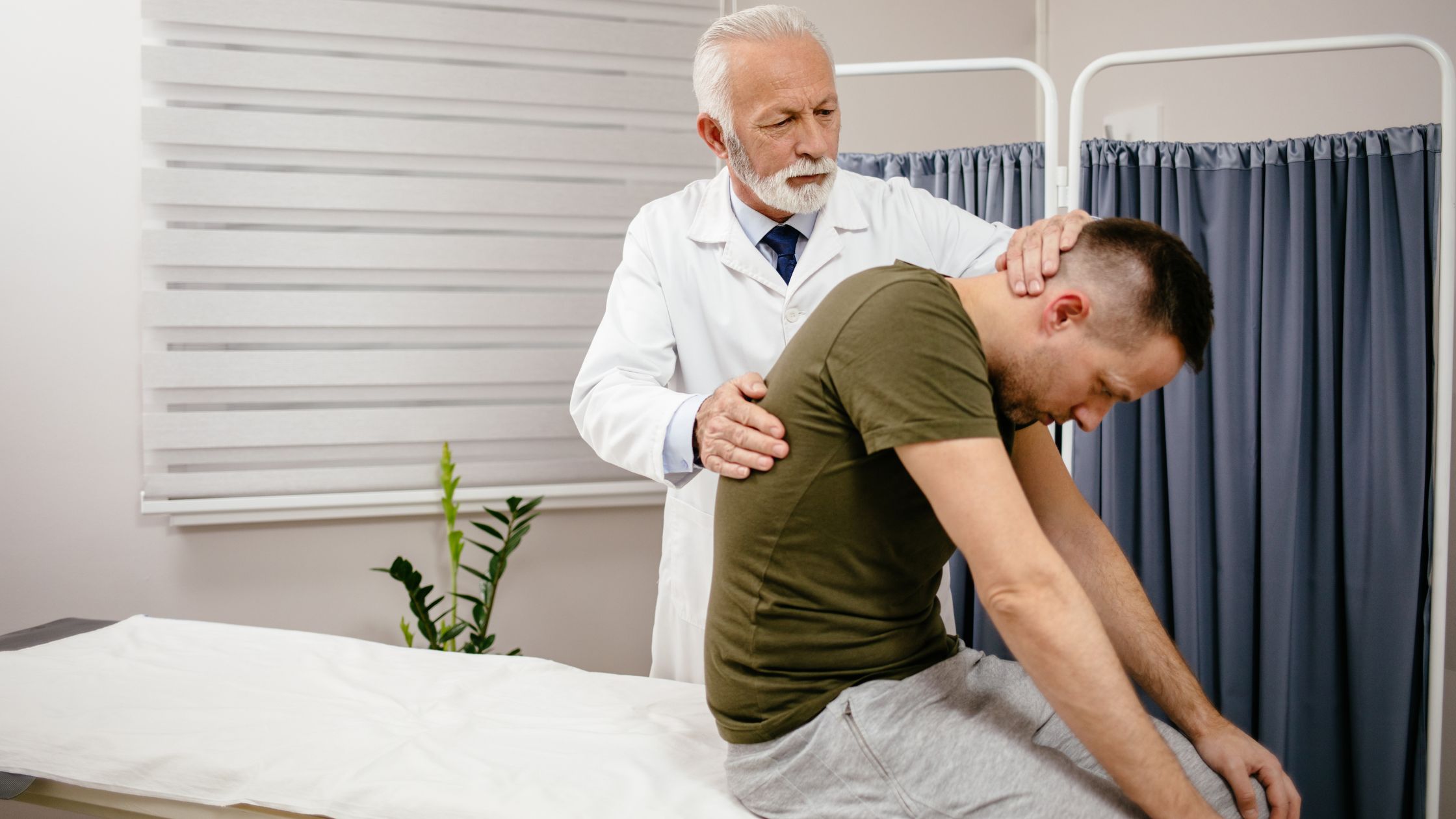
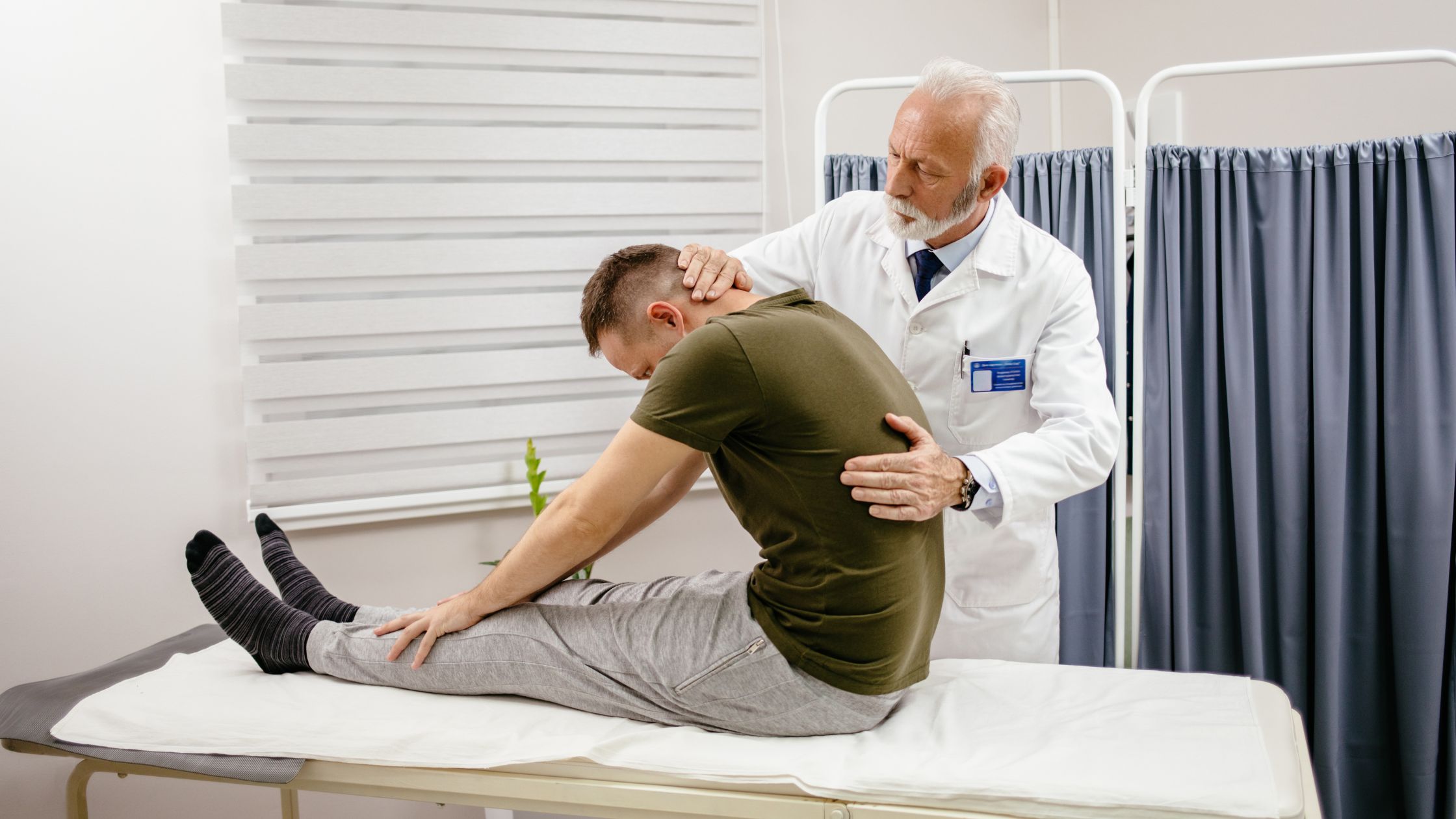
Our physiotherapy specialists in Dubai begin with a comprehensive assessment of your posture, movement patterns, muscular strength, and spinal mobility. This assessment identifies not just where the pain is located but why it is occurring and what physical factors are sustaining it. Treatment is then tailored precisely to those findings rather than following a generic protocol.

A physiotherapy programme for chronic back pain typically includes a combination of the following:

  • Targeted strengthening exercises for the deep spinal stabilisers and surrounding muscle groups
  • Mobility and flexibility work to restore natural spinal movement
  • Manual therapy techniques to reduce joint stiffness and muscle tension
  • Postural re-education to correct the habits that are placing excess load on the spine
  • Ergonomic guidance to help you set up your workstation in a way that reduces daily strain

Our Back Pain Physiotherapy service provides structured, evidence-based treatment for all forms of back pain, from general lower back aching to more specific conditions involving the discs and spinal joints.

When Back Pain Involves the Discs or Nerves

For some office professionals, chronic back pain is accompanied by additional symptoms such as radiating pain into the buttock or leg, numbness, tingling, or a deep aching sensation that worsens with sitting. These symptoms may suggest involvement of the spinal discs or nerve roots and warrant careful assessment by a physiotherapist.

Disc-related back pain does not automatically require surgery or prolonged rest. In the majority of cases, a well-designed physiotherapy programme can reduce disc-related symptoms significantly and restore comfortable function. Our Disc Bulge and Slip Disc Physiotherapy service is designed for patients dealing with this type of back pain, providing a careful and progressive approach to recovery.

The Role of Movement in Long-Term Back Health

One of the most important shifts physiotherapy encourages is a change in how patients relate to their back pain. Many people who experience chronic back pain become cautious about movement, fearing that activity will make things worse. In most cases, the opposite is true. Carefully graded movement is one of the most effective treatments for chronic back pain, and avoiding activity tends to perpetuate the cycle of pain and stiffness.

Physiotherapy helps patients rebuild confidence in their movement, gradually expanding what they feel able to do and demonstrating that the spine is more capable and resilient than pain can sometimes make it feel. This shift in understanding is often as important as the physical treatment itself.

Small Workplace Changes That Make a Real Difference

Beyond the treatment room, there are practical adjustments that Dubai office professionals can make to reduce the daily burden on their spine:

  • Ensure your chair supports the natural curve of your lower back
  • Position your screen at eye level to avoid sustained neck and upper back flexion
  • Take a brief movement break every forty-five to sixty minutes, even if only to stand and walk for two minutes
  • Avoid crossing your legs for extended periods, as this introduces asymmetrical load through the pelvis and lower back
  • Strengthen your core consistently through regular exercise outside of work hours

These adjustments complement physiotherapy treatment and help maintain the progress made in sessions over the long term.

The Right Time to Seek Help Is Now

Back pain that has persisted for weeks or months rarely resolves on its own without addressing the underlying cause. Physiotherapy offers a clear, structured pathway to recovery that is grounded in understanding your body and making purposeful changes to the way it moves and functions.

Our physiotherapy team at Westminster Clinic is ready to help you understand what is driving your back pain and to build a programme that fits your life and your goals. To arrange your consultation, visit our Contact Us page and take the first step toward lasting relief.

April 8, 2026

There is a familiar pattern that many active people in Dubai know well. Life gets busy, training falls away, and before long several weeks have passed without meaningful exercise. When the motivation to return finally arrives, it is accompanied by an enthusiasm that often outpaces what the body is currently capable of. This mismatch between intention and physical readiness is one of the leading causes of preventable sports and gym injuries.

Whether you are returning to the gym, resuming running along the Dubai Marina, heading back to your football league, or simply restarting a regular fitness routine, understanding how to reintroduce exercise safely is essential. Our Physiotherapy Services at Westminster Clinic, Dubai Healthcare City, support active individuals at every stage of this process.

Why the Body Needs Time to Readapt

Physical fitness declines more quickly than most people expect during a break from training. Measurable deconditioning can begin within two weeks of reduced activity. After four to six weeks, the gap between your previous fitness level and your current capacity can be significant, even if it does not feel that way from the inside.

The tendons and ligaments that support your joints are particularly slow to readapt compared to the cardiovascular system. This means that your heart and lungs may feel capable of handling an intense session long before the connective tissue in your knees, ankles, and shoulders is ready to absorb the load. Pushing into that gap is precisely where injuries happen.

The Most Common Mistakes When Returning to Training

Understanding what goes wrong most often is the first step toward avoiding it. When people return to exercise after a break, these are the patterns that most frequently lead to injury:

  • Resuming training at the same intensity and volume as before the break
  • Skipping warm-up and cool-down routines in the eagerness to get started
  • Ignoring early warning signs like joint aching, unusual muscle fatigue, or sharp discomfort
  • Returning to high-impact activities like running or jumping before rebuilding foundational strength
  • Not allowing adequate recovery time between sessions in the early weeks

Each of these mistakes places excessive demand on a body that has not yet rebuilt its tolerance. The injuries that result, ranging from muscle strains and tendonitis to ligament sprains and stress-related joint pain, can then sideline you for far longer than the original break did.

How Physiotherapy Helps You Return Smarter

A physiotherapy assessment before or at the start of your return to exercise gives you a clear, honest picture of where your body currently stands. Rather than guessing what you can handle, you receive a structured programme built around your actual capacity at that moment. This approach dramatically reduces the risk of injury while ensuring that you are still making meaningful progress.

Our physiotherapy specialists in Dubai will assess your joint mobility, muscular strength, movement patterns, and any areas of existing tension or weakness. From there, a progressive return-to-exercise plan is developed that gradually increases load and intensity in a controlled, safe way.

Our Ligament Injury Rehabilitation and Tendonitis and Tendon Injury Therapy services are available for those who have already sustained an injury during an unguided return to training and need focused rehabilitation before progressing further.

Building the Right Foundation Before Intensity

One of the core principles of a safe return to exercise is establishing foundational strength before adding intensity or volume. This means prioritising the muscles and movement patterns that protect the joints most commonly affected by training load, particularly the knees, lower back, hips, and shoulders.

For runners, this involves rebuilding hip and glute strength before increasing mileage. For gym-goers, it means reintroducing compound movements with lighter loads and controlled tempos before progressing to heavier weights. For team sport players, it involves restoring agility, reaction time, and lateral movement capacity before returning to full match play.

Physiotherapy guides this sequencing deliberately, ensuring that each stage of your return is completed before the next one begins. This patience in the early weeks pays dividends in the months that follow.

Listening to Your Body the Right Way

There is an important distinction between the muscle soreness that comes with resuming exercise and the kind of discomfort that signals something is wrong. Delayed onset muscle soreness, the familiar aching felt one to two days after a session, is a normal and expected part of returning to training. It reflects adaptation, not damage.

Pain that is sharp, localised to a specific joint, present during exercise rather than after, or that worsens across successive sessions is a different matter entirely. These are signals that the body is being asked to do more than it is currently prepared for. Ignoring them in the hope that they will resolve on their own is a risk that frequently results in a more significant injury requiring longer recovery.

If you are unsure whether what you are feeling falls into the category of normal adaptation or early injury, speaking with a physiotherapist is always the right move. Early assessment is far less disruptive than waiting until the problem has progressed.

Staying Active Through the Dubai Summer

Dubai’s summer months present an additional layer of challenge for those returning to outdoor exercise. Heat and humidity place greater cardiovascular demand on the body, which can mask physical fatigue and increase the risk of overexertion. Adjusting the timing, intensity, and duration of outdoor training during the hotter months is an important part of exercising safely year-round.

Our physiotherapy team can help you plan an approach to training that accounts for seasonal conditions, ensuring that your return to exercise is sustainable regardless of the time of year.

Return to Training With Confidence

Getting back to exercise after a break should be something to look forward to, not something that results in pain or setback. With the right preparation, progressive planning, and professional guidance, your return to training can be both safe and rewarding.

Our experienced physiotherapy team at Westminster Clinic is here to support every step of that journey. To explore how physiotherapy can help you train smarter and move better, visit our Contact Us page and speak with our physiotherapy specialists today.

April 8, 2026

Life in Dubai moves fast, yet for many residents, long stretches of reduced physical activity are surprisingly common. Whether it follows an extended holiday, a demanding work period, a recovery from illness, or simply the creeping effect of a sedentary routine, the body responds to inactivity in predictable ways. Muscles lose tone, joints stiffen, posture shifts, and energy levels drop. Many people assume this is simply a matter of motivation, but the physical changes that occur during prolonged rest are real and often require structured support to reverse.

Physiotherapy is one of the most effective ways to help your body reset after a period of reduced movement. It rebuilds function, restores flexibility, and helps you return to daily activities with confidence. Our Physiotherapy Services at Westminster Clinic, Dubai Healthcare City, are designed to support exactly this kind of recovery.

What Happens to the Body During Inactivity

When the body is not moving regularly, several changes begin to occur relatively quickly. Muscle fibres weaken through a process called deconditioning, which can begin within a matter of days. Connective tissue around joints tightens, making movement feel stiffer and less comfortable. Circulation slows, contributing to swelling and heaviness in the limbs. Posture often deteriorates as the core muscles that support the spine lose their habitual engagement.

These changes are not permanent, but they do require deliberate, progressive effort to reverse. Jumping straight back into intense physical activity after a prolonged rest period is one of the most common causes of preventable injury, particularly muscle strains, joint pain, and tendon problems. This is where professional physiotherapy guidance makes a meaningful difference.

Why Returning to Activity Needs a Plan

Many people who have been less active for several weeks attempt to resume their previous routine too quickly. They return to the gym at the same intensity as before, push through discomfort, or take on physical tasks their body is no longer conditioned to handle. The result is often setbacks, pain, and frustration.

A structured physiotherapy programme takes a different approach. It assesses where your body actually is, not where you think it should be, and builds a progressive plan from that honest starting point. This protects your joints, reduces the risk of re-injury, and delivers more sustainable results over time.

How Physiotherapy Supports Physical Recovery

Our physiotherapy team in Dubai uses a combination of techniques to help patients rebuild after inactivity. The specific programme depends on your current physical condition, your goals, and any underlying issues, but it typically includes the following elements:

  • A thorough movement and strength assessment to identify where weakness, stiffness, or imbalance exists
  • Targeted therapeutic exercises introduced gradually and progressed as your body adapts
  • Manual therapy to improve joint mobility and reduce accumulated muscle tension
  • Postural correction work to re-establish healthy spinal alignment
  • Guided return-to-activity planning to ensure you rebuild at a pace that is safe and effective

Our General Musculoskeletal Physiotherapy service is particularly well suited to this kind of recovery, addressing muscle and joint function across the whole body in a structured, evidence-based way.

Posture, Core Strength, and the Effects of Sitting

One of the most visible effects of prolonged inactivity is how it affects posture. When core muscles weaken and hip flexors tighten from excessive sitting, the spine is placed under uneven load. This often manifests as lower back discomfort, shoulder tension, or neck stiffness. For Dubai professionals who spend long hours at a desk, in the car, or on long commutes, these patterns can develop quietly and become deeply entrenched over time.

Physiotherapy addresses this not just by treating the symptoms but by rebuilding the muscular support that prevents them from recurring. Core strengthening, mobility work, and practical ergonomic guidance all form part of a well-rounded recovery programme. The goal is not simply to reduce pain but to make your body more resilient and better equipped for the demands of daily life.

Signs That Your Body Would Benefit From Professional Support

After a period of rest or reduced activity, certain signs suggest that self-managed exercise alone may not be enough. It is worth speaking with a physiotherapist if you notice any of the following:

  • Persistent stiffness or achiness that does not ease within a few days of gentle movement
  • Joint pain that worsens with increased activity rather than gradually settling
  • A noticeable loss of flexibility or range of motion compared to your previous baseline
  • Recurring muscle fatigue during tasks that previously felt effortless
  • Balance or coordination that feels less reliable than it once did

Addressing these signs early prevents them from developing into more significant and longer-lasting problems. The sooner a physiotherapist can assess your movement patterns and identify the root cause, the more straightforward the path to recovery tends to be.

The Role of Consistency in Long-Term Recovery

Physiotherapy is not a single-session fix. It is a progressive process in which each appointment builds on the last. Patients who commit to their programme and follow through with their prescribed home exercises consistently tend to recover more fully and more quickly than those who attend sessions sporadically.

Our physiotherapy specialists at Westminster Clinic take the time to make each programme as practical and manageable as possible, ensuring that the recommended exercises fit realistically into a busy Dubai lifestyle. Recovery should feel like progress, not an additional burden.

For those who have already pushed too hard too soon and are dealing with the consequences, our Muscle Tear and Strain Rehabilitation service offers targeted support to help you recover properly and get back on track.

Taking the First Step Back to Full Strength

Recovery from a period of inactivity is entirely achievable with the right support. Your body is designed to adapt and rebuild, and physiotherapy creates the structured environment in which that process happens most effectively. Whether you are returning to sport, resuming gym training, or simply wanting to move through your day without discomfort, a personalised physiotherapy programme gives you the strongest possible foundation.

To begin your recovery, reach out to our experienced team through our Contact Us page and schedule your physiotherapy consultation at Westminster Clinic, Dubai Healthcare City.

April 7, 2026

Ask anyone who plays padel regularly in Dubai and they will tell you the same thing. The courts are always full. Early morning, late evening, weekend afternoons, there is barely a free slot anywhere across the city. The same goes for the cycling tracks around Al Qudra, the football pitches in every neighbourhood, the CrossFit boxes, the running clubs that gather at sunrise along Jumeirah Beach Road, and the tennis academies that seem to be expanding every year.

Dubai is an actively sporty city. And that is a wonderful thing. But with that level of activity comes a pattern that our orthopedic specialists in Dubai see consistently throughout the year: people who love their sport, push themselves hard, and eventually arrive with an injury that could often have been prevented or at least caught much earlier.

This blog is for them. And for anyone who wants to keep doing what they love without interruption.

Why Dubai’s Active Culture Creates Specific Injury Risks

It is not just the volume of sport being played in Dubai that creates injury risk. It is the particular combination of factors that come with life here.

The heat for most of the year compresses the window of outdoor activity into early mornings and evenings, which means people often rush their warm-up to make the most of the cooler hours. The fast-paced lifestyle means recovery is sometimes treated as optional rather than essential. And the social nature of sport in Dubai, where padel leagues, running groups, and football teams create real accountability and friendly competition, means people play through discomfort more often than they should, not wanting to let the team down or miss a session.

Add to this the prevalence of desk-based work, long commutes, and hours spent in air-conditioned offices and cars, and you have a population that moves from prolonged sitting to intense physical activity without always giving the body the transition it needs.

The result is a familiar set of injuries that our experienced orthopedic consultants see across all age groups and all levels of fitness.

The Most Common Sports Injuries We See

Understanding the injuries that happen most often is the first step toward preventing them. These are the ones that come through our doors most regularly among Dubai’s active community.

  • ACL and meniscus injuries: The anterior cruciate ligament and the meniscus are two of the most critical structures inside the knee. They are also two of the most commonly injured in sports that involve pivoting, sudden direction changes, and jumping, think football, basketball, padel, and squash. ACL and meniscus tear treatment is one of the most frequent areas of orthopedic care we provide, and advances in arthroscopic surgery mean that recovery timelines have improved significantly in recent years.
  • Rotator cuff injuries: The shoulder is the most mobile joint in the body, which also makes it one of the most vulnerable. Swimmers, tennis and padel players, CrossFit athletes, and anyone doing overhead lifting regularly are at risk. Shoulder pain and rotator cuff damage often develops gradually, starting as mild discomfort and progressing if training load is not adjusted.
  • Knee ligament injuries: Beyond the ACL, the broader network of knee ligaments is frequently stressed in contact sports and activities that require lateral movement. These injuries are sometimes dismissed as minor sprains and left untreated, which can lead to ongoing instability and longer-term joint problems.
  • Ankle sprains and instability: Rolling an ankle is so common in sport that many people treat it as trivial. But an ankle that is not properly rehabilitated after a sprain develops chronic instability, meaning it sprains more easily the next time, and the time after that. Ankle sprain and instability treatment addresses the underlying structural weakness rather than just waiting for the swelling to go down.
  • Lower back strain: Running on hard surfaces, heavy lifting with poor form, and the accumulated posture of long working days all contribute to lower back injuries that sideline active people for weeks at a time. Back and spine pain in sporty adults is almost always connected to a combination of sport-specific loading and everyday postural habits.
  • Hand and wrist injuries: Racket sports, cycling falls, and contact sports regularly result in hand and wrist conditions ranging from sprains and fractures to tendon injuries that need specialist assessment to heal properly.

Each of these injuries has a prevention story attached to it. That is the part worth focusing on.

Prevention Is Not About Doing Less

A common misconception is that preventing sports injuries means training less intensely or avoiding certain activities altogether. That is rarely the advice our orthopedic consultants give. The goal is not less sport. It is smarter sport.

Here is what the evidence and experience consistently point to:

  • Warm up with purpose: A proper warm-up is not five minutes on a stationary bike. It is dynamic movement that activates the specific muscles and joints you are about to use. Leg swings, hip rotations, shoulder circles, and sport-specific movement patterns prepare connective tissue for load in a way that static stretching simply does not.
  • Strengthen the muscles that protect your joints: The knee is protected by strong quadriceps, hamstrings, and glutes. The shoulder is protected by a well-conditioned rotator cuff and scapular stabilisers. The ankle is protected by the peroneal muscles and calf complex. Targeted strength work for these areas reduces injury risk dramatically, and yet it is the part of training most recreational athletes skip.
  • Respect recovery as part of training: Sleep, rest days, and active recovery are not signs of weakness. They are when tissue repair and adaptation happen. In Dubai’s high-activity culture, overtraining without adequate recovery is one of the most common contributors to injury.
  • Address old injuries properly: An ankle that was sprained two years ago and never fully rehabilitated, a shoulder that has been clicking for months, a knee that aches on longer runs, these are not quirks to train around. They are unresolved issues that tend to compound over time. Rehabilitation and physiotherapy for orthopedic conditions can resolve many of these before they become something more significant.
  • Get equipment and technique assessed: Poor running gait, incorrect footwear, a racket grip that does not suit your arm mechanics, or a bike fit that is slightly off can create repetitive strain injuries over hundreds of hours of sport. These are correctable, but only if someone who knows what to look for takes a proper look.

The cumulative effect of these habits is significant. Athletes who take prevention seriously spend far more time doing their sport and far less time sitting on the sidelines.

When to Stop Playing and Get Assessed

There is a culture in sport, understandable and in many ways admirable, of pushing through discomfort. But there is an important line between the discomfort of effort and the pain of damage, and learning to recognise it is one of the most useful things an active person can do.

Seek assessment if you experience pain that sharpens during or after sport rather than easing with warm-up, swelling around a joint that does not settle within 48 hours, a sensation of instability or giving way in a knee or ankle, pain that is changing your movement patterns or your technique, or discomfort that has been present for more than two to three weeks without improvement.

Many of the people who come to us have been managing something quietly for months. Often the assessment takes less than an hour, the diagnosis is clearer than they expected, and the treatment path is far less daunting than they feared. Options like PRP injections for joint pain and image-guided orthopedic therapies offer effective, minimally invasive routes back to sport for many patients. And where fracture management or surgical intervention is needed, our consultants bring the kind of Western-trained expertise and clear communication that helps patients make informed decisions with confidence.

You can explore everything we offer through our orthopedic services page, and if you are ever unsure whether a second opinion is worth seeking, our orthopedic second opinion service is always available.

Keep Playing. Just Play Smart.

Sport gives people in Dubai so much: community, discipline, stress relief, physical health, and a reason to be outdoors in the cooler hours of the day. The aim of good orthopedic care is never to take that away. It is to protect it.

If something has been niggling, or if you want to understand how to keep your body resilient for the sport you love, the best move is a straightforward one. Contact our team and speak with one of our orthopedic specialists at Westminster Clinic in Dubai Healthcare City. A conversation today could mean many more years of doing exactly what you love.

April 7, 2026

You know that feeling when you finally decide enough is enough. The trainers have been sitting by the door for weeks. Life got busy, work ran long, travel took over, or your body simply needed a rest. And now you are ready. Motivated, determined, and honestly a little impatient to feel like yourself again.

So you go for it. A long run, a heavy session at the gym, a full-court game of padel with friends in one of Dubai’s busy sports clubs. And within a day or two, something hurts. Not the satisfying kind of tired that tells you the workout counted. The kind that makes you wince on the stairs or reaches for your lower back every time you stand up from your desk.

This story is more common than most people realise, and it is entirely avoidable.

What Happens to Your Body During Time Off

The body is remarkably good at adapting. When you train regularly, your muscles, tendons, ligaments, and bones respond to the load you place on them. They grow stronger, more resilient, more capable. But that process works in both directions.

When activity stops, even for three to four weeks, the body begins to quietly de-condition. Muscle fibres lose some of their tone. The connective tissue around joints becomes slightly less responsive. Cardiovascular fitness drops faster than most people expect. And the small stabilising muscles that protect your knees, hips, and spine, the ones you never really notice until they are not doing their job, begin to weaken without the regular stimulus they are used to.

None of this means you are broken or starting from zero. It means your body has adjusted to a lower demand, and it needs time to readjust upward. The problem is that your mind, your memory of fitness, and your motivation have not de-conditioned at all. You still feel like the person who could run five kilometres without thinking about it. Your tissues, however, are working with a slightly different brief.

This gap between perceived fitness and physical readiness is where most re-entry injuries happen.

The Injuries That Happen Most Often

Our orthopedic specialists in Dubai see a recognisable pattern among people returning to exercise after a break. The injuries are rarely dramatic. They tend to be the kind that build quietly over a few sessions before announcing themselves.

  • Knee pain: The knee is a joint that depends heavily on the muscles above and below it for protection. When the quadriceps and hamstrings are underprepared, the knee absorbs load it is not equipped to handle. This can lead to anything from general soreness to more specific issues like ACL or meniscus strain that develop gradually through repeated overloading.
  • Lower back strain: The core muscles that support the spine are often the first to weaken during inactivity and the last to be consciously warmed up before exercise. Returning to running, lifting, or even cycling without adequate core engagement puts significant pressure on the lumbar spine. Back and spine pain after a return to exercise is one of the most frequent complaints we hear.
  • Shoulder irritation: For swimmers, padel players, and those returning to resistance training, the shoulder is often the first to complain. The rotator cuff, a group of small muscles that stabilise the shoulder joint, loses conditioning quickly. Pushing into overhead movements or racket sports too soon can lead to rotator cuff strain and shoulder pain that takes weeks to settle.
  • Ankle and foot problems: Returning to running on hard surfaces, particularly in new or worn footwear, places sudden and repetitive load on structures that have had a rest. Ankle instability and sprain as well as foot and ankle issues are common early casualties of an enthusiastic but rushed return.
  • Ligament stress around the knee: Beyond the ACL, the broader network of knee ligaments can be stressed when lateral movements, pivoting, or sudden changes of direction are reintroduced before the supporting muscles are ready.

Recognising these patterns is not about becoming fearful of exercise. It is about understanding where to be careful so that you can keep going.

A Smarter Way to Return

The good news is that coming back from time off does not need to be complicated. It needs to be patient. Here is what tends to work, both from a physiological standpoint and from the experience of our orthopedic consultants who work with active adults in Dubai every day.

  • Start with movement, not performance: Your first week back is not a fitness week. It is a preparation week. Walking, gentle cycling, bodyweight exercises, and light stretching remind your tissues that demand is returning without shocking them into reaction.
  • Follow the ten percent rule: Do not increase your total training volume by more than ten percent from one week to the next. This applies to running distance, weights lifted, and hours spent training. It is a simple rule that prevents the most common overuse injuries.
  • Warm up with intention: A five-minute jog and a few arm circles is not a warm-up for someone returning after a month off. Dynamic stretching, joint rotations, and activation exercises for the specific muscles you are about to use make a genuine difference to how your body handles the session.
  • Prioritise sleep and recovery: Tissue repair happens during rest, not during exercise. If you are training again but sleeping poorly, the adaptation you are working towards is being undermined every night.
  • Listen carefully to joint-level signals: Muscle fatigue and mild soreness are expected and healthy. Pain that lives inside a joint, that sharpens rather than eases during movement, or that is still present two days later is worth paying attention to rather than training through.

Patience in the first two weeks will return you to full fitness faster than pushing hard and then spending three weeks managing an injury.

When Professional Guidance Makes the Difference

For many active people, returning to exercise after a significant break, particularly after an injury, surgery, or a long period of illness, is not just a matter of going slowly. It requires a structured approach that rebuilds the body in the right sequence, with the right exercises and the right load progression.

This is where rehabilitation and physiotherapy for orthopedic conditions becomes genuinely valuable. A physiotherapist who understands the orthopedic picture, not just the fitness goals, can design a return-to-sport programme that addresses your specific weaknesses and protects the areas most at risk for you personally.

For those dealing with persistent joint discomfort that is holding back their return, options like PRP injections or image-guided orthopedic therapies can help calm inflammation and support tissue healing in a way that gets you back to movement sooner and more safely.

If you have had a previous sports injury that never quite resolved, or if you are returning to exercise after any kind of orthopedic procedure, a check-in with our experienced orthopedic consultants before you ramp up your training is always worthwhile. A single assessment can tell you a great deal about where your body is ready and where it still needs support.

The full range of orthopedic care at Westminster Clinic is designed around exactly these kinds of transitions, helping active people in Dubai move from recovery or rest back to the activity they love, with confidence and without unnecessary setbacks.

The Goal Is Longevity, Not Just the Next Workout

The most resilient athletes and active adults are not the ones who never take breaks. They are the ones who know how to come back from them well. Every return from rest is an opportunity to rebuild with better awareness, better habits, and a deeper understanding of what your body needs.

If you are navigating a return to exercise and something does not feel right, or if you simply want guidance on how to do this well, our team is here for exactly that conversation. Get in touch with us and let our orthopedic specialists in Dubai Healthcare City help you build a return-to-activity plan that keeps you moving for the long term. Because the best workout is the one you can still do next month, next year, and a decade from now.

April 7, 2026

Picture this. You are at a family gathering somewhere in Dubai, the kind where three generations fill the room and someone eventually suggests a walk along the creek or a stroll through a nearby park. You want to join. Part of you is already reaching for your shoes. But your knees have been stiff since morning, your hip gave you trouble on the stairs last week, and somewhere in the back of your mind you have started to wonder whether this is just what getting older feels like. It does not have to be.

Stiffness, aching joints, and reduced mobility are common in your sixties and beyond, but they are not inevitable facts of life that must simply be accepted. With the right understanding and the right support, many people in Dubai are moving more comfortably, more confidently, and more independently in their sixties and seventies than they did in the decade before, simply because they started paying attention to what their bodies were asking for.

What Actually Changes in the Body After 60

The body does not suddenly break down the moment you cross a certain birthday. Change happens gradually, over years, and the good news is that much of it can be slowed, managed, and in some cases partially reversed with the right approach.

After 60, a few things tend to happen that affect mobility and joint health:

  • Cartilage thins gradually: The cushioning between joints wears over time, which is why knees, hips, and ankles can feel less forgiving than they once did. This is often the beginning of what becomes joint pain or arthritis, and catching it early makes a meaningful difference to how it progresses.
  • Muscle mass reduces: From around the age of 50 onwards, the body loses muscle more easily and rebuilds it more slowly. Less muscle around a joint means less support for that joint, which places more load directly on the bones and cartilage.
  • Bone density decreases: This is especially relevant for women after menopause, but it affects men too. Lower bone density increases the risk of fractures, even from relatively minor falls. Osteoporosis management and fall prevention is one of the most important areas of orthopedic care for older adults, and one that is often overlooked until something goes wrong.
  • Balance becomes less reliable: The body’s balance system depends on muscle strength, joint feedback, and neurological signals that all become slightly less sharp with age. This is why falls become more common, and why working on balance proactively is so worthwhile.
  • The spine stiffens: Years of sitting, driving, and daily posture habits accumulate. Many people over 60 in Dubai carry a significant amount of tension in the lower back and neck without realising how much it is affecting their overall movement. Back and spine pain treatment can address much of this when it is approached early and carefully.

Understanding these changes is not about accepting decline. It is about knowing what you are working with so you can work with it well.

Movement Is the Medicine

This is perhaps the most important thing our orthopedic specialists in Dubai want older patients to hear: staying still is rarely the answer.

It is a very natural instinct. When joints ache, movement feels like the problem. Rest feels like the solution. But for most age-related stiffness and joint discomfort, inactivity makes things worse over time. Muscles weaken further, joints stiffen more, and what was manageable becomes harder to reverse.

The kind of movement that helps is not intense or complicated. It is regular, gentle, and purposeful.

  • Walking: Even thirty minutes a day on a flat surface, something Dubai’s corniche paths and mall walkways make entirely accessible year-round, improves joint lubrication, maintains muscle tone, and supports bone density.
  • Resistance exercises: Light strength work, whether with small weights, resistance bands, or bodyweight, is one of the most powerful tools for protecting joints and maintaining independence as you age.
  • Swimming or water-based movement: The buoyancy of water reduces load on joints while still providing meaningful resistance. Many older residents in Dubai find this to be one of the most comfortable and sustainable forms of exercise.
  • Stretching and flexibility work: Gentle yoga, tai chi, or guided stretching keeps the connective tissue around joints supple and helps maintain range of motion in ways that make daily life noticeably easier.
  • Balance training: Simple exercises like standing on one foot, heel-to-toe walking, or guided balance work can significantly reduce fall risk over time, which matters enormously for long-term independence.

None of this requires a personal trainer or an expensive gym. It requires consistency and a willingness to treat movement as part of daily life rather than a separate event.

The Role of Nutrition and Bone Health

Movement alone is not the whole picture. What you eat plays a direct role in how your joints and bones hold up over time.

Calcium and vitamin D are the two most commonly discussed nutrients for bone health, and for good reason. Vitamin D in particular is worth paying attention to in the UAE, where many people spend most of their time in air-conditioned environments and get less sun exposure than you might expect despite the climate. Low vitamin D levels are surprisingly common in Dubai and can contribute to both bone weakness and muscle fatigue.

Omega-3 fatty acids, found in oily fish, walnuts, and flaxseed, have a meaningful anti-inflammatory effect on joints. Staying well hydrated keeps cartilage in better condition. And maintaining a healthy weight reduces the load on every joint in the lower body with every step you take.

If there is any concern about bone strength, a bone density scan is a simple, non-invasive test that can give a clear picture of where things stand and whether any intervention is needed.

When to Seek Specialist Support

There is no single right time to see an orthopedic consultant, but there are signals worth acting on. Pain that is changing how you walk, climb stairs, or get up from a chair deserves attention. Stiffness that takes more than an hour to ease in the morning is often a sign of something that responds well to treatment. A fall, even one that did not result in an obvious injury, can sometimes cause damage that benefits from professional assessment, particularly if fracture management is relevant.

Our experienced orthopedic consultants take a thorough, unhurried approach with older patients. Treatment is always personalised, and the goal is always the same: to help you move with less pain and more confidence in your daily life. For many patients, rehabilitation and physiotherapy becomes a cornerstone of that process, building strength and mobility in a way that feels safe and achievable at every stage.

Where surgical options such as hip replacement are genuinely the right path forward, our consultants bring Western-trained surgical expertise and a compassionate, clear approach to helping patients understand their options. And for those who want to weigh their choices carefully, a second opinion is always available and always welcomed.

You can explore the full range of orthopedic services at Westminster Clinic to understand what kind of care might be right for you.

Your Sixties Can Be Some of Your Most Active Years

The patients who do best in later life are not the ones who had perfect joints to begin with. They are the ones who paid attention, asked for help when they needed it, and refused to accept unnecessary limitation as inevitable.

If something has been bothering you, if you have been putting off a conversation about your hips or knees or back because you assumed it was just your age, this is your gentle nudge to stop waiting. Talk to our team today and let our orthopedic specialists in Dubai Healthcare City help you understand exactly what is going on and what can be done. Because moving well at 60, 70, and beyond is not luck. It is something you can work towards, and we would like to help you get there.

April 6, 2026

There is a particular feeling many people in Dubai know well. You have had a quieter stretch of weeks, maybe a long trip abroad, a busy period at work that left no room for the gym, or simply a season where rest came first. And then one morning you wake up and decide today is the day you get back to it. You lace up your trainers, head to the track at Safa Park, push yourself the way you used to, and by evening your knees are complaining and your lower back is making its presence known in ways it never did before.

This is not a story about failure. It is a very human story about how the body works, and why coming back to movement after a break deserves just as much thought as the workout itself.

Why the Body Needs a Gentle Re-Entry

When you step back from regular physical activity, even for a few weeks, your muscles, tendons, and joints quietly adapt to that reduced demand. They are not broken. They have simply recalibrated.

The challenge is that your motivation and your memory of fitness often return faster than your tissues are ready for. You remember what you could do before. You feel the urge to get back there quickly. And so you skip the gradual build-up and go straight to the intensity that felt normal six weeks ago.

The result is often avoidable pain, stiffness, and in some cases, injury. The most common culprits our orthopedic specialists in Dubai see after these kinds of returns include:

  • Knee strain: The knee absorbs significant load during running and jumping. Returning too quickly without adequate muscle support around the joint puts the cartilage and surrounding structures under stress.
  • Lower back tension: Core muscles weaken faster than most people expect during rest. When they are not ready to support the spine during exercise, the back takes on load it is not prepared for. If this sounds familiar, our page on back and spine pain treatment offers helpful context.
  • Ankle and foot discomfort: Hard surfaces, new footwear, or sudden increases in step count can aggravate the ankle and foot, particularly if there is any underlying instability. Ankle sprain and instability treatment is more common than people expect after these early return phases.
  • Shoulder irritation: For those returning to swimming, racket sports, or weight training, the rotator cuff is often the first structure to protest. Shoulder pain and rotator cuff issues frequently begin with exactly this kind of overenthusiastic restart.

Understanding these risks is not a reason to stay on the couch. It is a reason to return smarter.

What a Sensible Return to Movement Looks Like

Most people overcomplicate this, but the principles are actually straightforward. Your body responds well to gradual, consistent loading. It does not respond well to sudden spikes in volume or intensity after a period of rest.

Here is what tends to work:

  • Start at half the effort you think you are capable of: This is harder than it sounds, especially for motivated people. But beginning at fifty percent intensity for the first week creates room for your joints and soft tissues to adapt without reacting.
  • Prioritise mobility before intensity: A fifteen-minute walk, some gentle stretching, and bodyweight movements in the first few days do more good than a hard session and two days of hobbling.
  • Let soreness guide your next session: Mild muscle fatigue is normal. Sharp or joint-level pain is a signal worth listening to, not pushing through.
  • Rehydrate more than you think you need to: Dubai’s climate means fluid loss happens faster, even in cooler months. Dehydrated soft tissues are more vulnerable to strain.
  • Rebuild the base before chasing performance: Consistency over two to three weeks of moderate effort will return you to your previous level far more reliably than trying to get there in three days.

The goal is to arrive at your previous fitness level feeling good, not injured and sidelined.

When Pain Is Not Just Expected Soreness

There is a difference between the pleasant ache of muscles being worked and pain that sits in a joint, sharpens with movement, or lingers for more than two or three days. The second kind deserves attention.

Many of the patients our experienced orthopedic consultants see waited weeks or months before coming in, assuming things would settle on their own. Sometimes they do. But joint pain that persists, swelling that does not go down, or discomfort that is changing how you walk or move is worth having assessed. Conditions like joint pain and arthritis can be quietly worsened by repeated overloading without proper guidance.

Early assessment does not mean surgery or a long treatment course. Often it means reassurance, a specific exercise modification, or a targeted intervention that gets you back on track faster. Options like PRP injections for joint pain or image-guided orthopedic therapies have given many active people in Dubai a way to manage discomfort without stepping away from movement entirely.

Building the Habit, Not Just the Workout

The people who stay consistently active over years are rarely the ones who go hardest in January or after every break. They are the ones who treat movement as a long-term relationship with their body, something that asks for respect and communication, not just willpower.

Rehabilitation and physiotherapy for orthopedic conditions is not only for recovery after surgery. For many people, guided physiotherapy at the right moment, perhaps as they return from a period of inactivity, makes the difference between sustainable fitness and a cycle of injury and rest.

Our orthopedic care at Westminster Clinic is built around exactly this kind of thinking. We are not here to tell you to stop moving. We are here to help you move better, more safely, and for longer.

Take the Next Step at Your Own Pace

If you have been dealing with pain since returning to activity, or if you want guidance on how to come back from a rest period without the guesswork, we are here to help. Reach out to our team and let one of our orthopedic specialists in Dubai Healthcare City help you put together a plan that matches both your goals and where your body actually is right now. There is no better time to start than with a conversation.

Call Now Button