
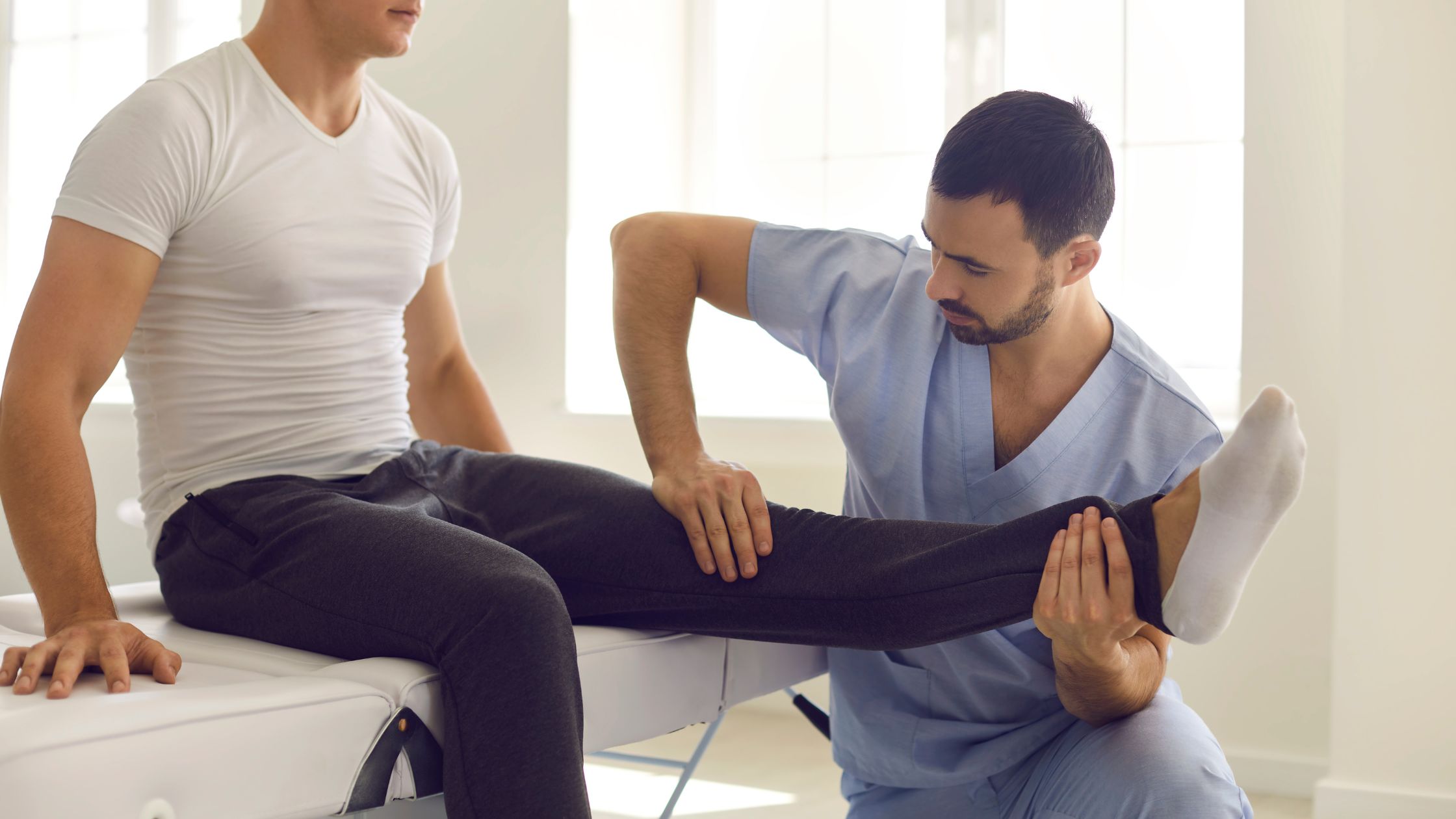
The knee is rarely where the problem starts. It is just where it shows up first.
A runner training along Dubai Marina or Jumeirah Beach Walk starts noticing a dull ache on the outside of the knee a few kilometres into every run. The knee itself is often fine. The real issue is usually higher up, in hip strength or stride mechanics, and the knee is simply where the strain lands. Understanding that difference is most of what separates a running injury that resolves in a few weeks from one that keeps coming back every season.
A study of recreational runners published in the journal Sports found that 43.9 percent had experienced a running-related injury, with the knee accounting for 34.5 percent of all diagnoses, followed by the lower leg and the ankle or Achilles region at 16.4 percent each. Those numbers hold up in Dubai, where running has grown fast alongside the city’s fitness culture, from casual laps around Dubai Healthcare City to serious training blocks ahead of the Dubai Run.

Iliotibial band syndrome
The most frequently reported running injury in that same research is iliotibial band syndrome, felt as pain on the outside of the knee that tends to worsen the further into a run someone gets. It is caused less by the knee joint itself and more by weakness in the hip abductors, which allows the thigh to rotate inward with every stride and puts repeated tension on the band of tissue running down the outer thigh.
Physiotherapy treatment focuses on the hip, not the knee. Strengthening the glutes and correcting the way the pelvis stabilises during a single-leg stance usually resolves the pain faster than rest alone, because rest removes the symptom without correcting the mechanical cause.
This is one of the clearest examples of why treating the painful spot alone rarely works. A runner who rests the knee for two weeks and returns to the same stride pattern is very likely to feel the same pain by the third or fourth run back, because nothing about the hip weakness that caused it has changed in the meantime.
Achilles tendinopathy
Pain and stiffness at the back of the heel, often worse first thing in the morning or at the start of a run before easing off, points to Achilles tendinopathy. This is a gradual overload injury rather than a sudden one, which is why people often keep running through it for weeks before seeking help.
Treatment centres on progressive loading of the tendon rather than complete rest, which tends to weaken it further. A physiotherapist will build a calf-loading programme that increases in a controlled way, sometimes alongside manual therapy to address stiffness in the surrounding tissue and improve ankle mobility.
Calf strain and plantar fasciopathy
Calf injuries and heel or arch pain from plantar fasciopathy round out the most common findings. Both tend to appear in runners who increased distance or pace faster than their tissue could adapt, and both respond well to a structured return that rebuilds strength and flexibility before pace is added back.
- A calf strain that is loaded too soon often reinjures at the same spot, sometimes worse than the first time.
- Plantar pain that flares in the morning and eases with movement usually points to the fascia, not the joint.
- Both conditions improve with targeted stretching, strengthening, and a gradual return to running distance. Ignoring either one rarely makes it disappear. It usually just delays the point where the pain becomes hard to run through at all.
Runner’s knee
What people commonly call runner’s knee, patellofemoral pain, shows up as an ache around or behind the kneecap, usually during activities that load the knee at a bend, such as running downhill or taking stairs. It is one of the most common reasons runners in Dubai end up seeking knee pain physiotherapy, particularly during the cooler months when outdoor mileage increases quickly after a slower summer.
The underlying cause is usually a mix of quad weakness, tight hip muscles, and poor tracking of the kneecap during movement. Correcting all three through targeted physiotherapy tends to resolve the pain far more reliably than rest, ice, or simply switching to a different running route.
Why physiotherapy works better than waiting it out
Most running injuries are not caused by one bad step. They build over weeks of small mechanical faults repeating thousands of times per run. That is exactly why they respond well to physiotherapy and poorly to just waiting, since the underlying pattern that caused the injury is still there even after the pain settles down.
A physiotherapist assesses gait, strength, and joint mobility together, then builds a plan that addresses the actual cause rather than only the symptom. For persistent Achilles or ankle pain that has not improved with rest, ankle and foot injury rehabilitation provides a more structured path back to full training than guesswork ever will.
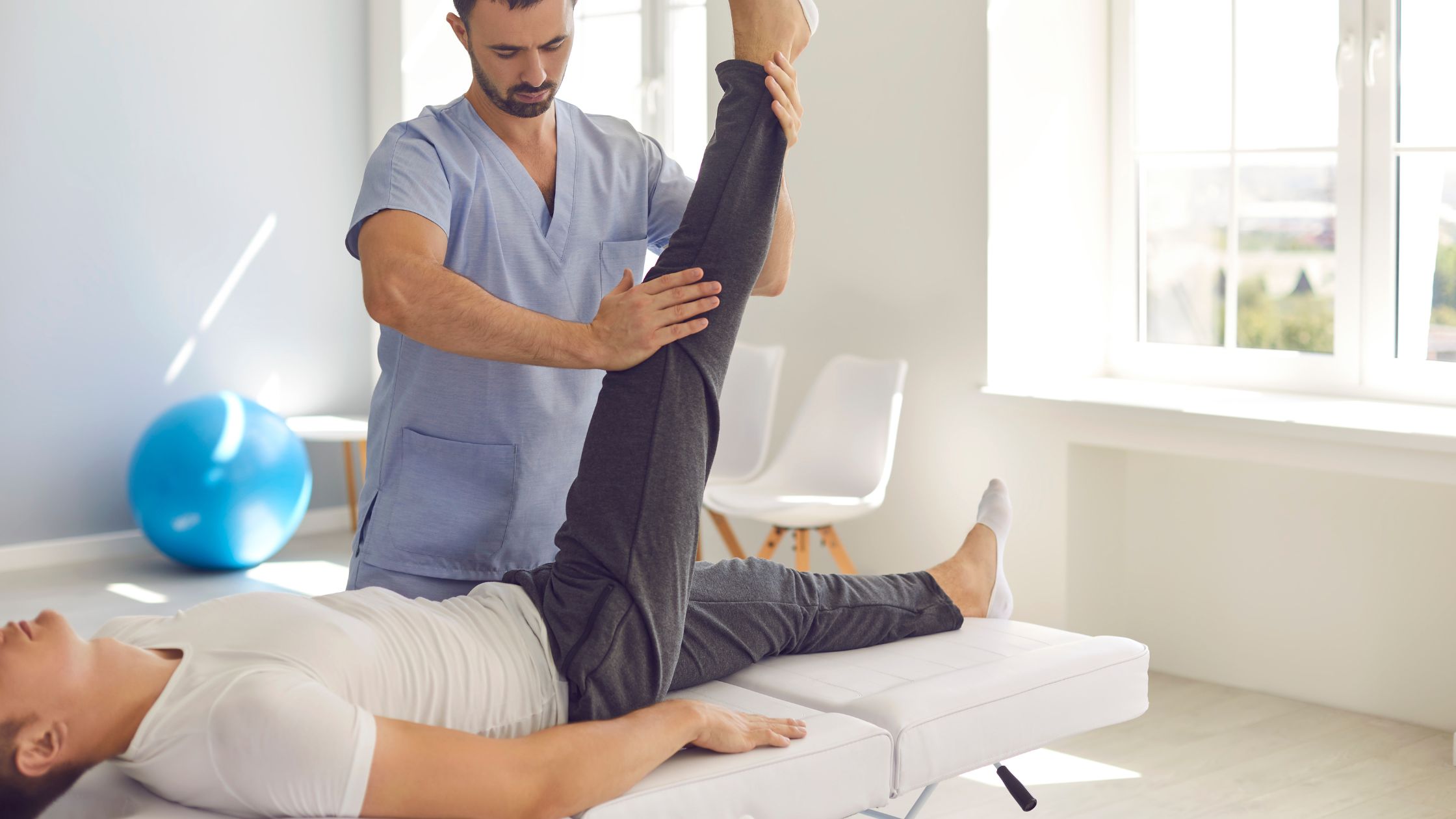
Running through Business Bay, along Al Qudra, or on any of Dubai’s busy running tracks puts the same demands on the body regardless of the route. The tissue does not care about the scenery. It cares about load, recovery, and whether the mechanics behind each stride are sound.
Surface also plays a role that many runners underestimate. Moving between an air-conditioned treadmill during the hottest months and an outdoor track once temperatures drop changes the forces travelling through the legs with every stride, since treadmill belts absorb some of the impact that pavement does not. A physiotherapist factors that transition into a return-to-running plan rather than treating every surface as interchangeable.
Getting back to full distance without repeating the same injury
Runners who come back from an injury without addressing what caused it tend to see it return within a season. The fix is rarely dramatic. It usually involves a few weeks of targeted strength work, a gradual reintroduction of distance, and attention to the early warning signs that were probably ignored the first time around.
Our physiotherapy specialists in Dubai work with runners at every level, from someone easing back into a first 5K to those training for a longer race. Anyone dealing with knee, calf, or Achilles pain that keeps interrupting training can speak with our physiotherapy specialists about what is actually driving the pain, or get in touch to book an assessment before the next training block begins.