
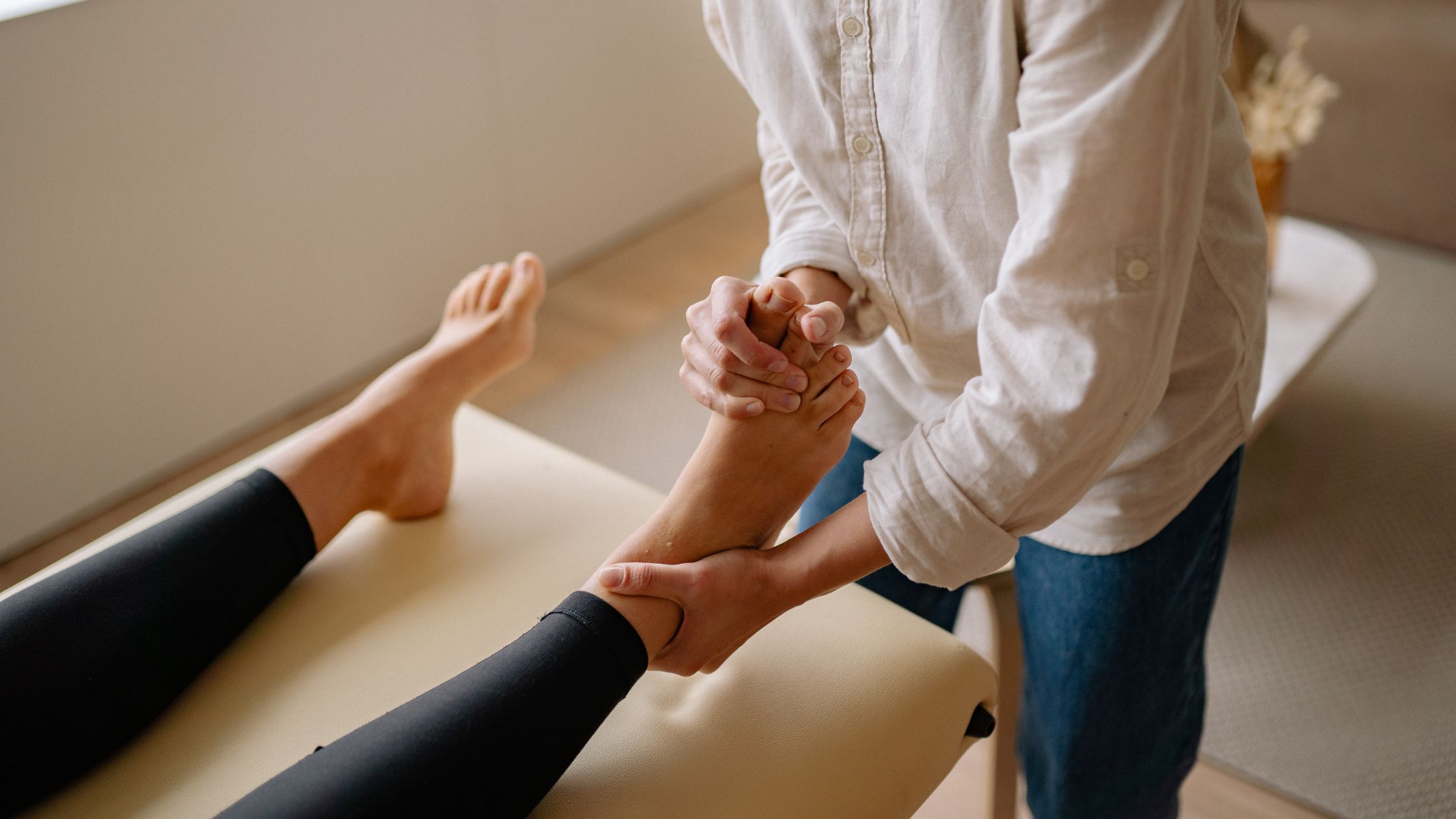
Dubai now has more than 900 padel courts across over 250 facilities, according to the UAE Padel Association, and search interest in the sport has climbed 3,000 percent over the past five years. Five-a-side football leagues fill up every weeknight in Al Quoz and Sports City. CrossFit boxes have waiting lists for evening classes. The city has never had more ways to be active outside a gym, and each one comes with its own way of putting people on a physiotherapist’s table.
These three sports do not injure the body in the same way, which is exactly why a generic warm-up and a generic recovery plan rarely covers all of them.
Football and the ankle problem that never quite heals
Football injuries in Dubai tend to cluster around the ankle and the knee, both from the sudden direction changes the sport demands and from the artificial turf that most five-a-side pitches use, which grips the foot differently than grass. A rolled ankle that gets taped up and played through the following week rarely heals as completely as it should, because the ligament never gets the structured rehabilitation that restores full stability.
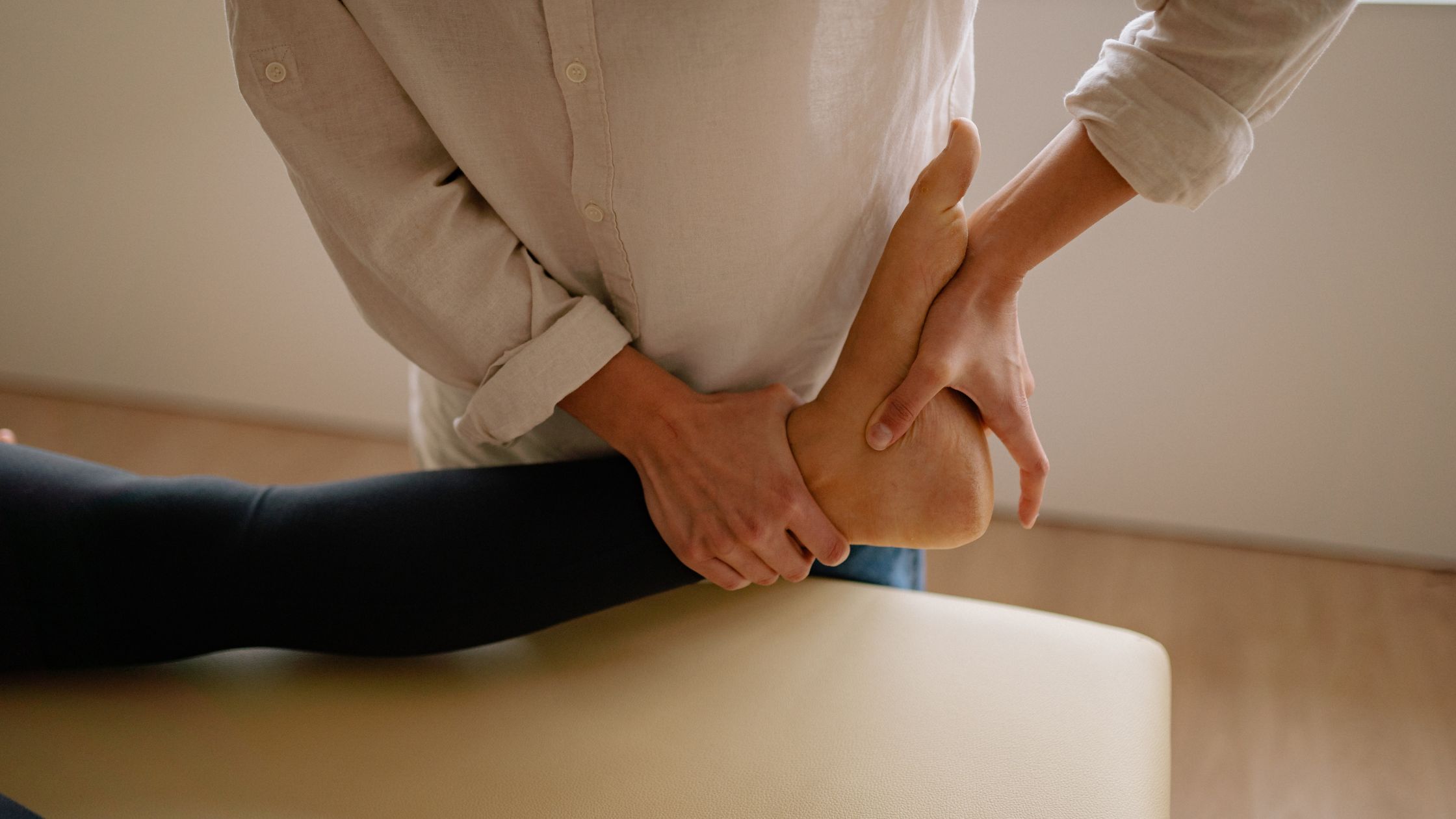
This is how the same ankle ends up rolling again a few months later, often on a smaller misstep than the one that caused the original injury. Ankle and foot injury rehabilitation addresses the balance and proprioception that a taped-up ankle never regains on its own, which is the actual reason repeat sprains keep happening to the same players.
Knee ligament injuries follow a similar pattern. A twisted knee that swells for a few days and then feels mostly normal can still be carrying a partial ligament tear that only shows up under load, during a sharp cut or a sudden stop months later. Left unassessed, a partial tear like this changes how someone moves without them noticing, and that altered movement pattern often becomes the reason a different joint, usually the other knee or the lower back, starts hurting a season later.
Padel and the shoulder nobody expects to hurt
Padel looks gentler than tennis, played on a smaller court with a solid paddle instead of a strung racquet, and that reputation is part of the problem. Players who would never attempt an aggressive tennis serve without warming up will happily jump into an hour of padel straight from a desk, not realising that the repeated overhead smashes place real strain on the shoulder.
Rotator cuff strain is one of the most common padel complaints seen in Dubai clinics, usually building gradually rather than appearing after one dramatic shot. Elbow pain from the paddle’s vibration, similar to tennis elbow, is a close second. Both tend to get dismissed early because padel has a reputation as low-impact, which delays treatment until the pain is already interfering with a normal swing.
Sudden stops and lunges toward the glass walls also load the knees and lower back in ways that a casual player’s body is often not conditioned for, particularly for anyone who plays two or three times a week without any strength work in between sessions.
Recreational players also underestimate how much padel demands from the lower back through repeated rotation while reaching for a low ball near the glass. A back that has spent the week sitting through meetings in Downtown Dubai is not prepared for that motion without some warm-up first, and the resulting strain often gets blamed on “sleeping wrong” rather than the two hours of padel the night before.
CrossFit and the load the body was not ready for
CrossFit combines Olympic lifting, gymnastics movements, and high-intensity conditioning in the same session, which is part of its appeal and part of why it injures people differently than most other training. A systematic review and meta-analysis published in the German Journal of Sports Medicine found a musculoskeletal injury prevalence of 30.3 percent among CrossFit participants, with the spine accounting for 26.8 percent of injuries, the shoulder 25.9 percent, and the knee 15.8 percent.
Those numbers reflect what shows up in a physiotherapy clinic in Dubai Healthcare City almost every week. Overhead movements like the snatch and the jerk demand shoulder mobility that most people who spend their day at a desk simply do not have, and pushing through that limitation under load is how a shoulder injury develops. Heavy lifts performed with fatigued form late in a workout put the same strain on the lower back. CrossFit’s emphasis on measurable performance, hitting a personal record on a lift or finishing a workout faster than last time, also makes people push through form breakdown rather than stopping, which is precisely the moment most injuries actually happen.
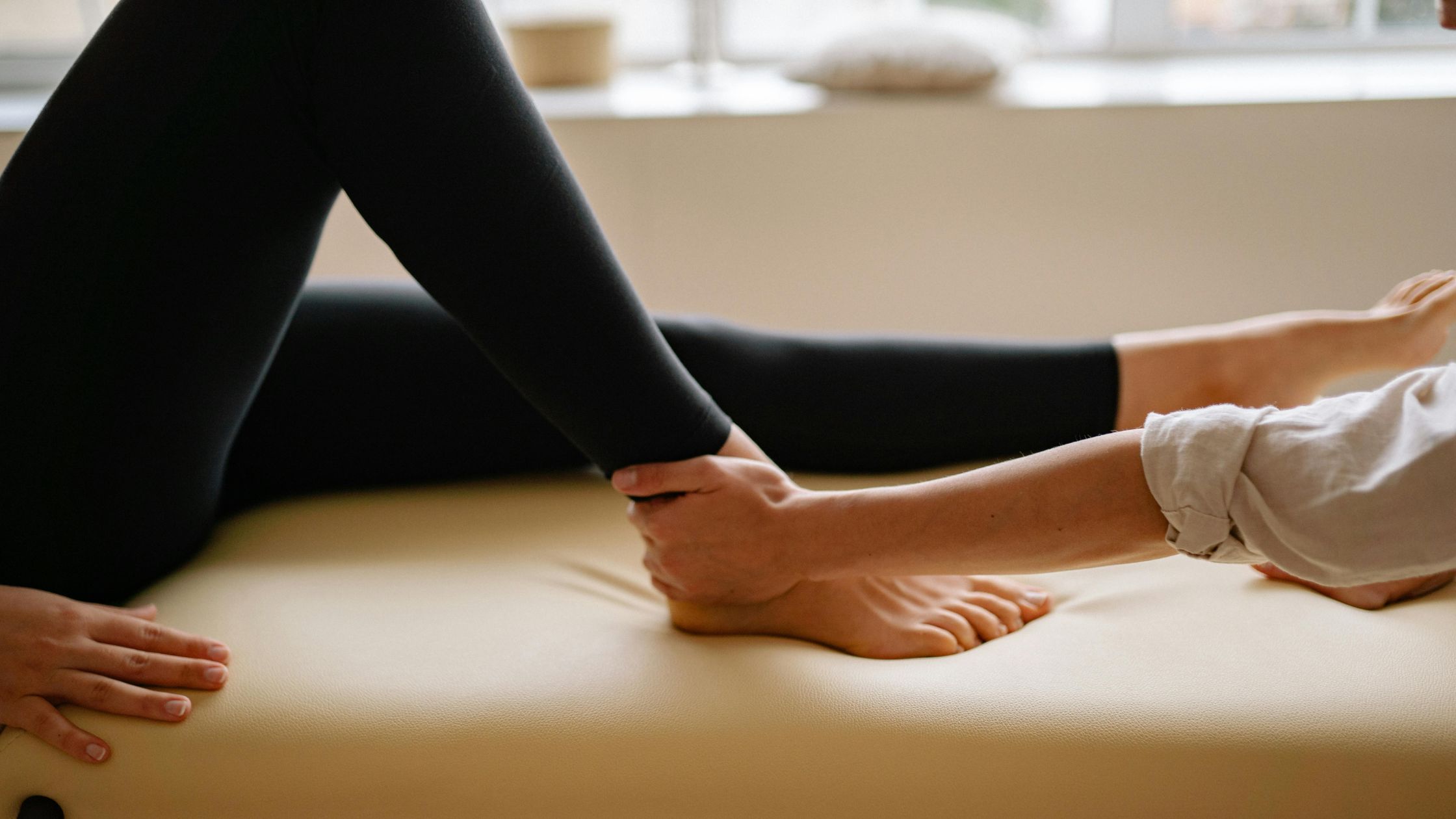
Shoulder pain physiotherapy for CrossFit athletes usually starts with restoring the overhead range of motion that was missing before the injury happened, not just calming down the current flare-up.
What all three sports actually need
The common thread across football, padel, and CrossFit is not the sport itself. It is the gap between how hard people train and how much preparation the body received beforehand.
- Ankle and knee stability work matters more for football and padel players than most realise, especially given the artificial surfaces common across Dubai’s pitches and courts.
- Shoulder mobility work benefits both padel and CrossFit, since both demand repeated overhead motion the average desk-based body has lost.
- A proper warm-up specific to the sport, not a generic five-minute jog, prepares the exact muscles about to be used.
- Recovery between sessions matters as much as the session itself, particularly for anyone playing or training more than twice a week.
None of this requires giving up the sport. It requires treating the body like it needs the same preparation the sport itself demands.
Playing through Business Bay, Al Quoz, or any of Dubai’s growing number of courts and pitches puts real, repeated load on joints that were not built for a sudden jump in intensity. Our physiotherapy specialists work with footballers, padel players, and CrossFit athletes across the city, building recovery plans around the specific demands of each sport rather than a generic injury protocol. Anyone dealing with a nagging ankle, shoulder, or knee that keeps flaring up during play can explore physiotherapy services built for exactly this, or contact the clinic to get it properly assessed before the next match or session.