
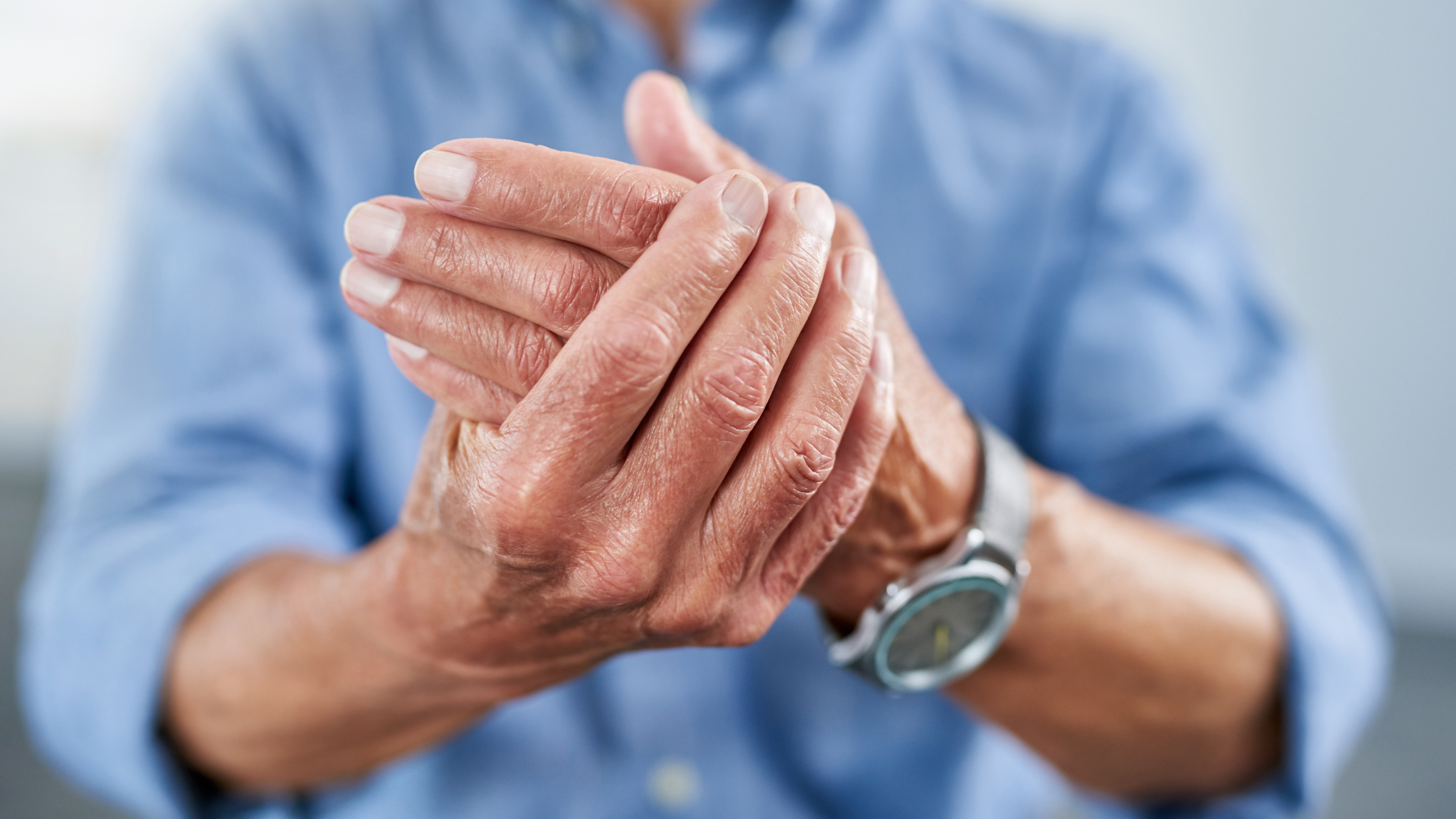
Ask anyone who has lived in Dubai long enough and they will tell you: the body feels different in summer. Not just hot. Something more specific than that. Joints that were fine in February start to feel heavy. Stiffness shows up in the morning and takes longer to clear. People with old injuries notice them again, quietly, like a signal they had forgotten about.
This is not imagined. There are real physiological reasons why joints behave differently when the temperature sits at 42 degrees and the humidity makes the air feel like warm wet cloth. Understanding what is actually happening helps separate the discomfort that simply needs management from the symptoms that deserve proper attention.
What heat does to tissue
When the body is exposed to sustained heat, blood vessels near the skin dilate to help with cooling. This process draws circulation toward the surface and away from deeper structures, including joints and the tissue surrounding them. For most people this is temporary and unremarkable. For anyone with existing joint inflammation, it can amplify what was already there.
Synovial fluid, the liquid that lubricates joints, is sensitive to temperature. In high heat, its viscosity changes. The joint does not move as smoothly. This is one reason people with arthritis or cartilage wear often report that their symptoms feel more pronounced during Dubai’s summer months, even when they are doing less physically.
Tendons and ligaments also respond to heat. They become slightly more pliable, which sounds like a benefit but comes with a trade-off: a warmer, more relaxed tendon has less tensile resistance, making it easier to overload under sudden or unexpected stress.
Humidity is a separate problem
Temperature and humidity are not the same thing, and their effects on the body are not identical. High humidity slows the rate at which sweat evaporates, which means the body’s primary cooling mechanism becomes less efficient. The cardiovascular system works harder. Core temperature rises faster during exertion. Fatigue sets in earlier than expected.
For joints, the relevant consequence is this: people who push through physical activity in humid conditions often overexert without realizing it. The effort feels manageable until it does not. Muscles tire before the nervous system registers the warning clearly. Joints that are already under some degree of stress absorb more load than they should, and the damage from a single session of overdoing it in July can take weeks to resolve.
There is also a pressure component that often goes unmentioned. Changes in barometric pressure, which shift with humidity and weather fronts, affect the pressure inside joints. People with joint pain or arthritis often describe their symptoms as a reliable weather forecast. The mechanism is real: lower atmospheric pressure allows tissues inside the joint capsule to expand slightly, increasing pressure on surrounding nerves.
Dehydration and its effect on cartilage
Cartilage has no direct blood supply. It gets its nutrients through a process called diffusion from the synovial fluid around it. That fluid is largely water. When the body is dehydrated, synovial fluid volume drops and its composition changes. Cartilage becomes less cushioned, less capable of distributing load evenly, and more vulnerable to wear under the kind of repetitive stress that exercise places on a joint.
In Dubai’s summer, dehydration is not a risk limited to outdoor athletes. People sitting in air-conditioned offices for eight hours, moving between car parks and buildings, often drink far less than their bodies require. The body does not always produce a strong thirst signal when it is chronically mildly dehydrated, which means the deficit accumulates quietly.
- Water intake: Adults in Dubai’s summer need meaningfully more fluid than standard recommendations suggest, closer to three litres daily for those who are sedentary and more for anyone who exercises.
- Electrolytes: Sweat in humid heat is heavy and mineral-rich. Plain water alone does not fully replace what is lost.
- Timing: Drinking consistently through the day matters more than large volumes taken at once.
- Joint signal: Morning stiffness that eases slowly can be a sign of inadequate overnight hydration, not just a structural problem.
Hydration will not fix a damaged joint, but it does affect how that joint behaves day to day.
Indoor exercise is not automatically safe
When outdoor activity becomes impractical, most people in Dubai shift to gyms, indoor courts, and climate-controlled studios. This is sensible. But a common mistake is increasing training load at the same time, partly because the cooler environment feels forgiving and partly because the summer represents a window to “get fit” before the season picks up again.
Gyms in July see a meaningful increase in overuse injuries. The pattern is consistent: someone who was running four times a week outdoors switches to daily treadmill sessions plus gym work, reasoning that the total time spent is similar. The body does not agree. Repetitive surface loading on a treadmill differs from varied terrain. The same structures absorb impact in the same way, session after session, without the micro-variation that outdoor movement provides.
Back and spine pain often increases in summer for exactly this reason: people spend more time in sedentary indoor environments, then compensate with high-intensity sessions that load the spine in concentrated ways rather than distributing movement across the day.

When summer symptoms need attention
Some degree of joint discomfort in Dubai’s summer is normal. Stiffness on humid mornings, mild swelling in the feet and ankles by evening, joints that feel less sharp than usual during exercise. Most of this settles with hydration, rest, and sensible load management.
The symptoms that deserve a proper assessment are different in quality. Swelling that does not reduce after rest. Pain that wakes you at night or is present at rest rather than only with movement. A joint that locks, gives way, or produces a grinding sensation. Any symptom that is getting worse rather than plateauing. These are not summer-related discomfort. They are the body signalling that something structural needs attention.
Our orthopedic specialists at Westminster Multispecialty Clinic in Dubai Healthcare City see both ends of this spectrum: patients managing existing conditions through the summer and patients discovering that what they thought was seasonal discomfort was something that needed treatment.
Knowing which category you are in is the most useful thing you can do for your joints this summer.
The discomfort that feels manageable in summer has a way of becoming the injury that sidelines you in October, just as the weather turns and the city comes back to life. An assessment now costs an hour. Missing the season costs considerably more.
Reach out to our team at Westminster Multispecialty Clinic to get a clear picture before the problem gets ahead of you.