

There is a particular kind of injury that lives in the background. Not serious enough to stop you entirely, but present enough that you notice it every morning, every time you take the stairs, every time someone suggests a weekend paddle session and you think twice. A knee that clicks. A shoulder that pulls. A hip that has been “a bit off” since that run in March.
Most people carry these injuries for months. The reasoning is always the same: not the right time, too busy, it will sort itself out. And then summer arrives in Dubai, and the city quietly shifts gear.
The city slows down in the best possible way
From June onward, the outdoor routine that defines much of Dubai’s social life goes indoors or pauses altogether. The evening runs along Jumeirah Beach Road stop. The Al Qudra cycling groups thin out. Padel bookings drop. The rhythm of the city changes, and that creates something genuinely useful: time and mental space to deal with things you have been putting off.
Summer is also when clinics are less congested. Appointment availability is better. Follow-up scheduling is easier. If you need imaging, a second consultation, or a course of physiotherapy, the weeks are less fragmented by travel, school schedules, and competing commitments.
This is not a coincidence to take advantage of. It is a structural reality of life in Dubai.
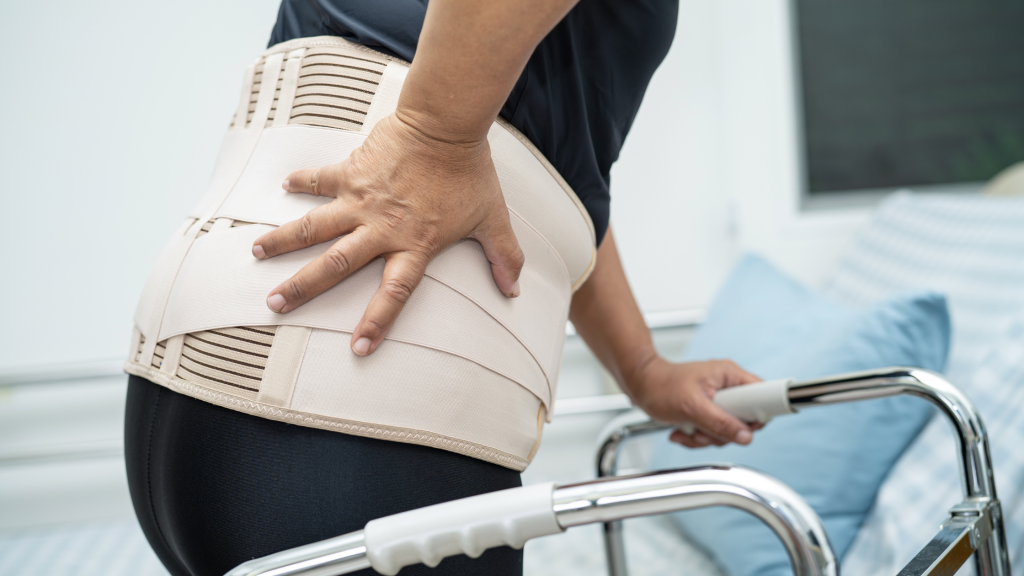
Why waiting makes most orthopedic problems worse
Orthopedic injuries do not tend to resolve on their own. Some appear to settle, but what is often happening is adaptation: the body compensates by loading other structures differently. A sore knee changes how you walk. That altered gait loads the hip unevenly. The hip starts to complain. Months later, you have two problems instead of one, and neither is straightforward.
Tendons, in particular, have poor blood supply compared to muscle. Without intervention, tendon injuries can calcify, stiffen, or develop into chronic conditions that take far longer to treat than the original problem would have. Cartilage does not regenerate the way soft tissue does. The window for conservative management is real, and it closes.
Getting an assessment when a problem is still in its early or middle stages means more options. Surgery is often avoidable. Recovery times are shorter. The process is less disruptive.
- Muscle injuries: Partial tears and strains that go untreated can become scar-laden tissue with reduced flexibility and a higher re-injury rate.
- Ligament sprains: Incomplete recovery leaves joints unstable, which compounds over time with repeated stress.
- Tendon pain: Left unmanaged, tendinopathy can progress from a manageable ache to a condition requiring months of structured rehabilitation.
- Cartilage wear: Early intervention with PRP injections or guided therapy can slow deterioration in ways that are not possible once damage is advanced.
Waiting does not make these problems cheaper or simpler to fix.
What an assessment actually involves
A lot of people avoid seeing an orthopedic specialist because they expect to be told they need surgery. That is rarely what happens. Most consultations end with a diagnosis, a conservative management plan, and a clear picture of what to monitor. Surgery is one tool among many, and experienced specialists recommend it when other approaches have been exhausted or when the anatomy genuinely requires it.
A first consultation typically involves a clinical examination, a review of your history, and where needed, imaging to understand what is actually happening in the joint or tissue. From that, a plan is built. For many patients, that plan involves physiotherapy, load management, injection therapy, or simply a structured period of modified activity.
Our orthopedic specialists at Westminster Multispecialty Clinic in Dubai Healthcare City see patients across the full range of musculoskeletal problems, from acute sports injuries to long-standing joint conditions. The aim of a first visit is information, not alarm.
If surgery is needed, summer is the right window
For injuries that do require surgical intervention, timing matters. Recovery from orthopedic procedures typically involves a period of reduced activity: protected weight-bearing, restricted range of motion, supervised rehabilitation. In Dubai’s summer, that recovery period maps naturally onto the months when outdoor activity is least practical anyway.
Someone recovering from ACL reconstruction or shoulder repair in July is typically cleared for a graduated return to sport by October or November, which is exactly when the weather in Dubai makes being outdoors worth it again. The timing is not incidental. Patients who plan surgery around the summer window regularly report that the recovery felt less disruptive than they anticipated.

The same logic applies to procedures like hip replacement, where post-operative rehabilitation is the most demanding phase. Starting that process when your schedule is already quieter makes the weeks of physio appointments, walking programmes, and rest far more manageable.
The injury you have been ignoring has a name
One of the most useful things about getting an assessment is simply knowing what you are dealing with. A background ache becomes a diagnosed condition with a treatment pathway. That shift from vague discomfort to a clear plan changes how people feel about their bodies and what they are willing to do to improve.
Patients who come in having carried something for six months often say the same thing: they wish they had come sooner. Not because the treatment was complicated, but because understanding what was wrong turned out to be more straightforward than they expected.
Summer in Dubai will pass. The weather will cool, the padel courts will fill again, and the running groups will return to Safa Park. The question is whether you want to be fully fit when that happens, or whether you will be carrying the same background injury into another year.
If an injury has been in the back of your mind for a while, get in touch with our team at Westminster Multispecialty Clinic. A conversation costs nothing, and it is a better use of summer than hoping things improve on their own.