May 4, 2026

Ask anyone who works a desk job in Dubai and they will tell you the same thing. The day starts with a commute, often a long one, and ends the same way. In between, there are back-to-back meetings, screens to stare at, and a chair that does not get vacated nearly enough. By the time the evening rolls around, there is a familiar heaviness in the lower back, a tightness across the shoulders, and a neck that protests when you turn it too quickly.

Most people chalk it up to a long day. A few stretches, a good night’s sleep, and they are back at it tomorrow. But when that pattern repeats five days a week, week after week, the body starts keeping score in ways that are not always obvious until the damage is already done.

Why Sitting Is Harder on the Body Than It Looks

There is a common assumption that sitting is rest. It is not. When you sit for extended periods, particularly in a position that is even slightly off, your spine is under constant load. The discs between your vertebrae are compressed. The muscles meant to support your posture gradually switch off because they are not being asked to work. And the joints that are designed for movement begin to stiffen from simple lack of use.

The average office worker in Dubai spends somewhere between eight and ten hours a day seated. That includes the commute, the desk, the lunch break spent on a phone, and the evening on the couch. Add that up over months and years and what you have is a body that has been quietly trained into a shape it was never meant to hold.

The spine is particularly vulnerable. It is designed for movement and variety, not for being locked into a single position for hours at a time. When it does not get that variety, it finds ways to compensate, and compensation in the spine tends to show up as pain somewhere along the chain.

Where the Pain Shows Up and Why

The most common complaint among desk workers is lower back pain, and it is easy to understand why. When you sit with a forward lean, which most people do without realizing it, the lumbar spine loses its natural curve. The muscles at the back of the hips tighten. The deep core muscles that are supposed to stabilize the spine stop engaging. The result is a lower back that is overloaded and underprotected at the same time.

But the back is not the only place that suffers. Neck and shoulder tension is almost universal among people who spend hours looking at screens. The head weighs roughly five kilograms, and for every inch it drifts forward of the shoulders, the effective load on the cervical spine increases significantly. By the time someone’s head is in the typical screen-gazing position, the neck is carrying the equivalent of several times its normal load.

Hip flexors also take a significant hit. These muscles run from the lower spine to the top of the thigh, and prolonged sitting keeps them in a shortened position for hours. Over time they become tight, which tilts the pelvis forward, which increases strain on the lower back, which brings the whole cycle back around again.

Our team regularly sees patients at Westminster Multispecialty Clinic who are genuinely surprised to learn that their knee pain, their foot discomfort, or their recurring headaches trace back to postural patterns that developed at a desk. The body is connected in ways that are not always intuitive, and back and spine pain that begins at a workstation can travel further than most people expect.

When Your City Is Not Designed for Movement

There are aspects of life in Dubai that make this problem more pronounced than in many other cities. Commutes along Sheikh Zayed Road or through the Marina can stretch well beyond an hour, adding a significant block of seated time before the workday even begins. Office environments, while often beautifully designed, are not always set up with ergonomics in mind. And the culture of long working hours, which is deeply embedded in many industries here, means that breaks are often the first thing to go.

The heat also plays a role that is easy to underestimate. During the warmer months, outdoor movement drops off sharply. The walk from the car to the office becomes a quick dash, and the idea of a lunchtime stroll simply is not realistic for much of the year. What this means in practice is that many Dubai professionals are getting even less incidental movement throughout the day than people living in cooler climates, where walking to a train station or stepping out at lunch is simply part of the routine.

None of this is about how people choose to live or work here. It is simply the reality of a fast-moving, car-dependent city, and it is worth understanding so that the risks can be managed deliberately rather than discovered through pain.

Small Changes That Make a Real Difference

The good news is that the body responds quickly to movement, even in small doses. You do not need to overhaul your entire routine to begin reducing the strain that a desk job places on your musculoskeletal system. Some of the most effective interventions are genuinely simple.

  • Stand up regularly: Setting a reminder to stand, stretch, or take a short walk every forty-five minutes interrupts the compression cycle and gives your spine a chance to decompress.
  • Check your screen height: The top of your monitor should be roughly at eye level. If you are consistently looking down, your neck is working harder than it needs to.
  • Sit back in your chair: Most people perch forward on their seat without realizing it. Sitting fully back with lumbar support engaged reduces the load on the lower spine considerably.
  • Stretch your hip flexors daily: A simple kneeling lunge stretch held for thirty seconds on each side can counteract much of the tightening that builds up through a day of sitting.
  • Strengthen your core outside of work: Targeted core work, even fifteen minutes a few times a week, gives your spine the muscular support it needs to handle long periods of sitting more safely.

These steps help, but they are not a substitute for proper assessment when symptoms are already present.

When It Is Time to Stop Adjusting and Start Investigating

There is a version of this that stays manageable with lifestyle adjustments and good habits. And then there is the version where the pain is consistent, worsening, or starting to limit what you can do outside of work. That second version deserves professional attention.

Rehabilitation and physiotherapy tailored to posture and desk-related strain can make an enormous difference, particularly when it addresses not just the symptoms but the movement patterns that are driving them. For cases involving disc involvement or nerve-related symptoms like tingling or radiating pain down the leg, a more detailed evaluation becomes important.

Our orthopedic consultants in Dubai take the time to understand the full picture, including how you work, how you move, and what your daily routine actually looks like, before arriving at a plan. That context matters, because desk-related pain rarely has a one-size solution.

Your Body Was Not Built for This. But It Can Adapt.

The human body is remarkably adaptable. It can handle a demanding desk job, a long commute, and a limited movement window, provided it gets the right support and attention. The difficulty is that most people wait until the pain is loud before they act on it.

If your back has been grumbling, your neck feels perpetually stiff, or you are starting to notice that your body takes longer to loosen up in the mornings, that is worth paying attention to now rather than later.

Our orthopedic team at Westminster Multispecialty Clinic in Dubai Healthcare City works with busy professionals every day who are dealing with exactly this. You do not have to keep managing it on your own. Book a consultation and let us help you figure out what your body actually needs.


May 4, 2026

There is a moment most people recognize but rarely take seriously. You stand up from your desk after a long meeting and your knees make a sound. Or you step off a curb near Dubai Mall and feel a brief, sharp twinge that disappears almost as quickly as it came. You file it away. You keep moving. Life in Dubai is busy, and a little knee discomfort feels like a reasonable price to pay for staying active.

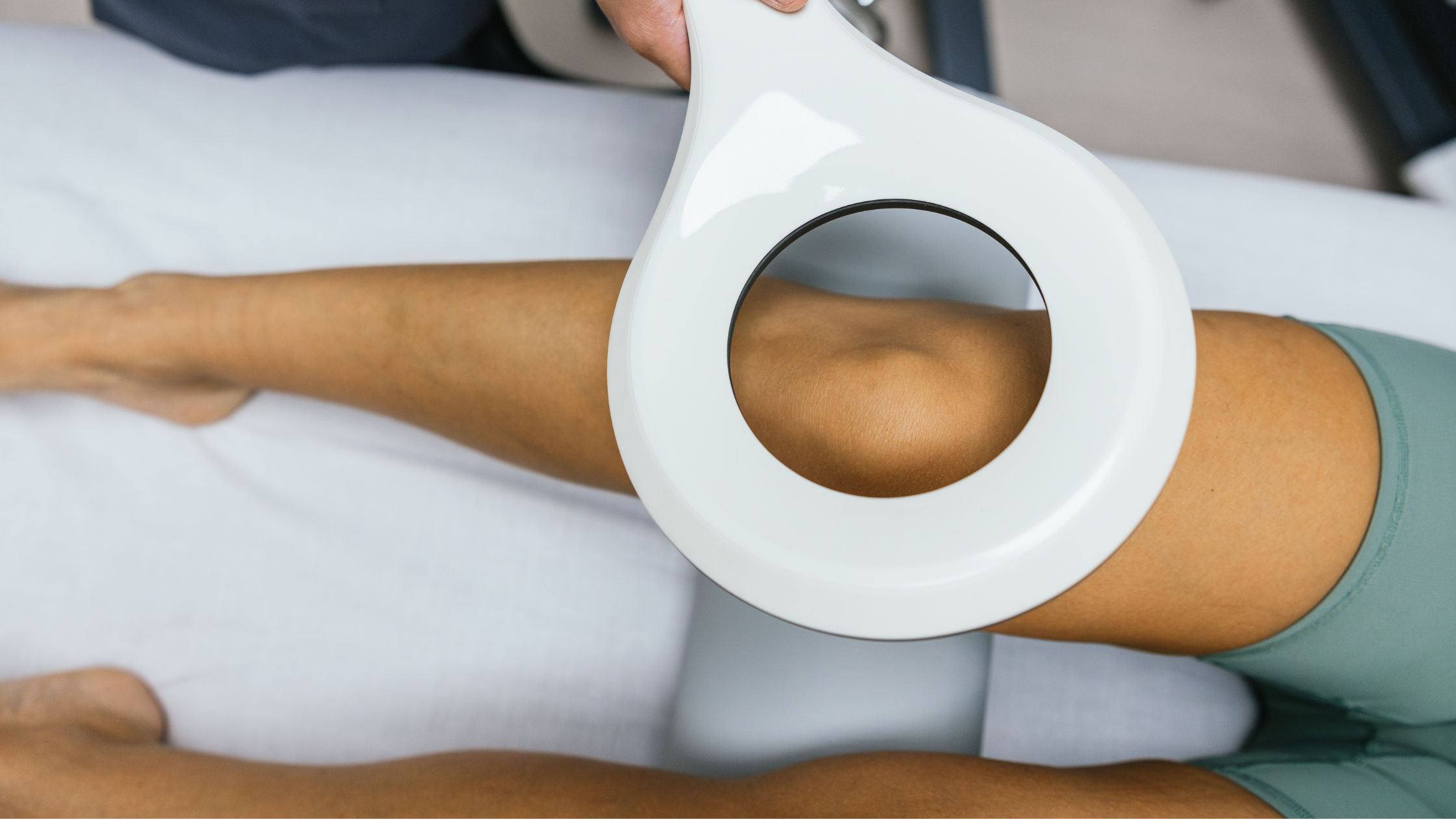
But here is the thing about knees: they are not subtle when something is off. The ache after a padel session, the stiffness after a long drive down Sheikh Zayed Road, the swelling that shows up after a weekend run along Jumeirah Beach Road. None of these are random. They are signals, and learning to read them early is one of the most valuable things you can do for your long-term mobility.

What Your Knees Are Actually Doing All Day

Most people do not think about their knees until something goes wrong. That is completely understandable. When they are working well, they are almost invisible. But the knee is one of the most complex and load-bearing joints in the body. It absorbs force with every step, stabilizes your body during movement, and carries the full weight of everything above it.

Walking puts roughly one and a half times your body weight through each knee. Climbing stairs doubles that. A sport like padel, with its quick lateral cuts, sudden stops, and repeated jumping, pushes that load even higher.

Over time, if the surrounding muscles are weak, the alignment is off, or an old injury has never fully healed, the knee starts speaking up. And in a city where fitness is woven into everyday life, where people are out for early morning runs at Safa Park, hitting the gym at lunch, or cycling Al Qudra on weekends, the temptation to push through discomfort is real.

But there is a meaningful difference between muscle fatigue and joint distress, and knowing that difference matters more than most people realize.

The Signals Worth Paying Attention To

Mild soreness after an unusually active day is normal. What deserves more attention is discomfort that follows a pattern, comes on without an obvious reason, or starts changing the way you move.

Some of the more telling signs include:

  • Swelling that lingers: Puffiness around the knee that does not go away within a day or two after activity often points to inflammation or fluid buildup that should be properly assessed.
  • Pain that changes your gait: If you find yourself favoring one leg or quietly avoiding certain movements, your body is compensating. And compensation has a way of creating new problems somewhere else.
  • Locking or catching: A sensation that the knee is sticking or refusing to straighten fully can sometimes point to a meniscus issue that responds much better with early treatment.
  • Pain at rest: Discomfort that wakes you at night or stays with you even when you are sitting still is a different kind of symptom entirely, and it warrants prompt evaluation.
  • Instability: A feeling that the knee might give way, especially on stairs or uneven ground, is often tied to ligament involvement and should not be brushed off.

None of these automatically mean something serious is going on. But they are the knee’s way of asking for a real conversation, not just a painkiller and a few days off.

Common Reasons Knees Start Complaining

For active residents in Dubai, sports injuries are a frequent starting point. A misstep on the padel court, an awkward landing at the gym, a gradual overuse injury from training without enough recovery time. These are often very manageable when caught early, but they have a way of becoming more complicated when ignored.

For people who spend most of their day at a desk, the issue is different but just as real. Prolonged sitting shortens the hip flexors and weakens the quadriceps, both of which play a direct role in how the knee tracks and loads during movement. When someone with those weaknesses then heads out for a weekend run or a CrossFit class, the knee ends up absorbing forces it was not prepared for.

Joint pain and early arthritis also show up in people younger than most would expect. Cartilage wear does not make a dramatic entrance. It builds quietly over years of suboptimal movement, old injuries, and repetitive strain.

Conditions involving the ACL and meniscus are also worth understanding. These are the knee’s internal support structures, and when they are compromised, whether through one sudden event or slow-building stress, the whole joint feels the consequences.

What Good Knee Care Actually Looks Like

Most knee problems respond well to thoughtful, targeted care. The approach depends entirely on what is driving the symptoms, which is why a proper clinical assessment is always the right starting point.

For many people, rehabilitation and physiotherapy form the foundation of treatment. Strengthening the muscles around the knee, particularly the quadriceps, hamstrings, and glutes, reduces the load the joint itself has to carry. It is not passive rest. It is structured, progressive work that often resolves pain that has been lingering for months.

For others, guided injections or PRP therapy offer a more targeted way to reduce inflammation and support healing, especially for those who want to stay active while the underlying condition is being treated.

When there is structural damage, surgical options including arthroscopic procedures may be the most effective path. Our orthopedic specialists in Dubai are experienced across the full range of knee care, from conservative management to complex reconstruction, and they always start with the least invasive option that makes clinical sense.

The Cost of Waiting

A lot of people apply the same logic to knee pain: if it is not bad enough to stop me, it is not bad enough to deal with. It is an easy position to hold, especially when you are busy.

The problem is that the knee does not exist on its own. A painful or unstable knee changes the way you walk, which puts extra stress on the hip above and the ankle below. Secondary issues develop. Recovery timelines stretch. What could have been a simple fix becomes something more involved and more disruptive.

Our orthopedic services at Westminster Multispecialty Clinic are built to help people before they reach that point, while the window for straightforward, effective treatment is still wide open.

Your Knees Have Been Patient. Now It Is Your Turn.

If you have been carrying knee discomfort around and telling yourself you will look into it eventually, consider this your nudge. Getting assessed is straightforward, and in most cases, just understanding what is happening goes a long way toward easing the worry that tends to build around unexplained pain.

Come see our team at Westminster Multispecialty Clinic in Dubai Healthcare City. We will take the time to actually listen. Reach out and book your consultation today.


April 20, 2026

The last day of school arrives and you expect relief. Bags dropped at the door, screens switched on, the whole household finally exhaling. But instead, something else happens. Your child is irritable. Or tearful. Or strangely flat. Not the version of them you expected after months of early mornings and exam pressure. A different, harder-to-reach version.

Parents often describe it as a switch flipping. And they spend the first week of the holidays wondering what they did wrong.

You probably did not do anything wrong. What you are seeing is a transition response, and it is more common than most people realise.

Why Routine Matters More Than We Give It Credit For

Children, especially those with sensitive temperaments, build their sense of safety around predictability. The school day, for all its stresses, is a reliable sequence. Wake at this time. Eat here. Sit there. Move now. Even children who complain constantly about school are often drawing invisible comfort from its rhythm.

When that structure disappears overnight, some children struggle to find their footing. The nervous system, which had been organised around a reliable daily pattern, suddenly has nothing to anchor itself to. What comes out can look like bad behaviour. In most cases, it is simply dysregulation.

Understanding that difference changes how you respond to it. A child who is acting out because they are struggling needs something different from a child who is acting out to push boundaries. And responding with patience rather than punishment tends to move things forward much faster.

The Behaviours That Often Get Misread

In Dubai, where the school year is demanding and the summer break stretches long and hot, the contrast between term time and the holidays can be particularly sharp. Children who have been holding themselves together through exams, social dynamics, and performance expectations sometimes unravel the moment the pressure lifts.

Here are some of the signs worth watching for in the first few weeks after school ends:

  • Mood swings that feel out of proportion to whatever triggered them
  • Losing interest in things they previously enjoyed
  • Heavier screen use paired with emotional flatness
  • Sleep changes, either difficulty falling asleep or sleeping much longer than usual
  • Physical complaints like headaches or stomach aches without a clear cause
  • Separation anxiety that seemed to have settled months ago

None of these things on their own necessarily point to something serious. But if several are present, or if they persist beyond two to three weeks, it is worth taking a closer look.

What Expat Families Experience Differently

For children growing up in Dubai, the end of the school year often carries a particular weight that children in more settled communities do not face. Friends leave. Every June, the quiet exodus begins as families head back to home countries or relocate entirely. A child’s social world can shrink significantly within the space of a few days.

This is real loss. And children often do not have the words for it. What comes out instead is moodiness, conflict, or what looks from the outside like laziness. Underneath it is grief for friendships interrupted, for familiar routines, for the version of themselves that existed within a particular social structure.

For children who already experience challenges with ADHD or anxiety, this transition can hit harder. The coping strategies that worked during term time may not transfer to unstructured days. Difficulties with executive function, in particular, tend to become more visible when the external scaffolding of the school day disappears.

A Myth Worth Naming Directly

There is a persistent belief that children should simply enjoy their holidays. That if they are struggling emotionally during the summer, something must be off with the parenting. This idea causes a lot of unnecessary guilt, and it is worth challenging.

Children are not small adults with simpler emotional lives. They process transition, loss, and change with the same complexity that adults do, but with far fewer tools for managing it. Recognising that your child is having a hard time is not a reflection of failure. It is a sign that you are paying attention.

Seeking professional support for a child’s emotional wellbeing is not an overreaction. Our child psychiatry specialists work with children from a place of warmth and genuine curiosity. The starting point is always understanding the child, not reaching for a label.

What You Can Do at Home

You do not need to recreate the school timetable. But some loose structure goes a long way. Consistent mealtimes, a rough shape to the day, and planned social contact provide enough predictability for most children’s nervous systems to settle.

Resist the urge to fill every hour. Boredom is not the enemy here. The absence of containment is. Children who have nothing to anchor their day to will often create their own stimulation, and it is not always the kind you would choose for them.

Talk about the school year ending in terms of transition rather than pure celebration. Acknowledge that saying goodbye to friends is hard, even when it is normal and temporary. Give your child permission to feel sad about it without immediately reassuring them it will all be fine.

When children feel that their emotional experience is understood rather than managed, they tend to move through difficult feelings more quickly. When they sense that their feelings are inconvenient or confusing to the adults around them, they tend to bury them. What gets buried does not disappear.

When to Reach Out for Support

Most children will settle within a few weeks once new rhythms are established. But if emotional difficulties are intensifying rather than easing, if you notice persistent sadness, significant changes in appetite, withdrawal from family, or anything that sounds like hopelessness, those are signs that a conversation with a mental health professional makes sense.

You do not need to wait for a crisis. Our psychiatry specialists at Westminster Multispecialty Clinic, located in Dubai Healthcare City, work with children and families through exactly these kinds of seasonal transitions. Western-trained in the UK and US, our clinicians bring both clinical depth and genuine cultural understanding to every assessment.

Reaching out while things still feel manageable is not premature. It is the smarter move.

If your child has had a harder ending to the school year than you expected, contact our team at Westminster Multispecialty Clinic. Sometimes one conversation is all it takes to gain clarity, a direction forward, and the reassurance that what you are seeing has both a name and a path through it.

April 20, 2026

There is a particular feeling that arrives in Dubai sometime in late April or early May. It is hard to describe precisely, but most long-term residents know it when it comes. The air thickens. The sun stops feeling like warmth and starts feeling like pressure. And somewhere beneath the practicalities of booking flights and planning holidays, a quiet dread settles in.

Not everyone calls it that. Some call it tiredness. Others call it restlessness. Some do not name it at all. They just notice that they feel heavier than they did a few months ago, and they assume it is the heat.

Sometimes it is. But often, it is something more.

What Five Months Indoors Actually Does to You

Dubai summers are not simply hot. They are confining. For four to five months, outdoor life becomes largely inaccessible during daylight hours. Walks after work, evening runs, casual gatherings outside, the small daily moments of being in fresh air and among people, all of these contract sharply.

What replaces them is indoor life. Air conditioning, malls, apartments, screens. The city that feels so alive in the cooler months becomes, for many residents, a series of climate-controlled interiors connected by short sprints to parked cars.

This is not a trivial change. Human beings are not built for months of reduced sunlight, limited movement, and social contraction. Research consistently links lower sunlight exposure with changes in serotonin and melatonin production. Sleep quality deteriorates. Energy drops. Mood becomes flatter, more reactive, or harder to lift.

What many Dubai residents experience during summer shares real features with seasonal mood disruption, even when it does not meet a clinical threshold. That does not make it less real or less worth addressing.

The Loneliness Nobody Admits To

There is a particular kind of loneliness that comes from living in a busy city while feeling profoundly disconnected from it.

Summer accelerates this in Dubai. Colleagues take long leave. Friends fly home. Social groups quietly dissolve. Children are home from school but the dynamic that word suggests, relaxed family time, often does not materialise. Instead, everyone is indoors, under the same roof, slightly on top of each other, with nowhere natural to go.

For the expats who stay through summer, there is sometimes a feeling of being left behind. It is rarely voiced because it does not seem like a legitimate complaint. You chose to live here. The weather is predictable. You should have planned for this. But emotional experience does not respond well to logic. The isolation that many Dubai residents feel during these months is real, and it deserves to be acknowledged rather than rationalised away.

For those already managing stress or burnout, summer can push a system that was already stretched into something harder to come back from.

What the Research Actually Shows

The relationship between extreme heat and mental health is better documented than most people realise. Studies have found links between sustained high temperatures and higher rates of irritability, sleep disruption, and depressive episodes. The mechanisms are physiological as much as psychological. Disrupted cortisol rhythms, dehydration affecting cognitive function, and the knock-on effects of poor sleep on emotional regulation all play a role.

This does not mean everyone in Dubai will struggle every summer. But it does mean the mood changes many people notice during these months are not imaginary, not weakness, and not something that simply has to be endured quietly year after year.

Understanding that your environment genuinely affects your emotional state is, in itself, useful. It shifts the experience from a personal failing to a human response to genuinely difficult circumstances.

Patterns That Compound Quietly

Extended indoor living tends to create cycles that feed themselves. Less movement leads to poorer sleep. Poorer sleep affects mood and concentration. Low mood reduces motivation to socialise or exercise, even when both are accessible. Less social contact increases rumination. Rumination deepens whatever low mood was already there.

For people with an existing tendency toward depression or anxiety, this cycle can become serious fairly quickly. What starts as feeling a bit flat in May can, without any support or change, become something much harder to shift by August.

The challenge is that it happens gradually. There is rarely a single moment where things tip over. It builds slowly, which makes it easy to miss and easy to dismiss.

Here are some honest questions worth sitting with if summer is already feeling heavy:

  • Has your motivation dropped noticeably compared to a few months ago?
  • Are you sleeping differently, or finding it harder to feel rested?
  • Have you pulled back from things that usually bring you some satisfaction?
  • Are you more irritable, more flat, or more anxious than you would normally expect?
  • Are you using alcohol, food, or screens more than usual to get through the evenings?

If several of those land, that is worth taking seriously.

The Expat Layer

For those who grew up somewhere with temperate summers, there is an additional loss that is easy to underestimate. Long evenings, outdoor gatherings, the sense of the year opening up rather than closing down. None of that exists here. And when it overlaps with friends and family being in different time zones, with support networks becoming temporarily unreachable, summer can feel like a form of quiet exile.

People rarely say this out loud because there is always something that sounds ungrateful about it. But emotional difficulty is not cancelled out by circumstance or privilege. Both things can be true at once. Dubai can be a genuinely remarkable place to live, and its summer can be genuinely hard on the mind.

What Actually Helps

Structure is one of the most protective things you can maintain through summer, precisely because so much of the external structure disappears. Consistent sleep and wake times, some form of daily movement even if it is entirely indoors, and deliberate social contact, planned rather than spontaneous, all make a real difference to how the weeks feel.

Light exposure matters even indoors. Sitting near windows in the morning supports your circadian rhythm in ways that matter more than most people realise. Where possible, short outdoor time in the early morning or after sunset helps maintain the biological connection to natural light that the body genuinely needs.

For anyone finding that self-managed strategies are not enough this year, professional support is not a last resort. It is simply a sensible next step. Our psychiatry specialists at Westminster Multispecialty Clinic, based in Dubai Healthcare City, support adults through exactly this kind of seasonal and situational mood disruption. The team is Western-trained, experienced in treating international residents, and approaches each person’s situation individually.

Our psychiatry services cover both assessment and personalised treatment, including therapy and, where clinically appropriate, medication.

You Do Not Have to Just Endure It

There is a script that many Dubai residents follow every summer. Endure it. Distract yourself. Count down the weeks until October. Many people follow this script year after year, getting through the months without ever quite thriving during them.

But endurance is not the only option. And summers spent in low-level suffering, flat affect, and quiet withdrawal are worth trying to reclaim.

If this year’s summer already feels like something you are bracing for rather than simply preparing for, reach out to our team at Westminster Multispecialty Clinic. The conversation does not need to wait until things become urgent. Starting early is almost always the better choice.

April 20, 2026

You worked for it. Longer hours, harder conversations, more responsibility quietly absorbed without complaint. And then it happened. The email came, or your manager called you in, and you got the news you had been waiting for.

For a day or two, maybe it felt good. You told the people who mattered. You received the congratulations. And then, somewhere in the days that followed, something unexpected arrived alongside the new job title.

A flatness. A quiet sense of: is this it?

You probably did not tell anyone. How do you explain to the people celebrating you that you feel strangely hollow? How do you say out loud that the thing you worked so hard for has not made you feel the way you thought it would?

This experience is more common than the professional world likes to admit. And it has a name.

What Arrival Fallacy Actually Means

The psychologist Tal Ben-Shahar coined the term arrival fallacy to describe the disappointment that follows reaching a long-anticipated goal. The idea is straightforward: we spend so much of our emotional energy oriented toward a future point, convincing ourselves that happiness, satisfaction, or a sense of wholeness lies just beyond the next achievement, that when we arrive, the reward we expected simply is not there.

This is not ingratitude. It is not a character flaw. It is what happens when external achievement is asked to do work that it was never equipped to do.

In Dubai’s corporate culture, where professional identity is often deeply tied to title, package, and visible success, the arrival fallacy hits particularly hard. The city rewards ambition loudly and consistently. It is very good at telling you what to chase. It is less good at preparing you for how you might feel when you catch it.

For many high-achieving professionals, the promotion does not just fail to deliver the expected satisfaction. It also removes something that had been quietly sustaining them: the forward momentum itself. The drive toward the goal had been providing structure, purpose, and identity. Once the goal is reached, all three can wobble simultaneously.

The Pressure That Comes With the Title

There is another layer that often goes unspoken. With the new role comes new visibility, new accountability, and new scrutiny. The same person who was quietly competent in their previous position now has to perform that competence in front of more people, in higher-stakes situations, with less margin for error.

Imposter syndrome, the persistent sense that you do not quite deserve your position and will eventually be found out, tends to intensify rather than ease after a promotion. You might expect that external validation would quieten the internal critic. In many cases, it does the opposite. The higher the platform, the louder the voice that says you do not belong on it.

This combination, emotional flatness about the achievement alongside heightened anxiety about sustaining it, is exhausting. And because neither feeling seems acceptable to voice professionally, most people carry both of them alone.

When Empty Becomes Something More

For some people, the post-promotion flatness passes within a few weeks as the new role finds its rhythm and life reorganises around it. But for others, it does not lift. It deepens.

What begins as mild disappointment can, particularly in people with a history of depression or those already running on empty from years of high-pressure work, develop into something more clinically significant. The absence of the goal they had been striving toward can leave a vacuum that low mood, cynicism, or emotional numbness quietly fills.

Signs that what you are experiencing has moved beyond normal post-achievement adjustment include:

  • Persistent low mood or emotional numbness lasting more than a few weeks
  • Loss of interest or pleasure in things outside of work as well as within it
  • Increased irritability, particularly at home with the people closest to you
  • Difficulty sleeping, or sleeping heavily but waking unrefreshed
  • A creeping sense that nothing you do really matters
  • Physical symptoms like fatigue, headaches, or digestive issues without a clear medical explanation

If several of these feel familiar, it is worth speaking to someone. Not because something is dramatically wrong, but because the earlier you address this kind of emotional depletion, the easier it is to work through.

The Identity Question Nobody Asks

Underneath the flatness, there is often a deeper and more uncomfortable question quietly waiting. If I have what I worked for, and I still do not feel okay, then who am I without the striving?

Professional identity is a significant part of how many people in Dubai understand themselves, particularly expats who came here specifically to build a career. The drive to achieve can become so central to a person’s sense of self that when the achievement arrives, there is a genuine identity gap. The person who was always working toward something now has to figure out what they are working toward next, and whether that is even the right question.

This is not a professional problem. It is a psychological one. And it is worth exploring with someone who can help you navigate it properly, rather than simply redirecting the ambition toward the next goal and hoping the feeling resolves itself.

The Cultural Script Around Success in Dubai

Dubai attracts a particular kind of person. Driven, resilient, willing to be far from home in exchange for the opportunity to build something. The culture that results from this is energising and genuinely motivating. It is also, at times, emotionally narrow.

Success is celebrated loudly here. Struggle is managed privately. There is not much cultural space for saying: I got what I wanted and it did not fix me. That admission feels like weakness in an environment that prizes forward motion.

But suppressing the experience does not resolve it. People who push straight from one goal to the next without examining what the previous one revealed about them tend to carry an accumulating emotional debt. At some point, that debt presents itself in ways that are harder to manage than a difficult conversation with a therapist would have been.

Stress and burnout are often the form that debt takes. So is relationship friction, emotional withdrawal, and a growing sense of disconnection from a life that looks, on the surface, like everything is going well.

What Helps, Practically

If you recognise yourself in this, there are some genuinely useful starting points.

First, give yourself permission to acknowledge the feeling without immediately problem-solving it. The instinct of high-achieving people is to fix things quickly. But emotional experiences often need to be understood before they can shift. Sitting with the question of why the promotion felt hollow, rather than rushing past it, is more productive than it sounds.

Second, consider what the striving was actually giving you beyond the goal itself. Structure? A sense of purpose? A way of managing anxiety? Understanding what need the drive was meeting helps you address that need more directly and consciously going forward.

Third, reconnect with parts of your life that exist outside of professional achievement. Relationships, creativity, physical movement, quiet. These are not rewards for professional success. They are foundations for the kind of life in which professional success actually feels meaningful.

And if the emptiness has settled into something heavier, something that colours your days and does not lift with time or distraction, please do not wait for it to resolve on its own.

You Do Not Have to Perform Fine

Our psychiatry specialists at Westminster Multispecialty Clinic understand the particular pressures that come with high-performance professional life in a city like Dubai. Western-trained and experienced in working with driven, self-reliant adults, our mental health experts at Dubai Healthcare City offer a confidential space to explore what is actually going on beneath the professional surface.

Our psychiatry services are designed for people who are functioning well by every external measure but know, privately, that something is not right.

You worked hard to get where you are. You deserve to actually feel it. If you are ready to have that conversation, contact our team at Westminster Multispecialty Clinic. The next achievement is not going to fix this. But the right support very possibly can.

April 20, 2026

Every month, without fail, the transfers go out. Rent back home. School fees. A parent’s medical bill. Something for a sibling getting back on their feet. The numbers are precise, the responsibility is clear, and the person sending the money does not talk about it much.

Being the financial anchor for a family, whether that family is here in Dubai or thousands of kilometres away, is one of the most quietly demanding roles a person can carry. It sits underneath everything. Every work decision, every career risk taken or avoided, every month-end calculation. It is always there.

And yet it is rarely named as something that affects mental health. It is just what you do. It is what you came here for.

That framing, noble as it is, can make it very hard to acknowledge when the weight of it starts to become too much.

Why This Particular Pressure Is Different

Financial stress on its own is well-documented as a significant contributor to anxiety, poor sleep, and low mood. But the breadwinner abroad faces a version of financial pressure that has additional layers.

There is the isolation of carrying the responsibility largely alone, without the people you are supporting being present to understand what it costs you day to day. There is the performance pressure of maintaining an income in a competitive, high-cost city while projecting stability to everyone back home. There is the identity pressure of a role that was perhaps never explicitly chosen but simply fell to you because you were the one who left, the one who made it, the one who is there.

And there is the specific loneliness that comes from not being able to be honest with either world. You cannot tell your family how exhausted you are because they depend on you and you do not want to worry them. You cannot tell your colleagues because the professional culture here does not easily accommodate that kind of vulnerability. So you tell nobody. And you keep going.

The Expat Breadwinner in Dubai

Dubai draws people precisely because of its economic opportunity. For many residents, particularly those from South Asia, the Arab world, Africa, and beyond, coming here was a deliberate choice to change the financial trajectory of an entire family. That choice carries real meaning and genuine pride.

But it also carries a particular psychological profile that is worth understanding honestly.

Research into migrant workers and expatriate professionals consistently finds higher rates of anxiety, depression, and chronic stress among those who carry significant financial obligations to families in other countries. The combination of distance, responsibility, and the pressure to appear successful creates conditions that are genuinely difficult to sustain long-term without some form of support.

In Dubai, where the cost of living is high and the professional environment is demanding, this dynamic plays out across income levels. It is not only the manual worker sending most of their salary home. It is also the senior manager in a corporate role who looks, from the outside, like they have everything under control.

For many of these individuals, the first time they speak honestly about the pressure they carry is in a therapist’s office. Not because they sought help for the breadwinner stress specifically, but because something else eventually gave way, sleep, mood, a relationship, physical health, and the conversation finally opened up.

What the Body Keeps Score Of

Chronic financial and emotional pressure does not stay in the mind. It moves into the body. Persistent tension headaches, digestive problems, fatigue that sleep does not fix, a jaw that is always clenched. These are not random inconveniences. They are the physical expression of a nervous system that has been in a low-level stress state for a long time.

Somatic symptoms of this kind are common in people carrying sustained emotional weight without adequate outlet or support. The body finds ways to communicate what the mind has learned to suppress.

There is also the impact on sleep. Financial worry tends to surface at night, when the distractions of the day fall away and the mind turns to what remains unresolved. Lying awake calculating, planning, running worst-case scenarios, this is a recognisable pattern for many breadwinners, and it compounds everything else. Poor sleep affects mood, concentration, patience, and physical health in ways that eventually make the very performance the person is trying to sustain much harder to maintain.

If this pattern sounds familiar, it is worth knowing that sleep difficulties linked to chronic stress are very treatable. They do not have to simply be endured.

The Relationship Cost

For breadwinners who have a partner or family with them in Dubai, the financial pressure often creates friction that is difficult to talk about directly. The person carrying the primary financial responsibility can begin to feel unseen, resentful, or chronically anxious in ways that come out sideways, through irritability, withdrawal, or emotional unavailability.

Partners, meanwhile, may not fully understand the depth of the pressure being carried, particularly if the finances are managed by one person and not discussed openly. The result can be a growing emotional distance that neither person intended and both people feel.

For breadwinners who are here alone, the relational cost shows up differently. The absence of someone to come home to, to decompress with, to be known by at the end of a long day, is its own chronic stressor. The role demands so much outward giving that without something coming back in, the emotional reserves quietly deplete.

The Myth of the Strong One

There is a story many breadwinners tell themselves, consciously or not. That strength means not needing support. That asking for help would undermine the role they have taken on. That if they acknowledged how hard this is, something in the structure they have built for their family would become less certain.

This story is understandable. It is also, over time, damaging.

Strength is not the absence of struggle. It is the capacity to continue effectively, and that capacity has limits that need to be respected and replenished. The breadwinner who burns out, who becomes too depleted to function well, does not serve anyone, least of all the people depending on them.

Seeking support is not a contradiction of the role. It is how the role becomes sustainable.

Recognising When to Reach Out

Not every period of financial pressure requires professional support. But there are signs that what you are carrying has moved beyond manageable stress into something that needs attention:

  • Persistent anxiety that does not ease even when circumstances are relatively stable
  • Low mood or emotional numbness that has become your default state
  • Physical symptoms like chronic fatigue, headaches, or disrupted sleep that have no clear medical cause
  • Increasing irritability or emotional withdrawal from people close to you
  • A growing sense that you are functioning on autopilot, going through the motions without really being present
  • Thoughts that the people depending on you would be better off without the burden of your struggle

That last one, in particular, is a signal to seek support without delay. If thoughts like that are present, please do not carry them alone. Our team includes specialists in crisis support who are experienced, compassionate, and available.

You Are Allowed to Need Something Too

Our psychiatry specialists at Westminster Multispecialty Clinic work with adults carrying exactly the kind of complex, layered pressure that comes with being the financial anchor for a family while building a life far from home. Western-trained and experienced in supporting Dubai’s diverse international community, our mental health experts at Dubai Healthcare City understand the cultural dimensions of this role as well as its clinical ones.

Our psychiatry services offer a confidential space to speak honestly, to be heard without judgment, and to receive support that is tailored to your actual circumstances rather than a generic template.

You have spent a long time making sure everyone else is okay. The most sustainable version of that, the version that lasts and that actually serves the people you love, includes making sure you are okay too.

When you are ready to have that conversation, our team is here. You do not have to keep carrying this alone.

April 13, 2026

Looking Beyond Surface-Level Symptoms

Hair loss, persistent skin rashes, eczema, acne, and chronic itching are among the most common concerns seen in clinical practice today. While these issues often appear on the surface, treating them with creams, shampoos, or cosmetic procedures alone frequently results in only temporary relief. Many patients experience recurring symptoms because the underlying cause remains unaddressed.

At Westminster Multi Speciality Clinic, Dubai Healthcare City, a deeper medical perspective is followed—one that looks beyond visible symptoms and focuses on internal health. Dr. Shahid Abbas, Consultant in Allergy & Immunology, emphasizes that skin and hair conditions are often reflections of immune imbalance rather than isolated dermatological problems.

The immune system plays a critical role in regulating inflammation, healing, and cellular renewal. When immunity is disrupted, it can silently affect the skin barrier and hair follicles, leading to chronic or treatment-resistant conditions. Understanding this connection is key to achieving lasting improvement rather than short-term symptom control.

Understanding the Immune System’s Role in the Body

The immune system is the body’s defense mechanism, designed to protect against infections, allergens, and internal threats while maintaining balance. In a healthy state, immune responses are controlled and resolve once a trigger is eliminated. However, when immune regulation is disrupted, problems begin to surface.

Immune imbalance can develop due to chronic allergies, ongoing inflammation, environmental exposures, food sensitivities, stress, or underlying autoimmune tendencies. Instead of responding appropriately, the immune system may become overactive or hypersensitive, leading to persistent inflammation.

A key distinction exists between a normal immune response—which is protective and temporary—and chronic immune activation, which remains active even without a clear threat. This prolonged inflammatory state can affect multiple organs simultaneously, particularly the skin and hair, where immune cells are highly active and responsive to internal changes.

The Skin as an Immune Organ

The skin is not just a protective covering; it is one of the body’s most active immune organs. It contains specialized immune cells that identify allergens, pathogens, and irritants while maintaining the skin barrier. When immune balance is disturbed, the skin is often the first organ to show visible signs.

Immune-driven skin conditions may include eczema, chronic urticaria (hives), psoriasis, and recurrent fungal or allergic rashes. These conditions are frequently associated with internal inflammation or allergic sensitization rather than external triggers alone.

At Westminster Multi Speciality Clinic, Dubai Healthcare City, immune-based evaluation helps identify why the skin remains reactive, inflamed, or slow to heal. Addressing immune triggers allows for better control of symptoms and reduces the cycle of flare-ups that many patients experience despite repeated topical treatments.

Hair Loss: An Internal Immune Signal, Not Just a Cosmetic Issue

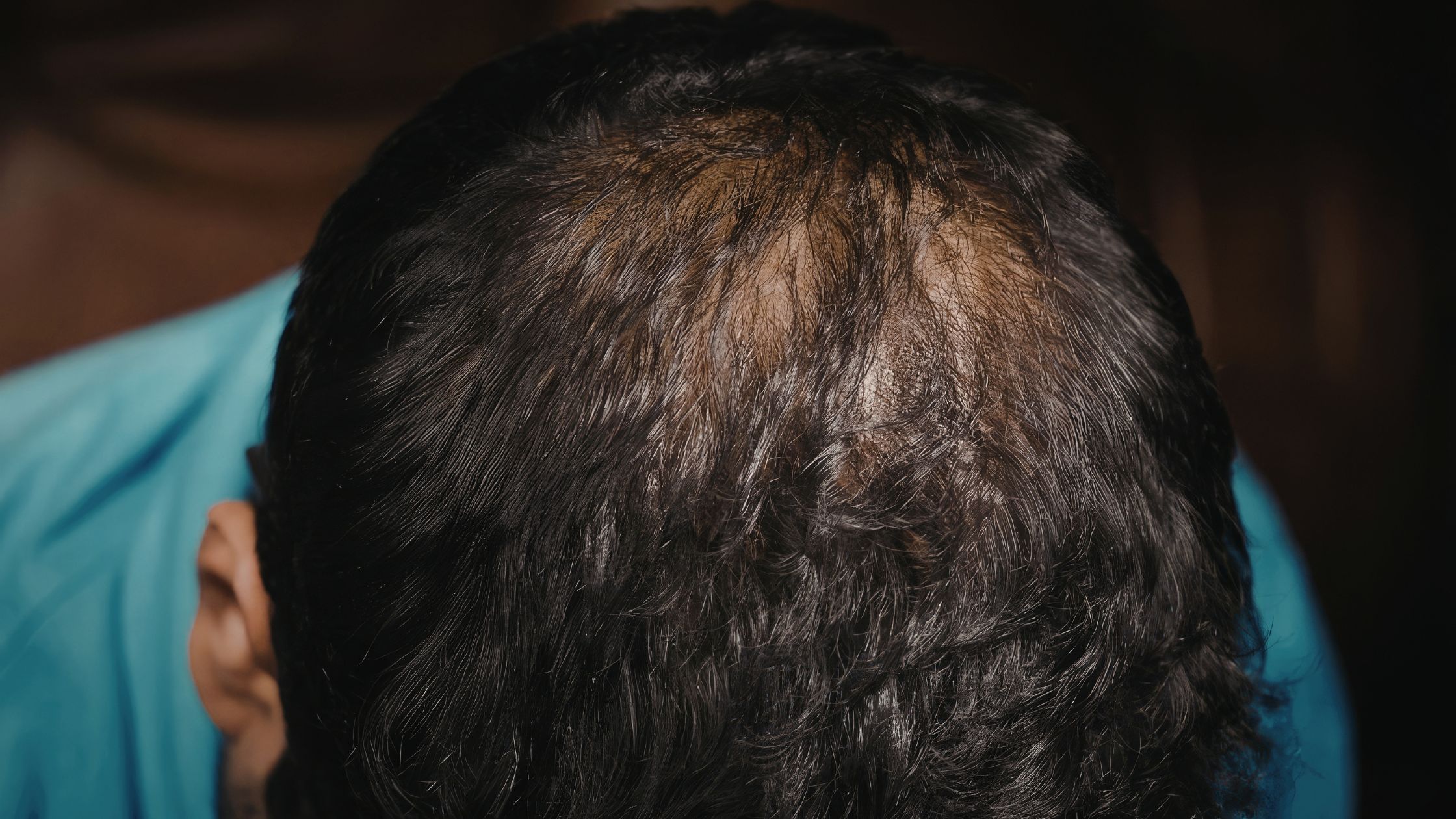
Hair loss is often approached as a cosmetic concern, but medically, it can be an important internal signal. Inflammation around hair follicles disrupts the normal growth cycle, leading to excessive shedding, thinning, or patchy hair loss.

Immune-related hair conditions such as alopecia areata, chronic diffuse hair fall, and inflammatory scalp disorders are commonly linked to immune dysregulation. In these cases, hair follicles are not damaged permanently but are suppressed by ongoing inflammation.

This explains why topical products and cosmetic solutions alone may fail to deliver lasting results. Without addressing the immune and inflammatory environment affecting the scalp, hair growth remains compromised. An immune-focused assessment helps identify hidden triggers contributing to persistent hair loss.

The Common Link: Chronic Inflammation & Immune Dysregulation

Skin conditions and hair disorders often share a common root cause: chronic inflammation driven by immune dysregulation. Allergies, food sensitivities, gut-related immune responses, and environmental triggers can overlap, creating a continuous inflammatory burden in the body.

Shared inflammatory pathways affect both the skin barrier and hair follicles simultaneously. Patients may notice a combination of symptoms such as allergies, digestive discomfort, fatigue, skin flare-ups, and hair fall occurring together rather than in isolation.

There is also a strong connection between immune imbalance and autoimmune tendencies, as well as nutritional and metabolic stress. Identifying and managing these internal factors allows for a more effective and sustainable approach to skin and hair health—one that focuses on restoring immune balance rather than repeatedly suppressing symptoms.

Clinical Philosophy: Treating the Root Cause, Not Just Symptoms

At Westminster Multi Speciality Clinic, Dubai Healthcare City, the Allergy & Immunology approach is centered on identifying why skin and hair conditions develop rather than repeatedly treating visible symptoms. Many chronic concerns persist because the underlying immune trigger remains active and unrecognized.

Dr. Shahid Abbas strongly emphasizes the importance of a detailed medical and allergy history. Factors such as long-standing allergies, food sensitivities, environmental exposure, recurrent infections, stress, and family history can all influence immune behavior.

Each patient’s immune system responds differently to triggers. By identifying immune patterns unique to the individual, treatment becomes more precise and effective. This individualized care model is especially important in immune-based conditions, where standardized or cosmetic-only treatments often fail to provide lasting relief.


Integrated Diagnostic Approach at Westminster Multi Speciality Clinic

Accurate diagnosis is the foundation of successful immune-based treatment. At Westminster Multi Speciality Clinic, Dubai Healthcare City, a structured and integrated diagnostic approach is used to evaluate both skin and hair conditions together rather than in isolation.

This may include allergy testing for aeroallergens and food sensitivities, along with immune and inflammatory marker assessments when clinically indicated. These investigations help uncover internal triggers that may be silently driving inflammation affecting both the skin barrier and hair follicles.

By coordinating evaluation across immune pathways, the clinic avoids fragmented care and repeated trial-and-error treatments. This holistic diagnostic process allows for clearer understanding and more targeted management of complex, recurring conditions.

Personalized Treatment Strategies

Once immune triggers are identified, treatment plans are carefully tailored to each patient’s needs. Management focuses on immune modulation and allergy control to reduce ongoing inflammation rather than simply suppressing symptoms.

Nutritional guidance and lifestyle recommendations play a key role in supporting immune balance and skin-hair recovery. Addressing factors such as diet, environmental exposure, sleep quality, and stress helps strengthen long-term results.

Treatment is not static. Patients are monitored over time, and plans are adjusted based on response and progress. This long-term management approach supports sustainable improvement instead of short-lived symptom control.

Why Choose Westminster Multi Speciality Clinic – Dubai

Located in the heart of Dubai Healthcare City (DHCC), Westminster Multi Speciality Clinic offers a multispecialty environment that supports collaborative, patient-centered care.

Patients benefit from:

  • A strategic location within a leading medical hub
  • Multispecialty collaboration under one roof
  • Western-qualified, accredited consultants
  • Evidence-based immune care focused on root causes

This integrated setting allows patients with complex skin, hair, and immune concerns to receive coordinated evaluation and treatment without fragmented referrals.

Who Can Benefit from an Immune-Based Approach?

An immune-focused strategy may be especially beneficial for:

  • Patients with chronic or recurring skin conditions
  • Individuals experiencing unexplained or persistent hair loss
  • Those who have not responded well to conventional dermatological treatments
  • Patients with overlapping allergies, digestive issues, or immune-related symptoms

When multiple symptoms coexist, addressing immunity often provides clarity and long-term improvement.

Final Thoughts: Healing Skin and Hair from Within

Skin and hair health are closely linked to internal immune balance. When immunity is supported and inflammatory triggers are controlled, visible improvements become more sustainable and meaningful.

Rather than masking symptoms, addressing immune health allows the body to restore balance naturally. Seeking expert medical evaluation is an important step for patients looking for long-term solutions rather than repeated temporary fixes.

“Struggling with recurring skin or hair concerns? Your immune system may be the missing link. Book a consultation at Westminster Multi Speciality Clinic – Dubai Healthcare City to explore an immune-based approach to lasting skin and hair health.”

April 13, 2026

Why a Holistic Immune-Based Approach Matters

In recent years, there has been a noticeable rise in chronic allergies, unexplained hair loss, and persistent skin conditions affecting people of all ages. While these issues are often treated separately, many patients continue to struggle with recurring symptoms despite multiple therapies. This is because the underlying cause is frequently overlooked—the immune system.

Allergies, hair loss, and skin disorders are not always isolated problems. They are often interconnected through immune imbalance and chronic inflammation within the body. When the immune system becomes overactive or dysregulated, it can manifest in different ways, from allergic reactions and skin flare-ups to autoimmune-related hair loss.

Holistic immunotherapy focuses on identifying and correcting these immune imbalances rather than simply suppressing symptoms. At Westminster Multi Speciality Clinic, located in Dubai Healthcare City, this approach allows specialists to evaluate the patient as a whole, ensuring that treatment targets the root cause for long-term relief rather than short-term control.

Understanding the Immune System’s Role in Overall Health

The immune system plays a vital role in protecting the body against infections, allergens, and environmental triggers. However, when it becomes hypersensitive or confused, it may start reacting to harmless substances or even the body’s own tissues.

Healthy immunity maintains balance—responding when needed and calming down once the threat is removed. Immune dysregulation, on the other hand, leads to chronic inflammation. This ongoing inflammatory state can affect multiple organs, including the skin and hair follicles, and is a common link between allergies, hair loss, and dermatological conditions.

Inflammation driven by immune imbalance can disrupt the normal growth cycle of hair, weaken the skin barrier, and increase sensitivity to allergens. Understanding this connection is the foundation of immune-based treatment strategies used by specialists such as Dr. Shahid Abbas, who focuses on restoring immune balance through evidence-based care.

Allergies: More Than Just Seasonal Symptoms

Allergies are often dismissed as seasonal inconveniences, but for many patients, they represent a deeper immune issue. Respiratory allergies such as asthma, allergic rhinitis, and chronic sneezing, along with skin allergies and food sensitivities, can persist throughout the year.

When left untreated, ongoing allergic reactions keep the immune system in a constant state of activation. This persistent immune stress can trigger widespread inflammation, affecting other systems in the body beyond the original allergy symptoms.

Immunotherapy works by gradually retraining the immune system to respond appropriately to allergens rather than overreacting. This targeted approach not only reduces allergy symptoms over time but also helps lower overall inflammatory burden, supporting better skin health and healthier hair growth.

Hair Loss and Immunity: The Hidden Connection

Hair loss is often attributed to genetics or hormonal changes, but immune-related factors are increasingly recognized as a major contributor. Conditions such as alopecia areata occur when the immune system mistakenly attacks hair follicles, leading to sudden or patchy hair loss.

Chronic inflammation, food sensitivities, and autoimmune tendencies can silently interfere with the hair growth cycle. In such cases, topical products or cosmetic procedures alone may not address the underlying cause, resulting in limited or temporary improvement.

By identifying immune triggers and reducing systemic inflammation, immunotherapy-based treatment helps create a healthier internal environment for hair regrowth, offering a more sustainable solution than surface-level treatments alone.

Skin Conditions as Immune Signals

The skin is one of the most visible indicators of immune health. Conditions such as eczema, chronic urticaria, psoriasis, and recurrent rashes are often signs of immune hypersensitivity rather than purely dermatological issues.

When immune imbalance persists, the skin barrier weakens, making it more reactive and prone to inflammation. Treating only the external symptoms may provide short-term relief but often fails to prevent flare-ups.

An immune-focused treatment approach looks beyond creams and antihistamines by addressing the internal triggers responsible for skin inflammation. This strategy helps achieve longer-lasting improvement by restoring immune balance rather than simply masking symptoms.

What Is Holistic Immunotherapy?

Holistic immunotherapy is a medical approach that focuses on restoring immune balance rather than treating symptoms in isolation. Instead of suppressing allergic reactions or inflammation temporarily, this method works to retrain the immune system so it responds appropriately to triggers.

The core principle of holistic immunotherapy is root-cause treatment. Allergies, hair loss, and skin conditions are addressed as interconnected manifestations of immune dysregulation, not as separate problems. By correcting immune overactivity or imbalance, long-term improvement becomes achievable.

This approach combines precise diagnostics, immune modulation therapies, and practical lifestyle guidance. The goal is not only symptom relief but also sustainable immune health that supports the skin, hair, and overall well-being.

Integrated Diagnostic Approach

Accurate diagnosis is the foundation of effective immune-based care. A comprehensive evaluation helps identify triggers that may be affecting multiple systems at once.

Diagnostic assessment may include allergy testing for aeroallergens and food sensitivities, along with evaluation of immune markers and inflammatory indicators. These investigations help determine whether immune hypersensitivity, chronic inflammation, or autoimmune tendencies are contributing to symptoms.

By identifying shared triggers, clinicians can connect recurring allergies, hair loss, and skin flare-ups to a common immune cause. This integrated diagnostic approach ensures treatment is targeted, precise, and personalized rather than generic.

Personalized Treatment Strategies

Once immune triggers are identified, treatment plans are tailored to the individual patient. Immunotherapy options may include sublingual immunotherapy (SLIT) or other targeted immune-modulating strategies designed to calm immune overreaction over time.

In addition to immunotherapy, nutritional guidance and lifestyle adjustments play a vital role. Supporting immune health through diet, stress management, and environmental control enhances treatment effectiveness and promotes long-term stability.

When required, care is coordinated across specialties to ensure all contributing factors are addressed. This collaborative approach allows patients to receive well-rounded care without fragmented treatment pathways.

Role of the Allergy & Immunology Specialist

Managing immune-related conditions requires specialized expertise and careful monitoring. An experienced Allergy & Immunology specialist evaluates not only symptoms but also immune patterns and treatment response over time.

Under the care of Dr. Shahid Abbas, patients benefit from an evidence-based approach focused on individualized care. Treatment plans are continuously reviewed and adjusted to ensure safety, effectiveness, and long-term improvement.

Regular follow-ups allow progress to be monitored closely, helping patients achieve lasting control rather than repeated flare-ups.

Why Choose Westminster Multi-Speciality Clinic – Dubai

At Westminster Multi Speciality Clinic, patients receive immune-focused care within a fully integrated medical environment in Dubai Healthcare City.

The clinic offers multispecialty collaboration under one roof, supported by Western-qualified, accredited consultants. This allows seamless coordination between departments when managing complex or overlapping conditions.

A patient-centered philosophy ensures that care is holistic, evidence-based, and tailored to individual health needs rather than limited to symptom control.

Who Can Benefit from Holistic Immunotherapy?

Holistic immunotherapy is especially beneficial for patients experiencing multiple recurring conditions such as allergies combined with skin issues or unexplained hair loss.

It is also suitable for individuals who have not responded well to conventional treatments or who experience frequent relapses despite ongoing medication.

Patients seeking long-term, sustainable health outcomes—rather than temporary relief—often find immune-focused treatment to be a more effective and empowering solution.

Final Thoughts: Treat the Immune System, Transform Health

Allergies, hair loss, and chronic skin conditions are often interconnected signals of immune imbalance. Addressing them together allows for deeper healing and more consistent results.

Early evaluation and expert guidance are essential to prevent long-term immune disruption and repeated flare-ups. With the right diagnosis and personalized care, patients can regain control over their health.

By focusing on immune balance rather than isolated symptoms, holistic immunotherapy offers a pathway toward lasting improvement and overall well-being.

“Struggling with allergies, hair loss, or persistent skin problems? They may be connected through your immune system. Book a consultation with Dr. Shahid Abbas at Westminster Multi-Speciality Clinic – Dubai Healthcare City and explore a holistic immunotherapy approach tailored to you.”

April 13, 2026

By Dr. Shahid Abbas – Consultant Allergy & Immunology

Hair loss is often perceived as a cosmetic or age-related issue, but in many cases, it reflects deeper internal health imbalances. When hair thinning or excessive shedding persists despite conventional treatments, it may indicate an underlying medical cause rather than a surface-level concern. Increasingly, research shows that the immune system plays a significant role in maintaining healthy hair follicles and normal hair growth cycles.

At Westminster Multi Speciality Clinic, located in Dubai Healthcare City, patients benefit from a multispecialty medical environment where conditions are evaluated beyond symptoms alone. Hair loss management here focuses on identifying root causes through medical expertise rather than relying solely on cosmetic solutions.

Under the care of Dr. Shahid Abbas, a Consultant in Allergy and Immunology, hair loss is approached from an immunological perspective—recognizing the strong connection between immune balance, inflammation, and hair health. His treatment philosophy emphasizes accurate diagnosis, immune regulation, and long-term results.

Understanding Hair Loss: Beyond Genetics and Hormones

Hair loss can occur due to a variety of factors, including genetic predisposition, hormonal changes, nutritional deficiencies, chronic stress, and environmental influences. While these factors are well recognized, they do not fully explain why many individuals fail to respond to standard treatments such as topical applications, supplements, or cosmetic procedures.

In such cases, the underlying issue may lie in immune system dysfunction. Persistent inflammation, allergic responses, or immune overactivity can silently interfere with the hair growth cycle. Without addressing these internal triggers, external treatments often provide limited or temporary improvement.

The Immune System’s Role in Hair Health

A healthy immune system plays a vital role in protecting hair follicles and supporting normal hair regeneration. Hair follicles are immune-sensitive structures, and their growth depends on a stable, well-regulated immune environment.

When immune balance is disrupted, the body may mistakenly target hair follicles or create an inflammatory environment that restricts healthy hair growth. Chronic inflammation can shorten the hair growth phase, weaken follicles, and increase hair shedding. Autoimmune responses may further damage follicles, leading to patchy or diffuse hair loss.

Immunological Conditions Linked to Hair Loss

Several immune-related conditions are closely associated with hair loss. Autoimmune disorders such as alopecia areata occur when the immune system directly attacks hair follicles. Allergic conditions, chronic immune activation, and scalp sensitivity can also contribute to persistent inflammation affecting hair health.

Additionally, the gut-immune axis plays an important role. Food intolerances, immune-mediated gut inflammation, and poor immune regulation can indirectly impact nutrient absorption and inflammatory pathways, ultimately influencing hair growth. Systemic immune triggers—often overlooked—may be the reason hair loss continues despite standard care.

Diagnostic Evaluation: Finding the Root Cause

Successful treatment begins with accurate diagnosis. Self-treatment and over-the-counter solutions may delay proper care and mask underlying conditions. A medical evaluation helps determine whether immune dysfunction, allergies, or autoimmune processes are contributing to hair loss.

At Westminster Multi Speciality Clinic in Dubai Healthcare City, diagnostic assessments focus on identifying inflammatory markers, allergic sensitivities, and immune-related contributors. This targeted evaluation allows for a personalized treatment plan rather than a generalized approach.

Immunological Treatment Approach to Hair Loss

An immunological approach to hair loss focuses on restoring immune balance rather than suppressing symptoms. Treatment aims to reduce chronic inflammation, regulate immune overactivity, and manage allergies or immune triggers affecting hair follicles.

By addressing the internal immune environment, hair follicles are given the opportunity to recover and function normally. Evidence-based medical protocols are integrated into treatment plans to ensure safety, effectiveness, and sustainable results. This approach not only supports hair regrowth but also improves overall immune and systemic health.

Why Choose Westminster Multi Speciality Clinic – Dubai

Choosing the right medical facility is essential when addressing hair loss linked to immune health. Westminster Multi Speciality Clinic, located in Dubai Healthcare City (DHCC), offers patients access to a structured, multispecialty healthcare environment designed for comprehensive diagnosis and treatment.

The clinic’s strategic location within DHCC places it at the center of advanced medical care in Dubai, enabling collaboration across specialties when needed. This multispecialty approach allows for a more holistic understanding of conditions where immune health, inflammation, and systemic factors intersect.

Patients are cared for by Western-qualified, accredited consultants who follow internationally recognized medical standards. Within the Allergy & Immunology department, Dr. Shahid Abbas brings extensive expertise in identifying immune-related triggers and designing personalized, evidence-based treatment plans. Each patient’s care is tailored according to their medical profile, ensuring safety, accuracy, and long-term effectiveness.

Frequently Asked Questions

Is immunological treatment suitable for both men and women?
Yes. Immune-related hair loss can affect both men and women. Treatment plans are customized based on individual immune responses, medical history, and underlying triggers rather than gender alone.

How long does it take to see results?
Results vary depending on the cause and severity of immune involvement. While some patients notice improvement within a few months, others may require longer-term immune regulation for sustained hair recovery.

Is this approach safe and medically proven?
An immunological approach is grounded in medical science and focuses on correcting immune imbalance and inflammation. Treatments are guided by clinical evaluation and evidence-based protocols.

Can immune-based treatment be combined with other hair therapies?
Yes. In many cases, immune-focused treatment can be safely combined with other medically approved hair therapies to enhance outcomes, provided this is done under medical supervision.

Hair loss is often a visible sign of deeper internal processes, particularly immune imbalance and chronic inflammation. Addressing only the external symptoms may provide short-term relief, but lasting improvement requires identifying and treating the underlying cause.

Understanding hair loss through an immunological lens allows for a more precise, medical, and sustainable approach. Seeking expert evaluation ensures that treatment is not only effective for hair restoration but also beneficial for overall health and immune balance.

“Struggling with persistent hair loss? Your immune system may be the missing piece. Book a consultation at Westminster Multi Speciality Clinic – Dubai Healthcare City and discover an immunological approach to hair restoration guided by expert care.”

April 12, 2026

Hair loss has become an increasingly common concern among both men and women, affecting confidence, self-image, and overall well-being. While many individuals turn to shampoos, supplements, or cosmetic procedures, these solutions often provide temporary or minimal improvement. This is because hair loss is not always a surface-level issue—it can be a sign of deeper internal imbalance.

An emerging and evidence-based approach looks at hair loss through the lens of immunology. The immune system plays a critical role in regulating inflammation, nutrient absorption, and tissue repair, all of which directly influence hair follicle health. At Westminster Multi Speciality Clinic, located in Dubai Healthcare City, hair loss is evaluated not just as a cosmetic concern but as a medical condition that may reflect immune dysfunction, chronic inflammation, or allergic triggers.

Understanding Hair Loss: Beyond Genetics & Hormones

Hair loss is often attributed to genetics or hormonal changes, but these are only part of the picture. Patients may experience diffuse thinning, patchy hair loss, or excessive shedding without a clear hereditary cause. In many such cases, external treatments fail because they do not address what is happening internally.

Cosmetic and topical treatments primarily act on the scalp surface and hair shaft. While they may improve texture or appearance temporarily, they do not correct underlying immune stress, inflammation, or systemic triggers. When hair loss persists despite conventional care, it often signals an internal imbalance that requires medical evaluation rather than purely aesthetic solutions.

The Role of the Immune System in Hair Health

The immune system plays a vital role in maintaining healthy hair follicles. Under normal conditions, it protects follicles and supports their growth cycle. However, when immune regulation is disrupted, inflammation can interfere with follicle function and prematurely push hair into the shedding phase.

Autoimmune responses and chronic low-grade inflammation are increasingly recognized contributors to hair loss. Conditions such as alopecia areata are clear examples where the immune system mistakenly targets hair follicles. Even in less obvious cases, ongoing inflammation can weaken follicles over time, reducing hair density and regrowth potential.

Hair Loss Linked to Allergies & Chronic Inflammation

Hidden allergies and food sensitivities can place continuous stress on the immune system, diverting resources away from non-essential functions like hair growth. Inflammatory responses triggered by allergens may not always present as classic allergy symptoms, yet they can still impact the scalp and follicles.

The gut–immune–hair connection is another key factor. Poor gut health or immune reactions to certain foods can impair nutrient absorption and promote systemic inflammation. Over time, this inflammatory environment affects scalp circulation and follicle strength, contributing to persistent hair thinning and shedding.

Immunology-Led Diagnosis: Identifying the Root Cause

Effective hair loss management begins with understanding why the hair is falling. A thorough medical evaluation is essential before initiating any treatment. This includes assessing immune function, inflammatory markers, and potential allergic triggers that may be contributing to hair loss.

Allergy testing and immune profiling allow for a targeted approach rather than trial-and-error treatments. Under the guidance of Dr. Shahid Abbas, Consultant in Allergy & Immunology, patients receive individualized assessments designed to uncover hidden contributors to hair loss. This personalized diagnostic process ensures that treatment plans are tailored to the patient’s unique immune profile, rather than relying on generic solutions.

Modern Treatment Approaches from an Immunology Perspective

From an immunology standpoint, successful hair restoration focuses on calming inflammation and restoring immune balance instead of merely masking symptoms. Managing allergic triggers, reducing chronic inflammation, and supporting immune regulation can create an environment where hair follicles are able to recover and function normally.

By addressing internal health factors, the body’s natural hair regrowth mechanisms are supported more effectively. This medical, root-cause-focused approach—offered at Westminster Multi Speciality Clinic, Dubai Healthcare City—provides patients with sustainable results and long-term improvement rather than short-lived cosmetic fixes.

Multidisciplinary Care at Westminster Multi-Speciality Clinic

Hair loss rarely exists in isolation. It is often influenced by a combination of immune function, skin health, nutrition, and overall wellness. A multidisciplinary approach allows these interconnected factors to be addressed together rather than in fragments.

At Westminster Multi-Speciality Clinic, located in Dubai Healthcare City, collaboration between Allergy & Immunology, Dermatology, and Wellness services ensures that patients receive coordinated, evidence-based care. Each treatment plan is developed based on individual medical findings, not assumptions, allowing for targeted interventions that address both symptoms and underlying causes.

Being treated in DHCC also provides access to a regulated medical ecosystem known for advanced diagnostics, international clinical standards, and patient-centred care—an important advantage for conditions requiring precise evaluation and follow-up.

When Should You See an Immunology Specialist for Hair Loss?

Hair loss may warrant an immunology consultation when it shows patterns that do not respond to routine treatments. Warning signs include sudden or patchy hair loss, excessive shedding without a clear trigger, or hair thinning that persists despite dermatological or cosmetic care.

Patients should also consider immune evaluation when hair loss is accompanied by other symptoms such as chronic fatigue, frequent allergies, recurring skin issues, digestive discomfort, or unexplained inflammation. These signs may indicate immune dysregulation rather than a purely local scalp problem. In such cases, assessment by an Allergy & Immunology specialist can help uncover hidden contributors and guide more effective treatment.

Why Choose Westminster Multi-Speciality Clinic – Dubai

Choosing the right medical facility is essential when addressing complex conditions like immune-related hair loss. A clinic that integrates multiple specialties under one roof allows for deeper insight and better continuity of care.

Patients benefit from Western-qualified, accredited consultants, advanced diagnostic facilities, and treatment strategies grounded in current medical evidence. Most importantly, care is focused on identifying root causes—whether immune, inflammatory, allergic, or systemic—rather than relying on short-term cosmetic solutions.

This holistic, medically guided approach ensures that treatment decisions are aligned with long-term health as well as visible results.

Hair health is often a reflection of internal balance. When the immune system is under stress or chronic inflammation is left unaddressed, hair follicles are among the first to be affected. Sustainable improvement therefore requires looking beyond surface-level treatments.

By addressing immune function and internal health, patients can achieve more meaningful and lasting results. Rather than self-treating or relying on trial-and-error solutions, seeking expert medical guidance allows hair loss to be managed with clarity, precision, and confidence.

“Struggling with unexplained hair loss? It may be more than a cosmetic issue. Book a consultation at Westminster Multi-Speciality Clinic – Dubai Healthcare City to explore an immunology-based approach to hair loss treatment.”

Call Now Button