March 12, 2026

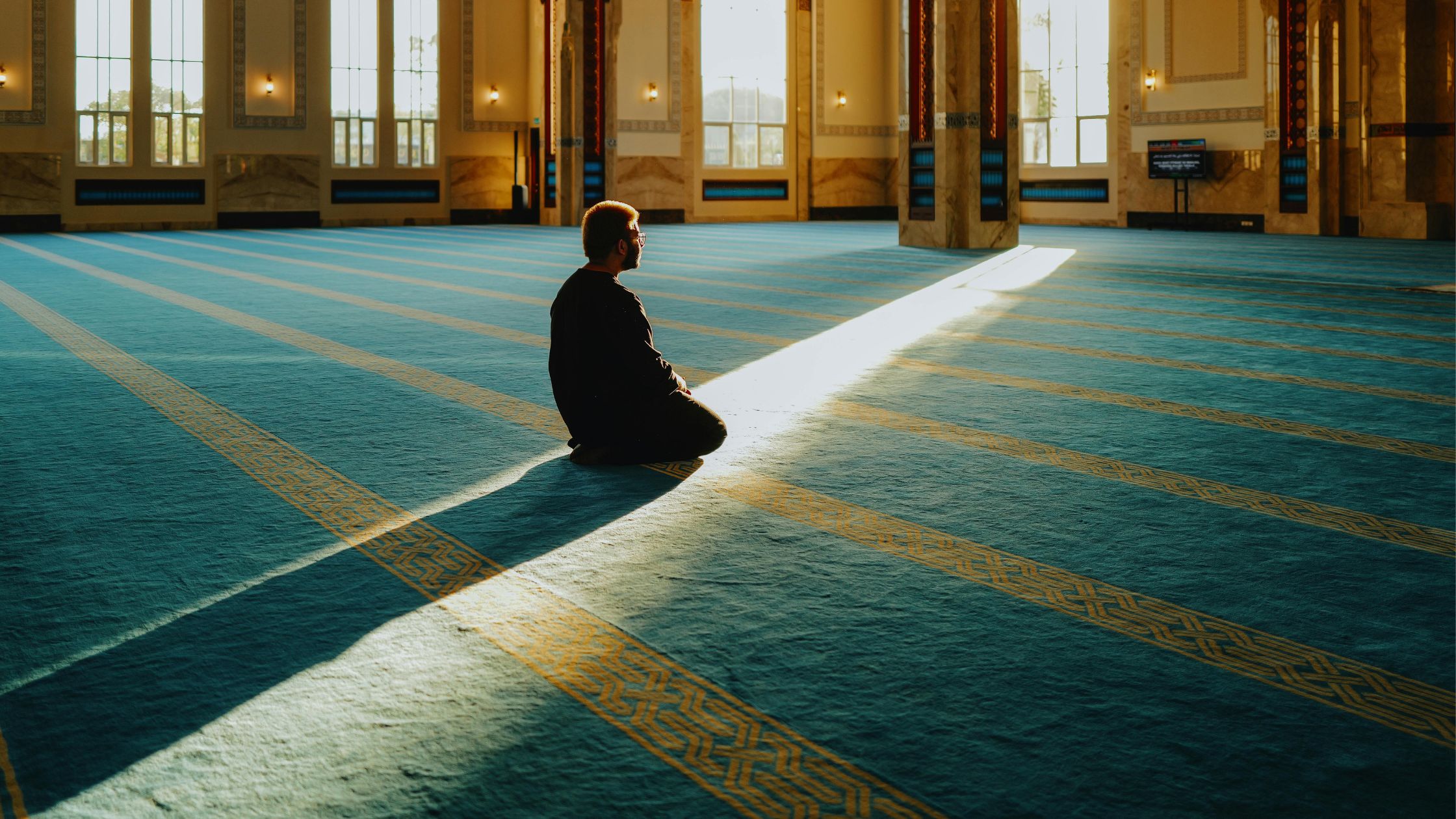
Ramadan in Dubai is a unique experience. The city softens at sunset, families gather, mosques fill, and there is a shared sense of reflection in the air. Yet for many adults, daily responsibilities do not pause. Work deadlines continue. Emails still arrive. Family obligations remain.

You may find yourself asking, “How do I stay spiritually present while keeping up with everything else?”

Mindful living during Ramadan is not about withdrawing from daily life. It is about learning how to move through responsibilities with awareness, emotional steadiness, and intention. And these principles apply not only to those who are fasting, but to anyone seeking greater balance during this month.

What Mindfulness Really Means

Mindfulness is often misunderstood as complete mental silence. In reality, it simply means paying attention to the present moment without harsh judgment.

It involves:

  • Noticing your thoughts without immediately reacting
  • Observing your emotions with curiosity rather than criticism
  • Becoming aware of physical sensations in your body
  • Bringing intention to routine actions

During Ramadan, mindfulness can deepen spiritual experience. Outside of fasting, it supports emotional regulation, clarity, and resilience.

The Dubai Pace and the Distracted Mind

Dubai’s culture is dynamic and achievement-oriented. Many residents juggle demanding careers, family responsibilities, and social commitments. For expats, there may also be the emotional weight of distance from extended family.

In such an environment, the mind rarely rests. Even during prayer or reflection, thoughts about work, finances, or responsibilities can intrude. This does not mean you are failing spiritually. It means your nervous system is used to constant stimulation.

Mindfulness helps retrain the brain to slow down.

Balancing Spiritual Aspirations With Emotional Reality

Ramadan can sometimes create internal pressure. You may expect yourself to feel consistently calm, grateful, and focused. When fatigue or irritability arises, guilt may follow.

A healthier perspective includes acknowledging:

  • Fatigue can affect patience and concentration
  • Sleep disruption may heighten emotional sensitivity
  • Spiritual growth and emotional fluctuation can coexist

If low mood or persistent anxiety predates Ramadan, it is important not to dismiss it as a temporary phase. Support through depression treatment in Dubai or anxiety and panic attack management can provide stability that enhances both daily functioning and spiritual presence.

Practical Mindfulness Practices for Busy Days

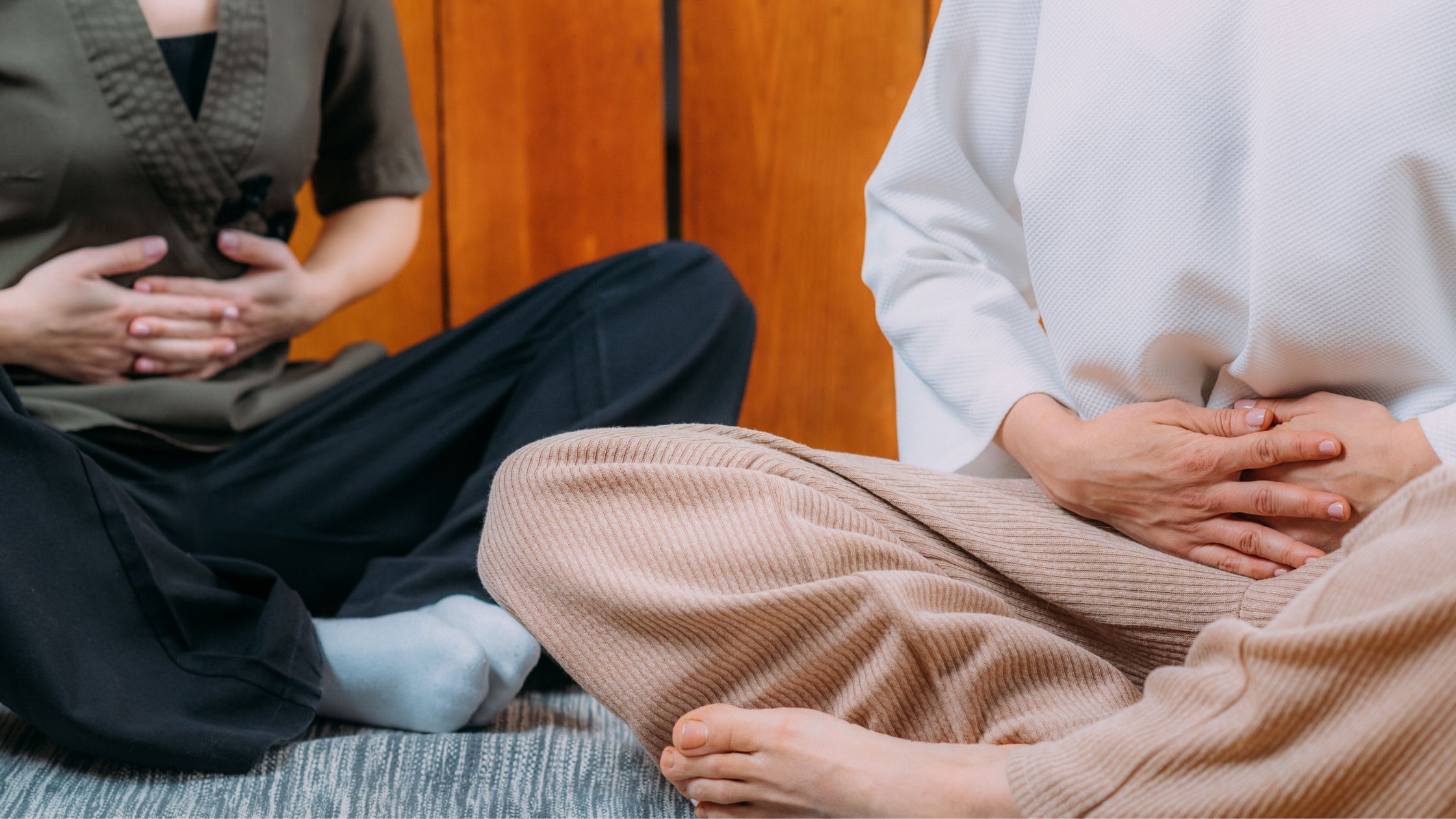
Mindfulness does not require hours of meditation. Small, consistent practices woven into daily life can make a significant difference.

You might begin with:

  • Taking three slow breaths before responding to a stressful message
  • Pausing for one minute before iftar to notice gratitude without rushing
  • Walking mindfully from your car to the office, paying attention to your surroundings
  • Checking in with your emotional state mid-day without trying to fix it

These brief pauses calm the stress response system and reduce emotional reactivity.

Mindfulness and Work Commitments

Many professionals worry that slowing down will reduce productivity. In reality, mindful awareness often improves efficiency by reducing mental clutter.

Helpful workplace adjustments include:

  • Prioritising tasks realistically during Ramadan
  • Scheduling complex work during peak energy hours
  • Reducing multitasking where possible
  • Allowing short restorative breaks

If chronic stress has already led to emotional exhaustion, structured support through stress and burnout recovery programs can help rebuild resilience.

Sleep as a Foundation for Emotional Stability

Ramadan often alters sleep patterns due to late-night prayers and early suhoor. Sleep disruption can intensify mood swings, anxiety, and difficulty concentrating.

To protect emotional balance:

  • Aim for consistent sleep windows, even if shorter
  • Incorporate brief daytime rest when possible
  • Limit stimulating activities close to bedtime

If insomnia persists beyond temporary schedule changes, exploring sleep disorders and insomnia therapy can support long-term emotional regulation.

A Reflective Exercise: The One Intention Practice

Rather than creating an overwhelming list of goals, choose one emotional intention for Ramadan. It might be patience, compassion, presence, or gratitude.

Each morning, ask:

  • How can I practice this intention today?

Each evening, reflect:

  • Where did I live this intention, even briefly?

This gentle structure builds mindful awareness without pressure.

Mindful Living for Everyone

While Ramadan centres around fasting for many, mindfulness benefits all residents of Dubai, regardless of faith background. Emotional stability, intentional living, and self-awareness are universal needs.

In a multicultural city where people of different beliefs live and work side by side, mindful living creates space for empathy and understanding. It allows individuals to respond thoughtfully rather than react impulsively.

When Emotional Imbalance Persists

Temporary mood changes during Ramadan are common. However, if you notice:

  • Persistent sadness or hopelessness
  • Severe anxiety or panic symptoms
  • Significant relationship strain
  • Ongoing difficulty concentrating

Professional support can provide clarity and relief.

At Westminster Clinic in Dubai Healthcare City, our psychiatry specialists offer culturally sensitive, evidence-based care tailored to adults navigating emotional challenges in the UAE. Whether concerns are mild or complex, early guidance often prevents escalation.

You can learn more about our comprehensive adult mental health approach through our psychiatry services.

Mindfulness as a Long-Term Practice

Ramadan may inspire deeper reflection, but mindful living does not end with the month. The habits of pausing, observing, and responding with intention can continue throughout the year.

Emotional stability is not about eliminating stress. It is about strengthening your ability to meet stress with awareness. In Dubai’s fast-moving environment, this skill is both protective and empowering.

A Thought to Carry With You

Balance is not found by perfectly dividing your time between work, spirituality, and family. It is found in the quality of attention you bring to each moment.

If you live in Dubai, Abu Dhabi, or Al Ain and feel that stress, anxiety, or emotional fatigue is making it difficult to stay present during Ramadan or daily life, compassionate support is available. At Westminster Clinic, Dubai Healthcare City, our psychiatry specialists provide confidential care designed to restore emotional clarity and resilience. When you feel ready, you may choose to book a consultation and begin your journey toward mindful, balanced living.


March 12, 2026

Ramadan often begins with intention and hope. You may look forward to spiritual reflection, family connection, and a sense of renewal. Yet a few days into fasting, you might notice something unexpected. Your patience feels thinner. Concentration is harder. Sleep feels disrupted. You wonder quietly, “Why do I feel emotionally unsettled during a month meant for peace?”

Fasting is not only a physical experience. It influences mood, energy, thinking patterns, and sleep cycles. Understanding these changes can help you approach Ramadan with realistic expectations and practical tools to maintain emotional balance.

How Fasting Affects Mood

When you fast, your body adjusts to changes in blood sugar levels, hydration, and routine. These shifts can temporarily influence the nervous system.

Common emotional experiences during Ramadan include:

  • Irritability, especially in the late afternoon
  • Increased sensitivity to stress
  • Fluctuations in motivation
  • Moments of low mood or emotional heaviness

For many people, these changes are mild and settle as the body adapts. However, if you already live with anxiety, depression, or burnout, fasting may intensify underlying symptoms.

If persistent sadness, loss of interest, or hopelessness has been present even before Ramadan, exploring support through depression treatment in Dubai can help you approach the month with greater stability.

Concentration and Cognitive Changes

Fasting can also influence focus and mental clarity, particularly during the first week. Reduced caffeine intake, altered sleep schedules, and lower daytime energy can affect attention span.

You might notice:

  • Slower processing speed
  • Difficulty multitasking
  • Increased forgetfulness
  • Reduced tolerance for complex tasks

In Dubai’s demanding work environment, this can feel stressful. Many professionals expect themselves to perform at full capacity despite physiological changes.

A helpful reframe is to adjust expectations rather than criticise yourself. Where possible:

  • Schedule demanding tasks earlier in the day
  • Break work into smaller, manageable segments
  • Allow brief pauses to reset your attention

If concentration difficulties are severe or long-standing beyond Ramadan, assessment for underlying conditions such as anxiety or attention-related challenges may be beneficial. Our psychiatry specialists in Dubai often help adults understand whether temporary stress or an ongoing condition is affecting performance.

Sleep Disruption During Ramadan

One of the most significant influences on mental health during Ramadan is sleep disruption. Late-night prayers, early suhoor, and social gatherings can fragment rest.

Sleep changes may lead to:

  • Daytime fatigue
  • Mood swings
  • Increased anxiety sensitivity
  • Reduced emotional regulation

Sleep is when the brain processes emotions and resets stress hormones. When sleep becomes inconsistent, emotional reactions can feel amplified.

To protect your mental balance:

  • Aim for a short, consistent nap if nighttime sleep is reduced
  • Limit excessive screen time before rest
  • Maintain a calming pre-sleep routine

If insomnia persists or significantly affects your mood, support through sleep disorders and insomnia therapy can help restore stability.

Anxiety During Fasting

Some individuals notice heightened anxiety while fasting. Physical sensations such as hunger, lightheadedness, or a faster heartbeat can mimic anxiety symptoms, triggering worry.

This may create a cycle:

  • Physical fasting sensation appears
  • The sensation is interpreted as danger
  • Anxiety increases
  • Physical symptoms intensify

Understanding that many of these sensations are temporary physiological responses can reduce fear. If panic symptoms or persistent worry interfere with daily life, learning more about anxiety and panic attack management can provide structured coping strategies.

A Cultural Reflection: Balancing Spiritual Aspiration and Emotional Reality

Ramadan carries spiritual meaning and community expectations. Many individuals feel pressure to be consistently calm, grateful, and composed. When emotional fluctuations occur, guilt may follow.

It is important to remember:

  • Emotional shifts during fasting are human, not spiritual failures
  • Physical fatigue can influence patience and mood
  • Seeking support does not diminish faith

In a multicultural city like Dubai, where professional demands continue alongside religious observance, balancing spiritual goals with emotional reality requires compassion toward yourself.

Practical Coping Strategies for Emotional Balance

Maintaining mental equilibrium during Ramadan does not require perfection. Small, consistent adjustments can make a meaningful difference.

Consider:

  • Hydrating adequately between iftar and suhoor
  • Choosing balanced meals to stabilise energy
  • Reducing caffeine gradually before Ramadan begins
  • Communicating boundaries at work when possible
  • Incorporating brief mindfulness pauses throughout the day

Mindfulness can be as simple as noticing your breath for one minute before responding to stress. These small resets calm the nervous system and reduce emotional reactivity.

When to Seek Professional Guidance

While mood fluctuations are common during Ramadan, certain signs indicate the need for professional evaluation:

  • Persistent depressive symptoms lasting more than two weeks
  • Severe anxiety or panic attacks
  • Significant sleep disruption affecting daily functioning
  • Thoughts of self-harm or hopelessness

Psychiatric care provides a confidential space to explore these concerns safely. Treatment may include therapeutic strategies, structured coping plans, and when appropriate, medication adjustments tailored to fasting schedules.

At Westminster Clinic in Dubai Healthcare City, our mental health experts offer culturally sensitive, evidence-based care for adults navigating emotional challenges during Ramadan and beyond. You can learn more about our comprehensive approach through our psychiatry services.

Emotional Balance Is Dynamic, Not Static

It is unrealistic to expect constant calm throughout Ramadan. Emotional balance is not the absence of fluctuation. It is the ability to respond to those fluctuations with awareness and kindness.

Some days will feel centred and reflective. Others may feel tiring or emotionally heavy. Both experiences can coexist within a meaningful Ramadan.

By understanding how fasting influences mood, concentration, and sleep, you can approach the month with informed self-compassion rather than self-criticism.

A Gentle Closing Reflection

If you live in Dubai, Abu Dhabi, or Al Ain and notice that fasting is significantly affecting your mood, anxiety levels, or sleep, it may help to speak with a specialist. At Westminster Clinic, Dubai Healthcare City, our psychiatry team offers confidential, compassionate care designed to support emotional well-being during Ramadan and throughout the year. When you feel ready, you can take a steady step toward balance by choosing to book a consultation and prioritising your mental health alongside your spiritual journey.

March 11, 2026

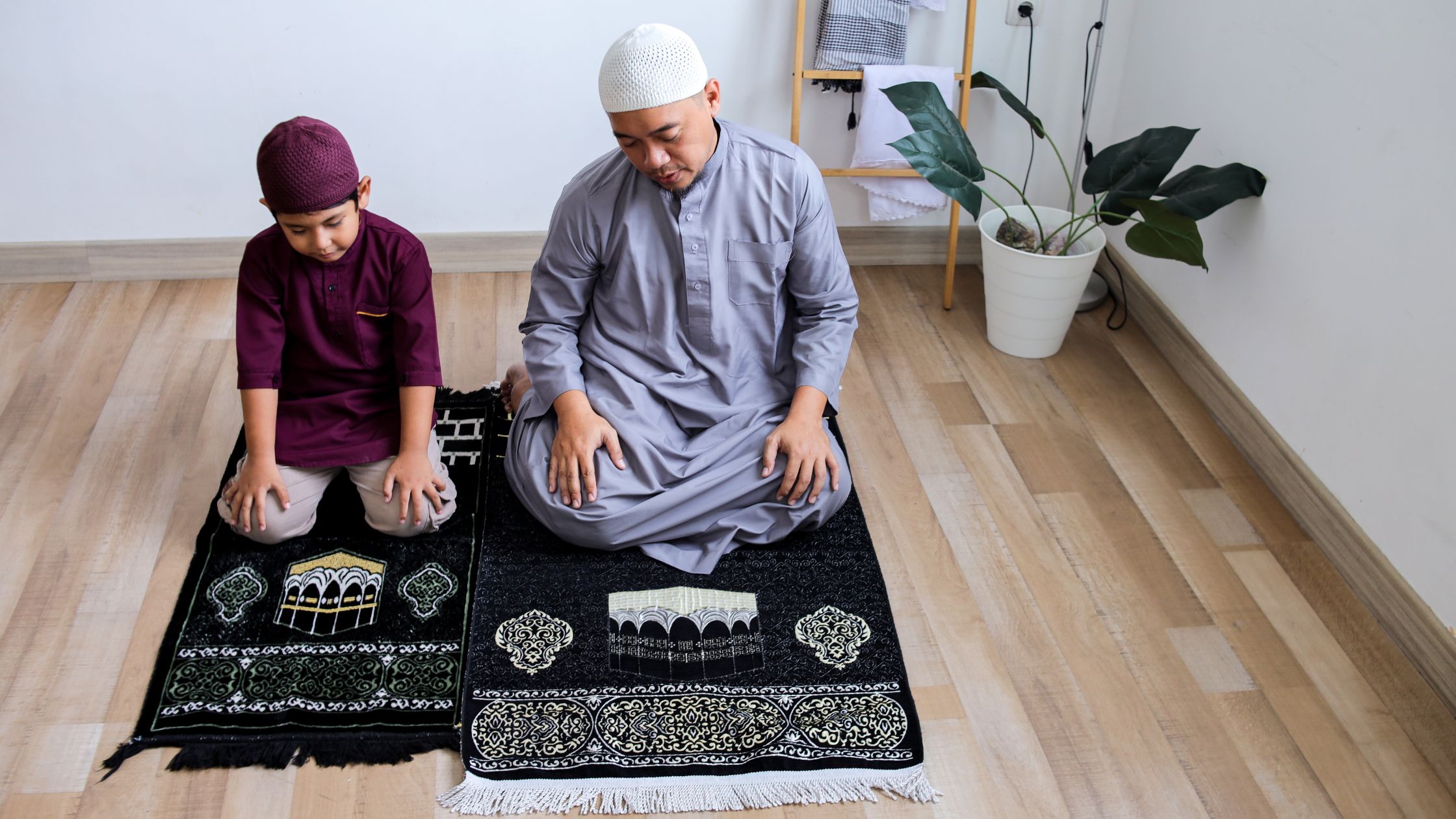
During Ramadan, daily routines often change in ways that affect how the body moves throughout the day. Many people spend longer periods sitting during work hours, commuting, or resting due to fasting fatigue. In addition, extended prayer periods during the evening can involve repeated movements and prolonged sitting or kneeling positions.

While these activities are a meaningful and important part of the day, they can sometimes lead to joint stiffness, particularly in the knees, hips, and ankles. For individuals who already spend long hours sitting at desks or driving in Dubai’s busy traffic, these additional periods of stillness can increase discomfort in the lower body joints.

Understanding why stiffness develops and how physiotherapy can support healthy joint movement can help individuals stay comfortable and mobile throughout Ramadan.

Why Prolonged Sitting Can Lead to Joint Stiffness

The human body is designed for regular movement. When joints remain in the same position for extended periods, the surrounding muscles and connective tissues may become tight. Reduced movement also limits circulation to the joints, which can contribute to the sensation of stiffness when standing or walking.

During Ramadan, it is common for individuals to spend more time seated during work hours or while resting before Iftar. Over time, this reduced mobility can affect the hips, knees, and ankles.

People may begin to notice:

  • Knee stiffness when standing up after sitting
  • Tightness in the hips after long workdays
  • Ankle discomfort when walking after extended sitting
  • Reduced flexibility during bending or kneeling

These symptoms are usually not caused by serious injury but rather by limited joint movement. Physiotherapy helps address these issues by improving mobility, strengthening supportive muscles, and restoring natural joint movement patterns.

Individuals experiencing recurring stiffness may benefit from structured treatment through arthritis and joint stiffness rehabilitation, which focuses on restoring joint flexibility and improving functional movement.

The Effect of Prayer Positions on Knees and Ankles

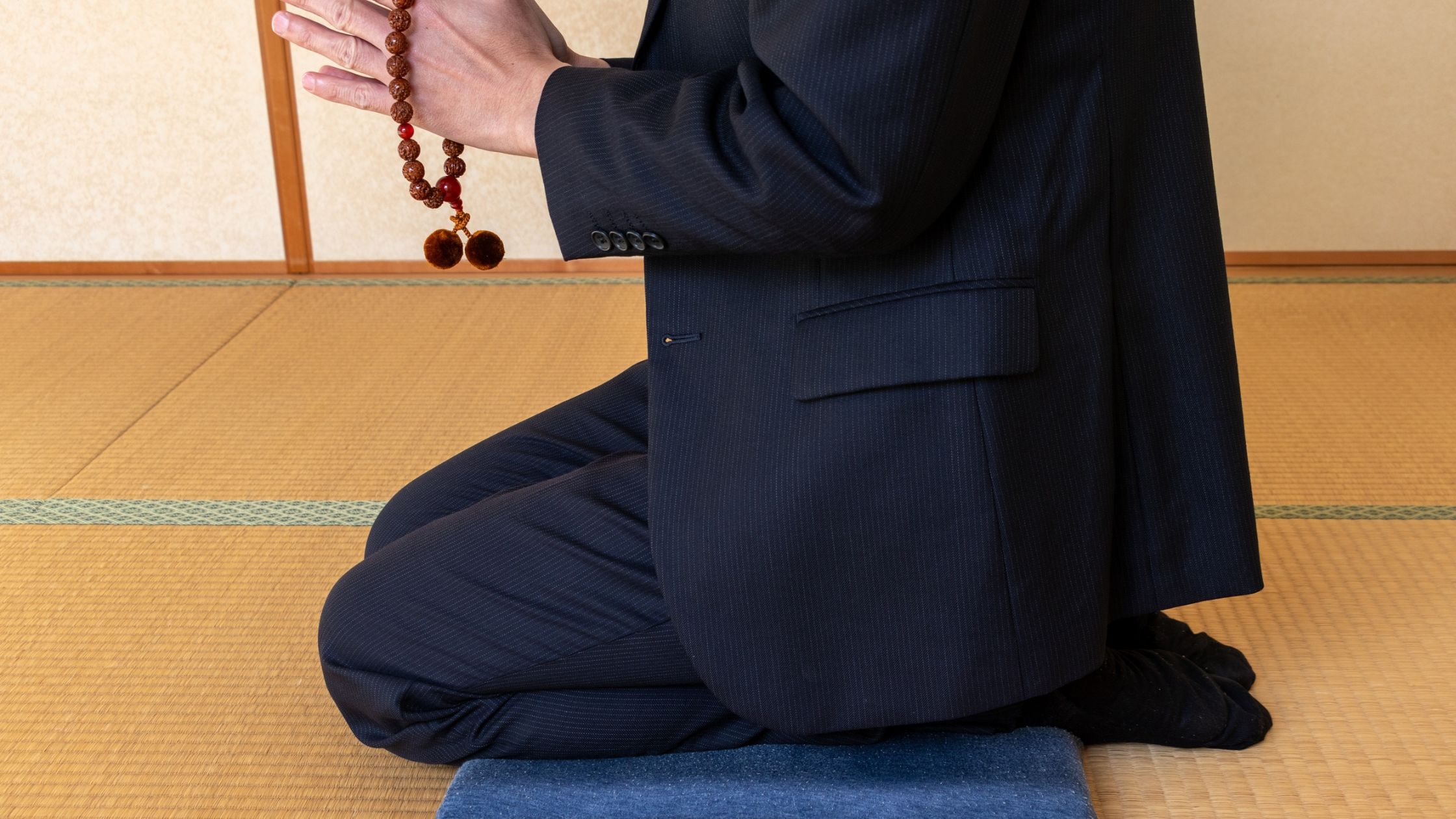
Prayer involves a sequence of movements that include standing, bowing, kneeling, and sitting. These movements are gentle and beneficial for flexibility, but extended periods in certain positions may place additional pressure on the knees and ankles.

For individuals with existing joint sensitivity or limited flexibility, repeated kneeling positions may cause temporary discomfort.

Common symptoms may include:

  • Pressure in the front of the knee during kneeling
  • Tightness in the ankle joints when standing after prayer
  • Mild discomfort when transitioning between sitting and standing

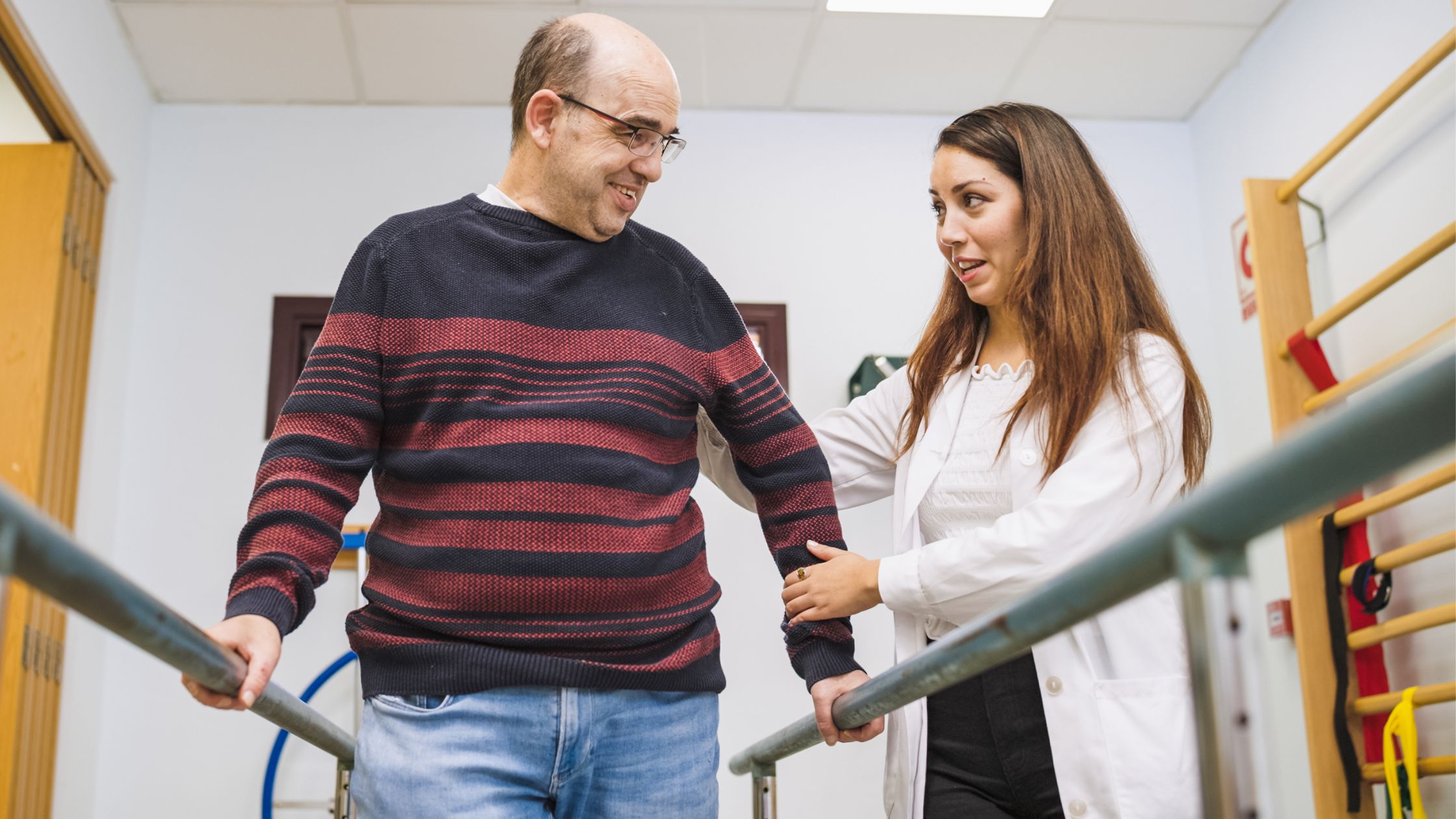
Physiotherapy focuses on improving joint mobility so that these natural movements remain comfortable. Through guided exercises and movement therapy techniques, individuals can improve flexibility in the hips, knees, and ankles, allowing the body to adapt more easily to prayer positions.

Our physiotherapists in Dubai often incorporate targeted stretching and strengthening programs designed to support joint stability and reduce pressure on sensitive joints.

How Office Work and Long Driving Hours Contribute to Stiffness

Dubai’s modern lifestyle often includes extended periods of sitting, whether at office desks or behind the wheel during daily commutes. When sitting becomes prolonged and movement breaks are limited, the muscles surrounding the hips and knees may become tight.

Over time, this muscle tightness can alter how joints move and place additional strain on surrounding tissues.

Some common contributing factors include:

  • Sitting with limited leg movement for long periods
  • Poor ergonomic support at workstations
  • Reduced stretching or physical activity during the day
  • Fatigue caused by altered Ramadan sleep schedules

These factors can gradually increase joint stiffness, particularly in the lower body.

Physiotherapy helps address these lifestyle-related issues by assessing posture, movement habits, and joint function. Through personalised treatment plans, physiotherapists guide patients in restoring balanced movement and preventing recurring stiffness.

Patients experiencing knee discomfort related to movement or sitting positions may benefit from targeted treatment through knee pain physiotherapy, which focuses on strengthening the muscles that support knee stability.

Simple Ways to Reduce Joint Stiffness During Ramadan

Even small changes in daily habits can help keep joints mobile during Ramadan. Gentle movement throughout the day encourages circulation and prevents muscles from becoming excessively tight.

Some helpful strategies include:

  • Taking short walking breaks during long work hours
  • Performing gentle stretching before and after prayer
  • Moving the ankles and knees regularly while seated
  • Maintaining supportive posture during desk work
  • Engaging in light evening walks after Iftar

These habits encourage the joints to move through their natural range of motion, reducing stiffness and supporting long-term joint health.

When stiffness persists despite these adjustments, physiotherapy treatment can help restore mobility through targeted exercises and hands-on treatment techniques such as manual therapy.

The Role of Physiotherapy in Improving Joint Mobility

Physiotherapy focuses on restoring natural movement and reducing stiffness in joints affected by prolonged sitting or repetitive movement patterns. Treatment plans are tailored to each individual’s mobility level, daily routine, and physical activity.

A physiotherapy program for joint stiffness may include:

  • Guided mobility exercises for hips, knees, and ankles
  • Strengthening exercises to support joint stability
  • Posture and movement correction
  • Hands-on techniques to release muscle tension

By improving flexibility and strengthening surrounding muscles, physiotherapy helps reduce joint stress and allows individuals to move more comfortably throughout the day.

For many people, these improvements lead to easier movement during daily activities, including sitting, walking, and transitioning between prayer positions.

Supporting Comfortable Movement Throughout Ramadan

Joint stiffness during Ramadan is often temporary and related to changes in routine, sitting habits, and activity levels. With the right balance of movement, stretching, and supportive care, most people can maintain healthy joint mobility throughout the fasting month.

At Westminster Clinic in Dubai Healthcare City, our experienced physiotherapy team provides personalised care designed to improve joint mobility and reduce musculoskeletal discomfort.

Patients can explore our Physiotherapy Services to learn more about the treatments available for mobility concerns. If joint stiffness or knee discomfort continues to affect your daily routine, you may also contact our clinic to schedule a physiotherapy consultation.

While many patients visit Westminster Clinic from across Dubai, our clinic also welcomes individuals travelling from Abu Dhabi and Al Ain who are seeking specialised physiotherapy support.

With the right physiotherapy guidance, it is possible to maintain comfortable movement, reduce joint stiffness, and support overall mobility during Ramadan.

March 11, 2026

Ramadan brings meaningful spiritual focus and changes in daily routines for many people across Dubai and the UAE. While fasting is an important and rewarding part of the month, the adjustments in eating patterns, sleep schedules, and hydration can sometimes affect physical energy levels.

Many individuals notice increased muscle fatigue, general body aches, or stiffness during Ramadan, particularly toward the end of long fasting days. These sensations may be more noticeable for people who continue working long hours, commuting, or maintaining an active lifestyle while fasting.

Although these symptoms are common, they do not have to interfere with daily comfort or mobility. Physiotherapy offers supportive techniques that help the body recover from fatigue, reduce muscle tension, and maintain healthy movement during the fasting month.

Why Muscle Fatigue Can Increase During Ramadan

Muscles rely on hydration, balanced nutrition, and sufficient rest to function efficiently. During Ramadan, temporary changes in these factors can influence how muscles perform and recover.

When the body fasts for many hours, energy levels may fluctuate throughout the day. Reduced hydration can also contribute to muscle tightness or a feeling of heaviness in the body, especially after long workdays.

Some individuals may begin to experience:

  • General muscle soreness at the end of the day
  • Fatigue in the shoulders, neck, or lower back
  • Tightness in the legs after walking or standing
  • Reduced physical endurance during normal activities

These symptoms are usually related to muscle fatigue rather than injury. However, when muscles remain tight or overworked for extended periods, discomfort can gradually increase.

Physiotherapy helps address these concerns by improving circulation, releasing muscle tension, and guiding the body toward more balanced movement patterns.

The Impact of Sleep Changes on Muscle Recovery

Sleep schedules often shift during Ramadan due to evening meals, social gatherings, and early Suhoor preparations. While these routines are part of the Ramadan experience, irregular sleep cycles can sometimes affect how well muscles recover overnight.

When sleep becomes fragmented or shorter than usual, the body may not fully recover from daily physical activity. This can lead to lingering fatigue in the muscles, especially in areas already affected by posture strain such as the neck, shoulders, and lower back.

Over time, individuals may notice persistent muscle tension or a feeling of stiffness when waking up in the morning.

Physiotherapy supports recovery by helping muscles relax and restoring natural movement patterns. Techniques such as hands-on treatment and guided stretching exercises can relieve accumulated tension and encourage more efficient muscle function.

Reduced Hydration and Muscle Tightness

Hydration plays a significant role in maintaining muscle flexibility and reducing fatigue. During Ramadan, fluid intake is naturally limited to the hours between Iftar and Suhoor, which can temporarily influence how muscles respond to daily activity.

When muscles do not receive sufficient hydration during the day, they may become more prone to tightness or mild cramping. This is particularly noticeable in the calves, thighs, and lower back.

Fortunately, small lifestyle adjustments can help minimise these effects. Some helpful strategies include:

  • Drinking sufficient water between Iftar and Suhoor
  • Performing gentle stretching in the evening
  • Avoiding sudden intense physical activity while fasting
  • Maintaining regular light movement during the day

If muscle tightness continues despite these adjustments, physiotherapy treatment can help restore flexibility and reduce discomfort through targeted mobility exercises and recovery techniques.

How Physiotherapy Helps Relieve Muscle Fatigue

Physiotherapy provides several effective approaches for relieving muscle fatigue and body aches during Ramadan. Treatment focuses on reducing tension in overworked muscles while encouraging healthy circulation and mobility.

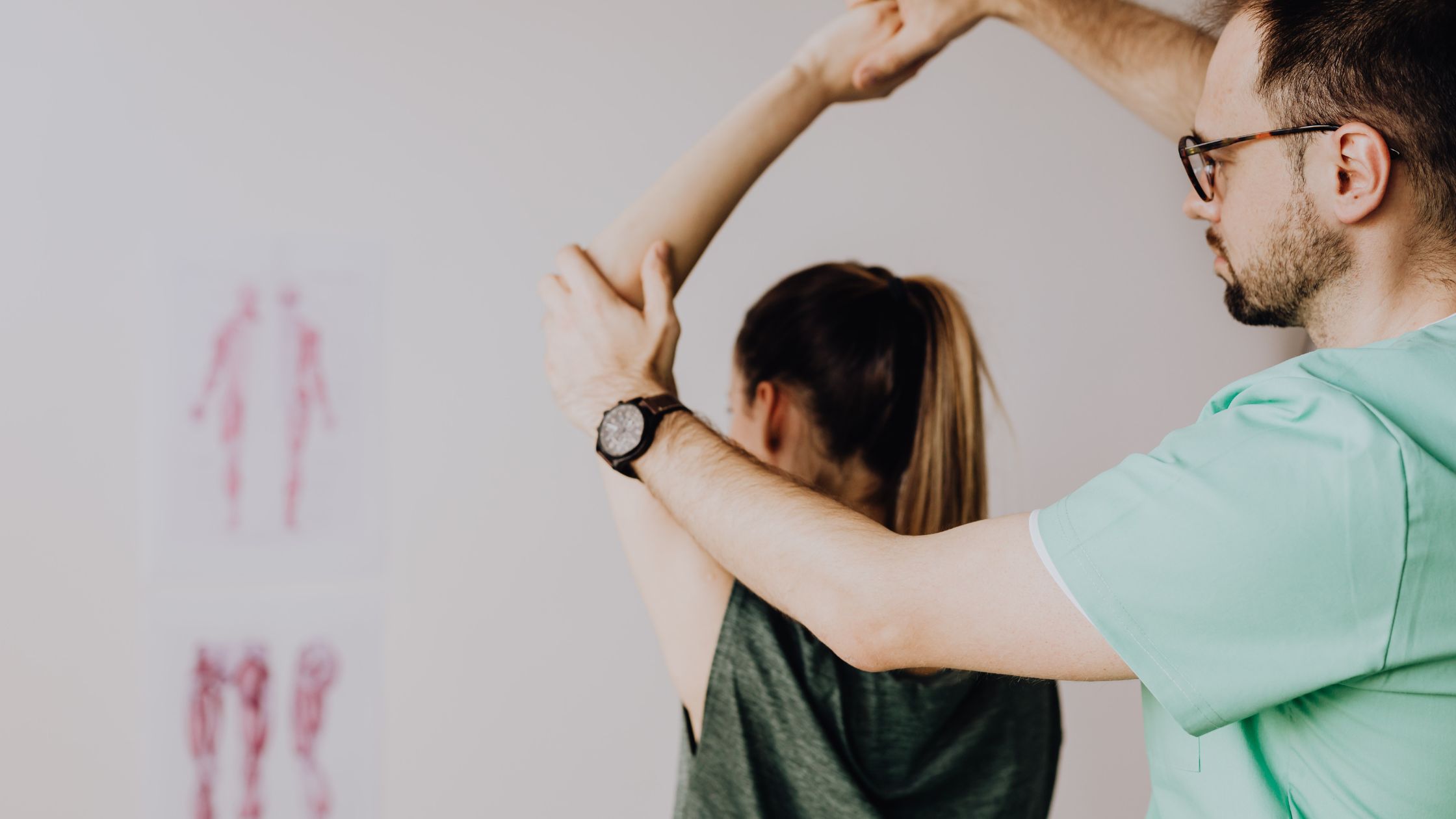
One commonly used approach is hands-on treatment, which helps release tight muscles and improve blood flow to affected areas. Techniques used in manual therapy can gently reduce muscle tension and improve joint movement.

These techniques are particularly helpful for individuals experiencing stiffness in the back, shoulders, or legs after long workdays or extended sitting.

Physiotherapists may also recommend structured rehabilitation through muscle tear and strain rehabilitation. While this service is often used for injury recovery, it also supports muscle conditioning and helps prevent minor strains caused by fatigue.

Through guided treatment sessions, physiotherapy helps muscles relax, recover, and regain their natural strength.

Therapeutic Exercises for Restoring Energy and Mobility

In addition to hands-on treatment, therapeutic exercises play an important role in reducing muscle fatigue. These exercises are carefully selected to improve flexibility, strengthen supporting muscles, and restore normal movement patterns.

Therapeutic exercises may include:

  • Gentle stretching routines for tight muscle groups
  • Light strengthening exercises for posture support
  • Mobility exercises for the spine and joints
  • Controlled movements that improve circulation

These exercises are usually low-impact and designed to match the individual’s energy levels during Ramadan. When performed regularly, they help the body maintain strength and reduce the likelihood of persistent aches.

Individuals experiencing recurring muscle tightness related to posture or daily activity may also benefit from structured care through general musculoskeletal physiotherapy, which focuses on restoring healthy movement patterns throughout the body.

Preventing Body Aches During the Fasting Month

While some fatigue during Ramadan is natural, several simple habits can help reduce the likelihood of ongoing body aches.

Helpful preventive strategies include:

  • Maintaining gentle physical activity during the week
  • Taking short movement breaks during long sitting periods
  • Stretching muscles after evening walks or light exercise
  • Supporting good posture during desk work
  • Prioritising rest when the body feels fatigued

These habits help muscles stay flexible and reduce unnecessary strain throughout the day.

Physiotherapy also supports prevention by identifying muscle imbalances, posture issues, or movement patterns that may contribute to recurring fatigue. Addressing these factors early allows individuals to maintain comfort and mobility even during demanding routines.

Supporting Muscle Recovery During Ramadan

Muscle fatigue and body aches during Ramadan are often temporary and related to lifestyle changes rather than serious medical problems. With proper recovery, hydration, and movement, most people can maintain comfortable mobility throughout the month.

At Westminster Clinic in Dubai Healthcare City, our experienced physiotherapy team provides personalised treatment plans designed to support muscle recovery, reduce tension, and improve physical comfort.

Patients can explore our Physiotherapy Services to learn more about treatment options available for musculoskeletal concerns. If persistent muscle fatigue or body aches are affecting your daily routine, you may also contact our clinic to schedule a physiotherapy consultation.

While many of our patients visit Westminster Clinic from across Dubai, our clinic also welcomes individuals travelling from Abu Dhabi and Al Ain who are seeking specialised physiotherapy care.

With the right physiotherapy support, it is possible to restore energy, reduce muscle fatigue, and maintain comfortable movement throughout Ramadan.

March 11, 2026

Ramadan is a meaningful time for reflection, spiritual growth, and community across Dubai and the UAE. However, fasting also changes daily routines, including eating patterns, sleep schedules, and energy levels. For individuals who normally exercise or maintain an active lifestyle, these changes can raise an important question: how can you stay active safely while fasting?

Exercise during Ramadan can still be beneficial for maintaining mobility, circulation, and muscle health. The key is adjusting the timing, intensity, and type of activity to suit the body’s temporary changes in hydration and energy levels.

With the right approach and guidance from physiotherapy professionals, individuals can maintain movement, prevent stiffness, and reduce the risk of injuries throughout the fasting month.

Why Movement Is Still Important During Ramadan

When routines change during Ramadan, many people unintentionally become less active. Reduced daytime energy, long work hours, and evening gatherings can limit opportunities for exercise. Over time, decreased movement can lead to joint stiffness, muscle tightness, and reduced flexibility.

Maintaining gentle physical activity helps support overall musculoskeletal health. Movement keeps joints mobile, encourages blood circulation, and prevents muscles from becoming excessively tight.

For many individuals, even low-impact exercise during Ramadan can provide several benefits:

  • Maintaining joint flexibility and mobility
  • Reducing muscle stiffness from prolonged sitting
  • Supporting posture during long workdays
  • Helping the body maintain strength and balance

Our physiotherapists in Dubai often encourage patients to continue safe levels of movement during Ramadan rather than stopping exercise entirely. The goal is not intense performance but maintaining healthy mobility.

Individuals who experience recurring muscle tightness or minor exercise-related discomfort may benefit from guidance through general musculoskeletal physiotherapy, which focuses on improving movement patterns and preventing strain.

When Is the Best Time to Exercise While Fasting?

One of the most important factors when exercising during Ramadan is choosing the right time of day. Because the body is fasting for many hours, energy levels and hydration status fluctuate throughout the day.

Physiotherapists commonly recommend two safe windows for exercise:

After Iftar

Exercising after breaking the fast is often the safest option. Once the body has received food and fluids, muscles regain energy and hydration levels begin to recover. Light to moderate exercise after Iftar can help improve circulation and support muscle activity without excessive fatigue.

Before Suhoor

Some individuals prefer light exercise before the pre-dawn meal. Gentle stretching, mobility exercises, or short walks can help wake up the body and prepare muscles for the day ahead.

What should generally be avoided is intense exercise during the late afternoon while fasting, when hydration levels are lowest and fatigue is highest. High-intensity training during this time may increase the risk of muscle strain or dizziness.

If someone experiences recurring discomfort when exercising, physiotherapy assessment can help identify movement issues or muscle imbalances that may contribute to injury risk.

Choosing Low-Impact Exercises During Ramadan

During Ramadan, the body benefits most from moderate and controlled movements rather than high-intensity workouts. Low-impact exercises help maintain strength and flexibility while placing less stress on joints and muscles.

Examples of suitable exercises include:

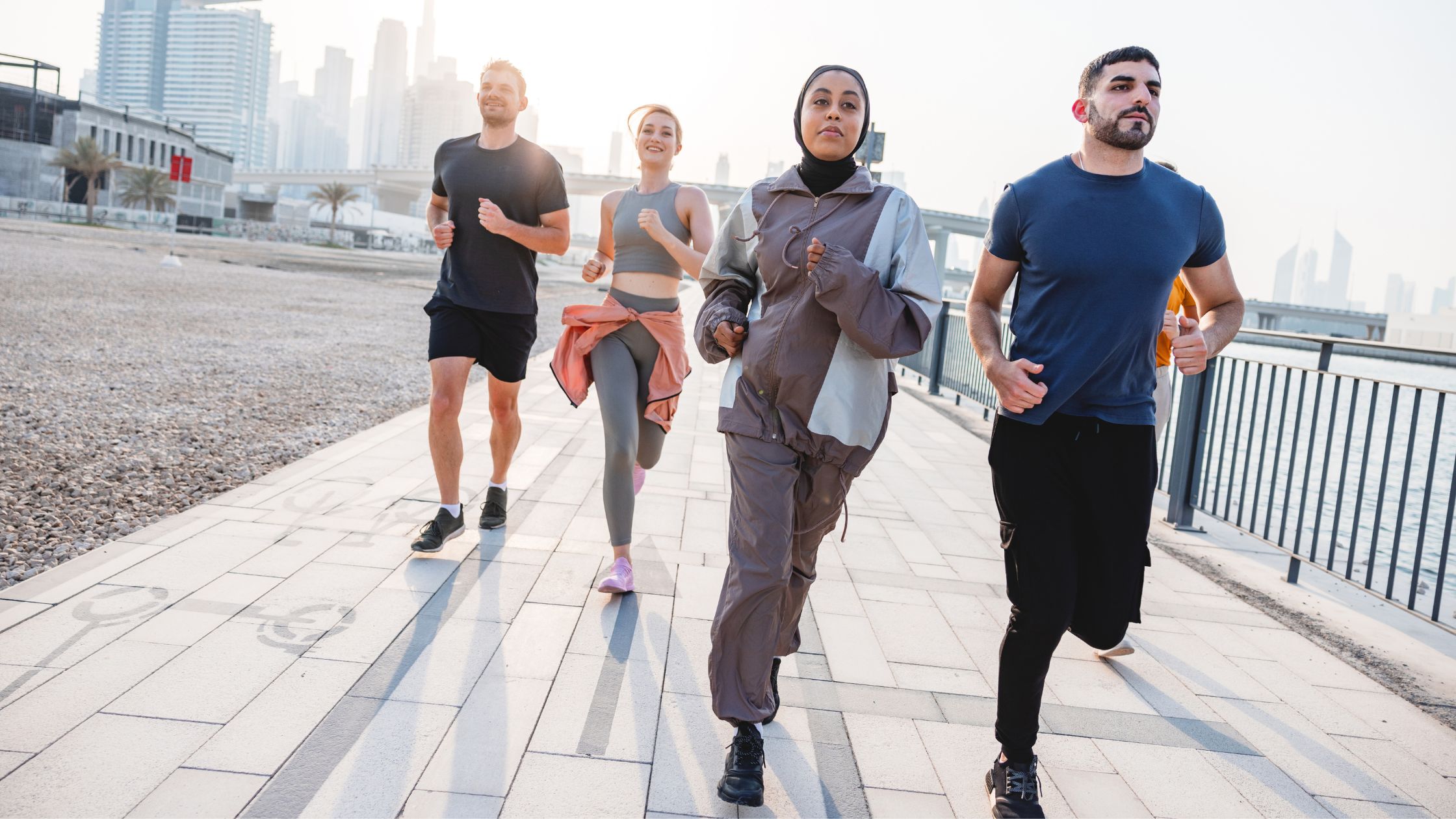
  • Walking or light jogging after Iftar
  • Gentle cycling
  • Yoga or stretching routines
  • Light resistance exercises using body weight
  • Mobility exercises for the spine and joints

These activities allow the body to remain active without placing excessive strain on muscles that may already be fatigued from fasting.

For individuals returning to exercise after a break, gradual progression is especially important. Sudden increases in intensity or duration can increase the likelihood of soft tissue injuries such as muscle strains.

In cases where minor injuries occur or persistent soreness develops, structured care through muscle tear and strain rehabilitation can support safe recovery and help restore normal muscle function.

Hydration and Recovery After Exercise

Hydration plays an essential role in muscle recovery and overall physical performance. Because fasting limits fluid intake during the day, individuals should focus on rehydration during non-fasting hours.

After exercising during Ramadan, recovery habits become particularly important.

Helpful recovery practices include:

  • Drinking sufficient water between Iftar and Suhoor
  • Including balanced meals with protein and nutrients
  • Performing gentle stretching after activity
  • Allowing adequate rest between workouts

Proper recovery reduces muscle fatigue and helps prevent overuse injuries.

Physiotherapy also supports recovery through techniques designed to improve circulation, reduce muscle tension, and restore movement efficiency. Individuals experiencing recurring sports-related discomfort may benefit from treatment plans that include strengthening exercises and guided rehabilitation strategies.

Preventing Exercise Injuries During Ramadan

Because fasting can temporarily affect hydration and energy levels, injury prevention should be a priority when exercising during Ramadan.

Small adjustments to workout habits can make a significant difference in protecting muscles and joints.

Some important injury-prevention strategies include:

  • Starting workouts with gentle warm-up movements
  • Avoiding sudden increases in workout intensity
  • Listening to signs of fatigue or dizziness
  • Maintaining proper posture during exercise
  • Stopping activity if sharp pain occurs

Sports-related injuries often occur when muscles are fatigued or when movement patterns place uneven stress on joints.

Physiotherapy plays an important role in both injury prevention and rehabilitation. If an injury such as a sprain or ligament strain develops, treatment through ligament injury rehabilitation helps restore joint stability and reduce the risk of recurring injury.

The Role of Physiotherapy in Maintaining Mobility

Physiotherapy is not only used for injury treatment. It also supports long-term movement health, flexibility, and physical performance.

During Ramadan, physiotherapy guidance can help individuals adjust their exercise routines safely while maintaining mobility. Treatment programs may include mobility exercises, muscle strengthening, posture correction, and recovery techniques that support healthy movement.

By addressing muscle imbalances early and improving joint mechanics, physiotherapy reduces the likelihood of overuse injuries and helps individuals stay active even when routines change.

This proactive approach is particularly valuable for individuals who regularly exercise, participate in sports, or spend long hours sitting during the workday.

Personalised Physiotherapy Guidance for an Active Ramadan

If physical activity during Ramadan begins to cause ongoing discomfort, muscle tightness, or reduced mobility, professional physiotherapy guidance can help identify the underlying cause and support safe, sustainable movement.

At Westminster Clinic in Dubai Healthcare City, our experienced physiotherapy team provides personalised assessments and treatment plans designed to support safe movement, injury recovery, and long-term musculoskeletal health.

Patients can explore our Physiotherapy Services to learn more about available treatments and rehabilitation approaches. If you would like personalised advice on exercising safely during Ramadan, you can also contact our clinic to schedule a physiotherapy consultation.

While many patients visit us from across Dubai, Westminster Clinic also welcomes individuals travelling from Abu Dhabi and Al Ain who are seeking specialised physiotherapy care.

With the right balance of activity, recovery, and professional guidance, it is possible to maintain mobility, stay active, and support your physical well-being throughout Ramadan.

March 11, 2026

Ramadan is a special time of reflection, discipline, and spiritual focus for many residents across Dubai and the UAE. While fasting brings numerous personal and spiritual benefits, changes in daily routines can sometimes affect the body in unexpected ways. Altered sleep schedules, reduced hydration, and long hours of sitting during work or prayer can place additional strain on muscles and joints.

For many people, these lifestyle adjustments during Ramadan can lead to increased back pain, neck stiffness, or muscle tension. Office professionals, drivers, and individuals working long desk hours may especially notice discomfort building up as the month progresses.



Understanding why these issues occur and how physiotherapy can help manage them is important for maintaining comfort, mobility, and overall well-being throughout Ramadan.

Why Musculoskeletal Pain Can Increase During Ramadan

During Ramadan, daily routines shift significantly. Sleep schedules often change due to late evening meals and early Suhoor preparations, while hydration patterns are limited to non-fasting hours. These changes can influence muscle recovery and posture habits.

When the body receives less water throughout the day, muscles may become slightly more prone to stiffness or fatigue. Hydration plays an important role in supporting muscle elasticity and joint lubrication. When hydration is reduced for extended hours, the body may experience increased tightness in the neck, shoulders, and lower back.

In addition, fatigue can affect posture. Many people unknowingly begin slouching or leaning forward while working at their desks or using digital devices. Over time, this posture strain places pressure on spinal structures and surrounding muscles.

When these factors combine, individuals may begin to experience:

  • Persistent neck tension after long workdays
  • Lower back discomfort during sitting or standing
  • Shoulder stiffness when using phones or laptops
  • Reduced flexibility when bending or turning

Physiotherapy focuses on addressing these musculoskeletal stresses early, helping restore movement and reduce discomfort before symptoms become more persistent.

The Impact of Long Sitting Hours on Back and Neck Health

Dubai’s fast-paced work culture often involves long hours at desks, in meetings, or commuting. During Ramadan, many people also spend extended periods sitting during evening gatherings or while resting due to fasting fatigue.

Prolonged sitting places continuous pressure on the spine, particularly the lower back and neck. When posture is not properly supported, muscles surrounding the spine must work harder to stabilize the body.

Common posture habits that contribute to pain include:

  • Leaning forward while working on laptops
  • Looking down at phones for extended periods
  • Sitting without lumbar support
  • Remaining in the same position for long stretches

Over time, these patterns can lead to muscle imbalance and strain. Individuals may begin experiencing symptoms such as stiffness when standing up, discomfort between the shoulder blades, or tension headaches originating from the neck.

Our physiotherapists in Dubai frequently address these concerns through targeted posture assessments and movement correction strategies. Treatments such as manual therapy and guided rehabilitation exercises can help relieve tension and restore healthier movement patterns.

Patients experiencing ongoing discomfort may benefit from structured care through back pain physiotherapy, which focuses on reducing spinal strain and strengthening the muscles that support the back.

How Reduced Hydration Can Affect Muscles and Joints

Hydration is an important component of musculoskeletal health. While fasting is an essential part of Ramadan, the body adapts to periods without fluid intake during daylight hours.

However, mild dehydration may contribute to muscle fatigue and increased stiffness. Muscles rely on adequate hydration to maintain elasticity and perform efficiently during daily activities.

When hydration levels drop during the day, individuals may notice:

  • Tightness in the lower back or neck
  • Reduced flexibility during movement
  • Increased muscle fatigue while walking or standing
  • Minor cramps or discomfort after prolonged activity

This does not mean that pain is unavoidable during Ramadan. Instead, simple strategies can help support muscle health.

Some helpful habits include:

  • Prioritising water intake between Iftar and Suhoor
  • Incorporating light stretching in the evening
  • Avoiding sudden intense physical activity while fasting
  • Maintaining supportive sitting posture during work hours

Physiotherapy complements these habits by guiding individuals through safe mobility exercises and muscle relaxation techniques that reduce stiffness and support better movement.

The Role of Sleep Changes in Neck and Shoulder Tension

Another common factor during Ramadan is altered sleep patterns. Many people sleep later due to evening meals and social gatherings, then wake early for Suhoor before beginning the fasting day.

Irregular sleep cycles can lead to muscle fatigue and increased tension in the neck and shoulders. In some cases, individuals may sleep in positions that place strain on the cervical spine.

When this occurs consistently, symptoms such as morning stiffness, neck tightness, or headaches may develop.

Targeted treatment through neck pain physiotherapy helps address these issues by focusing on:

  • Gentle mobility exercises for the cervical spine
  • Muscle relaxation techniques
  • Posture correction strategies
  • Strengthening exercises that support the neck and shoulders

Our experienced physiotherapy team also guides patients on improving sleep positioning and pillow support to reduce strain during rest.

When to Consider Physiotherapy for Ramadan-Related Pain

Temporary discomfort can sometimes resolve with rest and gentle movement. However, persistent pain should not be ignored.

Seeking physiotherapy support may be beneficial if you experience:

  • Back or neck pain lasting longer than a few days
  • Stiffness that worsens after sitting or standing
  • Reduced mobility when turning or bending
  • Pain interfering with sleep or daily activities

Early physiotherapy intervention helps identify the underlying cause of discomfort and prevents symptoms from becoming chronic.

A physiotherapy assessment may include posture analysis, movement evaluation, and personalised treatment planning. Depending on the cause of the pain, therapy may involve manual techniques, guided stretching, strengthening exercises, or posture correction strategies.

Patients experiencing ongoing discomfort may also benefit from chronic pain physiotherapy, which focuses on long-term pain management and improving functional movement.

Supporting Your Body Throughout Ramadan

Ramadan encourages mindfulness and balance, and this philosophy can also apply to physical health. Taking small steps to support the body during fasting can make a meaningful difference in comfort and mobility.

Maintaining good posture, staying active with light stretching, and ensuring adequate hydration after fasting hours can help prevent excessive muscle strain. Paying attention to early signs of stiffness or discomfort allows individuals to address issues before they progress.

Physiotherapy offers a safe and supportive approach for managing musculoskeletal health during Ramadan. By focusing on restoring natural movement and strengthening supportive muscles, physiotherapy helps individuals maintain comfort while continuing their daily activities.

When to Seek Physiotherapy Support in Dubai

If back or neck pain begins to affect your daily routine during Ramadan, professional physiotherapy care can help restore comfort and mobility.

At Westminster Clinic in Dubai Healthcare City, our experienced physiotherapy team provides personalised treatment plans designed to address posture-related pain, muscle stiffness, and spinal discomfort.

Patients can explore our Physiotherapy Services to learn more about the treatments available for musculoskeletal conditions.

If you are experiencing persistent pain or mobility limitations, you may also contact our clinic to schedule a physiotherapy consultation.

Many patients visit Westminster Clinic from across Dubai, and we also welcome individuals travelling from Abu Dhabi and Al Ain who are seeking specialised physiotherapy care.

With the right support, it is possible to maintain movement, reduce discomfort, and stay physically balanced throughout Ramadan and beyond.

March 9, 2026

Joint pain can slowly change the way you live. What begins as mild stiffness in the knee, shoulder, or hip can gradually affect how you walk, exercise, sleep, or even enjoy simple daily activities. In Dubai’s active community, many people want relief — but without immediately turning to surgery or long recovery periods.

This is where regenerative medicine, particularly PRP (Platelet-Rich Plasma) therapy, offers a promising alternative. PRP injections focus on stimulating your body’s own natural healing response. Instead of masking pain, this treatment works with your biology to support tissue repair and improve joint function. For many individuals, it represents a minimally invasive path toward restoring mobility and comfort.

What Is PRP and How Does It Work?

PRP stands for Platelet-Rich Plasma — a concentrated component of your own blood that contains growth factors essential for tissue repair. During the procedure, a small sample of your blood is drawn, processed to concentrate the platelets, and then carefully injected into the affected joint or soft tissue area.

Platelets play a key role in healing. When concentrated and delivered directly to an injured or inflamed area, they help:

  • Stimulate tissue repair
  • Reduce inflammation
  • Improve circulation in the treated area
  • Support regeneration of tendons and ligaments
  • Encourage long-term healing rather than temporary relief

Because PRP uses your body’s own cells, the risk of allergic reaction or rejection is extremely low.

Who Can Benefit from PRP Therapy?

PRP is often recommended for individuals experiencing mild to moderate joint pain, tendon irritation, or early degenerative changes — especially when conservative treatments have not provided sufficient relief.

Common conditions that may benefit include:

  • Knee osteoarthritis
  • Shoulder tendonitis
  • Tennis elbow
  • Ankle ligament irritation
  • Hip discomfort
  • Early cartilage wear
  • Chronic soft tissue injuries

You can explore more about targeted regenerative options on our page for PRP injections for joint pain.

Early intervention often yields the best results.

Why Many Patients Prefer Minimally Invasive Solutions

Surgery is sometimes necessary, but many patients prefer exploring less invasive options first. PRP therapy appeals to individuals who want to:

  • Avoid surgical downtime
  • Reduce reliance on long-term medication
  • Continue daily activities with minimal interruption
  • Address the root cause of inflammation
  • Support natural healing processes

The procedure itself is typically completed within a short outpatient visit, allowing patients to return home the same day.

Minimally invasive care often aligns better with busy lifestyles in Dubai.

What to Expect During the Procedure

Understanding the process helps reduce uncertainty and builds confidence in treatment decisions.

A typical PRP session involves:

  • Blood draw from the patient
  • Processing in a centrifuge to concentrate platelets
  • Precise injection into the targeted joint using imaging guidance
  • Brief recovery observation

Most patients experience mild soreness at the injection site for a short period. Gradual improvement is typically noticed over weeks as healing progresses.

For additional precision-based therapies, you may also explore orthopedic injections and image-guided therapies.

PRP vs. Traditional Pain Relief Approaches

Traditional joint pain management often includes anti-inflammatory medications, corticosteroid injections, or temporary rest. While these approaches may provide short-term relief, they may not always stimulate long-term tissue repair.

PRP differs because it aims to:

  • Enhance biological healing
  • Support tissue regeneration
  • Improve joint environment over time
  • Reduce inflammation naturally
  • Promote sustainable improvement

It focuses on restoration rather than temporary suppression.

When PRP May Not Be Enough

While PRP can be highly effective for early or moderate conditions, advanced joint degeneration or severe structural damage may require alternative approaches.

If joint damage progresses significantly, other treatment options — including surgical intervention — may be discussed. Our specialists provide comprehensive evaluation through the main Orthopedics Service page to determine the most appropriate plan for your condition.

Choosing the right treatment always begins with an accurate diagnosis.

Supporting PRP with Rehabilitation

PRP works best when combined with structured rehabilitation. Strengthening surrounding muscles, improving flexibility, and correcting movement patterns enhance treatment outcomes.

Post-PRP recovery may include:

  • Guided physiotherapy
  • Gentle strengthening exercises
  • Mobility training
  • Gradual return to activity
  • Posture correction strategies

Our services for rehabilitation and physiotherapy for orthopedic conditions support long-term joint health after regenerative treatments.

Healing is strongest when supported by movement.

Is PRP Right for You?

PRP is most effective for individuals seeking early intervention, proactive care, and minimally invasive options. It is particularly helpful for active adults who wish to maintain performance while addressing persistent joint discomfort.

You may consider discussing PRP if you:

  • Experience ongoing joint pain despite rest
  • Prefer non-surgical solutions
  • Have mild to moderate osteoarthritis
  • Want to return to sports safely
  • Seek long-term mobility improvement

Personalized consultation helps determine whether PRP aligns with your goals.

A Modern Approach for Dubai’s Active Lifestyle

Dubai’s residents value mobility, performance, and active living. Long work hours, travel, and fitness activities can place strain on joints over time. Minimally invasive regenerative therapies like PRP offer solutions that fit into modern schedules without lengthy recovery.

At Westminster Orthopedics in Dubai Healthcare City, our specialists use advanced imaging guidance and evidence-based protocols to deliver precise, patient-centered care. The goal is not simply to relieve pain — but to restore function and confidence in movement.

Regenerative healing represents a shift toward smarter, biology-driven care.

Your Partner in Natural, Long-Term Joint Health

Joint pain should not limit your lifestyle or long-term goals. With innovative, minimally invasive treatments and supportive rehabilitation, many patients regain mobility without surgery.

PRP therapy offers a pathway that works with your body — not against it.

Ready to Explore Regenerative Healing Options?

If joint pain is affecting your daily life and you’re interested in minimally invasive treatment options, our orthopedic specialists in Dubai are here to guide you.
Book your consultation through our Contact page and take a confident step toward stronger, more comfortable movement.

March 9, 2026

Joint stiffness that lingers in the morning. Knees that ache when climbing stairs. Fingers that feel tight while gripping objects. Many people in Dubai quietly accept these signs as “normal aging,” especially when life feels busy and responsibilities take priority. But persistent joint discomfort may be more than simple fatigue — it could be early arthritis.

As fasting season approaches, it becomes even more important to address joint health proactively. Changes in hydration, meal timing, and daily activity during Ramadan can make untreated arthritis feel more noticeable. The good news is that early treatment significantly reduces long-term complications. With timely care, arthritis can be managed effectively, preserving mobility and preventing disability.

Understanding Arthritis: More Than Just Joint Pain

Arthritis is not a single condition but a broad term describing inflammation or degeneration within joints. The most common types include osteoarthritis, caused by gradual cartilage wear, and inflammatory arthritis, where the immune system affects joint tissues.

Over time, untreated arthritis can lead to:

  • Progressive cartilage damage
  • Joint stiffness and swelling
  • Reduced range of motion
  • Muscle weakness around affected joints
  • Difficulty performing daily tasks

When managed early, however, these changes can be slowed — or even stabilized.

Awareness is the first step toward protection.

Why Early Treatment Makes a Critical Difference

Many people delay seeking help because the discomfort seems manageable. Yet arthritis tends to progress gradually. What begins as occasional stiffness can develop into persistent pain and functional limitation.

Early intervention helps:

  • Reduce inflammation before joint damage worsens
  • Preserve cartilage health
  • Maintain joint alignment
  • Strengthen surrounding muscles
  • Prevent long-term mobility loss

Addressing arthritis in its early stages often avoids more invasive treatments later.

How Ramadan Fasting Can Influence Arthritis Symptoms

Ramadan brings meaningful spiritual reflection — but it also changes daily routines. For individuals with arthritis, shifts in hydration and nutrition may temporarily influence joint comfort.

Common factors include:

  • Reduced daytime hydration
  • Altered sleep schedules
  • Decreased daytime movement
  • Increased evening activity
  • Nutritional imbalances between Suhoor and Iftar

Hydration plays a key role in joint lubrication. When fluid intake drops, stiffness may increase. Preparing in advance helps maintain comfort throughout the holy month.

Recognizing Early Signs of Arthritis

Joint discomfort should not be ignored, especially if it becomes consistent.

Early warning signs include:

  • Morning stiffness lasting more than 30 minutes
  • Swelling around joints
  • Clicking or grinding sensations
  • Pain during or after movement
  • Reduced flexibility
  • Joint warmth or tenderness

Seeking evaluation at this stage often allows for conservative, highly effective management.

You can explore comprehensive support through our page on joint pain and arthritis management.

Non-Surgical Treatment Options That Protect Mobility

Early arthritis care focuses on reducing inflammation and improving joint mechanics — often without surgery.

Common conservative approaches include:

  • Physiotherapy to improve strength and flexibility
  • Weight management to reduce joint load
  • Image-guided injections for targeted relief
  • PRP therapy for regenerative support
  • Posture and gait correction

You can learn more about precision-based relief options through our page on orthopedic injections and image-guided therapies.

When started early, these treatments often preserve function for years.

Strengthening Muscles to Protect Arthritic Joints

Muscles act as stabilizers and shock absorbers. Weak muscles increase pressure on already sensitive joints.

Key strengthening strategies include:

  • Quadriceps Strengthening: Protects knees during walking and stair climbing.
  • Core Stability: Supports spinal alignment.
  • Hip Strengthening: Reduces knee strain.
  • Gentle Range-of-Motion Exercises: Maintain flexibility.
  • Low-Impact Activities: Walking, cycling, and swimming support joint health.

Structured rehabilitation programs available through rehabilitation and physiotherapy for orthopedic conditions help patients maintain mobility safely.

Movement, when guided properly, is medicine for arthritic joints.

When Arthritis Becomes Advanced

If arthritis is left untreated for years, joint surfaces may deteriorate significantly, leading to chronic pain and functional limitation. In advanced cases, surgical intervention may be considered.

However, many patients can delay — or avoid — surgery entirely when arthritis is managed early and consistently.

An individualized assessment through the main Orthopedics Service page helps determine the most appropriate care plan.

Timely care changes outcomes.

Preparing Your Joints Before Fasting Season

Taking proactive steps before Ramadan can make the month more comfortable.

Consider:

  • Scheduling evaluation if pain is increasing
  • Beginning a strengthening routine
  • Improving hydration habits in advance
  • Adjusting footwear for better support
  • Learning joint-protective movement techniques

These adjustments help minimize stiffness and maintain function during fasting.

Preparation is empowerment.

A Supportive Approach for Dubai’s Active Community

Life in Dubai demands movement — from professional responsibilities to family commitments and community involvement. Arthritis should not define or limit your lifestyle.

At Westminster Orthopedics in Dubai Healthcare City, our specialists focus on early diagnosis, preventive strategies, and personalized care. By combining medical expertise with culturally sensitive guidance, we help patients maintain mobility through every season — including Ramadan.

Strong joints support every role you play.

Your Partner in Long-Term Joint Health

Arthritis does not automatically lead to disability. With early recognition, structured treatment, and consistent follow-up, most individuals maintain independence and active lifestyles for years.

Ignoring pain may feel easier in the short term — but proactive care protects your future mobility.

Ready to Protect Your Joints Before Ramadan?

If you are experiencing persistent joint pain or stiffness, our orthopedic specialists in Dubai are here to guide you with timely, personalized care. Book your consultation through our Contact page and take a confident step toward long-term joint health.

March 9, 2026

Dubai’s fitness culture is thriving. From early morning beach runs and cycling tracks to marathons, boot camps, and gym challenges, the city encourages movement all year round. Whether you’re training for a competitive event or simply pushing yourself toward a healthier lifestyle, staying active is one of the best investments you can make in your well-being.

However, with increased activity often comes an increased risk of injury. Sudden spikes in training intensity, repetitive strain, and insufficient recovery can place stress on joints, muscles, and ligaments. The key to long-term success is not just training harder — it’s training smarter. With the right preparation and awareness, you can protect your body while continuing to perform at your best.

Why Sports Injuries Are So Common

Sports injuries often develop when the body is pushed beyond its current capacity. Muscles may fatigue, movement patterns may change, and joints begin absorbing more stress than they’re designed to handle.

Common contributing factors include:

  • Rapid increases in workout intensity or duration
  • Skipping warm-ups or cool-downs
  • Poor technique during strength training
  • Inadequate rest between sessions
  • Dehydration or nutritional imbalance

When these factors combine, even minor discomfort can progress into ligament strains, tendon inflammation, or stress injuries.

Prevention begins with understanding these risks.

Most Common Sports Injuries in Dubai

Dubai’s active outdoor environment and gym culture create predictable injury patterns. The most frequently treated conditions include:

  • Ankle Sprains: Often caused by uneven terrain or sudden directional changes.
  • Knee Ligament Strain: Linked to repetitive running or pivoting sports.
  • Shin Splints: Common in runners who increase mileage too quickly.
  • Shoulder Overuse Injuries: Seen in gym training and racket sports.
  • Lower Back Strain: Often related to poor lifting posture or muscle fatigue.

Early recognition helps prevent minor strains from becoming long-term setbacks.

You can explore advanced care options on our page for sports injuries and arthroscopic surgery.

Smart Training Principles for Injury Prevention

Safe training requires structure, patience, and consistency. Following key principles can significantly reduce injury risk while improving performance.

  • Increase Gradually: Follow progressive training plans rather than sudden jumps in intensity.
  • Warm Up Properly: Dynamic stretches improve flexibility and circulation.
  • Strengthen Supporting Muscles: Strong hips, core, and shoulders stabilize joints.
  • Schedule Rest Days: Recovery is when the body repairs and strengthens.
  • Cool Down After Workouts: Gentle stretching reduces stiffness and inflammation.

Balanced training builds resilience rather than strain.

Hydration and Nutrition: Your Silent Performance Partners

Even in cooler months, Dubai’s climate can contribute to fluid loss during exercise. Dehydration reduces muscle efficiency and increases joint stress.

To support safe training:

  • Drink water consistently throughout the day
  • Replenish electrolytes during longer sessions
  • Include adequate protein for muscle repair
  • Prioritize anti-inflammatory foods
  • Avoid excessive caffeine before workouts

Well-nourished muscles protect joints from overload.

Recognizing Early Warning Signs

Injuries rarely appear suddenly without warning. Most develop gradually through subtle signals.

Watch for:

  • Persistent soreness that doesn’t improve
  • Swelling around joints
  • Pain during specific movements
  • Sudden instability in the knee or ankle
  • Sharp pain that worsens with continued activity

Listening to your body early prevents extended recovery periods.

If symptoms persist, a professional evaluation through our main Orthopedics Service page ensures accurate diagnosis and tailored care.

Strength Training: The Foundation of Injury Prevention

Strong muscles act as shock absorbers, protecting joints during high-impact movement. Injury prevention programs often emphasize controlled strength exercises.

Focus on:

  • Core Stability: Supports spinal alignment during movement.
  • Hip Strength: Reduces knee stress during running.
  • Glute Activation: Protects the lower back.
  • Ankle Stability Exercises: Minimize sprain risk.
  • Shoulder Conditioning: Essential for gym and overhead sports.

Guided programs through rehabilitation and physiotherapy for orthopedic conditions help ensure proper technique and progression.

Strength equals stability.

When to Seek Professional Advice

If you have recurring injuries or discomfort that returns during training, early consultation prevents long-term complications.

Consider evaluation if you experience:

  • Repeated ankle sprains
  • Ongoing knee discomfort
  • Shoulder pain during lifting
  • Lower back pain during running
  • Limited flexibility despite stretching

Preventive orthopedic assessment allows athletes to continue training safely without unnecessary interruption.

A Balanced Approach for Dubai’s Active Community

Dubai encourages an energetic, goal-driven lifestyle. But long-term strength matters more than short-term milestones. Sustainable training keeps you moving for years — not just weeks.

At Westminster Orthopedics in Dubai Healthcare City, our specialists support active individuals with preventive assessments, injury management, and personalized rehabilitation plans. Whether you are training for competition or simply staying fit, the focus remains the same: protecting mobility and performance.

Smart movement is powerful movement.

Your Partner in Injury-Free Performance

Staying active should feel empowering — not painful. By combining structured training, mindful recovery, and early attention to symptoms, you can protect your joints while achieving your fitness goals.

Injury prevention is not about slowing down. It’s about moving forward wisely.

Ready to Train Smarter and Stay Injury-Free?

If you’re experiencing recurring discomfort or want guidance on safe training practices, our orthopedic specialists in Dubai are here to help.
Book your consultation through our Contact page and stay active with confidence.

March 9, 2026

As Ramadan approaches in Dubai, many women begin preparing spiritually, mentally, and physically for the holy month. Fasting brings reflection, discipline, and meaningful routine changes — but it can also influence the body in subtle ways. For women, hormonal fluctuations, nutrition shifts, and changes in daily activity may affect bone and joint health more than expected.

Women’s bones and joints are closely connected to hormonal balance, especially estrogen levels. From early adulthood through menopause and beyond, these hormonal changes influence bone density, joint flexibility, and muscle strength. Understanding this connection allows women to protect their mobility — especially during periods like Ramadan, when eating patterns and hydration habits temporarily change.

Why Hormones Matter for Bone and Joint Health

Hormones play a powerful role in maintaining bone strength. Estrogen, in particular, supports bone density by helping regulate the balance between bone breakdown and bone formation. When estrogen levels fluctuate — during menstrual cycles, pregnancy, postpartum periods, or menopause — bone turnover can change as well.

Lower estrogen levels may lead to:

  • Reduced bone density over time
  • Increased joint stiffness
  • Greater inflammation around joints
  • Higher risk of stress injuries

These changes often happen gradually and without obvious symptoms. That’s why awareness is essential at every stage of life.

How Ramadan Fasting Can Influence Bone and Joint Comfort

Ramadan fasting changes meal timing, hydration patterns, and sleep routines. While fasting is safe for many healthy adults, certain habits during this period can influence joint comfort and bone health if not managed carefully.

Common factors include:

  • Reduced hydration during daylight hours
  • Shortened sleep cycles
  • Decreased daytime movement
  • Nutritional imbalance between Iftar and Suhoor
  • Reduced sunlight exposure

When hydration or nutrient intake drops, joints may feel stiffer and muscles may fatigue more easily. For women already managing hormonal changes, this may feel more noticeable.

Being mindful of these changes helps prevent discomfort during the holy month.

Key Nutrients Women Should Prioritize Before and During Ramadan

Nutrition plays a vital role in supporting bone density and joint strength — especially when meal timing shifts.

Women preparing for Ramadan should focus on:

  • Calcium-Rich Foods: Dairy, leafy greens, fortified products
  • Vitamin D: Safe sunlight exposure and appropriate dietary sources
  • Protein: Essential for muscle strength and joint stability
  • Magnesium and Vitamin K: Support overall bone structure
  • Adequate Hydration: Crucial for joint lubrication

Balanced Suhoor and Iftar meals that include these nutrients help maintain bone resilience and reduce joint fatigue.

Hormonal Stages That Require Extra Attention

Different phases of a woman’s life bring different bone health considerations.

Adolescence and Early Adulthood

Peak bone mass develops during these years. Inadequate nutrition or excessive dieting can limit bone development.

Postpartum Period

Hormonal shifts and sleep deprivation may temporarily affect bone strength and joint comfort.

Perimenopause and Menopause

Declining estrogen levels accelerate bone density loss, increasing the risk of osteoporosis and joint stiffness.

Women in perimenopause and beyond may benefit from early screening through services such as osteoporosis management and fall prevention.

Early attention supports long-term mobility and independence.

Maintaining Joint Comfort During Ramadan

Ramadan doesn’t mean stopping movement — it simply means adapting wisely. Gentle, consistent activity helps maintain joint flexibility and muscle strength.

Consider incorporating:

  • Light Walking After Iftar: Supports circulation and joint lubrication
  • Gentle Stretching Before Bed: Reduces stiffness
  • Low-Impact Strength Exercises: Protect bones and joints
  • Posture Awareness During Prayer: Helps reduce back and knee strain
  • Adequate Rest: Supports muscle recovery

These small adjustments allow women to stay active without overloading their bodies.

When Joint Pain or Bone Weakness Should Be Evaluated

While mild stiffness can be normal, persistent discomfort should not be ignored — especially if it worsens during fasting periods.

Consider seeking evaluation if you notice:

  • Ongoing joint pain
  • Height loss or frequent back pain
  • Increased fatigue in the knees or hips
  • History of low-impact fractures
  • Stiffness that limits daily movement

Early evaluation often leads to simple, effective strategies rather than complex treatments later.

Our specialists provide personalized assessments through the main Orthopedics Service page and supportive rehabilitation programs via rehabilitation and physiotherapy for orthopedic conditions.

Preventive care empowers long-term strength.

Breaking the Myth: Bone Health Is Not Just for Later Life

Many women assume bone health becomes important only after menopause. In reality, bone strength is built and maintained throughout life. Habits in your 20s, 30s, and 40s influence bone density in later decades.

Ramadan can serve as a reminder to pause, reflect, and prioritise holistic health — including bone care.

Simple, consistent habits matter more than dramatic changes.

A Supportive Approach for Women in Dubai

Dubai’s dynamic lifestyle often means balancing work, family, travel, and spiritual commitments — especially during Ramadan. Bone and joint care must be realistic, sustainable, and aligned with daily life.

At Westminster Orthopedics in Dubai Healthcare City, our specialists support women at every life stage with personalized, culturally sensitive care. Whether you are preparing for Ramadan, navigating hormonal transitions, or simply aiming to stay strong and active, our approach focuses on prevention, education, and long-term mobility.

Strong bones support every role you play.

Your Partner in Lifelong Bone Strength

Women’s bone health deserves attention before discomfort appears. By understanding hormonal influences and making mindful adjustments during Ramadan, you can protect your joints, strengthen your bones, and maintain confident movement throughout the year.

Small, intentional steps today create stronger foundations tomorrow.

Ready to Prioritize Your Bone Health Before Ramadan?

If you have concerns about bone density, joint stiffness, or hormonal changes affecting mobility, our orthopedic specialists in Dubai are here to guide you.
Book your consultation through our Contact page and step into Ramadan feeling strong, supported, and prepared.

Call Now Button