
March 5, 2026

Ramadan is a time of spiritual reflection, discipline, and community. In Dubai, daily routines naturally shift as families wake early for suhoor, gather for iftar, and balance work, prayer, and social commitments throughout the month. While fasting can bring many spiritual and personal benefits, the changes in eating patterns, hydration, and sleep can also affect energy levels and overall wellbeing.

For many people, the first week of Ramadan can feel particularly challenging. Fatigue, headaches, or low concentration may appear as the body adjusts to a new routine. Family medicine focuses on helping individuals navigate these changes safely and comfortably, ensuring that fasting supports health rather than disrupts it.

Why the body needs time to adjust

Fasting from dawn to sunset significantly changes the body’s daily rhythm. Instead of receiving regular meals and fluids, the body must rely on stored energy for several hours. Hormones that regulate metabolism, hydration, and alertness gradually adapt to this new pattern.

During the first days of Ramadan, it is common to notice:

  • Lower energy levels in the afternoon
  • Mild headaches or dehydration
  • Changes in sleep patterns
  • Difficulty concentrating

These symptoms usually improve as the body adjusts. Understanding that this adaptation is normal helps reduce unnecessary worry.

Building a balanced suhoor

Suhoor plays a crucial role in maintaining energy throughout the fasting day. A well-balanced pre-dawn meal helps stabilise blood sugar levels and prevents sudden energy crashes later in the afternoon.

Healthy suhoor meals often include:

  • Protein sources such as eggs, yogurt, or legumes
  • Whole grains that release energy slowly
  • Fresh fruits or vegetables for fibre and hydration
  • Adequate fluids before the fast begins

Skipping suhoor or relying on sugary foods may lead to early fatigue and increased hunger during the day.

A gentle approach to iftar

After a full day of fasting, it is natural to feel hungry and eager to eat quickly. However, large or heavy meals can place sudden stress on the digestive system and lead to discomfort or sluggishness.

Family medicine encourages a gradual approach to iftar. Breaking the fast with light foods and fluids allows the body to transition comfortably before a full meal. Balanced meals that include vegetables, lean proteins, and complex carbohydrates help restore energy without overwhelming digestion.

Hydration between fasting hours

Hydration is one of the most important aspects of staying well during Ramadan, especially in the UAE climate. Dehydration can contribute to headaches, dizziness, fatigue, and difficulty concentrating.

To maintain healthy hydration:

  • Drink water regularly between iftar and suhoor
  • Avoid excessive caffeine, which may increase fluid loss
  • Include hydrating foods such as fruits and soups

Spreading fluid intake across the evening is more effective than trying to drink large amounts at once.

Managing fatigue during the day

Energy levels naturally fluctuate while fasting, especially during the afternoon hours. Gentle adjustments to daily routines can help manage fatigue without compromising work or responsibilities.

Helpful strategies include:

  • Prioritising short rest periods if possible
  • Scheduling demanding tasks earlier in the day
  • Maintaining light physical activity rather than intense exercise
  • Protecting sleep whenever possible

Family medicine encourages flexibility during Ramadan rather than rigid productivity expectations.

When fasting symptoms should not be ignored

While mild fatigue is common, certain symptoms should prompt medical advice. Persistent dizziness, severe weakness, fainting, or ongoing headaches may indicate dehydration, unstable blood sugar, or other health concerns.

Individuals with chronic conditions such as diabetes, hypertension, or thyroid disorders should be particularly attentive to symptoms during fasting. Early medical guidance prevents small issues from becoming serious problems.

The importance of patient education during Ramadan

Understanding how fasting affects the body helps individuals make informed choices throughout the month. Through Patient Education & Disease Prevention Strategies, family physicians provide practical guidance that supports healthy fasting.

This includes advice on nutrition, hydration, sleep habits, and recognising warning signs that require medical attention. Education empowers patients to care for their health confidently while observing Ramadan.

Continuity of care throughout the fasting month

Health support does not stop once Ramadan begins. Individuals may need reassurance, advice, or evaluation if symptoms change during the month.

Through comprehensive Family Medicine Services, patients receive coordinated care that adapts to seasonal and lifestyle changes. At Westminster Clinic in Dubai Healthcare City, our experienced family physicians support individuals and families throughout Ramadan with practical, compassionate guidance.

A balanced and healthy Ramadan

Fasting can be a deeply positive experience when approached with awareness and preparation. By prioritising balanced meals, hydration, rest, and medical guidance when needed, it is possible to remain energised and well throughout the month.

If you are living in Dubai and would like personalised advice on staying healthy while fasting, our family medicine doctors are here to support you. Patients from Abu Dhabi and Al Ain also visit us for continuity-focused care.

You may explore our Patient Education & Disease Prevention Strategies or get in touch through our Contact Us page to receive guidance that helps you stay healthy and energised throughout Ramadan.

 

March 5, 2026

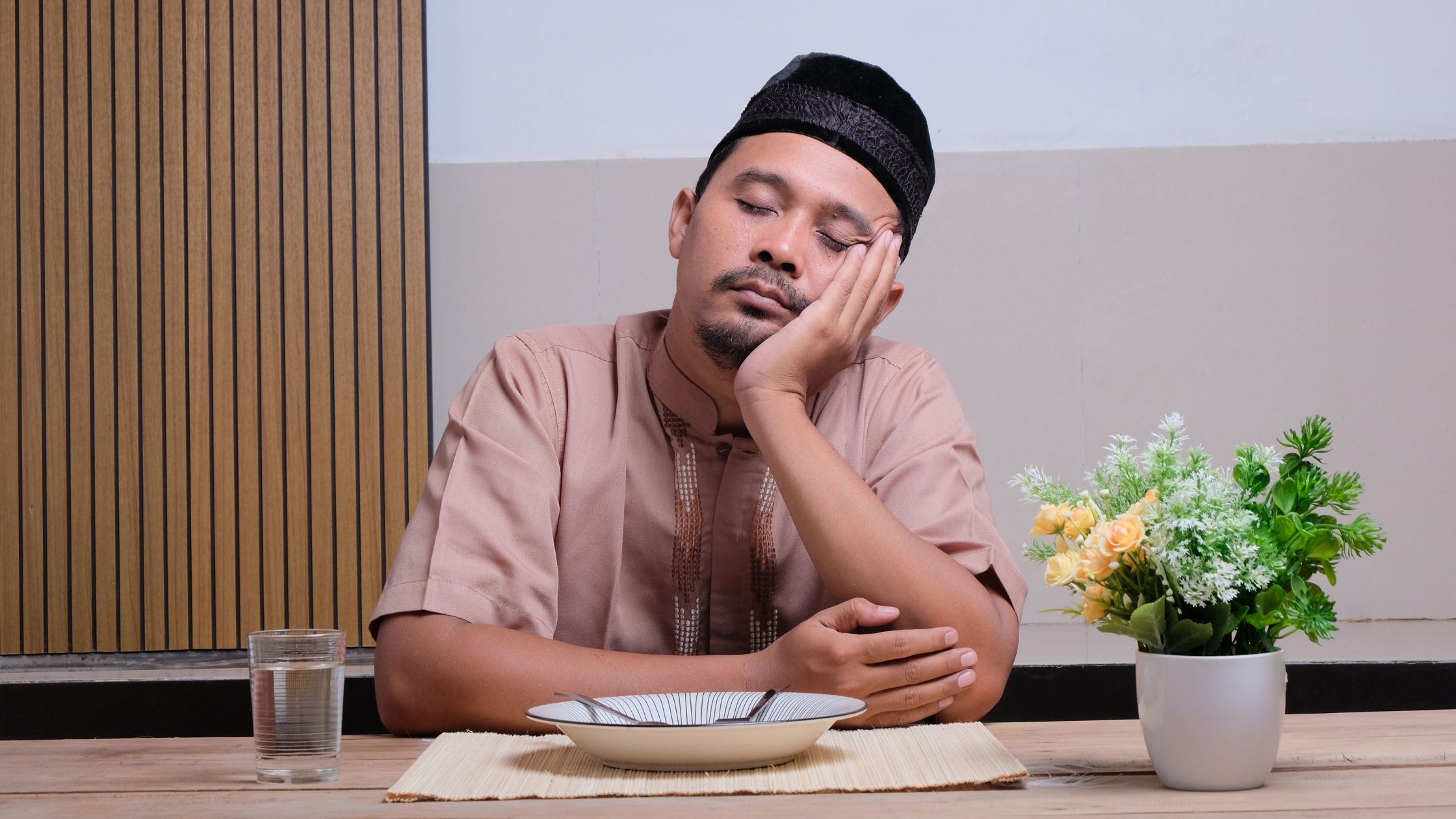
During Ramadan, daily routines naturally shift. Nights become more active with suhoor, taraweeh prayers, and family gatherings, while fasting hours reshape daytime schedules. In Dubai, where work and family responsibilities continue throughout the month, many people find their sleep patterns changing significantly.

While these changes are expected, they can sometimes lead to fatigue, headaches, reduced concentration, or mood fluctuations. Understanding how sleep affects health during Ramadan helps individuals adapt their routines while protecting their wellbeing.

Family medicine focuses on helping patients maintain balance during lifestyle changes such as fasting, ensuring that sleep disruption does not affect long-term health.

Why sleep patterns change during Ramadan

Ramadan alters the body’s natural circadian rhythm. Instead of a single long sleep period at night, many people divide their sleep into shorter intervals around late-night activities and early morning suhoor.

Common Ramadan sleep changes include:

  • Sleeping later after evening prayers or social gatherings
  • Waking earlier for suhoor
  • Taking daytime naps to compensate for shorter night sleep
  • Irregular sleep schedules across the month

These adjustments are often manageable, but inconsistent sleep patterns may still affect energy, mood, and physical health.

How disrupted sleep affects the body

Sleep plays an essential role in regulating many biological processes. When sleep becomes fragmented or insufficient, several systems in the body may be affected.

Short-term sleep disruption during Ramadan may lead to:

  • Daytime fatigue and reduced productivity
  • Difficulty concentrating or memory lapses
  • Irritability or mood changes
  • Increased cravings for sugary foods

Over time, persistent sleep deprivation can influence metabolism, immunity, and cardiovascular health. Even temporary changes during Ramadan can feel more intense if rest is consistently limited.

The connection between sleep and energy during fasting

Fasting already places additional demands on the body, particularly during long daylight hours. When sleep is reduced, the body has fewer opportunities to recover and regulate hormones that control appetite, stress, and energy.

Poor sleep may make fasting feel more difficult by:

  • Increasing afternoon fatigue
  • Reducing mental clarity at work or school
  • Triggering stronger hunger signals
  • Affecting mood and emotional resilience

Balancing sleep and fasting routines helps maintain stable energy throughout the day.

Healthy sleep strategies during Ramadan

Maintaining perfect sleep routines during Ramadan is rarely realistic. However, a few adjustments can support better rest and energy.

Helpful strategies include:

  • Prioritising consistent sleep times whenever possible
  • Limiting heavy meals right before sleeping
  • Creating a calm sleep environment after evening activities
  • Using short daytime naps to recover lost sleep

Even small improvements in sleep quality can make fasting days feel significantly easier.

When sleep problems become more serious

While occasional fatigue is normal during Ramadan, ongoing sleep disturbances should not be ignored. Persistent insomnia, extreme daytime sleepiness, or frequent headaches may indicate underlying sleep issues.

Certain individuals are more sensitive to sleep disruption, including those managing chronic conditions, stress, or existing sleep disorders. In these cases, professional guidance can help restore healthier sleep patterns.

Through Sleep Disturbance & Lifestyle Counseling, family physicians evaluate sleep habits, lifestyle factors, and medical influences that may be affecting rest during Ramadan.

Stress, sleep, and Ramadan routines

Changes in routine, late-night schedules, and balancing work with fasting can sometimes increase stress levels. Stress itself may interfere with falling asleep or staying asleep, creating a cycle of fatigue and reduced resilience.

Family medicine takes a holistic view of sleep health. Addressing stress, daily structure, and lifestyle patterns alongside medical considerations allows patients to improve sleep quality without unnecessary medication.

Supporting sleep across all life stages

Sleep needs and challenges vary across different age groups. Young professionals may struggle with long workdays followed by late-night social commitments. Parents may balance family schedules and children’s routines. Older adults may experience more sensitive sleep cycles.

Family doctors help patients adjust sleep strategies according to their lifestyle, health history, and Ramadan routines.

At Westminster Clinic in Dubai Healthcare City, our experienced family physicians support individuals and families with practical guidance that fits the rhythm of Ramadan life.

Maintaining health throughout Ramadan

Sleep is just as important as nutrition and hydration when fasting. Protecting rest helps maintain energy, emotional balance, and physical wellbeing throughout the month.

Through comprehensive Family Medicine Services, patients receive coordinated care that addresses lifestyle changes such as fasting while supporting long-term health.

When to seek support for sleep concerns

If fatigue becomes overwhelming, sleep remains disrupted for weeks, or daytime functioning is affected, medical advice can provide clarity and reassurance.

If you are living in Dubai and experiencing sleep difficulties during Ramadan, our family medicine doctors are here to help. Patients from Abu Dhabi and Al Ain also visit us for continuity-focused care.

You may explore our Sleep Disturbance & Lifestyle Counseling services or get in touch through our Contact Us page to receive personalised guidance for healthier sleep during Ramadan.

January 26, 2026

If you’re parenting a teenager with ADHD, some days may feel like you’re constantly firefighting. Missed homework, emotional outbursts, school complaints, forgotten routines, and daily arguments can leave parents feeling exhausted, worried, and unsure if they’re doing the right thing. In Dubai’s academically competitive and socially demanding environment, these challenges can feel even heavier — especially when expectations at home and school don’t always match your child’s emotional capacity.

Understanding ADHD Beyond “Inattention”

ADHD is often misunderstood as simply a problem with focus or behaviour. In reality, it is a neurodevelopmental condition that affects attention regulation, impulse control, emotional processing, and executive functioning. For teenagers, this can show up as forgetfulness, difficulty following instructions, mood swings, frustration, or appearing unmotivated — even when they care deeply.

Adolescence itself is a period of intense emotional and neurological change. When ADHD is present, these changes can feel amplified. Teens may struggle to organise tasks, regulate emotions, or keep up with academic demands, which can impact self-esteem and family relationships if not approached with understanding.

A Question Many Parents Quietly Ask

“Is this normal teenage behaviour, or is ADHD taking over?”

This uncertainty is one of the most stressful parts of parenting a teen with ADHD. Parents often worry about being too strict, too lenient, or missing signs that their child needs more support. Psychiatry helps clarify these concerns by distinguishing developmental behaviour from ADHD-related challenges and guiding parents toward effective, realistic strategies.

Managing Challenges at Home

At home, structure and emotional safety matter more than perfection. Teens with ADHD often respond better to predictable routines and clear expectations rather than constant correction. Arguments usually escalate not because of defiance, but because frustration builds on both sides.

Helpful approaches include:

  • Breaking tasks into smaller, manageable steps
  • Using visual reminders rather than repeated verbal instructions
  • Staying calm during emotional outbursts and addressing issues once emotions settle
  • Focusing on effort and progress rather than outcomes alone

Parenting a teen with ADHD requires patience, but also support for parents themselves. Feeling overwhelmed does not mean you are failing — it means the situation is demanding.

Navigating School Pressures in Dubai

Schools in Dubai are academically rigorous, and teens with ADHD may feel constantly behind despite trying hard. Difficulties with attention, time management, and emotional regulation can affect classroom behaviour, homework completion, and exam performance.

Psychiatric support helps families work collaboratively with schools by providing clarity around diagnosis, strengths, and accommodations. With the right guidance, many teens begin to feel understood rather than labelled, which can significantly improve confidence and engagement at school.

If your child is struggling with focus, impulsivity, or emotional regulation, learning more about ADHD diagnosis and treatment for children and adolescents can help families understand available support pathways.

Emotional Impact on Teens and Parents

ADHD does not only affect behaviour — it affects emotions. Teens may internalise repeated criticism and begin to see themselves as “lazy” or “difficult,” even when they are working harder than others. Parents, meanwhile, may experience guilt, frustration, or anxiety about the future.

Psychiatry supports both the teen and the family unit. Treatment may include behavioural strategies, parent guidance, therapy, and when appropriate, medication to support attention and emotional regulation. The goal is not to change who your child is, but to help them function with greater confidence and stability.

When ADHD Affects Mood, Sleep, or Anxiety

Many teens with ADHD also experience sleep difficulties, anxiety, or low mood — especially under academic or social pressure. These overlapping challenges can intensify behavioural issues if left unaddressed.

Support for sleep disorders and insomnia can help restore emotional balance, while understanding anxiety and panic attack management may reduce emotional reactivity and school-related stress. Addressing co-existing concerns often improves overall behaviour and family harmony.

Strengthening the Parent–Teen Relationship

One of the most important outcomes of psychiatric care is improved communication. When teens feel understood rather than controlled, trust grows. When parents feel supported rather than blamed, confidence returns.

Couples and families often find that understanding emotional patterns reduces conflict across the household. In some cases, broader family or relationship counselling can support parents in staying aligned and emotionally resilient while navigating ADHD-related challenges together.

Looking Ahead with Confidence

Teens with ADHD can thrive when given the right support. Many grow into creative, capable adults once they understand how their minds work and feel supported rather than judged. Early psychiatric guidance helps families move from constant crisis management to long-term planning and emotional stability.

If you live in Dubai, Abu Dhabi, or Al Ain and are parenting a teenager with ADHD, our psychiatry specialists at Westminster Clinic, Dubai Healthcare City, offer compassionate, confidential support for both teens and parents through our comprehensive Psychiatry services. We work closely with families to improve emotional regulation, academic functioning, and home life balance. When you’re ready to take the next step, you can contact us to book a consultation and explore how psychiatric care can support your family.


January 26, 2026

Have you ever thought about couples therapy only when a relationship feels close to breaking point? Many couples in Dubai consider seeking help only during moments of intense conflict, misunderstanding, or emotional distance. Yet couples therapy is not just about fixing what feels broken. Increasingly, it is recognised as a proactive and supportive way to strengthen connection, improve communication, and build emotional resilience long before problems escalate.

Moving Beyond the Myth of “Crisis-Only” Therapy

There is a common misconception that couples therapy is a last resort. In reality, healthy relationships also benefit from guidance and reflection. Just as individuals invest in physical fitness or career coaching, couples can invest in emotional fitness together.

In Dubai’s fast-paced and multicultural environment, relationships face unique pressures. Long working hours, career transitions, financial responsibilities, parenting demands, and the challenges of expat life can all strain even strong partnerships. Couples therapy offers a safe, neutral space to pause, reflect, and reconnect without blame or judgment.

What Couples Therapy Really Focuses On

Couples therapy is not about deciding who is right or wrong. Its focus is on understanding patterns — how partners communicate, react under stress, and express emotional needs. Many conflicts repeat not because of lack of love, but because couples get stuck in cycles of misunderstanding.

Therapy helps couples:

  • Communicate more clearly and calmly
  • Understand each other’s emotional triggers
  • Feel heard without becoming defensive
  • Strengthen trust and emotional safety
  • Rebuild connection during busy or stressful phases of life

At Westminster Clinic in Dubai Healthcare City, our psychiatry specialists in Dubai work with couples using evidence-based approaches that respect cultural values, privacy, and individual boundaries.

Strengthening Connection, Not Just Resolving Arguments

One of the most valuable aspects of couples therapy is that it focuses on connection, not just conflict. Many couples attend therapy even when they are not arguing frequently, but feel emotionally distant, disconnected, or “out of sync.” Over time, emotional closeness can fade quietly under daily responsibilities.

Couples therapy helps partners rediscover emotional intimacy by improving empathy, emotional awareness, and mutual understanding. This deeper connection often leads to fewer conflicts naturally, because partners feel safer expressing needs before frustration builds.

Proactive Support During Life Transitions

Relationships often feel the most strain during periods of change. These may include marriage, becoming parents, relocating to Dubai, career changes, health challenges, or caring for extended family. Even positive changes can create stress and emotional imbalance within a relationship.

Seeking support during these transitions is not a sign of weakness. It is a proactive step that helps couples navigate change together rather than drifting apart. Therapy provides tools to manage expectations, communicate openly, and support one another through uncertainty.

When Mental Health Affects the Relationship

Individual mental health challenges can also impact relationships. Anxiety, depression, chronic stress, or burnout may affect emotional availability, patience, or communication. Couples therapy can help partners understand how mental health influences relationship dynamics and how to support each other more effectively.

For example, learning about anxiety and panic attack management can help couples recognise how anxiety shapes reactions and reduce misunderstandings rooted in fear rather than intention.

Similarly, when low mood or emotional withdrawal is present, understanding options for depression treatment in Dubai can support both partners in navigating emotional challenges with compassion instead of frustration.

Communication as Emotional Fitness for Couples

Emotional fitness is not only individual; it exists within relationships too. Couples therapy strengthens this shared emotional fitness by teaching skills such as active listening, emotional regulation, and respectful expression of needs.

Over time, couples often notice improved communication not only between themselves, but also in parenting, work, and extended family interactions. The benefits extend far beyond the therapy room, supporting long-term relational well-being.

Therapy in a Culturally Respectful, Confidential Setting

In a diverse city like Dubai, couples may come from different cultural, religious, or family backgrounds. Therapy at Westminster Clinic is delivered with sensitivity to these differences, ensuring that care feels respectful, confidential, and aligned with personal values.

Our mental health experts provide support within Dubai Healthcare City, offering a safe and professional environment where couples can speak openly without fear of judgment or exposure.

Not Just for Conflict — But for Growth

Perhaps the most important message is that couples therapy is not only about solving problems. It is about growth, connection, and emotional understanding. Many couples describe therapy as a space where they finally learn how to truly listen to each other and feel understood.

Whether you are newly married, long-term partners, or navigating a challenging phase, therapy can strengthen the foundation of your relationship and help prevent future distress.

To learn more about how structured support can strengthen partnership and communication, explore our couples therapy and relationship counselling services.

Investing in Your Relationship’s Future

Strong relationships are built intentionally, not only during moments of crisis. Choosing couples therapy is an investment in emotional connection, mutual understanding, and long-term stability.

If you live in Dubai, Abu Dhabi, or Al Ain and would like to strengthen your relationship beyond conflict, our psychiatry specialists at Westminster Clinic, Dubai Healthcare City, are here to support you with compassionate, confidential care. When you’re ready to take a proactive step toward deeper connection, you can contact us to book a consultation and begin strengthening your relationship together.

January 26, 2026

Have you ever wondered why you can be physically healthy, professionally successful, and still feel emotionally drained? Many adults in Dubai push through demanding schedules, family responsibilities, and social expectations while quietly neglecting their emotional well-being. Just as physical fitness requires regular care, emotional fitness also needs attention, guidance, and sometimes professional support. Psychiatry can play a powerful role in building this strength proactively — not only when life feels overwhelming.

What “Emotional Fitness” Means in Real Life

Emotional fitness is the ability to understand your feelings, respond to stress without spiralling, and recover when life knocks you off balance. It doesn’t mean being positive all the time or never struggling. It means having steadier ground beneath you — so that challenges feel manageable instead of consuming.

In Dubai’s fast-paced, high-achievement culture, emotional fitness can quietly weaken without anyone noticing. You may still show up at work, care for your family, and keep social plans, but inside you feel tense, irritable, distracted, or numb. Over time, that internal strain can affect sleep, relationships, and confidence.

Psychiatry as Proactive, Preventive Care

Many people still believe psychiatry is only for severe mental illness or crisis situations. Modern psychiatry is also preventive. Think of it like a personal trainer for your mental well-being — helping you recognise patterns early, strengthen coping skills, and protect your emotional health long before symptoms become disruptive.

Preventive psychiatric care can help you:

  • Recognise early signs of emotional overload
  • Understand stress responses and unhelpful thinking loops
  • Build healthier coping strategies for work, relationships, and change
  • Improve sleep, focus, and motivation
  • Reduce the risk of anxiety, depression, and burnout

At Westminster Clinic in Dubai Healthcare City, our psychiatry specialists in Dubai support adults with compassionate, confidential, evidence-based care. The aim is not to label you, but to help you function with more clarity, steadiness, and self-understanding.

When “High-Functioning” Still Feels Hard

Many adults seeking help are high-functioning on the outside. They lead teams, manage households, and appear “fine,” yet feel constantly on edge. Emotional fitness isn’t measured by productivity. If your mind is always racing, if you can’t switch off, or if you feel like you’re carrying invisible weight, that’s your nervous system asking for support.

Common signs include:

  • Overthinking and constant mental replay
  • Feeling tense even during rest
  • Mood swings or reduced patience
  • A sense of emotional numbness or disconnection
  • Difficulty concentrating or making decisions

These are not personal failures. They are common human responses to chronic pressure, especially in multicultural environments where people may also be balancing identity, family expectations, and the loneliness that can come with expat life.

How Psychiatry Builds Emotional Fitness

Psychiatric care is tailored. Some people benefit most from structured therapy, others from lifestyle guidance and skills-building, and some from medication when symptoms are significantly impacting daily life. Medication isn’t about “changing your personality.” When used appropriately, it can reduce the intensity of symptoms so you can think more clearly, sleep better, and engage more effectively in therapy and daily life.

Psychiatry supports emotional fitness by helping you:

  • Name what you’re experiencing (without judgment)
  • Understand triggers and body-based stress responses
  • Practise emotional regulation skills in real-world situations
  • Create a treatment plan that fits your values, routines, and goals

Anxiety: The Quiet Drain on Confidence and Calm

Anxiety often erodes emotional fitness slowly. It can look like constant worry, tightness in the chest, restlessness, or a feeling that something bad is about to happen even when things seem “fine.” Over time, anxiety can shrink your world — making you avoid conversations, meetings, travel, or even relaxation.

If worry or panic symptoms have been interfering with your day-to-day life, our page on anxiety and panic attack management explains how psychiatric support can help restore calm, confidence, and emotional steadiness.

Mood and Motivation: When It’s More Than “Just Stress”

Depression doesn’t always appear as tears or obvious sadness. For many adults, it shows up as exhaustion, reduced motivation, a sense of heaviness, or feeling detached from things that used to matter. People in demanding roles often keep going — until the emotional battery feels completely depleted.

If low mood, fatigue, or loss of interest has been lingering, exploring depression treatment in Dubai can be a meaningful step toward understanding what’s happening and finding a path back to yourself.

Sleep: The Foundation of Emotional Strength

Sleep is one of the clearest mirrors of emotional fitness. When the mind is overloaded, sleep becomes lighter, shorter, and more fragmented. You may lie awake with racing thoughts or wake up tired no matter how many hours you spent in bed.

Support for sleep disorders and insomnia therapy can help identify what’s driving sleep disruption — whether it’s anxiety, stress, mood changes, or a deeper sleep-related condition — and build a plan that restores real, restorative rest.

Burnout: When Your Mind and Body Say “Enough”

Burnout isn’t laziness. It’s a prolonged stress response that can leave you emotionally drained, mentally foggy, and physically tired. In Dubai’s competitive work culture, many people normalise burnout until it begins affecting health, performance, or relationships.

If you feel emotionally exhausted or stuck in survival mode, our stress and burnout recovery programs explain how structured psychiatric support can help you reset, rebuild resilience, and prevent the cycle from repeating.

Emotional Fitness Is a Long-Term Investment

The most hopeful part of emotional fitness is that it can be strengthened at any stage of life. Seeking psychiatric support doesn’t mean you’ve failed. It means you’re taking your mind seriously — the same way you would take care of your heart, nutrition, or physical strength.

If you’d like a broader view of how our team supports adult mental well-being, you can also explore our Psychiatry services.

A Healthier, Stronger Year Starts with One Step

If you live in Dubai, Abu Dhabi, or Al Ain and want to build emotional resilience, prevent burnout, or better understand what you’re feeling, our psychiatry specialists at Westminster Clinic, Dubai Healthcare City, are here to support you with compassionate, confidential care. When you’re ready, you can contact us to book a consultation and take a proactive step toward long-term emotional fitness.

January 26, 2026

Have you ever stepped into a new year full of plans, yet felt mentally exhausted before it even begins? For many adults living in Dubai, January arrives with pressure to perform, improve, and move faster, while the mind quietly carries unresolved stress from the year before. This inner overload can make even the most promising fresh start feel heavy. A mental detox offers a gentler, more sustainable way to begin the year — by resetting the mind before demanding more from it.

What Does a Mental Detox Really Mean?

A mental detox is not about ignoring problems or forcing constant positivity. Instead, it is the process of becoming aware of emotional clutter and slowly releasing what no longer supports your well-being. Just as physical spaces become overwhelming when overcrowded, the mind becomes strained when it holds too many worries, expectations, and unprocessed emotions.

In Dubai’s fast-paced lifestyle, emotional build-up is common. Long working hours, performance-driven environments, family responsibilities, and the unique pressures faced by expatriates can all contribute to chronic mental fatigue. Over time, this can show up as irritability, difficulty concentrating, disrupted sleep, or a constant feeling of being “on edge,” even during moments meant for rest.

Why the New Year Is the Right Time to Reset

The start of a new year naturally invites reflection. Yet many people focus only on external goals — career milestones, fitness targets, or financial plans — while overlooking emotional health. True productivity is difficult to sustain when the mind feels overwhelmed. A mental detox helps align internal well-being with external ambitions, allowing goals to feel achievable rather than draining.

When emotional stress is left unaddressed, it can quietly develop into challenges such as anxiety, depression, burnout, or sleep disorders. These concerns are increasingly common among professionals in Dubai and are often masked by high performance. Addressing mental health early creates resilience and emotional balance that supports long-term success.

Signs Your Mind May Need a Detox

You may benefit from a mental detox if you notice:

  • Constant overthinking or racing thoughts
  • Difficulty switching off from work, even at home
  • Poor sleep linked to stress or worry
  • Feeling emotionally numb or unmotivated
  • Reduced patience or increased irritability

These experiences are not signs of weakness. They are signals that your mind needs care and attention, just as the body does when it is overtired.

The Role of Mindfulness in Emotional Decluttering

Mindfulness is a cornerstone of mental detox. It involves paying attention to the present moment with curiosity rather than judgment. This small shift can significantly reduce emotional reactivity and create space between stressful thoughts and automatic reactions.

Mindfulness does not require long meditation sessions. It can be practised through simple daily habits, such as noticing your breathing during tense moments, becoming aware of emotional triggers, or allowing brief pauses between tasks. Over time, these practices help calm the nervous system and restore a sense of internal balance.

When Stress and Anxiety Need Professional Support

While mindfulness and self-care are powerful tools, they are not always enough on their own. Persistent stress, anxiety, or emotional overwhelm may benefit from professional psychiatric support. Many adults delay seeking help because they feel they should manage alone, particularly in high-achieving environments like Dubai.

Our psychiatry specialists in Dubai support adults experiencing anxiety, panic symptoms, emotional overload, and chronic stress. Care is confidential, culturally sensitive, and evidence-based, delivered within the secure setting of Dubai Healthcare City. Depending on individual needs, support may include therapy, medication, or a thoughtful combination of both. Learn more about compassionate anxiety and panic attack management in Dubai and how early support can restore emotional calm.

Letting Go of Emotional Baggage from the Past Year

Emotional decluttering also means gently addressing unresolved experiences. This may include disappointments, strained relationships, or self-imposed expectations that are no longer realistic. Carrying emotional weight from one year into the next often limits growth and drains motivation, even when life appears successful externally.

For some individuals, emotional heaviness or exhaustion may be linked to depression rather than temporary stress. Depression does not always present as sadness; it may show up as low energy, lack of interest, or feeling disconnected from daily life. A professional assessment helps clarify what you are experiencing and guides appropriate treatment. If low mood has been affecting your routine, exploring depression treatment in Dubai can be an important step toward recovery.

Sleep, Focus, and Mental Clarity

Quality sleep is deeply connected to mental detox. When the mind is overloaded, sleep often becomes light, fragmented, or unrefreshing. Many adults in Dubai report difficulty falling asleep due to racing thoughts or waking up already feeling mentally tired.

Improving emotional regulation often leads to better sleep, which in turn strengthens concentration, memory, and mood. Psychiatric care can help determine whether sleep challenges are linked to stress, anxiety, or underlying sleep disorders. Understanding and addressing these factors is essential for restoring mental clarity. Support for
sleep disorders and insomnia therapy can play a key role in a successful mental reset.

Redefining Productivity Through Mental Well-Being

A productive year does not require constant pressure. Sustainable productivity grows from balance, focus, and emotional stability. When the mind is calmer, decision-making improves, relationships feel more present, and work becomes more meaningful rather than exhausting.

Many adults discover that after addressing mental health challenges, they perform better professionally and feel more connected personally. A mental detox is not a single moment, but an ongoing commitment to awareness, boundaries, and self-compassion. For individuals experiencing chronic stress or burnout, structured psychiatric support through
stress and burnout recovery programs can be deeply restorative.

Starting 2026 with Intention and Support

As the new year begins, consider what you want to release emotionally and what you want to nurture moving forward. Mental clarity is not achieved by pushing harder, but by caring for your inner well-being with intention and support. Whether you are feeling overwhelmed, emotionally exhausted, or simply disconnected from yourself, help is available.

If you live in Dubai, Abu Dhabi, or Al Ain and are ready to reset your mind for a healthier, more productive year, our psychiatry specialists at Westminster Clinic, Dubai Healthcare City, are here to support you. We provide compassionate, confidential psychiatric care tailored to individual needs. To take the first step toward emotional clarity and balance, we invite you to
contact us and begin your journey toward a calmer, more focused 2026.


January 26, 2026

Shoulder pain often starts quietly. It may feel like a mild ache when reaching overhead, discomfort while sleeping on one side, or stiffness after a long day at work or the gym. Many people in Dubai ignore these early signs, assuming the pain will settle on its own. But the shoulder is one of the most complex and mobile joints in the body, and when discomfort appears, it’s often a signal that something needs attention.

From rotator cuff issues to overuse injuries, shoulder pain can affect daily activities more than expected — lifting objects, driving, exercising, or even simple movements like getting dressed. Understanding what causes shoulder pain and when to seek care can help prevent minor discomfort from turning into long-term limitation.

Why the Shoulder Is Prone to Pain and Injury

The shoulder joint allows an impressive range of motion, making it essential for daily tasks and sports. However, this flexibility comes at a cost. The joint relies heavily on muscles, tendons, and ligaments for stability, rather than deep bone support.

Because of this structure, the shoulder is more vulnerable to strain, overuse, and imbalance. Repetitive movements, poor posture, sudden increases in activity, or weakness in surrounding muscles can all place extra stress on the joint.

In Dubai’s active lifestyle — with gym workouts, racket sports, swimming, desk work, and frequent travel — shoulder strain is particularly common.

Common Causes of Shoulder Pain

Shoulder discomfort can arise from several different conditions, each with its own pattern of symptoms. Recognizing the cause helps guide the right treatment.

  • Rotator Cuff Tendonitis or Tears: Often cause pain when lifting the arm or reaching overhead.
  • Shoulder Impingement: Occurs when tendons become compressed during movement, leading to sharp or catching pain.
  • Overuse Injuries: Repetitive activities like swimming, tennis, or weight training can strain the shoulder over time.
  • Frozen Shoulder: Leads to progressive stiffness and reduced range of motion.
  • Poor Posture: Slouched shoulders and forward head posture increase strain on shoulder muscles and tendons.

Many of these issues develop gradually, making early recognition especially important.

Early Signs You Shouldn’t Ignore

Shoulder pain rarely appears suddenly without warning. Most conditions begin with subtle symptoms that worsen if left untreated.

Early signs include:

  • Pain when lifting or rotating the arm
  • Discomfort during or after exercise
  • Stiffness, especially in the morning
  • Weakness or reduced range of motion
  • Pain that worsens at night or while sleeping on one side

Paying attention to these early cues allows for simpler, more effective treatment.

Understanding Rotator Cuff Injuries

The rotator cuff is a group of muscles and tendons that stabilize the shoulder and guide movement. Injuries to this area are one of the most common causes of shoulder pain, especially in active adults and individuals over 40.

Rotator cuff problems may result from:

  • Repetitive overhead activity
  • Sudden strain or lifting
  • Age-related tendon wear
  • Poor shoulder mechanics

Symptoms often include pain during overhead movement, weakness, and difficulty performing everyday tasks. Early management can often prevent the need for surgical intervention.

You can learn more about advanced care options through our page on shoulder pain and rotator cuff repair.

How Overuse Injuries Develop

Overuse injuries occur when the shoulder is subjected to repeated stress without adequate recovery. This is common among gym enthusiasts, swimmers, tennis players, and individuals with physically demanding jobs.

Common contributing factors include:

  • Sudden increases in training intensity
  • Poor exercise technique
  • Inadequate rest between workouts
  • Muscle imbalances around the shoulder
  • Weak core or upper back muscles

Over time, these factors cause micro-damage to tendons and muscles, leading to pain and inflammation.

Why Early Treatment Makes a Difference

Ignoring shoulder pain can allow inflammation to worsen, movement to become restricted, and strength to decline. Early treatment often leads to faster recovery and prevents chronic issues.

Conservative treatment options may include:

  • Physiotherapy to restore strength and mobility
  • Posture correction and ergonomic adjustments
  • Activity modification to reduce strain
  • Anti-inflammatory treatments when appropriate
  • Image-guided injections for targeted relief

You can explore non-surgical treatment options through our rehabilitation and physiotherapy and orthopedic injections and image-guided therapies.

Early care often avoids prolonged pain and more invasive procedures.

When Shoulder Pain Needs Specialist Attention

While mild discomfort may improve with rest, certain symptoms indicate the need for professional evaluation.

Seek orthopedic advice if you experience:

  • Pain lasting more than two weeks
  • Progressive weakness or loss of movement
  • Night pain disrupting sleep
  • Pain after a fall or sudden injury
  • Clicking, catching, or instability in the shoulder

An accurate diagnosis ensures the right treatment is started early.

How Orthopedic Specialists Assess Shoulder Pain

A thorough evaluation involves understanding how the pain started, how it affects your movement, and which activities worsen it. Imaging may be used to assess tendon health, joint alignment, or inflammation.

At Westminster Orthopedics, our specialists focus on identifying the exact cause of discomfort and tailoring treatment accordingly. You can learn more about our comprehensive approach on the main Orthopedics Service page.

A Practical Approach for Active Adults in Dubai

Many people in Dubai want to stay active — exercising regularly, participating in sports, and maintaining busy professional lives. Shoulder care must support these goals, not restrict them.

At Westminster Orthopedics in Dubai Healthcare City, our approach balances treatment with lifestyle needs. Whether your goal is returning to the gym, playing sports pain-free, or simply sleeping comfortably again, care plans are designed to restore confidence in movement.

Your Partner in Healthy, Pain-Free Shoulder Movement

Shoulder pain does not have to be something you “push through.” With early recognition, proper guidance, and personalized care, most shoulder conditions can be managed effectively.

Understanding your symptoms, listening to your body, and seeking timely support are the keys to maintaining long-term shoulder health.

Ready to Address Shoulder Pain Early?

If shoulder discomfort is limiting your movement or affecting your daily life, our orthopedic specialists in Dubai are here to help.
Book a consultation through our Contact page and take the first step toward comfortable, confident shoulder movement.


January 26, 2026

Hearing the word “surgery” can stop anyone in their tracks. Even when it’s recommended with the best intentions, the idea of an operation often brings a mix of concern, uncertainty, and questions. In Dubai, where access to advanced healthcare is excellent and treatment options are diverse, many patients find themselves wondering whether surgery is truly the only path forward — or whether another perspective might offer reassurance.

Seeking a second opinion before surgery is not about distrust or delay. It’s about clarity, confidence, and peace of mind. For many patients, a second opinion confirms the original recommendation. For others, it opens the door to alternative treatments or a better understanding of timing and recovery. Either way, it empowers you to make informed decisions about your body and your future.

Why Surgery Decisions Deserve Extra Confidence

Surgery is a significant step. It often involves preparation, recovery time, lifestyle adjustments, and emotional readiness — not just the procedure itself. While modern orthopedic surgery is highly advanced and often minimally invasive, it still carries responsibilities and long-term considerations.

Confirming a major treatment plan helps you feel confident that surgery is necessary, appropriate, and aligned with your personal goals. It also allows you to fully understand the condition being treated, the expected outcomes, and the available alternatives.

Confidence reduces anxiety — and peace of mind supports better recovery.

What a Second Opinion Really Means

A second opinion is a fresh, independent evaluation of your diagnosis and treatment plan by another experienced specialist. It does not replace your first doctor’s expertise — instead, it complements it.

During a second opinion, the specialist may:

  • Review your imaging and test results
  • Reassess your diagnosis
  • Discuss non-surgical or less invasive options
  • Confirm whether surgery is the best next step
  • Offer insight into recovery timelines and expectations

For many patients, simply hearing the same recommendation explained in a different way provides reassurance and clarity.

Common Situations Where a Second Opinion Is Helpful

While second opinions are always reasonable, they can be especially valuable in certain situations. These include:

  • When surgery is elective rather than urgent
  • When symptoms are manageable but persistent
  • When the diagnosis is unclear or complex
  • When multiple treatment options exist
  • When surgery may significantly affect work or lifestyle
  • When you feel uncertain or pressured to decide quickly

In these moments, taking time to confirm your plan helps ensure you move forward with confidence rather than doubt.

Understanding Non-Surgical Options First

Not all orthopedic conditions require surgery. Many joint, spine, and soft-tissue problems respond well to conservative treatments when addressed early or appropriately.

A second opinion may explore options such as:

  • Physiotherapy and guided rehabilitation
  • Targeted strengthening and mobility programs
  • Image-guided injections to reduce inflammation
  • PRP or regenerative therapies
  • Lifestyle and activity modifications

You can explore these approaches further through our pages on rehabilitation and physiotherapy for orthopedic conditions and orthopedic injections and image-guided therapies.

Understanding all available options helps you choose the path that fits your condition — and your life.

When Surgery Is the Right Choice

In many cases, a second opinion confirms that surgery is indeed the most effective solution. This confirmation can be incredibly reassuring. Knowing that more than one specialist agrees on the need for surgery helps patients move forward without lingering doubt.

A second opinion may clarify:

  • Why surgery is necessary now
  • What type of surgery is most appropriate
  • Whether minimally invasive techniques are suitable
  • What recovery will realistically look like
  • How surgery aligns with long-term mobility goals

Clarity allows you to prepare mentally, physically, and emotionally for the procedure.

Questions a Second Opinion Can Help You Answer

One of the most valuable aspects of a second opinion is the opportunity to ask questions — without urgency or pressure.

Common questions include:

  • Is surgery my only option right now?
  • What happens if I delay treatment?
  • Are there less invasive alternatives?
  • What are the risks and benefits of surgery?
  • How long is recovery, realistically?
  • Will this surgery restore function or reduce pain long-term?

Having these answers helps you feel in control of your decision rather than overwhelmed by it.

Why Peace of Mind Matters Before Surgery

Stress and uncertainty can affect more than emotions — they influence recovery. Patients who feel confident about their treatment plan often approach surgery with a more positive mindset, which supports smoother rehabilitation and better outcomes.

Peace of mind allows you to:

  • Prepare realistically for recovery
  • Communicate clearly with family and employers
  • Commit fully to rehabilitation
  • Trust the process from start to finish

A second opinion is not a delay — it’s an investment in confidence.

What to Expect During an Orthopedic Second Opinion

An orthopedic second opinion is typically thorough, respectful, and patient-focused. The goal is not to rush you into decisions but to help you understand them.

During the consultation, you can expect:

  • A detailed review of your medical history
  • Explanation of your diagnosis in clear terms
  • Discussion of surgical and non-surgical options
  • Honest guidance tailored to your condition and goals
  • Time to ask questions and express concerns

At Westminster Orthopedics, our approach to orthopedic second opinion services focuses on transparency, education, and shared decision-making.

A Practical Approach for Patients in Dubai

Dubai offers access to advanced diagnostics and world-class orthopedic expertise. This makes it an ideal place to seek clarity before making major medical decisions.

At Westminster Orthopedics in Dubai Healthcare City, our specialists support patients who want reassurance, confirmation, or a deeper understanding of their treatment options. Whether surgery is ultimately recommended or not, our goal is to help you move forward feeling informed and confident.

Your Health, Your Decision

Choosing whether or not to proceed with surgery is deeply personal. There is no “one-size-fits-all” answer — only what is right for your body, your condition, and your life.

Seeking a second opinion is not about questioning care; it’s about advocating for yourself. It’s a sign of thoughtful, proactive healthcare — and a step toward making decisions with clarity rather than uncertainty.

Ready to Gain Clarity Before Surgery?

If you’ve been advised to undergo orthopedic surgery and want reassurance or a clearer understanding of your options, our experienced orthopedic specialists in Dubai are here to help.
Book a consultation through our Contact page and move forward with confidence, clarity, and peace of mind.


January 26, 2026

The start of a new year often brings a renewed sense of motivation. In Dubai, January feels especially energising — cooler mornings, outdoor walks, fresh routines, and a collective desire to feel healthier and stronger. Many people focus on fitness goals, weight management, or stress reduction, but one essential area is often overlooked: bone and joint health.

Your bones and joints support every movement you make — from walking along the beach to lifting groceries, exercising, or simply enjoying time with family. As we age, or even after periods of inactivity, these structures need more intentional care. The good news is that with the right habits and awareness, you can strengthen your bones, protect your joints, and move into the new year with confidence.

Why Bone and Joint Health Deserves a Place in Your New Year Goals

Bones and joints quietly work in the background, often going unnoticed until discomfort appears. Over time, natural changes such as reduced bone density, joint wear, muscle weakness, or stiffness can limit mobility and increase the risk of injury.

In Dubai’s fast-paced lifestyle — with long work hours, frequent driving, travel, and fitness trends that encourage sudden bursts of activity — these issues can appear earlier than expected. Making bone and joint health part of your New Year resolutions helps you stay active, independent, and pain-free in the long term.

A strong foundation now supports everything you want to achieve throughout the year.

Understanding What Keeps Bones and Joints Healthy

Healthy bones rely on density and strength, while healthy joints depend on smooth movement, strong surrounding muscles, and good alignment. Both systems work together — when one weakens, the other compensates, often leading to strain or pain.

Key factors that influence bone and joint health include:

  • Regular, weight-bearing movement
  • Muscle strength and flexibility
  • Adequate nutrition and hydration
  • Good posture and alignment
  • Early management of pain or stiffness

Understanding these basics helps you make smarter, safer choices for your body.

Resolution 1: Stay Consistently Active — Not Suddenly Intense

One of the most common New Year mistakes is jumping into intense workouts after a long break. While enthusiasm is great, sudden increases in activity can overload joints and increase injury risk.

A smarter approach is gradual, consistent movement.

  • Choose Low-Impact Activities: Walking, swimming, cycling, and elliptical training are gentle on joints.
  • Build Intensity Slowly: Increase duration or resistance gradually to allow bones and joints to adapt.
  • Mix Cardio and Strength Training: This combination improves bone density and joint stability.
  • Warm Up Properly: Gentle movement prepares joints for exercise, especially in cooler weather.
  • Rest When Needed: Recovery is part of strengthening, not a setback.

Consistency protects your joints while still delivering long-term fitness benefits.

Resolution 2: Strengthen the Muscles That Protect Your Joints

Muscles act as shock absorbers for your joints. Strong muscles around the knees, hips, shoulders, and spine reduce stress on cartilage and ligaments.

Adding simple strength exercises to your routine supports joint health.

  • Focus on the Core: A strong core stabilises the spine and improves posture.
  • Strengthen the Legs: Quadriceps, hamstrings, and glutes protect the knees and hips.
  • Support the Shoulders: Gentle resistance exercises stabilise shoulder joints.
  • Use Bodyweight or Light Resistance: Heavy weights are not necessary for joint protection.
  • Maintain Proper Technique: Good form prevents unnecessary strain.

For those managing joint discomfort or early arthritis, guided strengthening through joint pain and arthritis management can make exercise both safe and effective.

Strong muscles mean safer, more confident movement every day.

Resolution 3: Nourish Your Bones and Joints From the Inside

What you eat and drink plays a major role in bone and joint strength. Nutrition supports bone density, muscle repair, and joint lubrication.

Key nutritional habits include:

  • Adequate Calcium Intake: Supports bone strength and structure.
  • Vitamin D: Essential for calcium absorption, especially important in indoor lifestyles.
  • Protein: Supports muscle repair and joint stability.
  • Hydration: Keeps joint cartilage nourished and flexible.
  • Anti-Inflammatory Foods: Fruits, vegetables, and healthy fats support joint comfort.

Balanced nutrition helps your body respond better to exercise and recover faster.

Resolution 4: Improve Posture and Daily Movement Habits

Posture affects how weight and pressure are distributed across your joints. Poor alignment places unnecessary strain on the spine, hips, and knees.

Small daily changes can protect your joints significantly.

  • Sit with Support: Keep your feet flat and your back supported during long sitting hours.
  • Avoid Slouching While Using Devices: Screen height and posture matter more than you think.
  • Take Movement Breaks: Stand, stretch, or walk every 45–60 minutes.
  • Lift Smartly: Bend at the knees, not the back.
  • Wear Supportive Footwear: Shoes influence knee and spine alignment.

Good posture reduces wear and tear on joints throughout the day.

Resolution 5: Don’t Ignore Early Signs of Joint or Bone Problems

Many people delay care, assuming stiffness or aches are “normal.” While some discomfort is common, persistent pain is not something you should live with.

Early attention prevents small issues from becoming long-term problems.

Consider seeking evaluation if you notice:

  • Ongoing joint pain or stiffness
  • Reduced range of motion
  • Pain after activity that doesn’t improve
  • Swelling or joint instability
  • Back pain affecting daily movement

Our orthopedic specialists assess these concerns through personalised care plans available on our main Orthopedics Service page. Early diagnosis often leads to simpler, more effective treatment options.

How Preventive Orthopedic Care Supports Long-Term Strength

Preventive care focuses on maintaining strength, flexibility, and alignment before pain becomes limiting. This may include physiotherapy, guided exercise programs, posture correction, or targeted treatments when needed.

You can explore supportive options through our services for rehabilitation and physiotherapy, which help patients of all ages maintain healthy movement.

Prevention empowers you to stay active longer — with fewer interruptions.

A Realistic Approach for Active Adults in Dubai

Life in Dubai is dynamic. Many residents balance work, family, travel, and fitness routines. Bone and joint care must fit naturally into this lifestyle, not feel like another burden.

At Westminster Orthopedics in Dubai Healthcare City, our specialists work with patients to create realistic, sustainable strategies that align with daily life — whether that means staying active at the gym, enjoying outdoor walks, or simply moving comfortably through busy days.

Strong bones and joints support the life you want to live.

Your Partner in Building a Stronger, More Active Year

A new year is not about perfection — it’s about progress. Small, consistent habits protect your bones and joints far more than extreme resolutions that fade quickly.

With the right guidance, education, and support, you can move into the year feeling stronger, steadier, and more confident in your body’s ability to support you.

Ready to Make Bone and Joint Health Your Priority This Year?

If you’re setting health goals for the new year and want to protect your mobility long-term, our orthopedic specialists in Dubai are here to help.
Start your journey toward stronger bones and healthier joints by booking an appointment through our Contact page and step confidently into the year ahead.


January 21, 2026

Osteoporosis is often thought of as a condition that affects only elderly women — something to worry about much later in life. In reality, bone loss can begin quietly much earlier, affecting both men and women, often without obvious symptoms. By the time discomfort or fractures appear, significant bone weakness may already be present.

In Dubai, where many adults lead busy, indoor-focused lifestyles, bone health can be unintentionally overlooked. Long work hours, limited sun exposure, and inconsistent exercise routines can all contribute to reduced bone strength over time. The good news is that osteoporosis is not only preventable — it is manageable when identified early. Understanding the condition and taking proactive steps can protect your mobility and independence for years to come.

What Osteoporosis Really Is — and What It Isn’t

Osteoporosis is a condition where bones gradually lose density, becoming weaker and more fragile. Unlike sudden injuries, this process happens slowly and silently, which is why it’s often called a “silent disease.”

One of the biggest myths is that osteoporosis only affects older women. In truth, men are also at risk, especially as they age, experience hormonal changes, or live with certain lifestyle factors. Younger adults can also develop early bone loss due to inactivity, nutritional deficiencies, or medical conditions.

Understanding that osteoporosis is not age-exclusive is the first step toward prevention.

Why Bone Loss Often Goes Unnoticed

Bones do not ache as they weaken. Many people feel perfectly fine until a minor fall or sudden movement leads to a fracture that seems out of proportion to the injury.

Bone loss often goes unnoticed because:

  • There are no early warning symptoms
  • Strength and mobility may feel normal initially
  • Fractures may be the first visible sign
  • People assume weakness is “normal aging”

This is why awareness and screening are so important — especially before problems arise.

Who Is at Risk for Osteoporosis?

Osteoporosis can affect a wide range of individuals. While age plays a role, many other factors contribute to bone health.

Common risk factors include:

  • Family history of osteoporosis or fractures
  • Low calcium or vitamin D intake
  • Sedentary lifestyle
  • Smoking or excessive alcohol consumption
  • Hormonal changes in men and women
  • Long-term use of certain medications
  • Early menopause or low testosterone levels

Living an active life in Dubai doesn’t automatically protect bones — intentional habits do.

Why Early Screening Makes a Difference

Early screening helps identify bone density loss before fractures occur. It allows you to take preventive steps while bones can still respond well to lifestyle changes and treatment.

Screening may be recommended if you:

  • Have a family history of osteoporosis
  • Experience frequent back pain or height loss
  • Have had a low-impact fracture
  • Are over 50 with additional risk factors
  • Have conditions affecting bone metabolism

Identifying bone loss early can significantly reduce fracture risk later in life.

You can learn more about proactive bone care through our services for osteoporosis management and fall prevention.

Lifestyle Habits That Strengthen Bones

The strength of your bones is influenced daily by how you move, eat, and care for your body. Simple, consistent habits make a meaningful difference.

Key bone-strengthening habits include:

  • Weight-Bearing Exercise: Walking, stair climbing, and resistance training stimulate bone growth.
  • Strength Training: Builds muscle that protects and supports bones.
  • Balanced Nutrition: Adequate calcium, protein, and vitamin D are essential.
  • Sunlight Exposure: Supports natural vitamin D production when done safely.
  • Avoid Smoking: Smoking accelerates bone loss.

These habits support bone density and overall joint health.

Bone Health Is About More Than Calcium

While calcium is essential, bone health depends on a combination of nutrients and physical activity. Protein supports muscle strength, magnesium and vitamin K support bone structure, and hydration helps maintain tissue health.

Equally important is movement. Bones respond to stress — healthy stress from walking, lifting, and controlled exercise. Without it, bones weaken faster.

A holistic approach ensures bones stay resilient and responsive.

The Connection Between Bone Health and Fall Risk

Weaker bones increase the risk of fractures, but falls are often the trigger. Improving balance, strength, and coordination is just as important as improving bone density.

Preventive strategies include:

  • Balance and stability exercises
  • Strengthening the legs and core
  • Improving posture and gait
  • Making the home environment safer

Our specialists often integrate bone care with mobility support through rehabilitation and physiotherapy for orthopedic conditions.

Reducing fall risk protects both bones and confidence.

Osteoporosis in Men: An Overlooked Reality

Men are less likely to be screened for osteoporosis, yet they often experience more severe complications when fractures occur. Bone loss in men may be linked to hormonal changes, reduced activity, or medical conditions.

Encouraging awareness and screening in men is essential — strong bones are not gender-specific.

Early evaluation helps men maintain independence, mobility, and long-term strength.

A Proactive Approach for Life in Dubai

Dubai’s lifestyle offers many opportunities for healthy movement — from outdoor walks to fitness communities and active social routines. However, long work hours, travel, and indoor living can quietly affect bone health.

At Westminster Orthopedics in Dubai Healthcare City, our specialists take a preventive, personalized approach. We help patients understand their bone health, assess risk early, and build sustainable strategies for strength and stability.

Bone health is not about fear — it’s about empowerment.

Your Partner in Stronger Bones at Every Age

Osteoporosis does not define your future. With awareness, early screening, and the right lifestyle choices, you can protect your bones and maintain an active, confident life.

Strong bones support everything you love to do — from daily routines to long-term goals.

Ready to Take Charge of Your Bone Health?

If you’re concerned about bone strength, fracture risk, or want to explore preventive screening, our orthopedic specialists in Dubai are here to help.
Book your consultation through our Contact page and take a confident step toward lifelong bone health.

Call Now Button