September 13, 2020

An overactive bladder or OAB is where a person regularly gets a sudden and compelling need or desire to pass urine. This sensation is difficult to put off (defer) and this can happen at any time during the day or night, often without any warning.

With OAB, you feel you need to empty your bladder –even when it’s not full. You feel you need a bathroom quickly, right now. You can’t control or ignore this feeling and it happens much more than it should. Sometimes it may feel like your bladder muscle is squeezing to empty your bladder when you urinate, but the muscle may not really be squeezing.

What are the Symptoms of overactive bladder

1. Urgency: This is the main symptom of OAB. It is a strong (urgent) need to pass urine that can’t be ignored. This “gotta go” feeling makes people afraid they will leak urine if they don’t find a bathroom right away. People with OAB may also:
Leak Urine: Sometimes OAB causes urine to leak out before getting to the bathroom. This is called urgency incontinence. Some people may leak just a few drops, while others can have a sudden gush.

2. Urinary frequency: If you have urinary urgency, this means that you need to pass urine often and more frequently than usual and in small volumes. The number of times people normally have to pass urine each day is very varied, but people with overactive bladders tend to pass urine more often than they would expect during the daytime.

3. Nocturia: Overactive bladder can also cause you to get up at night several times to pass urine. Sometimes disturbed nights can be the main problem. Urinary tract problems other than OAB can also cause nocturia, so this symptom may persist even if other OAB problems respond to treatment.

What is the cause of OAB?

OAB is common and can affect people of all ages, including children and the elderly. About 12% of the total adult population suffer from OAB. Usually the cause is unknown. Anxiety can make the problem worse. The type of fluid you drink can also influence your symptoms. People with neurological disease are at particular risk of OAB.

Diagnoses

The doctor will ask you questions about your problem and your general health. He may examine you and perform an internal examination. A urine test to check for infection will be done.

You will be asked to complete a 4-day frequency/volume chart to record the time of voiding and volumes of urine you pass.

You may also have a flow test which includes passing urine in a special machine to measure the strength of your flow and to check whether you empty your bladder completely. If your symptoms fail to respond to conservative and medical treatment, you may have an invasive urodynamic test, which is a special test to measure pressures inside the bladder.

Treatment

There are a number of things you can do to manage OAB. Everyone has a different experience with what works best. You may try one treatment alone, or several at the same time. You and your health care provider should talk about what you want from treatment and about each option. OAB treatments include:


1.Lifestyle Changes:Changing drinking habit: There are number of drinks that may irritate the bladder such as caffeinated drinks, carbonated drinks, drinks containing aspartame (artificial sweetener found in diet drinks), hot chocolate, green tea, alcohol, blackcurrant juice and citrus fruit juice. Drinks which are believed not to irritate the bladder are: water, herbal and fruit tea, milk and diluted fruit juice.

2. Keep a bladder diary: Writing down when you make trips to the bathroom for a few days can help you understand your body better. This diary may show you things that make symptoms worse. For example, are your symptoms worse after eating or drinking a certain kind of food? Are they worse when you don’t drink enough liquids?

3. Double voiding: This is when you empty your bladder twice. This may be helpful for people who have trouble fully emptying their bladder. After you go to the bathroom, you wait a few seconds and then try again.

4. Delayed voiding: This is when you practice waiting before you go to the bathroom, even when you have to go. At first, you wait just a few minutes. Gradually, you may be able to wait two to three hours at a time. Only try this if your health care provider tells you to. Some people feel worse or have urine leaks when they wait too long to go to the bathroom.

5. Timed urination: This means you follow a daily bathroom schedule. Instead of going when you feel the urge, you go at set times during the day. You and your health care provider will create a reasonable
schedule. You may try to go every two to four hours, whether you feel you have to or not. The goal is to prevent that urgent feeling and to regain control.

6. Exercises to relax your bladder muscle:You may be familiar with exercises to strengthen your pelvic floor muscles, also called Kegel exercises. A special exercise using those same pelvic floor muscles may help relax your bladder during those “gotta go” moments. “Quick flicks” are when you quickly squeeze and relax your pelvic floor muscles over and over again. So, when you feel the urge to go, a number of quick flicks may help control that “gotta go” feeling. It helps to be still, relax and focus on just the exercise. Your health care provider or a physical therapist can help you learn these exercises.


7. Biofeedback may also help you learn about your bladder: Biofeedback uses computer graphs and sounds to monitor muscle movement. It can help teach you how your pelvic muscles move and how strong they are.

8. Prescription Medications: When lifestyle changes aren’t enough, the next step may be to take medicine. Your health care provider can tell
you about special drugs for OAB. There are several drug types that can relax the bladder muscle. These drugs, like anti-muscarinics and beta-3
agonists, can help stop your bladder from squeezing when it’s not full.


9. Bladder Botox(botulinum toxin) Treatments: If lifestyle changes and medicine aren’t working, there are other options. A trained urologist or female pelvic medicine & reconstructive surgery (FPMRS) specialist can
help. They may offer bladder Botox. Botox works for the bladder by relaxing the muscle of the bladder wall reducing urinary urgency and urge
incontinence. It can help the bladder muscles from squeezing too much.


10. Nerve Stimulation (peripheral and central):Another treatment for people who need extra help is nerve stimulation, also called neuromodulation therapy. This type of treatment sends electrical pulses
to nerves that share the same path for the bladder. In OAB, the nerve signals between your bladder and brain do not communicate correctly. These electrical pulses help the brain and the nerves to the bladder
communicate so the bladder can function properly and improve OAB symptoms.


11. Surgery: Bladder Reconstruction/Urinary Diversion Surgery

Surgery is only used in very rare and serious cases. There are two types of surgery available. Augmentation cystoplasty enlarges the bladder. Urinary diversion re-routs the flow of urine. There are many risks to these surgeries, so it is offered only when no other option can help.


Together, you and your doctor can choose a treatment plan that’s best for you so you can start living your life again.

Should you require additional information or would like to make an appointment with our Consultant Dr. Noor Buchholz, please call us or e-mail us at info@westminsterclinic.ae

Reference

  • Bladder and Bowel Foundationhttp://www.bladderandbowelfoundation.org/
  • www.Nhs.uk
  • Continence Foundation:http://www.continence-foundation.org.uk/

Disclaimer: All contents on this site are for general information and in no circumstances information be substituted for professional advice from the relevant healthcare professional, Writer does not take responsibility of any damage done by the misuse or use of the information.
September 8, 2020

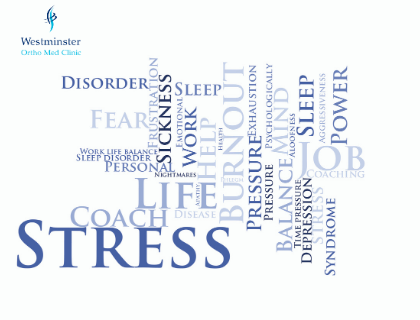
Stress has many faces, and creeps into our lives from many directions. No matter what causes it, stress puts the body and the mind on edge. It floods the body with stress hormones. The heart pounds. Muscles tense. Breathing quickens. The stomach churns. Stress a worrisome illness, an argument with your partner, a job turning sour. It’s the need to care for an ailing parent and a pile of unpaid bills.

Most people feel stressed sometimes and some people find stress helpful or even motivating. But if stress is affecting your life, there are things you can try that may help.

Chronic stress can lead to high blood pressure and heart disease. It can dampen the immune system, increasing susceptibility to colds and other common infections. It can contribute to asthma, digestive disorders, cancer, and other health problems. New research even supports the notion that high levels of stress somehow speed up the aging process.

Symptoms of stress

Stress can cause many different symptoms. It might affect how you feel physically, mentally and also how you behave.

  1. Physical symptoms
  • Headaches or dizziness
  • Muscle tension or pain
  • Stomach problems
  • Chest pain or a faster heartbeat
  • Sexual problems

2. Mental symptoms

  • Difficulty concentrating
  • Struggling to make decisions
  • Feeling overwhelmed
  • Constantly worrying
  • Being forgetful

3. Changes in behaviour

  • Being irritable and snappy
  • Sleeping too much or too little
  • Eating too much or too little
  • Avoiding certain places or people
  • Drinking or smoking more

Things you can try to help with stress

Do:

  • Try talking about your feelings to a friend, family member or health professional.
  • Find out more about Stress Busters– including getting started with exercise and setting aside time for yourself
  • Use easy time-management techniques to help you take control
  • Use calming breathing exercises
  • plan ahead for stressful days or events – planning long journeys or making a list of things to remember can really help
  • consider peer support, where people use their experiences to help each other. 
  • search and download relaxation and mindfulness apps or online community apps.

Don’t

  • Do not try to do everything at once – set small targets you can easily achieve
  • Do not focus on the things you cannot change – focus your time and energy into helping yourself feel better
  • Try not to tell yourself that you’re alone – most people feel stressed at some point in their life and support is available
  • Try not to use alcohol, cigarettes, gambling or drugs to relieve stress – these can all contribute to poor mental health.

Consult your Doctor if:

  • You’re struggling to cope with stress
  • Things you’re trying yourself are not helping
  • you would prefer to get a referral from a physician

Should you require additional information or would like to make an appointment with our Consultant Psychiatrist, please call us or e-mail us at info@westminsterclinic.ae

Reference

  • www.Nhs.uk
  • health.harvard.edu

Disclaimer: All contents on this site are for general information and in no circumstances information be substituted for professional advice from the relevant healthcare professional, Writer does not take responsibility of any damage done by the misuse or use of the information.
September 1, 2020

Fibromyalgia is a condition that causes pain in muscles and soft tissues all over the body. It is an ongoing (chronic) condition. It can affect your neck, shoulders, back, chest, hips, buttocks, arms, and legs. The pain may be worse in the morning and evening. Sometimes, the pain may last all day long. The pain may get worse with activity, cold or damp weather, anxiety and stress. 

What causes fibromyalgia?

The cause is unknown. Researchers think there may be a link with sleep problems and stress. It may also be linked to immune, endocrine, or biochemical problems.

Symptoms of Fibromyalgia

Each person’s symptoms may vary. But chronic pain is the most common symptom. The pain most often affects the muscles and the points where muscles attach to bones. These are the ligaments and tendons.

People with fibromyalgia may also have:

  • Medium to severe tiredness (fatigue)
  • Less exercise endurance
  • Sleep problems at night
  • Depressed mood
  • Anxiety
  • Headaches
  • Irritable bowel symptoms, such as belly (abdominal) pain and bloating, diarrhea, and constipation
  • Restless legs
  • Painful menstrual periods
  • Trouble thinking clearly (called “fibro fog”)

How Fibromyalgia is treated

Although there’s currently no cure for fibromyalgia, there are treatments to help relieve some of the symptoms and make the condition easier to live with.

Treatment tends to be a combination of:

  • Medicine, such as antidepressants and painkillers
  • Anti-inflammatory medicines, to ease pain and help you sleep
  • Talking therapies, such as cognitive behavioural therapy (CBT) and Counselling
  • lifestyle changes, such as exercise programmes and relaxation techniques
  • Exercise and physical therapy, to stretch muscles and improve cardiovascular fitness
  • Heat treatments
  • Cold treatments once in a while

Key points about fibromyalgia

  • Fibromyalgia is a chronic condition that causes pain in muscles and soft tissues all over the body.
  • Researchers think it may be linked to sleep problems, stress, or immune, endocrine, or biochemical problems.
  • Symptoms may also include lack of energy (fatigue), sleep problems, depression, headaches, and other problems.
  • There is no cure, but symptoms can be managed.
  • Treatment can include medicine, exercise, relaxation, heat or cold, and massage.

Disclaimer: All contents on this site are for general information and in no circumstances information be substituted for professional advice from the relevant healthcare professional, Writer does not take responsibility of any damage done by the misuse or use of the information.
August 31, 2020

Benign Prostatic Hyperplasia (BPH) also called prostate gland enlargement. It is a common condition as men get older. An enlarged prostate gland can cause uncomfortable urinary symptoms, such as blocking the flow of urine out of the bladder. It can also cause bladder, urinary tract or kidney problems.

Benign Prostatic Hyperplasia is common in men aged over 50. It’s not a cancer and it’s not usually a serious threat to health.

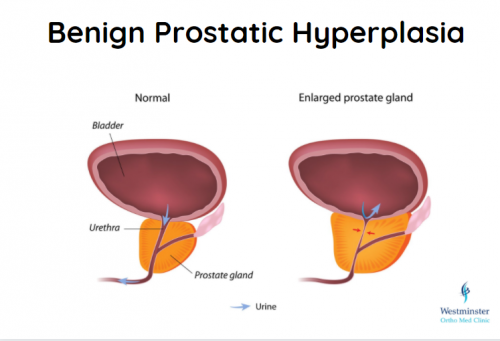
As the prostate enlarges, it presses against the urethra. The bladder wall becomes thicker. One day, the bladder may weaken and may not be able to empty fully, leaving some urine in the bladder. Narrowing of the urethra and urinary retention – not able to empty the bladder fully – cause many of the problems of Benign Prostatic Hyperplasia.

Symptoms of Benign Prostatic Hyperplasia

When the prostate is enlarged, it can bother or block the bladder. Needing to pass urine often is a common symptom of BPH. This might include the need to pass urine as often as every one to two hours, mainly at night.

Other symptoms include:

  • Feeling as though the bladder is full, even right after passing urine
  • Feeling that passing urine “cannot wait” or urgency
  • A weak flow of urine or dribbling
  • Needing to stop and start passing urine many times
  • Trouble starting to pass urine
  • Trouble starting to urinate
  • Needing to push or strain to pass urine
  • Waking up many times nightly with the need to pass urine

Less common signs and symptoms include:

  • Urinary tract infection
  • Inability to urinate
  • Blood in the urine

Risk factors

Risk factors for prostate gland enlargement include:

  • Aging. Prostate gland enlargement rarely causes signs and symptoms in men younger than age 40. About one-third of men experience moderate to severe symptoms by age 60, and about half do so by age 80.
  • Family history. Having a blood relative, such as a father or a brother, with prostate problems means you’re more likely to have problems.
  • Diabetes and heart disease. Studies show that diabetes, as well as heart disease and use of beta blockers, might increase the risk of BPH.
  • Lifestyle. Obesity increases the risk of BPH, while exercise can lower your risk.

Diagnosing Benign Prostatic Hyperplasia

See your doctor if you have symptoms that might be related to BPH. See your doctor right away if you have blood in your urine, pain or burning when you pass urine or if you cannot pass urine.

There are many tests for BPH. The following tests are used to diagnose and track BPH.

1. Symptom Score Index

The American Urological Association (AUA) has built a BPH Symptom Score Index. It is a series of questions about how often urinary symptoms happen. The score rates BPH from mild to severe. Take the test and talk with your doctor about your results.

2. Physical Exam

A digital rectal exam (DRE) is often the next step. During a DRE, you would lie on your side or bend over. The doctor inserts a gloved, lubricated finger into your rectum to feel the back wall of the prostate gland

3. Urine Tests

The tests are done to measure how well you release urine. This shows the doctor if the urethra is blocked or obstructed. There are several types:

  • Urinalysis tests your urine sample to check for important things such as blood, signs of infection, glucose (sugar), protein and other factors that can tell your urologist the cause of your symptoms. Urine tests are also used to screen for bladder cancer. If you have blood in your urine, pain or burning when you pass urine, or you cannot pass urine, it is important to see your doctor right away.
  • Post-void residual volume (PVR) measures urine left in the bladder after passing urine. This is done to diagnose the problem. IT may also be done before surgery.
  • Uroflowmetry measures how fast urine flows. This is done to diagnose the problem. It may also be done before surgery.
  • Urodynamic pressure flow study tests pressure in the bladder during urination.

4. Scans

These tests are done to see the size and shape of the prostate. Some BPH scans include:

  • Ultrasounds look inside the body to see the size and shape of the prostate.
  • Cystoscopy is an exam used to look at the urethra or bladder with a scope.
  • Magnetic resonance imaging (MRI) and computed tomography (CT) for more detailed scans. These are done if surgery is necessary to reopen the flow of urine. These scans provide a very clear image of the prostate and surrounding area. It shows exactly how and where the prostate is enlarged.

5. Blood Test

  • Prostate-specific antigen (PSA) blood test is used to screen for prostate cancer. The PSA blood test checks the level of PSA, a protein made only by the prostate gland. This blood test can be done in a lab, hospital or a provider’s office. Avoid sexual activity several days prior to the test, as this may artificially increase the PSA reading.

Treating benign Benign Prostatic Hyperplasia

Treatment for an enlarged prostate will depend on how severe your symptoms are.If the symptoms are mild, you do not usually need immediate treatment, but you’ll have regular prostate check-ups.

lifestyle changes will be advised such as:

  • Drinking less alcohol, caffeine and fizzy drinks
  • limiting your intake of artificial sweeteners
  • Exercising regularly
  • Drinking less in the evening

Medicine to reduce the size of the prostate and relax your bladder may be recommended to treat moderate to severe symptoms of an enlarged prostate.Surgery is usually only recommended for moderate to severe symptoms that have not responded to medicine.

Should you require additional information or would like to make an appointment with our Consultant Dr. Noor Buchholz, please call us or e-mail us at info@westminsterclinic.ae

Reference

  • www.Nhs.uk
  • Urologyhealth.org
  • health.harvard.edu

Disclaimer: All contents on this site are for general information and in no circumstances information be substituted for professional advice from the relevant healthcare professional, Writer does not take responsibility of any damage done by the misuse or use of the information.

August 31, 2020

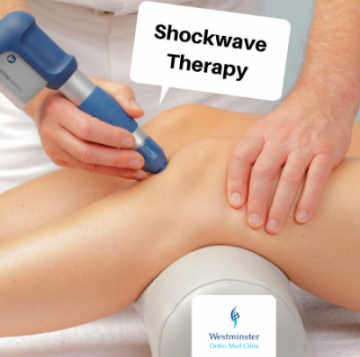
Shockwave therapy is a multidisciplinary device used in orthopaedics, physiotherapy, sports medicine. Its main assets are fast pain relief and mobility restoration. Together with being a non-surgical therapy with no need for painkillers makes it an ideal therapy to speed up recovery and cure various indications causing acute or chronic pain. 

Mechanism of Action

Shockwave is an acoustic wave which carries high energy to painful spots and myoskeletal tissues with sub acute, sub chronic and chronic conditions. The energy promotes regeneration and reparative processes of the bones, tendons and other soft tissues. 

Medical Effects

Acoustic waves with high energy peak used in Shockwave therapy interact with tissue causing overall medical effects of accelerated tissue repair and cell growth, analgesia and mobility restoration.

1. New Blood Vessel Formation

Nutrient blood flow is necessary to start and maintain the repair processes of damaged tissue structure. The application of acoustic waves creates capillary microruptures in tendon and bone. Due to microruptures the expression of growth factors such as eNOS, VEGF, PCNS and BMP is significantly increased.

As a result of these processes arterioles are remodeled, stimulated to grow and new ones are formed. The new blood vessels improve blood supply and oxygenation of the treated area and support faster healing of both the tendon and the bone. 

2. Reversal of Chronic Inflammation

Chronic inflammation occurs when the inflammatory response is not completely halted. It can damage healthy tissue and results in chronic pain. Mast cells are one of the key components of the inflammatory process. Their activity may be increased by using pervasive acoustic waves.

Mast cell activation is followed by the production of chemokines and cytokines. These pro-inflammatory compounds first enhance the inflammatory process and in the next step help restore normal healing and regenerative processes. 

3. Stimulation of Collagen Production

The production of a sufficient amount of collagen is a necessary precondition for the repair processes of the damaged myoskeletal and ligamentous structures. Shockwave therapy accelerates procollagen synthesis. The therapy forces the newly created collagen fibers into a longitudinal structure which makes the newly formed tendon fibers more dense and stiff and creates a firmer structure.  

4. Dissolution of Calcified Fibroblasts

Calcium build-up is most often a result of micro-tears or other trauma to a tendon. Acoustic waves break up the existing calcifications. Shockwave therapy starts the biochemical decalcification of the calcium build-up of a toothpaste-like consistency and treats the tendon. The granular particles of calcium are then removed by the lymphatic system.

5. Release of Trigger Points

Trigger points are the principal cause of pain in the back, neck, shoulder and limbs. They are associated with palpable nodules in taut bands of muscle fibers and have extremely contracted sarcomeres. The dysfunctional sarcomeres contract so tightly that they begin to cut off their own blood supply. This causes the waste products to build up. Waste product build-up irritates the sensory nerve endings which then causes even more contraction. This vicious cycle is referred to as “metabolic crisis”. The assumed mechanism of action is that the delivered acoustic energy unblocks the calcium pump and thus reverses the metabolic crisis in the myofilaments and releases the trigger points.

Should you require additional information or would like to make an appointment with Physical Therapist, please call us or e-mail us at info@westminsterclinic.ae

Reference

  • Nice.org.uk
  • health.harvard.edu/

Disclaimer: All contents on this site are for general information and in no circumstances information be substituted for professional advice from the relevant healthcare professional, Writer does not take responsibility of any damage done by the misuse or use of the information.

August 29, 2020

Osteoarthritis is the most common form of arthritis. Some people call it degenerative joint disease or “wear and tear” arthritis. It occurs most frequently in the hands, hips, and knees.Osteoarthritis is a condition that causes joints to become painful and stiff.

With Osteoarthritis, the cartilage within a joint begins to break down and the underlying bone begins to change. These changes usually develop slowly and get worse over time. Osteoarthritis can cause pain, stiffness, and swelling. In some cases it also causes reduced function and disability; some people are no longer able to do daily tasks or work.

Symptoms of osteoarthritis

The main symptoms of osteoarthritis are joint pain and stiffness, and problems moving the joint. Some people also have symptoms such as: – swelling – tenderness – grating or crackling sound when moving the affected joints

The severity of osteoarthritis symptoms can vary greatly from person to person, and between different affected joints. For some people, the symptoms can be mild and may come and go. Other people can experience more continuous and severe problems which make it difficult to carry out everyday activities. Common Symptoms are:

  • Pain or aching
  • Stiffness
  • Decreased range of motion (or flexibility)
  • Swelling

Causes of osteoarthritis

As part of normal life, your joints are exposed to a constant low level of damage. In most cases, your body repairs the damage itself and you do not experience any symptoms.But in osteoarthritis, the protective cartilage on the ends of your bones breaks down, causing pain, swelling and problems moving the joint. Bony growths can develop, and the area can become red and swollen.

Several things are thought to increase your risk of developing osteoarthritis, including:

  • Joint injury – overusing your joint when it has not had enough time to heal after an injury or operation
  • Other conditions (secondary arthritis) – osteoarthritis can happen in joints severely damaged by a previous or existing condition, such as rheumatoid arthritis or gout
  • Age – your risk of developing the condition increases as you get older.
  • Family history – osteoarthritis may run in families, although studies have not identified a single gene responsible
  • Obesity – being obese puts excess strain on your joints, particularly those that bear most of your weight, such as your knees and hips
  • Being a woman – osteoarthritis is more common in women than men.

What are the risk factors for Osteoarthritis?

  • Joint injury or overuse—Injury or overuse, such as knee bending and repetitive stress on a joint, can damage a joint and increase the risk of osteoarthritis in that joint.
  • Age—The risk of developing osteoarthritis increases with age.
  • Gender—Women are more likely to develop osteoarthritis than men, especially after age 50.
  • Obesity—Extra weight puts more stress on joints, particularly weight-bearing joints like the hips and knees. This stress increases the risk of osteoarthritis in that joint. Obesity may also have metabolic effects that increase the risk of osteoarthritis.
  • Genetics—People who have family members with osteoarthritis are more likely to develop osteoarthritis. People who have hand osteoarthritis are more likely to develop knee osteoarthritis.
  • Race— Some Asian populations have lower risk for osteoarthritis.

Diagnosing osteoarthritis

To help determine whether you have osteoarthritis, your Doctor will first ask you about your symptoms and examine your joints.

A Specialist may suspect osteoarthritis if:

  • You’re aged 45 or older
  • You have joint pain that gets worse the more you use your joints
  • The stiffness in your joints is not there in the mornings, or lasts less than 30 minutes

Further tests – such as X-rays or blood tests – are not usually necessary, but may be used to rule out other possible causes, such as rheumatoid arthritis or a fractured bone.

Treating osteoarthritis

Osteoarthritis is a long-term condition and cannot be cured, but it doesn’t necessarily get any worse over time and it can sometimes gradually improve. A number of treatments are also available to reduce the symptoms.

Mild symptoms can sometimes be managed with simple measures including:

  • Increasing physical activity and Regular exercise
  • Losing weight if you’re overweight
  • Wearing suitable footwear
  • Using special devices to reduce the strain on your joints during your everyday activities
  • Physical therapy with muscle strengthening exercises
  • Medications, including over-the-counter pain relievers and prescription drugs
  • Supportive devices such as crutches or canes
  • Surgery (if other treatment options have not been effective)

If your symptoms are more severe, you may need additional treatments such as painkillers and a structured exercise plan with a physiotherapist.

Managing Osteoarthritis and improving quality of life

  • Learn self-management skills. Join a self-management education class, which helps people with arthritis and other chronic conditions—including Osteoarthritis—understand how arthritis affects their lives and increase their confidence in controlling their symptoms and living well.
  • Learn more about the CDC-recommended self-management education programs.
  • Get physically active. Experts recommend that adults engage in 150 minutes per week of at least moderate physical activity. Every minute of activity counts, and any activity is better than none. Moderate, low impact activities recommended include walking, swimming, or biking. Regular physical activity can also reduce the risk of developing other chronic diseases such as heart disease, stroke, and diabetes.
    • Go to effective physical activity programs. For people who worry that physical activity may make Osteoarthritis worse or are unsure how to exercise safely, participation in physical activity programs can help reduce pain and disability related to arthritis and improve mood and the ability to move. Speak to your Physical Therapist.
  • Talk to your doctor. You can play an active role in controlling your arthritis by attending regular appointments with your health care provider and following your recommended treatment plan. This is especially important if you also have other chronic conditions, like diabetes or heart disease.
  • Lose weight. For people who are overweight or obese, losing weight reduces pressure on joints, particularly weight bearing joints like the hips and knees. Reaching or maintaining a healthy weight can relieve pain, improve function, and slow the progression of Osteoarthritis.
  • Protect your joints. Joint injuries can cause or worsen arthritis. Choose activities that are easy on the joints like walking, bicycling, and swimming. These low-impact activities have a low risk of injury and do not twist or put too much stress on the joints. Learn more about how to exercise safely with arthritis.

Reference

Disclaimer: All contents on this site are for general information and in no circumstances information be substituted for professional advice from the relevant healthcare professional, Writer does not take responsibility of any damage done by the misuse or use of the information.

August 29, 2020

Virtual Gastric Band Hypnotherapy is a procedure used to suggest to the subconscious that you have had a gastric band fitted around your stomach. Many people report feeling fuller quicker after the procedure as if their stomach has really been constricted. Virtual Gastric Band Hypnotherapy successfully harnesses the power that everyone has within themselves to make changes to their lives. Many people of all shapes and sizes find long term solutions to their weight problems with Virtual Gastric Band therapy.

It is a non-surgical technique which uses the power of hypnosis to retrain you to be satisfied with smaller portions of food. Clinical hypnotherapy convinces your mind that the stomach is full after a smaller amount and there is no desire to eat more.

Virtual Gastric Band Hypnotherapy is like ‘flicking a switch in the brain.’ It changes a person’s attitude towards food forever and helps them regain control over cravings and bad habits. Feedback shows increased willpower and no need for the person to deprive themselves of the foods they enjoy. Weight is lost naturally and consistently without dieting.

If you are committed to making a lifestyle change, believe in the procedure, and trust your hypnotherapist, gastric band hypnosis should work for you.

No health risks, no invasive surgery, no anesthetic risks, no follow up medication.

August 27, 2020

People spend nearly one third of their adult lives at work, and workplace issues are a common source of stress for many. It is impossible to have a workplace where everyone’s roles, expectations, and personalities work perfectly together, without conflict. As such, certain workplace issues may cause negative psychological symptoms.

The workplace is typically an environment in which people with different personalities, communication styles, and worldviews interact. These differences are one potential source of workplace issues and can ultimately lead to stress and tension for those involved. Although all employees have the right to be treated fairly and to feel safe in the workplace, some employees face bullying, harassment, and/or discrimination. Workplace issues can lead to decreased performance and productivity, loss of job/termination, decreased satisfaction/happiness, stress, and a wide variety of mental health issues.

Common Workplace Issues

Common workplace issues that employees face include:

  • Interpersonal conflict
  • Communication problems
  • Gossip
  • Bullying
  • Harassment
  • Discrimination
  • Low motivation and job satisfaction
  • Performance issues
  • Poor job fit

How Psychotherapy Can Help with Workplace Issues

There are various ways in which therapy may be useful to help resolve workplace issues. Therapy can effectively treat depression, anxiety, and other mental health symptoms that result from workplace issues. Therapists can also teach healthy coping skills that employees may use to manage work-related stress and other issues.

For example, cognitive behavioral therapy helps people identify and change unhealthy thoughts, which often results in improved mood and overall well-being. Mindfulness, meditation, and other stress management techniques can be taught in psychotherapy. Therapy can also be useful for improving an individual’s assertive communication skills, as well as other conflict resolution skills. These skills can then be applied in the workplace to improve one’s experience at work. Vocational counseling is a specific type of counseling that can be useful for workplace issues such as job fit, performance, and satisfaction. Vocational counselors help employees identify their specific skills and abilities in order to help them develop career goals and find jobs for which they are well suited. Industrial and organizational (I-O) psychology is also particularly relevant to workplace issues, as it focuses on human behavior in the workplace. I-O psychologists are sometimes brought into a workplace to identify areas of concern within an organization, as well as to help workers create a more collaborative, healthy work environment.

Should you require additional information or would like to make an appointment with Dr. Karuna Anand please call us or e-mail us at info@westminsterclinic.ae

Disclaimer: All contents on this site are for general information and in no circumstances information be substituted for professional advice from the relevant healthcare professional, Writer does not take responsibility of any damage done by the misuse or use of the information.
August 26, 2020

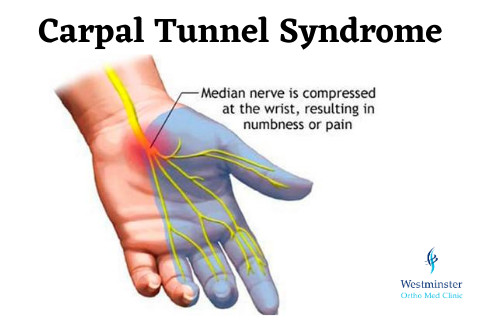
Carpal tunnel syndrome is a condition caused by compression of the median nerve in the wrist. The nerve passes through a space in wrist called the carpal tunnel and is accompanied in the tunnel by a number of tendons. The nerve provides sensation in the thumb, index, middle and half of the ring fingers of the hand, as well as innervating some of the muscles of the thumb.

Carpal tunnel syndrome occurs when pressure builds up within the tunnel and compresses the nerve which then ceases to function normally, giving rise to numbness, tingling, and pain felt in the hand and fingers and occasionally in the forearm.

What causes carpal tunnel syndrome

You’re more at risk if you:

  • Are overweight
  • Are pregnant
  • Do work or hobbies that mean you repeatedly bend your wrist or grip hard, such as using vibrating tools
  • Have another illness, such as arthritis or diabetes
  • Have a parent, brother or sister with CTS
  • Have previously injured your wrist

The symptoms of carpal tunnel syndrome include:

  • An ache or pain in your fingers, hand or arm
  • Numb hands
  • Tingling or pins and needles
  • A weak thumb or difficulty gripping

These symptoms often start slowly and come and go. They’re usually worse at night.

In order to diagnose a detailed history including medical conditions, work, hobbies and sport, and whether there have been any prior injuries is important. An X-ray may be taken to check for other causes of the complaints such as arthritis or a fracture. In some cases, laboratory tests may be carried out if there is a suspected medical condition that is associated with carpal tunnel syndrome Electrical studies of function of the median nerve (nerve conduction studies) may be undertaken to confirm the diagnosis and assess the severity of the condition.

Treatment for carpal tunnel syndrome

Non-surgical treatment

Symptoms can often be relieved without surgery. Identifying and treating medical conditions, changing the patterns of hand use, or keeping the wrist splinted in a straight position may help reduce pressure on the nerve. Wearing wrist splints at night may relieve the symptoms that interfere with sleep. Anti-inflammatory medication taken by mouth or steroid injected into the carpal tunnel may help relieve the carpal tunnel symptoms.

Surgical treatment for carpal tunnel syndrome

When symptoms are severe or do not improve by other means, surgery may be required. Pressure on the nerve is reduced by dividing the ligament which forms the roof (top) of the tunnel on the palmar side of the hand and in so doing enlarge the tunnel. Following surgery, soreness around the incision may last for several weeks or months. The numbness and tingling may disappear quickly or slowly. It may take several months for strength in the hand and wrist to return to normal. Carpal tunnel symptoms may not completely resolve after surgery, especially in severe cases.

Should you require additional information or would like to make an appointment with Dr. Ishrat Khan,Consultant Orthopedic Surgeon, please call us or e-mail us at info@westminsterclinic.ae

Disclaimer: All contents on this site are for general information and in no circumstances information be substituted for professional advice from the relevant healthcare professional, Writer does not take responsibility of any damage done by the misuse or use of the information.
August 4, 2020

Pain is a highly complex symptom. In some situations pain can be helpful, alerting us to damage or injury so that we can get the appropriate help we need – but when pain becomes chronic and long-lasting, it is highly debilitating and causes stress, depression, anxiety, poor sleep, disability.

Chronic pain can negatively impact our mental health and every area of life, including relationships, work, hobbies, and interests. Often, a variety of approaches are needed to help lessen pain, improve independence, and help you cope with the emotional implications. If you are experiencing pain, you are of course always advised to see your doctor. They will be able to investigate further to find out what is causing it and how best to treat it. Pain medication can be used and painkillers can be effective, however, it is important to use them safely as they can have many negative side effects and are not a long-term solution to a persistent pain problem.

Pain Management Hypnotherapy is an excellent way to re-programme and reset the mind’s perception of the pain signals and turns down the intensity of the perceived pain. Rather than convincing you that your pain doesn’t exist, Pain Management Hypnotherapy aims to manage any fear and anxiety you may have relating to your pain. It also helps to reduce stress and relax the nervous system to help it become less reactive to pain.

If you have a chronic pain condition, it’s important to realize that you don’t have to go through it alone. Expertise from the medical profession can help you to practically manage your condition, while mind-body therapies like Pain Management Hypnotherapy by Annie Browne can help manage related symptoms and change the way you cope with the pain.

Disclaimer: All contents on this site are for general information and in no circumstances information be substituted for professional advice from the relevant healthcare professional, Writer does not take responsibility of any damage done by the misuse or use of the information.

Call Now Button