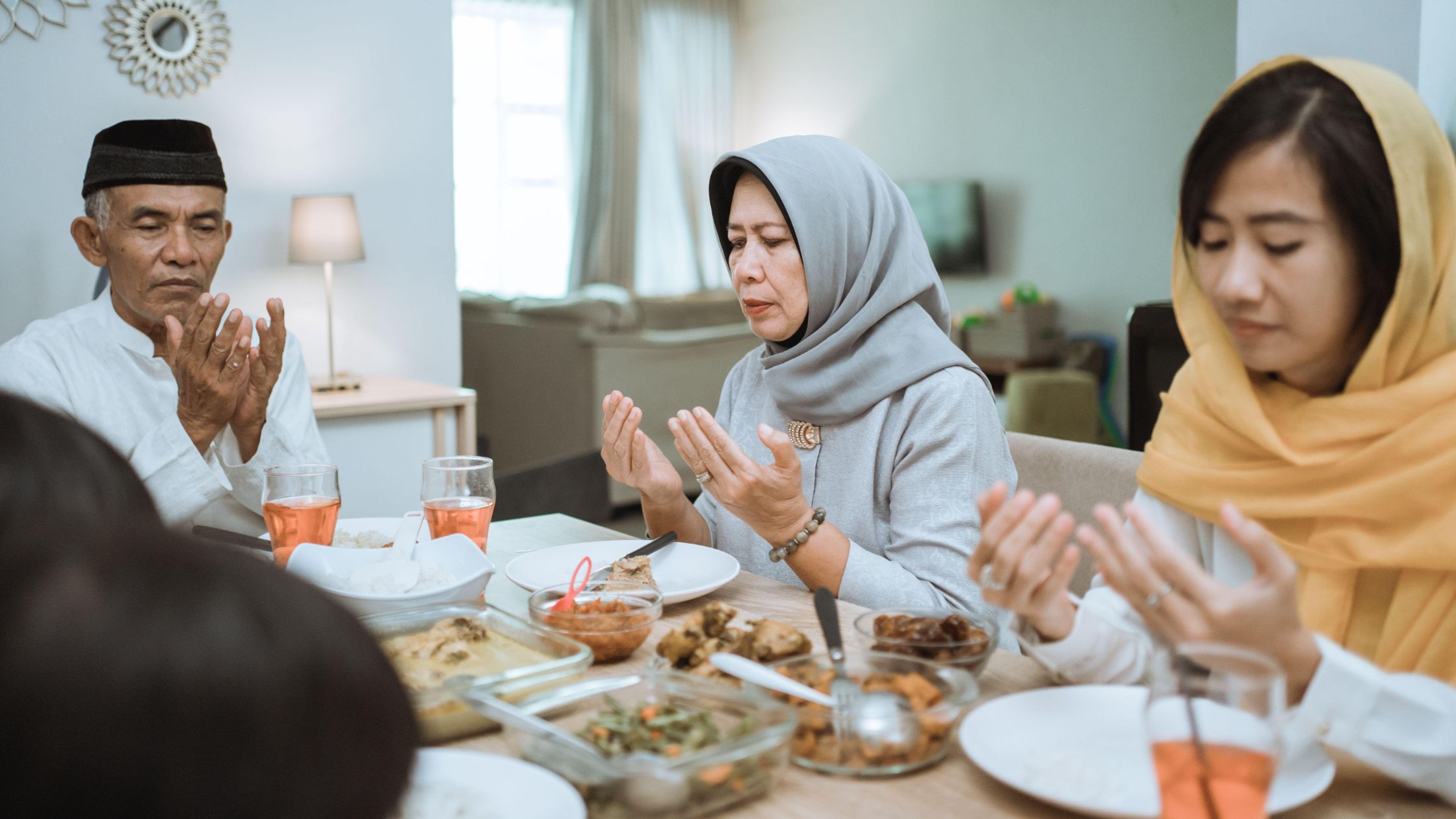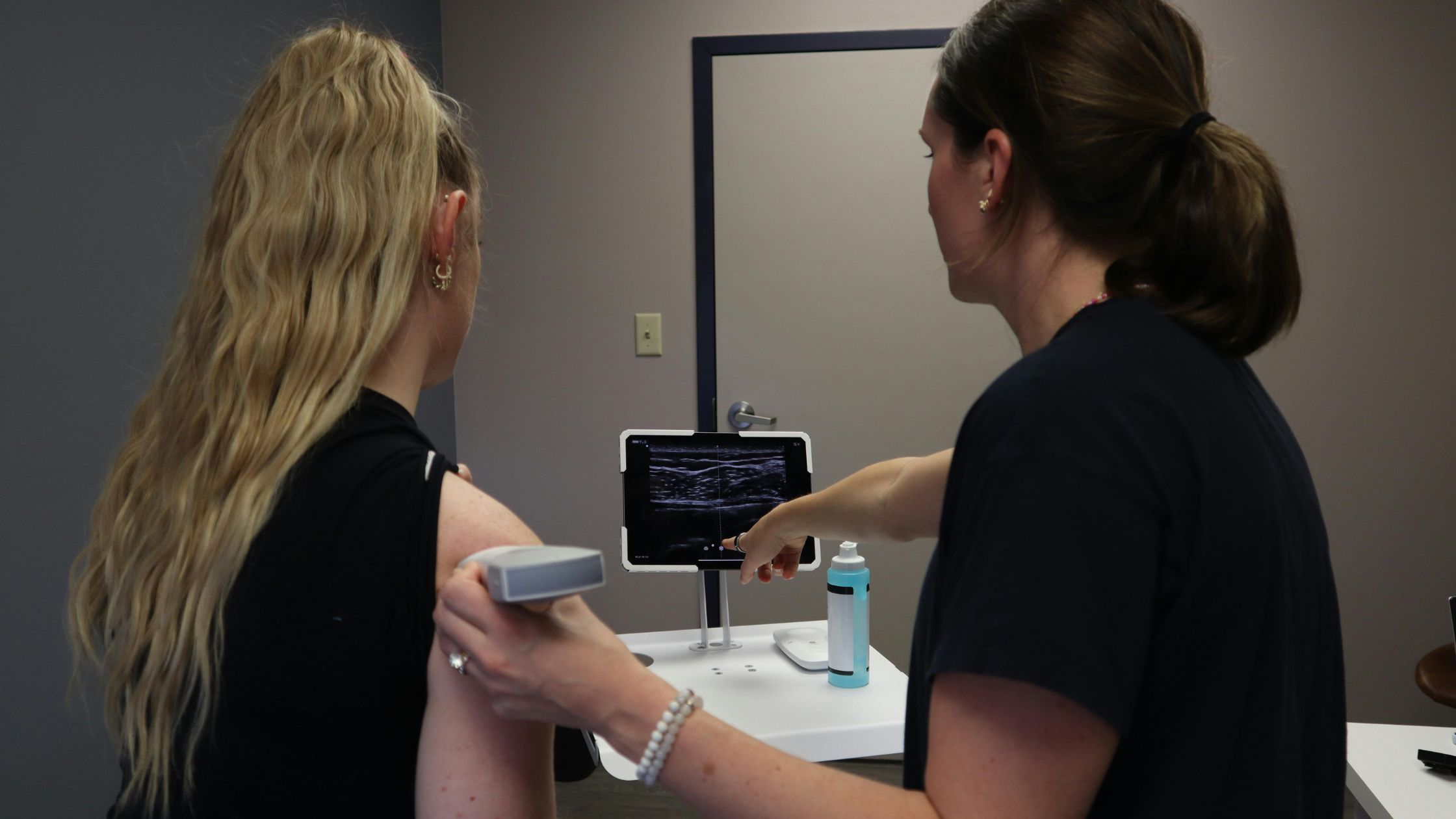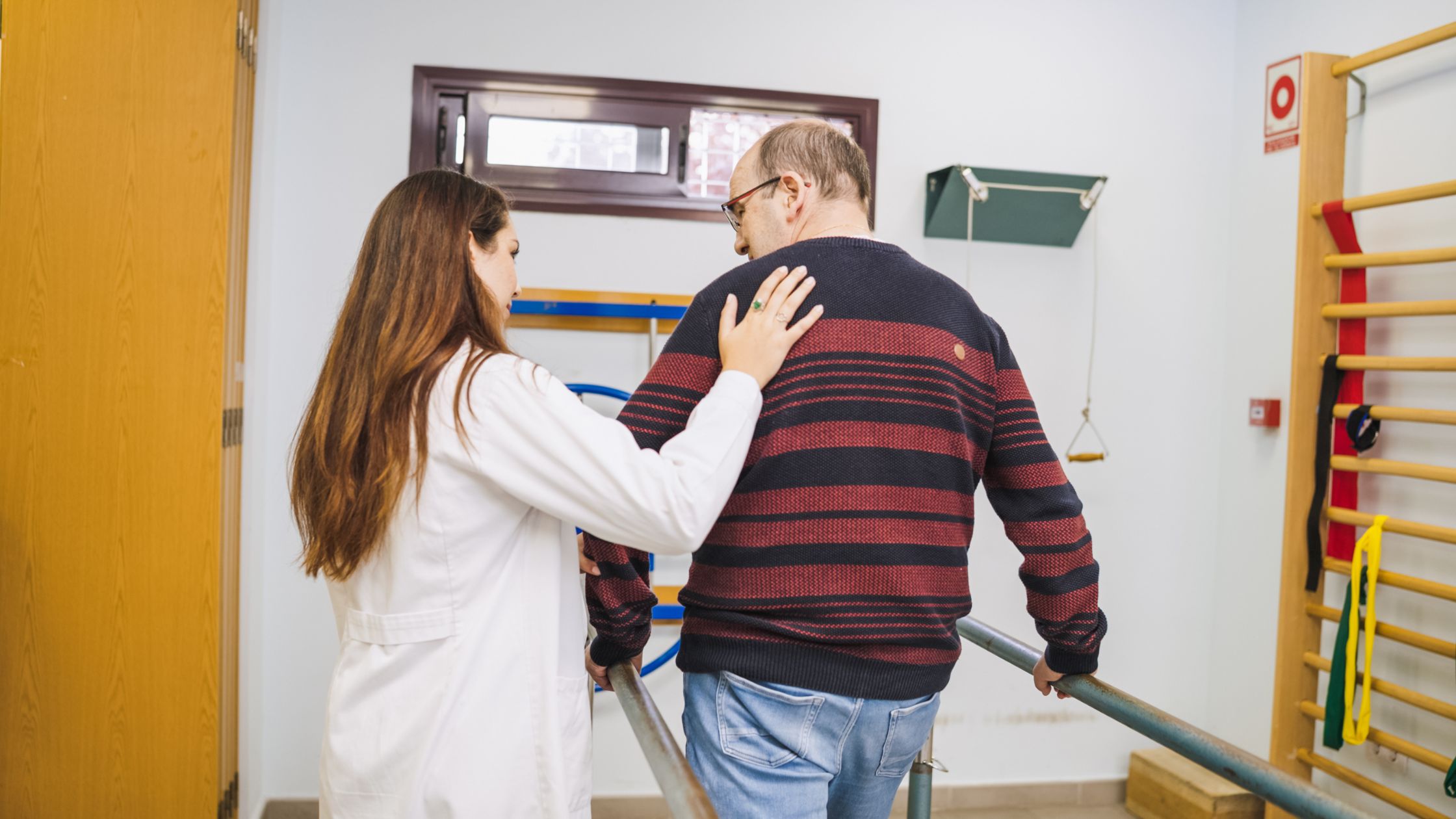
March 9, 2026

Periods of lifestyle change — whether due to travel, fasting, illness, or simply a break from regular routines — can sometimes leave the body feeling weaker, stiffer, or less flexible than usual. Many people notice this after Ramadan, holidays, or other busy periods when exercise habits temporarily slow down.

Returning to normal activity levels too quickly can place strain on muscles and joints. The body needs time to rebuild strength, restore flexibility, and regain endurance. Rehabilitation and guided movement play an important role in helping individuals transition safely back into regular physical activity.

With a gradual, structured approach, it is possible to rebuild strength while protecting the spine, joints, and muscles from unnecessary stress.

Why Gradual Reconditioning Matters

When activity levels decrease for several weeks, the body naturally undergoes small changes. Muscles may lose some strength, joints may feel stiffer, and endurance may decline slightly.

These changes are normal and reversible. However, returning immediately to high-intensity workouts can increase the risk of strain or injury.

Gradual reconditioning allows the body to adapt safely by:

  • Rebuilding muscle strength step by step
  • Improving joint mobility
  • Restoring balance and coordination
  • Preventing sudden stress on ligaments and tendons
  • Supporting long-term fitness progress

A slower return to activity often leads to more sustainable results.

Common Areas Affected by Reduced Activity

When physical routines pause, certain parts of the body are more likely to feel the effects.

People often experience:

  • Lower Back Stiffness: Caused by prolonged sitting or reduced core strength
  • Tight Hamstrings and Hips: Due to decreased movement and stretching
  • Weakened Core Muscles: Affecting posture and spinal support
  • Reduced Knee Stability: From reduced leg strength
  • General Fatigue During Exercise: As endurance gradually rebuilds

Recognizing these changes helps guide a safer return to activity.

Starting With Gentle Movement

The first step in rebuilding strength is reintroducing gentle, controlled movement into your routine.

Helpful starting activities include:

  • Light Walking: Encourages circulation and joint mobility
  • Gentle Stretching: Restores flexibility in tight muscles
  • Mobility Exercises: Improve joint range of motion
  • Low-Impact Cardio: Activities such as cycling or swimming support endurance
  • Breathing and Core Activation: Reconnect the body’s stabilizing muscles

These movements help the body transition smoothly back into more active routines.

Strengthening Muscles That Protect Your Joints

As activity levels increase, strengthening key muscle groups becomes essential. Strong muscles act as natural support systems for the spine and joints.

Important areas to focus on include:

  • Core Muscles: Stabilize the spine and improve posture
  • Glute Muscles: Reduce pressure on the lower back and knees
  • Quadriceps: Support knee stability during movement
  • Hip Stabilizers: Maintain balance and proper alignment
  • Upper Back Muscles: Help prevent neck and shoulder strain

Gradual strengthening protects joints and improves overall movement efficiency.

Improving Flexibility to Reduce Stiffness

Flexibility training helps muscles and joints regain their full range of motion after periods of inactivity.

Effective flexibility habits include:

  • Daily Stretching: Focus on the hamstrings, hips, shoulders, and back
  • Yoga or Mobility Work: Encourages gentle, controlled flexibility
  • Post-Exercise Stretching: Helps muscles recover after activity
  • Proper Warm-Ups: Prepare muscles before strengthening exercises
  • Hydration: Supports muscle elasticity and joint lubrication

Improving flexibility reduces the risk of muscle strains as activity levels increase.

How Physiotherapy Supports Safe Recovery

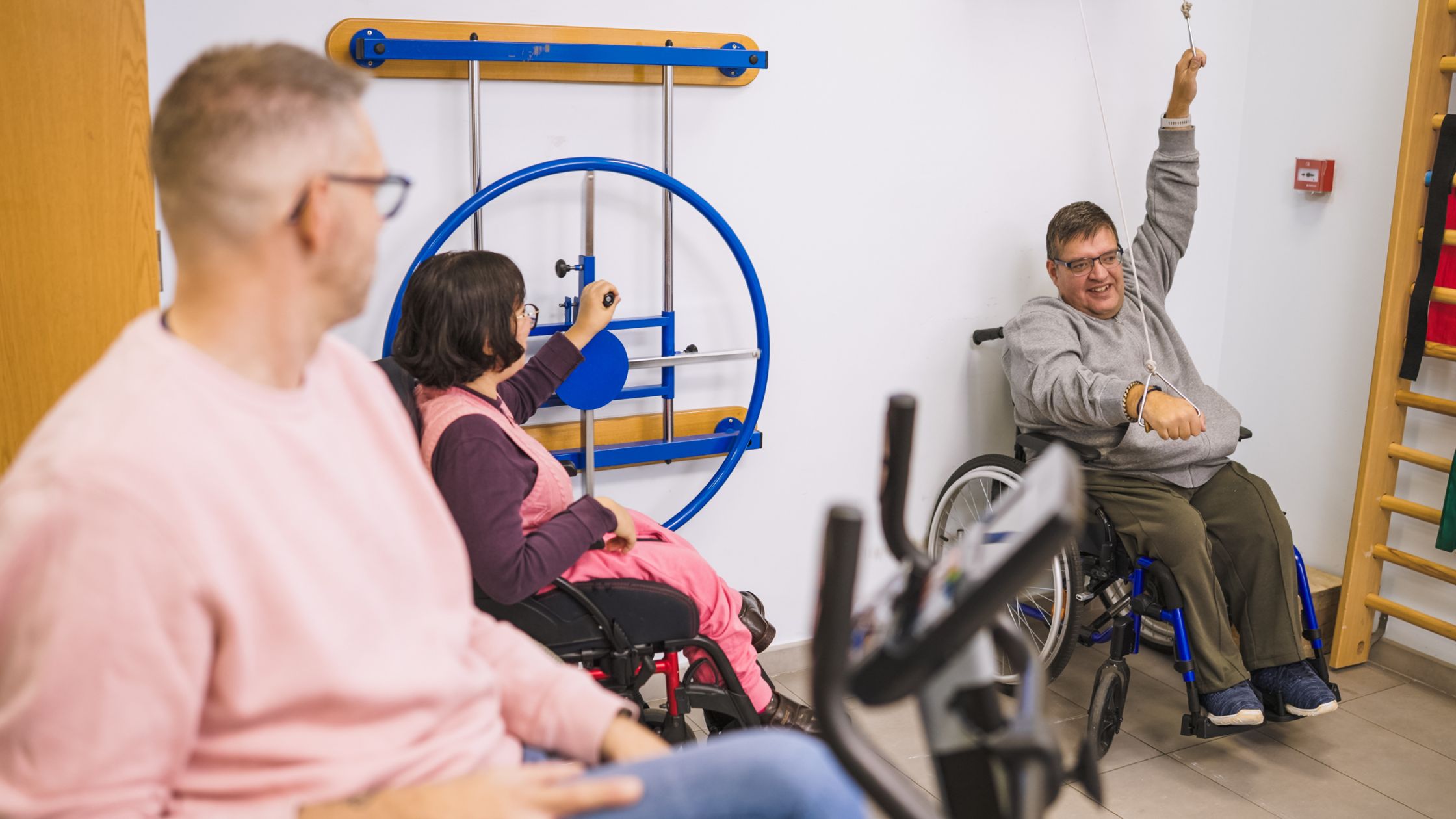
Physiotherapy plays an important role in guiding individuals through safe reconditioning. Personalized programs help identify areas of weakness or imbalance and address them through targeted exercises.

Benefits of physiotherapy include:

  • Improved muscle strength and stability
  • Reduced joint stiffness and pain
  • Better posture and movement mechanics
  • Faster recovery from minor injuries
  • Guidance on safe exercise progression

You can explore professional rehabilitation support through our page on rehabilitation and physiotherapy for orthopedic conditions.

Expert guidance ensures recovery remains safe and effective.
Preventing Injury When Returning to Exercise

A common mistake after a break from physical activity is trying to return immediately to previous fitness levels. Instead, gradual progression helps the body adapt safely.

Helpful injury-prevention habits include:

  • Increase Activity Slowly: Allow the body time to rebuild strength.
  • Prioritize Warm-Ups: Prepare muscles before intense movement.
  • Schedule Rest Days: Recovery supports muscle repair.
  • Use Proper Technique: Good form reduces stress on joints.
  • Listen to Early Warning Signs: Pain or fatigue signals the need for rest.

Taking a patient approach helps ensure long-term success.

When Persistent Pain Needs Evaluation

While mild stiffness during recovery is normal, ongoing pain should not be ignored.

Consider seeking orthopedic advice if you notice:

  • Pain lasting longer than two weeks
  • Swelling around joints
  • Reduced range of motion
  • Pain during everyday movement
  • Recurrent injuries when exercising

Our specialists provide comprehensive evaluation through the main Orthopedics service page, helping individuals identify the cause of discomfort and develop effective treatment plans.

Early guidance prevents small issues from becoming larger problems.

A Practical Wellness Approach for Life in Dubai

Dubai’s residents lead dynamic lives that combine work, travel, fitness, and family commitments. Periods of reduced activity are natural, but returning to movement safely is key to maintaining long-term health.

At Westminster Orthopedics in Dubai Healthcare City, our specialists support patients through structured rehabilitation, preventive care, and personalized recovery strategies designed to fit modern lifestyles.

Building strength gradually ensures your body stays ready for everyday demands.

Moving Forward With Strength and Flexibility

Recovery and reconditioning are not about rushing back to previous routines — they are about rebuilding strength in a sustainable way. By combining gentle movement, strengthening exercises, and professional guidance when needed, most individuals can restore mobility and confidence in their bodies.

Consistency, patience, and mindful movement form the foundation of long-term musculoskeletal health.

Looking to Rebuild Strength Safely?

If you’re returning to exercise after a break or experiencing stiffness and weakness that limit your activity, our orthopedic specialists can help guide your recovery.

You can connect with our team through our Contact page to discuss your goals and receive personalized guidance on rebuilding strength, flexibility, and long-term mobility.


March 9, 2026

Many people spend long periods sitting or standing during daily routines. Whether working at a desk, traveling, commuting, or participating in extended prayer sessions, remaining in the same position for too long can place strain on the knees, lower back, and surrounding muscles.

In Dubai’s busy lifestyle, it is common to move between long office hours, commuting, and moments of stillness during prayer or rest. While these activities are part of daily life, they can sometimes lead to stiffness, joint discomfort, or fatigue if the body is not supported properly.

The good news is that with small adjustments in posture, movement, and muscle care, it is possible to reduce strain and protect the joints. Understanding how the body responds to prolonged sitting or standing helps maintain comfort and mobility throughout the day.

Why Long Periods of Sitting or Standing Affect the Joints

The human body is designed for movement. When we remain in one position for extended periods, muscles become tight and joints experience uneven pressure.

Common effects of prolonged sitting or standing include:

  • Tight hip flexor muscles
  • Reduced circulation to the legs
  • Increased pressure on the lower spine
  • Stiffness in the knees and ankles
  • Muscle fatigue in the back and shoulders

Over time, these stresses can lead to discomfort in the lower back or knees, especially if posture is not well supported.

Maintaining gentle movement and good alignment helps reduce this strain.

Supporting Your Back During Long Sitting Periods

Many individuals experience back discomfort when sitting for extended hours, whether at work, during travel, or while resting.

Simple adjustments can significantly reduce pressure on the spine:

  • Maintain Upright Posture: Keep shoulders relaxed and avoid slouching forward.
  • Support the Lower Back: A small cushion or lumbar support helps maintain natural spinal curves.
  • Keep Feet Flat on the Floor: This helps distribute body weight evenly.
  • Position Screens at Eye Level: Reduces neck and upper back strain.
  • Take Short Movement Breaks: Standing or stretching every 45–60 minutes relieves pressure.

These small habits protect the spine from long-term stress.

You can explore professional support for spinal discomfort through our page on back and spine pain treatment.

Protecting Your Knees During Standing or Prayer

Standing for extended periods can place pressure on the knees, especially when muscles surrounding the joint become fatigued.

To reduce knee strain:

  • Distribute Weight Evenly: Avoid leaning heavily on one leg.
  • Wear Supportive Footwear: Proper cushioning helps absorb pressure.
  • Engage Core Muscles: Strong abdominal muscles support posture and joint alignment.
  • Avoid Locking the Knees: Slightly bending the knees prevents joint stress.
  • Shift Positions Occasionally: Gentle weight shifts help circulation.

These adjustments help maintain joint comfort during longer periods of standing or prayer.

Gentle Movements That Reduce Stiffness

When sitting or standing for long periods cannot be avoided, short movement breaks can restore circulation and reduce stiffness.

Helpful mobility exercises include:

  • Hamstring Stretch: Helps reduce lower back strain.
  • Calf Raises: Improve circulation in the legs.
  • Shoulder Rolls: Relieve tension from prolonged sitting.
  • Knee Bends: Maintain joint flexibility.
  • Spinal Twists: Restore gentle mobility in the lower back.

Regular movement keeps joints lubricated and muscles flexible.

Guided rehabilitation programs available through rehabilitation and physiotherapy for orthopedic conditions can provide personalized exercises for individuals experiencing recurring discomfort.

How Muscle Strength Protects the Spine and Knees

Strong muscles act as stabilizers for joints. When muscles around the core, hips, and legs are weak, the spine and knees absorb more pressure.

Key strengthening areas include:

  • Core Muscles: Support spinal stability and posture.
  • Glute Muscles: Reduce strain on the lower back.
  • Quadriceps: Help stabilize the knees during standing.
  • Hamstrings: Improve flexibility and joint balance.
  • Hip Stabilizers: Maintain proper alignment of the legs and pelvis.

Strengthening these muscle groups helps protect joints during both movement and stillness.

Recognizing When Pain Should Be Evaluated

Occasional stiffness after long periods of sitting or standing can be normal. However, persistent or worsening pain may indicate underlying joint or muscle problems.

Consider seeking professional evaluation if you experience:

  • Ongoing knee or back pain
  • Swelling around joints
  • Pain that worsens with movement
  • Difficulty standing or walking comfortably
  • Limited range of motion

Early evaluation allows many conditions to be treated with conservative approaches before they progress.

Our specialists offer comprehensive assessment through the main Orthopedics service page.

Adapting Movement for Everyday Life in Dubai

Dubai’s residents often balance work responsibilities, commuting, travel, and daily routines that involve both movement and stillness. Protecting joint health does not require major lifestyle changes — it simply requires awareness and small adjustments throughout the day.

At Westminster Orthopedics in Dubai Healthcare City, our specialists provide guidance that fits naturally into everyday life, helping individuals remain comfortable whether sitting at work, traveling, or participating in extended periods of standing or prayer.

Supporting mobility means supporting overall well-being.

Keeping Your Spine and Knees Comfortable Throughout the Day

Long periods of sitting or standing are often unavoidable, but the discomfort they bring does not have to be. By improving posture, maintaining gentle movement, and strengthening supportive muscles, most individuals can significantly reduce strain on the knees and back.

Small daily habits can make a meaningful difference in maintaining comfort and long-term joint health.

Need Personalized Advice for Knee or Back Discomfort?

If you frequently experience stiffness or pain after long periods of sitting or standing, a professional evaluation can help identify the cause and guide effective treatment.

You can connect with our orthopedic specialists through our Contact page to discuss your symptoms and explore personalized care options designed to support comfortable movement and long-term joint health.

March 9, 2026

Dubai’s cooler months encourage outdoor activity. Runners fill the waterfront tracks, cyclists take advantage of open roads, and weekend fitness events bring the community together. But as temperatures begin to rise, the body faces new physical demands. Heat, humidity, and dehydration can quickly affect energy levels, muscle performance, and joint comfort.

For many residents, the transition into warmer months requires more than just motivation — it requires adaptation. Adjusting your exercise routine thoughtfully helps you maintain fitness while protecting your joints, muscles, and overall health. With the right approach, you can stay active, flexible, and energized throughout Dubai’s warmer season.

Why Warmer Weather Changes the Way Your Body Performs

Higher temperatures affect how the body regulates energy and hydration. During exercise, the body works harder to maintain a safe internal temperature, which means you may fatigue faster or lose fluids more quickly.

Common physical effects of exercising in warmer weather include:

  • Increased sweating and fluid loss
  • Faster muscle fatigue
  • Higher risk of cramps or strain
  • Reduced endurance during prolonged workouts
  • Increased stress on joints due to dehydration

These changes do not mean you should stop exercising. Instead, they highlight the importance of modifying your routine to match seasonal conditions.

Recognizing Early Signs of Heat-Related Fatigue

One of the most important habits during Dubai’s warmer months is learning to recognize when your body needs rest.

Watch for warning signs such as:

  • Dizziness or lightheadedness
  • Muscle cramps
  • Unusual fatigue during routine workouts
  • Headaches or nausea
  • Increased heart rate despite moderate activity

These symptoms often indicate dehydration or overheating. Taking breaks, hydrating, and adjusting workout intensity can prevent more serious complications.

Listening to your body is an essential part of safe training.

Adjusting Your Workout Schedule

Timing plays a crucial role when exercising in warm climates. Outdoor temperatures in Dubai can rise quickly during the day, increasing strain on the body.

Safer workout timing strategies include:

  • Early Morning Sessions: Cooler temperatures reduce heat stress.
  • Evening Workouts: Exercising after sunset can be more comfortable.
  • Indoor Training Options: Gyms provide climate-controlled environments.
  • Shorter Sessions: Reduce workout duration when temperatures rise.
  • Avoid Midday Exercise: The hottest hours increase dehydration risk.

Small adjustments in scheduling can dramatically improve comfort and safety.

Hydration: The Foundation of Safe Exercise

Hydration becomes even more critical during warmer months. Water supports muscle function, joint lubrication, and temperature regulation.

To maintain proper hydration:

  • Drink water consistently throughout the day
  • Increase fluid intake before and after exercise
  • Include electrolyte-rich beverages during long workouts
  • Eat hydrating foods such as fruits and vegetables
  • Avoid excessive caffeine before training sessions

Well-hydrated muscles perform better and reduce stress on joints.

Choosing Joint-Friendly Summer Workouts

Some activities place less stress on the body during warmer conditions. Choosing lower-impact exercises helps maintain fitness without overwhelming muscles or joints.

Consider these options:

  • Swimming: Excellent for cardiovascular fitness with minimal joint impact
  • Cycling: Supports endurance while reducing joint pressure
  • Strength Training: Controlled resistance improves muscle stability
  • Yoga or Mobility Work: Enhances flexibility and posture
  • Indoor Cardio Machines: Provide controlled environments for training

These activities help maintain strength and mobility while minimizing heat-related fatigue.

Protecting Your Joints During Summer Training

Warmer weather can sometimes increase the risk of strain or overuse injuries. When muscles fatigue quickly, joints absorb additional stress.

To protect your joints:

  • Warm Up Properly: Gentle movement prepares muscles for activity.
  • Increase Training Gradually: Avoid sudden jumps in intensity.
  • Focus on Strength Training: Strong muscles stabilize joints.
  • Wear Supportive Footwear: Proper shoes reduce knee and ankle strain.
  • Allow Recovery Time: Rest days prevent overtraining injuries.

Guidance from rehabilitation and physiotherapy for orthopedic conditions can help individuals maintain safe movement patterns while staying active.

Strong muscles act as protective support for your joints.

Preventing Common Warm-Weather Sports Injuries

Sports injuries often occur when individuals push through fatigue or ignore early discomfort. Warmer weather may amplify this risk due to dehydration and muscle fatigue.

Common injuries during warmer months include:

  • Muscle strains from overexertion
  • Knee pain due to improper footwear or technique
  • Ankle sprains from uneven surfaces
  • Lower back discomfort from fatigue during lifting

You can learn more about injury prevention through our page on sports injuries and arthroscopic surgery.

Preventive strategies allow athletes and fitness enthusiasts to continue training confidently.

When Exercise Pain Should Be Evaluated

Occasional soreness is normal after physical activity, but persistent pain should not be ignored.

Consider seeking orthopedic guidance if you experience:

  • Pain that lasts longer than two weeks
  • Swelling around joints
  • Instability in the knee or ankle
  • Limited range of motion
  • Pain that worsens during activity

Early evaluation helps prevent minor injuries from becoming long-term issues. Our specialists provide personalized assessments through the main Orthopedics Service page.

Timely care keeps you active without unnecessary setbacks.

A Practical Fitness Approach for Life in Dubai

Dubai’s residents value active lifestyles. Whether exercising at the gym, cycling along scenic routes, or participating in community fitness events, staying active is part of everyday life. Seasonal adjustments simply ensure that activity remains safe and sustainable.

At Westminster Orthopedics in Dubai Healthcare City, our specialists support patients with preventive guidance, injury management, and rehabilitation programs tailored to Dubai’s climate and lifestyle.

Movement should feel empowering, not exhausting.

Your Partner in Safe, Year-Round Fitness

Seasonal changes should not interrupt your commitment to health. By adjusting your workout timing, prioritizing hydration, and choosing joint-friendly activities, you can continue exercising comfortably even during warmer months.

Staying active is one of the most powerful ways to protect your long-term mobility and overall well-being.

Stay Active, Even as the Season Changes

Seasonal changes don’t mean your fitness goals need to slow down — they simply require smarter adjustments. By staying mindful of hydration, listening to your body, and choosing exercises that support joint health, you can continue building strength, flexibility, and endurance throughout Dubai’s warmer months.

Maintaining an active lifestyle is one of the best ways to protect your long-term mobility. When supported with the right habits and professional guidance, exercise becomes a sustainable part of everyday well-being.

Need Guidance for Safe Exercise During Dubai’s Warmer Months?

If joint discomfort is affecting your workouts or you’d like expert guidance on adapting your fitness routine safely, our experienced orthopedic specialists in Dubai are here to help.

You can schedule a consultation with our team through our Contact page and receive personalized advice on protecting your joints while staying active throughout the year.

At Westminster Clinic in Dubai Healthcare City, our goal is to help you move confidently, train safely, and maintain an active lifestyle in every season.

March 9, 2026

Ramadan is a time of spiritual reflection, discipline, and community across Dubai and the wider UAE. While fasting brings meaningful personal and spiritual benefits, the change in eating schedules, hydration patterns, sleep routines, and activity levels can also influence how the body feels — particularly for individuals managing joint pain or musculoskeletal conditions.

For people living with arthritis, back pain, knee discomfort, or past injuries, fasting may sometimes bring increased stiffness, fatigue, or muscle tightness. The good news is that with the right approach to hydration, nutrition, movement, and rest, it is entirely possible to maintain joint comfort and mobility throughout the holy month.

Understanding how Ramadan affects the body allows you to care for your bones and joints while continuing your spiritual practices with confidence.

Why Joint Pain May Feel Different During Ramadan

Fasting naturally changes the body’s daily rhythm. When hydration, nutrition, and sleep patterns shift, muscles and joints may respond differently than usual.

Several factors may contribute to increased stiffness or fatigue during Ramadan:

  • Reduced fluid intake during daylight hours
  • Altered sleep cycles due to late-night prayers and early Suhoor meals
  • Changes in physical activity levels
  • Nutritional imbalance between meals
  • Increased evening movement after long hours of rest

When joints are not well hydrated or muscles become fatigued, discomfort can become more noticeable. Being mindful of these changes allows you to prevent unnecessary strain.

Hydration: The Key to Joint Comfort During Fasting

Hydration plays a critical role in maintaining joint health. Cartilage — the tissue that cushions joints — relies on fluid to maintain its flexibility and shock-absorbing ability.

During Ramadan, it becomes essential to maximize hydration between Iftar and Suhoor.

Helpful hydration strategies include:

  • Drink Water Gradually: Aim for consistent hydration throughout the evening rather than large amounts at once.
  • Limit Caffeine: Coffee and tea may increase dehydration if consumed excessively.
  • Include Hydrating Foods: Fruits such as watermelon, oranges, and cucumbers support fluid intake.
  • Balance Electrolytes: Soups and light broths help replenish essential minerals.
  • Avoid Excess Salt: High-sodium foods increase thirst and fluid imbalance.

Proper hydration helps reduce stiffness and supports joint lubrication.

Nutrition That Supports Bone and Joint Health

The body relies on nutrients to repair tissues and maintain muscle strength. During Ramadan, balanced meals become even more important because eating windows are shorter.

Focus on foods that support musculoskeletal health:

  • Protein: Supports muscle repair and joint stability.
  • Calcium-Rich Foods: Essential for bone strength.
  • Vitamin D: Helps the body absorb calcium effectively.
  • Healthy Fats: Reduce inflammation in joints.
  • Complex Carbohydrates: Provide sustained energy for muscles.

A balanced Suhoor meal can help maintain energy levels throughout the fasting day and reduce muscle fatigue.

Maintaining Safe Movement During Ramadan

Many people assume exercise should stop during fasting, but gentle movement is beneficial for joint health. Remaining active helps maintain flexibility and prevents stiffness.

Consider these safe activity habits:

  • Light Walking: Ideal after Iftar to improve circulation and joint mobility.
  • Gentle Stretching: Helps loosen tight muscles before sleep.
  • Low-Impact Exercises: Activities such as yoga or mobility training reduce joint stress.
  • Avoid Intense Midday Workouts: Energy and hydration levels are lower during fasting hours.
  • Listen to Your Body: Fatigue is a signal to slow down.

Maintaining consistent, moderate activity helps joints remain flexible and comfortable.

Managing Existing Orthopedic Conditions During Ramadan

Individuals living with conditions such as arthritis, tendon injuries, or chronic back pain may notice temporary changes in symptoms during fasting.

Common orthopedic concerns during Ramadan include:

  • Increased knee or hip stiffness
  • Back discomfort from long sitting periods
  • Fatigue in joints during evening prayers
  • Muscle tightness due to reduced hydration

Early guidance helps ensure these symptoms remain manageable.

You can explore comprehensive support through our page on joint pain and arthritis management.

How Physiotherapy Supports Comfort During Ramadan

Physiotherapy can play an important role in maintaining joint health during periods of lifestyle adjustment. Guided exercises help strengthen muscles that protect joints while improving flexibility and posture.

Benefits of physiotherapy include:

  • Improved muscle strength
  • Reduced joint stiffness
  • Better posture and spinal alignment
  • Increased mobility and flexibility
  • Reduced risk of injury

Our services for rehabilitation and physiotherapy for orthopedic conditions provide personalized strategies for maintaining movement safely.

Consistent guidance supports long-term comfort.

Recognizing When Pain Should Be Evaluated

Mild stiffness may be normal during fasting, but persistent or worsening pain should not be ignored.

Consider seeking evaluation if you experience:

  • Joint pain that lasts more than two weeks
  • Swelling or warmth around joints
  • Difficulty walking or climbing stairs
  • Limited range of motion
  • Pain interfering with sleep or daily activity

Early orthopedic evaluation often prevents more serious complications.

Our specialists provide detailed assessment and treatment options through the main Orthopedics Service page.

A Balanced Approach for Ramadan in Dubai

Ramadan is a time for reflection and balance. Caring for your body is part of maintaining that balance. By prioritizing hydration, nutrition, and mindful movement, you can reduce joint discomfort and stay physically comfortable during fasting.

At Westminster Orthopedics in Dubai Healthcare City, our specialists understand the lifestyle changes that come with Ramadan and offer supportive, personalized care to help patients remain active and comfortable throughout the holy month.

Healthy joints allow you to focus on what matters most.

Your Partner in Joint Health During Ramadan

Joint discomfort should not distract from the spiritual focus of Ramadan. With the right preparation and guidance, most individuals can fast safely while maintaining mobility and comfort.

Small adjustments in daily habits can protect your bones, muscles, and joints throughout the month.

Need Guidance for Managing Joint Pain During Ramadan?

If joint discomfort, stiffness, or fatigue is affecting your daily routine during fasting, our orthopedic specialists in Dubai are here to help. Book your consultation through our Contact page and receive personalized guidance for comfortable, confident movement this Ramadan.


March 8, 2026

As Ramadan approaches in Dubai, many families begin preparing spiritually and practically. Work schedules shift, meal timings change, and routines adjust to accommodate fasting and prayer. While much attention is given to food planning and daily schedules, health preparation is often overlooked.

Fasting is deeply meaningful and beneficial for many people. However, for individuals managing chronic conditions, taking medications, or experiencing ongoing health concerns, preparation is essential. Family medicine focuses on ensuring that your body is ready for the changes Ramadan brings, so the month can be observed safely and comfortably.

Why medical preparation before Ramadan matters

Ramadan significantly changes daily patterns of eating, hydration, sleep, and activity. These shifts can affect blood sugar levels, blood pressure, digestion, medication absorption, and energy balance.

For healthy individuals, the body often adapts well. But for those living with diabetes, hypertension, thyroid disorders, heart disease, or other long-term conditions, fasting without medical guidance may lead to avoidable complications.

Family medicine takes a preventive approach. Rather than waiting for symptoms to appear mid-Ramadan, early evaluation allows safe adjustments in advance.

A pre-Ramadan health review: what to assess

A structured check-up before Ramadan provides clarity and reassurance. Through General Health Checkups & Annual Wellness Exams, your family doctor can assess whether your body is ready for fasting and identify areas that need support.

A pre-Ramadan review may include:

  • Blood pressure evaluation
  • Blood sugar testing if needed
  • Medication review and timing adjustments
  • Assessment of hydration and nutritional status
  • Discussion of sleep patterns and daily schedule

This review helps prevent sudden changes that might otherwise lead to fatigue, dizziness, or unstable readings during the fasting month.

Medication timing and adjustments

One of the most important aspects of Ramadan preparation is medication planning. Many medications are prescribed for morning or multiple daily doses. Fasting changes when and how medications can be safely taken.

Before Ramadan, your family doctor may:

  • Adjust dosing schedules to align with suhoor and iftar
  • Review medications that must be taken with food
  • Identify medicines that require careful monitoring
  • Ensure sufficient supply for the month

These adjustments should always be done medically, not independently. Stopping or altering medication without guidance can lead to serious health risks.

Special considerations for chronic conditions

Individuals living with ongoing medical conditions benefit most from early planning. Through structured Chronic Disease Management, family physicians help patients prepare safely.

Conditions that require careful attention include:

  • Diabetes and blood sugar fluctuations
  • High blood pressure
  • Thyroid disorders
  • Heart disease
  • Kidney conditions
  • Asthma or respiratory illness

Your doctor may advise whether fasting is safe for you, whether partial fasting is appropriate, or whether exemptions should be considered for health reasons.

Family medicine prioritises safety while respecting personal and spiritual goals.

Hydration and nutrition planning

Hydration becomes especially important in the UAE climate, even during cooler months. Long fasting hours combined with warm weather can increase the risk of dehydration, headaches, or fatigue.

During your consultation, your family doctor may guide you on:

  • Safe hydration strategies between iftar and suhoor
  • Balanced meal planning to maintain steady energy
  • Avoiding excessive salt or sugar intake
  • Recognising signs of dehydration

These small adjustments can significantly improve comfort and stability throughout Ramadan.

Sleep changes and energy balance

Ramadan often brings late nights and early mornings. Taraweeh prayers, social gatherings, and suhoor timing can reduce total sleep hours.

Sleep disruption may influence blood sugar regulation, blood pressure, mood, and focus. Planning for adequate rest, even in shorter intervals, is important. Family medicine supports practical strategies that fit your schedule rather than unrealistic sleep expectations.

When fasting may not be medically advised

In some situations, fasting may not be safe. Certain medical conditions, pregnancy, recent surgery, or unstable chronic illness may require postponement or exemption.

A family doctor provides compassionate, clear guidance in these cases. The goal is not restriction, but protection of health. Islamic principles prioritise wellbeing, and medical advice supports informed decision-making.

Continuity of care during Ramadan

Health monitoring does not stop once Ramadan begins. Ongoing communication with your doctor ensures any symptoms are addressed early.

At Westminster Clinic in Dubai Healthcare City, our experienced family physicians provide coordinated care before, during, and after Ramadan. This continuity ensures that temporary lifestyle changes do not lead to long-term health setbacks.

A calm and confident approach to Ramadan

Preparing your body for Ramadan is an act of care, not concern. A structured review allows you to begin the month with clarity, knowing that your health has been thoughtfully assessed.

Through comprehensive Family Medicine Services, patients receive preventive, personalised support that respects both medical needs and personal goals.

Plan your Ramadan health review

If you are based in Dubai and preparing for Ramadan, our family medicine doctors are here to support you. Patients from Abu Dhabi and Al Ain also visit us for continuity-focused care.

You may explore our General Health Checkups & Annual Wellness Exams, learn more about Chronic Disease Management, or get in touch through our Contact Us page to schedule your pre-Ramadan consultation and prepare for the month safely and confidently.

March 8, 2026

As Ramadan approaches in Dubai, many people carefully plan their meals, work schedules, and spiritual routines. Yet one important aspect is often overlooked until the last moment: medication timing.

For individuals taking regular medications — whether for diabetes, high blood pressure, thyroid disorders, asthma, heart disease, or other chronic conditions — fasting can significantly affect how and when medicines should be taken. Adjustments are sometimes necessary, and these changes should always be guided medically.

Family medicine focuses on safe, preventive planning. Reviewing medications before Ramadan helps ensure that fasting does not compromise stability or long-term health.

Why Ramadan changes medication routines

During Ramadan, eating and drinking are limited to iftar and suhoor. This shift affects:

  • Medication absorption
  • Blood sugar and blood pressure control
  • Hydration levels
  • Sleep cycles
  • Daily energy patterns

Medications that were previously taken in the morning, afternoon, or multiple times daily may no longer align with fasting hours. Without proper adjustment, this can lead to under-dosing, over-dosing, or unstable medical readings.

Early medical review prevents these risks.

Medications that commonly require review

Not all medications need adjustment, but certain types often require careful planning before Ramadan.

These include:

  • Insulin and oral diabetes medications
  • Blood pressure medications
  • Thyroid hormone replacement
  • Heart medications
  • Diuretics
  • Medications that must be taken with food
  • Drugs that may cause dehydration

Each patient’s medical history is different. A personalised review ensures that timing, dosage, and monitoring are appropriate for fasting conditions.

The risks of adjusting medications independently

One of the most common and potentially dangerous mistakes is self-adjusting medication without consulting a doctor. Some individuals skip doses to avoid breaking their fast. Others double doses at night to compensate.

These changes can result in:

  • Hypoglycemia or hyperglycemia
  • Blood pressure instability
  • Dizziness or fainting
  • Dehydration
  • Worsening of chronic conditions

Medication safety requires structured medical oversight.

How family medicine supports safe adjustments

Through Ongoing Monitoring & Medication Adjustments, family physicians review treatment plans in the context of lifestyle changes like Ramadan.

A pre-Ramadan consultation may include:

  • Reviewing current medications and dosages
  • Adjusting timing to align with suhoor and iftar
  • Identifying medications that must not be delayed
  • Planning safe monitoring during fasting
  • Discussing warning signs that require breaking the fast

This personalised strategy ensures stability while respecting individual goals.

Chronic conditions require structured planning

Patients living with diabetes, hypertension, thyroid disorders, heart disease, or kidney conditions benefit most from early medication review. These conditions often depend on consistent dosing and careful monitoring.

Family medicine integrates medication planning with broader Chronic Disease Management to ensure fasting does not disrupt long-term control.

Adjustments are not one-size-fits-all. Some patients may require small timing shifts, while others may need more significant modifications.

Monitoring during Ramadan

Even after medication adjustments are made, continued observation is essential.

Patients may be advised to:

  • Monitor blood sugar regularly
  • Check blood pressure at home
  • Track symptoms such as dizziness or unusual fatigue
  • Maintain adequate hydration between fasting hours

Early detection of instability allows prompt correction before complications develop.

When fasting may not be advisable

In certain situations, medication complexity or unstable health conditions may make fasting unsafe. This is especially true for individuals with poorly controlled diabetes, frequent low blood sugar episodes, advanced heart disease, or significant kidney impairment.

A family doctor provides compassionate guidance in these cases. Protecting health remains the priority, and religious exemptions exist when fasting may cause harm.

The importance of continuity of care

Medication planning before Ramadan is not a single appointment. It is part of ongoing, coordinated care.

Through comprehensive Family Medicine Services, patients receive continuous support that adapts to life changes — including seasonal or religious practices.

At Westminster Clinic in Dubai Healthcare City, our experienced family physicians work closely with patients to ensure safe medication management before, during, and after Ramadan.

Preparing safely and confidently

Fasting is a meaningful experience, and safe preparation allows you to observe it with confidence rather than uncertainty. Reviewing medications early provides reassurance and clarity, preventing unnecessary complications.

If you are based in Dubai and take regular medications, now is the time to schedule a review. Patients from Abu Dhabi and Al Ain also visit us for coordinated, continuity-focused care.

You may explore our Ongoing Monitoring & Medication Adjustments services, learn more about our Family Medicine Services, or get in touch through our Contact Us page to plan your pre-Ramadan medication review and prepare safely for the month ahead.

March 8, 2026

As Ramadan approaches in Dubai, many individuals living with diabetes or high blood pressure begin asking an important question: Can I fast safely?

Fasting is spiritually meaningful and deeply valued. However, changes in meal timing, hydration, medication schedules, and sleep patterns can significantly affect blood sugar and blood pressure control. Preparing in advance is essential.

Family medicine focuses on prevention and stability. With proper planning and medical guidance, many patients can fast safely. The key is structured preparation before Ramadan begins.

Why early planning matters

Fasting changes the body’s daily rhythm. Instead of regular meals and fluids throughout the day, food and hydration are limited to iftar and suhoor. For individuals with diabetes or hypertension, this can influence:

  • Blood sugar fluctuations
  • Blood pressure control
  • Medication effectiveness
  • Risk of dehydration
  • Energy levels and concentration

Without preparation, patients may experience dizziness, fatigue, very high or very low blood sugar, or unstable blood pressure readings. Early medical review reduces these risks significantly.

Understanding the risks for diabetes

For individuals with diabetes, fasting may increase the risk of:

  • Hypoglycemia (low blood sugar)
  • Hyperglycemia (high blood sugar)
  • Dehydration
  • Headaches and weakness

Skipping meals or changing medication timing without medical guidance can lead to sudden drops or spikes in glucose levels. Even patients who feel “stable” should not assume their usual routine will remain safe during fasting.

Through structured Chronic Disease Management, family physicians assess individual risk levels and create a personalised Ramadan plan.

Blood pressure considerations during fasting

Hypertension may appear stable during regular routines, but dehydration and sleep disruption can cause fluctuations during Ramadan.

Possible concerns include:

  • Dizziness when standing
  • Headaches
  • Fatigue
  • Unstable blood pressure readings

Medication timing becomes especially important. Some blood pressure medicines may need adjustment to ensure steady coverage between suhoor and iftar.

A family doctor evaluates these factors carefully before fasting begins.

Medication adjustments: never self-modify

One of the most common mistakes patients make before Ramadan is independently adjusting or skipping medications. This can lead to serious complications.

Before fasting, your family doctor may:

  • Adjust insulin or oral diabetes medication timing
  • Modify blood pressure medication schedules
  • Review dosage safety during long fasting hours
  • Ensure adequate medication supply for the month

These changes must always be medically supervised. Safe fasting depends on structured, personalised adjustments.

Monitoring during Ramadan

Preparation does not end once Ramadan begins. Ongoing monitoring remains essential.

For patients with diabetes, this may include:

  • Regular blood glucose checks
  • Recognising symptoms of low or high sugar
  • Knowing when to break the fast for safety

For patients with hypertension, monitoring may involve:

  • Home blood pressure readings
  • Tracking dizziness or unusual fatigue
  • Adjusting fluid intake appropriately

Family medicine encourages proactive communication. If readings become unstable, early consultation prevents complications.

Nutrition and hydration planning

Balanced nutrition plays a crucial role in maintaining stable blood sugar and blood pressure.

During pre-Ramadan consultations, patients are often advised to:

  • Avoid excessive sugary foods at iftar
  • Limit salty foods that may increase thirst
  • Prioritise protein and fibre for steady energy
  • Hydrate consistently between iftar and suhoor

These practical adjustments help reduce metabolic stress during fasting.

When fasting may not be medically advised

In some cases, fasting may not be safe. Individuals with poorly controlled diabetes, frequent hypoglycemia, advanced kidney disease, or unstable blood pressure may be advised against fasting.

This guidance is always given with compassion and respect. Protecting health is a priority, and religious exemptions exist for medical reasons. A family doctor helps patients make informed, balanced decisions without guilt.

The importance of continuity of care

Managing chronic illness is not seasonal. Ramadan is one part of the year, but overall stability remains the long-term goal.

Through comprehensive Family Medicine Services, patients receive coordinated care that integrates medication management, lifestyle guidance, monitoring, and preventive support.

At Westminster Clinic in Dubai Healthcare City, our experienced family physicians work closely with patients before, during, and after Ramadan to maintain steady control.

Preparing with confidence

Fasting with diabetes or hypertension requires preparation, not fear. With the right medical plan, many patients can observe Ramadan safely while protecting their long-term health.

If you are based in Dubai and managing diabetes or high blood pressure, our family medicine doctors are here to guide you. Patients from Abu Dhabi and Al Ain also visit us for continuity-focused chronic care.

You may explore our Chronic Disease Management services or get in touch through our Contact Us page to schedule your pre-Ramadan consultation and prepare safely for fasting.

March 8, 2026

As Ramadan approaches in Dubai, many families prepare spiritually and practically. Schedules are adjusted, groceries are planned, and routines begin to shift. However, one important area often postponed until “after Ramadan” is preventive health screening.

While fasting is a time of reflection and renewal, it is also a significant change in daily rhythm. Meal timing, hydration, sleep, and activity levels shift for an entire month. If you have been meaning to complete routine health screenings, delaying them may mean missing early warning signs that deserve attention before fasting begins.

Family medicine focuses on prevention rather than reaction. Completing appropriate screenings before Ramadan allows you to begin the month with confidence, clarity, and peace of mind.

Why preventive screenings matter before fasting

Preventive screenings are designed to detect early changes in the body — often before symptoms appear. Conditions such as high cholesterol, early diabetes, high blood pressure, or heart risk factors can remain silent for years.

Ramadan introduces changes that may temporarily affect:

  • Blood sugar balance
  • Blood pressure stability
  • Hydration levels
  • Energy and sleep cycles

If an underlying issue is present but undiagnosed, fasting without awareness may increase discomfort or risk. Early screening ensures your body is prepared.

Screenings that are especially important

While every patient’s needs differ, certain preventive evaluations are particularly valuable before Ramadan.

These include:

  • Blood pressure checks
  • Blood sugar testing
  • Lipid profile (cholesterol levels)
  • Kidney function tests
  • Heart risk assessments
  • Age-appropriate cancer screenings

Through Preventive Screenings for Cancer & Heart Disease, family physicians assess your overall risk profile and recommend the right tests based on age, medical history, and lifestyle.

Heart health should not be postponed

Ramadan can influence heart health indirectly through dehydration, sleep disruption, and dietary changes. For individuals with known cardiovascular risk factors — or those over 40 — reviewing heart health before fasting is especially important.

A simple evaluation may identify:

  • Elevated cholesterol
  • Early hypertension
  • Signs of metabolic risk
  • Family history concerns

Detecting these early allows safe planning rather than unexpected complications during fasting hours.

Cancer screenings and long-term prevention

Cancer screenings are often delayed because they feel unrelated to immediate concerns. However, prevention works best when it is consistent and timely.

Depending on age and risk factors, screenings may include:

  • Breast examinations or mammography
  • Cervical screening
  • Colon cancer screening
  • Prostate health evaluation

Ramadan is a time of renewal. Ensuring long-term health through early detection aligns naturally with that spirit.

Why “I feel fine” isn’t always enough

Many individuals postpone screenings because they feel healthy. Preventive medicine recognises that many conditions develop quietly without noticeable symptoms.

Waiting for signs such as fatigue, chest discomfort, or unexplained weight changes often means the condition has already progressed. A structured screening before Ramadan offers reassurance — and if results are normal, it provides peace of mind throughout the fasting month.

Special consideration for chronic conditions

If you are living with diabetes, hypertension, thyroid disorders, or heart disease, updated screening results before Ramadan are particularly helpful.

Through coordinated care and regular monitoring, family doctors ensure:

  • Baseline readings are stable
  • Medication plans are appropriate
  • Fasting risks are assessed
  • Adjustments are made proactively

Preventive care and chronic disease management work together to protect health during periods of lifestyle change.

Timing matters

Completing screenings at least a few weeks before Ramadan provides time to review results and make any necessary adjustments. If new concerns are identified, your family doctor can guide appropriate next steps without urgency or stress.

Delaying until after Ramadan may mean navigating the fasting month without full awareness of your health status.

A preventive mindset for Ramadan

Ramadan encourages reflection, discipline, and care. Preparing your health is part of that preparation. Preventive screenings are not about fear — they are about clarity.

At Westminster Clinic in Dubai Healthcare City, our experienced family physicians take a proactive approach, helping patients understand their health profile before fasting begins.

Through comprehensive Family Medicine Services, patients receive coordinated, continuity-focused care that supports both short-term safety and long-term wellbeing.

Plan your screening before Ramadan

If you are based in Dubai and have been postponing routine health checks, now is the time to schedule them. Patients from Abu Dhabi and Al Ain also visit us for preventive, patient-centred care.

You may explore our Preventive Screenings for Cancer & Heart Disease or get in touch through our Contact Us page to arrange your screening before Ramadan and begin the month with confidence and peace of mind.

March 5, 2026

Ramadan fasting is a meaningful and rewarding experience for many people in Dubai. For most healthy individuals, the body adapts well to the changes in eating, hydration, and sleep that come with fasting. Mild fatigue, temporary headaches, or slight changes in energy are common during the first days of the month.

However, not all symptoms should be dismissed as normal fasting effects. Sometimes the body signals that something more serious may be happening. Recognising when fasting-related symptoms require medical attention is an important part of staying safe and healthy during Ramadan.

Family medicine focuses on guiding patients through these situations with clarity and reassurance, ensuring that small concerns do not develop into larger health problems.

Common symptoms people experience while fasting

During the early days of Ramadan, many individuals notice mild physical changes as the body adjusts. These may include:

  • Mild headaches
  • Temporary fatigue or low energy
  • Increased thirst
  • Difficulty concentrating
  • Slight dizziness late in the afternoon

These symptoms usually improve as the body adapts to the fasting schedule. Proper hydration, balanced meals, and adequate rest between fasting hours often help resolve them naturally.

When symptoms go beyond normal adjustment

While mild discomfort is expected, certain symptoms may signal dehydration, unstable blood sugar, infection, or other medical concerns. Ignoring these warning signs can delay necessary treatment.

Symptoms that should not be ignored include:

  • Persistent dizziness or fainting
  • Severe or worsening headaches
  • Ongoing vomiting or nausea
  • Chest discomfort or shortness of breath
  • Confusion or extreme weakness

These signs may indicate conditions that require medical evaluation rather than simply continuing the fast.

Dehydration and heat-related concerns

Even during cooler months, dehydration can occur during fasting, especially in the UAE climate. Long fasting hours combined with limited fluid intake may increase the risk of headaches, dizziness, or fatigue.

Signs of dehydration that require attention may include:

  • Dark urine or very little urine output
  • Severe thirst and dry mouth
  • Lightheadedness when standing
  • Rapid heartbeat

If these symptoms appear, medical advice may be necessary to prevent complications.

Blood sugar fluctuations during fasting

For individuals with diabetes or those prone to blood sugar changes, fasting can sometimes lead to unstable glucose levels. Both low blood sugar (hypoglycemia) and high blood sugar (hyperglycemia) can cause symptoms that should not be ignored.

Warning signs may include:

  • Shaking or sweating
  • Sudden fatigue or confusion
  • Blurred vision
  • Severe hunger or nausea

These symptoms require prompt attention, and in some cases breaking the fast may be necessary for safety.

Gastrointestinal symptoms and infections

Changes in eating patterns during Ramadan can sometimes trigger digestive discomfort. While mild bloating or indigestion after iftar is common, persistent gastrointestinal symptoms may signal infection or other concerns.

Symptoms such as ongoing abdominal pain, repeated vomiting, or persistent diarrhea should always be evaluated by a doctor.

Family medicine helps determine whether symptoms are related to fasting adjustments or require medical treatment.

When to break the fast for health reasons

One of the most important aspects of safe fasting is understanding that health always takes priority. If symptoms become severe or concerning, breaking the fast may be necessary.

Islamic guidance recognises medical exemptions for individuals who are unwell. Seeking care early protects both immediate wellbeing and long-term health.

A family doctor can provide clear guidance about when it is appropriate to pause fasting and how to recover safely.

The role of timely medical care

Early medical evaluation often prevents minor symptoms from becoming more serious. Through Acute Illness Care, family physicians assess symptoms promptly, provide appropriate treatment, and guide safe recovery.

Rather than waiting until symptoms worsen, timely care helps patients return to normal routines more quickly.

Continuity of care during Ramadan

Ramadan is a period of significant lifestyle change, and health concerns may arise unexpectedly. Having access to a trusted family doctor ensures that support is available when needed.

Through comprehensive Family Medicine Services, patients receive coordinated care that addresses both preventive health and urgent concerns during fasting.

At Westminster Clinic in Dubai Healthcare City, our experienced family physicians provide patient-centred care that respects both health needs and the spiritual importance of Ramadan.

Listening to your body during fasting

Fasting should never compromise safety. Paying attention to warning signs and seeking medical advice when needed allows you to observe Ramadan with confidence and peace of mind.

If you are living in Dubai and experience concerning symptoms while fasting, our family medicine doctors are here to help. Patients from Abu Dhabi and Al Ain also visit us for coordinated, continuity-focused care.

You may explore our Acute Illness Care services or get in touch through our Contact Us page for timely medical guidance during Ramadan.

March 5, 2026

Ramadan brings meaningful changes to daily routines. In Dubai, evenings become busier with iftar gatherings, taraweeh prayers, and family time, while mornings begin earlier for suhoor. These shifts can make it harder to schedule traditional clinic visits, especially for individuals balancing work, fasting, and family responsibilities.

At the same time, health concerns do not pause during Ramadan. Questions about fatigue, medication timing, hydration, or fasting-related symptoms may arise throughout the month. This is where telehealth plays an important role.

Family medicine increasingly uses virtual consultations to ensure patients can receive timely medical guidance without disrupting their Ramadan routines. Telehealth allows individuals to access care conveniently while maintaining continuity and safety.

Why healthcare access matters during Ramadan

Although Ramadan is a spiritually uplifting time, the lifestyle adjustments can sometimes bring new health questions. Individuals may experience fatigue, digestive discomfort, headaches, sleep changes, or medication concerns during fasting.

In many cases, these issues do not require emergency care but still benefit from professional advice. Telehealth allows patients to speak with a family doctor quickly, helping them address concerns early before they worsen.

Convenient access to care means patients do not have to delay medical guidance until after Ramadan.

What telehealth consultations can help with

Virtual medical consultations are designed to address a wide range of everyday health concerns. During Ramadan, telehealth can be especially useful for discussing:

  • Fatigue or dizziness during fasting
  • Medication timing and adjustments
  • Digestive discomfort after iftar
  • Hydration concerns
  • Sleep disturbances
  • Minor illnesses or symptoms

These consultations provide reassurance and guidance without requiring travel to the clinic.

Through Telehealth & Online Consultation Services, patients can connect with their family doctor from the comfort of home.

Supporting chronic conditions during fasting

Many patients living with long-term conditions such as diabetes, hypertension, or thyroid disorders benefit from regular monitoring during Ramadan. Telehealth makes it easier to check in with a doctor without interrupting work or fasting schedules.

A virtual consultation may include:

  • Reviewing blood sugar or blood pressure readings
  • Discussing symptoms experienced during fasting
  • Adjusting medication timing if necessary
  • Providing guidance on nutrition and hydration

This ongoing communication helps patients maintain stability throughout the month.

Reducing the need for unnecessary clinic visits

Ramadan evenings are often busy, and traveling to a clinic after iftar may feel inconvenient. Telehealth reduces this challenge by allowing patients to receive medical advice quickly through secure video or phone consultations.

Many concerns can be addressed remotely, saving time while still ensuring professional medical support.

If a physical examination or further testing is required, your family doctor can advise whether an in-person visit is necessary.

Telehealth for families

Telehealth is particularly helpful for families managing multiple responsibilities during Ramadan. Parents can consult a doctor about children’s symptoms, older adults can receive guidance about fatigue or medication concerns, and busy professionals can ask health questions without disrupting their schedule.

Family medicine supports care across all life stages, and telehealth makes that care more accessible when routines are changing.

Addressing sleep and fatigue concerns

Sleep patterns often shift during Ramadan due to late-night prayers and early suhoor. Some individuals experience persistent fatigue, headaches, or difficulty concentrating during the day.

Through telehealth consultations, family doctors can assess sleep patterns, hydration habits, and lifestyle factors that may be contributing to fatigue. Practical guidance can often improve energy levels without requiring medication.

Continuity of care throughout Ramadan

One of the core strengths of family medicine is continuity. Whether care happens in person or virtually, your doctor understands your health history, lifestyle, and medical needs.

Through comprehensive Family Medicine Services, patients receive coordinated support that adapts to life’s seasonal changes — including Ramadan.

At Westminster Clinic in Dubai Healthcare City, our experienced family physicians provide both in-person and virtual consultations to ensure patients receive timely, compassionate care throughout the fasting month.

Convenient care when you need it

Ramadan is a time for reflection and balance. Accessing medical advice should not add stress or inconvenience to your routine. Telehealth allows patients to receive trusted guidance while maintaining their daily rhythm.

If you are living in Dubai and would like convenient medical support during Ramadan, our family medicine doctors are here to help. Patients from Abu Dhabi and Al Ain also use our virtual consultations for continuity-focused care.

You may explore our Telehealth & Online Consultation Services or get in touch through our Contact Us page to schedule your consultation and receive personalised care during Ramadan.

Call Now Button