April 1, 2026

Somewhere between the noise of a Dubai morning and the demands waiting on your screen, there is a moment most people skip. A pause before the day takes over. A breath before the first meeting. A few seconds of stillness that the schedule does not technically allow for.

Most people skip it because it feels indulgent. What the science increasingly suggests is that skipping it may be one of the more costly decisions we make each day.

The relationship between the mind and the body is not metaphorical. It is physiological, measurable, and deeply relevant to how we feel, how we cope, and how we recover from the pressures that modern life in a city like Dubai consistently places on us. Practices that cultivate inner stillness, whether rooted in faith, philosophy, or simple habit, have a demonstrable effect on mental health. And that effect is worth understanding.

What Reflection Actually Does to the Brain

Reflective practice, the deliberate act of turning attention inward, has been studied extensively in neuroscience over the past two decades. What researchers have found is consistent and, for many people, surprising.

Regular periods of inward focus activate the default mode network, the brain’s internally oriented system, in ways that support emotional processing, self-awareness, and the integration of experience. Put more simply, the brain uses quiet, reflective time to make sense of what has happened, to process emotion that has not yet been fully felt, and to consolidate a coherent sense of self.

Without that processing time, experience accumulates without being integrated. Stress compounds. Emotions that have not been acknowledged do not disappear. They surface later, often in less convenient ways, as irritability, physical tension, disrupted sleep, or a creeping sense of disconnection from one’s own life.

Reflection is not a luxury. For the brain, it is maintenance.

The Physiology of Stillness

When the body enters a state of calm, deliberate focus, whether through prayer, meditation, breathwork, or any other form of intentional stillness, it activates the parasympathetic nervous system. This is sometimes called the rest-and-digest response, the physiological counterpart to the stress-driven fight-or-flight state that many people in high-pressure environments spend the majority of their day inhabiting.

In parasympathetic activation, cortisol levels drop. Heart rate slows. Blood pressure decreases. The prefrontal cortex, the part of the brain responsible for clear thinking, emotional regulation, and perspective, becomes more accessible. The amygdala, which drives reactive and fear-based responses, becomes less dominant.

The practical consequence of this is significant. People who regularly access states of calm focus tend to respond to difficulty rather than react to it. They recover more quickly from stressful events. They report greater emotional resilience and a more stable sense of wellbeing over time.

This is not spirituality versus science. These are the same phenomenon described through different languages.

Faith, Fasting, and Psychological Wellbeing

For billions of people around the world, reflective and mindful practice is inseparable from faith. Prayer, fasting, communal worship, periods of silence and gratitude, these are not merely religious obligations. They are, in psychological terms, highly effective structures for emotional regulation.

Fasting, as practised across many traditions, has well-documented effects on mood and mental clarity. Beyond its physiological impact, the discipline of fasting cultivates a particular relationship with discomfort. It trains the mind to observe a craving or a difficulty without immediately acting on it. That capacity, sometimes called distress tolerance in clinical psychology, is one of the most protective factors against anxiety and impulsive emotional responses.

Prayer, regardless of its theological content, functions as a structured form of mindfulness. It asks the practitioner to stop, to orient toward something beyond the immediate, to speak or listen in a mode that is qualitatively different from the ordinary mental chatter of the day. The regularity of prayer, five times daily in Islam, morning and evening in many other traditions, creates a rhythm of re-centring that has genuine neurological benefit.

Gratitude practices, present in virtually every major faith tradition, directly counter the negativity bias that the human brain defaults to under stress. Deliberately naming what is good, even briefly, reshapes the emotional tone of the day in ways that accumulate meaningfully over time.

Mindfulness Beyond the Meditation Cushion

The word mindfulness has become so widely used that it has, for some people, lost its meaning. It is worth reclaiming a simpler definition: mindfulness is the practice of paying attention to the present moment, on purpose, without judgment.

That practice does not require a particular setting, a specific belief system, or even a dedicated block of time. It can happen during a walk along the Creek, in the few minutes before a meeting begins, while preparing a meal, or in the deliberate pause before responding to a message that has provoked a reaction.

What matters is the quality of attention, not the form it takes. And that quality of attention, cultivated consistently, changes the brain over time in ways that are now well evidenced. Grey matter density increases in regions associated with emotional regulation and self-awareness. The stress response becomes less hair-trigger. The capacity to sit with difficulty without being overwhelmed by it grows.

For people managing stress and burnout in demanding professional environments, or navigating the particular pressures of expat life in Dubai, these are not small benefits. They are foundational to sustainable functioning.

When Practice Is Not Enough

There is an important distinction between preventive mental wellness and clinical mental health care, and it is worth making clearly.

Reflective practice, mindfulness, faith, and structured routine are powerful tools for maintaining emotional equilibrium and building resilience. For many people, they are sufficient. Life remains manageable. Difficult periods pass. The practice holds.

But for others, these tools encounter something that goes beyond what they were designed to address. Depression that has taken root at a neurochemical level does not lift through reflection alone. Anxiety disorders that have become structural in the nervous system require clinical intervention alongside personal practice. Trauma, grief, and certain mood conditions need professional support, not as a replacement for one’s faith or values, but as a complement to them.

Seeking psychiatric support is not an admission that prayer or mindfulness has failed. It is a recognition that the mind, like the body, sometimes needs specialised care. A broken bone heals more effectively with medical support than without it. The same principle applies to the brain.

Our psychiatry specialists at Westminster Multispecialty Clinic, Dubai Healthcare City, hold deep respect for the role of faith and personal practice in their patients’ lives. UK and US trained, they work within a framework that honours the whole person, their beliefs, their cultural background, and their clinical needs, rather than treating these as separate categories.

The Practices Worth Keeping

Whatever your belief system, whatever your background, the evidence points in a consistent direction. People who build regular moments of stillness, reflection, and intentional presence into their lives tend to be more emotionally stable, more resilient under pressure, and more capable of sustaining meaningful relationships and purposeful work over time.

The form those moments take is secondary. What matters is that they exist, that they are protected, and that they are treated not as rewards for a productive day but as the foundation that makes a productive day possible.

If you find that your emotional baseline has shifted despite those practices, or if you have never quite managed to build them into a life that moves as fast as Dubai tends to demand, reach out to us at Westminster Multispecialty Clinic. Our mental health experts are here to help you build something steadier, from the inside out.


April 1, 2026

There is a particular kind of exhaustion that arrives not during a celebration, but just after it.

The decorations come down. The guests leave. The inbox refills. And somewhere in the quiet that follows, a feeling settles in that is difficult to name. Not sadness exactly. Not relief either. Something in between, a deflation that feels strangely out of place given how much you were looking forward to this time just weeks ago.

If you recognise that feeling, you are in very good company. Across cultures, faiths, and calendars, the emotional aftermath of festive seasons follows a remarkably consistent pattern. The highs are real. So is what comes after.

Why Celebrations Affect Us More Than We Expect

Festive periods are emotionally concentrated experiences. Whether it is Eid, Christmas, Diwali, or a national holiday, these seasons ask a great deal of us, emotionally, socially, physically, and often financially. We invest heavily in them, in preparation, in presence, in expectation.

The brain responds to this investment. Anticipation itself triggers dopamine release, the neurochemical associated with motivation and pleasure. Social connection elevates oxytocin. Shared rituals and meaning activate the parts of the brain associated with purpose and belonging. For a period of time, life feels more vivid and more connected than usual.

When that period ends, the contrast is felt at a neurological level, not just an emotional one. The brain, accustomed to an elevated baseline of stimulation and meaning, finds the return to ordinary life genuinely difficult to process. This is not ingratitude. It is neuroscience.

The Expectations We Carry Into Celebrations

One of the less discussed dimensions of festive emotional difficulty is the weight of expectation, both the expectations we place on the season itself and those we absorb from the people around us.

Celebrations are culturally framed as times of joy, togetherness, and renewal. For many people, that framing is largely true. But it sits alongside other realities: strained family relationships, financial pressure, grief for people who are no longer present, loneliness that feels sharper against a backdrop of assumed happiness.

In Dubai, this complexity takes on its own character. The city draws people from across the world, many of whom are celebrating significant occasions far from home. A festive season that should feel warm can instead highlight distance, both geographical and emotional. Even those surrounded by community can feel a private sense of disconnection that they find hard to articulate, let alone admit.

The gap between how a season is supposed to feel and how it actually feels is, for many people, a source of quiet shame. That shame tends to go unspoken. And unspoken emotional difficulty rarely resolves on its own.

The Shape of Post-Festive Emotional Shifts

The emotional landscape after a significant celebration varies from person to person, but some patterns appear consistently.

Low-grade flatness is perhaps the most common. Life resumes its normal pace, but colour seems to have drained from it temporarily. Motivation is reduced. Small tasks feel heavier than they should.

Irritability is another frequent companion. The warmth of the festive period gave way to ordinary friction, and the contrast makes everyday frustrations feel disproportionately sharp. Relationships that felt easy during the celebrations now require more effort.

For some people, particularly those already navigating anxiety or depression, the post-festive period can act as a genuine trigger. The disruption to sleep, routine, diet, and social structure during celebrations, followed by the abrupt return to normal demands, creates a set of conditions that can tip a manageable emotional baseline into something more difficult.

Recognising these patterns is important, not to pathologise a normal human experience, but to know when something deserves more attention than simply waiting it out.

A Cultural Lens Worth Holding

Dubai is one of the most culturally layered cities in the world. Within a single workplace, a single apartment building, a single friendship circle, people may be observing entirely different festive calendars, carrying entirely different emotional associations with celebration, and navigating entirely different cultural expectations around expressing how they feel.

For many communities, emotional difficulty during or after a festive season carries stigma. There is pressure to perform happiness, to project gratitude, to keep private struggles genuinely private. Seeking support is sometimes perceived as conflicting with faith, with family loyalty, or with a cultural value of resilience.

Our mental health experts at Westminster Multispecialty Clinic hold deep respect for these dimensions. The psychiatry care available here is not a Western framework imposed on a diverse population. It is an evidence-based, human-centred approach delivered by UK and US trained specialists who understand that emotional wellbeing looks different across cultures, and that effective support begins with that understanding.

What Actually Helps

Navigating the emotional transition out of a festive season is rarely about doing something dramatic. It is usually about returning to the small, consistent things that stabilise mood over time.

  • Re-anchor your routine gradually. Attempting to return to full structure overnight rarely works. A phased re-entry, restoring sleep times first, then meals, then exercise, tends to be more sustainable and less emotionally jarring.
  • Give the contrast a name. Telling yourself or someone you trust that you are finding the return to normal harder than expected reduces the isolation of the experience. Named emotions are easier to move through than unnamed ones.
  • Reduce the pressure to feel a particular way. Post-festive flatness is not ingratitude. It is not failure. It is a natural consequence of emotional investment followed by withdrawal. Allowing it to exist without judgment shortens its duration.
  • Watch your sleep and rest. Festive seasons frequently disrupt sleep through late nights, travel, altered eating, and overstimulation. Prioritising rest in the weeks that follow is one of the most effective emotional stabilisers available.
  • Notice if it lingers. A week or two of post-festive adjustment is within the range of normal human experience. Persistent low mood, ongoing stress and exhaustion, or emotional difficulty that begins to affect your work or relationships is a signal worth taking seriously.

When the Low Does Not Lift

Most people find their emotional footing again within a couple of weeks of a festive season ending. The routine returns, the nervous system recalibrates, and life regains its texture.

But for some, the dip is deeper or longer than expected. What began as post-holiday flatness begins to feel like something more settled, a heaviness that does not shift with time or effort. Sleep remains disrupted. Concentration is unreliable. The motivation to engage with things that usually bring satisfaction has quietly disappeared.

This is the point at which speaking to someone becomes not just helpful, but important. The psychiatry services at Westminster Multispecialty Clinic, Dubai Healthcare City, are designed for exactly this kind of moment. Not crisis, necessarily, but the quieter, more chronic experience of an emotional system that needs proper support rather than simply more time.

The Season After the Season

Every celebration eventually becomes ordinary time. The question is not whether that transition will happen, but how gently you can move through it.

Paying attention to your emotional state in the weeks following a significant season is not overthinking. It is self-awareness. And if what you notice suggests that you could use some support, that instinct is worth following rather than overriding.

Talk to our team at Westminster Multispecialty Clinic. Our psychiatry specialists are here to help you find steadiness again, whatever season brought you to the door.

April 1, 2026

The last night of Ramadan carries something quietly sacred. Prayers feel more deliberate. Conversations linger a little longer. There is a softness in the air that the rest of the year rarely offers. Then Eid arrives, families gather, feasts are shared, and life briefly becomes colourful and loud and full.

And then, almost without warning, it is over.

The alarm goes off on a Tuesday. The commute resumes. Emails pile up. The gentle discipline of the holy month, the steady rhythm of early mornings, communal iftars, and purposeful evenings, dissolves into the ordinary pace of Dubai life. For many people, the transition back feels surprisingly hard. Not because anything is wrong, but because something meaningful has ended.

If you have been feeling a little flat, restless, or emotionally unsteady in the days after Eid, you are not alone. And you are not overreacting.

Why the Post-Holiday Dip Is Real

During Ramadan, many people experience a regulated lifestyle almost by default: consistent sleep and wake times anchored to Suhoor and Iftar, reduced exposure to digital noise, a stronger sense of community, and a shared moral framework that gives the day shape and meaning.

When that framework lifts, the nervous system notices. Sleep patterns shift. Appetite fluctuates. The social warmth of Eid gatherings fades, often quickly. For expats in Dubai who spent the holiday travelling home, there is the added emotional complexity of re-entry: returning to a city that can feel impersonal after spending time with family abroad.

This is sometimes called post-holiday emotional dissonance. It is not a clinical diagnosis in itself, but it is a genuine psychological experience that, if left unacknowledged, can deepen into something that deserves more attention.

The Expat Layer

Dubai’s population is overwhelmingly international, and the emotional texture of Eid for many residents carries unique weight. Some people celebrate surrounded by colleagues rather than family. Others mark the occasion quietly, watching highlights of gatherings they could not attend. Even those who do return home for Eid often find the transition back to Dubai difficult, grieving the warmth they have just left.

Stress and burnout do not always arrive dramatically. Sometimes they accumulate in the gaps between celebrations, in the moments when the busy-ness of Dubai life resumes and there is no longer a spiritual container to hold the day together. Our mental health experts at Westminster Multispecialty Clinic, trained in the UK and US, see this pattern regularly, and it is worth naming.

What People Get Wrong About Post-Ramadan Mood

There is a quiet but persistent belief that feeling emotionally low after a month of spiritual devotion means the devotion was not enough, or that the person has somehow failed to carry the spirit of Ramadan forward.

This is worth gently challenging.

Feeling emotionally unsettled after any significant period of meaning or structure is not a spiritual failure. It is a human one. The mind and body adapt to routines, and when those routines shift, there is a natural period of recalibration. Acknowledging that this is happening is not weakness. It is awareness.

Many people also assume that anxiety or panic after a holiday must have an identifiable cause. In reality, these feelings can arise from shifts in biology, routine, and social connection simultaneously, without a single trigger. That does not make them less real or less worth addressing.

Small Anchors That Actually Help

There is no single path back to steadiness, but there are approaches that tend to help.

  • Protect your sleep rhythm. The disruption that often follows Eid celebrations, late nights, travel, and altered eating patterns can significantly affect mood. Re-anchoring your sleep and wake times, even by thirty minutes each day, can stabilise your emotional baseline relatively quickly. If sleep difficulties persist, they deserve attention on their own terms.
  • Carry one practice forward. Many people find that identifying a single element of Ramadan that brought them calm, whether that was morning quiet, reduced phone use, or regular reflection, and continuing it in some form, helps bridge the emotional gap.
  • Name what you are missing. Grief over the end of a meaningful season is legitimate. Naming it, even just to yourself, can reduce the diffuse restlessness that comes when an emotion is present but unacknowledged.
  • Reconnect deliberately. The communal warmth of Ramadan is one of its defining features. Re-entering a routine that lacks that warmth can feel isolating. Scheduling connection rather than waiting for it to happen organically is not artificial. It is intentional.

When the Feeling Does Not Pass

Most people move through the post-Ramadan adjustment within one to two weeks. The colour slowly returns, the routine re-establishes itself, and life finds its rhythm again.

But sometimes it does not. Sometimes the low mood lingers, sleep does not improve, concentration remains scattered, and motivation to engage with everyday life stays elusive. When these experiences persist beyond a couple of weeks, or when they begin to interfere with work, relationships, or daily functioning, they may be signalling something that warrants professional support.

This does not have to mean crisis. It may simply mean that the mind is carrying more than it can comfortably process alone. Persistent depression following a period of elevated emotional engagement is more common than many people realise, particularly in a city as demanding as Dubai, where the pressure to perform and present well is constant.

Our psychiatry specialists at Westminster Multispecialty Clinic, based in Dubai Healthcare City, offer a space to explore these feelings with clinical expertise and genuine compassion. Whether you are navigating post-holiday adjustment, longer-standing emotional difficulty, or simply a sense that something is not quite right, support is available in a setting that understands both the medical and the cultural dimensions of what you are experiencing.

Carrying the Attention Forward

Ramadan teaches, among other things, the discipline of paying attention. Paying attention to what you consume, how you spend your time, what you are grateful for. That attentiveness does not have to end with the month.

Paying attention to your emotional state, noticing when you are struggling and choosing to do something about it, is one of the most meaningful things you can carry forward. If what you notice tells you that you need a little support right now, please do not wait for things to worsen before reaching out.

Reach out to us to arrange a confidential appointment with one of our psychiatry specialists. Taking that step is not a departure from the values of the season. In many ways, it is an expression of them.

April 1, 2026

You have been waking before dawn for weeks. The rhythm felt purposeful, almost meditative. Then, almost overnight, the structure dissolves. The alarm shifts. Meals move. The body, which had quietly adapted to a new pattern, is left searching for its bearings.

Most people expect to feel physically tired after a major schedule change. What catches many off guard is how emotionally vulnerable they feel too. Irritable over small things. Tearful without obvious reason. Anxious in a low, humming way that is hard to locate or explain.

This is not weakness. It is biology.

What Your Brain Does While You Sleep

Sleep is not simply rest. It is the period during which the brain processes emotion, consolidates memory, regulates stress hormones, and repairs the neural pathways that govern mood and decision-making. When sleep is disrupted or shifted significantly, those processes are interrupted at a level that goes well beyond tiredness.

The amygdala, the part of the brain most responsible for emotional reactivity, becomes significantly more active after poor sleep. At the same time, the prefrontal cortex, which helps regulate and contextualise emotional responses, becomes less effective. The result is a brain that feels more, filters less, and recovers more slowly from everyday stressors.

For residents of Dubai navigating the shift out of Ramadan’s fasting schedule, or anyone returning to routine after an extended break, this neurological reality plays out in very practical ways: sharper irritability at work, reduced patience at home, a creeping sense of flatness that does not seem to match the circumstances.

The Circadian Rhythm and Why It Matters

The body runs on an internal clock called the circadian rhythm. This roughly twenty-four-hour cycle governs not just sleep and waking, but cortisol release, digestion, immune function, and crucially, the regulation of mood-related neurotransmitters like serotonin and dopamine.

When sleep schedules shift abruptly, as they often do after Ramadan, Eid travel, or any extended period of altered routine, the circadian rhythm takes time to catch up. During that window of misalignment, the body is essentially running out of sync with itself. Energy dips appear at the wrong times. Alertness is unreliable. Emotional regulation becomes effortful in a way that feels disproportionate to what life is actually asking of you.

This is why sleep disorders and insomnia are taken seriously not just as physical complaints, but as meaningful contributors to emotional wellbeing. In clinical practice, disrupted sleep is one of the earliest and most consistent indicators of emerging anxiety or depression. The relationship runs in both directions: poor sleep worsens mood, and low mood worsens sleep.

When Schedule Changes Hit Harder

Not everyone experiences post-schedule disruption in the same way. Some people recalibrate within a few days. Others find that the emotional fallout persists for weeks, particularly if other stressors are already present.

Certain circumstances tend to amplify the impact.

  • Expat life in Dubai adds a layer of complexity. Many residents return from time abroad after Eid already carrying the emotional weight of re-entry, leaving family, re-engaging with a demanding professional environment, all while their sleep is still adjusting to a new time zone or pattern.
  • High-pressure careers leave little room for the natural slowdown that healthy sleep recovery requires. When the expectation is to return to full performance immediately, the gap between how the body feels and what the day demands becomes a quiet source of stress and burnout.
  • Pre-existing emotional sensitivity means that people who already experience anxiety, low mood, or mood fluctuations are more vulnerable to the emotional consequences of disrupted sleep. For them, schedule changes are not a minor inconvenience but a genuine trigger.

Practical Steps Toward Restoring Rhythm

The good news is that the circadian rhythm is responsive. With consistent, deliberate cues, it re-anchors more quickly than most people expect.

  • Fix your wake time first. Before worrying about when you fall asleep, focus on waking at the same time each morning, even on weekends. The wake time acts as the primary anchor for the entire circadian cycle.
  • Use light intentionally. Morning light exposure, even ten to fifteen minutes outdoors shortly after waking, is one of the most effective signals for resetting the internal clock. In Dubai’s climate, early morning is ideal before the heat intensifies.
  • Ease the evenings. Bright screens, heavy meals, and stimulating conversations close to bedtime delay the natural onset of sleep. Creating a consistent wind-down period, however brief, sends the brain a reliable signal that rest is approaching.
  • Be patient with energy dips. In the early days of re-establishing a rhythm, afternoon fatigue is normal. Resisting the urge to nap for extended periods during the day helps consolidate sleep at night and accelerates the overall reset.
  • Watch for emotional signals. If irritability, low mood, or anxiety seem disproportionate to what is happening in your life, and if they coincide with the period of schedule adjustment, take that connection seriously rather than dismissing it.

When Sleep Trouble Goes Deeper

For some people, what begins as a schedule adjustment does not resolve on its own. The inability to sleep despite exhaustion, waking repeatedly through the night, or lying awake for hours with a restless and anxious mind can signal something beyond circadian disruption.

Persistent sleep difficulty is one of the most undertreated conditions in Dubai’s adult population, in part because it is so easily normalised. Busy professionals in particular often wear their sleep deprivation as a badge of productivity, not recognising that they are operating with a significantly compromised emotional system day after day.

Our psychiatry specialists at Westminster Multispecialty Clinic, Dubai Healthcare City, are trained to assess sleep as a clinical priority, not an afterthought. Using evidence-based approaches including Cognitive Behavioural Therapy for Insomnia, they work with patients to identify the specific patterns driving poor sleep and address them at their root, rather than simply managing symptoms.

The Connection Worth Making

There is a version of this conversation that treats sleep as a purely physical matter, separate from emotional life. But the science does not support that separation. How you sleep shapes how you feel, how you respond to difficulty, how much patience you have, how clearly you think, and how resilient you are when life asks something of you.

If you have been struggling emotionally since a period of schedule change, and you have not yet considered sleep as a central part of that picture, it may be the most important question you have not yet asked yourself.

When you are ready to explore it properly, speak with our team at Westminster Multispecialty Clinic. A conversation with one of our mental health experts could be the first night of genuinely better rest you have had in a while.

March 29, 2026

The Appointment You Almost Did Not Book

Most people can recall a time when they finally visited a doctor after putting it off for weeks or months. The relief of being told everything looks fine is real, and it often carries a person through another year or two before the thought of a checkup surfaces again. This pattern is understandable. Life in Dubai is busy, clinics require appointments, and when nothing feels urgently wrong, health tends to drop down the list of priorities.

But there is a quiet assumption embedded in this approach that deserves to be examined: the idea that a single checkup, however thorough, is sufficient to keep you informed about your health. In reality, health is not a static condition that can be assessed once and then set aside. It is a continuously moving picture, shaped by age, stress, diet, sleep, medications, and dozens of other variables that shift from month to month and year to year.

A one-time checkup tells you where you were on a single day. Ongoing care tells you where you are going.

What a Single Appointment Can and Cannot Do

A well-conducted health checkup is genuinely valuable. It can identify risk factors you were unaware of, catch abnormal readings that warrant further investigation, provide an opportunity to discuss symptoms you have been quietly carrying, and offer a baseline against which future results can be compared. There is no argument against having one.

The limitation is not in the checkup itself but in treating it as complete in isolation. Consider what a single appointment cannot tell you: whether your blood pressure reading that day was typical or unusually elevated due to stress and a rushed morning. Whether your blood sugar was stable or had been creeping upward for the past six months. Whether the cholesterol result that looks acceptable today will look the same after another year of the same lifestyle. Whether the medication you were prescribed is still the right dose, or whether your body has responded to it in ways that now require adjustment.

These are not abstract concerns. They are the practical realities of managing health over time, and they are precisely what ongoing care is designed to address.

The Problem With Treating Health Episodically

Episodic care, visiting a doctor only when something is wrong or when a specific problem needs solving, is the dominant pattern for many adults in Dubai and across the region. It is not without value. When you are acutely unwell, prompt treatment matters enormously. But episodic care has a structural blind spot: it responds to what is already visible and symptomatic, and it does so without the context of knowing who you are beyond that single presentation.

When a doctor sees you for the first time during an acute illness, they are working with limited information. They do not know whether your elevated blood pressure is new or longstanding. They cannot compare your current blood test results against a previous baseline. They have no sense of how your health has trended over months or years, which conditions run in your family, or how your lifestyle has changed in ways that might explain what they are seeing.

This is not a criticism of any individual clinician. It is simply the reality of fragmented care, and it is one of the most compelling reasons why the relationship with a long-term family doctor produces fundamentally different, and better, outcomes than a series of disconnected appointments.

How Ongoing Monitoring Changes What Is Possible

The practical value of ongoing care becomes clearest when you consider what consistent monitoring actually enables. When your family doctor sees you regularly, over months and years rather than just in moments of illness, a number of things become possible that simply are not achievable in a one-time interaction.

Trends become visible. A single elevated fasting glucose reading may be inconclusive. Three consecutive readings taken over six months, showing a steady upward movement, tell a far more actionable story. The same is true of blood pressure, cholesterol, kidney function, thyroid levels, and many other markers. Trends reveal what snapshots conceal.

Medication management becomes genuinely responsive. Many commonly prescribed medications require careful adjustment over time. Antihypertensives, thyroid medications, diabetes treatments, and cholesterol-lowering drugs all interact with age, weight changes, lifestyle, and other medications in ways that evolve. Our ongoing monitoring and medication adjustment service is built around exactly this kind of attentive, responsive care, ensuring that what you are taking continues to serve you well as your circumstances change.

Prevention becomes targeted rather than generic. When your doctor knows your history, your risk profile, and your lifestyle, they can offer preventive advice that is specific to you rather than population-level guidelines that may or may not apply to your particular situation.

Chronic Conditions Especially Require This Approach

For individuals managing chronic conditions, the case for ongoing care is not simply compelling, it is clinical. Conditions such as hypertension, type 2 diabetes, hypothyroidism, high cholesterol, and chronic kidney disease do not behave the same way from one year to the next. They respond to treatment, to lifestyle changes, to ageing, and to one another in ways that require regular reassessment rather than a set-and-forget approach.

A patient whose diabetes was well controlled two years ago may find that their management plan needs revision today, not because they have done anything wrong, but because the condition itself has evolved. A patient on blood pressure medication who has made significant lifestyle changes may now be taking more than they need. A patient whose thyroid levels were optimised last year may have drifted out of range without feeling noticeably unwell.

Our chronic disease management service works hand in hand with regular monitoring to ensure that patients with long-term conditions receive care that is continuously calibrated to where they actually are, not where they were at their last appointment.

The Relationship Is the Foundation

It would be a mistake to frame ongoing care purely as a series of scheduled tests and medication reviews. At its core, it is about a relationship. A family doctor who has cared for you over years develops an understanding of you as a person that no amount of medical records can fully replicate. They know how you respond to stress. They know which symptoms you tend to minimise and which you tend to worry about disproportionately. They know your family history, your work situation, your lifestyle, and the broader context in which your health exists.

This familiarity changes the quality of every conversation. It means your doctor notices when something seems off even before the tests confirm it. It means they can offer reassurance that is genuinely informed rather than generic. It means that when something does need attention, it is identified earlier, understood more fully, and managed more effectively.

Our family medicine services are designed around this understanding of what good medical care actually looks like across a lifetime, not just in the moments when something goes wrong.

One Checkup Is a Start. Ongoing Care Is the Commitment.

There is nothing wrong with a one-time health checkup. It is almost always better than nothing, and for many people it is the starting point that leads to something more continuous and more valuable. But it is worth being honest about what it is: a starting point, not a destination.

Your health over the next ten years will be shaped far more by the quality and consistency of your ongoing care than by any single appointment. The earlier that ongoing relationship begins, and the more consistently it is maintained, the more it works in your favour.

Begin a Conversation That Continues

If you have been relying on occasional checkups and are ready to move toward something more continuous and more personalised, our experienced family physicians at Westminster Clinic in Dubai Healthcare City would welcome the opportunity to be part of your long-term care.

We invite you to explore our family medicine services and discover what consistent, relationship-based care looks like in practice. When you are ready to take that step, our team is easy to reach through our contact page. We care for patients from across Dubai, and those travelling from Abu Dhabi or Al Ain are equally welcome.

March 29, 2026

An Uncomfortable Topic That Deserves an Honest Conversation

Digestive complaints are among the most common reasons people visit a family doctor, yet they are also among the most commonly ignored. There is a tendency to dismiss stomach pain, bloating, or irregular bowel habits as something that will pass on its own, and often it does. But the digestive system is one of the body’s most informative messengers, and learning to distinguish between discomfort that simply needs time and symptoms that need medical attention is a genuinely useful skill.

In Dubai, where lifestyle factors including rich food, irregular meal timings, long working hours, frequent travel, and the physical demands of seasonal heat all place real demands on the gut, digestive issues are a daily reality for a significant number of residents. Most are minor and self-limiting. Some are not. Knowing the difference, and having a family doctor you trust enough to contact when something does not feel right, makes that distinction far less stressful to navigate.

Understanding What Your Gut Is Telling You

The digestive system runs from the mouth to the bowel and involves an extraordinary number of organs, muscles, nerves, and chemical signals working in coordination. When any part of that system is disrupted, the effects can be felt widely: as pain, bloating, nausea, changes in bowel habits, heartburn, loss of appetite, or a general sense of abdominal unease.

Common, everyday causes of digestive discomfort include eating too quickly, consuming spicy or fatty foods, mild dehydration, stress, disrupted sleep, viral gastroenteritis, and the natural variation in gut function that most people experience from week to week. These causes are generally short-lived and respond well to rest, hydration, and minor dietary adjustments.

What makes digestive symptoms trickier to assess is that the same symptom, abdominal pain for example, can have causes ranging from trapped wind to appendicitis. This is not meant to alarm, but rather to explain why the duration, severity, location, and pattern of your symptoms matter far more than the symptom itself.

Symptoms That Usually Resolve on Their Own

Not every bout of digestive discomfort requires a trip to the clinic. The following are generally considered low-concern in otherwise healthy adults when they are mild, brief, and not accompanied by other warning signs:

  • Occasional bloating or gas after a heavy or unusual meal
  • Mild nausea following travel, stress, or a change in diet
  • Loose stools or constipation lasting one to two days without blood or severe pain
  • Heartburn or acid reflux occurring infrequently and responding to simple antacids
  • Mild stomach cramping during or after a viral illness

In these situations, staying well hydrated, eating lightly, and allowing the body time to recover is usually the right approach. If symptoms resolve within a day or two without escalating, a medical visit is typically not necessary.

Symptoms That Warrant a Doctor’s Assessment

There are digestive symptoms that should not be left to resolve on their own. If you experience any of the following, it is time to speak with a family physician rather than waiting it out:

  • Abdominal pain that is severe, worsening, or has persisted for more than two to three days
  • Blood in the stool, whether bright red or dark and tarry in appearance
  • Unexplained vomiting that continues beyond twenty-four hours or prevents adequate fluid intake
  • Significant unintentional weight loss alongside digestive symptoms
  • Persistent changes in bowel habits lasting more than three to four weeks
  • Jaundice, a yellowing of the skin or eyes, alongside digestive complaints
  • Fever above 38.5 degrees Celsius combined with abdominal pain or vomiting
  • Difficulty swallowing that is new or progressively worsening

These symptoms do not automatically signal something serious, but they do warrant proper evaluation. A family doctor is trained to take a thorough history, examine you, and determine whether further investigation such as blood tests, stool analysis, or imaging is appropriate. Early assessment almost always leads to better outcomes, whatever the cause turns out to be.

Digestive Health and Dubai’s Lifestyle Realities

Dubai’s lifestyle creates a particular set of digestive risk factors that are worth acknowledging. The combination of long working days, desk-based roles, reliance on restaurant and takeaway meals, and reduced physical activity creates conditions in which the gut often does not get the support it needs. Add frequent international travel, which exposes the gut to new bacterial environments and disrupts routine, and it becomes clear why so many residents experience recurring digestive complaints.

Stress is another significant and underappreciated factor. The gut and the brain are in constant communication through what is known as the gut-brain axis, and psychological stress reliably produces physical digestive responses. Bloating, cramping, changes in bowel habits, and nausea are all well-recognised responses to anxiety and chronic stress, even when no structural cause is present.

If your digestive complaints feel connected to stress, sleep, or lifestyle, that connection is worth exploring with your doctor rather than treating the physical symptoms in isolation. Our acute illness care service addresses immediate digestive concerns, while our broader family medicine services allow those concerns to be understood in the full context of your health and lifestyle.

When Digestive Issues Are Part of a Bigger Picture

For some patients, recurring digestive symptoms are not isolated incidents but part of an ongoing pattern linked to a chronic condition. Irritable bowel syndrome, inflammatory bowel disease, coeliac disease, gastro-oesophageal reflux disease, and type 2 diabetes all have well-documented effects on digestive function. Thyroid disorders, too, can significantly affect gut motility, leading to constipation or diarrhoea depending on whether the thyroid is underactive or overactive.

If you have been experiencing digestive symptoms on and off for months, or if your symptoms seem to cycle in a way that feels connected to other aspects of your health, a comprehensive review with your family doctor is far more useful than treating each episode in isolation. Your doctor can assess whether further investigation or specialist referral is warranted, or whether a structured management plan within family medicine is the more appropriate path.

This is one of the clearest advantages of continuity of care. A doctor who has seen you through multiple episodes of digestive discomfort over time is in a far better position to identify patterns, rule out underlying causes, and tailor advice to your actual history rather than a single snapshot.

The Reassurance a Family Doctor Provides

There is real value in having someone to call when you are not sure whether your symptoms need attention. One of the most common things people say after a consultation about digestive complaints is that they feel better simply for having spoken to a doctor, regardless of the outcome. Uncertainty is its own form of stress, and stress, as noted above, has a direct effect on gut function.

Our experienced family physicians at Westminster Clinic in Dubai Healthcare City are accustomed to helping patients make sense of digestive symptoms across the full spectrum, from the reassuringly minor to the genuinely concerning. The goal is never to alarm, but always to assess clearly and support you with honest, practical guidance.

Take the Uncertainty Out of It

If something has been bothering you digestively and you have been putting off getting it checked, this is a straightforward invitation to stop waiting. Most digestive concerns are entirely manageable, and the sooner they are assessed, the more options are available.

Explore our family medicine services to understand the full range of care we offer, and reach out to our team to book a consultation with one of our family physicians. We see patients from across Dubai, and those coming from Abu Dhabi or Al Ain are equally welcome to arrange a visit.

March 29, 2026

Why the Weeks After Ramadan Deserve Your Attention

For many residents across the UAE, Ramadan brings a profound shift in daily life. Eating and drinking patterns change entirely, sleep is reorganised around prayer and community, and the body adapts in ways both visible and invisible. Most people move through the month with remarkable resilience. But when the fast ends, and the rhythm of everyday life gradually resumes, certain health markers can shift in ways that are easy to overlook.

Weight, blood sugar, and blood pressure are three of the most telling indicators of how the body has responded to a month of significant metabolic change. For individuals who are generally healthy, a brief period of monitoring and recalibration is usually all that is needed. For those managing chronic conditions, the post-Ramadan period calls for a more deliberate and medically supported approach.

Understanding what to watch for, and knowing when to involve your family doctor, can make a meaningful difference to your health in the months ahead.

What Happens to the Body During and After Fasting

Ramadan fasting is not simply skipping meals. It involves extended daily periods without food or water, often paired with disrupted sleep and increased physical and social activity in the evenings. The body responds by drawing on stored energy, adjusting hormone levels, and modifying how it processes glucose and fat.

For many people, these adaptations produce measurable changes in blood sugar regulation, weight, and cardiovascular markers. Some of those changes are beneficial. Others require monitoring and, in some cases, medical review. The challenge is that these shifts do not always produce obvious symptoms. A person can feel perfectly well while their blood pressure has crept upward or their blood sugar has become less stable than it was before the fast began.

This is one of the reasons why post-Ramadan monitoring matters, not as a cause for alarm, but as an act of informed, preventive care.

Tracking Your Weight After Eid

Weight changes during Ramadan vary considerably from person to person. Some individuals lose weight through caloric restriction and dehydration. Others gain weight, particularly if iftar and suhoor meals were calorie-dense or if activity levels dropped significantly during the month. The celebratory meals of Eid itself can add another layer of change in a short period of time.

What is most important in the weeks following Eid is not the number on the scale in isolation, but the trend and the context. A few things worth noting:

  • Sudden weight loss may reflect fluid changes rather than fat loss, and hydration needs to be restored gradually
  • Gradual weight gain over Ramadan that continues after Eid may indicate a pattern worth discussing with a doctor
  • Significant changes in appetite, persistent bloating, or unusual fatigue alongside weight changes may warrant a clinical review
  • For individuals on structured weight management programmes, reconnecting with their care team after Eid is an important step

Weight is one of the most modifiable health markers, and it has direct implications for blood pressure, blood sugar, and cardiovascular risk. Monitoring it consistently, in the context of your broader health picture, gives your family doctor a far more useful picture than a single reading taken in isolation.

Blood Sugar: The Marker That Needs Closest Attention

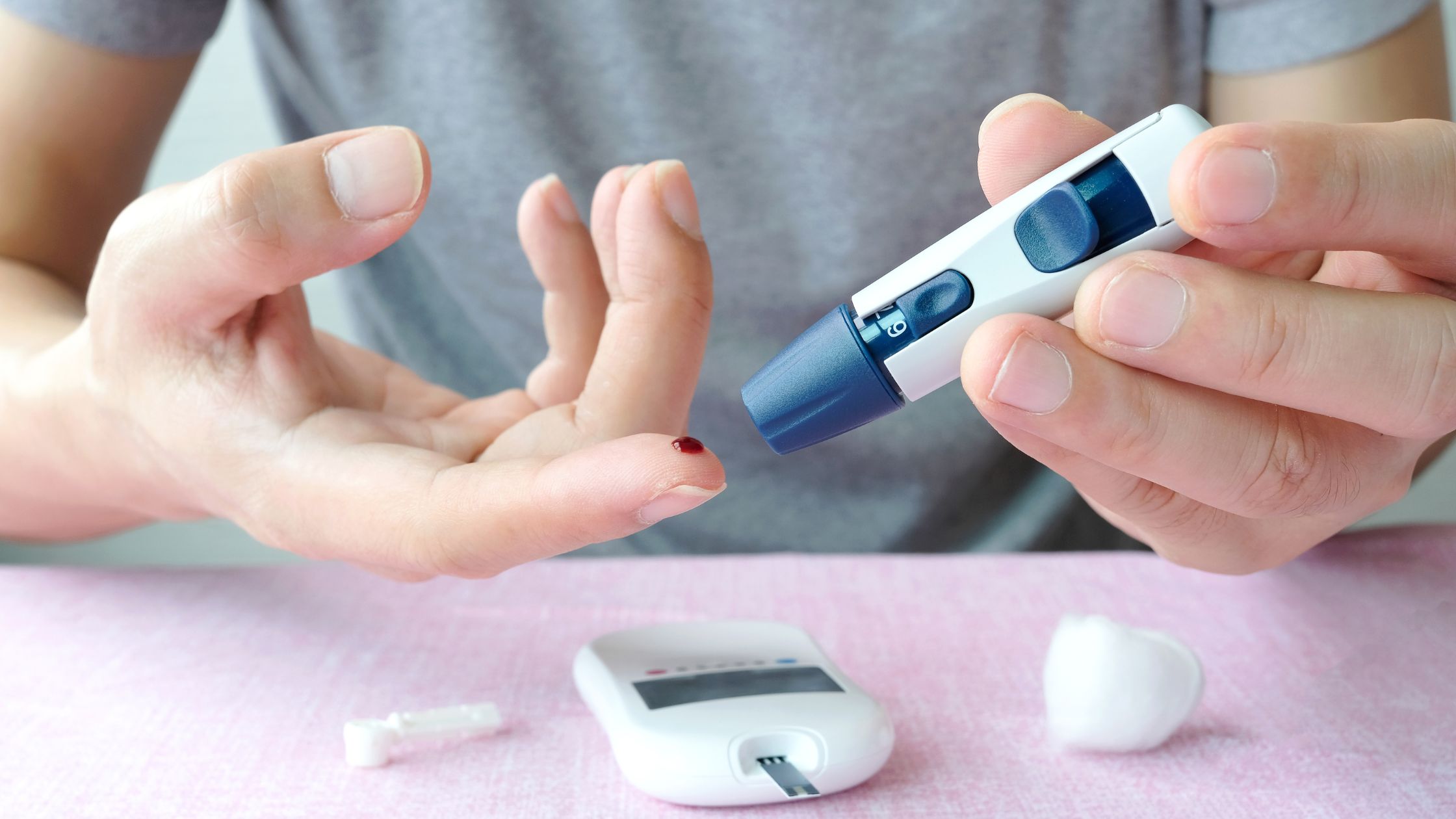
For individuals with diabetes or prediabetes, blood sugar monitoring after Ramadan is not optional. It is essential. Medication regimens are frequently adjusted during Ramadan to accommodate the fasting schedule, and those adjustments need to be reviewed and often reversed once regular eating patterns resume. Continuing a Ramadan-modified medication plan into the weeks after Eid can lead to either inadequately controlled blood sugar or, in some cases, hypoglycaemia.

Even for individuals without a diagnosed condition, the post-Ramadan period is a valuable time to check fasting glucose levels. The combination of altered eating patterns, sleep disruption, and dietary changes during the month can unmask early glucose regulation issues that were previously subclinical.

Our chronic disease management service at Westminster Clinic is designed precisely for this kind of ongoing, personalised monitoring. Rather than treating each blood sugar reading as an isolated data point, our family physicians track patterns over time and adjust care plans in response to what they observe across weeks and months.

Blood Pressure: The Silent Marker

Hypertension earns its reputation as a silent condition because it rarely announces itself through noticeable symptoms. During Ramadan, blood pressure can fluctuate in both directions. Some individuals experience a modest reduction in blood pressure during fasting periods, which is generally positive. Others, particularly those who consume high-sodium foods at iftar or suhoor, or who experience significant sleep disruption, may see their blood pressure rise.

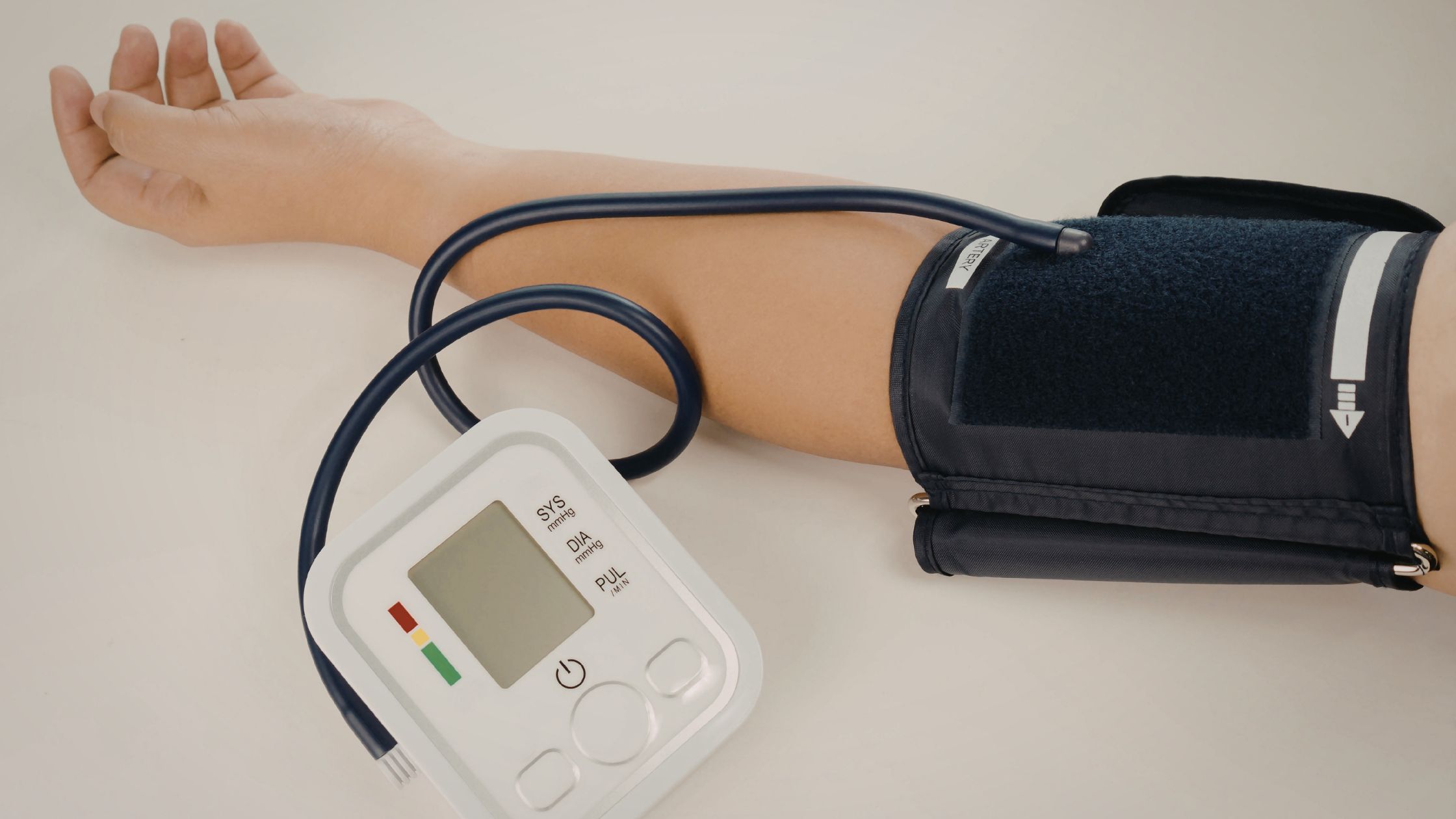
After Eid, the return to normal eating, combined with the lingering effects of a disrupted sleep cycle, can produce readings that differ meaningfully from a person’s usual baseline. For those already on antihypertensive medication, a post-Ramadan review of dosage and timing is often warranted. For those who have not had their blood pressure checked recently, this is an excellent moment to do so.

A general health checkup or annual wellness exam will typically include a blood pressure reading alongside other key markers, making it a practical and efficient way to get a clear picture of where you stand after the month.

The Case for Consistent, Ongoing Monitoring

One of the most common patterns in preventive medicine is this: people check their health markers when something feels wrong, and then stop checking once they feel better. This is understandable, but it misses the point of monitoring entirely.

Blood sugar, blood pressure, and weight are most informative when tracked consistently over time, with a doctor who knows your history. A single reading tells you very little. A trend tells you a great deal. Our family medicine services are structured around this principle of continuity, where your care does not begin and end with a single consultation, but builds over time into a genuinely personalised understanding of your health.

For patients managing multiple conditions simultaneously, our ongoing monitoring and medication adjustment service ensures that changes in one marker are considered in the context of the others, and that your treatment plan evolves as your health does.

After Ramadan Is the Right Time to Check In

There is a tendency to view the post-Ramadan period as simply a return to normal, as if the month can be set aside and life resumes unchanged. In reality, the body takes time to recalibrate, and for those with existing health conditions or risk factors, that recalibration deserves medical support.

You do not need to feel unwell to benefit from a check-in. A brief review of your key markers, a conversation about how your body responded to the fast, and a clear plan for the months ahead is exactly the kind of care that prevents problems from developing quietly in the background.

This is what family medicine, at its best, looks like: attentive, continuous, and built around knowing you well enough to notice when something has shifted.

Plan Your Post-Ramadan Health Review

Our experienced family physicians at Westminster Clinic in Dubai Healthcare City welcome patients who want to take a proactive approach to their health after Ramadan. Whether you are managing an existing chronic condition, monitoring risk factors, or simply want to know where your key health markers stand, we are here to support you with thorough, personalised care.

To find out more about how we support patients with long-term health monitoring, visit our family medicine services page, or schedule a consultation with our team at a time that works for you. Patients from across Dubai are warmly welcome, as are those travelling from Abu Dhabi or Al Ain.

March 29, 2026

Finding Your Footing After a Month of Change

Ramadan is one of the most meaningful times of year for millions of residents across the UAE. The fasting, the late nights, the shared meals at iftar and suhoor, and the shift in daily rhythms create a month that is spiritually fulfilling but physically demanding. When Eid arrives and the celebrations wind down, many people find themselves in a curious in-between state: relieved, a little tired, and not quite sure how to return to normal.

This post-Ramadan period is more significant for your health than most people realise. A full month of altered sleep schedules, changed meal timings, reduced physical activity, and heightened social commitments does not simply reset overnight. For some, the transition back feels seamless. For others, it brings persistent fatigue, digestive discomfort, trouble sleeping at regular hours, or a noticeable drop in energy. Both experiences are entirely normal, and both deserve attention.

Understanding what your body has been through, and how to support it thoughtfully as you return to routine, is where a good family doctor becomes invaluable.

What Ramadan Actually Does to the Body

The physical changes during Ramadan are well documented. Going without food and water from dawn to dusk shifts the body’s metabolic patterns, alters gut motility, changes insulin sensitivity, and disrupts the circadian rhythm. Sleep patterns often shift dramatically, with many people staying up well past midnight and waking before dawn for suhoor, accumulating a sleep debt that builds through the month.

Dehydration, even in its milder forms, can affect concentration, kidney function, and energy levels. Fried and sugar-heavy iftar foods, while delicious, place their own demands on the digestive system. For individuals managing chronic conditions such as diabetes, hypertension, or thyroid disorders, Ramadan may have required significant adjustments to medications and meal plans. Many of those adjustments need to be carefully reversed once normal eating resumes.

This is not a list of problems. It is simply an honest account of what the body navigates during a month of purposeful transformation.

Common Experiences in the Weeks After Eid

In the two to four weeks following Ramadan, it is common to notice:

  • Persistent fatigue or low energy, even after returning to regular sleep hours
  • Digestive discomfort, bloating, or changes in appetite as the gut readjusts
  • Difficulty falling asleep or waking at the right times
  • Mood fluctuations or a general sense of flatness after the intensity of the month
  • Weight changes, either gained through celebration meals or lost through extended fasting
  • Elevated blood sugar readings in those with diabetes or prediabetes
  • Increased thirst or mild dehydration symptoms

These experiences are not alarming. They are your body communicating that it is in the process of recalibrating. Most people find their equilibrium naturally over several weeks. However, symptoms that persist, worsen, or interfere with daily functioning deserve a closer look.

Reintroducing Structure: Practical Steps That Help

Returning to routine after Ramadan does not require dramatic effort, but it does benefit from intentionality. The goal is gradual recalibration, not an overnight overhaul.

Sleep is often the first thing to address. Shifting bedtime earlier by thirty minutes every few days, rather than attempting an immediate return to pre-Ramadan hours, is far less disruptive to the body. Limiting screens in the hour before bed and ensuring the bedroom is cool and quiet supports this process significantly in Dubai’s warming spring climate.

Nutrition benefits from a similar gradual approach. Reintroducing regular meal timings, prioritising whole foods, increasing hydration, and reducing the heavy, celebratory eating of Eid week allows the digestive system to settle. This is also a good time to notice whether habits that served you during Ramadan, such as more mindful eating or reduced snacking, are worth carrying forward.

Physical activity can be reintroduced slowly. Even a short daily walk in the early morning or evening, when Dubai’s temperatures are still manageable, begins to restore energy levels and regulate sleep.

When to See Your Family Doctor

For many people, this transition will be smooth with simple self-care. But there are situations where a consultation with your family physician adds real value and peace of mind.

If you are managing diabetes, hypertension, or a thyroid condition, a post-Ramadan check-in is genuinely important. Medication dosages that were adjusted for fasting may need to be reviewed now that normal eating has resumed. Blood sugar and blood pressure readings that were stable during Ramadan can shift in the weeks following Eid, sometimes in ways that are not immediately felt. A brief review with your doctor ensures that your management plan reflects your current state.

More broadly, this is an excellent time to schedule a general health checkup or annual wellness exam. After a month of metabolic change, a routine check of your key health markers, including blood glucose, lipid levels, kidney function, and blood pressure, offers a meaningful snapshot of where your health stands as you head into the rest of the year.

If fatigue has been persistent, if your sleep has not normalised after two to three weeks, or if you have simply been putting off a health concern that Ramadan delayed, now is the right time to address it.

The Value of a Doctor Who Knows Your History

One of the quiet advantages of having a long-term family doctor is that the post-Ramadan period becomes far easier to navigate. When your physician already understands your baseline health, your chronic conditions, your previous lab results, and your lifestyle, they can assess what is genuinely new or concerning versus what is simply your body returning to normal after a demanding month.

This continuity of care means you are not explaining your history from scratch each time you visit. It means your doctor can compare today’s readings against last year’s. It means advice is personalised to you, not generic. Our family medicine services are built around exactly this kind of relationship, one that supports you across every season of the year, including the ones that bring the most change.

A Thoughtful Reset, Not a Rushed One

The weeks after Ramadan are a natural transition point. The month itself encourages discipline, reflection, and community. The weeks that follow offer an opportunity to carry that mindfulness forward into your health.

You do not need to do everything at once. Sleep a little earlier each night. Drink more water. Return to movement gradually. Book that health check you have been meaning to schedule. These are not grand gestures. They are the small, consistent actions that build long-term wellbeing.

And if something does not feel right, trust that instinct. A short conversation with a family doctor who knows you is often all it takes to feel reassured or to catch something worth addressing early.

Ready to Reconnect With Your Health?

If you would like to book a post-Ramadan health check, review your chronic condition management, or simply have a conversation about how you are feeling, our experienced family physicians at Westminster Clinic in Dubai Healthcare City are here for you. Whether you prefer an in-person visit or the flexibility of a telehealth consultation, we make it straightforward to take that first step.

Explore our family medicine services to learn more about the care available to you and your family, or get in touch with our team to arrange a consultation at a time that suits you. Patients from across Dubai, and those visiting from Abu Dhabi or Al Ain, are always welcome.

March 28, 2026

Have you ever noticed that aches feel stronger when you are stressed? A headache lingers longer. Back pain feels sharper. Fatigue settles deeply into your muscles. During periods like Ramadan, when fasting alters sleep and energy levels, this connection between physical discomfort and emotional state becomes even more noticeable.

Pain is not purely physical. It is shaped by the brain, influenced by mood, stress levels, and mental clarity. Understanding this connection can help you respond to discomfort with insight rather than fear, especially during long fasting days or demanding work schedules in Dubai.

Pain Is Processed in the Brain, Not Just the Body

When you feel physical pain, signals travel from the body to the brain. But the intensity of that pain is influenced by emotional and psychological factors.

Stress, anxiety, and low mood can:

  • Increase muscle tension
  • Heighten sensitivity to discomfort
  • Reduce pain tolerance
  • Slow physical recovery

This does not mean pain is imagined. It means the nervous system amplifies or softens pain signals depending on emotional context.

During Ramadan, changes in hydration, sleep, and daily routine can make the body more sensitive. When emotional stress is added, discomfort may feel intensified.

Fasting Fatigue and Pain Perception

Fasting affects the body’s energy balance. As blood sugar levels fluctuate and sleep patterns shift, the nervous system works harder to regulate itself. This can temporarily increase:

  • Headaches
  • Muscle aches
  • Joint discomfort
  • Generalised fatigue

If you are already under work-related stress, these physical sensations may feel more pronounced.

Dubai’s fast-paced professional environment often continues at full speed during Ramadan. Many individuals push through fatigue without adjusting expectations. Over time, physical strain and emotional pressure combine, reducing mental clarity and increasing irritability.

The Stress-Pain Cycle

Physical pain and emotional distress often reinforce each other. The cycle can look like this:

  • Fatigue or discomfort begins
  • Stress increases in response
  • Muscle tension intensifies
  • Pain perception rises
  • Irritability and emotional strain follow

Without awareness, this cycle can persist throughout the day.

Breaking the cycle requires addressing both physical and emotional components.

Mental Clarity and Emotional Regulation

When you are tired or in pain, it becomes harder to regulate emotions. You may notice:

  • Shortened patience
  • Reduced focus
  • Increased frustration
  • Negative thought patterns

These reactions are not personal shortcomings. They reflect how closely the body and mind interact.

If irritability and stress are frequent during demanding periods, exploring structured support through stress and burnout recovery programs can help rebuild emotional resilience.

Sleep as the Hidden Factor

Sleep disruption is one of the most powerful amplifiers of both pain and emotional instability. During Ramadan, late nights and early mornings can fragment rest. Outside of Ramadan, long work hours may have a similar effect.

Insufficient sleep can:

  • Lower pain tolerance
  • Increase inflammatory responses
  • Heighten anxiety sensitivity
  • Reduce cognitive clarity

If sleep difficulties persist, sleep disorders and insomnia therapy can play a crucial role in restoring both physical comfort and emotional stability.

When Anxiety Intensifies Physical Symptoms

Anxiety can magnify physical sensations. A mild headache may feel alarming. Muscle tightness may be interpreted as something serious. This heightened vigilance increases stress hormones, which in turn intensify discomfort.

If worry about physical symptoms becomes persistent, learning more about anxiety and panic attack management can help reduce the cycle of fear and amplification.

Understanding that stress affects pain perception often brings relief. It shifts the focus from fearing the body to supporting the nervous system.

A Reflective Exercise During Fatigue

When discomfort arises, pause briefly and ask:

  • What is my body asking for right now?
  • Am I physically tired, emotionally overwhelmed, or both?
  • Have I allowed myself moments of rest today?

Even one minute of slow breathing can calm the stress response and reduce muscle tension.

If you are fasting, plan gentle pacing during lower-energy hours. If you are not fasting but still experiencing similar fatigue, examine workload, hydration, and rest patterns honestly.

When Physical Pain Reflects Emotional Strain

Sometimes ongoing aches and fatigue are not only related to fasting or busy schedules. They may signal underlying depression or chronic anxiety.

Warning signs include:

  • Persistent body pain without clear medical cause
  • Ongoing low mood
  • Loss of interest in usual activities
  • Fatigue that does not improve with rest

In such cases, emotional treatment can reduce physical discomfort. Support through depression treatment in Dubai often leads to improvements in both mood and physical symptoms.

Mind-Body Awareness in a Multicultural City

Dubai is home to people from diverse backgrounds, professions, and belief systems. Some may experience fasting-related fatigue. Others may struggle with long working hours, travel, or family pressures.

The principle remains consistent. The mind and body are interconnected. Physical pain is not separate from emotional life.

Recognising this connection encourages compassion rather than self-criticism. It allows you to respond to discomfort thoughtfully instead of ignoring or catastrophising it.

Integrated Care for Whole-Person Well-being

Psychiatric care does not focus only on thoughts and emotions in isolation. It considers sleep, stress patterns, lifestyle demands, and physical symptoms as part of a unified system.

At Westminster Clinic in Dubai Healthcare City, our psychiatry specialists provide confidential, evidence-based care tailored to adults navigating stress, fatigue, and emotional strain in the UAE. Our approach respects cultural context while addressing the full mind-body connection.

You can learn more about our comprehensive adult mental health services through our psychiatry department.

Listening Before the Body Shouts

Pain often begins as a whisper. A slight heaviness in the shoulders. A lingering headache. A sense of fog that does not lift. When ignored, those whispers grow louder.

The connection between physical pain and emotional well-being reminds us of something essential. The body does not work against you. It communicates with you.

When fatigue, tension, or unexplained discomfort become frequent, it may be an invitation to pause rather than push harder. Supporting your mental health is not separate from relieving physical strain. It is often the missing piece.

At Westminster Clinic in Dubai Healthcare City, our psychiatry specialists take a whole-person approach, recognising that emotional balance and physical comfort are deeply intertwined. If you are ready to better understand what your body has been signalling, you can take that first step toward clarity and recovery by reaching out through our contact page.

Because sometimes healing begins not with endurance, but with attention.

March 28, 2026

By mid-afternoon, your energy dips. Small inconveniences feel bigger than they should. A simple email triggers irritation. Concentration fades, and patience feels thin. Whether you are fasting during Ramadan or simply navigating long, demanding days in Dubai, this pattern can feel frustrating and confusing.

Fatigue changes how we think, feel, and respond. Irritability is often not a personality flaw, but a nervous system under strain. Understanding why this happens and how to respond gently can protect your emotional balance during intense periods of work and responsibility.

This conversation is relevant for everyone. While fasting can intensify these experiences, long hours, disrupted sleep, and ongoing stress affect many adults regardless of the season.

Why Fatigue Affects Mood So Strongly

When your body is tired, your brain has fewer resources to regulate emotions. Sleep disruption, reduced hydration, and sustained concentration all increase stress hormones.

As energy declines, you may notice:

  • Shorter temper or impatience
  • Heightened sensitivity to noise or interruptions
  • Negative thinking patterns
  • Reduced motivation
  • Difficulty concentrating

These reactions are not signs of weakness. They reflect the close connection between physical energy and emotional regulation.

In fast-paced environments like Dubai, many professionals override these signals. Over time, this can lead to chronic stress and emotional exhaustion.

The Hidden Link Between Fatigue and Irritability

Irritability is often a secondary emotion. Beneath it, there may be physical depletion, anxiety, or mental overload.

Consider what might be underneath moments of frustration:

  • Hunger or dehydration
  • Lack of restorative sleep
  • Cognitive overload from multitasking
  • Unexpressed stress
  • Unrealistic expectations of productivity

When these factors combine, even minor stressors can feel overwhelming.

If irritability is accompanied by persistent worry, racing thoughts, or physical tension, exploring support through anxiety and panic attack management may help you build stronger emotional regulation skills.

Busy Days and the Stress Response

The body does not always distinguish between physical strain and emotional threat. Long hours and constant demands can keep the stress response activated for extended periods.

Signs your stress system may be overloaded include:

  • Frequent headaches or muscle tension
  • Restlessness or feeling “on edge”
  • Emotional numbness
  • Difficulty winding down at night

When stress remains unaddressed, it can gradually evolve into burnout. Structured guidance through stress and burnout recovery programs can help restore balance before exhaustion becomes chronic.

Practical Strategies for Managing Fatigue During Long Days

You may not always be able to shorten your workday. However, small adjustments can significantly reduce emotional reactivity.

Consider these practical strategies:

  • Break tasks into smaller, manageable steps
  • Prioritise essential tasks rather than attempting everything at once
  • Take brief pauses to breathe slowly and deeply
  • Step away from screens for a few minutes when possible
  • Lower perfectionistic expectations during low-energy periods

If you are fasting, plan demanding tasks earlier in the day when energy levels are more stable. If you are not fasting but experiencing similar fatigue, examine your sleep and rest patterns closely.

Support through sleep disorders and insomnia therapy can be transformative when poor sleep drives emotional instability.

A Reflective Question for High Performers

In achievement-focused cultures, many individuals equate constant productivity with self-worth. During periods of fatigue, this belief can intensify stress.

Ask yourself gently:

  • Am I expecting full performance from a partially rested body?
  • Would I speak to someone I care about the way I am speaking to myself right now?

Reducing self-criticism during low-energy periods is not lowering standards. It is preserving long-term sustainability.

Managing Irritability in Relationships

Busy days do not end at the office. Emotional strain can spill into family life, leading to misunderstandings or regretful reactions.

To reduce conflict:

  • Pause before responding when you feel triggered
  • Communicate fatigue honestly rather than masking it
  • Agree on shared responsibilities during demanding periods
  • Schedule short moments of connection, even if brief

If stress is consistently affecting your relationship, couples therapy and relationship counselling can provide tools for healthier communication and mutual understanding.

When Fatigue Signals Something More

Temporary tiredness is normal. However, persistent fatigue combined with low mood, hopelessness, or loss of interest may signal depression rather than simple exhaustion.

Warning signs that deserve professional attention include:

  • Fatigue lasting several weeks despite rest
  • Ongoing sadness or emptiness
  • Significant appetite or sleep changes
  • Thoughts of worthlessness

In such cases, early support through depression treatment in Dubai can prevent symptoms from worsening.

Neutral Compassion in a Diverse City

Dubai is home to people from diverse backgrounds and belief systems. Some may be fasting. Others may not. Some may be navigating work transitions, relocation stress, or family pressures.

Emotional fatigue does not discriminate. Regardless of your circumstances, the principles remain the same:

  • The body influences the mind
  • Rest is not optional for emotional stability
  • Self-awareness reduces reactivity
  • Early support prevents escalation

Acknowledging your limits does not reduce your ambition. It strengthens your resilience.

The Role of Professional Support

Psychiatric care offers structured guidance when stress, fatigue, and irritability begin affecting work performance, relationships, or physical health. Treatment may involve identifying stress patterns, strengthening coping skills, and addressing underlying anxiety or mood disorders.

At Westminster Clinic in Dubai Healthcare City, our psychiatry specialists provide confidential, evidence-based care tailored to adults living in the UAE. Our approach respects cultural values, privacy, and the demands of professional life.

You can learn more about our comprehensive adult mental health services through our dedicated psychiatry department.

Restoring Emotional Balance, One Step at a Time

Managing fatigue, irritability, and stress is not about eliminating demanding days. It is about responding to them with greater awareness and care.

Notice the early signs of depletion. Adjust expectations where possible. Prioritise sleep and recovery. Seek support when emotional strain begins to affect your well-being.

You do not have to wait until exhaustion becomes overwhelming.

If you live in Dubai, Abu Dhabi, or Al Ain and feel that ongoing fatigue, stress, or irritability is affecting your emotional stability, our psychiatry specialists at Westminster Clinic, Dubai Healthcare City, are here to support you. You can take a calm and confidential step toward recovery by choosing to book a consultation when you feel ready.

Call Now Button